Chiapas 7 Day Itinerary: The Best 7 Days in Chiapas (2026)
If you have 7 days in Chiapas, the best first-timer route is San Cristóbal de las Casas → Chamula and Zinacantán → Sumidero Canyon → Palenque → Yaxchilán or Bonampak → out via Villahermosa. That gives you the strongest mix of highland culture, jungle ruins, and practical logistics without wasting a day backtracking.
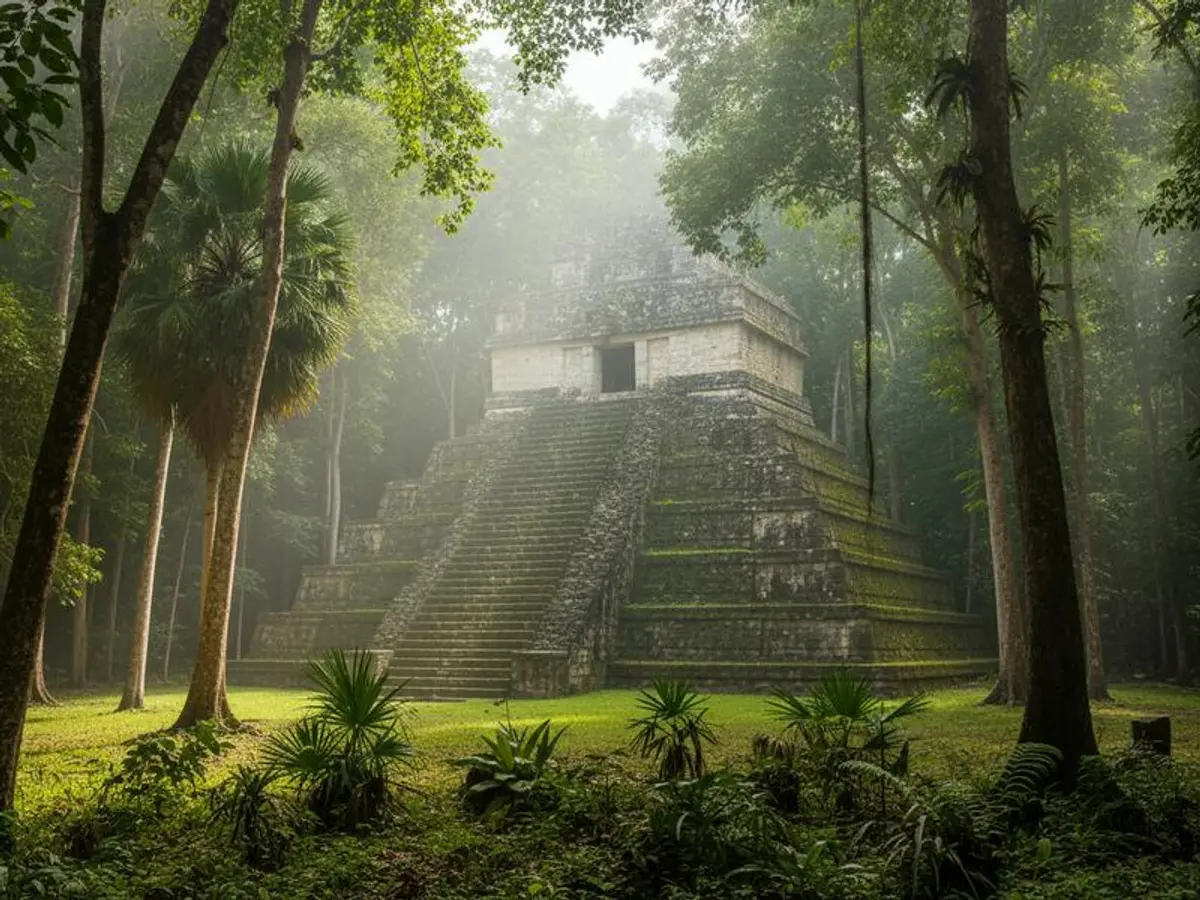
Chiapas doesn’t do anything halfway. The ruins at Palenque rise from jungle so dense the trees grow through the stone. San Cristóbal de las Casas sits at 2,200 meters where the air is thin and the nights are cold even in July. The Cañón del Sumidero drops a kilometer straight down, and the only way to feel its scale properly is from a boat on the river at the bottom.
This Chiapas 7 day itinerary covers the main circuit without rushing: two days in San Cristóbal, the indigenous villages, the canyon, a smart transition to Palenque, and the jungle archaeology that makes Chiapas unlike anywhere else in Mexico.
30-Second Answer
| If you want… | Do this |
|---|---|
| The best first trip | Spend Days 1 to 3 in San Cristóbal, Day 4 at Sumidero Canyon and in transit, Days 5 to 6 in Palenque and the jungle, then fly out of Villahermosa on Day 7 |
| The strongest ruins experience | Sleep in Palenque town and enter the ruins right at 8 AM before the San Cristóbal day-trip buses arrive |
| The best waterfall color | Go in dry season, usually November to April, when Agua Azul is much more likely to run turquoise |
| The easiest logistics | Fly into Tuxtla Gutiérrez, travel overland to Palenque, and leave from Villahermosa instead of backtracking to the highlands |
| A calmer 7-day trip | Skip Yaxchilán and use Day 6 for Misol-Ha, Agua Azul, and a slower Palenque day |
What makes this different from other Chiapas itineraries: specific timing rules (Palenque before 8 AM, Chamula before 10 AM), honest seasonal notes on waterfall colors, the Yaxchilán boat route most guides skip, and the altitude warning for San Cristóbal that almost no one puts in print.
Before You Go: Three Things Nobody Tells You
1. San Cristóbal is cold. The city sits at 2,200 meters. Nights drop to 8–12°C year-round — including July and August. Every year, visitors from Cancún or Playa del Carmen arrive in shorts and spend their first evening miserable. Pack at least one layer that can handle near-freezing temperatures at night, regardless of when you travel.
2. Agua Azul’s color depends on the season. Cascadas de Agua Azul and Misol-Ha are turquoise in dry season (November–April). Rainy season (June–October) turns them a silty brown. If you’re visiting June–October and a waterfall stop is a priority, adjust expectations — or skip in favor of more time at Palenque ruins.
3. Palenque has a tour bus problem after 10 AM. The ruins at Palenque fill with groups bused in from San Cristóbal on day trips (a 4-hour drive). They arrive between 10 and 11 AM. If you’re staying in Palenque town, you can reach the gate at opening (8 AM) and have the site essentially to yourself for two hours, with jungle mist over the temples. This is one of the best experiences in all of southern Mexico — don’t give it up by sleeping in.
For the full Chiapas travel overview, see our Chiapas travel guide.
Overview: Three Route Options
Route 1 (Recommended): San Cristóbal → Sumidero → Palenque → Jungle
The classic circuit done in the right order. Fly into Tuxtla Gutiérrez, spend two full days in San Cristóbal, add the canyon and villages, drive or bus to Palenque, do the ruins early, and add a jungle excursion before flying out of Villahermosa.
Best for: First-time Chiapas visitors, cultural + archaeology interest, 7 full days.
Route 2: Compact (5 Days, No Jungle)
Days 1–2: San Cristóbal + villages. Day 3: Cañón del Sumidero. Day 4: Palenque ruins + waterfalls. Day 5: Return TGZ or fly VSA.
Best for: Limited time, returning Mexico travelers, focus on ruins and colonial city.
Route 3: Extended (10 Days, Full South)
Add Days 8–10 after Route 1: Lagos de Montebello, Comitán de Domínguez, Las Nubes. Connects well with a Guatemala border crossing at Cd. Cuauhtémoc/La Mesilla if doing Central America.
Best for: Travelers combining Chiapas with Guatemala, 10+ days available.
Route 1: Day-by-Day (Recommended)
Day 1: Arrival in San Cristóbal de las Casas
Fly: Tuxtla Gutiérrez airport (TGZ) → colectivo or ADO bus to San Cristóbal (85 km, 1.5 hrs, 80–120 MXN). Or overnight bus from CDMX Terminal TAPO (12–13 hrs, 550–700 MXN, arrives morning). Alternatively, fly into Villahermosa (VSA) and do the route in reverse starting at Palenque.
Afternoon: Check in, walk Real de Guadalupe (the pedestrian street with craft shops and cafés running from the main square), acclimatize. At 2,200 meters, if you came from sea level, you’ll notice the altitude. Walk slowly, drink water, skip the mezcal until tomorrow.
Evening: Dinner at a restaurant on Real de Guadalupe or around the zócalo. Order cochito horneño (slow-roasted pork, Chiapas signature dish) or a Chiapas cheese board with queso de bola. Pick up a jacket at the market if you didn’t bring one — the temperature drops sharply after 6 PM.
Where to stay in San Cristóbal: See our Chiapas accommodation guide for full options by budget. Budget: 300–500 MXN; mid-range: 700–1,200 MXN; comfortable: 1,500–2,500 MXN for boutique colonial hotels around the main square.
Day 2: San Cristóbal Deep Dive
Morning (8–11 AM):
Templo de Santo Domingo de Guzmán — The baroque church facade of Santo Domingo is the most photographed image in Chiapas and deserves the attention. The interior is equally remarkable: gilded altarpieces, indigenous floral motifs woven into the colonial stonework. Adjacent is the largest artisan market in the city — textiles from highland Tzotzil and Tzeltal communities, amber jewelry (Chiapas produces Mexico’s amber), and the embroidered blouses (blusas bordadas) of Zinacantán. See our Chiapas food guide for the market food stalls adjacent to the church.
Na Bolom Cultural Center — The former home of Swiss anthropologist Gertrude Blom and Danish archaeologist Frans Blom, who spent decades documenting Lacandon Maya culture. The house-museum contains their archives, photography, artifacts, and a library. The Lacandon connection is significant — Chiapas has the largest remaining population of unconverted Lacandon Maya, living in the Selva Lacandona forest near Palenque.
Mercado Municipal — Local market three blocks north of the zócalo. Not the tourist market — this is where residents buy food. The comedores upstairs serve sopa de pan (bread soup, Chiapas specialty), tamales chiapanecos (wrapped in banana leaf with prunes and olives), and fresh atole.
Afternoon (2–5 PM):
Walk the city’s colonial streets — Andador Eclesiástico, Cathedral de San Cristóbal, Museo del Jade. The amber museum on Real de Guadalupe explains how Chiapas amber (resin from an extinct species of Hymenaea tree, 25–40 million years old) differs from Baltic amber and why the Chiapas variety is prized. Authentic pieces have inclusions (insects, plant matter); fakes are uniformly clear.
Evening: Mezcal bar — San Cristóbal has developed a genuine mezcal scene with Chiapas producers (Agave cupreata and Agave americana from the highland municipalities). The local style is different from Oaxacan mezcal. See our Chiapas food and drink guide for what to order.
Day 3: Indigenous Villages + Chiapa de Corzo
A critical logistics note for this day: San Juan Chamula has a strictly enforced no-photography policy inside the church. This is not a guideline — phones and cameras are confiscated. The Tzotzil community governs its own religious practices, which blend Catholic iconography with pre-Hispanic ritual: pine needles on the floor, hundreds of candles at different heights, santos dressed in mirrors and feathers, Coca-Cola and Pepsi used as ritual offerings (the carbonation is believed to facilitate burping, which expels evil spirits). It’s extraordinary. Accept the no-photo rule.
8:30 AM — Depart for Chamula
Colectivos to San Juan Chamula leave from Calle Honduras in San Cristóbal (20 MXN, 20 minutes). Sunday morning is the main market day — arrive before 10 AM when the market is at full activity. Entry to the churchyard: 20 MXN. The church interior: free but no photos. Spend 45–60 minutes.
10:30 AM — Zinacantán
A 15-minute colectivo from Chamula (or taxi, 60–80 MXN). Zinacantán is known for two things: the flower growing cooperatives that supply much of Mexico City’s cut flower market, and the textile weaving tradition — the magenta-and-flower embroidery pattern that appears on market stalls throughout southern Mexico originates here. Visit a family workshop (many open to visitors, charge 20–40 MXN for a demonstration) and buy directly from the weavers. See our dedicated Zinacantán guide.
12:30 PM — Return to San Cristóbal, lunch, depart for Chiapa de Corzo
Chiapa de Corzo is 75 km west (1.5 hrs from San Cristóbal, or 15 km from Tuxtla Gutiérrez). The town is the embarkation point for Cañón del Sumidero boat tours — but most visitors do the canyon as a morning trip from Tuxtla. If you’re doing it on this day from San Cristóbal, you arrive in the afternoon; consider doing it on Day 4 morning instead and spending Day 3 afternoon in Chiapa de Corzo town (colonial architecture, the famous La Pochota fountain).
Alternatively: Skip Chiapa de Corzo today and save the canyon for Day 4 morning, then drive to Palenque in the afternoon.
For the San Cristóbal day trip context, see our things to do in San Cristóbal guide, day trips from San Cristóbal, and the San Cristóbal travel guide.
Day 4: Cañón del Sumidero by Boat → Drive to Palenque
Morning — Cañón del Sumidero Boat Tour
This is the non-negotiable: take the boat, not just the lookout points. The canyon lookouts from the highway above give you a view of the canyon rim — but the Cañón del Sumidero is about scale, and scale requires being at the bottom. The walls reach 1,000 meters (3,280 feet) straight up from the river.
From Chiapa de Corzo embarcadero: Lanchas (motorboats, 10–15 passengers) depart when full. Cost: 200–280 MXN per person. Duration: 2–2.5 hours round trip on the Grijalva River, ending at Chicoasén dam. See our Chiapa de Corzo and Sumidero Canyon guide for full logistics.
What to look for on the boat:
- Christmas Tree waterfall — A moss-covered wall that water seeps through year-round, creating a permanent green “tree” shape. Only visible from the river, not from the lookouts.
- Crocodiles — American crocodiles on the riverbanks (most visible early morning, before the boat traffic increases)
- Howler monkeys — In the forest fringe above the waterline
- Cave of Colors — A multicolored mineral seepage cave visible near the narrowest section of the canyon
Afternoon — Drive to Palenque
San Cristóbal to Palenque: 210 km, approximately 5 hours by car or bus. The ADO bus takes 5–5.5 hours (300–400 MXN). The scenery transitions from pine-oak highland forest to tropical lowland jungle — one of the most dramatic landscape changes on any road in Mexico. The descent from 2,200m to 60m over 2 hours is the visual signature of this route.
Arrive Palenque town, check in, eat dinner. The town itself is unremarkable — it exists to service the ruins. The main street has reasonable restaurants. Go to sleep early. Day 5 starts before sunrise.
Day 5: Palenque Ruins at Dawn + Waterfalls
Arrive at Palenque ruins at 8:00 AM sharp (opening time).
This timing is the difference between a transformative experience and a crowded tourist site. At 8 AM in dry season, jungle mist hangs over the temples. Howler monkeys call from the canopy (they’re genuinely loud — the sound carries a kilometer through jungle). You’ll have the Temple of the Inscriptions, the Palace, and the Ball Court nearly to yourself.
Tour buses from San Cristóbal arrive between 10 and 11 AM. By then, the mist has burned off and the main plazas are crowded. Plan to be at the far sections of the site (Temple XIV group, the northern group) when the tour buses arrive — these areas stay less crowded throughout the day.
Key sites at Palenque:
- Temple of the Inscriptions — The tomb of Pakal the Great (615–683 AD), discovered by Alberto Ruz Lhuillier in 1952. The stone sarcophagus lid showing Pakal at the World Tree is in the Museo Nacional de Antropología in CDMX — but the temple and the tomb passage itself are here. The descent inside the pyramid is steep and narrow; claustrophobics should know this before entering.
- The Palace — A complex of courtyards, tunnels, and a tower. The astronomical observation tower allowed Maya astronomers to track the winter solstice sunset directly through a doorway.
- Temple XIV group — Less visited eastern section with well-preserved stucco reliefs.
- Site museum — At the jungle edge, with tomb replica and original artifacts. Don’t skip it — many of the best pieces are here, not in CDMX.
Entry fee: 85 MXN (site) + 85 MXN (museum separately). Hours: 8 AM–5 PM. Budget 3–4 hours minimum.
For detailed archaeology and practical info, see our Palenque ruins guide and Palenque Chiapas guide. For 20 activities including Yaxchilán, Bonampak, waterfalls, and food: Things to Do in Palenque. For full logistics on Agua Azul (dry season only), Yaxchilán boat access, Bonampak murals, and Toniná: Day Trips from Palenque.
Afternoon — Cascadas de Misol-Ha and Agua Azul
Misol-Ha (20 km from Palenque): A single 35-meter waterfall dropping into a pool, with a path that goes behind the falls. Takes 30–45 minutes. Works in any season.
Agua Azul (65 km from Palenque): A series of cascading turquoise pools over limestone. Turquoise ONLY in dry season (November–April). In rainy season, the water runs brown-green from upstream sediment. Entry: 50–70 MXN. Paths along the river allow you to walk upstream past multiple levels. Budget 1.5–2 hours.
If visiting in rainy season, consider spending the afternoon in the site museum and jungle walking trails instead — Palenque’s surrounding park has marked trails to secondary ruins in the forest.
Combo tours: Most Palenque hotels offer combined Misol-Ha/Agua Azul tours (250–400 MXN, van transport). Book through your hotel or at the ADO bus terminal the evening before. See our Chiapas waterfalls guide for more waterfall options throughout the state.
Day 6: Yaxchilán and the Usumacinta River
This is the day most itineraries cut when they’re short on time, and that’s a mistake. The Yaxchilán experience is qualitatively different from every other Maya site in Chiapas.
The logistics: Palenque town → Frontera Corozal (153 km, approximately 3 hours by car or colectivo toward Villahermosa then south). From Frontera Corozal embarcadero, lanchas cross the Usumacinta River to Yaxchilán — the site sits on a meander loop essentially forming an island on the Mexico-Guatemala border. The 25-minute boat ride through jungle is a significant part of the experience.
Yaxchilán: A major Late Classic Maya city (600–900 AD) known for its carved lintels (stone beams above doorways depicting bloodletting rituals, warfare, and accession ceremonies — some are in the British Museum) and its dramatic setting: temples emerging from jungle, surrounded by river on three sides. Unlike Palenque, you share Yaxchilán with howler monkeys, spider monkeys, toucans, and parrots in almost equal numbers to tourists. Allow 2–3 hours on site.
Bonampak option: 30 km from Frontera Corozal by dirt road (accessible by car or guided tour). The murals of Bonampak — discovered in 1946, still the most complete and vivid ancient Maya painting sequence in existence — cover three rooms of a temple with battle scenes, sacrifice, and celebration in original color. Unlike most Maya murals, these were never fully buried and the pigments remain extraordinary. The site is smaller than Yaxchilán; budget 1.5 hours.
Doing both in one day: Possible but requires an early start from Palenque (5:30 AM departure) and a long day. Most organized tours from Palenque combine Yaxchilán in the morning and Bonampak in the afternoon. Cost: 600–900 MXN for a full-day guided tour from Palenque, transport included. You can also book Chiapas jungle tours on Viator with free cancellation.
If you skip Day 6: Use it for rest in Palenque, or take a half-day horseback or zip-line tour in the Palenque forest.
Day 7: Departure via Villahermosa
Palenque → Villahermosa: 150 km, approximately 2.5 hours. ADO bus departures throughout the morning (150–200 MXN). Villahermosa airport (VSA) has direct flights to Mexico City (55 min, from 900 MXN on VivaAerobus, Volaris, or Aeromexico), Cancún, Monterrey, and Guadalajara.
Alternative departure: If your flight is from Tuxtla Gutiérrez (TGZ), reverse-route back via San Cristóbal (ADO bus, 5 hrs). This works logistically but is a long travel day.
Continuing to Mérida and the Yucatán: ADO runs direct overnight buses from Palenque to Mérida (8–9 hours, 650–950 MXN) — board in Palenque in the evening, wake up in Mérida. This is the natural connection to the Yucatán Peninsula. See our Palenque to Mérida guide for the overnight bus, the recommended Campeche City stopover, and Semana Santa booking warnings.
Transit option: If connecting to Guatemala, the Tapachula border crossing or the Cd. Cuauhtémoc/La Mesilla crossing in the highlands are both accessible from this route — see our Chiapas travel guide for border details.
Common First-Timer Mistakes in Chiapas
- Trying to day-trip Palenque from San Cristóbal. The drive is too long to make this feel smart. Sleep in Palenque instead.
- Planning Agua Azul in peak rainy season and expecting turquoise water. The falls are still powerful, but the color is often brown-green, not postcard blue.
- Flying in and out of the same airport. Open-jaw flights, into TGZ and out of VSA, usually make a 7-day Chiapas trip much smoother.
- Underpacking for San Cristóbal nights. Even hot-season daytime weather does not mean warm evenings at altitude.
- Overstuffing Day 6. Yaxchilán and Bonampak together are doable, but only if you are fine with a very long day.
Getting Around Chiapas
| Transport | Best For | Cost | Notes |
|---|---|---|---|
| ADO bus | San Cristóbal ↔ Palenque | 300–400 MXN | 5–5.5 hrs, comfortable reclining seats |
| Colectivo van | San Cristóbal ↔ villages | 20–50 MXN | Departures when full, no reservation |
| Rental car | Waterfalls, Lagos de Montebello, Las Nubes | 500–900 MXN/day | From TGZ airport; toll road preferred |
| Organized tour | Yaxchilán + Bonampak | 600–900 MXN | All transport + guide included |
| Taxi | Short urban trips | 40–100 MXN | No Uber in San Cristóbal |
No Uber in San Cristóbal — taxi drivers in the city have historically opposed ride-hailing apps and the resistance has been effective. Use local taxis; rates are fixed by zone and displayed at taxi stands.
For detailed road trip guidance through southern Mexico, see our driving in Mexico guide.
Chiapas Food: What to Eat on This Route
Chiapas has one of Mexico’s most distinct regional cuisines — highland indigenous food, colonial Spanish influences, and tropical lowland dishes that change completely between San Cristóbal and Palenque. Our Chiapas food guide and Chiapas foods deep dive cover this in full, but the essentials by location:
In San Cristóbal:
- Cochito horneño — slow-roasted pork marinated in achiote, the defining Chiapas meat dish
- Sopa de pan — bread soup with tomato, dried chiles, vegetables, raisins and hard-boiled egg; unusual and very good
- Tamales chiapanecos — banana-leaf wrapped, filled with chicken or pork with prunes, olives, and chiles; sweeter than Oaxacan tamales
- Pox (pronounced “posh”) — the traditional Tzotzil spirit, a sugarcane/corn distillate with ritual significance; try it in San Cristóbal bars
- Chiapas coffee — the state produces 40% of Mexico’s coffee; a cup here, at origin, is excellent
In Palenque:
- Simpler food town — hotel restaurants dominate, quality drops vs San Cristóbal
- Sopa de lima criolla — a citrus chicken broth unique to lowland Chiapas and Tabasco
- Empanadas de chipilín — corn empanadas with chipilín herb (aromatic, distinctive, grows wild throughout the lowlands); found at market fondas
- Fresh tropical fruit is excellent and cheap here compared to San Cristóbal
Budget Guide
| Category | Budget | Mid-Range | Comfortable |
|---|---|---|---|
| Accommodation (7 nights) | $140–$210 | $280–$490 | $560–$840 |
| Food (7 days) | $70–$105 | $140–$210 | $280–$420 |
| Transport (total) | $80–$120 | $120–$180 | $200–$350 |
| Activities + entries | $60–$90 | $90–$150 | $150–$250 |
| Total (USD) | $350–$525 | $630–$1,030 | $1,190–$1,860 |
For budget context across Mexico, see Mexico travel cost guide and cheapest Mexico destinations. Chiapas runs notably cheaper than Oaxaca or Yucatán — especially accommodation in San Cristóbal.
Chiapas vs Other Southern Mexico Routes
Deciding between routes? Here’s how Chiapas compares:
| Chiapas 7 days | Oaxaca 5 days | Yucatán 7 days | |
|---|---|---|---|
| Ruins type | Jungle-buried Maya | Highland Zapotec | Open-plain Maya (Chichén Itzá) |
| Highlights | Palenque, Sumidero, villages | Monte Albán, Valley circuit, mezcal | Cenotes, Mérida, Tulum, Uxmal |
| Food scene | Distinct highland/jungle split | One of Mexico’s best | Yucatecan classics |
| Difficulty | Medium (altitude, distances) | Easy | Easy–Medium |
| Cost | Lowest of the three | Medium | Medium–High (Caribbean) |
Combine them: A two-week Mexico itinerary built around CDMX + Oaxaca + Chiapas covers all three highland culture zones in one efficient loop, flying into CDMX and out of Villahermosa (or Oaxaca and out of Tuxtla).
Safety in Chiapas
The main tourist circuit is well-traveled and safe. San Cristóbal has a consistent tourist police presence and the historic center is active and well-lit at night. Palenque town requires standard urban awareness — don’t flash valuables, use licensed taxis.
The US State Department rates Chiapas at Level 2 (Exercise Increased Caution), the same rating as most of Mexico’s most-visited states. Areas near the Guatemala border outside the tourist route (Ocosingo area, some municipalities in the conflict zone) warrant more caution — but these areas aren’t on this itinerary.
See our full Mexico safety guide for state-by-state context and practical advice. For month-by-month detail on Agua Azul’s turquoise season, bloqueo risk, and highland vs. jungle timing, see our Best Time to Visit Chiapas guide. Also see best time to visit Mexico for seasonal planning, is Chiapas safe for current traveler-risk context, and Mexico travel cost if you are comparing this route against Oaxaca or Yucatán. For a trip this remote, travel insurance should include emergency medical treatment and evacuation from rural areas.
Frequently Asked Questions
How many days do you need in Chiapas?
7 days is the sweet spot — enough for San Cristóbal (2 days), indigenous villages, Cañón del Sumidero by boat, Palenque ruins, and at least one waterfall. With 5 days you can do San Cristóbal plus Palenque but skip the jungle excursions. 10 days adds Lagos de Montebello, Yaxchilán, and Bonampak.
What is the best time to visit Chiapas?
November through April (dry season) for most of Chiapas. Agua Azul and other waterfall sites run turquoise in dry season — rainy season turns them muddy brown. San Cristóbal is cold at night (8–12°C) year-round regardless of season. Palenque’s jungle mist over the ruins is most dramatic November–February mornings.
Do I need a car for a Chiapas itinerary?
No car needed for the main route (San Cristóbal → Palenque). Colectivos and ADO buses connect all major sites. A car helps for Lagos de Montebello and Las Nubes — compare rental prices on RentCars if you decide to drive. For Yaxchilán and Bonampak, organized tours are more practical than self-driving.
Is Chiapas safe for tourists?
The main tourist circuit — San Cristóbal, Palenque, Sumidero Canyon — is safe and heavily visited. US State Department rates Chiapas Level 2, same as most of Mexico. San Cristóbal has tourist police and an active historic center. Normal precautions apply.
How do I get to San Cristóbal de las Casas?
Fly into Tuxtla Gutiérrez (TGZ), then colectivo or ADO bus to San Cristóbal (85 km, 1.5 hrs, 80–120 MXN). From Mexico City, overnight ADO bus takes 14–16 hours (560–900 MXN). Taxi from TGZ airport: 400–600 MXN. Traveling from the Yucatan? Fly to Villahermosa (VSA) and enter Chiapas via Palenque instead. See our full guides: Mexico City to San Cristóbal de las Casas, Cancun to San Cristóbal de las Casas, Cancun to Palenque, and San Cristóbal to Palenque.