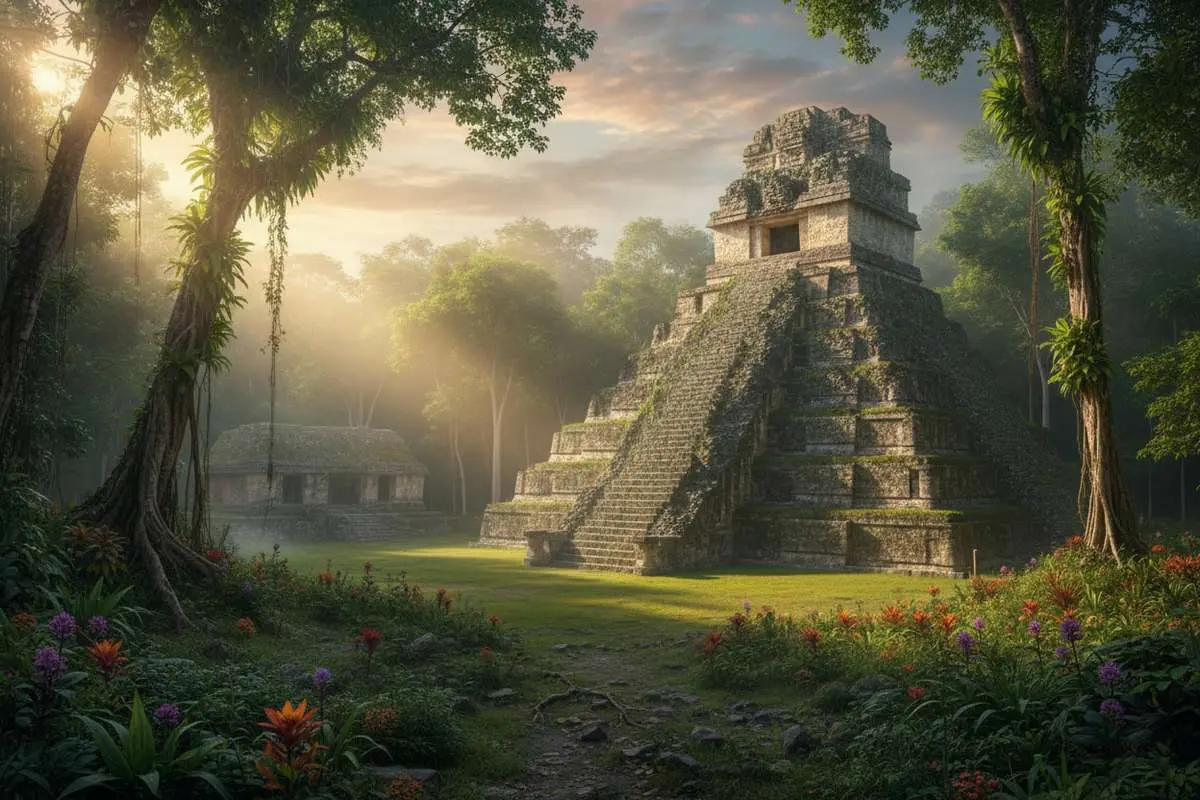
Palenque Ruins Guide 2026: Visiting the Ancient Maya City
The Complete Guide to Visiting Palenque Archaeological Site You can explore Mexico tours on Viator.
Palenque represents Maya civilization at its artistic and architectural peak. Unlike the massive pyramids of Chichen Itza or the sprawling urban layout of Teotihuacan, Palenque captivates through elegance, proportion, and setting. The ruins emerge from jungle that still conceals most of the ancient city, creating an atmosphere of discovery that larger, more excavated sites cannot match.
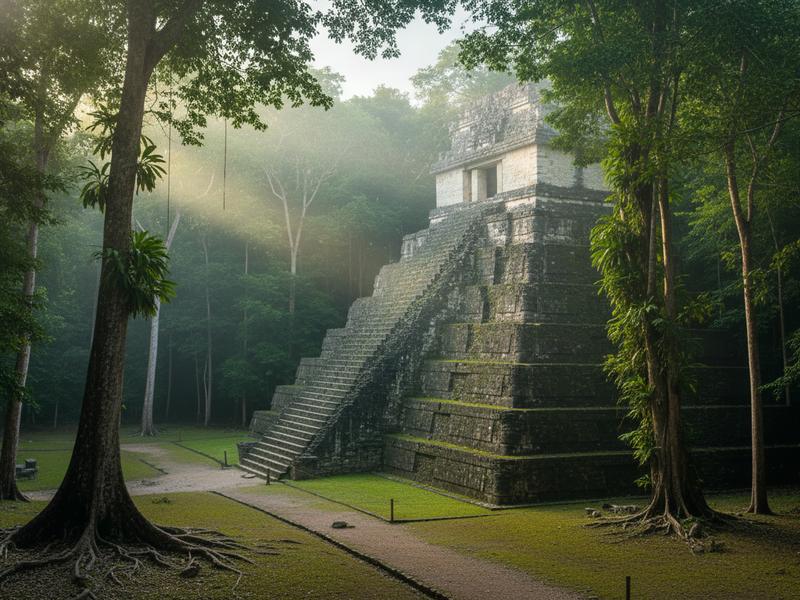
Standing before the Temple of Inscriptions as morning mist lifts from the forest canopy, listening to howler monkeys roar from unseen perches, you understand why this site has captivated explorers, archaeologists, and travelers for centuries. Palenque is not just ruins to photograph; it is a place to feel.
Palenque’s temples and palace demonstrate the finest achievements of Maya architecture and art, set in a jungle landscape that transforms the visit into something approaching time travel.
This guide covers everything you need for a meaningful visit: the history that makes these stones significant, the structures you shouldn’t miss, practical logistics, and tips for experiencing Palenque at its best. For broader Chiapas planning, see our Chiapas travel guide.
History of Palenque
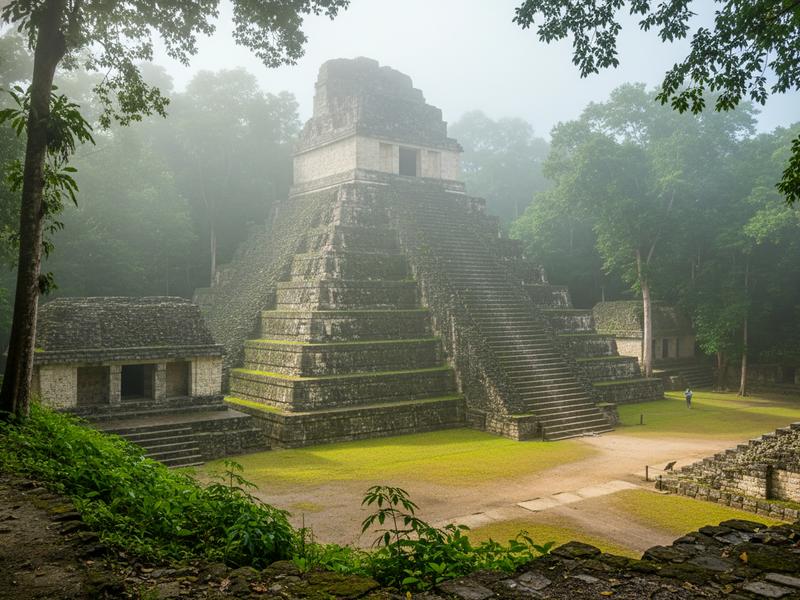
The city the Maya called Lakamha (Big Water) flourished from roughly 400 to 800 AD, though the site was inhabited for centuries before and after this peak period. Palenque reached its zenith under the ruler K’inich Janaab Pakal (Pakal the Great), who reigned from 615 to 683 AD, an extraordinary 68-year rule that transformed the city into a regional power.
Pakal commissioned the Temple of Inscriptions as his funerary monument. His son K’inich Kan Bahlam II continued the building program, constructing the Group of the Cross temples. These rulers created not just buildings but sophisticated artistic and textual traditions that have taught archaeologists much of what we know about Classic Maya civilization.
By 799 AD, the last known inscription was carved at Palenque. Like other Maya cities, it was gradually abandoned during the Classic Maya collapse. Jungle reclaimed the temples, and the city passed into legend until explorers rediscovered it in the 18th century.
Pakal’s Tomb Discovery
In 1952, Mexican archaeologist Alberto Ruz Lhuillier discovered a hidden stairway descending from the Temple of Inscriptions. After four years of excavation through rubble deliberately placed to seal the passage, he reached a burial chamber containing Pakal’s sarcophagus and the famous jade death mask.
This discovery revolutionized understanding of Maya pyramids, proving they served as royal tombs rather than purely religious structures. Pakal’s carved sarcophagus lid, depicting the king’s descent into the underworld, ranks among the finest Maya artworks ever found.
What to See at Palenque
Temple of Inscriptions
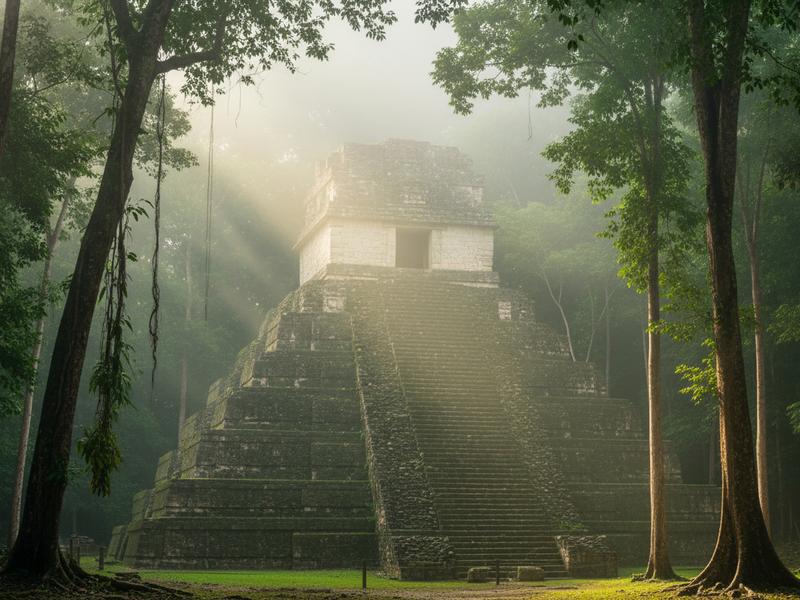
Palenque’s most famous structure takes its name from the three large hieroglyphic panels inside the temple atop the pyramid. These 617 glyphic blocks constitute one of the longest Maya inscriptions known, recording Palenque’s dynastic history.
The nine-level pyramid rises 23 meters from the plaza. Climbing is no longer permitted to protect the structure, but the temple remains impressive from below. The tomb of Pakal lies deep within, accessed through the internal stairway that Ruz Lhuillier excavated. The tomb itself is sealed to preserve its microclimate, though the adjacent Temple XIII contains another royal burial (possibly Pakal’s wife) that can sometimes be viewed.
The Palace
This complex of connected buildings, courtyards, and galleries served as the administrative and residential center of Palenque’s rulers. The distinctive four-story tower, unique in Maya architecture, may have functioned as an astronomical observatory or watchtower.
Wander through the palace to discover:
- Carved panels depicting captives and tribute scenes
- Underground galleries with remarkable acoustics
- Throne rooms where rulers received visitors
- Steam baths used for purification rituals
- Elaborate stucco decoration on interior walls
The palace rewards slow exploration. Take time to notice details that reveal how Maya royalty lived.
Group of the Cross
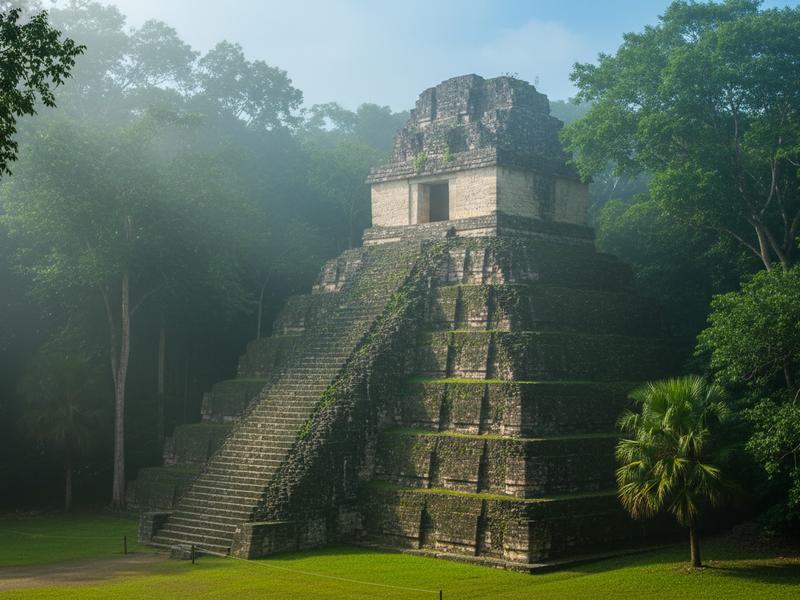
East of the main plaza, three temples face a small plaza: the Temple of the Cross, Temple of the Foliated Cross, and Temple of the Sun. Built by Pakal’s son K’inich Kan Bahlam II, these structures contain carved panels depicting complex cosmological and political themes.
The Temple of the Cross offers the best views across the site, particularly beautiful in afternoon light when the Temple of Inscriptions catches golden rays. The climb rewards with both panorama and close inspection of sophisticated architectural details.
Jungle Trails and Outlying Groups
Beyond the main excavated area, jungle trails lead to smaller temple groups and natural features. These less-visited sections provide respite from crowds and opportunities for wildlife encounters.
Group B and Group C: Partially excavated structures along maintained trails offer glimpses of buildings still largely covered by vegetation.
Queen’s Bath: A spring-fed pool in the jungle where you can swim (when water levels permit). The cool water provides welcome relief from tropical humidity.
Waterfall trails: Several small waterfalls cascade through the jungle, accessible via paths that continue beyond the archaeological zone.
Site Museum
The Alberto Ruz Lhuillier Site Museum, located along the access road, displays artifacts from Palenque including original stucco sculptures, carved panels, jade ornaments, and ceramic vessels. A replica of Pakal’s tomb allows visitors to understand what Ruz Lhuillier discovered.
The museum requires a separate ticket and closes earlier than the archaeological zone. Visit first thing in the morning or during the hottest midday hours as a break from the site.
Planning Your Visit
When to Go
Time of day: Arrive at opening (8:00 AM) to experience the site in cooler temperatures, better light, fewer crowds, and with active wildlife. Howler monkeys are most vocal in early morning. By midday, heat and humidity become oppressive, and tour groups arrive from Palenque town.
Season: Dry season (November-April) offers more comfortable visiting conditions. Wet season brings afternoon rains but also lush vegetation and fewer tourists. Rain usually clears by late afternoon.
Getting There
From Palenque town: Colectivo vans run continuously from the town center (15-20 pesos, 15 minutes). Taxis charge approximately 100-150 pesos.
From San Cristobal de las Casas: The journey takes approximately 5 hours by tourist shuttle or bus, often with stops at Agua Azul and Misol-Ha waterfalls. Most travelers spend the night in Palenque town or nearby jungle lodges.
From Villahermosa: About 2.5 hours by car or bus, making this the closest major airport for those flying in. You can compare car rental prices on RentCars for the best deals.
Tickets and Hours
The archaeological zone opens at 8:00 AM and closes at 5:00 PM (last entry 4:30 PM). Tickets cost approximately 90 pesos for the main site, with the museum requiring an additional fee. Prices may have increased; verify current rates.
Sundays offer free admission for Mexican nationals, resulting in larger crowds. Weekdays are generally quieter.
What to Bring
- Water: Essential in the humid tropical climate. Bring at least 1-2 liters.
- Sun protection: Hat, sunscreen, and sunglasses for exposed plazas
- Insect repellent: Mosquitoes are present, especially on jungle trails
- Comfortable shoes: Trails include uneven stone and jungle paths
- Rain jacket: Especially in wet season; showers can arrive quickly
- Binoculars: For wildlife and architectural details
- Camera: But respect any restricted areas
Where to Stay Near Palenque
Two accommodation zones serve Palenque visitors. For complete options, see our Chiapas accommodation guide.
Jungle Lodges
Properties along the road to the ruins offer immersive jungle atmosphere. Wake to howler monkey calls, swim in natural pools, and reach the archaeological site before most visitors arrive.
Chan-Kah Resort Village provides comfortable rooms in a jungle setting with pool, restaurant, and direct access to river swimming.
Boutique Hotel Quinta Chanabnal offers upscale cabanas with jungle views and excellent service.
Palenque Town
The town of Palenque provides more conventional hotels, restaurants, and services within walking distance of each other.
Hotel Maya Tulipanes offers reliable mid-range comfort near the town center.
Hotel Chablis provides budget-friendly options with basic amenities.
Nearby Attractions
Waterfalls
The road between San Cristobal and Palenque passes stunning waterfalls detailed in our Chiapas waterfalls guide.
Misol-Ha: A 35-meter waterfall 20 km from Palenque, with a path behind the falls.
Agua Azul: Multiple cascades of turquoise water about 65 km from Palenque.
Other Archaeological Sites
Bonampak: Famous for remarkably preserved murals depicting warfare and ceremony. Requires a full day trip into the Lacandon jungle. You can book Mexico tours on Viator.
Yaxchilan: Reached only by boat on the Usumacinta River, with dramatic setting and intricate carved lintels. Often combined with Bonampak.
Tonina: South of Palenque near Ocosingo, featuring one of the tallest Maya pyramids. Less visited and more adventurous.
Tips for a Better Palenque Experience
- Arrive at opening: The difference between 8 AM and 11 AM visits is dramatic in terms of temperature, crowds, and atmosphere
- Hire a guide: Knowledgeable guides (available at the entrance) transform scattered buildings into coherent historical narrative
- Explore the jungle trails: Most visitors stick to the main plaza; the outlying groups offer solitude and wildlife
- Visit the museum: Seeing the original artifacts enhances appreciation of what the site once contained
- Allow enough time: Rushing through in an hour does Palenque no justice; plan for 3-4 hours minimum
- Stay nearby: Jungle lodges allow early arrival before day-trippers
- Listen: Howler monkeys, birds, and jungle sounds create an audio environment that photography cannot capture
Palenque: More Than Ruins
Palenque rewards visitors who approach it as more than a photo opportunity or checklist item. This was once a living city where priests tracked the movements of planets, artists created some of humanity’s finest sculptures, and kings were buried beneath pyramids with all the wealth their subjects could provide.
Take time to sit in the plaza as Pakal once did, imagining the structures painted in vivid red and blue, thronged with subjects and supplicants. Watch the mist rise from the jungle and listen to the howlers call across the canopy. Let the place work on you.
Continue exploring: Chiapas Travel Guide | Chiapas Waterfalls | Where to Stay in Chiapas
For activities beyond the ruins — waterfalls, Yaxchilán, Bonampak, and food — see our Things to Do in Palenque guide.