Is Puerto Vallarta Safe in 2026? Honest Guide
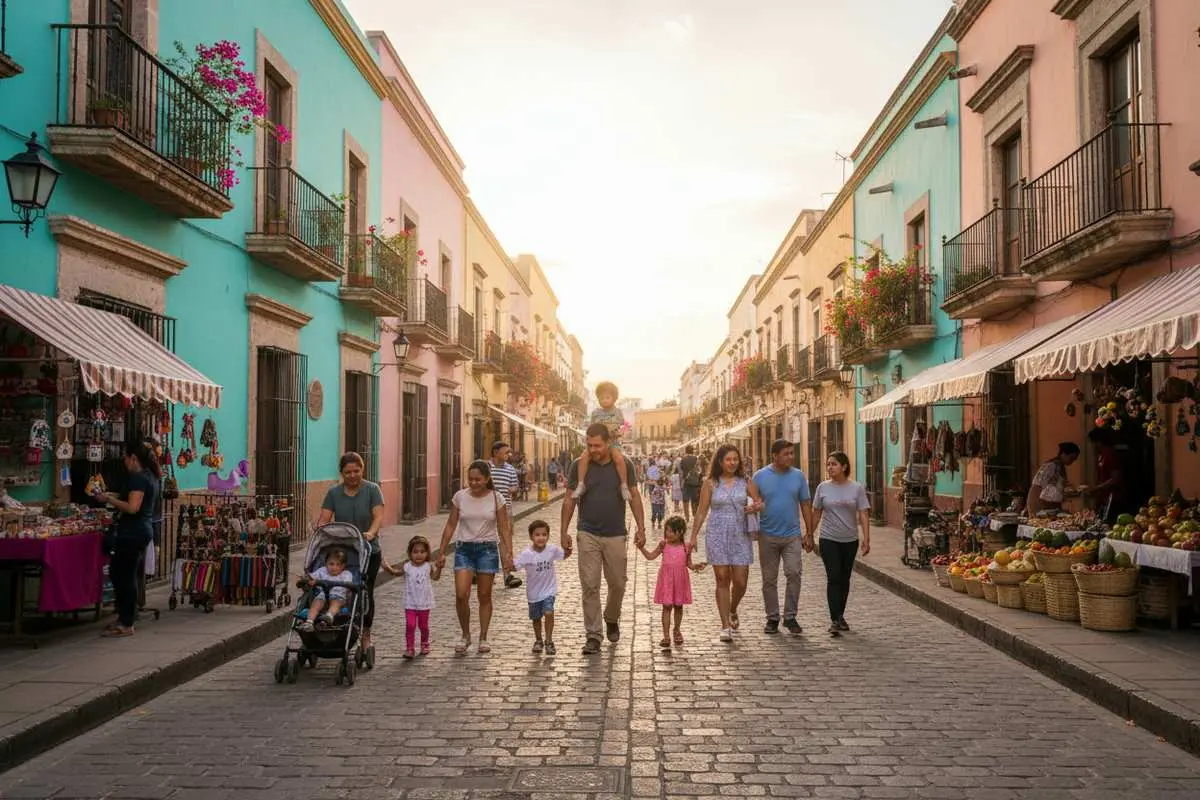
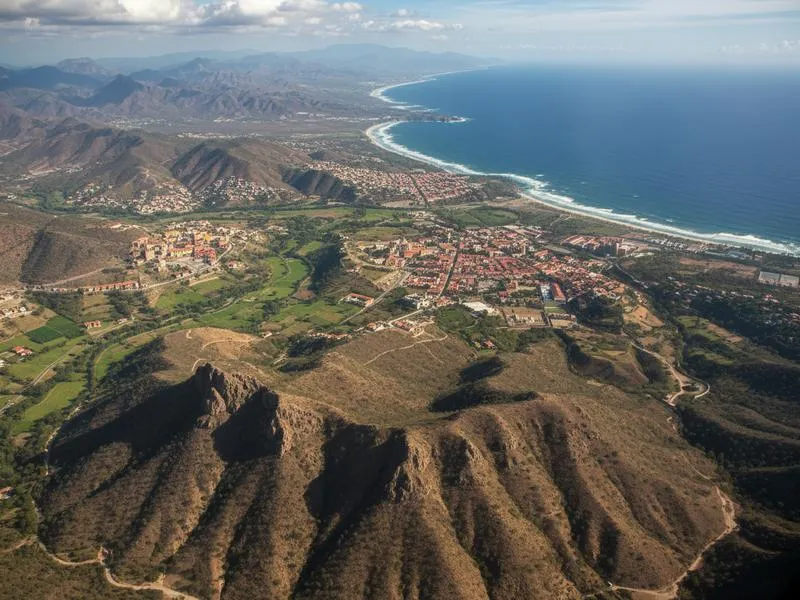
Puerto Vallarta is one of Mexico’s safest and most internationally recognized resort cities. Over 4 million tourists visit annually. Jalisco state sits at U.S. State Department Level 2 — the same rating as France, Germany, and the United Kingdom. The Zona Romántica, Malecón, Marina, and Hotel Zone are all active tourist areas that are safe to explore day and night.
That said, there are specific things worth knowing: which taxis to use, which beaches have strong currents, and what actually happened in 2022. This guide gives you the honest picture.
The Short Answer: Is Puerto Vallarta Safe?
Yes — consistently.
Puerto Vallarta has maintained its reputation as one of Mexico’s safest resort cities for decades. It doesn’t carry the nightlife violence history of Cancún’s Hotel Zone, the drug scene visibility of Playa del Carmen, or the petty crime density of Mexico City’s Metro. It’s a mid-sized Pacific coast city that has built its economy around tourism and invests accordingly in keeping tourist areas safe.
For the broader Mexico safety context: Is Mexico Safe? Honest Guide by a Mexican.
Safe Zones: Where Tourists Go
Zona Romántica (Romantic Zone / Emiliano Zapata)
This is Puerto Vallarta’s most tourist-dense neighborhood — and one of its safest. The Zona Romántica runs from the Cuale River south to Los Muertos Beach, packed with restaurants, bars, boutique hotels, and the city’s LGBTQ+ infrastructure.
Walking the Zona Romántica at midnight is normal behavior for tourists and locals alike. The streets are lit, there are people around, and the density of restaurants and bars means the area is monitored de facto by sheer human presence.
Centro Histórico
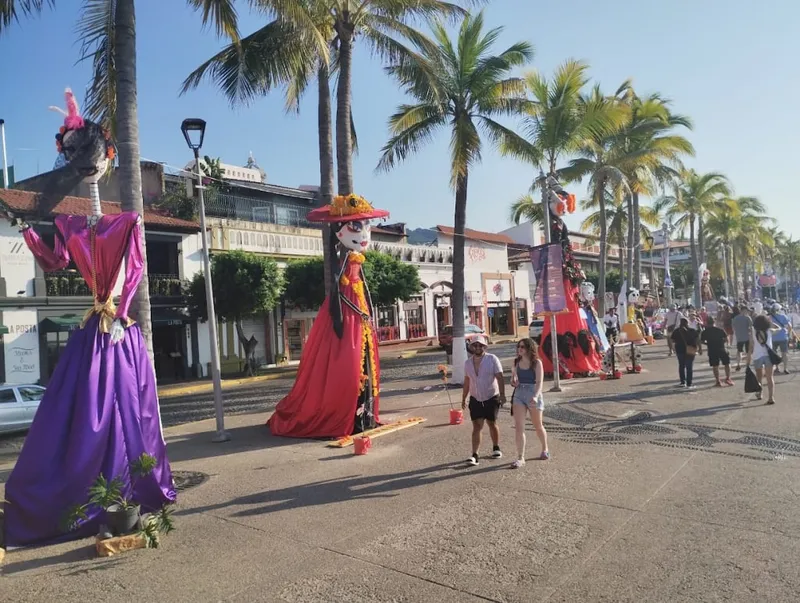
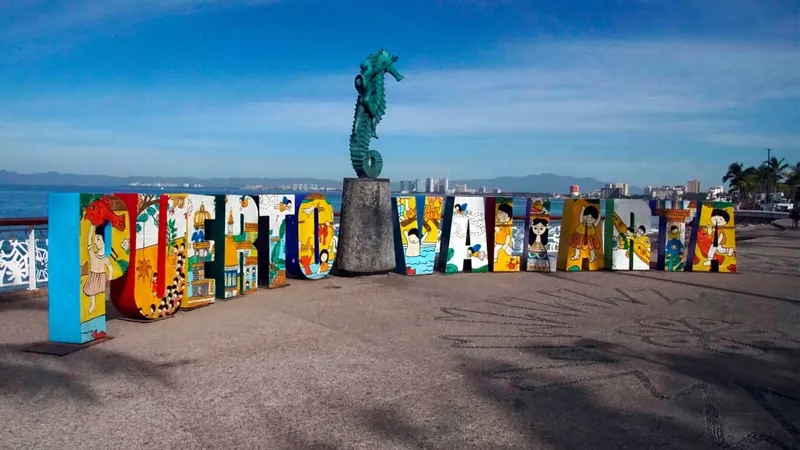
The historic centre north of the Cuale River — including the Church of Our Lady of Guadalupe and the main Malecón boardwalk — is equally safe. The Malecón is a public esplanade where families, couples, and tourists mix freely. Street performers, restaurants, and shops keep it active into the evening.
Marina Vallarta
The marina district is upscale and quiet — yacht clubs, golf, resort hotels. Crime risk here is essentially nil.
Hotel Zone (Zona Hotelera Norte)
The strip of large resort hotels north of the marina (now partly branded as “Nuevo Vallarta” in Nayarit state, which carries a different advisory) is safe within the hotel compounds. Nuevo Vallarta sits across the state border in Nayarit — check that state’s advisory separately, though tourist areas there are also safe.
For the full destination guide: Puerto Vallarta Travel Guide.
What Changed: The 2022 Cartel Incident
In 2022, reports circulated about cartel-related incidents in Jalisco. Here’s the accurate context:
The incidents involved armed confrontations in Guadalajara and Ajijic — cities in the interior of Jalisco, not in Puerto Vallarta. Puerto Vallarta’s tourist zones were not affected.
What actually reached Puerto Vallarta was a brief period of heightened security presence — more police visibility, some businesses closing early as a precaution — before the situation normalized within days.
The current situation (2026): Puerto Vallarta’s tourist areas have seen no cartel-related incidents targeting visitors. The normalized security situation has held. This is consistent with PV’s long-term record.
Taxi Safety in Puerto Vallarta
This matters more in Puerto Vallarta than in some other Mexican cities because Uber is legal here, which changes your options.
Use: Uber (fully legal and safe in PV), hotel taxis, and officially registered sitio taxis (they have license plates and registration papers).
Avoid: Random street taxis that approach you, especially near bars at night or at the airport exit.
Airport specifically: The PV airport (Licenciado Gustavo Díaz Ordaz International) is inside the city — not far from the hotel zones. Use the official airport taxi service (voucher system inside the terminal) or book an Uber from inside the arrivals hall. Drivers outside the terminal who approach you may charge significantly more.
Price awareness: A legitimate taxi from the airport to the Zona Romántica should cost approximately 200-300 MXN. Get the voucher inside, not a verbal quote from a driver who approached you.
Beach Safety: Flags, Currents, and Smart Swimming
Puerto Vallarta beaches use the standard Mexican beach flag system:
- 🟢 Green: Calm, safe swimming
- 🟡 Yellow: Exercise caution
- 🔴 Red: Dangerous conditions, no swimming
- ⚫ Black: Beach closed
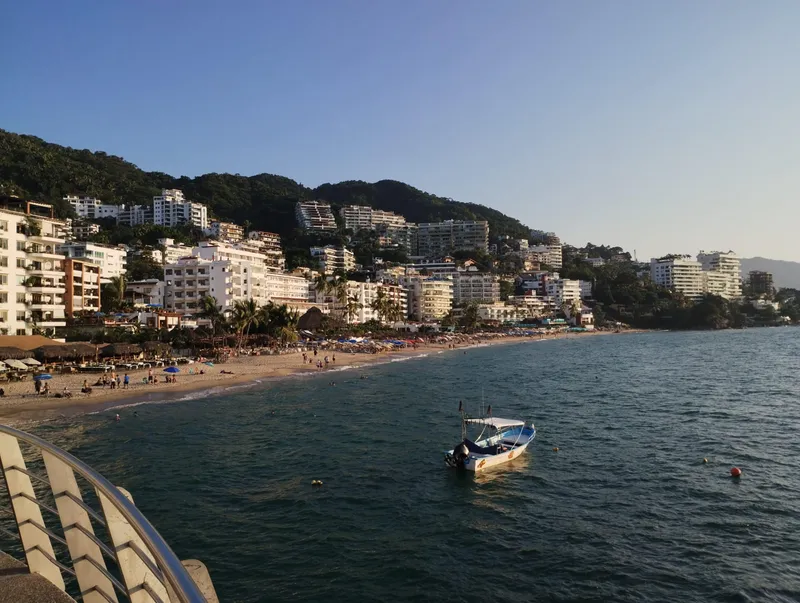
Los Muertos Beach (Zona Romántica) is Banderas Bay’s most popular beach. The bay itself is sheltered by the Sierra Madre mountains, which means calmer water than many Pacific coast beaches. Los Muertos is generally safe for swimming.
Marietas Islands: The waters around the Marietas Islands (famous for their hidden beach) involve the open Pacific and can be rough. Tours go there by boat — if conditions are rough, the tour operator will advise. Follow their guidance.
Northern beaches (Sayulita, San Pancho, Punta Mita): These sit outside Banderas Bay and face the open Pacific. Currents are stronger. Some beaches have rip currents — swim between the flags and ask locals before entering.
Rip current protocol: If caught in a rip current, swim parallel to shore (not directly toward it) until out of the current, then swim to shore at an angle. Don’t exhaust yourself fighting the current directly.
Nightlife Safety in Puerto Vallarta
The Zona Romántica is Puerto Vallarta’s nightlife centre, with a dense concentration of bars and clubs along Lázaro Cárdenas and the surrounding streets. The gay nightlife scene (Paco’s Ranch, La Noche, Wet Bar) is well-established and safe.
General nightlife precautions:
- Don’t leave drinks unattended — drink spiking exists in busy bar environments
- Use Uber to get home rather than flagging street taxis at 2am
- Stick to the Zona Romántica and Malecón after midnight if you don’t know the city well
- Go out with others when possible; the Zona Romántica is safer for groups than for solo travelers who’ve been drinking
The drug scene: It exists, as it does in most tourist beach cities. It is not aggressive toward tourists — you won’t be offered drugs walking down the street in the Zona Romántica. If you’re not looking, you won’t encounter it.
Safety for Women Traveling Solo
Puerto Vallarta is a good city for solo female travel, notably more so than some other Mexican beach destinations.
The LGBTQ+-inclusive community creates an environment that’s generally more welcoming and less aggressively machista than some cities. The Zona Romántica in particular is a neighborhood where women traveling alone report feeling comfortable.
Practical notes:
- Catcalling exists but is less intense than in some Mexican cities
- The hostel scene in the Zona Romántica (Casa Karma, Hostel Vallarta) provides easy social connections
- Use Uber after midnight — don’t walk alone in unlit areas
- The beach area around Los Muertos is safe for solo sunbathing during the day (keep valuables in your room)
For broader solo female travel advice in Mexico: Solo Female Travel in Mexico: The Honest Guide.
The Drug Scene: Reality Check
Puerto Vallarta has a visible drug culture in certain contexts — beach clubs, nightlife venues, tourist-heavy bars. This is less aggressive than in Playa del Carmen and less visible than in some other Pacific coast beach towns.
What this means for you: if you’re not seeking it out, you’re unlikely to encounter it except as ambient background in some nightlife environments. If you are seeking it out, you expose yourself to legal risk (drug possession is illegal in Mexico regardless of tourist status) and the practical risk of not knowing what you’re buying.
Medical Care in Puerto Vallarta
Puerto Vallarta has good private medical facilities — significantly better than smaller Mexican towns.
CMQ Hospital (Centro Médico Quirúrgico): The most recommended private hospital for tourists. English-speaking staff, American-style facilities. Located on Avenida Francisco Madero in the Centro. Has 24-hour emergency care.
Hospital San Javier Marina: Another solid private option in the marina district.
For emergencies: Call 911 (Mexico’s unified emergency number). Request an ambulance and specify private hospital if you have travel insurance.
Travel insurance: Essential. Medical evacuation to the US from PV starts at 20,000-40,000 USD. Travel insurance with medical evacuation cover costs a fraction of that.
Health: Water and Food
Water: Don’t drink tap water in Puerto Vallarta. Large hotels filter their water, and ice at major hotels and established restaurants is filtered. At smaller restaurants and street stalls, assume tap water and unfiltered ice. Buy bottled water (Ciel and Bonafont are reliable brands) or carry a filtered bottle.
Street food: The fish tacos and ceviche near the Mercado Municipal are safe if the stall is busy. High turnover = fresh ingredients. A quiet stall at 4pm may not have kept things at safe temperatures since the morning rush. Follow the busy-stall rule.
Stomach adjustments: Some visitors experience mild GI adjustment to Mexican spice levels and food bacteria that their system isn’t used to. This is normal, temporary, and not dangerous. Loperamide (Imodium, available at any Farmacia del Ahorro) handles it.
Travel Insurance: Don’t Skip It
For activities and tours:
Browse Puerto Vallarta tours on Viator →
2026 Updates
Political context: The 2026 federal midterm elections in Mexico don’t directly affect Puerto Vallarta’s tourist zones. Jalisco’s security situation has remained stable. No new advisory changes for Puerto Vallarta’s tourist areas.
LGBTQ+ scene: Puerto Vallarta’s Pride celebration (held in May) continues to be one of Latin America’s largest. The city’s LGBTQ+ infrastructure — bars, clubs, beach clubs, hotels — has continued to expand in recent years.
Tourism growth: PV is seeing increased airlift from US and Canadian cities, including new direct routes. The airport is undergoing expansion. The increased tourist volume hasn’t materially changed the safety picture in tourist zones.
For the full advisory breakdown: Mexico Travel Advisory 2026: State-by-State Guide.
Puerto Vallarta Safety: Quick Reference
| Area | Safety Level | Notes |
|---|---|---|
| Zona Romántica | 🟢 Safe | Day and night, high tourist density |
| Centro / Malecón | 🟢 Safe | Family-friendly, well-lit waterfront |
| Marina Vallarta | 🟢 Safe | Upscale, quiet, very low crime |
| Hotel Zone / Nuevo Vallarta | 🟢 Safe | Within resort compounds |
| Los Muertos Beach | 🟢 Safe | Calm Banderas Bay swimming |
| Northern beaches (open Pacific) | 🟡 Caution | Check flags, stronger currents |
| Nightlife venues | 🟡 Caution | Standard precautions, Uber home |
| Street taxis (unsolicited) | 🔴 Avoid | Use Uber or official airport taxis |
Practical Safety Tips for Puerto Vallarta
Money:
- Use ATMs inside Banamex, BBVA, or Santander bank branches on the Malecón and in the Zona Romántica
- The fixed taxi voucher system at the airport requires cash — have some MXN from the airport ATM
- Notify your bank before arrival to prevent blocked cards
- Credit cards are widely accepted in the tourist zones
What to do if something goes wrong:
- Emergency: 911 (covers police, ambulance, and fire throughout Mexico)
- Tourist Assistance Hotline: 078 (Spanish and English, connects to SECTUR)
- U.S. Consular Agency Puerto Vallarta: Located in the city for emergency passport and citizen services
- CMQ Hospital emergency line: (+52) 322 226 6500
Scams to know:
- Timeshare approaches: People on the Malecón and outside shopping centres offer “free gifts” for attending presentations. Say no and keep walking.
- Unofficial taxi drivers near the ferry terminal: Use Uber or official taxis from sitios (marked taxi stands).
- Fake tour operators: Book whale watching, snorkeling, and excursions through your hotel or established offices — not from people approaching you on the street.
Communications:
- Telcel has the best coverage in Puerto Vallarta and along the Riviera Nayarit
- Airport Telcel counter: grab a tourist SIM for affordable data
- WhatsApp works throughout the tourist zones — share your location with someone when out late
Emergency Spanish:
- “Necesito ayuda” — I need help
- “Llame a la policía” — Call the police
- “Necesito un médico” — I need a doctor
- “Estoy perdido/perdida” — I’m lost
Puerto Vallarta vs. Other Mexican Resorts: Safety Comparison
How does PV compare to the alternatives?
vs. Cancun Hotel Zone: Cancun’s Hotel Zone is more controlled (one road, massive resorts with private security). PV is a real city with a tourist overlay — more interesting, slightly more navigating required. Both are safe for tourists.
vs. Tulum: Tulum has had higher-profile incidents targeting tourists in recent years. PV’s tourist zone track record is cleaner. PV wins on safety margin.
vs. Playa del Carmen: PDC requires more active awareness than PV. PV also has Uber; PDC does not. PV edges PDC on ease of safe navigation.
vs. Los Cabos: Los Cabos (Baja California Sur, Level 2) is similarly safe, more upscale, higher price point. PV is more characterful and accessible at multiple budget levels.
vs. Huatulco / Puerto Escondido: These Oaxacan coast destinations are safe but smaller, with less infrastructure. PV offers better medical facilities, more airport connections, and more activity variety.
Travel Insurance: Don’t Skip It
For vetted tours and activities in and around Puerto Vallarta:
Browse Puerto Vallarta tours on Viator →
The Bottom Line
Puerto Vallarta deserves its reputation as one of Mexico’s most consistently safe and welcoming resort cities. The Zona Romántica is walk-at-midnight territory. Los Muertos Beach is calm. Uber is available. The LGBTQ+-friendly community creates an environment that’s inclusive for all travelers.
The risks that exist — unofficial taxis, timeshare pressure, rip currents on northern beaches — are manageable with basic awareness. None of them should stop you from going.
For the full Mexico safety picture: Is Mexico Safe? Honest Guide by a Mexican | LGBTQ+ Travel in Mexico | Solo Female Travel in Mexico