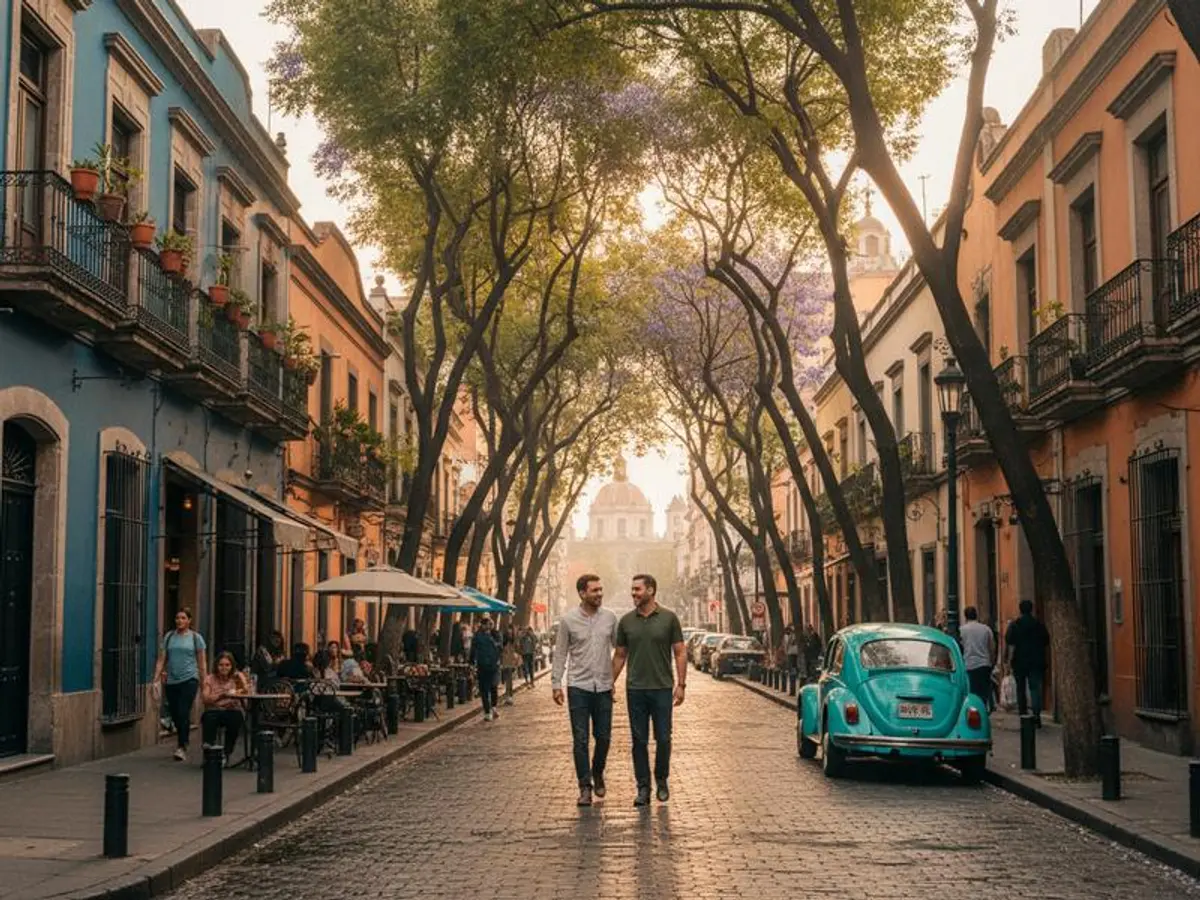
LGBTQ+ Travel Mexico 2026: Gay-Friendly Cities & Honest Guide
Mexico is one of Latin America’s most welcoming countries for LGBTQ+ travelers — but it’s not a monolith. The gap between Mexico City’s massive Pride parade and a conservative rural town can be enormous. This guide gives you the honest picture: where to go, what to expect, which cities have genuine LGBTQ+ communities, and where to be more discreet.
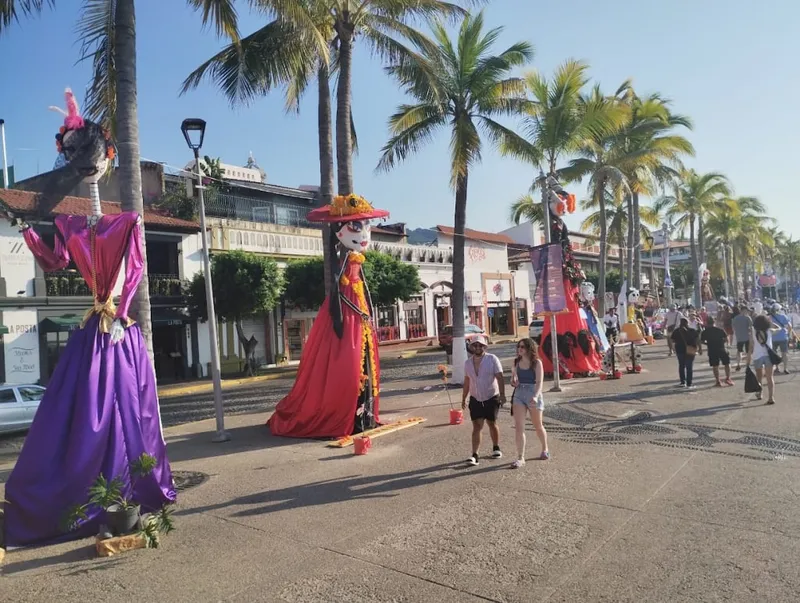
LGBTQ+ Rights in Mexico: The Legal Reality
Mexico is one of the more progressive countries in Latin America on LGBTQ+ rights:
Same-sex marriage: Legal nationally since June 2022. All 31 states and Mexico City now recognize same-sex marriage with full spousal rights.
Adoption: Same-sex couples can adopt in most states. Laws vary by state on the exact process.
Anti-discrimination protections: Federal law prohibits discrimination based on sexual orientation in employment and services. Enforcement varies.
Gender identity: Mexico City and several states allow gender marker changes on official documents. Federal policy is evolving.
The gap between law and culture: Legal equality does not automatically translate to social acceptance. Mexico is a deeply regional country — the rights that feel normal in Mexico City’s Zona Rosa may feel invisible in a small town in Oaxaca’s Sierra Norte. The divide is primarily urban vs. rural and coastal tourist zones vs. interior conservative regions.
The Safety Reality
Cities: Generally safe and welcoming. The destinations listed in this guide — Puerto Vallarta, Mexico City, Guadalajara, Tulum, Cancun, Oaxaca — have established LGBTQ+ communities, gay venues, and years of experience hosting international visitors. Harassment in these urban tourist areas is rare.
Rural and conservative areas: Exercise discretion. Public displays of affection that would be unremarkable in Puerto Vallarta’s Romantic Zone may attract negative attention or outright hostility in some rural communities, particularly in northern Mexico and parts of Chiapas. This isn’t unique to Mexico — it’s true in most countries.
The practical approach: Enjoy Mexico’s cities and tourist areas freely. If you’re exploring off-the-beaten-path areas, read the room. Most Mexican people are warm and hospitable — but cultural conservatism in some regions is real and worth acknowledging.
Safety by Destination
| Destination | LGBTQ+ Safety | Notes |
|---|---|---|
| Puerto Vallarta | 🟢 Excellent | One of Latin America’s gay capitals |
| Mexico City | 🟢 Excellent | Zona Rosa is a landmark LGBTQ+ district |
| Guadalajara | 🟢 Good | Large scene, very active community |
| Tulum | 🟢 Good | Inclusive bohemian culture |
| Cancun | 🟢 Good | Tourist-zone safe; smaller scene |
| Oaxaca City | 🟢 Good | Artsy, inclusive, muxe tradition |
| Mérida | 🟡 Generally fine | Conservative city, but Pride exists |
| San Miguel de Allende | 🟡 Generally fine | Expat-heavy, reasonably open |
| Rural areas | 🔴 Exercise discretion | Attitudes vary significantly |
Top LGBTQ+ Destinations in Mexico
Puerto Vallarta — Mexico’s Gay Capital
Puerto Vallarta is the undisputed LGBTQ+ capital of Mexico — and one of the top gay travel destinations in all of Latin America. The Zona Romántica (also called Old Town or Col. Emiliano Zapata) is the heartbeat of PVR’s gay scene.
Zona Romántica highlights:
- Blue Chairs Beach Club on Los Muertos Beach — the famous gay beach, busy and social
- Calle Olas Altas and surrounding blocks — the highest concentration of gay bars and clubs in Mexico outside of Mexico City
- Mantamar Beach Club — a popular gay beach club south of Romantic Zone with pool, bar, and dance floor
Puerto Vallarta Pride (late May through early June) is the second largest Pride event in Mexico. The beach parade, pool parties, and Romantic Zone events draw thousands of international visitors. Hotels in the Romantic Zone book up months in advance for Pride — reserve early.
Getting around: The Romantic Zone is extremely walkable. Gay-friendly hotels are scattered throughout — the Romantic Zone, Old Town, and Conchas Chinas neighborhoods are all excellent bases.
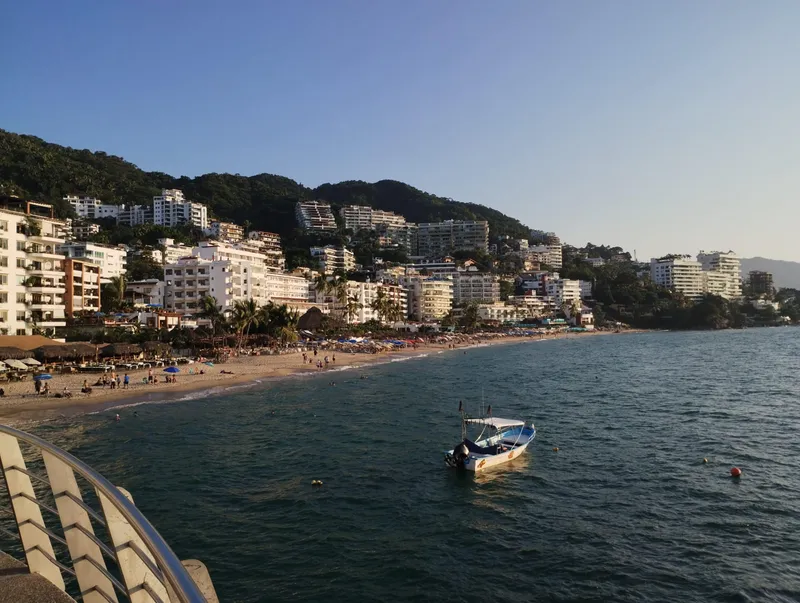
Full Puerto Vallarta travel guide has hotel picks, whale watching, and neighborhood breakdown.
Mexico City — Size, Culture, and Zona Rosa
Mexico City’s LGBTQ+ scene is the largest in Mexico and one of the biggest in Latin America. The city has a long history of queer culture, trans activism, and Pride events that now draw 100,000+ participants.
Zona Rosa (Calle Amberes and surrounding streets in Cuauhtémoc borough) is Mexico City’s traditional gay neighborhood — bars, clubs, gay saunas, drag shows, and gay-owned restaurants. It’s less purely residential than it once was, but remains the symbolic heart of CDMX’s LGBTQ+ community.
Roma Norte and Condesa have become the more stylish, mixed neighborhoods where LGBTQ+ culture is simply woven into the fabric of café culture — same-sex couples at brunch, queer-friendly bars without making a statement of it.
Mexico City Pride (Marcha del Orgullo LGBTTTI) happens on the last Saturday of June. The march goes from the Angel of Independence along Paseo de la Reforma to the Zócalo. It is genuinely massive — 100,000+ people, floats, music stages, and a full week of surrounding events including film festivals, panel discussions, and club nights.
Mexico City has the most trans-inclusive infrastructure of any Mexican city, including trans-affirming healthcare, legal gender recognition, and strong activist organizations.
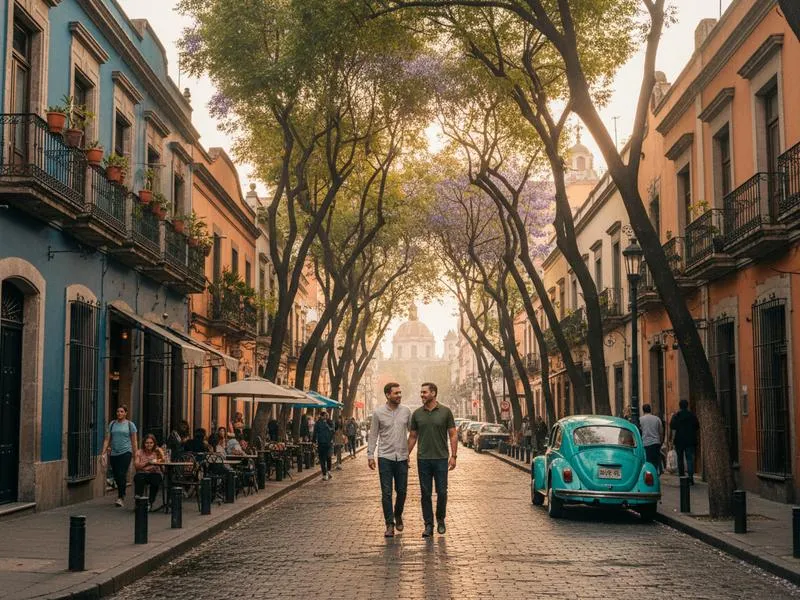
Full Mexico City travel guide covers neighborhoods, transport, and what to do in the city.
Guadalajara — Mexico’s Second Gay City
Guadalajara is often overlooked by international LGBTQ+ travelers who head straight to Puerto Vallarta or Mexico City — which means it’s more authentic and less saturated. As Mexico’s second largest city and cultural capital of western Mexico, Guadalajara has the second largest LGBTQ+ community in the country.
Chapultepec neighborhood is the center of Guadalajara’s gay scene — bars, clubs, and restaurants along and around Avenida Chapultepec. The neighborhood is also one of the city’s most stylish for food and nightlife generally.
Guadalajara Pride happens in June and has grown significantly in recent years — tens of thousands of participants, a street parade, and a full weekend of events.
Guadalajara has the added benefit of being the gateway to Tequila (a UNESCO World Heritage landscape, 60 km away), the Tlaquepaque artisan neighborhood, and Lago de Chapala — giving LGBTQ+ visitors a richer cultural experience than a beach destination alone.
Full guide to Guadalajara and Jalisco covers the city and surrounding region.
Tulum — Boho-Inclusive Queer Scene
Tulum’s identity is built on spiritual, alternative, and bohemian culture — which has organically created one of Mexico’s most LGBTQ+ inclusive beach scenes. The beach zone yoga studios, meditation retreats, and eco-lodges attract a queer-friendly crowd. Same-sex couples are a completely normal sight on Tulum’s beaches and in its cenotes.
Tulum doesn’t have a specific gay neighborhood or gay beach — the inclusivity is distributed throughout. Beach clubs, cenotes, and restaurants in the Beach Zone are uniformly welcoming.
The trade-off: Tulum is one of Mexico’s most expensive destinations. The inclusivity is real, but you’re paying Tulum prices for it. Read the Tulum travel guide for realistic cost expectations.
Cancun — Resort-Friendly with a Scene
Cancun has a smaller but functional LGBTQ+ scene. The gay-friendly beach in the Hotel Zone is near Playa Delfines (Zone 4) — not the most scenic part of the Hotel Zone, but a recognized gathering spot.
Gay bars and clubs exist in both the Hotel Zone and downtown Cancun. The city is very tolerant in tourist areas. Cancun is best for LGBTQ+ travelers who primarily want the resort experience and the Yucatán Peninsula’s wider attractions (Chichén Itzá, cenotes, Isla Mujeres) rather than a dedicated gay travel destination.
For a purely LGBTQ+-focused beach trip in Mexico, Puerto Vallarta remains the superior choice.
Oaxaca — Art, Muxes, and Queer Tradition
Oaxaca City has a unique LGBTQ+ context that goes beyond modern gay culture. The Zapotec indigenous tradition recognizes muxes — a third gender identity that has existed in Zapotec communities for centuries, particularly in the Isthmus of Tehuantepec (Juchitán). Muxes are assigned male at birth but adopt feminine gender roles and expression, and are widely accepted in Zapotec social life.
This indigenous tradition has contributed to a broader culture of gender fluidity and openness in Oaxaca’s artsy, intellectual community. The city’s mezcal bars, galleries, and markets attract a queer-friendly creative crowd.
Oaxaca Pride (smaller than Mexico City or Puerto Vallarta) has grown in recent years, with events typically in June. The city remains culturally conservative in some respects — public PDA should be read contextually — but the overall environment for LGBTQ+ visitors is positive.
Pride Event Calendar 2026
| Event | City | Timing | Scale |
|---|---|---|---|
| Puerto Vallarta Pride | Puerto Vallarta | Late May–early June | Large (50,000+) |
| Mexico City Pride | Mexico City | Last Saturday of June | Massive (100,000+) |
| Guadalajara Pride | Guadalajara | June | Large (30,000+) |
| Mérida Pride | Mérida | June | Medium |
| Oaxaca Pride | Oaxaca City | June | Medium |
| Monterrey Pride | Monterrey | June | Growing |
Exact 2026 dates are typically confirmed 3–4 months in advance. Check each city’s tourism board or local LGBTQ+ organization websites as dates approach.
Practical Tips for LGBTQ+ Travelers in Mexico
PDA Norms by City
Puerto Vallarta Romantic Zone: Completely normal — same-sex couples holding hands and kissing is unremarkable.
Mexico City Zona Rosa and Roma/Condesa: Normal in these neighborhoods; slightly more attention in other city areas.
Guadalajara Chapultepec: Normal in the LGBTQ+ zone; read the context in other parts of the city.
Tulum Beach Zone: Normal — very open environment.
Oaxaca City Centro: Generally fine; exercise some contextual awareness.
Anywhere rural: Discretion is advised, especially in deeply conservative communities.
Language Notes
In Mexico, “gay” is widely understood and used — it’s the same word in Spanish. “Homosexual” sounds clinical and is less commonly used in everyday conversation. “Lesbiana” for lesbian women. “Bisexual” is used as-is. Trans people are referred to as “trans” or “transgénero.” The term “muxe” is specific to Zapotec culture and should be used respectfully.
The slang term “joto” is a derogatory slur — though some younger Mexican gay men have reclaimed it in the same way “queer” has been reclaimed in English. Don’t use it unless you know the context.
Connecting with Local LGBTQ+ Community
- Facebook groups: Search “[City name] LGBT” for local groups, event announcements, and meetups
- Grindr, Her, Scruff: All function in Mexico’s major cities with active user bases
- Local bars and clubs: The best way to connect is simply to show up — gay venues in PVR, CDMX, and GDL have friendly, social atmospheres toward international visitors
Tours and Activities
Viator lists LGBTQ+-friendly tours in major Mexico destinations. Whale watching in Puerto Vallarta, cenote tours in the Yucatán, and food tours in Oaxaca are all excellent options. Booking through established operators means vetted, professional guides.
Internal Links
- Puerto Vallarta travel guide
- Mexico City travel guide
- Guadalajara and Jalisco
- Tulum travel guide
- Is Mexico safe?
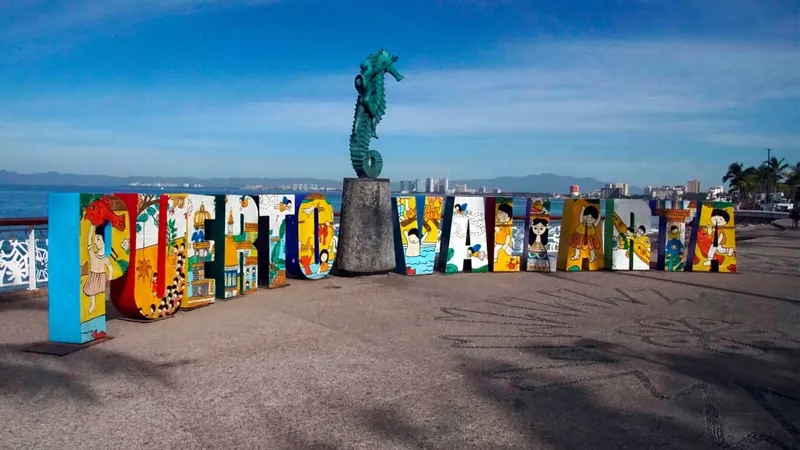
Mexico’s LGBTQ+ scene is one of Latin America’s most developed — and it’s growing. From Puerto Vallarta’s beach clubs to Mexico City’s massive Pride parade, there’s a Mexico for every kind of traveler.