Is Cancun Safe in 2026? The Honest Answer for Tourists
Cancun is safe for tourists. The Hotel Zone is one of the most heavily policed tourist corridors in Mexico. Millions visit each year without incident.
That said, “safe” isn’t the same as “risk-free.” This guide gives you the honest picture — not reassurance, not fear-mongering.
The Short Answer
The US State Department rates Quintana Roo at Level 2: Exercise Increased Caution. That’s the same rating as France, Germany, the UK, Belgium, and dozens of other countries Americans visit without a second thought.
In practice: crime in Cancun’s tourist areas is largely directed at other criminals, not tourists. The Hotel Zone (Zona Hotelera) sees very little violent crime against visitors. Your biggest risks are scams, overpriced taxis, and timeshare harassment — all annoying, none life-threatening.
Quick Safety Overview
| Area | Safety Level | Notes |
|---|---|---|
| Hotel Zone (Zona Hotelera) | ✅ Very safe | Heavy police + security presence 24/7 |
| El Centro (Parque Las Palapas) | ✅ Safe (daytime) | Normal urban caution at night |
| Puerto Morelos | ✅ Safe | Quiet town, low crime |
| Mercado 23 / Mercado 28 | 🟡 Normal caution | Watch bags in crowds |
| Residential neighborhoods (Región 94, parts of Benito Juárez) | 🔴 Avoid | Not tourist areas — no reason to go there |
The Hotel Zone: Why It’s Different
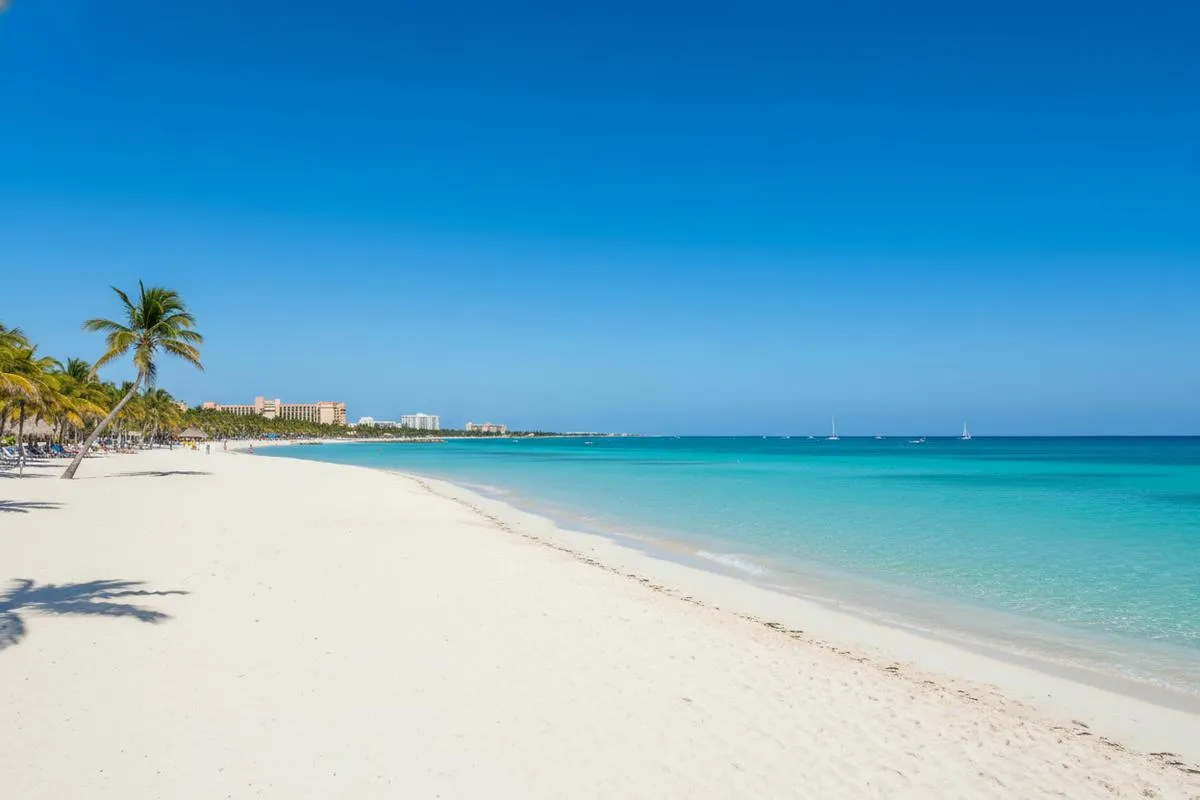
The Hotel Zone is a 22km sandbar separated from downtown Cancun by a lagoon. This geography helps: there’s essentially one main road (Boulevard Kukulcán), it’s heavily patrolled, and there’s a strong financial incentive to keep tourists safe.
Cancun generates more tourism revenue than almost any city in Mexico. The state government and federal police know this. Tourist police (Policía de Turismo) operate visibly throughout the Hotel Zone and speak English.
What happens in the Hotel Zone vs. what doesn’t:
- ✅ Petty theft, pickpocketing, phone snatching — possible in crowded areas
- ✅ Taxi overcharging, timeshare harassment — very common
- ✅ Drink spiking — rare but reported, especially at nightclubs
- ❌ Kidnapping, carjacking — extremely rare in tourist zones
- ❌ Armed robbery targeting tourists — very rare in Hotel Zone
- ❌ Cartel violence — targeted at rivals, not tourists
Quintana Roo Level 2 Advisory: What It Actually Means
The US State Department advisory is a standard Level 2 (Exercise Increased Caution). To put that in context:
| Country/Region | Advisory Level |
|---|---|
| France | Level 2 |
| Germany | Level 2 |
| United Kingdom | Level 2 |
| Belgium | Level 2 |
| Jamaica | Level 2 |
| Quintana Roo (Cancun, Tulum, PDC) | Level 2 |
| Jalisco (Guadalajara) | Level 3 |
| Guerrero (Acapulco) | Level 4 |
Level 2 is NOT “do not travel.” It means “be aware” — the same advice the US State Department gives for Paris and London.
The advisory specifically notes: “U.S. citizens are advised to exercise increased caution due to crime. Violent crime, such as homicide, kidnapping, carjacking, and robbery, is widespread throughout the state.”
The word “widespread” sounds alarming until you know the context: the crime is almost entirely gang-on-gang violence in areas tourists never visit. The same paragraph notes that tourist zones are heavily secured.
The 6 Actual Safety Risks in Cancun
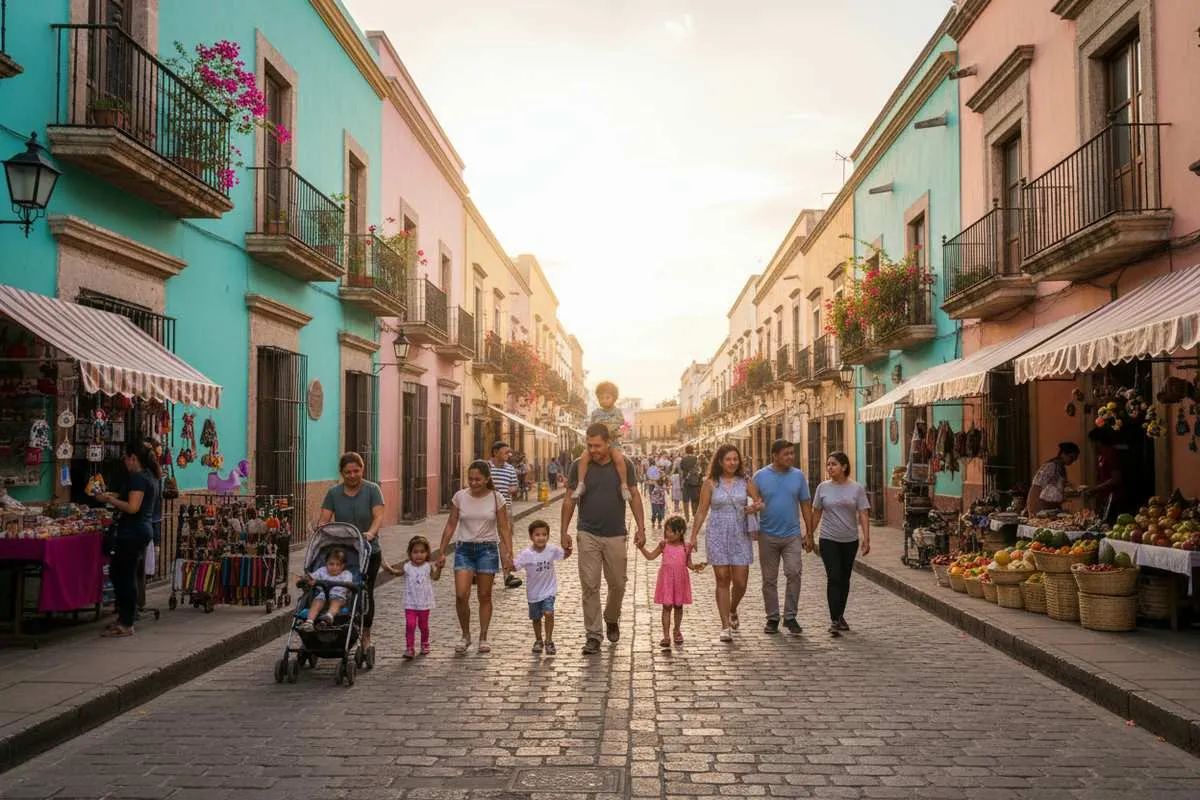
1. Taxi Overcharging (Most Common)
Unauthorized taxis are the #1 complaint from Cancun tourists. Prices from the airport are fixed-rate by zone (see our Cancun Airport Transportation guide →). In the Hotel Zone, always agree on the fare before getting in or use Uber.
Never take a taxi that approaches you — walk to an official stand or use Uber.
2. Timeshare Scams
If someone in the Hotel Zone offers you “free tickets” or “a gift” for attending a breakfast presentation, it’s a timeshare pitch. These are legal but relentless. You can lose 3-5 hours and come under heavy pressure to sign contracts worth thousands of dollars.
Just say “No, thank you” firmly and keep walking. Don’t engage.
3. Drink Spiking
Reported at nightclubs in the Hotel Zone, particularly during spring break. Keep your drink in hand, don’t accept drinks from strangers, go out with friends, and watch out for each other.
See our Cancun Nightlife guide → for specific club safety tips.
4. Fake Cops / Police Shakedowns
Less common than in some Mexican cities, but reported occasionally. Legitimate police rarely stop tourists in the Hotel Zone for no reason. If stopped, ask to be taken to the nearest station — legitimate officers won’t resist.
5. ATM Skimming
Use ATMs inside hotel lobbies or bank branches. Stand-alone ATMs at convenience stores or bars carry skimming risk. Use Citibanamex ATMs where possible (reciprocal no-fee agreements with US Citibank, and generally higher security).
6. “Best Price” Shopping Scams
Street market sellers, especially near Mercado 28, sometimes claim prices are negotiable, then add charges or use currency confusion to inflate costs. Agree clearly on MXN prices before any transaction.
Safe Neighborhoods and Areas for Tourists
Hotel Zone (Zona Hotelera) ✅
The long sandbar strip from the airport up to Punta Cancún. All major resorts, beaches, clubs, and most restaurants. The safest tourist area in the city.
Best beaches: Playa Delfines (free, public), Playa Tortugas, Playa Langosta, Playa Chac Mool.
El Centro (Downtown) ✅
Safer than many Mexican city centers. The area around Parque Las Palapas and Mercado 28 is pleasant, local, and far cheaper than the Hotel Zone. Good for authentic tacos, local life, and shopping.
Daytime: Perfectly comfortable. Night: Stick to the main squares and streets; avoid walking several blocks away from tourist centers.
Puerto Morelos ✅
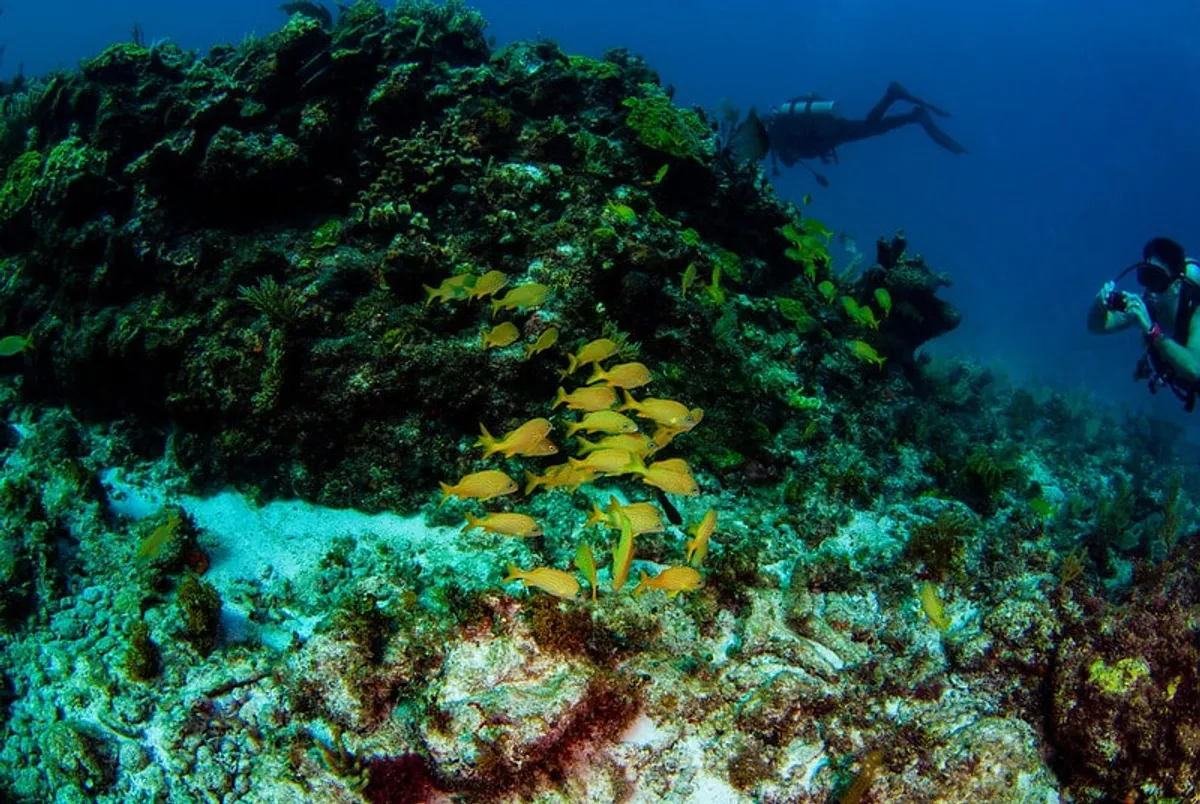
A quiet town 30km south of the Hotel Zone. Very safe, relaxed atmosphere, excellent snorkeling off the coral reef. Popular base for travelers who want a calmer experience.
Day Trip Destinations ✅
Tulum ruins, Chichén Itzá, Isla Mujeres, Cozumel, Ek Balam — all operate with heavy tourist security and are safe for organized visitors. See our Day Trips from Cancun guide →.
Spring Break Safety in Cancun
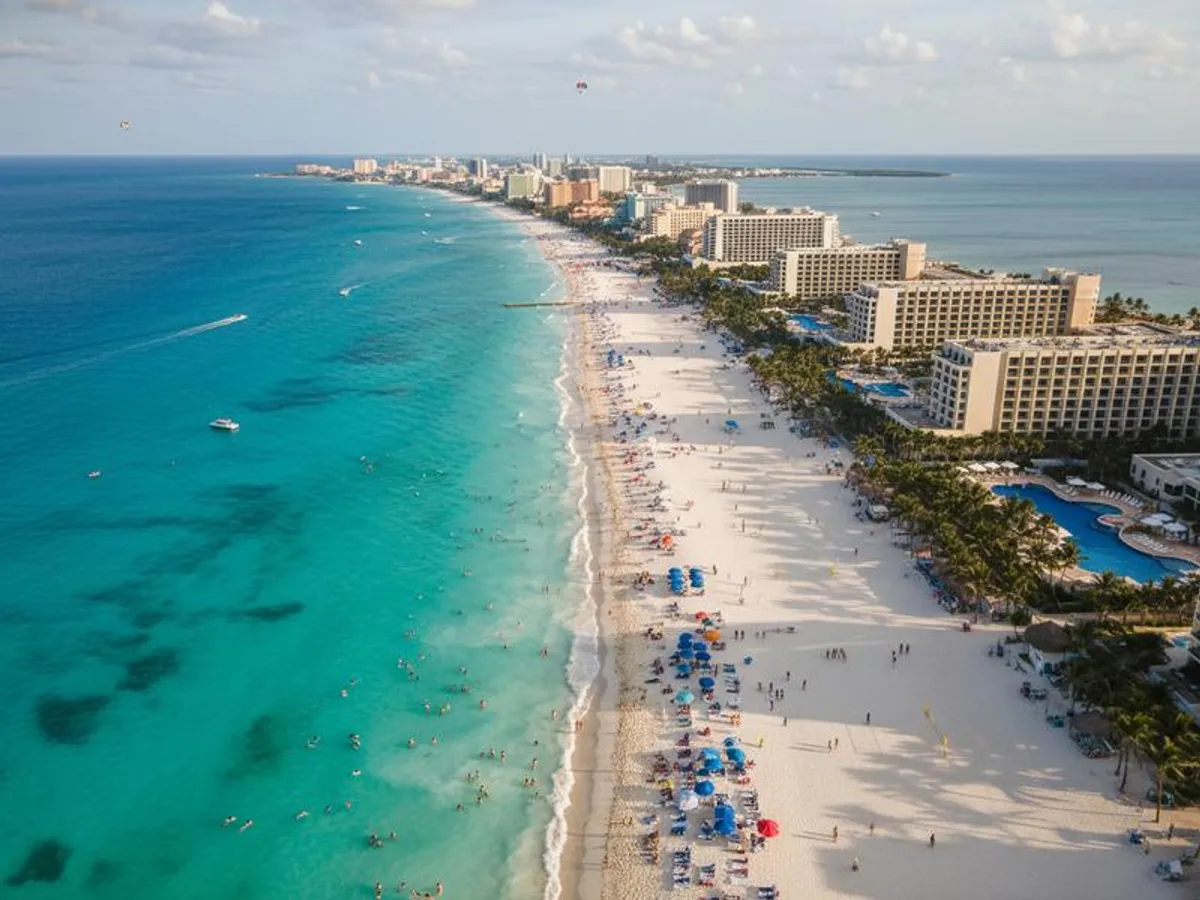
Cancun sees 50,000-100,000+ extra visitors during peak spring break weeks (mid-March through early April). This brings:
- More police presence — good for safety
- More alcohol, more clubs — higher risk of drink-related incidents
- More petty crime — pickpockets follow crowds
- Good Friday Ley Seca — alcohol sales banned April 3, 2026 (Good Friday), Club 18-Mile/etc. close early or all-day
Spring break safety tips:
- Book tours only through hotel concierge or reputable operators — not random beach vendors
- Use Uber for nightclub transport — safer and cheaper than street taxis at 2 AM
- Travel in groups, especially at night
- Set a meeting point with your group before entering crowded clubs
- Keep a card with your hotel address in Spanish
For full spring break guide: Spring Break Mexico 2026 →
Transport Safety in Cancun
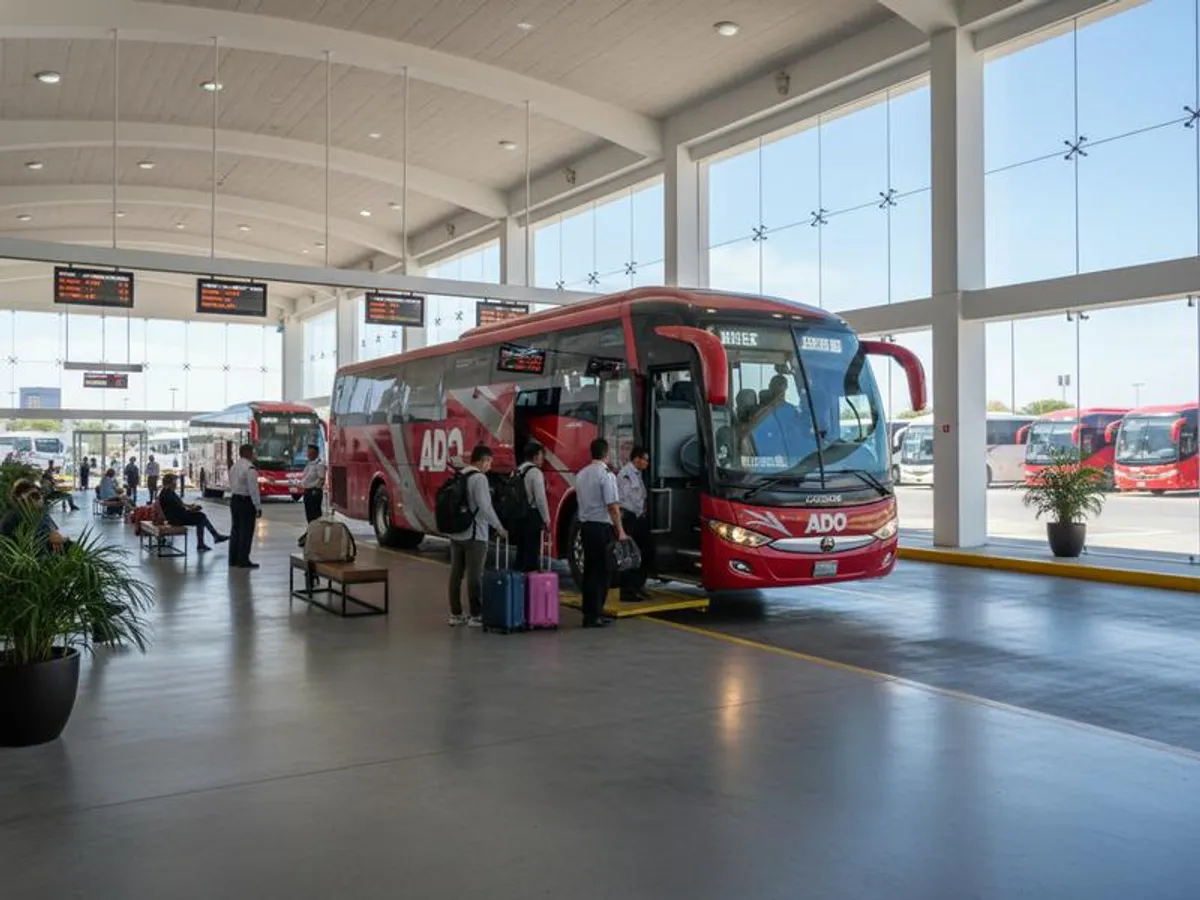
Uber: Available and safe in Cancun. The app shows driver details, plates, and route tracking. Use Uber over street taxis whenever possible — it’s also cheaper for most routes.
Official taxis: Safe when taken from hotel stands or the airport fixed-rate counters. Negotiated with the fare agreed upfront. The R1/R2 public bus runs the Hotel Zone for 15 MXN — completely safe and used by both tourists and locals.
Rental cars: Fine for day trips to Tulum, Chichén Itzá, or cenotes. See Getting from Cancun to Tulum → for self-drive options. Avoid driving after dark in unfamiliar areas.
What to avoid: Unlicensed taxis that approach you in the street, accepting rides from strangers, unofficial “tour operators” at the airport arrival hall selling packages.
Cancun vs. Other Mexico Destinations: Safety Comparison
| Destination | Advisory Level | Tourist Safety Reality |
|---|---|---|
| Cancun / Quintana Roo | Level 2 | ✅ Very safe tourist infrastructure |
| Merida / Yucatan | Level 1 | ✅ Exercise Normal Precautions; low crime |
| Oaxaca | Level 2 | ✅ Safe; bloqueo disruptions possible |
| Puerto Vallarta / Jalisco | Level 3 | ✅ Safe tourist areas; state Level 3 |
| Los Cabos / BCS | Level 2 | ✅ Safe; some remote highway caution |
| Mexico City | Level 2 | ✅ Safe tourist areas; normal urban caution |
| Acapulco / Guerrero | Level 4 | 🔴 Do Not Travel — off-limits |
For the full state-by-state breakdown: Mexico Travel Advisory 2026 →
What Rick Says (Mexico Insider Perspective)
Rick is from Mexico City and has traveled to Cancun many times. His take:
“Cancun’s Hotel Zone is honestly safer than many tourist areas in Europe in terms of street crime. The Mexican government pours resources into protecting the tourism corridor because it’s a massive revenue driver. The Level 2 advisory covers all of Quintana Roo, including jungle communities far from any tourist zone — lumping those together with the Hotel Zone is misleading.
The real annoyances are taxis and timeshares, not crime. And drinking water — always use bottled or filtered. But is Cancun dangerous for tourists? No. Normal vigilance, like any international city, is all you need.”
Summary: Is Cancun Safe?
Short answer: Yes. Cancun is safe for tourists in 2026. The Hotel Zone is heavily secured. The State Department advisory (Level 2) applies to the whole state and reflects crime that overwhelmingly does not affect tourists.
Be street-smart about taxis and scams. Watch your drinks at clubs. Don’t wander into non-tourist residential areas. Use Uber. Book day trips through reputable operators.
For more on Mexico safety:
- Is Mexico Safe? Honest Guide →
- Is Tulum Safe? →
- Is Puerto Vallarta Safe? →
- 15 Safest Cities in Mexico →
- Mexico Travel Advisory 2026 →
- Mexico Entry Requirements →
For planning your Cancun trip:
- Cancun Travel Guide 2026 →
- Things to Do in Cancun →
- Cancun Nightlife Guide →
- Day Trips from Cancun →
- Cancun Airport Transportation →