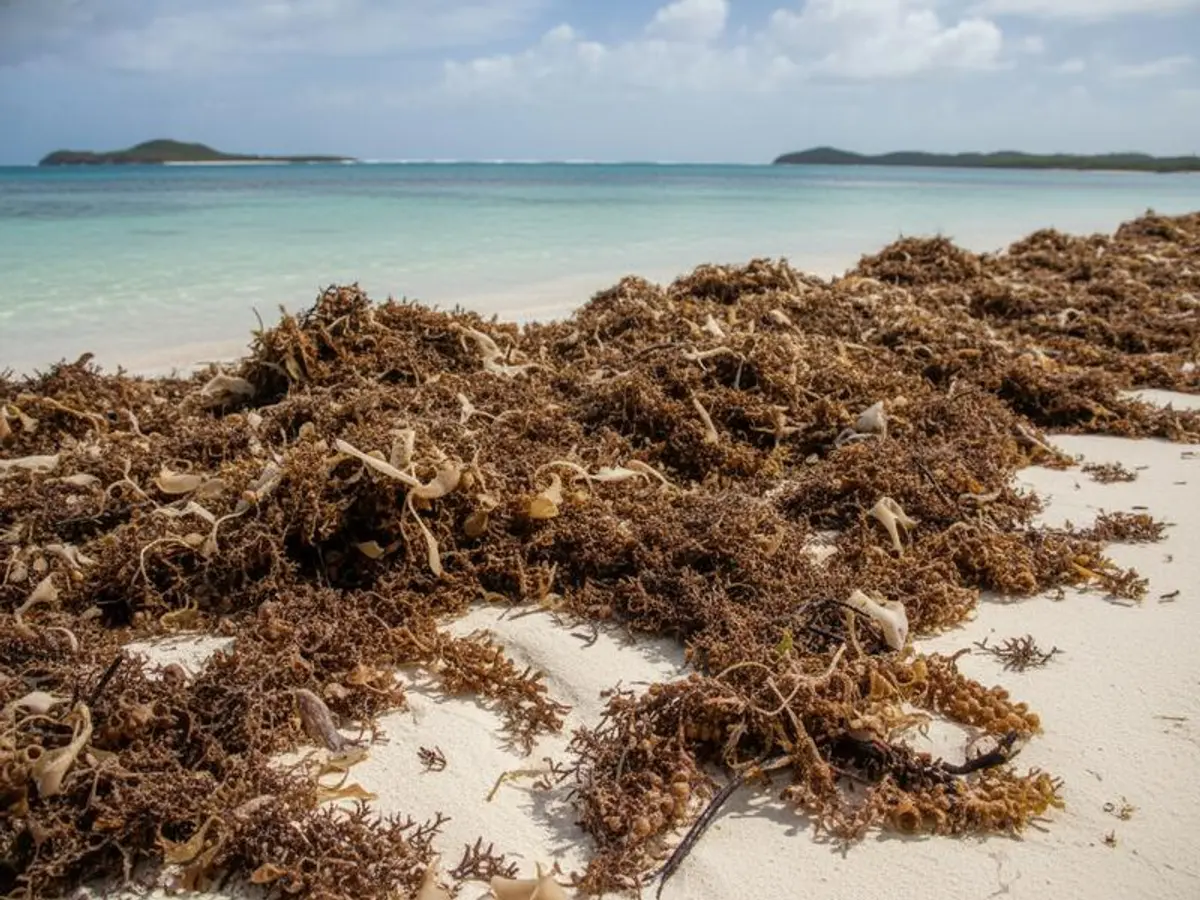
30 Best Things to Do in Cancun (What’s Worth It)
The Cancun activities most worth your time are Playa Delfines, San Miguelito or El Rey ruins, MUSA, Laguna Nichupte, Mercado 23, Isla Mujeres, and—if you have a full day—Chichen Itza. This guide ranks 30 options by payoff, cost, and time, then flags the tourist traps you can skip.
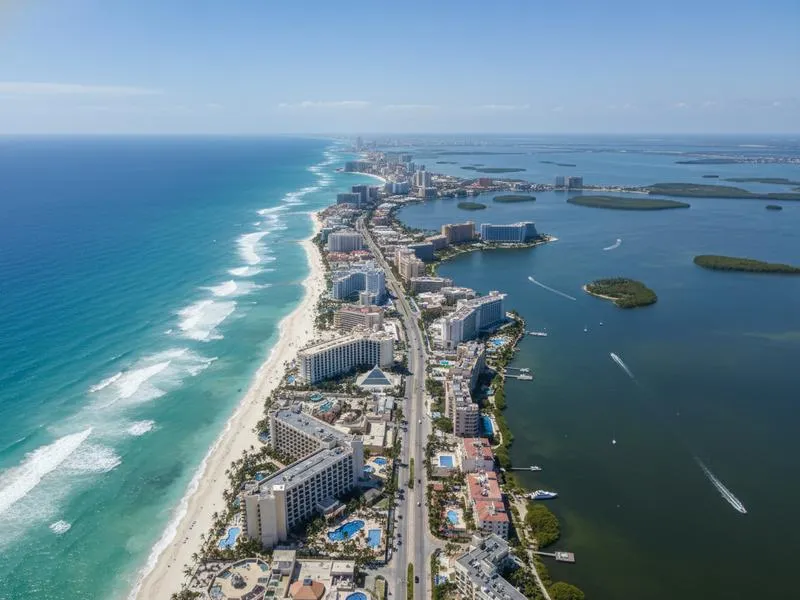
Cancun is a municipality in Quintana Roo, Mexico, on the northeastern tip of the Yucatán Peninsula — 1,700 km southeast of Mexico City, with approximately 900,000 residents and Mexico’s second-busiest international airport (CUN).
Most visitors see only the 22-kilometer Hotel Zone strip. That’s a deliberate choice the tourism industry has made for you. The smarter approach: use the Hotel Zone as your base while reaching into the real Cancun — and the extraordinary Yucatan Peninsula — from there.
For Cancun itself, taxis, buses, and tours are enough. But if your plan includes cenotes, Chichen Itza, Ek Balam, Puerto Morelos, or multiple Riviera Maya stops, a rental car can save a lot of waiting around. Compare CUN airport rates on RentCars before arrival, then only book if you are actually leaving the Hotel Zone more than once.
Here are 30 things to do in Cancun, ranked by actual worth. This guide covers Hotel Zone activities, cultural experiences, day trips, family options, nightlife, and free activities, plus what to skip and what is genuinely overpriced.
For day trip logistics to Chichen Itza, Tulum, Isla Mujeres, and 12 other destinations, see our full Day Trips from Cancun guide. For the full Cancun overview including beaches, where to stay, and getting there, see the Cancun Travel Guide 2026.
Quick Activity Overview
| Category | Best Option | Cost | Time |
|---|---|---|---|
| Culture / Ruins | San Miguelito Maya Zone | 75 MXN | 1–2 hrs |
| Water Adventure | MUSA snorkeling tour | $45–80 USD | Half day |
| Nature | Laguna Nichupté boat tour | 400–800 MXN | 2–3 hrs |
| Day Trip (short) | Isla Mujeres | Ferry 90–200 MXN | Full day |
| Day Trip (ruins) | Chichen Itza | 646 MXN + transport | Full day |
| Free Beach | Playa Delfines | Free | Any time |
| Food | Mercado 23 | 30–80 MXN/dish | Lunch |
| Nightlife | Coco Bongo or La Vaquita | $20–50 USD entry | Night |
| Family | Cancun Aquarium | 700–900 MXN | Half day |
| Cenote | Cenote Ik Kil (near Chi-Itza) | 180 MXN | Full day combo |
Hotel Zone Activities
1. San Miguelito Maya Archaeological Zone ⭐
The most underrated thing to do in Cancun — and it’s right inside the Hotel Zone, at km 16.5 of Boulevard Kukulcan.
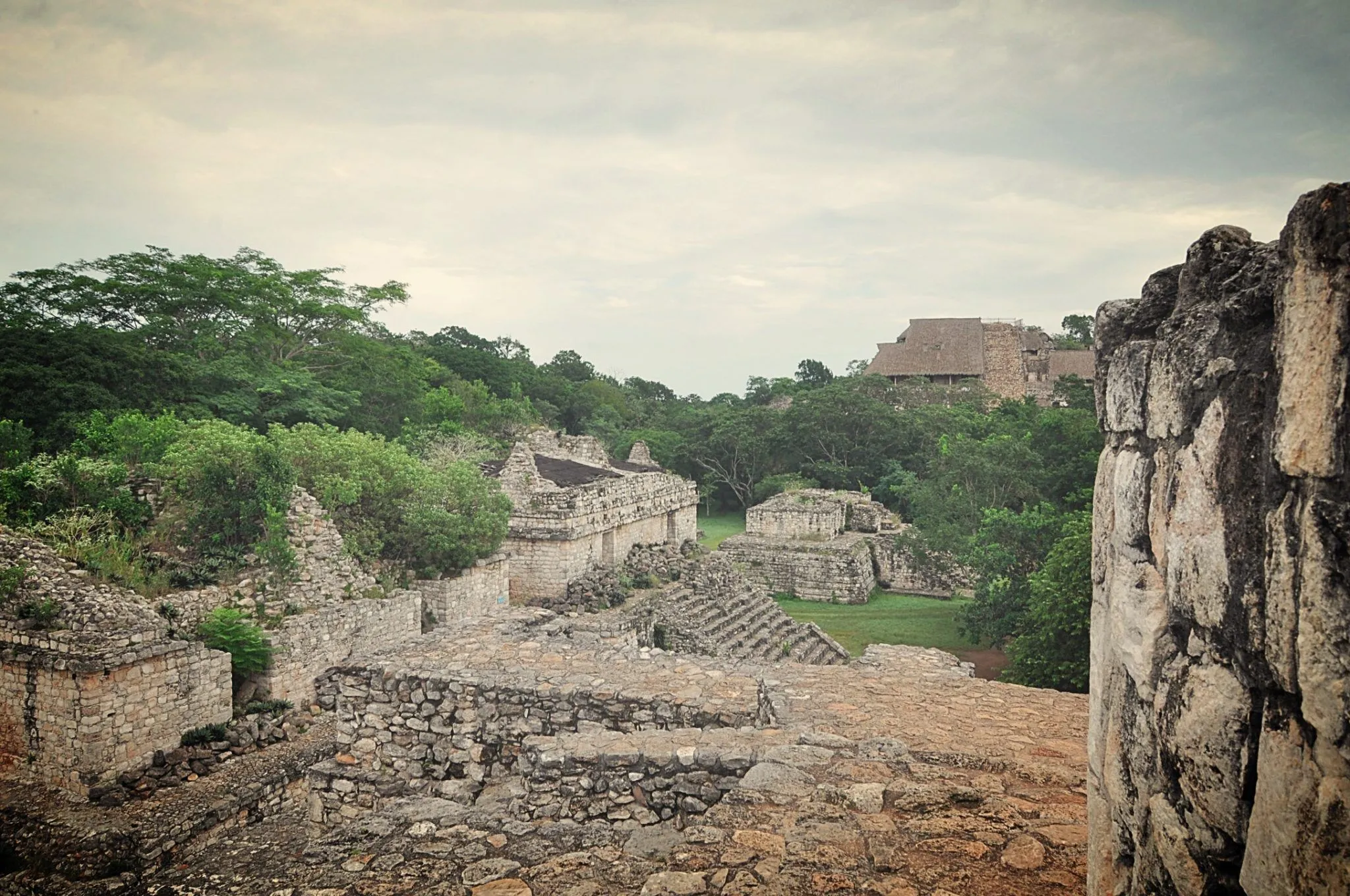
San Miguelito is a genuine Maya archaeological site with 16 restored structures, including the Pyramid of El Rey (different from El Rey ruins down the road), a grand platform, and a series of residential complexes. What makes it special is the Museo Maya de Cancun attached to the site — the most comprehensive Maya museum in the Cancun region, with 350+ pieces of jade, ceramics, obsidian tools, and burial remains from sites across Quintana Roo and the Yucatán.
Most tourists walk right past it on their way to the beach.
Entry: 75 MXN ($3.75) covers both the ruins and the museum. Free for Mexican residents on Sundays. Hours: Tuesday–Sunday, 9 AM–5 PM (closed Monday). Time needed: 1.5–2 hours minimum if you take the museum seriously.
2. El Rey Ruins — Maya Merchant Cemetery
A kilometer from San Miguelito sits Zona Arqueológica El Rey, a distinct Maya site where merchants and elite were buried with their jade jewelry and obsidian tools. Unlike San Miguelito which is primarily civic/ceremonial architecture, El Rey is essentially a burial complex — the skeletons of dozens of individuals were excavated here, now partially on display in the museum next door.
The name “El Rey” (The King) comes from a carved stone head found on site that archaeologists nicknamed the king.
Entry: 75 MXN. The iguanas are free — hundreds of them sun themselves on the ruins and are completely unbothered by humans. Worth combining: San Miguelito + El Rey in one morning, then beach in the afternoon.
3. Playa Delfines — The Best Public Beach
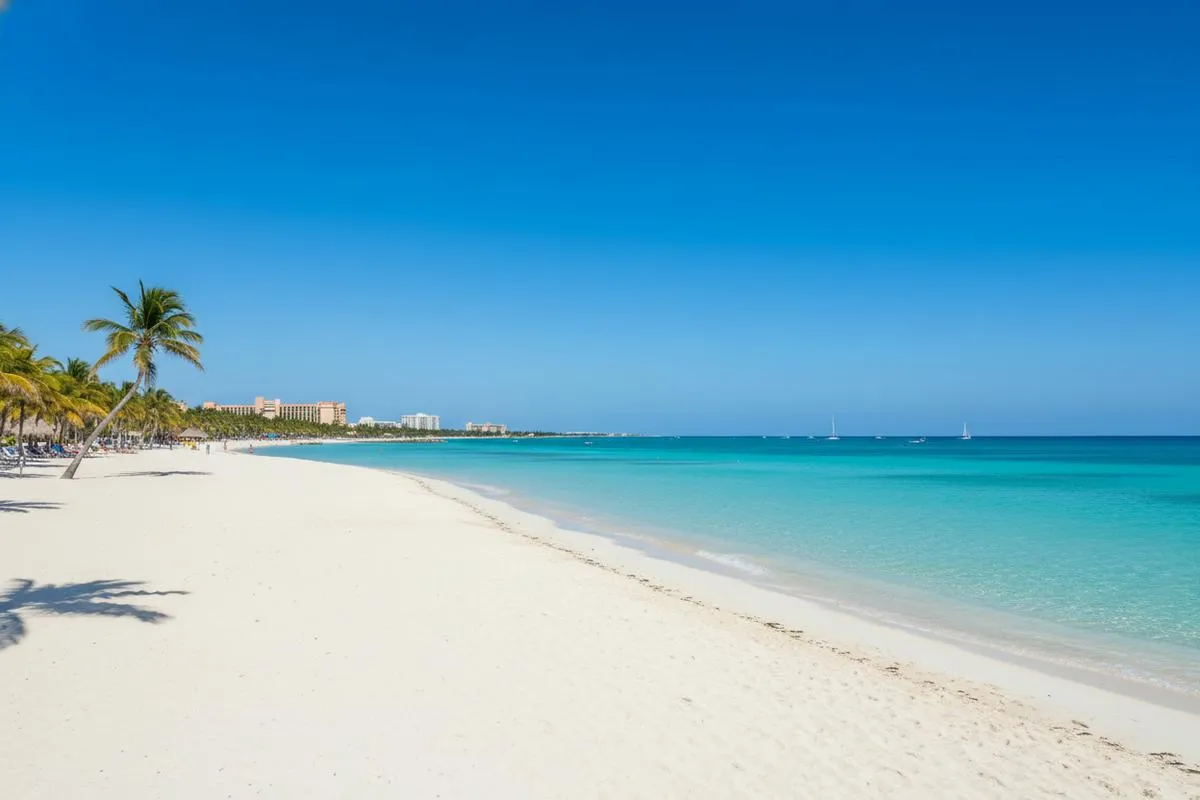
At kilometer 18 of the Hotel Zone, Playa Delfines (Beach 86) is the widest, most accessible public beach in Cancun with the iconic aquamarine water and zero resort crowding. You don’t need a hotel to access it — there’s a large free parking lot and the beach is fully public by Mexican law.
Why it’s better than resort beaches: No plastic chairs, vendors stay at the back, the water is clear, and you can actually see the color gradient that makes Cancun famous. It’s also where the famous Cancun sign for photos is located.
Best time: Weekday mornings. Avoid midday on weekends when Mexican families from the city use it (which is actually wonderful to witness but gets crowded).
4. Laguna Nichupté Boat Tour or Kayak
Inside the Hotel Zone, between Boulevard Kukulcan and the mainland, sits Laguna Nichupté — a protected natural lagoon with mangrove forests, crocodiles, manatees (occasional), and bird colonies that most tourists never discover because it’s not marketed the way beach activities are.
Options:
- Glass-bottom kayak: 300–500 MXN/hour, multiple operators along the lagoon
- Speed boat tour with snorkeling: 600–1,000 MXN/person, 2–3 hours
- Sunset catamaran tour: 800–1,200 MXN/person includes drinks
- Fishing charter: Full or half day from AquaWorld marina
Crocodile sighting: The lagoon has a healthy American crocodile population (Crocodylus acutus). Tour guides know where to find them. They’re part of the ecosystem — photograph them from the boat, don’t swim.
5. MUSA — The Underwater Sculpture Museum
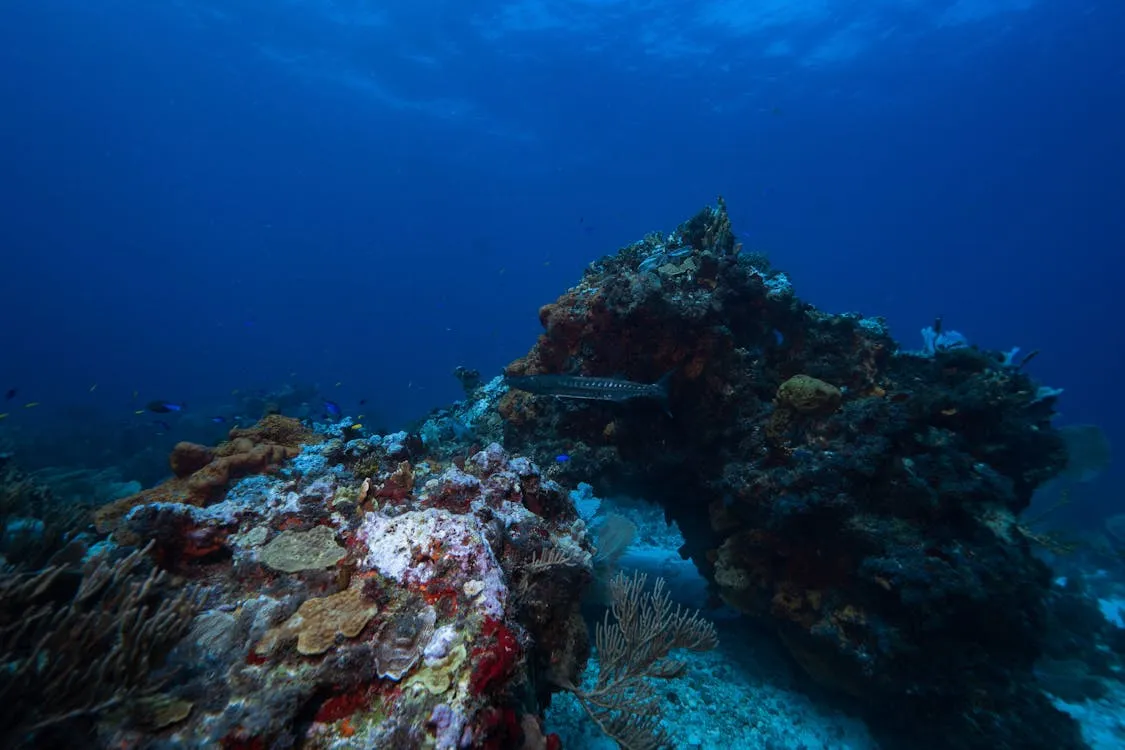
Museo Subacuático de Arte (MUSA) is unlike anything else in Mexico: 500 life-size concrete sculptures by British sculptor Jason deCaires Taylor, installed in the Caribbean Sea at 4–8 meter depths, now covered in coral and reef fish after a decade submerged.
The sculptures were designed with textured surfaces that promote coral growth — the entire installation functions as an artificial reef that now hosts hundreds of marine species. Some sculptures are portraits of Cancun residents; others are surreal installations (a Volkswagen Beetle submerged in the sand, a man on a sofa watching TV).
Access options:
- Glass-bottom boat: No swimming, 1 hour, ~$25–30 USD — you can see the sculptures
- Snorkeling tour: 4–8 meter depth, no certification needed, ~$45–60 USD
- Scuba diving: Full experience, 2-tank dive, ~$75–100 USD, requires certification (or introductory dive available)
MUSA North (near Isla Mujeres National Marine Park) is the original and more impressive section. MUSA South (near Hotel Zone) is smaller but more accessible.
6. Whale Shark Snorkeling (June–September)
Between June and September, whale sharks aggregate near Isla Mujeres and Holbox — within 2 hours of Cancun — to feed on fish spawn. This is the largest accessible whale shark aggregation in the world, with 400–800 sharks during peak months.
Snorkeling with whale sharks is one of the most remarkable wildlife experiences in Mexico. The sharks are large (7–10 meters), completely harmless (filter feeders), and swim slowly enough to follow on snorkel — no scuba needed.
Tours depart from Puerto Juárez (near the Isla Mujeres ferry terminal), cost 1,800–2,500 MXN, and include snorkeling equipment and usually a cenote stop.
IMPORTANT: Tours are regulated. You enter the water in pairs with a guide, fins are allowed, touching is strictly prohibited. July and August are peak months; book 1–2 days ahead in peak season.
Day Trips Worth Building Your Trip Around
7. Isla Mujeres — The Easiest, Most Rewarding Trip
Isla Mujeres is a 7-kilometer island 13 km offshore from Cancun — 25 minutes by ferry from Puerto Juárez, 90–200 MXN round trip. It’s a complete one-day trip: rent a golf cart (350–500 MXN/day), drive the island in 45 minutes, swim at Playa Norte (consistently one of Mexico’s best beaches), snorkel at Garrafón Natural Reef Park, and eat fresh fish at the main square.
No cars allowed (golf carts only). No sargassum problem (north-facing beach). Back in Cancun by 5 PM.
See the full Isla Mujeres Travel Guide and our 25 things to do in Isla Mujeres for everything you need.
8. Chichen Itza — The Bucket List Ruins
Chichen Itza is 200 km from Cancun (2.5–3 hours by car or ADO bus). It receives 2–3 million visitors annually and is one of the New Seven Wonders of the World.
The strategy that makes or breaks the visit: Arrive at 8 AM when gates open. Tour buses depart Cancun hotels at 7:30–8 AM and arrive at 10–11 AM — you get 2 hours with the ruins almost to yourself before the crush.
Don’t miss: El Caracol (astronomical observatory), the Sacred Cenote (jade and human sacrifice offerings), and the Ball Court acoustics (clap in the center — your echo sounds like a quetzal bird).
Entry: 571 MXN (state) + 75 MXN (INAH federal zone) = 646 MXN total (~$33 USD). Not a single fee.
See the full Chichen Itza Guide 2026.
9. Ek Balam — The Better Ruins (Still Climbable)
Ek Balam is 30 km north of Valladolid (190 km from Cancun) and gets 5% of Chichen Itza’s visitors. The pyramid is still climbable — you ascend to 32 meters and look across miles of Yucatán jungle with no other tourists.
The Acropolis has the finest stucco carvings in the Yucatán, including jaguar masks and a carved facade depicting the entrance to the Maya underworld. Most day-trip tourists have never heard of Ek Balam.
Entry: 247 MXN. Combination with Cenote X’Canché (150 MXN, 3-minute tuk-tuk, beautiful cave cenote) makes a perfect half-day.
10. Cenote Swimming
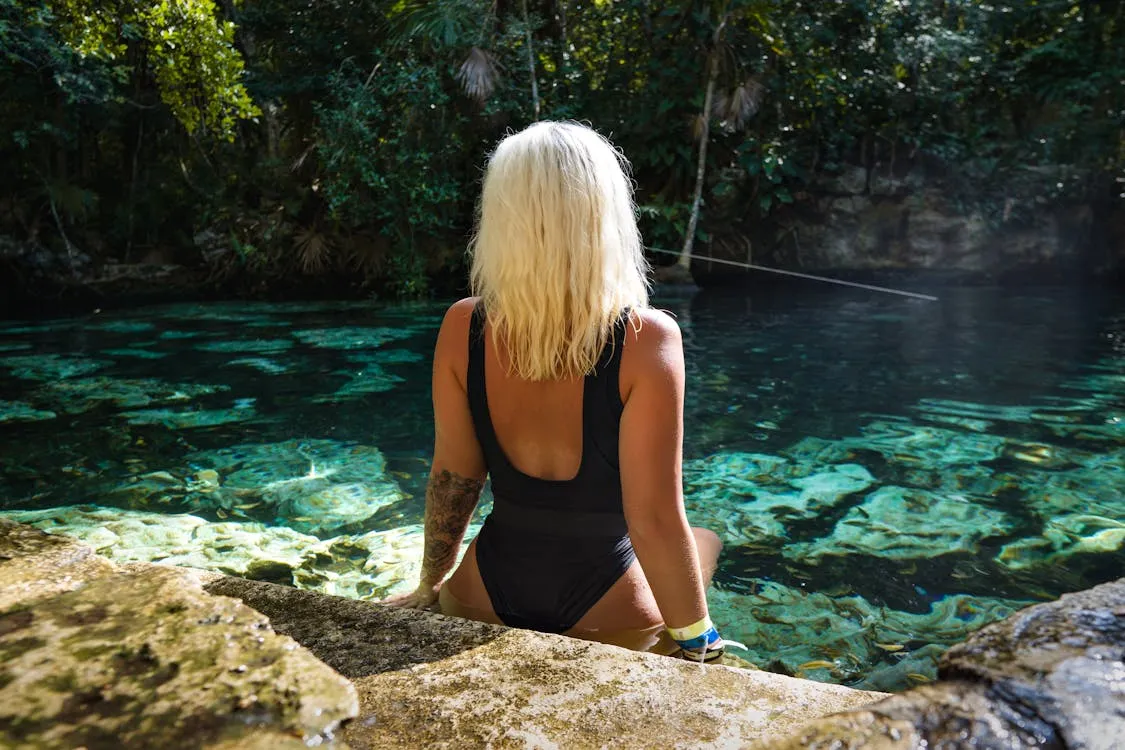
The Yucatán Peninsula has 6,000–8,000 cenotes — natural sinkholes in the limestone formed when underground caves collapse, revealing freshwater pools. Swimming in a cenote is one of the experiences most unique to this region of the world.
Closest to Cancun Hotel Zone:
- Cenote Tortuga (30 min south): Small, clear, jungle setting, 150 MXN
- Cenote Ik Kil (3 km from Chichen Itza): The famous Instagram cenote, vine-covered walls, 180 MXN — arrive before 11 AM
- Cenote Dos Ojos (130 km, near Tulum): Twin cenotes connected underground, one of the best in Mexico, 600 MXN — combine with Tulum day trip
11. Isla Contoy — UNESCO Bird Sanctuary (Max 200 People/Day)
Isla Contoy is a protected UNESCO national park island 30 km north of Isla Mujeres that limits daily visitors to 200 people — one of Mexico’s most pristine ecosystems and almost unknown by international tourists.
The island is a nesting ground for frigatebirds, boobies, pelicans, cormorants, and over 150 bird species. There’s also exceptional snorkeling at Ixlaché Reef, one of the least-visited sections of the Mesoamerican Barrier Reef.
Tours depart from Cancun (Puerto Juárez) or Isla Mujeres, last a full day, and cost 1,500–2,000 MXN including snorkel equipment and lunch. You must book in advance — tours sell out because of the 200-person limit.
Cancun Nightlife
12. Coco Bongo — The Spectacle
Coco Bongo on Boulevard Kukulcan is the archetypal Cancun nightlife experience — part club, part theatrical performance, with acrobats, live music, Las Vegas-style shows, and 3,000 people dancing at once. Spring break institution for 30 years.
Entry: $50–80 USD includes open bar. Shows run Thursday–Saturday from 10:30 PM.
Is it genuinely good? Yes, on its own terms. It’s an enormous, chaotic, fun spectacle. Go once if you’re the type. Avoid if you’re looking for an authentic Mexican night out.
13. La Vaquita, Mandala, Congo Bar — Hotel Zone Cluster
The Hotel Zone party strip around km 9–11 has multiple clubs within walking distance: Mandala (house music, more local crowd), La Vaquita (smaller, younger crowd, free entry before midnight), Congo Bar (rooftop, better views than Coco Bongo, lower prices).
14. El Centro Nightlife — The Real Cancun Nights
Downtown Cancun’s Avenida Yaxchilán has bars and clubs where actual Cancun residents go — no cover charges, 25 MXN beers, live salsa and norteño. This is what Mexico sounds like at night, not the EDM-driven Hotel Zone. Take an Uber (10–15 minutes from Hotel Zone, 80–150 MXN).
Food & Drink in Cancun
15. Mercado 23 — Tacos for 30 MXN
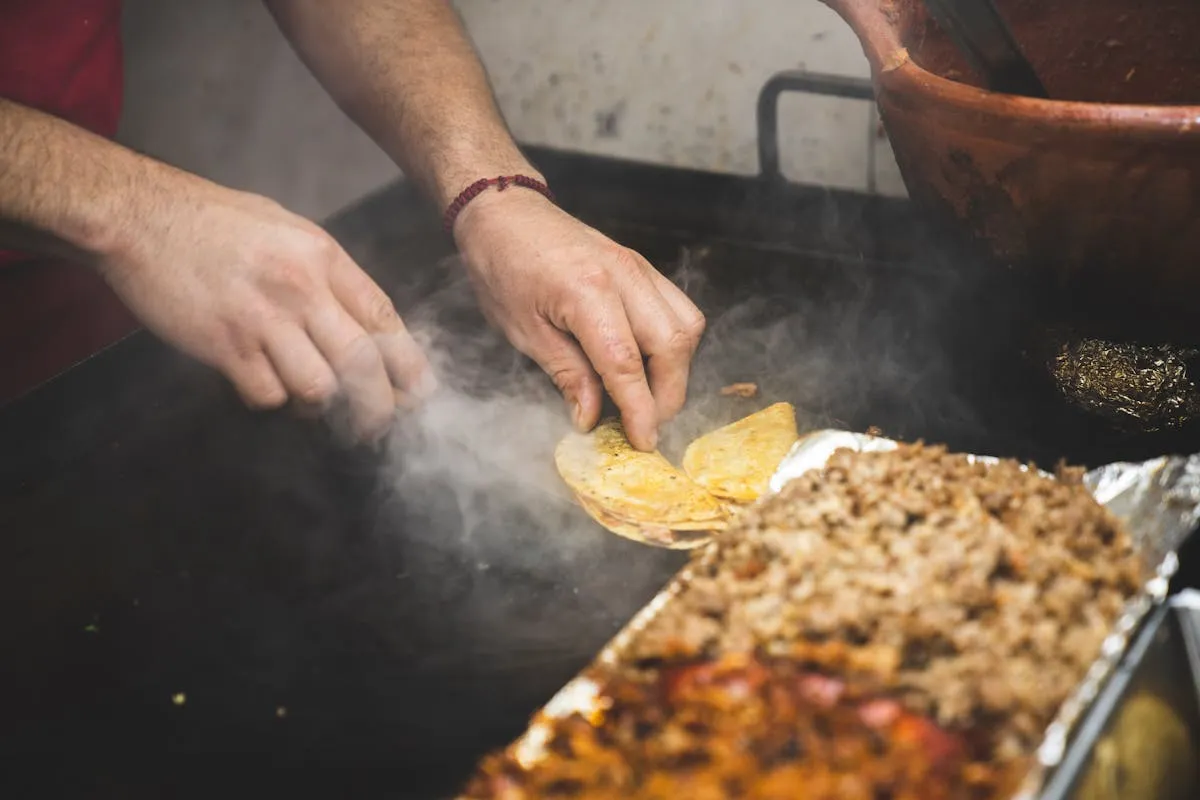
Mercado 23 in downtown Cancun is the city’s main working market: fresh produce, butchers, tortillerías, and taco stands where locals eat lunch. A plate of tacos costs 30–50 MXN. Nothing is translated into English. You won’t see other tourists.
How to get there: 15–20 minute Uber from Hotel Zone (80–100 MXN). Lunch hours are best (12–3 PM). Point at what you want if your Spanish fails you. For the full food guide including ceviches, aguachile, and a complete budget eating plan, see what to eat in Cancun.
16. Mercado 28 — Tourist Market + Local Food Court
Mercado 28 is halfway between downtown and the Hotel Zone: a souvenir market on one side, a genuine local food court (El Foro) on the other. The food court has 20+ taco/comida corrida stalls at 60–100 MXN per meal, all competing for the same customers. Better than Hotel Zone prices; less authentic than Mercado 23.
17. Puerto Morelos — Best Seafood Day Trip Nearby
Puerto Morelos is 36 km south of Cancun (30 minutes) — a working fishing village with a protected reef directly offshore and excellent ceviche and grilled fish restaurants. Families have been eating here for generations; tourist development is minimal. An underrated lunch or afternoon option vs. staying in the Hotel Zone.
For Families
18. Cancun Aquarium (Interactive Aquarium)
The Cancun Aquarium (Aquario de Cancun or AquaWorld Interactive Aquarium) inside the Forum Mall at km 9 has live sharks, rays, sea turtles (rescue program), and interactive exhibits. Kids can feed nurse sharks (separated by guide), touch rays, and the sea turtle program includes conservation context.
Entry: 700–900 MXN adults, 500–700 MXN children. 2–3 hours. Open daily.
19. Xel-Há Water Park
Xel-Há is 130 km south (similar distance to Tulum) — a natural aquatic park built around a natural inlet with fresh/saltwater mixing, snorkeling through the inlet with fish, cliff jumping, and tube rides. All-inclusive day pass includes unlimited food and non-alcoholic drinks (beer extra).
Entry: $79–110 USD adults, $40–55 USD children (4–11). Book online for 15–20% discount.
Note: Xel-Há is owned by the same group as Xcaret. It’s a high-production eco-park rather than wild nature — the snorkeling is in a managed inlet, not open ocean.
20. Las Islas (Nichupté Lagoon Islands)
Small mangrove islands in Laguna Nichupté accessible by boat have been developed into a family attraction — snorkeling areas, a zipline over water, and a manatee sanctuary (manatees present seasonally). Less commercial than Xcaret/Xel-Há. Tours cost 500–800 MXN per person.
Free & Low-Cost Things to Do in Cancun
| Activity | Cost | Location |
|---|---|---|
| Playa Delfines beach | Free | Hotel Zone km 18 |
| Sunset from Hotel Zone mirador | Free | Boulevard Kukulcan |
| El Rey ruins walk (Mon closed) | 75 MXN | Hotel Zone km 17.5 |
| San Miguelito ruins + museum | 75 MXN | Hotel Zone km 16.5 |
| Mercado 23 browsing | Free entry | El Centro |
| Hotel Zone walking/cycling | Free | Boulevard Kukulcan |
| Sunday morning street markets | Free | El Centro neighborhoods |
| Puerto Morelos beach | Free | 36 km south |
Things to Skip in Cancun
The Tourist Trap Activities
Dolphin interaction shows: Cancun’s Hotel Zone has multiple dolphin interaction programs at $100–200 USD for 30 minutes. The dolphins are kept in small lagoon enclosures. Skip this — open-water whale shark snorkeling in July or swimming with sea turtles at Akumal are both better experiences with wild animals in their natural habitat.
Xcaret Park (alone): Xcaret is an impressive park 82 km south of Cancun, but at $100+ USD entry, the 2-hour drive (each way in traffic) makes it a full-day commitment. If you want an all-day eco/cultural park, it’s legitimate. As a casual afternoon — skip.
Strip restaurants on Boulevard Kukulcan: Every major chain and tourist restaurant on the Hotel Zone strip charges 3–5× the price for identical food available at Mercado 28 or Mercado 23. The distinction: if there’s an English menu in the window with photos, you’re paying tourist prices.
Activity Budget Guide
| Budget Level | Daily Activities Spend | What You Get |
|---|---|---|
| Budget | $20–40 USD/day | Ruins, beaches, cenotes, local food |
| Mid-range | $60–100 USD/day | MUSA, Isla Mujeres, whale shark tour |
| Splurge | $150–250 USD/day | Multi-park passes, deep-sea fishing, private boat |
Practical note: Book Chichen Itza tours and whale shark snorkeling at least 1–2 days ahead during March–May (Spring Break) and July–August. Capacity limits are real.
When to Do What
| Activity | Best Season | Notes |
|---|---|---|
| Beach swimming | Dec–Apr | Lowest sargassum risk, good weather |
| Whale shark | Jun–Sep | Peak July–Aug, book ahead |
| Cenotes | Year-round | Water temp constant 24°C / 75°F |
| Chichen Itza | Nov–Feb | Coolest temps (6 AM start = 20°C) |
| Nightlife | Year-round | Spring Break (Mar) = packed; low season = easy entry |
| Isla Contoy birds | Apr–Sep | Nesting season for most species |
| Sea turtle nesting (Xcaret area) | Jun–Nov | Night watching programs at Playa del Carmen |
| Coco Bongo / big clubs | Thu–Sat | Weeknights much less busy |
Practical Tips
Getting around: In the Hotel Zone, the R1/R2 buses run the length of Boulevard Kukulcan for 12 MXN — the same route that taxis charge 100–200 MXN. Use them for short Hotel Zone moves. Uber is available and cheap (40–80 MXN for most Hotel Zone trips). Downtown: Uber or ADO bus.
Language: English is widely spoken in the Hotel Zone. Basic Spanish (please/thank you/how much) will serve you well in Mercado 23 and downtown.
Explore More: Cancun & Yucatan
- Cancun Nightlife Guide 2026 — Coco Bongo, The City, Mandala: real prices, spring break survival, what’s worth it
- Cancun Travel Guide 2026 — full logistics, where to stay, beaches, getting there
- Day Trips from Cancun 2026 — all 15 excursions ranked with transport options
- Best Time to Visit Cancun — month-by-month weather, sargassum, crowds
- Cancun vs Tulum — 14-point comparison for deciding where to base
- Isla Mujeres Travel Guide — golf carts, Playa Norte, whale sharks
- Chichen Itza Guide 2026 — El Castillo, equinox, entry fees, logistics
- Best All-Inclusive Resorts Mexico — every Cancun zone compared
- Riviera Maya Travel Guide 2026 — 130km of Caribbean coast broken down