Best Things to Do in Holbox, Mexico 2026: Whale Sharks, Bioluminescence & Beaches
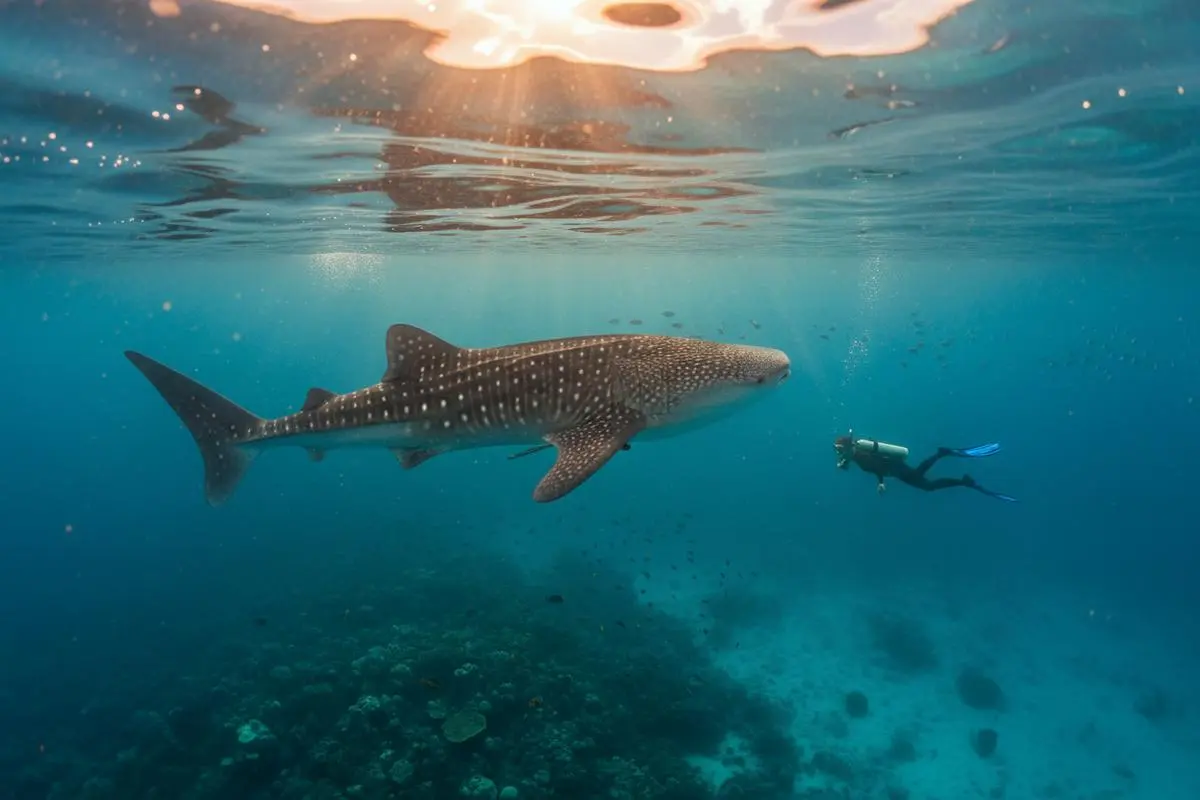
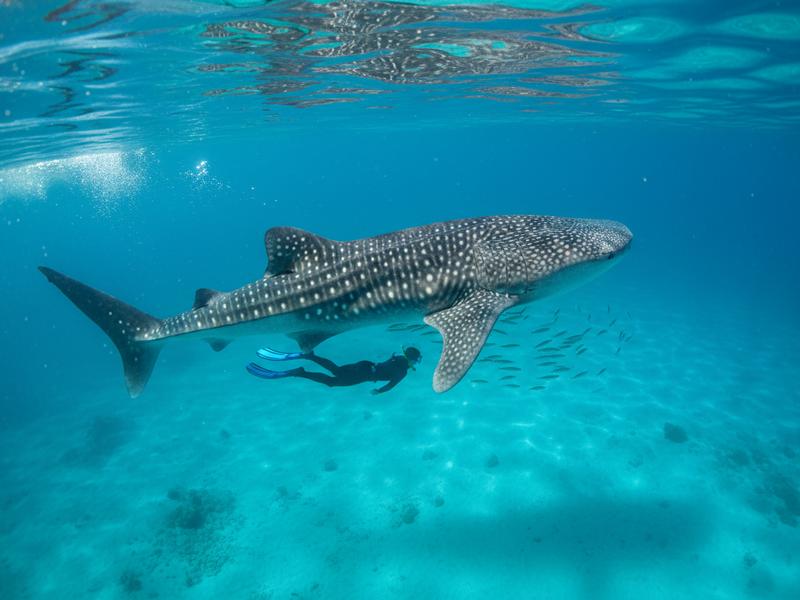
The best things to do in Holbox are whale shark snorkeling in summer, bioluminescence on dark nights, Punta Mosquito for flamingos, and Punta Cocos if you just want a slow beach day with no cars in sight. For most first-time visitors, Holbox works best as a 2 to 3 night island stop, not a rushed day trip from Cancún.
If you are planning the whole trip, start with the Cancun to Holbox transport guide, then check the best time to visit Holbox if whale sharks, jellyfish, or bioluminescence matter to you.
Holbox in 30 Seconds
| Question | Short answer |
|---|---|
| Is Holbox worth it? | Yes, if you want wildlife, shallow swimmable water, and a car-free island mood. No, if you want the clearest snorkeling water or a fast luxury beach trip. |
| Best thing to do first? | Whale shark tour in season, Punta Mosquito or Punta Cocos out of season. |
| How long should you stay? | 2 to 3 nights is ideal. 1 night works, same-day from Cancún is possible but not the best version of Holbox. |
| Best months | July and August for whale sharks, December to April for dry weather, August to September for strongest bioluminescence. |
| Biggest mistake | Treating Holbox like Isla Mujeres or Cozumel. Come for wildlife and atmosphere, not perfect water clarity. |
Best Holbox Plan by Trip Style
| If you want… | Do this first | Stay this long |
|---|---|---|
| Whale sharks | Book the earliest morning boat and build the trip around June to mid-September | 2 nights minimum |
| A laid-back beach stop | Base near town, swim the north shore, then head to Punta Cocos late morning | 2 nights |
| Wildlife without whale-shark season | Combine Punta Mosquito, Yalahau, and a mangrove or birding outing | 2 to 3 nights |
| A quick add-on from Cancún | Arrive early, stay overnight, and leave after lunch the next day | 1 to 2 nights |
| Best photo moments | Sunrise on the east side, golden hour on the main beach, bioluminescence if moon phase cooperates | 2 nights |
Should You Stay Overnight in Holbox or Visit as a Day Trip?
Stay overnight if you can. The best Holbox moments happen early and late, sunrise walks toward Punta Mosquito, calm evening swims, bioluminescence after dark, and early whale-shark departures. A day trip from Cancún is only worth it if you are already nearby in Chiquilá or you care more about seeing the island once than actually settling into it.
If you only have one full day, prioritize one wildlife anchor plus one slow beach stop. In whale-shark season, that means whale sharks in the morning and Punta Cocos later. Outside whale-shark season, do Punta Mosquito or Yalahau first, then keep the afternoon for swimming, seafood, and sunset.
Activity Overview
| # | Activity | Category | Cost (approx. USD) | Best Season |
|---|---|---|---|---|
| 1 | Whale shark snorkeling | Wildlife | $110–160/person | Jun–Sep |
| 2 | Bioluminescence kayak tour | Nature | $45–70/person | Jun–Oct |
| 3 | Flamingos at Punta Mosquito | Wildlife | $15–30 boat share | Dec–May (most reliable) |
| 4 | Hammocks at Punta Cocos | Beach/Swimming | $10–20 boat transport | Year-round (Nov–Apr best) |
| 5 | Yalahau cenote boat trip | Nature | $30–50/person | Year-round |
| 6 | Golf cart island circuit | Sightseeing | $35–55/day rental | Year-round |
| 7 | North shore shallow flats swim | Beach | Free | Year-round |
| 8 | Manta ray and nurse shark snorkel | Wildlife | $30–50/tour | Year-round |
| 9 | Kitesurfing lesson (La Punta) | Sport | $60–90/lesson | Nov–May |
| 10 | Stand-up paddleboarding | Water | $15–25/hr | Nov–Apr |
| 11 | Kayaking the mangrove channels | Nature | $15–25/hr | Year-round |
| 12 | Sunset from the main beach | Free | Free | Year-round |
| 13 | Stargazing (no light pollution) | Nature | Free | Oct–Apr |
| 14 | Night swimming (bioluminescence) | Nature | Free (beach access) | Jun–Oct |
| 15 | Bird watching (frigate birds, spoonbills) | Wildlife | Free | Year-round |
| 16 | Bike rental island tour | Sightseeing | $8–15/day | Year-round |
| 17 | Lobster and fresh seafood dinner | Food | $25–50/plate | Year-round |
| 18 | Local fish tacos at the market | Food | $3–6/taco | Year-round |
| 19 | Sport fishing with local fishermen | Adventure | $100–200/boat | Nov–Apr |
| 20 | Cabo Catoche day trip (northernmost point) | Nature | $60–100/boat share | Nov–Apr |
| 21 | Punta Mosquito beach walk | Beach | Free ($10–20 boat) | Dec–May |
| 22 | Yoga on the beach | Wellness | $12–20/class | Year-round |
| 23 | Photography at golden hour | Free | Free | Year-round |
| 24 | El Faro lighthouse walk | Sightseeing | Free | Year-round |
| 25 | Isla Contoy day trip | Wildlife | $85–120/person | Year-round |
Wildlife — The Main Reason to Come
1. Whale Shark Snorkeling — June to September
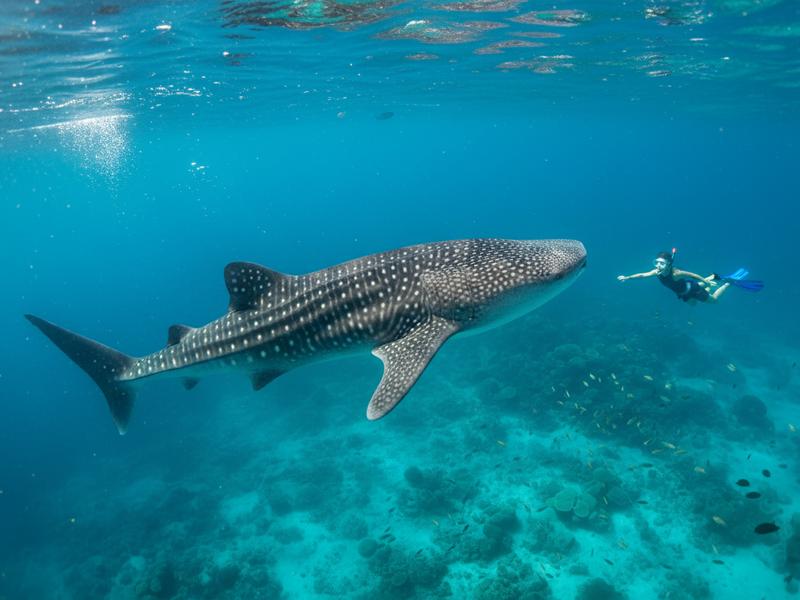
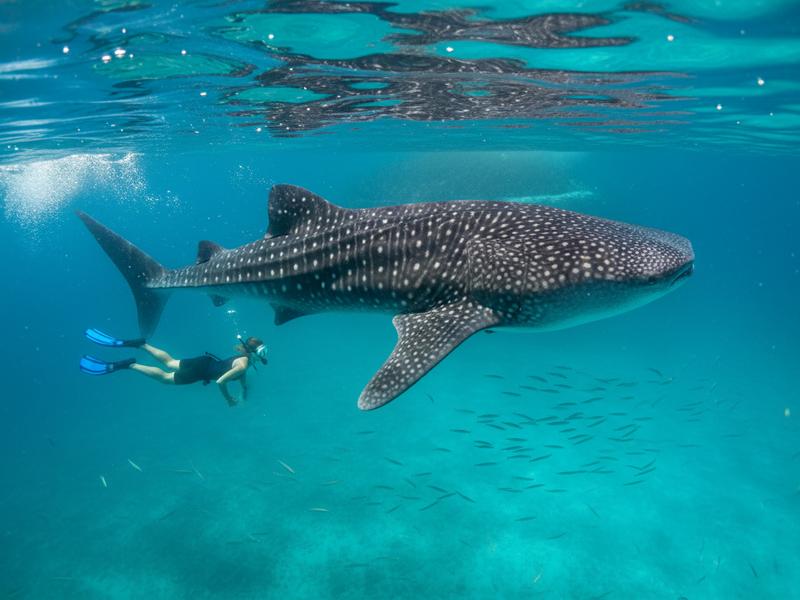
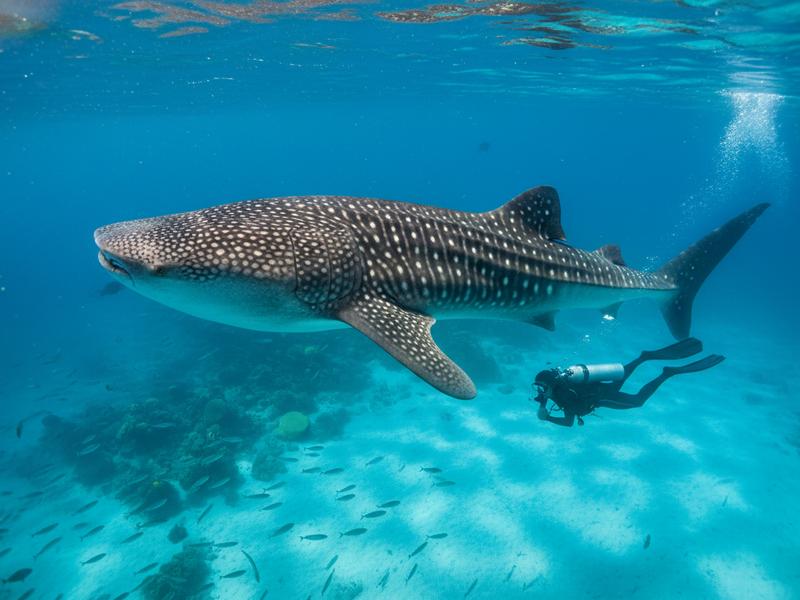
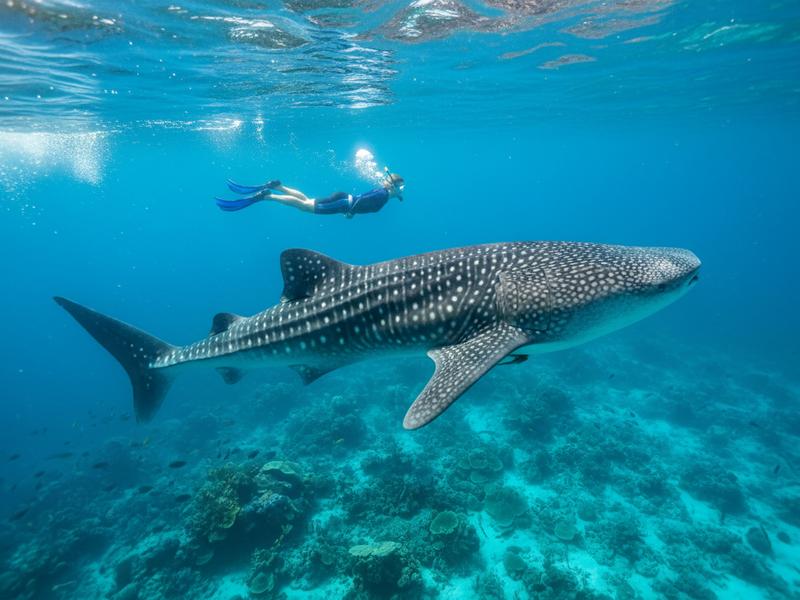
From June through mid-September, an aggregation of whale sharks (Rhincodon typus) forms 15–20 kilometers northeast of Holbox in the open Yucatán Channel. At its peak in July and August, 400–800 individual sharks have been observed in a single area — the largest known aggregation of the world’s biggest fish. Before booking, use our Mexico whale shark guide to compare Holbox’s longer open-water crossing with departures from Isla Mujeres and the different season in La Paz.
What the experience is:
- Open water snorkeling, not cage diving. You enter the water and swim alongside whale sharks that ignore you entirely while they filter-feed near the surface
- A guide stays in the water with every two snorkelers, directing positioning and preventing accidental contact
- Sharks range 4–12 meters; you’re swimming next to something the size of a school bus
- Not guaranteed — you’re chasing wild animals. Good guides know the feeding zones; 90%+ of trips encounter sharks during peak season
Logistics:
- Tours depart from Holbox pier at 5:30–7 AM (early departure essential — sea conditions worsen by afternoon)
- 1.5–2 hours to aggregation zone by speed boat
- 2–3 hours in the water at the site, then return
- Full day trip: depart 6 AM, return 1–2 PM
- Cost: 2,000–2,800 MXN/person ($110–160 USD)
- Includes guide, life jacket, wetsuit (which also protects against jellyfish), mask and snorkel
- Book 2–4 days ahead during July–August; same-day availability in June and September
Regulations: Mexican law prohibits touching whale sharks, feeding them, scuba diving near them, or using flash photography. Maximum 6 snorkelers in the water per shark at any time. These regulations exist because they’re among Mexico’s most important protected species.
Season: June 1 through September 15, with core season July 15–August 15.
Book whale shark snorkeling tours on Viator.
2. Flamingos at Punta Mosquito
The Punta Mosquito lagoon at Holbox’s eastern end hosts flocks of American flamingos year-round, though numbers vary significantly by season. December through May is most reliable — hundreds of flamingos, sometimes thousands, wade in the shallow lagoon feeding on brine shrimp and algae that give their feathers the characteristic pink.
How to get there:
- Golf cart to the eastern end of the island (20 minutes) + short walk to the lagoon edge: free but distant views
- Boat tour from town: 200–300 MXN/person for closer approach without disturbing the flock, usually combined with Yalahau cenote
- Walking the beach from town: 1.5–2 hours each way — possible but hot
Best time of day: Early morning (6–9 AM) before the wind picks up and flamingos move.
Photography: Stay at the lagoon edge. The birds are habituated to boats but not to people wading toward them — keep distance to avoid flushing the flock.
3. Manta Rays and Nurse Sharks
The shallow waters around Holbox year-round have resident nurse sharks resting on sandy bottoms (harmless and largely docile), and manta rays are seen throughout the island’s surrounding waters. Local boat operators offer snorkeling trips targeting these animals — shorter and cheaper than the whale shark expedition. Cost: 500–900 MXN/person for a 2–3 hour trip.
Where to see nurse sharks without a tour: The western tip of the island (Punta Cocos area) has sandy shallows where nurse sharks rest in groups. Visible from above in clear conditions, usually accessible with a short swim from the beach.
4. Bird Watching — Year-Round
Holbox sits on the Gulf of Mexico flyway and the island’s mangroves and lagoons host an exceptional variety of birds year-round. Magnificent frigate birds soar overhead constantly. Roseate spoonbills (bright pink, distinctive spoon-shaped bill) are present year-round in the southern lagoon. Brown pelicans dive offshore daily. During migration (October–November and March–April), additional species pass through.
Best bird watching spots:
- South-facing lagoon: spoonbills, herons, egrets
- Punta Mosquito area: flamingos + supporting bird species
- Mangrove channels by kayak: most intimate access to nesting areas
Natural Experiences
5. Bioluminescence — June to October
Holbox is one of Mexico’s most consistent bioluminescence sites. From June through October, bioluminescent dinoflagellates (single-celled organisms that produce light via chemical reaction) are present in the lagoon waters in sufficient concentrations to glow visibly when disturbed.
Free version: Wade into the water off the main beach on a moonless night, wave your hands in the water, and watch blue-green light appear around your movements. No tour, no cost.
Guided kayak tour: Better experience because paddling creates a continuous light trail around the kayak, and guides know the highest-concentration zones. Duration: 2 hours. Cost: 800–1,200 MXN/person.
Best conditions:
- New moon nights (darkest sky, most visible plankton glow)
- June–October, peak August–September
- Calm water (wind disrupts concentration)
- No rain the night before (freshwater dilutes the salt concentration the organisms need)
The science: The glow is triggered by disturbance — mechanical, electrical, or thermal. The organisms emit light as a defense mechanism (flashing attracts larger predators that eat whatever disturbed them). You can also see it from a boat at speed, watching the bow wave glow blue.
6. Yalahau Cenote — Freshwater Spring
Yalahau is a freshwater cenote (natural spring pool) on the mainland near Holbox, accessible by a 30-minute boat ride from the island’s southern shore. Unlike underwater cave cenotes, Yalahau is open-air — a circular pool of clear, cold freshwater surrounded by mangroves.
What’s unique: The water is constantly flowing outward from the cenote toward the sea (a spring, not a still pool). Swimming in it feels like swimming against a very gentle current. Visibility is exceptional — you can see the sand and roots on the bottom clearly.
Getting there: Organized tours from Holbox (usually combined with Punta Mosquito flamingos): 300–500 MXN/person. Or arrange directly with a local fisherman/boat operator at the pier.
Combined itinerary: Most tours run Punta Mosquito flamingos (morning) → Yalahau cenote (midday swim) → back to Holbox (afternoon). A solid half-day.
Beach & Water
7. Swimming the North Shore Shallow Flats
Holbox’s north shore is shallow, warm, and calm — but not Caribbean-quality clear. The convergence of Gulf and Caribbean water creates a greenish-turquoise color rather than the transparent blues of Cozumel or Isla Mujeres. This is fine for swimming and walking far out in chest-deep water, but don’t expect snorkeling visibility.
Best sections: The beach in front of the town is accessible directly. Punta Cocos (west) is shallower and has the hammocks experience. The eastern beach toward Punta Mosquito is deserted.
Jellyfish note: June–September, moon jellyfish appear. Rash guard eliminates the problem. October–April, largely jellyfish-free.
8. Hammocks at Punta Cocos — The Iconic Holbox Image
The hammocks in the sea at Punta Cocos are Holbox’s most photographed image — wooden platform hammocks suspended over the shallow lagoon water, accessible by wading or boat. They’re real, free (or 50–100 MXN service fee at the palapa bar), and genuinely enjoyable in the right conditions.
Getting there:
- Golf cart west along the beach road to Punta Cocos (15–20 minutes), then 5-minute walk through shallow water
- Or boat taxi from the main pier (100–150 MXN round trip)
- Note: accessible on foot from town by beach walk, but it’s 3+ km on soft sand
Best time: Morning, before day-tripper tours arrive from Cancún. After 11 AM, hammock spots are taken.
Depth: Water is knee-deep to waist-deep depending on tide. Works for any swimming ability.
9. Golf Cart Circuit
Renting a golf cart is the standard way to explore Holbox — the only cars allowed on the island are golf carts and a few service vehicles. A full circuit from town to Punta Cocos (west) and partway toward Punta Mosquito (east) takes 1–2 hours.
Cost: 600–900 MXN/day for a 4-person golf cart.
What to see on the circuit:
- Town center and main beach (start/end)
- West toward Punta Cocos: hammocks, quieter beach, nurse sharks visible in shallow water
- East toward Punta Mosquito: fewer tourists, longer beach, flamingo lagoon at far end (2+ km)
- South-facing mangrove lagoon: bird watching, kayak access points
Golf cart rental locations: Multiple operators near the ferry dock and in town center.
10. Kitesurfing at La Punta
Holbox’s western lagoon (La Punta area) is one of the Yucatán Peninsula’s better kitesurfing locations: consistent wind from November through May (15–25 knots from the north), flat shallow water, and space away from swimmers. A dedicated kitesurfing community operates here — instructors, equipment rental, and a beach bar culture similar to Tarifa or Mui Ne.
Kitesurfing lessons: 1,000–1,500 MXN for a 2-hour introduction to theory and body-dragging. Full IKO certification courses available.
For experienced kiters: Equipment rental (kite + board) available from operators at the western beach. Ideal conditions November–April.
Day Trips from Holbox
11. Isla Contoy — UNESCO Wildlife Reserve
Isla Contoy is a 917-hectare uninhabited island 30 km northeast of Holbox, Mexico’s first nature reserve and now a UNESCO World Heritage site. Access is strictly limited — only 200 people per day allowed — and all visits must be on authorized tours.
What’s there: The world’s largest frigatebird nesting colony, plus brown pelicans, red-footed boobies, blue-footed boobies, and 152 recorded bird species. The surrounding water has exceptional snorkeling (part of the Mesoamerican Barrier Reef system). The island has a small museum about its ecology.
Getting there: Day tours from Holbox include Isla Contoy + Ixchel Island snorkeling stop. Depart 7–8 AM, return by 4–5 PM. Cost: 1,500–2,000 MXN/person including lunch. Limited availability — book 2–3 days ahead.
Note: Isla Contoy tours are also available from Isla Mujeres (more common) and sometimes from Cancún. The Holbox-based tours are smaller groups.
12. Cabo Catoche — Holbox’s Northernmost Point
Cabo Catoche is the northernmost point of the Yucatán Peninsula — a shallow reef flat at the tip of the barrier island system where Gulf meets Caribbean. The water is dramatically clear here (clearest around Holbox) and the reef has snorkeling. Accessible only by boat — 45–60 minutes from Holbox town.
What’s there: Reef snorkeling, nurse sharks resting on sandy patches, occasional eagle rays, and the visual experience of being at the geographic tip of the peninsula with 360 degrees of open sea.
Cost: 1,000–1,500 MXN for a private boat tour (negotiate with pier fishermen). Group tours also available through local operators.
Season: November through April for best visibility and conditions. Rough seas June–October can make the transit uncomfortable.
Food & Local Life
13. Seafood at Holbox Restaurants
Holbox’s food quality consistently surprises first-time visitors. The small island has a concentrated food scene — fewer restaurants than a mainland town, but the best ones are genuinely good.
What to order:
- Ceviche: Made with fresh catch (typically octopus, shrimp, or white fish). Holbox’s version tends toward citrus-forward with regional spices
- Grilled lobster: July through February lobster season. Lobster is a Holbox specialty — ordered at lunch or dinner from restaurants that display day’s catch (look for the lobster traps)
- Fish tacos: Made from whatever came off the boat that morning. Simple, reliably good
- Tikin-xic: Yucatecan preparation — fish marinated in achiote and bitter orange, wrapped in banana leaf and grilled. Holbox does this well
- Caldo de Mero (grouper soup): A local breakfast staple found at basic fonda-style places near the market; hearty, cheap (100–150 MXN)
Restaurant notes:
- Viva Zapata: The town institution — mariachi, Mexican food, tourist-friendly but decent
- Las Panchas: Local-oriented, cheaper, better for understanding what Holbox residents eat
- Edelyn Restaurant: Beachfront, reliable, good ceviche
- Fish Tacos Raúl: Informal stand, fresh fish, 40–80 MXN/taco
14. Local Market and Street Food
Holbox has a small covered market near the main plaza with produce vendors, basic fonda-style restaurants, and street food stands. For budget travelers: this is where 150–200 MXN gets you a full meal with soup, main course, and drink. Worth one visit even if you’re eating at restaurants otherwise.
Wellness & Low-Key Activities
15. Stargazing
Holbox has minimal light pollution — the island has no major artificial lighting beyond the town center, and the surrounding sea is dark. On moonless nights, the Milky Way is visible from the beach. Best stargazing spots: the beach east of town, or Punta Cocos.
Conditions: Clearest skies November through April (dry season). Rainy season (June–October) has cloud cover that reduces visibility.
16. Yoga Classes
Multiple practitioners operate yoga sessions on Holbox, usually on the beach or at palapa studios near the main plaza. Drop-in classes: 200–350 MXN. Retreat packages available for week-long stays combining yoga, water activities, and local excursions.
17. Biking
Bike rental (150–250 MXN/day) allows exploring the island beyond what walking covers — particularly useful for reaching the flamingo lagoon at Punta Mosquito (7 km east) without paying for a golf cart. The roads are unpaved sand tracks, so wide-tire cruiser bikes are standard.
Free Things to Do in Holbox
| Activity | When | Notes |
|---|---|---|
| Walk the north shore beach | Year-round | Gets quieter east of town |
| Watch frigate birds from main beach | Year-round morning | Daily, dramatic |
| Sunset from the main beach | Daily | Some of Mexico’s best sunsets (Gulf-facing) |
| Bioluminescence from the beach (free) | Jun–Oct, moonless nights | Wade in, wave hands |
| Stargazing east of town | Clear nights year-round | Best Oct–Apr |
| Bird watching from the lagoon shore | Year-round morning | Spoonbills, herons, cormorants |
| Wander the sandy streets of town | Year-round | 20-minute full circuit |
| Watch kitesurfers at La Punta | Nov–May | Spectacular in strong wind |
Seasonal Calendar
| Month | Water | Wildlife | Conditions | Notes |
|---|---|---|---|---|
| Nov–Jan | 25–26°C, clearer | Flamingos, frigate birds | Dry, windy, good kitesurfing | Best conditions for everything except whale sharks |
| Feb–Mar | 24–25°C, clearest | Flamingos at peak, rays | Dry, calm | Peak swimming clarity, good for Cabo Catoche |
| Apr–May | 27–28°C | Flamingos departing | Pre-monsoon, heat building | Quieter crowds, prices moderate |
| Jun | 28–29°C, greenish | Whale sharks arriving | Rainy season starts | Whale sharks from June 1, bioluminescence begins |
| Jul–Aug | 29–30°C, murky | Whale sharks (peak), bioluminescence | Humid, afternoon rain | Busiest season — book everything ahead |
| Sep | 29°C | Whale sharks (late), bio peaks | Hurricane risk (usually misses Holbox) | Fewer crowds, bioluminescence at its most intense |
| Oct | 28°C | Bioluminescence, birds returning | Transition — some rain | Sweet spot: bio still active, flamingos returning |
Getting Around Holbox
The island has no cars. Transport options:
| Method | Cost | Range | Notes |
|---|---|---|---|
| Walking | Free | Town center | Most everything accessible on foot |
| Bike rental | 150–250 MXN/day | Whole island | Good for Punta Mosquito (7 km east) |
| Golf cart rental | 600–900 MXN/day | Whole island | Best for families or groups of 3–4 |
| Golf cart taxi | 40–80 MXN/trip | Anywhere in town | Shared or private, similar to taxis |
| Boat taxi | 100–200 MXN | Water destinations | Punta Cocos hammocks, Yalahau access |
| Organized tour boat | Varies | Whale sharks, Contoy, etc. | Best for longer water trips |
Budget Guide
| Travel Style | Daily Budget (USD) | What You Get |
|---|---|---|
| Budget | $50–75 | Hostel, basic meals, free beach activities |
| Mid-range | $100–160 | Guesthouse or small hotel, restaurants, 1 paid tour/day |
| Comfort | $200–400+ | Boutique hotel, daily activities (whale sharks = extra), restaurants |
Budget note: Holbox is not cheap. It’s more expensive than the Yucatán mainland because everything arrives by ferry, and demand from European and North American travelers has pushed prices up significantly over the past 10 years. The whale shark tour alone ($110–160 USD) can represent a significant portion of a day’s budget.
Where to stay: Mid-range guesthouses 80–150 USD/night. Budget hostels 20–35 USD/dorm. Top boutique hotels 200–400+ USD/night.
Getting There
Full transport breakdown: Cancun to Holbox: Ferry, Bus & Driving Guide
Step 1: Reach Chiquila ferry terminal
| Origin | Method | Time | Cost |
|---|---|---|---|
| Cancún airport | Shuttle direct to Chiquila | 2.5–3 hours | 400–700 MXN/person |
| Cancún airport | Rent car + drive | 2.5 hours | Car rental + fuel |
| Cancún downtown | ADO bus to Chiquila | 2.5 hours | ~200 MXN |
| Merida | Car via highway | 3.5 hours | Fuel only |
| Tulum | Car via Chemax | 3 hours | Fuel only |
Step 2: Chiquila to Holbox
- Passenger ferry: 30 minutes, 80–100 MXN each way
- Ferries run every 30–60 minutes from 5 AM to 10 PM approximately
- No car ferry — park at Chiquila (100–150 MXN/day) if driving
Holbox vs. Isla Mujeres vs. Tulum
| Factor | Holbox | Isla Mujeres | Tulum |
|---|---|---|---|
| Water clarity | Green-murky | Caribbean clear | Caribbean (sargassum risk) |
| Wildlife | Whale sharks, flamingos, bio | Whale sharks, turtle farm | Cenotes, sea turtles |
| Beach | Shallow, calm | Playa Norte (best in Mexico) | Long Caribbean beach |
| Reef snorkeling | Limited | Manchones Reef | Cen. Dos Ojos (inland) |
| No cars | Yes | No (golf carts + mopeds) | No (colectivos, no Uber) |
| Remoteness | High | Medium (day-trippable) | Low (crowded in peak) |
| Price | High | Mid–high | High |
| From Cancún | 2.5–3 hrs to ferry | 20–25 min ferry | 2 hours |
| Best for | Wildlife timing trips | Beach quality + easy access | Cenotes + ruins combo |
Related Guides
- Holbox Island Travel Guide 2026 — complete overview, getting there, where to stay, comparison
- Best Time to Visit Holbox — whale shark calendar, bioluminescence peak, jellyfish season, month-by-month breakdown
- Things to Do in Isla Mujeres — alternative island with better snorkeling and clearer water
- Things to Do in Cancun — nearest city for orientation
- Day Trips from Cancun 2026 — Holbox as a day trip from Cancun (possible but not recommended)
- Best Time to Visit Yucatan — Gulf vs Caribbean coast climate breakdown
- Yucatan 7-Day Itinerary — how to fit Holbox into a Yucatan trip
- Best Beaches in Mexico — where Holbox fits among Mexico’s top beaches
- Is Mexico Safe? 2026 — Quintana Roo safety context