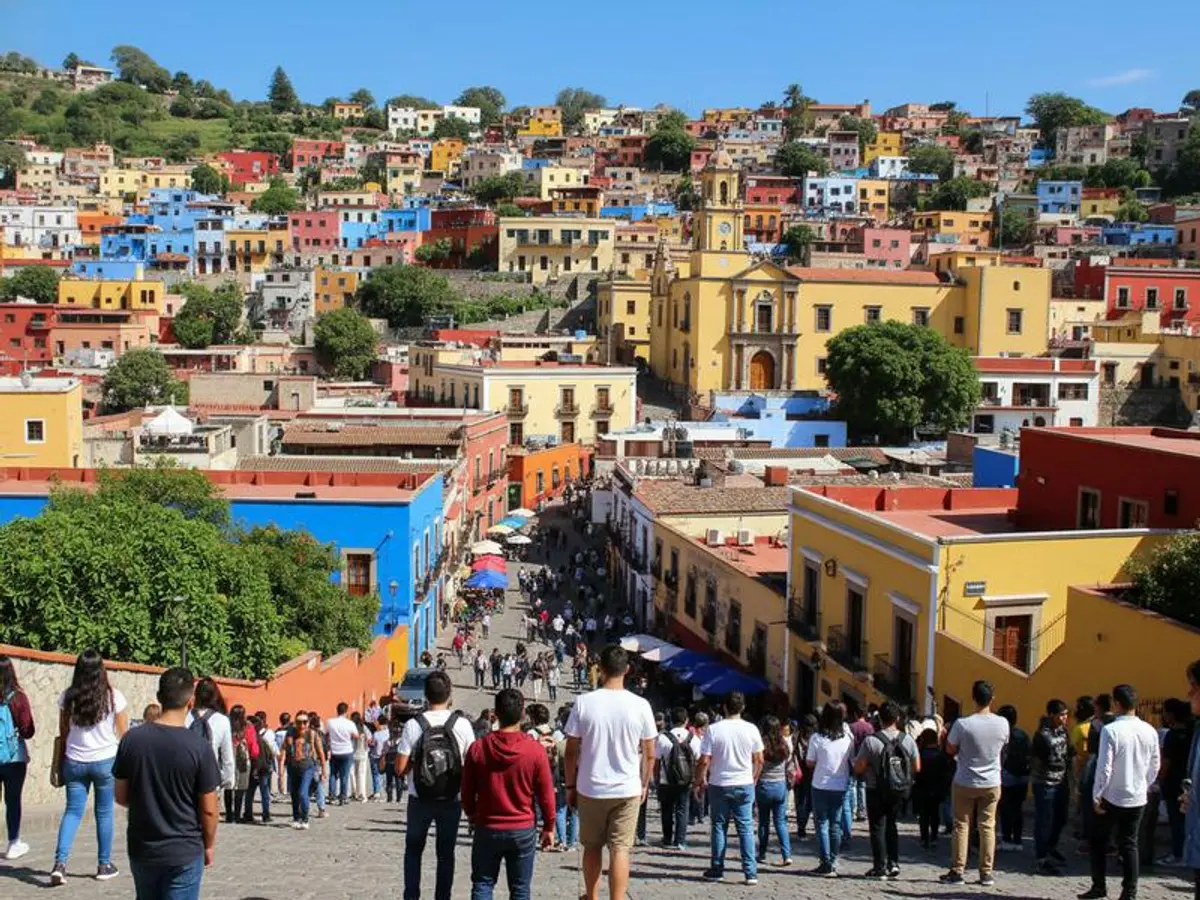
Is Guadalajara Safe in 2026? What Tourists Need to Know
Guadalajara is Mexico’s second-largest city, the capital of Jalisco, and the birthplace of tequila and mariachi. Over 3 million tourists visit annually. Jalisco state carries a US State Department Level 3 advisory (“Reconsider Travel”), which sounds alarming until you understand the distinction between a state-level advisory and the actual situation in Guadalajara’s tourist zones.
The short answer: Guadalajara’s tourist areas — Centro Historico, Tlaquepaque, Zapopan, and the Chapultepec corridor — are safe for visitors. These areas function more like Level 2 in practice, with consistent police patrols, active foot traffic, and the kind of public life that keeps streets safe through sheer human presence.
That said, there are things you need to know. Jalisco is home to the Jalisco New Generation Cartel (CJNG), one of Mexico’s most powerful criminal organizations. This guide explains the geography of risk, which zones are safe, and how to move through the city like someone who knows what they’re doing.
For the broader country overview: Is Mexico Safe? Honest Guide by a Mexican.
The Travel Advisory: What Level 3 Actually Means for Guadalajara
The US State Department rates Jalisco at Level 3: “Reconsider Travel.” This is a state-wide advisory, not a city-specific one. Understanding this distinction is critical.
Jalisco is a large state. It includes Puerto Vallarta on the Pacific coast, the Lake Chapala expat corridor, the tequila-producing highlands, and vast stretches of rural terrain. The Level 3 advisory reflects conditions across the entire state — particularly cartel activity in rural zones, highway corridors, and areas near the Michoacan border.
Guadalajara’s tourist zones are not representative of the state-wide advisory. The Centro Historico, Tlaquepaque, Zapopan, and Chapultepec operate with a level of safety that functions closer to Level 2 — the same rating applied to France, Germany, and the United Kingdom. Police presence is visible, streets are populated, and the city’s tourism infrastructure is well-maintained.
For context, several Mexican states with Level 3 advisories contain cities that millions of tourists visit safely every year. The advisory system is blunt — it applies the same rating to an entire state regardless of whether individual cities within it have substantially different conditions.
For the latest on how the advisory system works: Mexico Travel Advisory 2026.
The Cartel Situation: CJNG and What Tourists Should Know
I’m going to be direct about this because it’s the question behind the question when people ask “is Guadalajara safe.”
The Jalisco New Generation Cartel (CJNG) is headquartered in Jalisco state. It originated from a split within the Sinaloa Cartel around 2010 and has since become one of Mexico’s most powerful criminal organizations. Their leader, Nemesio Oseguera Cervantes (“El Mencho”), has been one of the DEA’s most wanted targets for years.
Here’s what you need to understand as a tourist:
CJNG’s operations target rival cartels and law enforcement, not tourists. Their conflicts are over drug trafficking routes, territorial control, and political influence. These confrontations happen in peripheral industrial zones, on highway corridors between cities, in rural Jalisco communities, and in areas where rival organizations compete for control.
Tourist areas in Guadalajara are not where this plays out. The Centro Historico, Tlaquepaque, and Chapultepec are not contested territory in a cartel sense. They are populated public spaces with economic value to the city — the kind of places that all parties have an interest in keeping functional and safe.
This isn’t to minimize the cartel situation. It’s real, it’s serious, and it affects many Mexicans in profound ways. But the geography of cartel violence and the geography of tourism in Guadalajara are largely separate.
2026 update: Tensions in Jalisco remain ongoing, with security operations in rural and peripheral areas. Guadalajara’s tourist zones continue to operate normally. There have been no major incidents targeting tourists in these areas.
For more on how cartel geography works across Mexico: Is Mexico Safe? Honest Guide by a Mexican.
Safe Tourist Zones in Guadalajara
These are the areas where tourists spend their time, and where the city’s safety infrastructure is concentrated.

Centro Historico
The heart of Guadalajara and one of Mexico’s finest colonial city centres. The Cathedral, Hospicio Cabanas (a UNESCO World Heritage Site), Plaza de Armas, Plaza Liberacion, and Teatro Degollado are all here. The area is well-patrolled by both municipal and tourist police.
On weekends, the plazas fill with families, street performers, and food vendors. This is not a place where you need to look over your shoulder. Street food is safe to eat — the high turnover and public preparation mean the standards are maintained by customer volume.
Safety note: During weekday mornings the centre is quieter. This is fine for sightseeing, but keep general awareness of your belongings in less crowded moments. By afternoon and through the evening, foot traffic picks up substantially.
For a deep dive into the historic centre: Guadalajara Downtown Guide.
Tlaquepaque
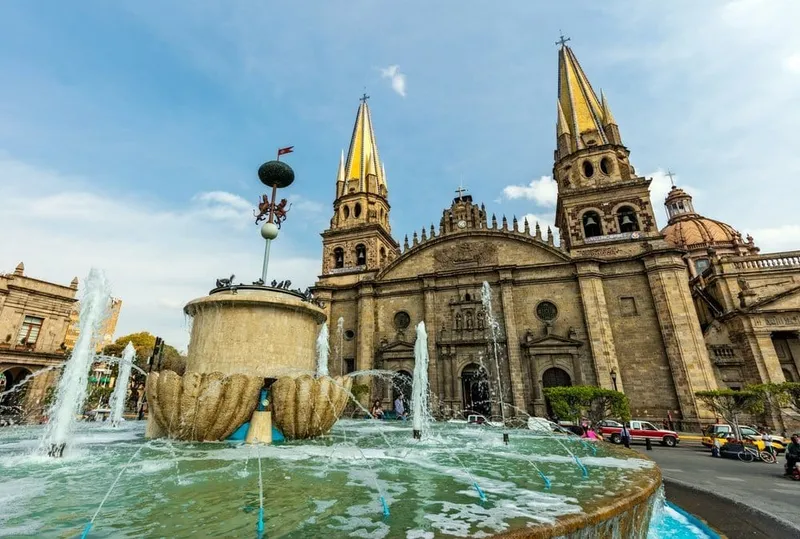
Tlaquepaque is Guadalajara’s artisan suburb — a walkable town-within-a-city known for blown glass, pottery, and traditional Mexican crafts. The main pedestrian street, Independencia, is car-free and lined with galleries, restaurants, and shops.
Tlaquepaque is safe during the day and into the evening. The craft market and restaurant scene keep the area populated. Mariachi bands play in the main plaza (El Parian) through dinner hours. It’s one of the most relaxed tourist areas in all of Jalisco.
This is a great spot for a day trip if you’re based in the city centre. For full itinerary ideas: Things to Do in Guadalajara.
Zapopan
Zapopan is the municipal borough immediately northwest of central Guadalajara. The Basilica de Zapopan — home to the Virgen de Zapopan, one of Mexico’s most venerated religious images — is the main draw. The surrounding area has modern shopping centres, residential neighborhoods, and a calm, suburban feel.
Very safe. Zapopan has lower crime rates than the city centre and feels residential rather than touristic. The basilica area is well-maintained and regularly visited.
Chapultepec Corridor
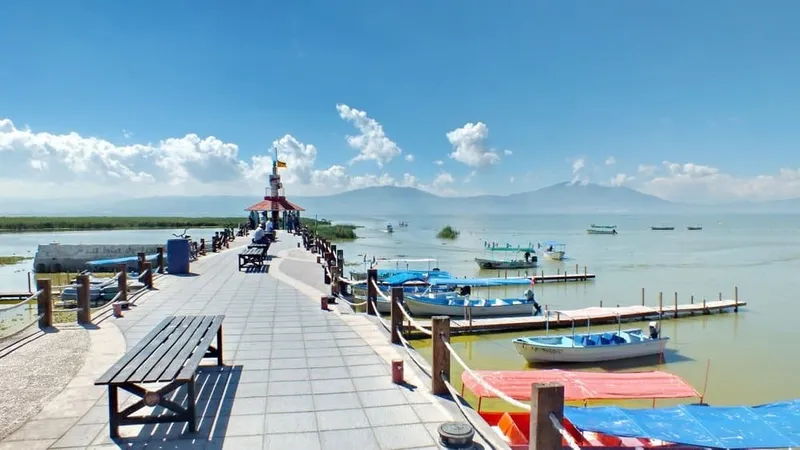
Avenida Chapultepec is Guadalajara’s main food-and-nightlife corridor. Lined with restaurants, craft beer bars, coffee shops, and street food vendors, it stays populated well into the late evening. This is where the city’s younger crowd congregates, and the foot traffic provides natural safety.
Safe until late at night. The density of people, the lighting, and the commercial activity make Chapultepec one of the safest places to spend an evening in Guadalajara. It’s also a strong pick for solo travelers who want a social atmosphere without the club scene.
For the best places to eat along this corridor: Best Restaurants in Guadalajara.
Americana / Lafayette
The Americana and Lafayette colonias sit between the Centro Historico and Chapultepec. Tree-lined streets, art deco architecture, independent cafes, and a growing expat presence define this area. It’s walkable, quiet, and safe during the day and evening.
This is where many long-term visitors and digital nomads choose to base themselves. The proximity to both the Centro and Chapultepec makes it an ideal location.
Providencia
An upscale residential neighborhood west of the centre. Providencia has shopping plazas, upscale restaurants, and a generally wealthy residential population. Very safe for walking day and evening. Less “touristic” in feel — more of a place to live than to visit — but worth noting if you’re looking at accommodation options.
For where to stay in all these zones: Best Hotels in Guadalajara.
Areas Requiring Caution
Not every part of Guadalajara is set up for tourists. These are the zones where extra awareness — or avoidance — is warranted.
Mercado San Juan de Dios (Mercado Libertad) area after dark: This is Mexico’s largest indoor market, and during the day it’s a fascinating place to explore — three floors of food, crafts, electronics, and clothing. After dark, the streets surrounding the market become less safe. Pickpockets and aggressive vendors are the primary risks. Visit during the day, leave before sunset.
Peripheral industrial zones south and east of the city: These areas are not tourist destinations and have higher crime rates. There’s nothing of interest for visitors here. Don’t end up in them by accident — if you’re using Uber or Google Maps, this won’t be an issue.
Late night in non-tourist neighborhoods: As with any major city, wandering through unfamiliar residential or industrial neighborhoods after midnight is not advisable. Stick to Chapultepec, Centro, and the established restaurant zones for late-night activity.
Highway driving outside the city after dark: This applies broadly across Jalisco, not just Guadalajara. Secondary highways outside the city, particularly toward Michoacan, Zacatecas, or rural Jalisco, carry legitimate risks after dark including illegal checkpoints. If you’re driving between cities, plan to arrive before sunset. For safer transport between destinations, use first-class bus lines. For more context on highway travel: Northern Mexico Travel Guide.
Real Risks for Tourists in Guadalajara
Let’s get specific about what actually affects tourists. Spoiler: it’s not cartels.
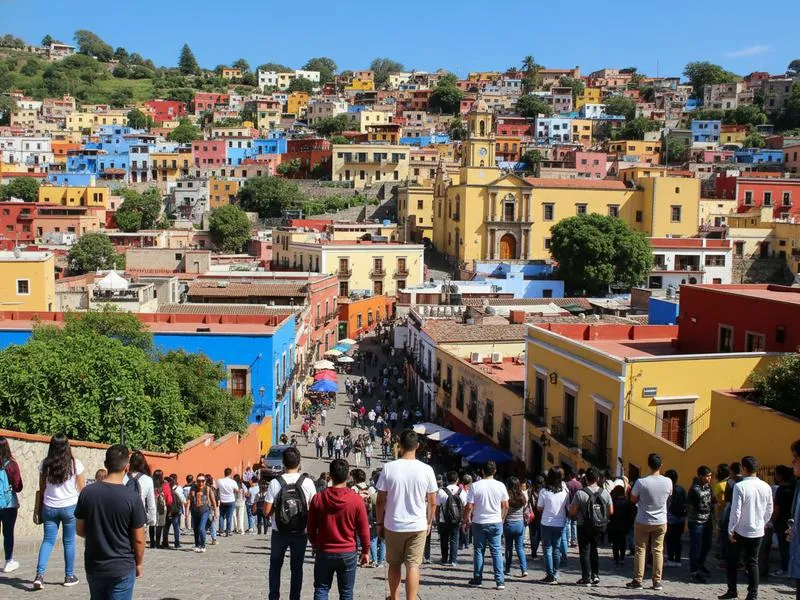
Petty Theft
This is the number one risk. Pickpockets operate in crowded markets (especially San Juan de Dios), on packed buses, and at large public events. Keep your phone in a front pocket, don’t flash expensive jewelry or watches, and use a cross-body bag rather than a backpack in crowded areas.
Taxi Safety
Use Uber. This is the single most important safety tip for Guadalajara. Unlike destinations like Cancun and Tulum where ride-hailing services face restrictions, Uber works normally throughout Guadalajara. It eliminates the risks of unlicensed taxis, inflated prices, and unfamiliar routes.
Festival Pickpockets
Guadalajara hosts major events — the International Film Festival, the International Book Fair (FIL), and various religious festivals. During these events, crowds swell and pickpocket activity increases. Extra vigilance with your belongings during these periods.
ATM Skimming
Use ATMs inside banks or shopping centres, not standalone machines on the street. Card skimming exists in Guadalajara as it does in most large Latin American cities. Banorte, BBVA, and Santander branches inside malls are your safest options.
Timeshare Sales Pressure
Less aggressive than beach resort cities like Puerto Vallarta or Cancun, but timeshare salespeople do operate near hotel zones and tourist areas. A firm “no, gracias” and continued walking is the standard response. Don’t engage.
Transportation Safety: The Uber Advantage
This section matters because how you get around a city directly affects your safety exposure.
Uber
Uber works throughout Guadalajara without restriction. This is a genuine safety advantage. You get tracked routes, driver identification, cashless payment, and trip sharing. Use it from the airport, between neighborhoods, and especially at night.
A typical Uber from the airport (GDL) to Centro Historico costs approximately 150-250 MXN (roughly 8-14 USD). For airport details: Guadalajara Airport Guide.
DiDi
DiDi, the Chinese ride-hailing platform, also operates in Guadalajara. It’s a solid alternative to Uber, and some drivers are on both platforms. Same safety advantages apply.
Macrobus (BRT)
Guadalajara’s Bus Rapid Transit system runs on dedicated lanes along major corridors. During daytime hours, it’s safe and efficient for getting across the city. Avoid it late at night when passenger numbers drop and the waiting areas empty out.
Official Sitio Taxis
If you need a traditional taxi, use registered sitio taxis — these are based at designated taxi stands (sitios) and have visible registration numbers. Hotel taxis fall into this category. They’re more expensive than Uber but safe.
Avoid: Unmarked or Hailed Taxis
Do not flag random taxis on the street, especially at night. Unregistered taxis carry the risk of inflated pricing and, in rare cases, more serious issues. With Uber available throughout the city, there’s no reason to take this risk.
Inter-city Buses
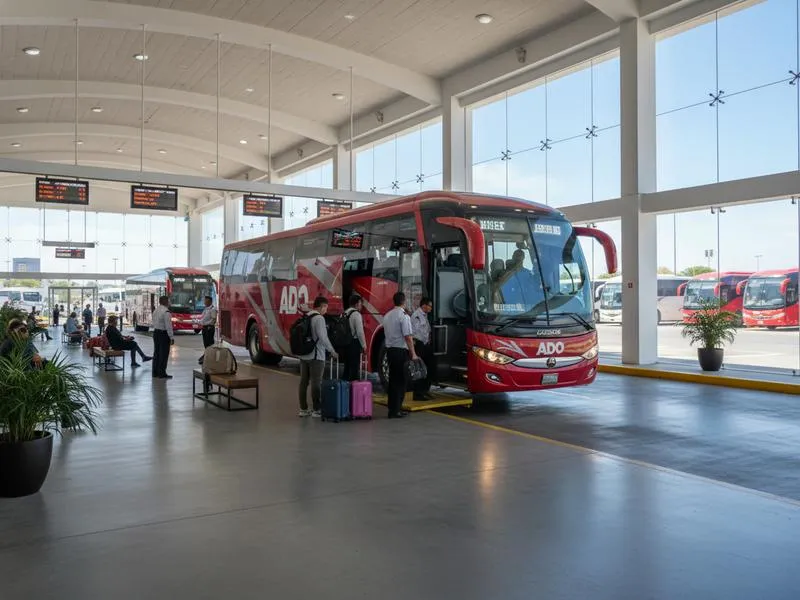
For travel between Guadalajara and other destinations — Puerto Vallarta, Mexico City, or day trips from Guadalajara — first-class bus lines like ETN and Primera Plus are safe and comfortable. They operate from the modern bus terminals, have security checks, and use toll highways. This is how most Mexicans travel between cities, and it works well.
Night Safety in Guadalajara
Guadalajara follows Mexican plaza culture — people are out in public spaces well into the evening, families eat dinner at 9pm, and the social rhythm of the city means streets stay populated later than in many North American or European cities.
Centro Historico is well-lit and patrolled through the evening. The plazas remain active until 10-11pm most nights, later on weekends. Walking between the major plazas is fine.
Chapultepec corridor stays active until midnight or later on weekends. The concentration of bars and restaurants means consistent foot traffic and natural safety. This is the go-to area for a night out.
Tlaquepaque is safe for evening dining. The main pedestrian area and El Parian stay active through dinner service (until around 10-11pm). After that, the area quiets down — head back to your accommodation via Uber.
Mercado San Juan de Dios area: Avoid this after dark. The market itself closes, and the surrounding streets become less safe.
For all late-night transport, use Uber. Don’t walk long distances through unfamiliar streets after midnight. This applies to every major city in Mexico — and most cities worldwide.
Solo Female Travel in Guadalajara
Guadalajara is a reasonable choice for solo female travelers, particularly if you base yourself in the right areas.
Chapultepec corridor is the strongest pick. The food and bar scene is active, the streets are populated, and the general atmosphere is social without being aggressive. It’s easy to sit at a bar or restaurant alone without feeling out of place.
The expat community in Guadalajara — and in nearby Lake Chapala — provides a social network that solo travelers can tap into. Coworking spaces in the Americana neighborhood, language exchange meetups, and online communities make it straightforward to connect with other travelers and long-term residents.
Uber eliminates taxi risks entirely. This is particularly important for solo female travelers. You get driver identification, GPS-tracked routes, and trip sharing with friends or family. No negotiating prices, no getting into unmarked vehicles.
Standard precautions apply: Share your location with someone you trust, avoid isolated streets at night, don’t accept drinks from strangers, and keep your phone charged. These are the same precautions that apply in any major city worldwide.
LGBTQ+ friendly: Guadalajara is widely considered Mexico’s most progressive city for LGBTQ+ travelers. The Chapultepec corridor and Americana neighborhood have an established LGBTQ+ scene, and the city hosts a major Pride celebration annually. For more on solo travel in Mexico: Solo Female Travel in Mexico.
Guadalajara vs Mexico City: Safety Comparison
Both cities sit in states with US Level 3 advisories — Jalisco and Estado de Mexico, respectively. Both have tourist zones that function safely and see millions of international visitors. Here’s how they compare.
Scale: Mexico City is enormous — 22 million people in the metro area compared to Guadalajara’s 5 million. CDMX has more diverse neighborhoods, more complex navigation, and a steeper learning curve for first-time visitors. Guadalajara is more manageable.
Transport: Both have Uber, which is the primary safety tool in both cities. CDMX has its Metro system (useful but watch for pickpockets during rush hour). Guadalajara has the Macrobus BRT system, which is simpler but less extensive.
Tourist zones: CDMX’s Roma, Condesa, and Polanco are comparable in safety to Guadalajara’s Centro, Chapultepec, and Americana. Both cities have well-defined tourist corridors where safety is not a practical concern for aware travelers.
Petty crime: Mexico City’s Metro pickpocketing and Roma scooter bag-snatching are specific patterns. Guadalajara’s petty crime is more concentrated in markets and crowded events. Neither city has a significant violent crime problem in tourist zones.
Bottom line: Both cities are safe for tourists who apply the same common-sense approach. If you’ve been comfortable in Mexico City, you’ll find Guadalajara easier. If Guadalajara is your first Mexican city, it’s a slightly gentler introduction. For the full CDMX breakdown: Is Mexico City Safe?.
Medical Care and Hospitals
Guadalajara has excellent private medical infrastructure — it’s actually a medical tourism destination for procedures that cost a fraction of US prices.
Hospital Country 2000 — Private hospital with English-speaking staff, accustomed to treating international patients. Located in the Providencia area. This is the standard recommendation for tourists needing medical attention.
Hospital del Carmen — Private hospital with a solid emergency department. Centrally located and well-regarded.
Hospital Angeles Guadalajara — Part of the Angeles chain, which operates modern, well-equipped hospitals across Mexico. Full range of services including emergency care.
Pharmacies are on practically every block. Many medications that require a prescription in the US and Canada are available over the counter in Mexico (antibiotics, some pain medications, stomach medicines). Farmacias Guadalajara (ironically, the chain shares the city’s name) and Farmacias del Ahorro are the major chains.
Cost comparison: An emergency room visit at a private hospital in Guadalajara typically costs 500-2,000 MXN (25-110 USD) for consultation, compared to hundreds or thousands of dollars in the US. Specialist consultations run 800-1,500 MXN (45-85 USD). This doesn’t mean you should skip insurance — but it does mean that medical emergencies in Guadalajara won’t necessarily bankrupt you.
Travel Insurance
Even though medical care in Guadalajara is affordable, travel insurance remains a smart investment. A serious accident, hospitalization, or medical evacuation can cost tens of thousands of dollars without coverage.
Medical evacuation coverage is the key consideration. If you need air transport to a specialized facility — whether within Mexico or back to your home country — the cost without insurance can exceed 50,000 USD. This is the scenario that travel insurance is really for.
Emergency Contacts
Keep these numbers accessible — screenshot this table or save it to your phone before arriving.
| Service | Number |
|---|---|
| National emergency | 911 |
| Tourist assistance (SECTUR) | 078 |
| US Consulate Guadalajara | +52 33 3268-2100 |
| Tourist police Guadalajara | +52 33 3837-4242 |
| Angeles Verdes (roadside) | 078 or 800 987 8224 |
The US Consulate in Guadalajara is one of the largest US consular operations in Mexico. If you’re a US citizen and something goes wrong — lost passport, arrest, medical emergency — they’re the first call after 911.
Book Tours in Guadalajara
Guadalajara’s main attractions — the historic centre, Tlaquepaque, and the tequila country — are excellent with a guide, particularly if it’s your first visit. A good walking tour of the Centro Historico will give you the context and confidence to explore independently afterward.
Book Guadalajara tours on Viator — options include historic centre walking tours, full-day tequila distillery trips to the town of Tequila, Tlaquepaque artisan tours, and Lake Chapala excursions. Guided tours also take the navigation question off the table, which can reduce safety anxiety for first-time visitors.
Recommended experiences:
- Centro Historico walking tour — covers the Cathedral, Hospicio Cabanas, Palacio de Gobierno (with the Orozco murals), and the main plazas. Usually 3-4 hours.
- Tequila day trip — visit the town of Tequila, tour a distillery, learn the production process. One of the best day trips from Guadalajara.
- Tlaquepaque craft tour — walk the artisan workshops, see blown glass production, explore the galleries. Includes lunch at a traditional restaurant.
- Lake Chapala and Ajijic — visit Mexico’s largest lake and the expat town of Ajijic. About an hour from Guadalajara.
Final Verdict: Is Guadalajara Safe?
Yes. Guadalajara is safe for tourists who apply the same common sense they’d use in any major Latin American city.
The cartel situation is real — but it’s geographically separate from the tourist experience. CJNG’s operations are focused on territorial control, drug trafficking, and conflicts with rival organizations. Tourists in the Centro Historico, Tlaquepaque, and Chapultepec are not part of that equation.
The Level 3 advisory reflects the state, not the city. Guadalajara’s tourist zones function at a safety level consistent with Level 2 destinations. The advisory is worth reading and understanding — but it shouldn’t prevent you from visiting one of Mexico’s most important and rewarding cities.
Uber makes everything easier. Having reliable, tracked ride-hailing throughout the city eliminates the single biggest practical safety concern for tourists — getting around safely, especially at night.
The rules are simple: Stay in the tourist zones. Use Uber. Don’t flash wealth. Be aware of your belongings in crowded places. Don’t drive on secondary highways after dark. These are not Guadalajara-specific rules — they’re the same advice for any major city in Mexico and much of Latin America.
Guadalajara offers world-class food, extraordinary colonial architecture, the warmth of tequila country, and a cultural depth that beach resorts can’t match. Don’t let the advisory number scare you away from experiencing it.
For the best time to visit Guadalajara, plan around the dry season (November through May) for the most comfortable weather. And check Safest Cities in Mexico for how Guadalajara compares to other destinations on your list.
Plan Your Guadalajara Trip
- Guadalajara Travel Guide
- Things to Do in Guadalajara
- Day Trips from Guadalajara
- Guadalajara to Puerto Vallarta
- Guadalajara to Mexico City
- Best Time to Visit Guadalajara
- Best Restaurants in Guadalajara
- Is Mexico Safe?
- Mexico Travel Advisory 2026
- Safest Cities in Mexico
- Solo Female Travel Mexico
Ricardo Sanchez is a Mexico-born travel writer based in Guadalajara and Mexico City. He covers safety, transport, and cultural travel across Mexico with a focus on giving international visitors the honest, practical information they need to travel confidently.