El Mencho Killed, Is Mexico Safe to Travel in 2026?
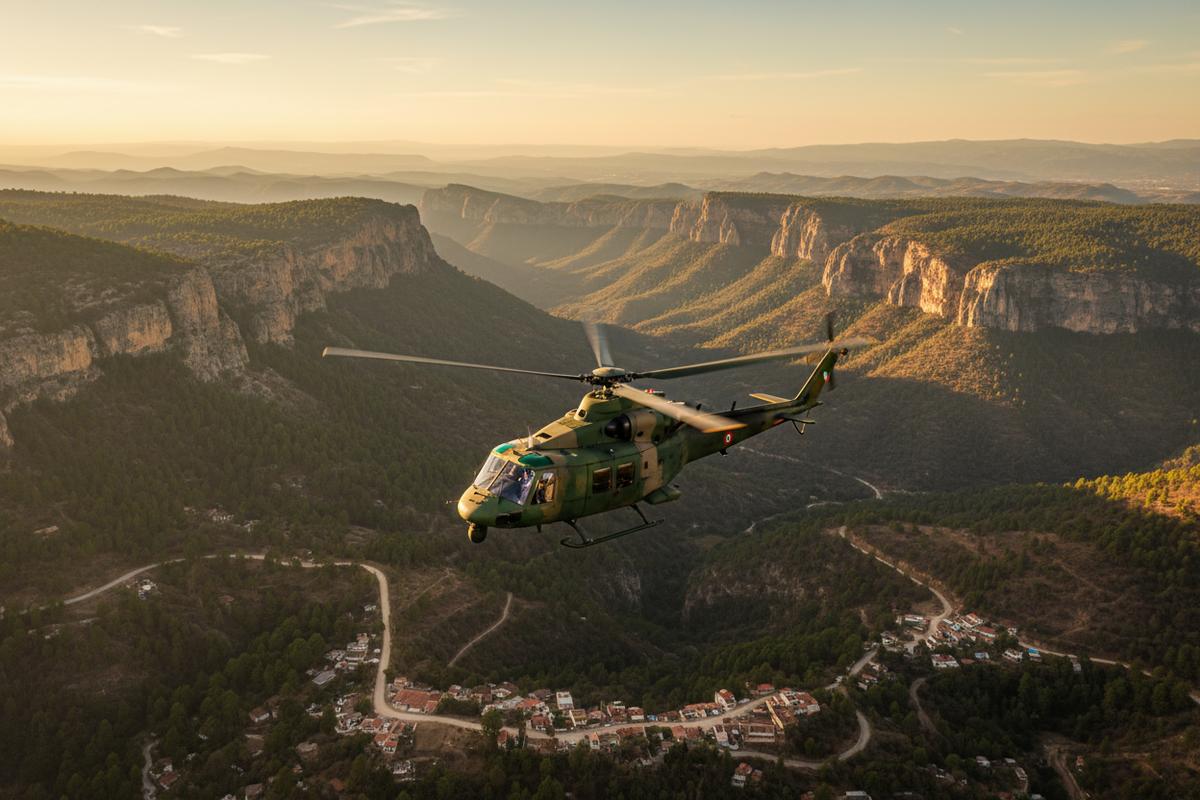
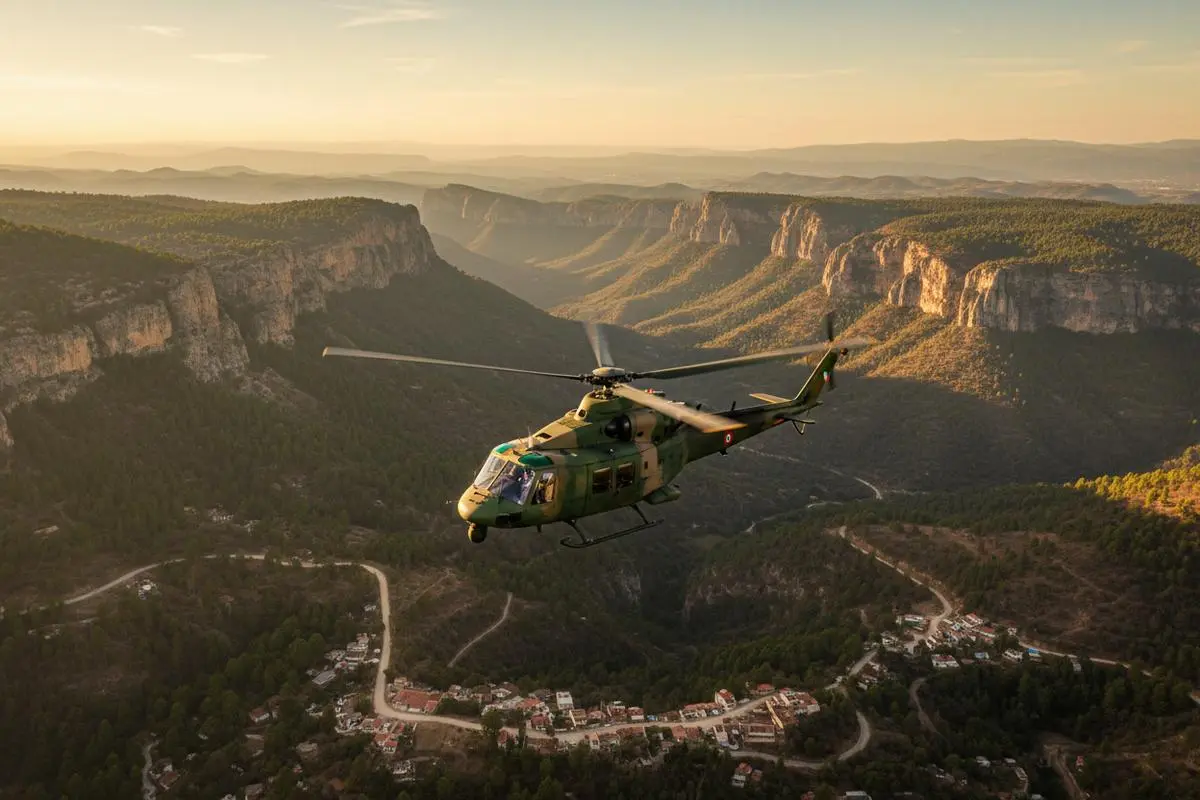
On February 22, 2026, Mexican special forces killed Nemesio Rubén Oseguera Cervantes, better known as El Mencho, in a military operation in Tapalpa, Jalisco. He was the leader of the Jalisco New Generation Cartel (CJNG), one of the most powerful criminal organizations in Mexico.
El Mencho Killed in Mexico, 30-Second Answer
If you’re searching whether El Mencho being killed makes Mexico unsafe to visit, the short answer is no for most tourists. Major destinations like Cancún, Mexico City, Oaxaca, Los Cabos, and most of the Yucatán Peninsula continue to operate normally. The main extra caution is around rural Jalisco and conflict-prone parts of Jalisco, Guanajuato, and Michoacán, where cartel and military activity can flare after a leadership hit.
I’m Mexican, and I’ve watched cartel headlines scare travelers for years while millions of visitors still have smooth, memorable trips here. What happened matters, but the practical travel takeaway is narrower than the headlines make it sound.
Here’s what to know if you already have a trip planned.
What Happened
Mexican army and national guard special forces launched a capture operation in Tapalpa, Jalisco — a small town approximately 80 miles (130 km) southwest of Guadalajara — on Sunday, February 22, 2026. The operation was backed by US military intelligence.
El Mencho, 59, was wounded in the clash. He died while being airlifted to Mexico City for medical treatment. The Mexican Secretariat of National Defense confirmed the death.
Who was El Mencho? Nemesio Oseguera Cervantes was a former Mexican federal police officer who co-founded CJNG in 2009. Under his leadership, the cartel became:
- Mexico’s most geographically expansive criminal organization (operating in 27 of 32 states)
- The world’s largest fentanyl supplier to the United States
- One of the FBI’s most wanted international criminals (with a $10 million US reward)
- A primary reason Jalisco, Guanajuato, and Michoacán carry elevated US travel advisories
Analysts are calling his death the most significant blow to Mexican organized crime in over a decade — more consequential than El Chapo’s arrest in 2016, because El Mencho built CJNG from scratch.
What’s Happening Right Now
Retaliatory violence has erupted across multiple Mexican states within hours of the announcement. Reports indicate:
- Jalisco: Roadblocks, burned vehicles, and gunfire in parts of greater Guadalajara and rural areas. Tapalpa itself (where the operation occurred) has seen security force presence.
- Guanajuato: Heightened tension in the Bajío corridor where CJNG and Sinaloa Cartel have been fighting for years
- Michoacán: Cartel-on-cartel activity in Tierra Caliente region (already Level 4)
- Colima, Zacatecas: Rival groups already moving to test CJNG’s weakened position
This is a fluid situation. The violence is between CJNG loyalists, rival criminal groups, and the military. It is not targeting tourists.
Is Mexico Safe to Visit After El Mencho Was Killed?
For most travelers, yes. The useful distinction is between tourist-facing destinations and conflict corridors.
Tourist-facing destinations still work the same way they did before February 22. Hotels are open, flights are running, airport transfers are operating, and the usual first-timer precautions still matter more than cartel-news panic.
Conflict corridors, by contrast, are places where rival groups, security forces, and local power struggles already overlap. Those were not great road-trip bets before this event, and they became worse short term after it.
What It Means for Tourist Destinations
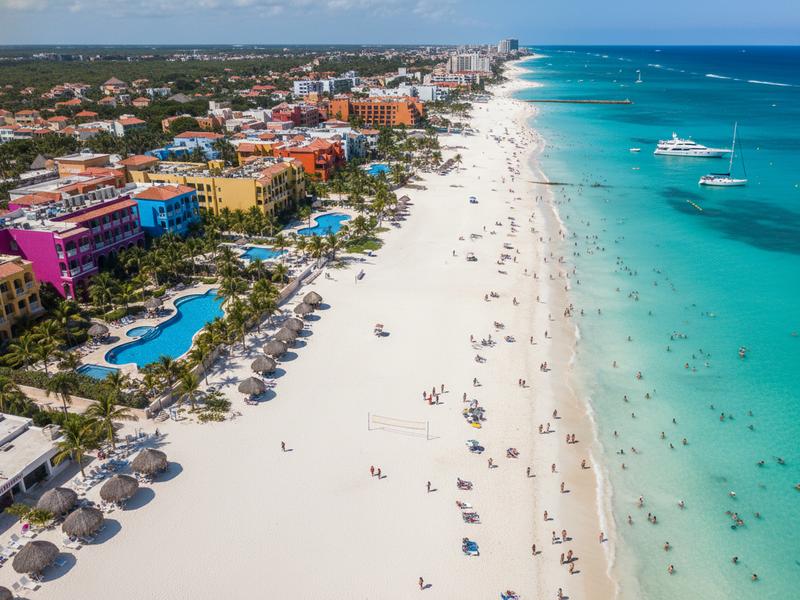
Here’s a destination-by-destination breakdown based on current reporting:
| Destination | Status | Notes |
|---|---|---|
| Cancún / Riviera Maya | 🟢 Normal | Quintana Roo has never been CJNG territory — unaffected |
| Mexico City | 🟢 Normal | Capital security is federal — no disruption reported |
| Oaxaca | 🟢 Normal | CJNG presence minimal — situation unchanged |
| Yucatán Peninsula | 🟢 Normal | Historically insulated from cartel conflict |
| San Miguel de Allende | 🟢 Normal | City itself safe despite Guanajuato state tension |
| Puerto Vallarta | 🟡 Monitor | Jalisco state — city tourist zone normal, rural areas avoid |
| Guadalajara | 🟡 Monitor | Centro histórico normal; outskirts and rural Jalisco avoid |
| Guanajuato City | 🟡 Monitor | City safe; state-level tensions elevated |
| Los Cabos | 🟢 Normal | Baja California Sur — minimal CJNG presence |
| Tapalpa | 🔴 Avoid for now | Site of the operation — active security presence |
The short version: Every destination that was broadly workable for tourists before February 22 is still broadly workable now. The places to avoid are mostly the same higher-risk areas that were already carrying elevated advisories before this happened.
Best Move if You Have a Trip Booked
- Keep your Cancún, Riviera Maya, Mexico City, Oaxaca, Mérida, or Los Cabos trip unless your airline, hotel, or government advisory says otherwise.
- Recheck routes in Jalisco if your plan includes road trips, remote towns, or late-night intercity driving.
- Use official advisory sources, not viral clips or recycled cartel footage.
- Pivot to airport-to-hotel style travel if you want the lowest-friction option while news is still fresh.
The Power Vacuum Question
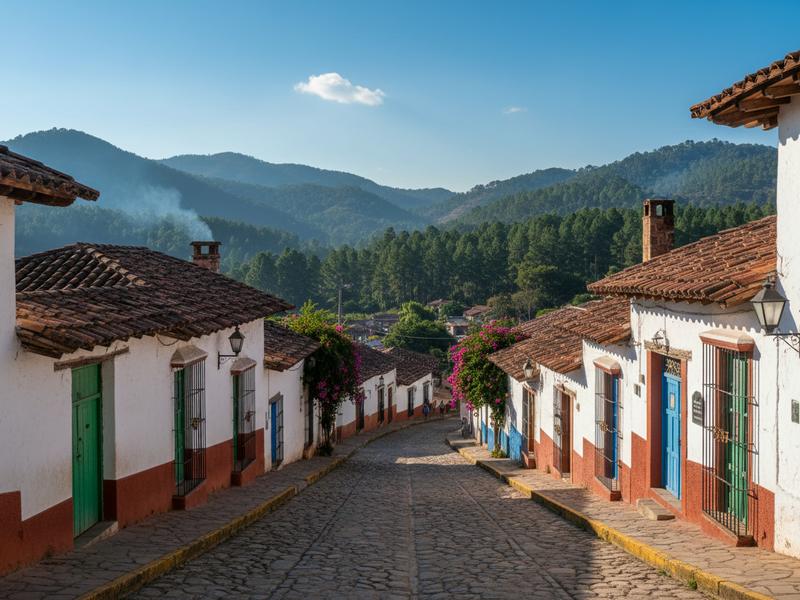
Every major cartel leadership change produces a period of instability. Here’s the historical pattern:
El Chapo arrested (2016): Sinaloa Cartel saw internal leadership fights. Violence spiked in Culiacán and Mazatlán for 3-4 months. Tourist zones were largely unaffected. The cartel restabilized under new leadership within a year.
El Mencho’s situation is different in important ways:
-
CJNG is more decentralized than Sinaloa was — El Mencho deliberately spread leadership to prevent decapitation. Multiple regional commanders are already in place. This may mean faster stabilization.
-
Rival groups will test CJNG’s borders — particularly in Guanajuato, Michoacán, and Zacatecas. These are already high-risk areas with no significant tourist infrastructure.
-
The Mexican army is in an aggressive posture — President Sheinbaum has been more combative against cartels than her predecessors. The military operation that killed El Mencho signals continued pressure, not a pause.
Realistic timeline for travelers: Expect elevated tension for 4-8 weeks in Jalisco and surrounding states. Then either gradual stabilization or further fragmentation of CJNG territory. Long-term, a fragmented CJNG could actually reduce organized crime’s territorial control — which is generally better for Mexico’s security landscape.
How to Monitor This in Real Time
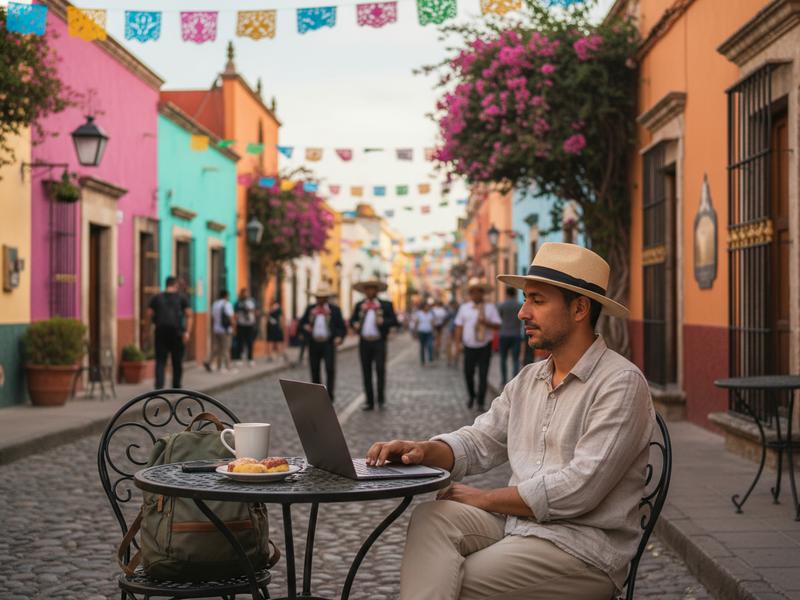
Official sources:
- US State Department: travel.state.gov — check for any advisory level changes in the coming days
- STEP enrollment: step.state.gov — the Smart Traveler Enrollment Program sends you automatic alerts if your destination’s advisory changes
- Canadian travelers: travel.gc.ca — Canada’s foreign affairs travel advisory for Mexico
News sources with reliable Mexico coverage:
- Reuters and AP for confirmed facts
- NPR for analysis
- El Universal (eluniversal.com.mx) for Mexico-specific reporting
What NOT to do: Don’t base travel decisions on social media posts, TikTok news, or forums in the first 48-72 hours after a major event. Rumors spread faster than facts. Wait for confirmed reporting.
If You’re Already in Mexico
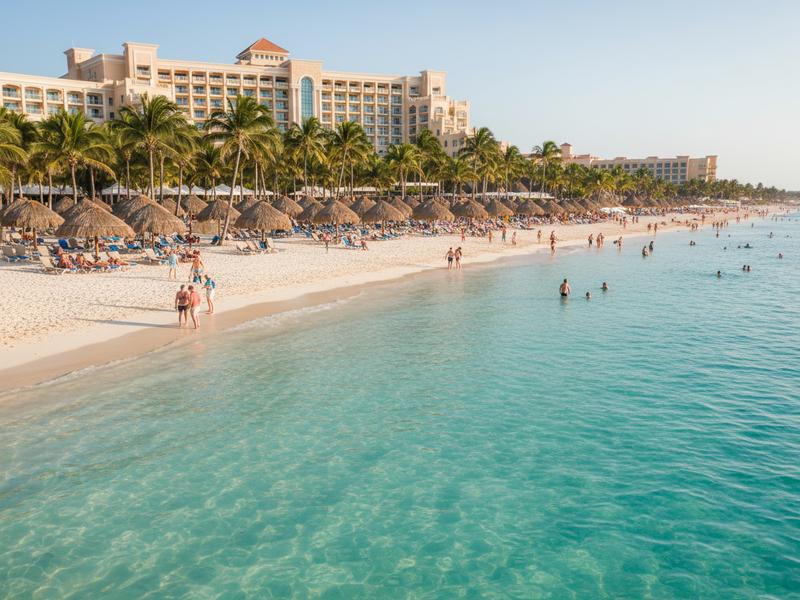
If you’re currently in Mexico, here’s what to do:
- Stay in tourist zones — hotel zones, historic centers, beach resorts. Don’t wander into unfamiliar neighborhoods.
- Avoid rural highway driving in Jalisco, Guanajuato, and Michoacán until further notice. Urban highways (toll roads, major federal routes) are generally fine. You can compare car rental prices on RentCars for the best deals.
- Register with STEP if you haven’t already — it takes 5 minutes and gives you embassy contact info and alerts.
- Ask your hotel — front desk staff know local conditions. If they say an area is fine, it’s fine. If they seem uncertain, take that seriously.
- Keep your plans flexible — consider avoiding Tapalpa and the rural Jalisco highlands for the next few weeks.
- Your travel insurance — if you have cancel-for-any-reason coverage, review your policy. A State Department advisory upgrade (not guaranteed) could trigger coverage.
The Bigger Picture
El Mencho’s death is genuinely significant for Mexico. CJNG became what it is because El Mencho built it through two decades of strategic violence, corruption, and expansion. His removal doesn’t end the cartel — organizations this large outlive their founders — but it creates real disruption.
For Mexico as a country, this is a notable law enforcement achievement. President Sheinbaum, often compared unfavorably to AMLO on security, needed a high-profile win. She got one.
For travelers: the Mexico that existed before February 22 — where Cancún, Oaxaca, the Yucatán, Mexico City, and dozens of other destinations are genuinely wonderful and safe for tourists — is the same Mexico that exists on February 23. The criminals killing each other in rural Jalisco and the cartel border wars have almost nothing to do with your trip to Chichén Itzá or a week on the Riviera Maya.
As a Mexican, I’ve seen the international media turn Mexico into a byword for danger for decades while millions of people have completely safe, life-changing experiences here every year. El Mencho’s death changes the cartel landscape. It doesn’t change what Mexico is for travelers.
Stay updated: Bookmark our Mexico Travel Advisory 2026 for ongoing updates, read Is Mexico Safe? for the broader risk picture, check Puerto Vallarta Airport Transportation if you’re arriving in Jalisco, and use Getting Around Mexico City if you’re choosing a lower-friction city base.
This article was refreshed on April 17, 2026 to tighten the traveler guidance and keep the safety framing current.