Estadio Akron, Guadalajara: Stadium & World Cup Guide
Estadio Akron, Guadalajara: Stadium & World Cup Guide
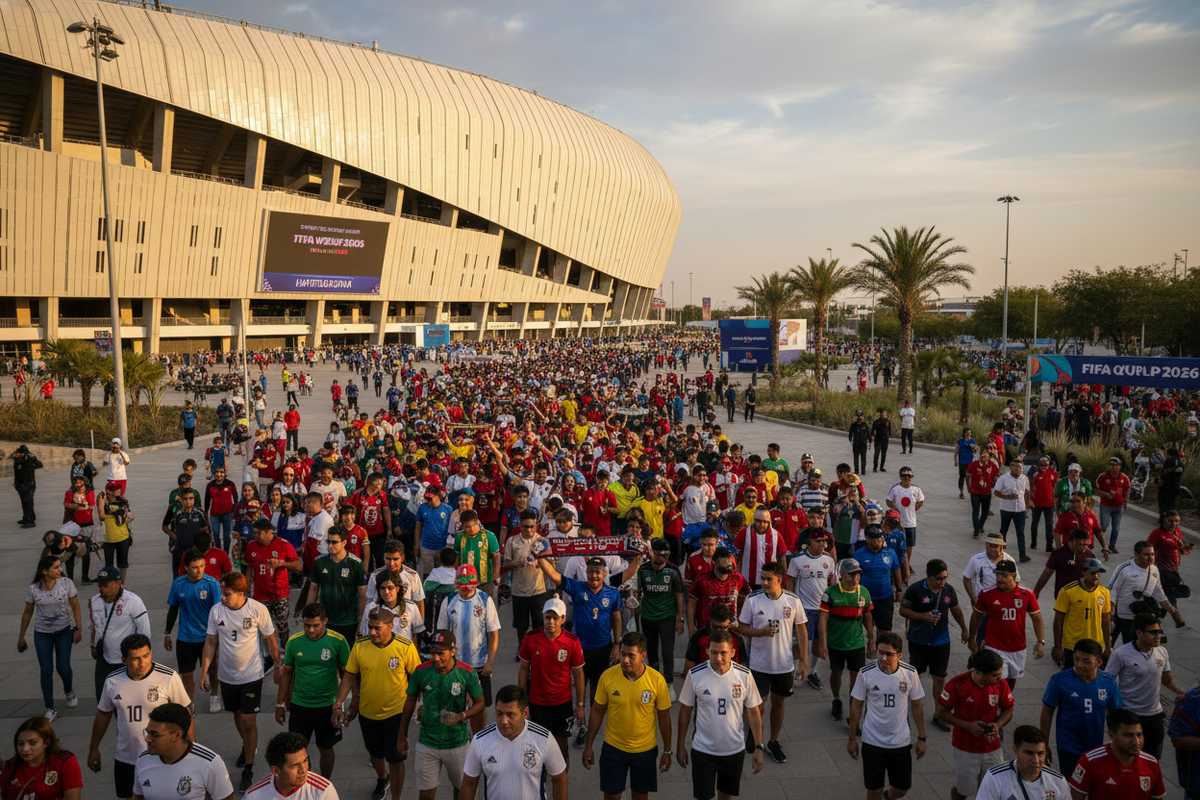
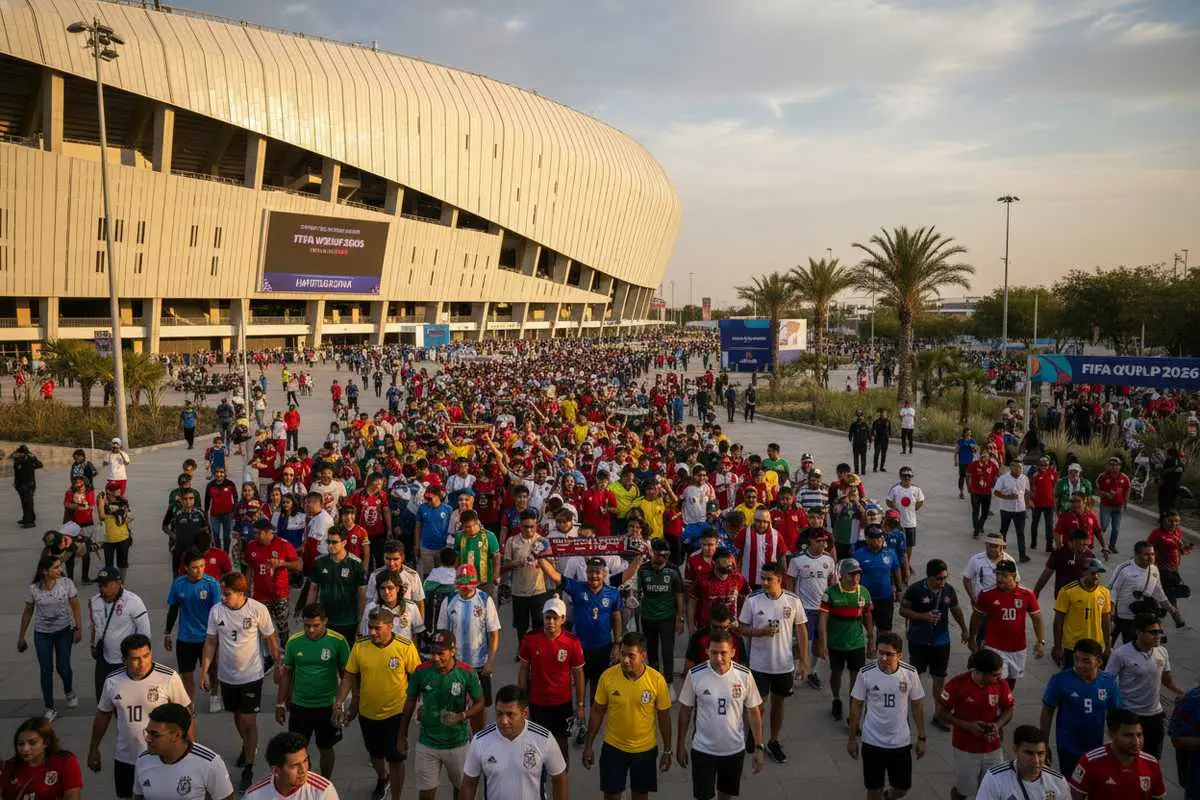
Estadio Akron is Guadalajara’s major football stadium, located in Zapopan and home to Club Chivas. This guide covers its 49,850 capacity, exact location, transport options, match-day experience, and the four World Cup 2026 games it hosted from June 11-26.
The stadium supplied the football atmosphere; Guadalajara’s food, tequila, mariachi, nightlife, and day trips made the city worth exploring beyond match day. The complete 2026 match record appears below for fans researching the venue’s World Cup history.
Estadio Akron: Home of Chivas, Stage for the World
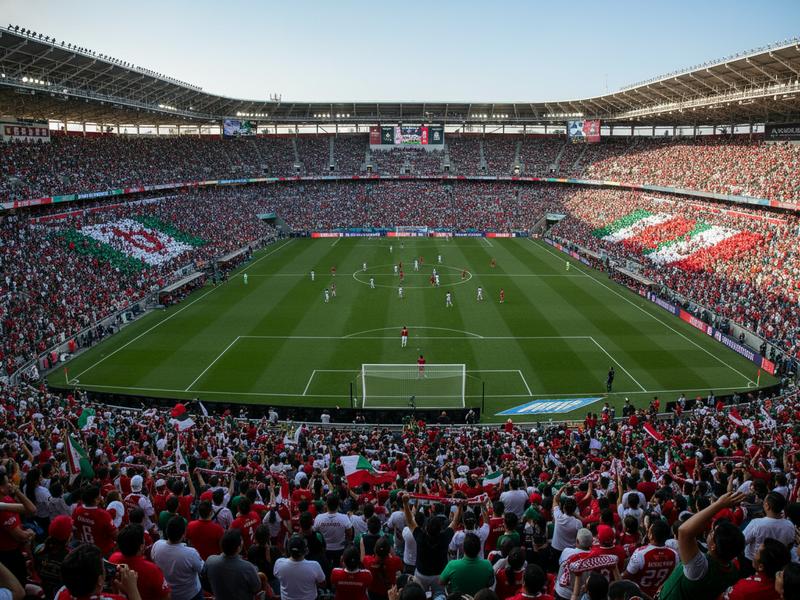
Estadio Akron opened in 2010, designed specifically to FIFA World Cup standards. Unlike many Latin American stadiums that were retrofitted, the Akron was built with international football in mind from the start.
Stadium Facts
| Detail | Information |
|---|---|
| Full name | Estadio Akron (formerly Estadio Chivas, Omnilife) |
| Capacity | 49,850 |
| Location | Avenida Paseo del Centenario 7070, Zapopan, Jalisco |
| Home team | Club Deportivo Guadalajara (Chivas) |
| Year opened | 2010 |
Getting to Estadio Akron
The stadium sits in Zapopan, northwest of Guadalajara’s city center. The Guadalajara metro system doesn’t quite reach it, so the main options are:
Uber — Most practical. From Chapultepec or the city center, 20-35 minutes, 100-200 MXN ($5-10 USD) depending on traffic. After matches, the area becomes congested; walk 10-15 minutes from the stadium before requesting your Uber.
Event shuttle buses — For major fixtures, check the organizer’s current transportation notice for temporary shuttle routes and pickup points; these services can change by event.
Driving and parking — Not recommended for match days. Traffic is severe and parking scarce.
Confirmed Matches at Estadio Akron
The full World Cup schedule was released March 31, 2026. Here are all confirmed matches in Guadalajara:
| Date | Match | Group | Time (ET) | Local (MT) |
|---|---|---|---|---|
| June 11 | South Korea vs. Czechia | A | 10 PM | 8 PM |
| June 18 | 🇲🇽 Mexico vs. South Korea | A | 9 PM | 7 PM |
| June 23 | Colombia vs. DR Congo | K | 10 PM | 8 PM |
| June 26 | Uruguay vs. Spain | H | 11 PM | 9 PM |
Guadalajara is Mountain Time (MT), 2 hours behind ET.
June 18 — Mexico vs. South Korea was El Tri’s home group-stage fixture in Guadalajara and the centerpiece of the city’s four-match schedule.
June 26 — Uruguay vs. Spain closed Guadalajara’s group-stage program with its biggest European-South American matchup.
Ticket Information
The 2026 Guadalajara matches have concluded. For future events at Estadio Akron, buy only through the competition organizer, the stadium’s official ticket partner, or a verified resale platform.
Match Day Atmosphere
Estadio Akron’s architecture creates a steep, enclosed bowl effect that amplifies sound. When the crowd is full and energized, it’s overwhelming in the best possible way. Arrive early — the stadium experience begins in the parking lots and surrounding streets with food vendors and fan gatherings at least 90 minutes before kickoff.
Where to Stay in Guadalajara for the World Cup
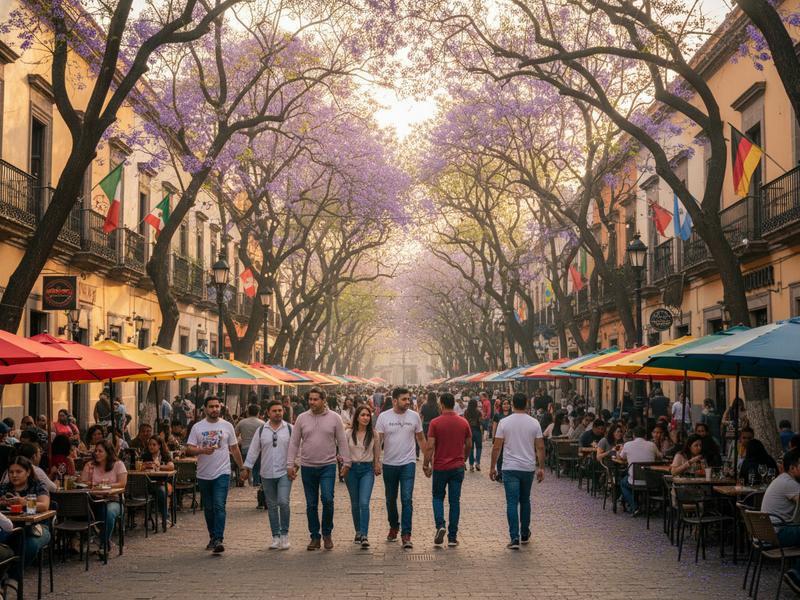
Guadalajara is often more affordable than Mexico City for accommodation, though major event dates can still produce significant price increases. Book at least 3-4 months ahead for high-demand fixtures.
Best Neighborhoods
Chapultepec — The Zona Rosa of Guadalajara. This pedestrian-friendly strip of bars, restaurants, and coffee shops is the most social neighborhood in the city. Young crowd, good nightlife, central location. Budget $60-150 USD per night normally, $150-350 during World Cup dates.
Historic Center (Centro Histórico) — Closer to Guadalajara’s architectural highlights: the Catedral de Guadalajara, Hospicio Cabañas, Mercado San Juan de Dios. More character, slightly less convenience for nightlife.
Providencia / Col. Americana — Upscale residential areas that have developed strong restaurant scenes. Quieter but comfortable, with easy Uber access to the stadium.
Zapopan (near the stadium) — If you’re attending multiple matches, staying near Estadio Akron makes logistical sense. Newer hotels, less character, but convenient.
Recommended Hotels
- Hotel Morales Historic & Colonial (Centro) — Colonial architecture, central location, pool, mid-range
- One Guadalajara Centro (Centro) — Reliable, affordable, well-located
- Hyatt Regency Guadalajara (Glorieta Minerva area) — Business-class comfort, good facilities
Guadalajara’s Food Scene: A World Cup Bonus
Not eating seriously in Guadalajara is a mistake. This city has some of Mexico’s most distinctive regional cuisine, and several dishes you absolutely can’t miss.
Birria
Birria is a slow-cooked meat stew — traditionally goat, increasingly beef — slow-braised with chiles and spices until it falls apart. Guadalajara’s birrieros (birria specialists) are a breed apart. La Birriería de Don Boni in Mercado Alcalde is a Guadalajara institution. Open from early morning, cash only, bring napkins.
Cost: 80-150 MXN ($4-7.50 USD) for a full bowl with tortillas and consommé.
The stew arrives with handmade tortillas and a bowl of consommé for dipping — sip the broth while you work through the meat.
Tortas Ahogadas
The drowned sandwich is Guadalajara’s signature street food. A crusty birote roll stuffed with carnitas, then dunked in a spicy tomato-chile sauce until thoroughly soaked. It’s messy, spicy, and brilliant. Find them at stands throughout the city from morning onwards.
Carne en su Jugo
Bacon and beef strips cooked in their own juices with beans, cilantro, and lime — served with tortillas to dip. Originally from Guadalajara. It’s simple and extraordinary. For context on Mexican regional cooking, our Mexican culture guide goes deeper.
Markets to Visit
Mercado San Juan de Dios — One of Latin America’s largest covered markets. Three floors of food stalls, artisan goods, electronics, and clothing. Go to the food floor for lunch — international visitors are often overwhelmed by the variety and quality. Pay around 80-120 MXN ($4-6 USD) for a full meal.
Mercado Alcalde — Smaller, more neighborhood-focused. Where the locals eat birria and carnitas on Sunday mornings.
Things to Do in Guadalajara Beyond the World Cup
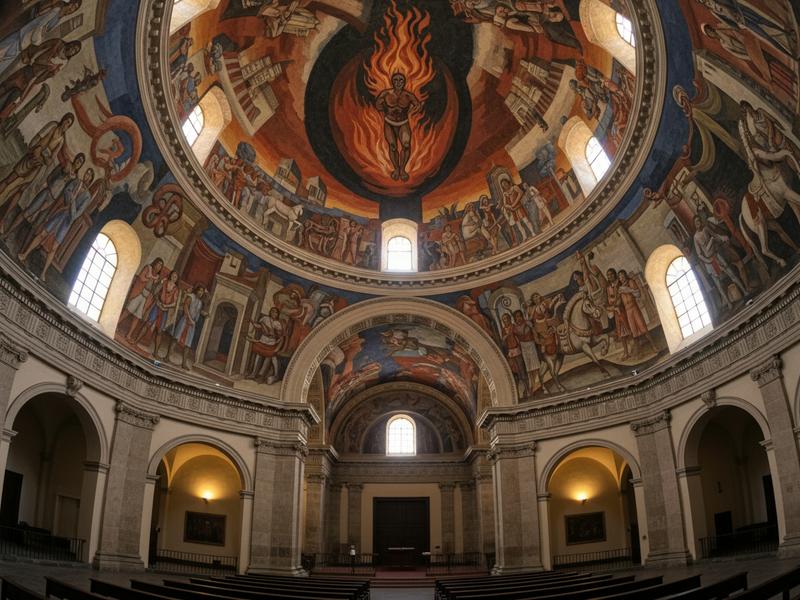
Guadalajara gives you 2-3 days of exploration between matches without running out of things to do. You can book Guadalajara tours on Viator.
Hospicio Cabañas (UNESCO World Heritage)
José Clemente Orozco’s murals in the Hospicio Cabañas are, by some measures, the finest muralist paintings in Mexico — which is saying something in a country with Rivera, Siqueiros, and Tamayo. The ceiling of the central chapel depicts El hombre de fuego (The Man of Fire) — a three-story fresco of extraordinary power. Admission: 100 MXN (~$5 USD). Non-negotiable for first-time visitors.
Tlaquepaque
San Pedro Tlaquepaque is a municipality adjacent to Guadalajara that has become Mexico’s premier artisan crafts destination. Ceramics, blown glass, silver, textiles — the quality here is genuinely high, and prices are fair. A 20-minute Uber from the city center. Our guide: Tlaquepaque Jalisco.
Day Trip to Tequila
The town of Tequila, 60km northwest of Guadalajara, is where tequila was born and is still primarily produced. The José Cuervo distillery offers tours, Casa Herradura is nearby, and the town itself is charming. A taxi or bus from the Guadalajara old bus terminal (Central Vieja) runs regularly. Budget a full day. Our guide: Tequila, Jalisco.
Lake Chapala
Mexico’s largest lake, 45km south of Guadalajara, surrounded by expat communities and Mexican weekend escapees. The lakeside town of Ajijic is particularly pleasant — cobblestone streets, art galleries, and excellent restaurants. See our Lake Chapala guide and the Ajijic guide.
Nightlife and Sports Bars for Watching Other Matches
Chapultepec is Guadalajara’s nightlife spine. During major football tournaments, bars along this strip typically show matches and draw large crowds. Recommended:
- La Cervecería de Barrio — Mexican seafood and beers, lively, World Cup-appropriate
- Andrés Carne de Res (Colombia-themed but beloved) — Late-night dancing follows the football
- Bar Americano — Classic cantina atmosphere, cold beers, big screens in the back
Budget: Beer at 60-100 MXN ($3-5 USD), cocktails at 100-180 MXN ($5-9 USD), entry free at most bars outside the Chapultepec patio areas.
Guadalajara Practical Guide
Weather in June/July: Guadalajara’s rainy season starts in June. Expect warm afternoons (25-30°C/77-86°F) with afternoon thunderstorms, usually brief and spectacular. Carry a compact umbrella and dress in layers.
Altitude: Guadalajara sits at 1,566 meters (5,138 feet). Milder effects than Mexico City, but still higher than most visitors are used to. Drink water, go easy on day one.
Language: Less English spoken here than in Mexico City or tourist beach destinations. Learn a few key Spanish phrases — locals appreciate the effort enormously.
Transport: Uber works well throughout the city. The metro (Tren Ligero) has three lines and covers the main corridors. Taxis are cheap but always use registered ones or Uber.
Currency: Pesos. Many restaurants accept cards; street food is cash-only. ATMs are everywhere.
Guadalajara + World Cup: The Verdict
Guadalajara proved an excellent 2026 World Cup host. Mexico City drew more attention with the opening match, but Guadalajara offered something different: a city where football is embedded in the local identity, one of Mexico’s strongest food cultures, and a pace that lets visitors breathe.
Read our complete Guadalajara travel guide for more on the city. For the full World Cup picture, start with our World Cup 2026 Mexico guide. And if you want to know about watching matches without tickets, our fan zones and sports bars guide has you covered.