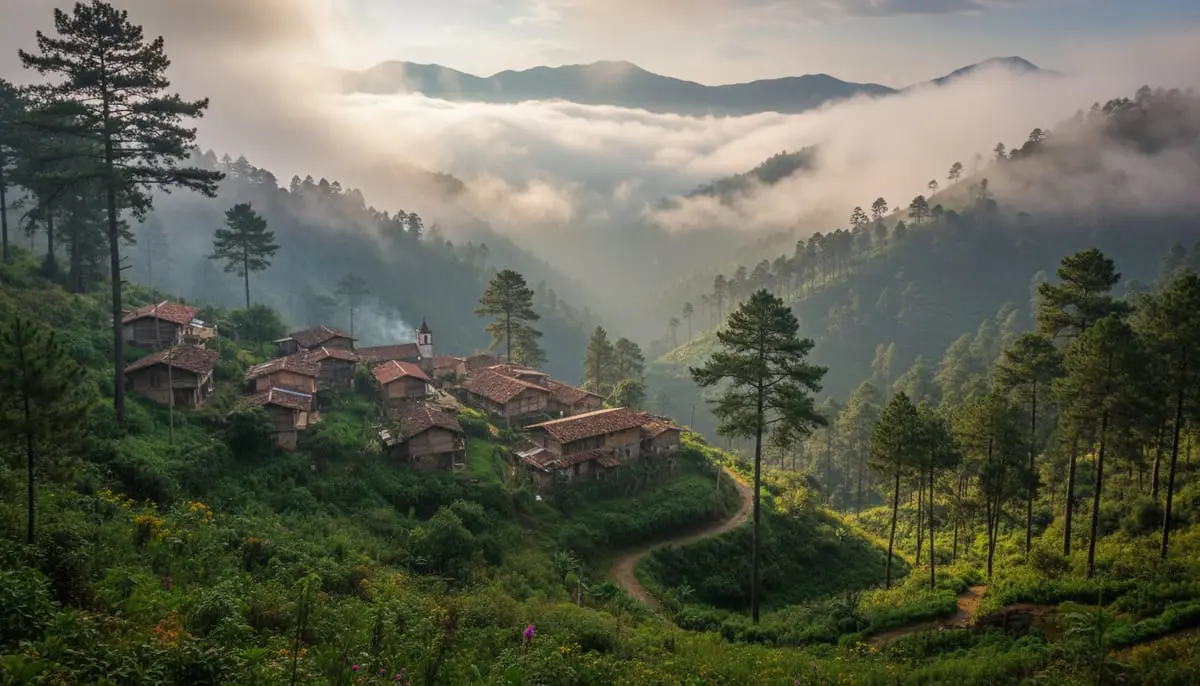
San Antonio Cuajimoloyas: Complete Guide to Oaxaca's Cloud Forest Village
Cuajimoloyas, Oaxaca: A Guide to the Mushroom Capital & The Cloud Forest
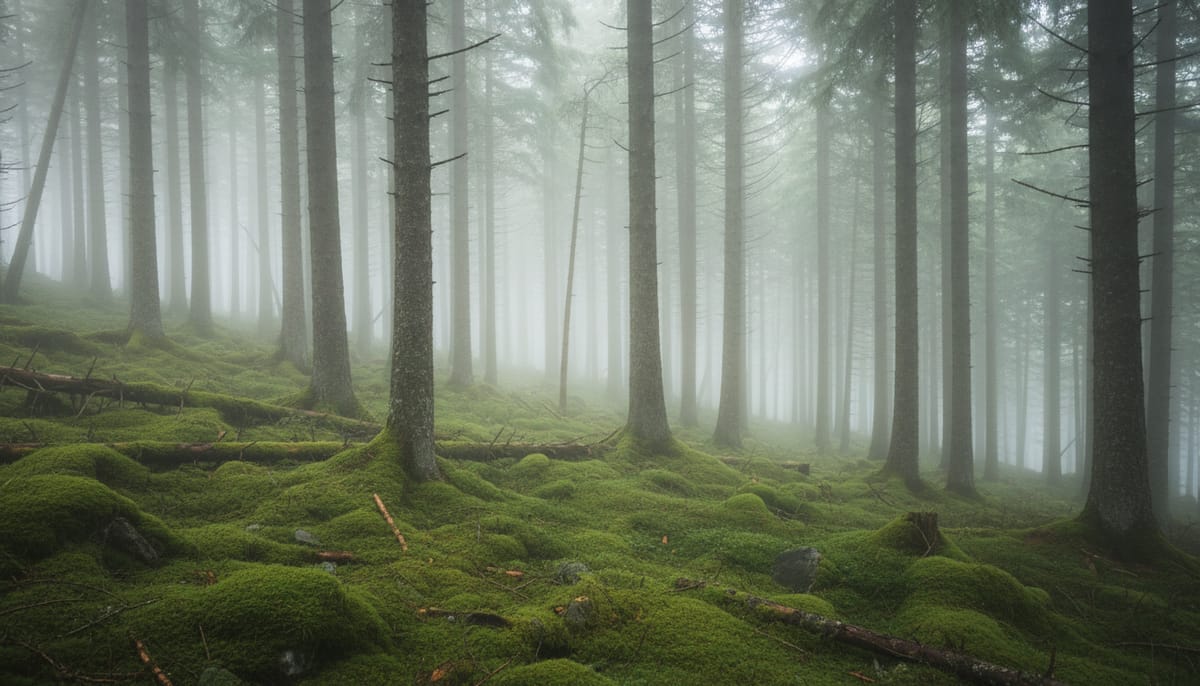
San Antonio Cuajimoloyas isn’t just another mountain village; it is the ceiling of the Sierra Norte. Sitting at over 3,200 meters (10,500 feet) above sea level, this community offers an experience vastly different from the valley floor below.
Most travelers arrive here expecting a simple change of scenery from the colorful streets of the capital. What usually hits them first, however, is the air. The shift from Oaxaca City (1,500 meters) to Cuajimoloyas is drastic. The temperature drops, the air thins, and simple tasks like unloading your backpack can leave you short of breath.
This altitude creates a specific ecosystem known as the “Cloud Forest.” Locals often say the forest “drinks” the mist. By 4:00 PM, thick fog frequently rolls in, dropping visibility to near zero and muffling sound across the mountain. It is an eerie, beautiful, and intense environment that demands respect.
As one of the core stops covered in our Ultimate Guide to Hiking the Pueblos Mancommunados, Cuajimoloyas offers the best introduction to Oaxaca’s cloud forest ecosystem. According to Expediciones Sierra Norte, the alliance that manages these lands, this high-altitude gateway is crucial for understanding the region’s transition from sustainable logging to ecotourism.
The Story Behind the Name: “Mole Curdled in Pots”
The peculiar name Cuajimoloyas carries one of Mexico’s most charming origin stories. In Zapotec tradition, “Cuajimoloyas” translates roughly to “mole cuajado en ollas” — mole that curdled in the cooking pots.
Local elders tell of the first settlers who climbed to this high plateau to establish their community. When Day of the Dead (Día de los Muertos) approached, they prepared traditional mole to honor their ancestors. However, the mountain cold at 3,200 meters was so fierce that the mole froze and curdled in the clay pots before it could be served.
Rather than see this as a setback, the community embraced the story as part of their identity. Today, you’ll hear this tale told with pride in the local tour on Viatorism office, and it serves as a perfect introduction to the reality of mountain life: nature sets the rules here, not humans.
Community Tourism: A Model for Sustainable Travel
San Antonio Cuajimoloyas represents one of Mexico’s most successful community tourism initiatives. As part of the Pueblos Mancommunados network, this isn’t just a destination — it’s a working example of how indigenous communities can preserve their forests, culture, and economy through sustainable tourism.
How Community Tourism Works Here:
- All tourism activities are community-owned and managed
- Profits are reinvested in infrastructure, education, and forest conservation
- Local guides are certified community members, not outside operators
- Visitors stay in community-built cabins, eat at community kitchens
- Decision-making follows traditional assembly (asamblea) governance
This model has allowed Cuajimoloyas to transition from logging to ecotourism while maintaining their Zapotec cultural identity. When you visit, your money directly supports forest preservation and indigenous livelihoods.
The success here has been recognized by organizations like Slow Food Mexico and serves as a template for sustainable mountain tourism throughout Latin America. Your trip contributes to this ongoing experiment in community-controlled development.
Why is Cuajimoloyas the ‘Mushroom Capital’?
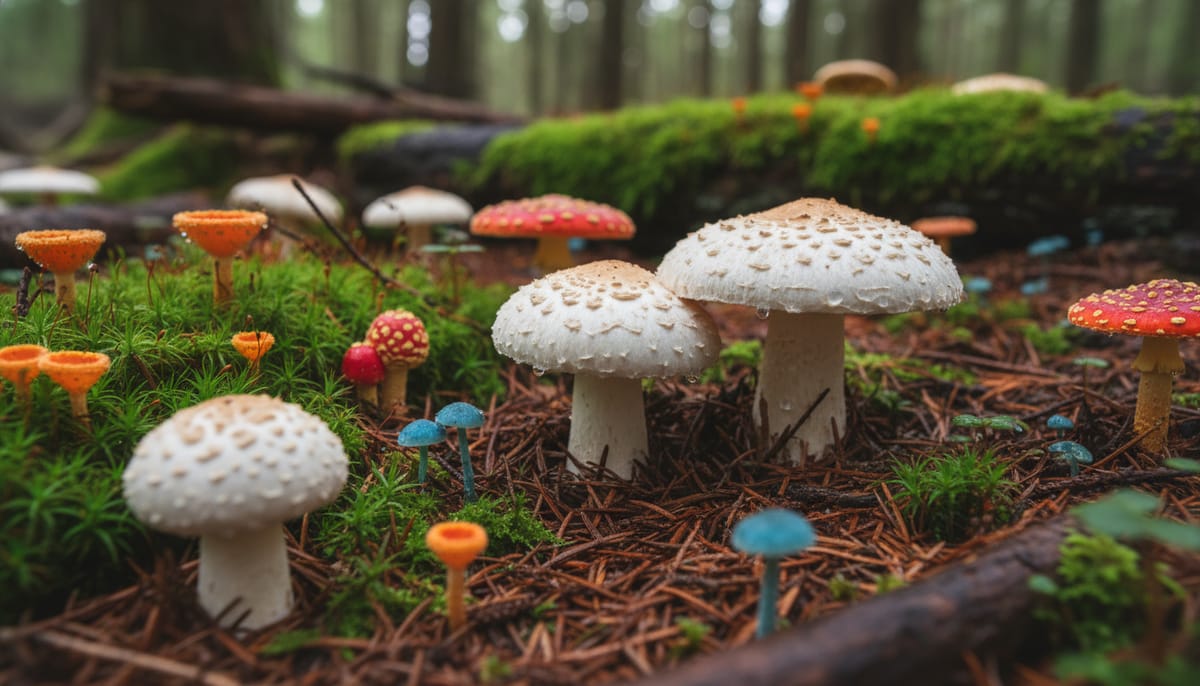
Many towns in Mexico claim to have great food, but Cuajimoloyas has biology on its side. The combination of high elevation, constant humidity from the cloud forest, and pine-oak woodland creates the perfect laboratory for fungi.
During the rainy season (June through September), the forest floor explodes with life. Over 400 species of wild mushrooms emerge in these months. While casual hikers might spot the vibrant “Hongo Azul” (Blue Milk Cap), the real prize here is the Matsutake (Tricholoma matsutake), known locally as “Hongo Blanco.” In Japan, a single Matsutake can sell for a small fortune. Here, they are abundant, affordable, and a staple of the local diet alongside “Pan de Indio.”
The Wild Mushroom Festival (Feria Regional de Hongos Silvestres)
If you can time your visit for late July or early August, you might catch the Wild Mushroom Festival. This isn’t just a food market; it is an educational immersion. Local press releases highlight that the event includes “recollection tours” into the woods. You are handed a basket and a knife, and you walk with a local mycologist to identify edible species.
Safety Warning: Do not forage alone. The forest is full of toxic lookalikes, particularly fungi that resemble the charcoal burner mushroom. Always rely on a certified community guide.
The preservation of these species is critical to the community’s identity, a fact recognized by organizations like Slow Food Mexico. If you fall in love with these flavors, you can try recreating them at home with our Traditional Sopa de Hongos Recipe.
Traditional Medicine and Endemic Plant Walks
Beyond mushrooms, Cuajimoloyas serves as a living pharmacy of endemic medicinal plants that thrive in the cloud forest’s unique microclimate. The community offers guided walks with certified curanderos (traditional healers) who have maintained this botanical knowledge for generations.
Common Medicinal Plants You’ll Learn About:
- Hierba Buena del Monte — mountain mint for digestive issues and altitude sickness
- Toronjil Silvestre — wild lemon balm for anxiety and sleep problems
- Ocote Tea — pine needle tea rich in vitamin C and natural antihistamines
- Chía de Monte — mountain sage for respiratory issues common at high altitude
- Cola de Caballo — horsetail for kidney and urinary tract health
These guided walks typically cost 100-150 MXN ($5-8 USD) and last 2-3 hours. The experience includes hands-on identification, traditional preparation methods, and stories about how these plants have sustained mountain communities through harsh winters.
Important Note: Never collect plants without a certified guide. Many medicinal species have toxic lookalikes, and sustainable harvesting requires understanding proper collection times and quantities.
Local Food Beyond Mushrooms
While mushrooms dominate the culinary spotlight, Cuajimoloyas offers a complete mountain cuisine adapted to the cold climate and seasonal availability.
Traditional High-Altitude Foods:
- Atole de Avena — warm oat drink with cinnamon, perfect for cold mornings (15-20 MXN)
- Sopa de Habas — lima bean soup with local herbs (40-50 MXN)
- Quelites Guisados — sautéed wild greens collected from the forest (35-45 MXN)
- Tamales de Frijol — bean tamales wrapped in corn husks (25-30 MXN each)
- Café de Olla con Canela — clay pot coffee with cinnamon stick (20-25 MXN)
- Pan de Ocote — pine nut bread, a regional specialty (10-15 MXN per piece)
The community kitchens (comedores comunitarios) serve set meals for 80-120 MXN ($4-6 USD) that typically include soup, a main dish, tortillas, and refrescos. Portions are generous to fuel hikers, and vegetarian options are available with advance notice.
During winter months (December-February), look for chocolate caliente con chile, a spiced hot chocolate that provides essential warmth during sub-freezing nights. This traditional drink costs 25-35 MXN and is often served with fresh tortillas or pan dulce. Like many traditional Mexican drinks, this preparation has medicinal properties that help the body adapt to mountain conditions.
Things to Do in Cuajimoloyas
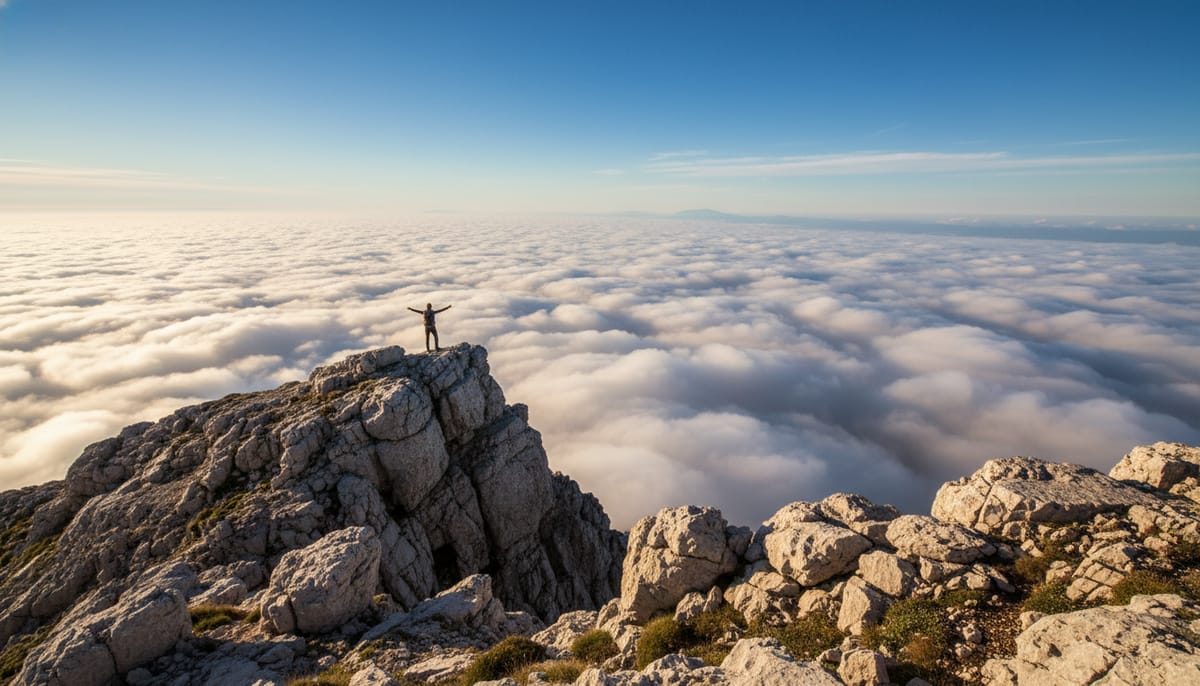
When planning your activities, remember to adjust your difficulty ratings. A trail marked “easy” at sea level becomes a lung-burner at 3,200 meters. You can explore Oaxaca tours on Viator.
Hiking to Mirador Xi-Nudaa (Celestial Stone)
This is the most popular short hike in town, usually spanning just 1 to 2 kilometers. “Xi-Nudaa” translates from Zapotec roughly to “Land of the rolling stones” or “Celestial Stone.” While the distance is short, the trail is distinctively steep. At the summit, you are rewarded with a view that stretches across the Central Valleys toward Tlacolula. Just be prepared for the thin air to slow your pace significantly.
The Hike to Benito Juárez
For those wanting a proper trek, the trail connecting Cuajimoloyas to the neighboring village of Benito Juárez is a standout. The route covers 6 to 7 kilometers and takes you through a dramatic change in vegetation, moving from high-altitude pine-oak to a denser, humid forest.
A Strategic Gap: Most savvy hikers walk from Cuajimoloyas to Benito Juárez. Because Cuajimoloyas is the highest point, this direction offers a net downhill gradient. Walking the opposite way is a relentless climb.
If you go without a guide, safety is paramount. The fog here is disorienting and can obscure trail markers in minutes. Experienced hikers suggest using a GPS map app; the AllTrails routes for Cuajimoloyas are a good backup to keep you on the path. Once you arrive in the next town, you can continue the adventure by braving the Benito Juárez Suspension Bridge or explore the historic Camino Real from Latuvi to Lachatao for another cloud forest experience.
Ziplining Over the Forest
The town operates a surprisingly long Tirolesa (zipline). It runs for 1,000 meters (1 km), crossing directly over the town streets and the forest canopy. The cost is generally between 200 and 250 MXN, and like everything else in the Sierra, it is cash only.
Weather & What to Pack
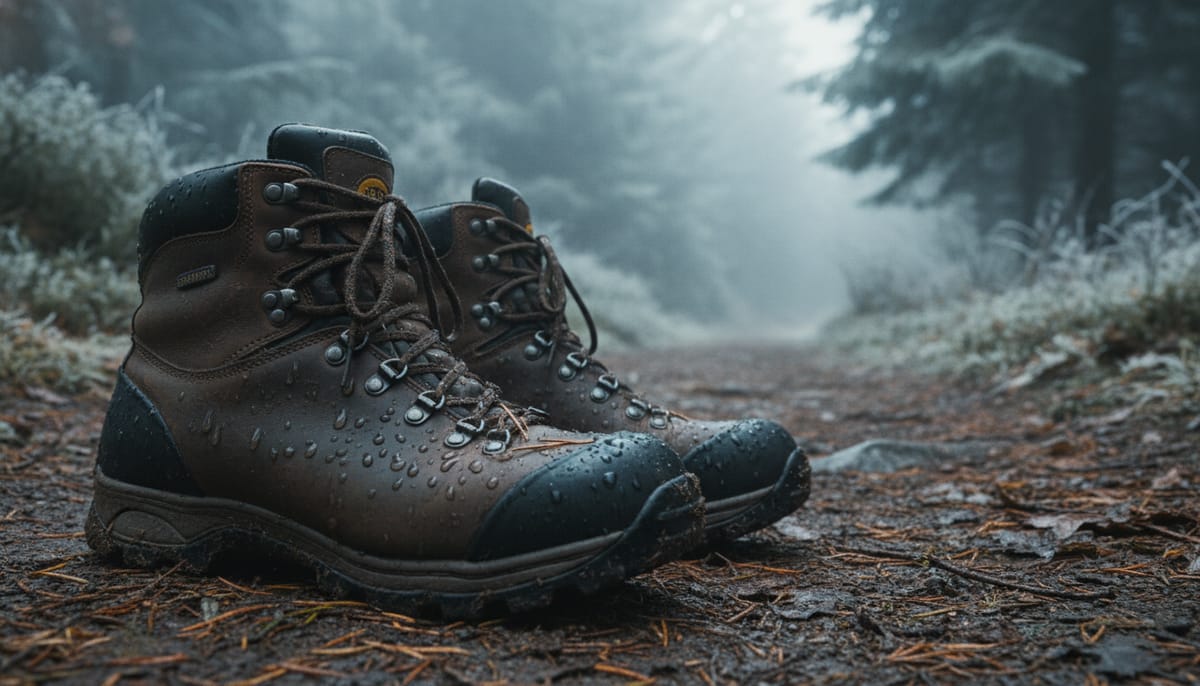
Misconceptions about the “Rainy Season” can ruin a trip to the highlands. When travelers hear “Mexico” and “rain,” they often image a warm tropical shower. In Cuajimoloyas, the reality is bone-chilling.
The annual average temperature hovers between 8°C and 12°C, and nights frequently drop near freezing (0°C). According to historical data from Weather Spark, the combination of wind and dampness makes the “real feel” significantly lower.
The most important rule for packing is to avoid cotton. In the cloud forest, cotton clothing absorbs moisture and refuses to dry. If you get wet while hiking, you will stay wet and cold until you are sitting in front of a fire.
Essential Packing List:
- Base Layers: Wool or synthetic fleece/thermal underwear.
- Outerwear: A high-quality, waterproof rain jacket is non-negotiable.
- Footwear: Sturdy waterproof boots (mud is guaranteed).
- Tech: Bring a portable battery bank. The cold drains phone batteries rapidly, and cabin electricity can be spotty during storms.
Complete Budget Guide: What to Expect Cost-Wise
Cuajimoloyas operates entirely on cash (efectivo), so plan your budget carefully. There are no ATMs, banks, or card readers in the village.
Daily Budget Breakdown
| Category | Budget Range | Mid-Range | Comfortable |
|---|---|---|---|
| Accommodation | $300-400 MXN ($15-20 USD) | $450-600 MXN ($23-30 USD) | $700-900 MXN ($35-45 USD) |
| Meals | $150-200 MXN ($8-10 USD) | $220-280 MXN ($11-14 USD) | $350-450 MXN ($18-23 USD) |
| Activities | $100-200 MXN ($5-10 USD) | $250-350 MXN ($13-18 USD) | $400-600 MXN ($20-30 USD) |
| Transport | $120-160 MXN ($6-8 USD) | $200-300 MXN ($10-15 USD) | $500-800 MXN ($25-40 USD) |
| **TOTAL/DAY | $670-960 MXN ($34-48 USD) | $1,120-1,530 MXN ($56-77 USD) | $1,950-2,750 MXN ($98-138 USD) |
Specific Activity Costs
- Guided mushroom foraging tour: 150-200 MXN ($8-10 USD)
- Traditional medicine plant walk: 100-150 MXN ($5-8 USD)
- Tirolesa (zipline): 200-250 MXN ($10-13 USD)
- Horseback riding: 300-400 MXN/hour ($15-20 USD)
- Guide for hiking trails: 200-300 MXN/day ($10-15 USD)
- Firewood bundle: 50-60 MXN ($2.50-3 USD)
- Bottled water (1.5L): 25-30 MXN ($1.25-1.50 USD)
Money-Saving Tips
- Book community packages — bundled accommodation + meals + activities cost 20-30% less than individual bookings
- Travel in groups — guide fees and transport split among 4-6 people significantly reduces per-person costs
- Avoid peak season — December-January and July-August see 30-50% higher prices
- Bring your own snacks — the village store has limited selection and inflated prices
- Stay multiple nights — most cabañas offer discounts for 3+ night stays
What’s Free
- All hiking trails (though guide fees apply for safety)
- Scenic viewpoints like Mirador Xi-Nudaa
- Village exploration and interaction with community members
- Photography (no fees for taking pictures)
- Firewood collection (if you’re comfortable gathering your own)
Sleeping in the Clouds: Cabins and Lodging
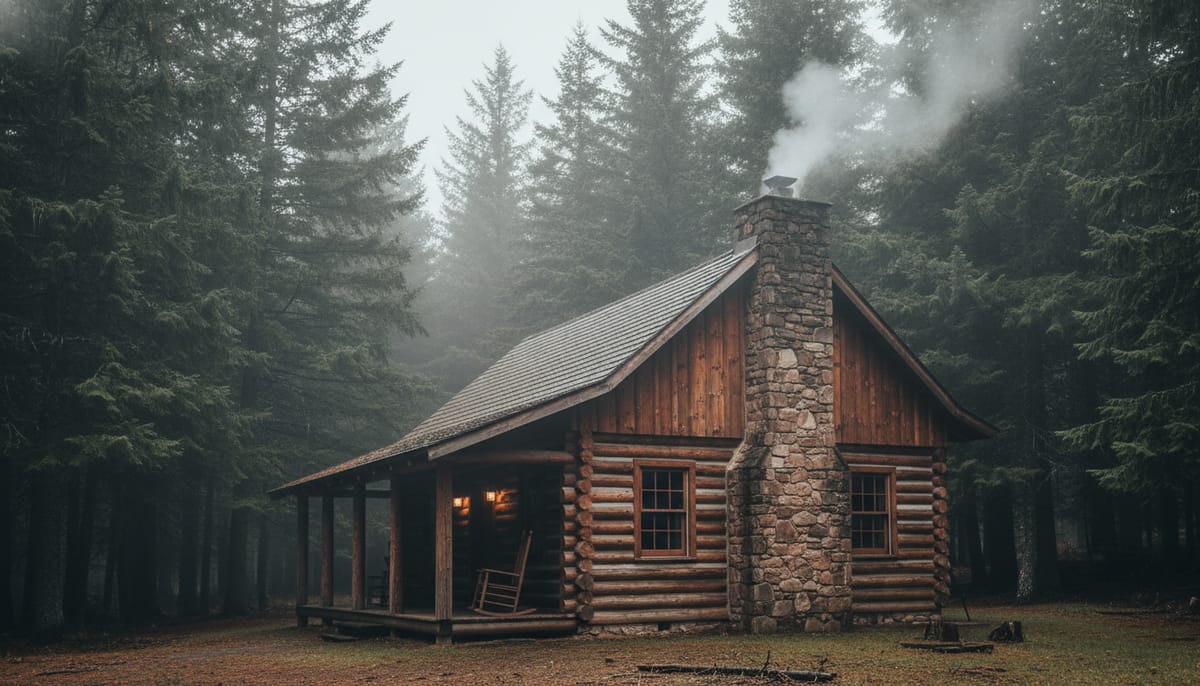
Accommodations in Cuajimoloyas are community-run and rustic. You will likely check in at the “Oficina de Ecoturismo” in the town center. The main options are the private “Cabañas” or the Hotel “Yaga-Zaa.”
Do not expect luxury. The rooms are basic, equipped with heavy wool blankets (cobijas) to combat the cold. Hot water is usually provided by wood heaters or solar systems, which means your best chance for a hot shower is usually in the morning or early afternoon, rather than late at night.
The Firewood Reality: Most cabins feature a fireplace, but this often comes with a hidden cost. While your first bundle of wood might be free, additional firewood usually costs around 50-60 MXN. A common mistake rookie travelers make is smoking out their own room. Lighting pitch pine (ocote) takes skill; ask the staff to light the fire for you around 6:00 PM while you are at dinner so the room is warm when you return.
You can compare this experience with other stays in the circuit, such as the rustic accommodations detailed in our Centro Ecoturístico Cabañas Latuvi Review. For full amenity lists, the Sierra Norte accommodation page provides specific details for each village.
How to Get to Cuajimoloyas from Oaxaca City
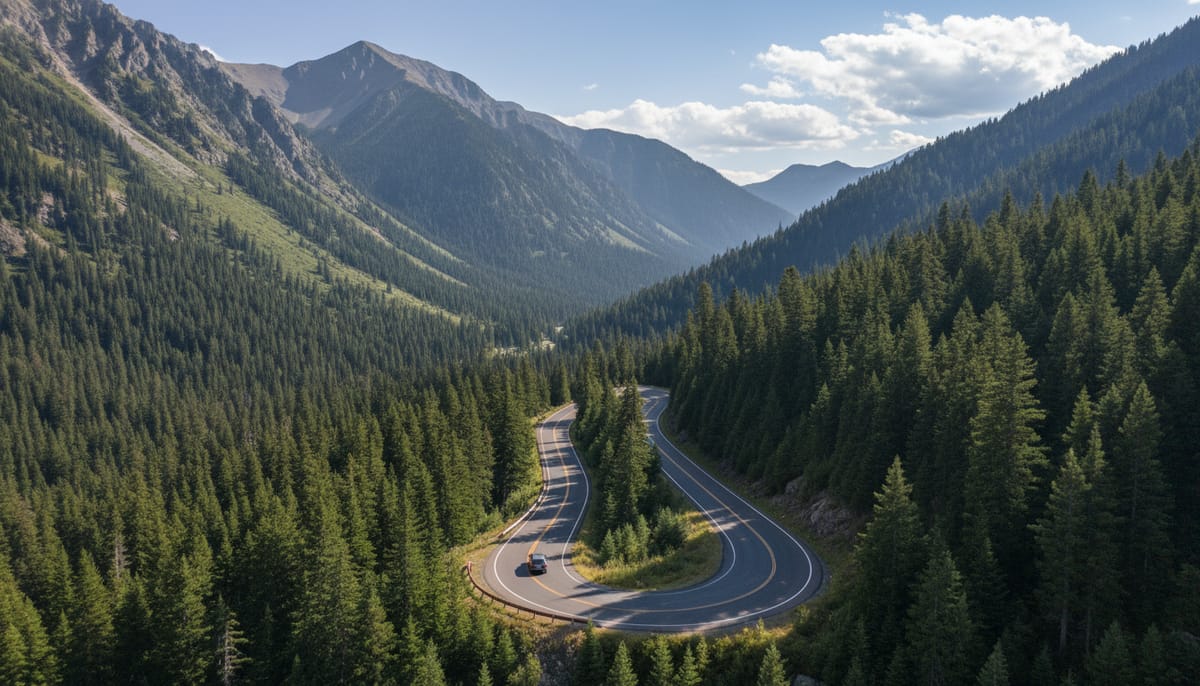
Getting to the Sierra Norte requires navigating the somewhat chaotic logistics of Oaxaca’s secondary transport networks.
Option A: Public Bus (Budget)
You can take “Autobuses Villa Alta” or “Transportes Turísticos de la Sierra.” However, do not look for a formal bus terminal. The “station” is essentially a dirt lot and garage located near the Central de Abastos, specifically near the landmark known as the “Monument to the Mother.” Tickets cost approximately 60-80 MXN.
Option B: Colectivos (Faster)
For a slightly faster trip, look for the shared taxis or colectivos heading toward Villa Alta or the Sierra Norte. These usually congregate near the “McDonalds” landmark at the Periferico and Abastos intersection.
Option C: Community Shuttle (Easiest)
If you prefer a direct route, you can book transport directly through the Expediciones Sierra Norte office in Oaxaca City (Calle Félix Díaz 119). This is the most stress-free method, though it often requires booking a package.
Travel Warning: The road up the mountain is a literal corkscrew. Rome2Rio maps the route clearly, but they don’t show the nausea. If you suffer from motion sickness, take a Dramamine 30 minutes before you leave the city.
First-Time Visitor Guide: What to Expect
Your first visit to Cuajimoloyas will likely challenge your expectations of Mexican travel. Here’s what to prepare for mentally and physically:
Immediate Physical Effects of 3,200m Altitude
Within the first 2-4 hours:
- Shortness of breath during basic activities (unpacking, walking short distances)
- Mild headache or pressure behind the eyes
- Increased urination due to altitude diuresis
- Loss of appetite despite the cold burning calories
Days 1-2:
- Sleep disruption — expect to wake frequently
- Vivid dreams or difficulty reaching deep sleep
- Increased thirst but decreased desire to eat heavy meals
- Cold sensitivity even during daytime hours
Altitude Sickness Prevention Strategy
Before You Arrive:
- Hydrate heavily in Oaxaca City (3-4 liters day before travel)
- Avoid alcohol for 48 hours before ascent
- Eat iron-rich foods (red meat, spinach) to boost oxygen-carrying capacity
- Get adequate sleep — altitude amplifies existing fatigue
Upon Arrival (Critical First 6 Hours):
- Move slowly — resist the urge to immediately explore everything
- Drink constantly — aim for 4-5 liters of water on day one
- Eat light, frequent meals — avoid large portions that require digestion energy
- Rest every 30-45 minutes during activities
Red Flags — When to Descend Immediately:
- Severe headache not relieved by ibuprofen
- Nausea with vomiting
- Loss of coordination or balance
- Confusion or personality changes
- Difficulty breathing at rest
Cultural Expectations
Language: While some community guides speak basic English, conversations primarily happen in Spanish. Download offline translation apps before arrival.
Internet/Phone: Cell service is spotty, and WiFi is limited to the tourism office. Plan for digital detox.
Timing: Mountain communities operate on “mountain time.” Meals, activities, and transportation may start 30-60 minutes later than scheduled.
Dress Code: Conservative dress is appreciated, especially when visiting the small village chapel or interacting with elders.
Essential Contact Information
Emergency Numbers (Save Before You Go):
- Local Emergency: 911 (works from most cell towers)
- Cuajimoloyas Tourism Office: +52 951 xxx-xxxx (Ask for current number when booking)
- Expediciones Sierra Norte: +52 951 514-8271
- Nearest Medical Clinic: Villa Alta (45 minutes by car)
Important: The nearest hospital is in Oaxaca City (1.5 hours). Travel insurance that covers mountain/altitude-related medical evacuation is highly recommended.
Conclusion
Cuajimoloyas is the perfect escape for travelers seeking silence, crisp air, and a deep connection to the land. While the cold nights and thin air challenge your comfort zone, the rewards — fresh Matsutake mushrooms and endless views of the clouds — are unmatched. Before you go, consider getting travel insurance.
Ready to continue your trek through the Sierra Norte? Head down the trail to explore the rest of the hiking loop in our Ultimate Guide to Hiking the Pueblos Mancomunados.