Hacienda Jesús María: Tabasco's Best Chocolate Tour (2026 Guide)
Most visitors to Tabasco imagine chocolate factories as something between Willy Wonka and a rustic village workshop. Hacienda Jesús María is neither — and that’s what makes it the most interesting stop on the entire Ruta del Cacao.
This working estate is home to CACEP (Cacao and Chocolate of the World), and it holds a distinction no other hacienda on the route can claim: it is the only factory that produces finished chocolate candy from bean to bar on the premises. Every other stop shows you cacao agriculture, fermentation, or raw processing. Here, you see the complete transformation from jungle pod to the foil-wrapped bar exported to France and the United States.
Add to that a genetic bank of rare Criollo Almendra Blanca cacao — a variety with 20% more cocoa butter than standard cacao — and you have the most technically impressive chocolate experience in Tabasco.
This stop is a centerpiece of the Ultimate Guide to the Ruta del Cacao.
Why Hacienda Jesús María Stands Apart
Every hacienda on the Ruta del Cacao offers cacao history. Hacienda Jesús María offers the whole story — from genetics to grocery store shelf. Understanding what makes it unique will help you appreciate the tour fully.
The Rare Criollo Almendra Blanca
Most commercial chocolate is made from Forastero cacao — a robust, high-yielding variety that produces roughly 80% of the world’s chocolate supply. It’s reliable. It’s also relatively flat in flavor.
The Criollo Almendra Blanca (White Almond) grown here is the opposite:
- 20% more natural cocoa butter than standard Forastero cacao
- Softer, more complex aroma with fruity and floral notes
- Naturally lower bitterness — less tannin in the bean
- Smaller yield — far more labor-intensive to grow and harvest
- Prized by French chocolatiers — the primary export market
This is the cacao variety that fine-chocolate makers compete to source. CACEP grows it on 50 hectares of estate land — one of the largest Criollo plantations in Mexico.
The Only Candy Factory on the Route
This distinction is significant. Other haciendas produce:
- Dried/fermented beans for export
- Raw cacao paste
- Traditional drinks (Polvillo, Pozol)
CACEP produces all of the above plus the finished chocolate bars, truffles, and gourmet products you see in specialty shops and airports. Watching the tempering machines, the mold-filling, and the wrapping line all under one roof — in the same estate where the trees grow — is genuinely rare worldwide.
The CACEP Story: Regenerative Agriculture Meets Export Commerce
The hacienda operates on a philosophy of regenerative agriculture combined with cooperative economics. CACEP doesn’t just process its own cacao — it acts as an industrial anchor for dozens of small farming families in the Comalcalco region, processing their harvests to FDA and EU export standards.
The estate covers 50 hectares of cacao and 20 hectares of pastureland — with sections that function as a living genetic bank to preserve heritage varieties threatened by modern hybridization.
Keep an eye out for: The founder Florencio Sánchez occasionally appears during tours and gives spontaneous, highly technical lectures on cacao genetics to visitors who show genuine curiosity. If he’s present, ask questions — it’s a rare chance to speak directly with one of Tabasco’s most important chocolate producers.
The Tour Experience: Jungle to Factory Floor
The tour moves through two distinct environments, and the sensory contrast between them is half the experience.
Phase 1: The Cacao Grove (Vivero)
The experience begins under the tree canopy. A guide leads you through the plantation explaining:
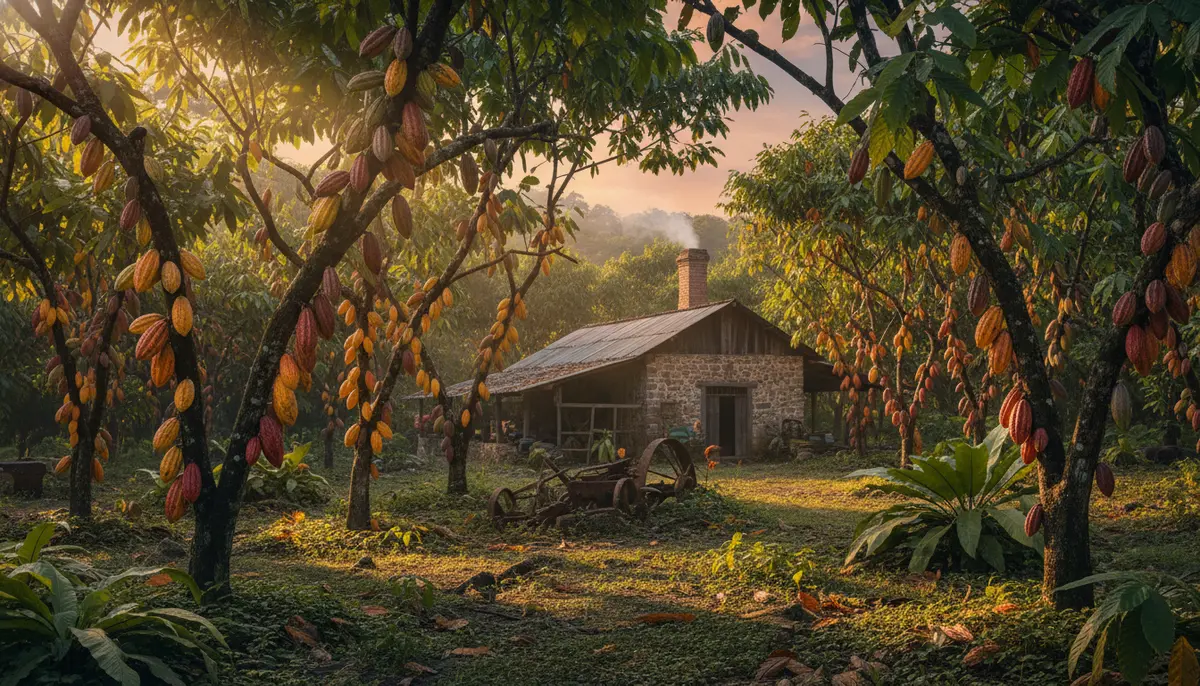
Cacao pod colors and ripeness: Pods range from green (unripe) to yellow, orange, red, and deep purple (ripe). Each color stage is visible simultaneously on the trees — a striking sight unlike most agricultural settings where crops all ripen together.
The Mother Tree grafting system: Old-growth branches are grafted onto young rootstock to preserve the specific genetic history and flavor profile of the estate’s best trees. This is how the Criollo Almendra Blanca variety is propagated without losing its characteristics.
Pod harvesting: Guides demonstrate how machetes are used to detach pods without damaging the tree’s bark — a technique refined over generations to avoid creating entry points for disease.
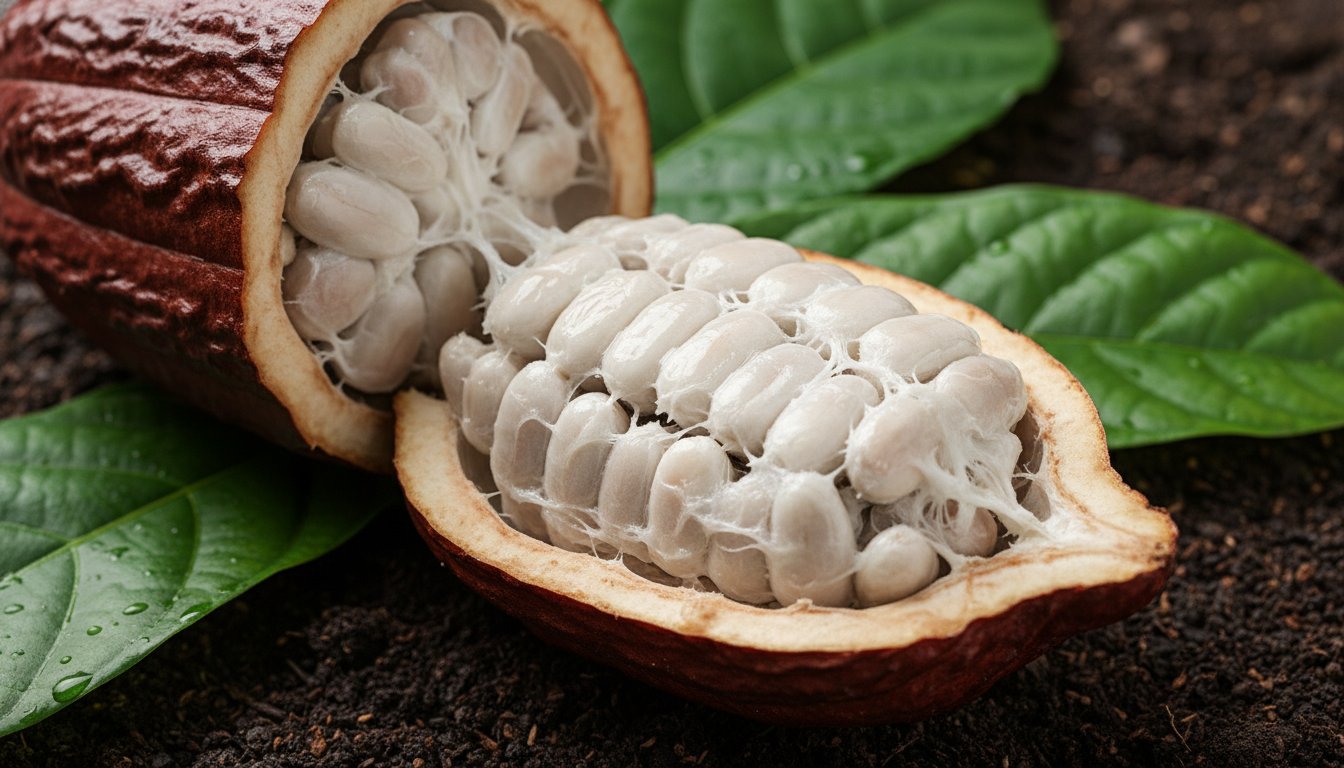
The pulp reveal: If you haven’t seen a fresh cacao pod opened before, this is the moment. Inside, the beans are surrounded by white mucilaginous pulp that smells nothing like chocolate — it’s closer to guanábana or mangosteen. Sweet, tropical, vaguely citrusy. Children are consistently surprised by this.
Phase 2: The Industrial Factory
The shift from jungle to factory is dramatic. Hygiene protocols apply: you may be issued hairnets or shoe covers before entering the production area.
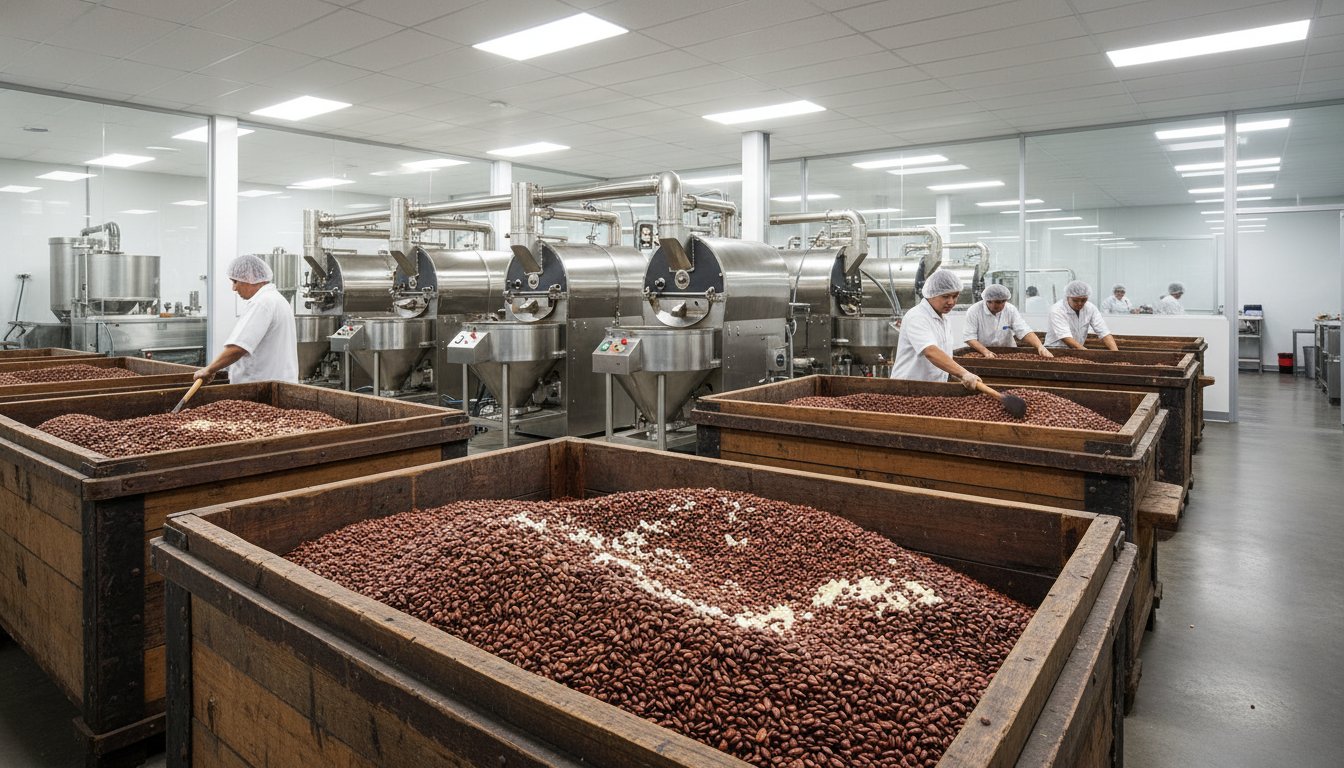
The fermentation room: The smell hits first — a sharp, wine-vinegar intensity from the naturally fermenting cacao pulp. This step is essential; fermentation develops the flavor precursors that become chocolate’s complex taste. It takes 5-7 days under controlled conditions.
The roasting room: The vinegar smell disappears entirely, replaced by deep, warm chocolate aroma. Roasting temperatures and times vary by batch — a critical variable CACEP monitors carefully for consistency.
The grinding and conching hall: Here, roasted cacao nibs are ground into liquid “chocolate liquor” (no alcohol — the name refers to the fluid state). Prolonged conching (stirring) smooths the texture and volatilizes unwanted acidic compounds.
Tempering and molding: The finished tempered chocolate is poured into molds, cooled, and released as bars. Watching this in an operational factory — 200 meters from the trees that grew the beans — provides a genuinely rare perspective on the global chocolate supply chain.
The Chocolate Tasting Flight
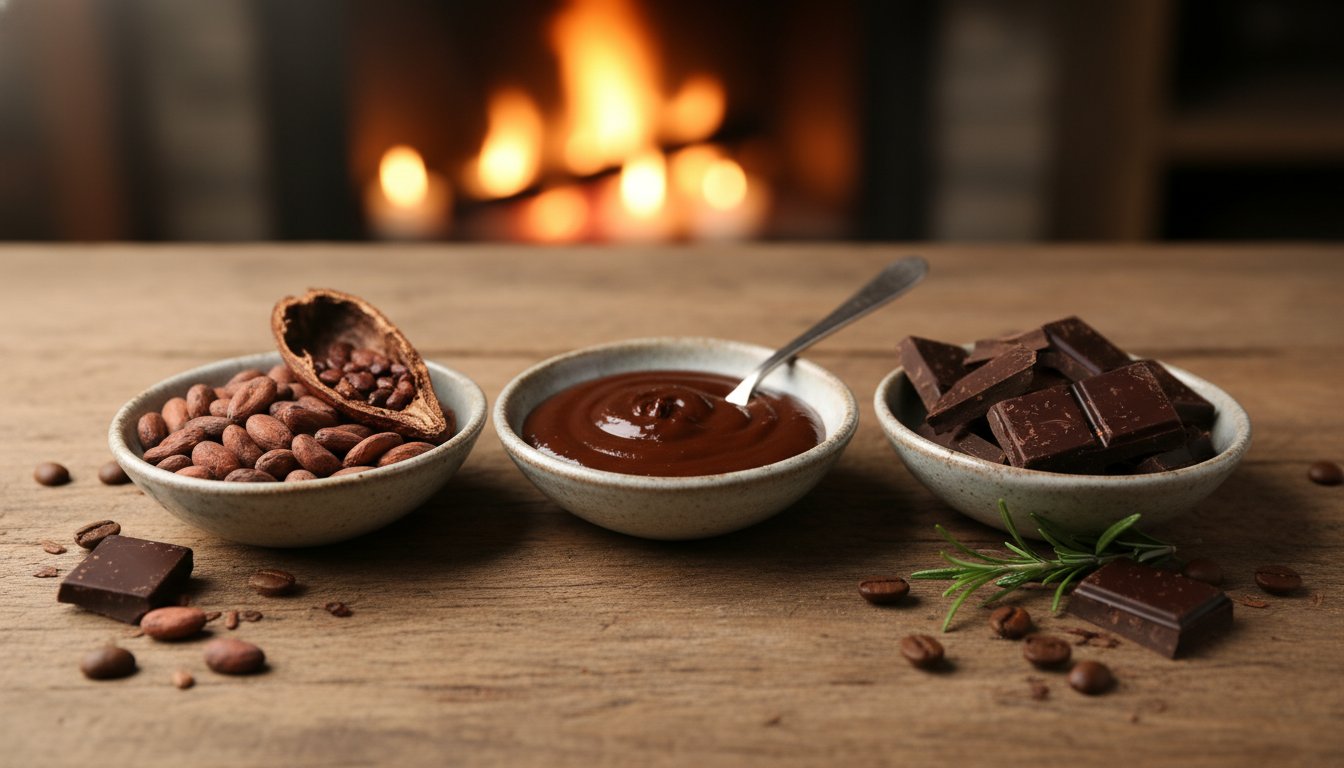
Tours conclude in the boutique with a structured tasting — arguably the best chocolate education available in Tabasco. The progression is designed to reset your palate at each stage:
| Stage | Product | What You’ll Notice |
|---|---|---|
| 1 | Raw cacao bean | Bitter, astringent, tannic — the unprocessed starting point |
| 2 | 100% cacao paste | Intensely chocolatey with no sweetness — pure roasted flavor |
| 3 | 70% dark chocolate | Complexity emerges; fruit notes from the Criollo bean |
| 4 | Semi-bitter (60%) | The balance point; bitterness and sweetness meet |
| 5 | Swiss-style milk chocolate | Creamier; the 20% extra butter content is notable here |
| 6 | White chocolate | No cacao solids; pure cocoa butter sweetness |
| 7 | Gourmet filled — Tamarind | The standout: natural tamarind from estate trees, earthy-sweet |
| 8 | Specialty flavors | Chipotle, Cardamom, Pimienta (Pepper) depending on availability |
Pro tip: If visiting during the October-February harvest season, ask specifically for a taste of fresh cacao pulp mucilage. This is rarely offered proactively. It tastes nothing like chocolate — it’s tropical fruit — and changes most visitors’ understanding of where chocolate actually comes from.
Visiting Logistics: Everything You Need to Know
Opening Hours
| Day | Hours | Factory Status |
|---|---|---|
| Monday–Saturday | 8:00 AM – 3:00 PM | ✅ Machines running |
| Sunday | 9:00 AM – 1:00 PM | ⚠️ Grove tour only — factory closed |
Best time to visit: Tuesday through Friday, mid-morning (9:30–11:00 AM). Weekends attract more tour groups; weekday visits are quieter with more personal attention from guides.
Prices and Payment
- General admission: 100–150 MXN per person (~$5–8 USD)
- Children under 6: Typically free
- Includes: Full guided tour + chocolate tasting flight + boutique access
- Payment: Cash only — card machines regularly fail due to poor cellular signal in the plantation
- ATMs: Nearest reliable ATM is in Comalcalco town center; withdraw before visiting
Getting There
From Comalcalco center (10 km):
- Taxi: 80–120 MXN, 15–20 minutes
- Negotiate a round-trip rate or get the driver’s WhatsApp — calling an Uber from inside the estate is unreliable due to poor signal
- No direct public bus service to the hacienda gate
From Villahermosa (90 km):
- Drive: 1 hour 15 minutes via MEX-187 highway
- ADO Bus: Villahermosa → Comalcalco (1 hour, ~65 MXN), then taxi
- Rental car: Most flexible option; allows combining multiple Ruta del Cacao stops in one day
GPS coordinates: Use “Hacienda Jesús María CACEP, Comalcalco” in Google Maps. The turnoff from the main road is easy to miss — watch for the CACEP sign. The entrance is roughly 3 km down a dirt road that is passable in a standard car.
Tour Structure
Tours operate on a rolling basis — no fixed time slots. Guides gather a small group (usually 4-12 people) before departing. Arrive by 10:00 AM to ensure you complete the full experience before the factory closes at 3:00 PM. Typical total visit time: 90–120 minutes.
Mosquito Warning (Critical)
Because CACEP operates as an organic plantation, pesticide fogging is minimal. The mosquitoes in the cacao groves are aggressive — far more so than most outdoor Tabasco sites. Standard insect spray is often insufficient.
What actually works: Long linen pants and a long-sleeved shirt, plus DEET-based repellent applied to exposed skin. This is the single most common complaint in online reviews from visitors who didn’t prepare. Don’t let it ruin an otherwise excellent visit.
The Boutique: What to Buy and What to Skip
Buying direct at the hacienda saves 30–40% compared to airport or specialty store prices for the same products. We recommend getting travel insurance for any trip to Mexico.
Best Buys
70% Dark Chocolate Bars: The flagship product. Multiple varieties featuring the Criollo bean’s fruit-forward flavor profile. Best value at the source.
Cocoa Butter (Manteca de Cacao): Sold at factory prices — a fraction of what you’d pay in a health food store. Excellent for cooking and skincare.
Polvillo Powder: The traditional Tabasco cacao-corn drink mix. CACEP’s version is organic and reliably consistent. After trying our traditional Polvillo recipe, you’ll understand exactly what you’re buying.
Gourmet Tamarind-Filled Chocolates: Made with tamarind harvested from trees on the estate property — not imported. Unique to this hacienda.
Chocolate Salsas: Excellent base for making Mole at home. Not widely available outside Tabasco.
Skip or Buy Elsewhere
Overpackaged gift sets: Same products, significantly marked up. The individual bars are better value.
Chocolate liquor (licor): Available but not the hacienda’s strongest product; Xtabentún from Yucatán remains the superior choice for chocolate-adjacent spirits.
Hacienda Jesús María vs. Other Ruta del Cacao Stops
| Hacienda | Specialty | Best For | Factory Visit? |
|---|---|---|---|
| Jesús María (CACEP) | Rare Criollo genetics + candy factory | Science, industry, full process | ✅ Full factory |
| Hacienda La Luz | Colonial architecture + artisanal | Aesthetics, slow travel | ⚠️ Small-scale only |
| Hacienda Cholula | Historical restoration | History, photography | ❌ No production |
If you can only visit one hacienda: Jesús María for depth of experience. If you have two days: Jesús María in the morning, Hacienda La Luz in the afternoon for the architectural contrast.
Planning Your Full Day on the Ruta del Cacao
The cardinal mistake most visitors make is saving the cacao tour for the afternoon. By 2:00 PM in Tabasco, the combination of heat, humidity, and post-lunch lethargy makes the factory walk genuinely unpleasant.
Recommended Day Itinerary
7:30 AM: Depart Comalcalco center or Villahermosa
8:00 AM: Comalcalco Archaeological Zone — Mexico’s only brick Maya pyramids. Visit early while temperature is manageable. Allow 90 minutes.
10:00 AM: Drive to Hacienda Jesús María (15 min from ruins)
10:15 AM: Arrive, pay entry, wait for rolling tour to begin
10:30 AM–12:00 PM: Full grove + factory tour + tasting
12:00 PM: Boutique shopping and departure
12:30 PM: Lunch — “Cocina Tradicional El Sabor de la Chontalpa” near Comalcalco for authentic pejelagarto (garfish), a Tabasco specialty you won’t find elsewhere.
2:30 PM: Optional — Hacienda La Luz for colonial contrast, or drive to Paraíso Tabasco for beach afternoon
Transport tip: Negotiate a round-trip taxi rate from Comalcalco center that includes both the ruins and the hacienda with waiting time. Expect 300–450 MXN for the package. Get the driver’s contact before they leave.
Photography Tips
Best shots:
- Cacao pods on the tree — Shoot late morning for side lighting through the canopy that shows the pod colors without blowing out highlights
- Fresh pod cross-section — Ask your guide to cut one open slowly for a clean shot; the white pulp against dark seeds is striking
- Factory floor wide shot — The contrast of stainless machines against colonial brick walls photographs well
- Tasting flight — Arrange the samples in the natural light near the boutique entrance window
Gear considerations:
- The humidity inside the grove will fog lenses transferred from an air-conditioned car — allow 5 minutes for acclimation before shooting
- The factory interior is low-light; push ISO rather than using flash, which reflects badly off stainless equipment
- Phone cameras handle this visit well; no need for professional gear
Conclusion
Hacienda Jesús María earns its position as the anchor stop on the Ruta del Cacao because it answers the question every curious chocolate-eater eventually asks: how does a jungle pod become the bar I buy at the airport? The answer, as it turns out, involves genetics, fermentation chemistry, cooperative economics, and a family’s stubborn commitment to a variety of cacao that the market largely abandoned in favor of easier options.
The CACEP Criollo bars you’ll carry home in your bag won’t just taste better than standard supermarket chocolate. They’ll taste like something you understand — which is the best possible souvenir from any trip to Tabasco.
Pair this visit with the Comalcalco ruins in the morning and a cold glass of Polvillo back in Villahermosa, and you’ve experienced the full arc of cacao culture in Mexico — from the ancient Maya who first cultivated it, to the modern farmers keeping the best genetics alive, to the cold drink that powered workers through a thousand years of tropical heat.