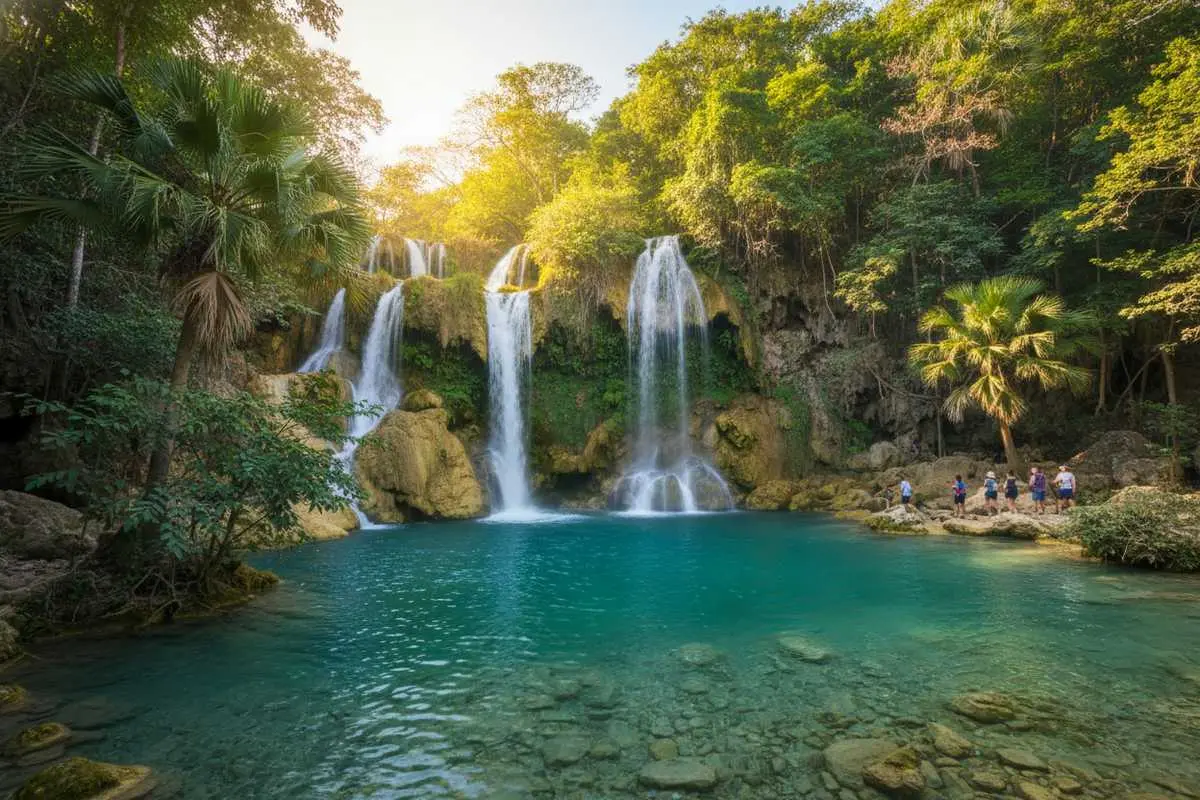
Huasteca Potosina in February: Dry Season Guide
Is Huasteca Potosina Good in February?
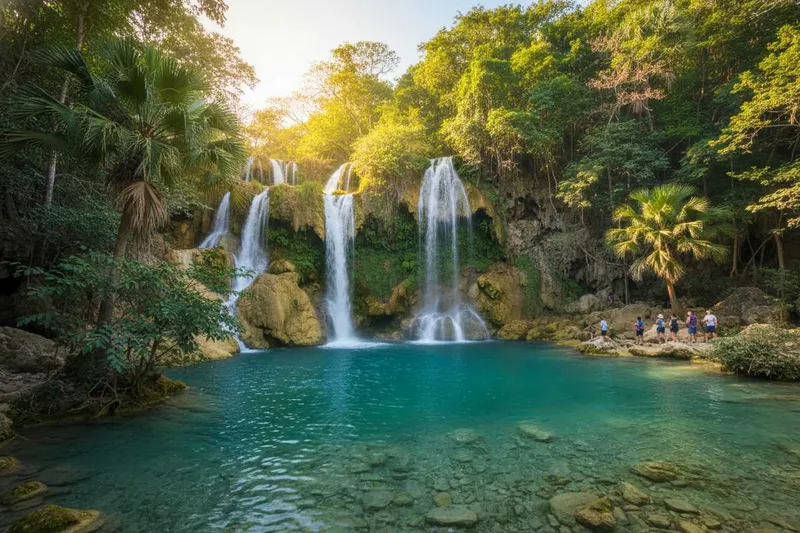
Yes — Huasteca Potosina in February is one of the cleaner, easier months for a waterfall trip if you want dry-season water clarity without the heavier holiday pressure of late December and early January. It is not the month for maximum waterfall volume, but it is a very practical month for first-timers who care about safer roads, easier tour logistics, and lower rain risk.
Think of February as the calm-planning version of the Huasteca. Days around Ciudad Valles are often warm enough for active touring, mornings can still feel cool during cold fronts, and guides have a better chance of matching you with clear-water routes than they do during stormier months. For a broader dry-season comparison, use our Mexico winter escape guide to weigh waterfall routes against beaches, wildlife trips, and highland cities.
Start with Mexico in February if you are still comparing regions. If the Huasteca is already on your shortlist, this guide explains weather, where to base, how many days to allow, what to do first, and how to pair the trip with Xilitla in February, San Luis Potosi in February, or Real de Catorce in February.
Huasteca Potosina in February in 30 Seconds
| Question | Short answer |
|---|---|
| Is February worth it? | Yes, especially for dry-season clarity and manageable logistics. |
| Biggest upside | Clearer water odds, lower rain risk, and warmer days than January. |
| Biggest downside | Lower waterfall flow at some sites after a long dry stretch. |
| Best 2026 window | Ordinary weekdays and non-puente weekends away from domestic holidays. |
| Best base | Ciudad Valles for tours; Xilitla as an add-on. |
| Best trip length | 3 full days minimum; 4 days is more relaxed. |
| Poor fit | Travelers who need peak-volume waterfalls or resort-style simplicity. |
The main February planning mistake is treating every famous waterfall as equally good on every date. Huasteca Potosina rewards travelers who ask what looks best now: water color, flow, access, temperature, transfer time, and safety matter more than checking off a fixed list.
Weather in Huasteca Potosina in February
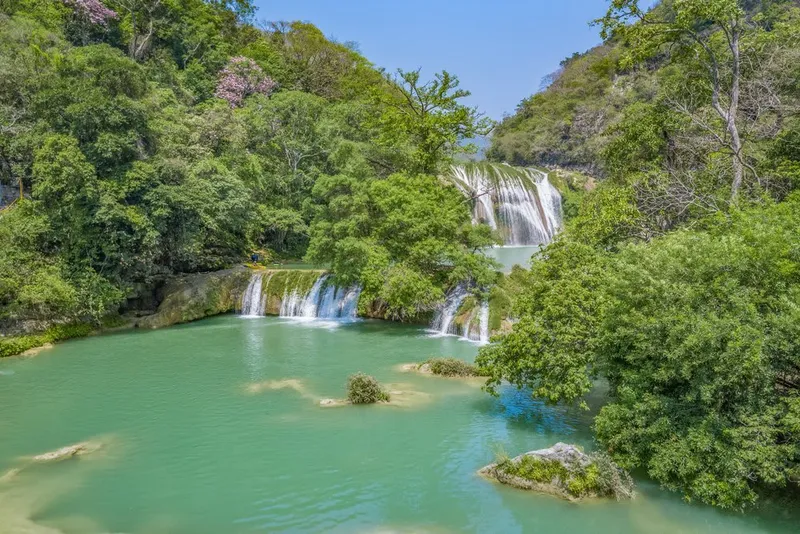
February around Ciudad Valles is usually much drier than the summer and early-fall rainy season. Daytime touring can feel warm, especially in the sun, while early pickups, shaded canyons, and evenings may still need a light layer when a northern cold front passes through.
Rain is less likely to disrupt the trip than it is in September or October. That helps with road access, water color, and outdoor timing. The tradeoff is flow: after several dry weeks, some falls can look gentler than they do in the wettest months. February is about clarity and control, not peak power.
| February factor | What it means | Best move |
|---|---|---|
| Daytime weather | Often warm enough for active touring | Put water activities in the middle of the day |
| Morning conditions | Can be cool during cold fronts | Pack a light layer for pickups and transfers |
| Rain risk | Lower than rainy season | Still keep one flexible slot |
| Water color | Often clearer after stable dry weather | Ask guides which route looks best now |
| Holiday pressure | Usually moderate, with spikes on long weekends | Book earlier around Valentine or puente dates |
If you want city weather instead, compare San Luis Potosi in February. If you want a drier high-desert overnight, compare Real de Catorce in February. If you want beach heat, compare Cancun in February, Puerto Vallarta in February, or Los Cabos in February.
Best Things to Do in February
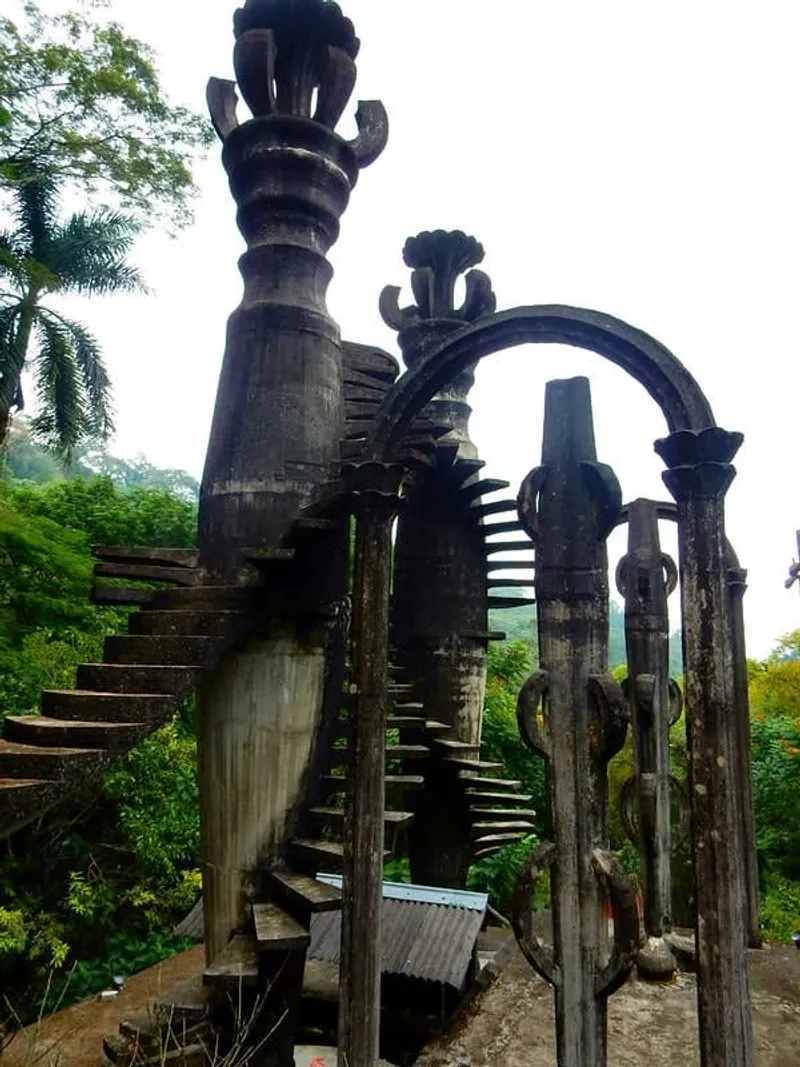
February is best for a route that stays flexible. Choose a practical base, talk to guides before locking the waterfall order, and avoid packing every day with long transfers.
Pick the clearest waterfall circuit
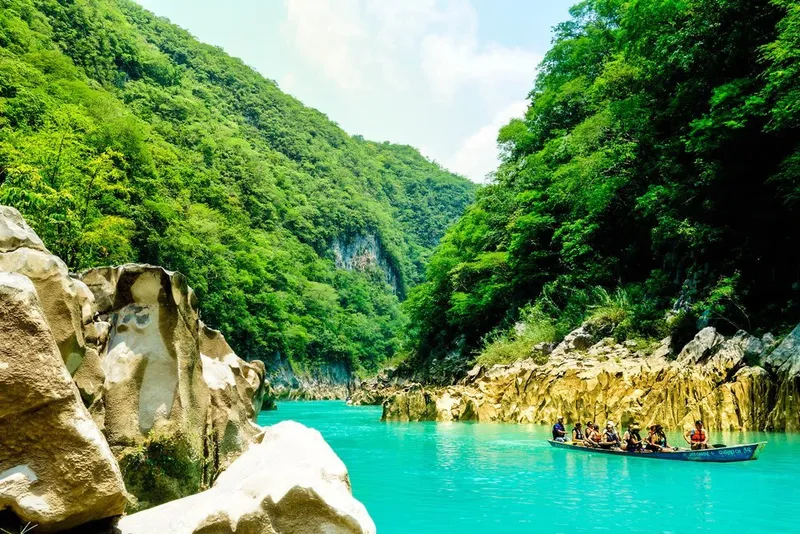
Micos, Tamasopo, Minas Viejas, El Meco, Puente de Dios, and Tamul all appear in Huasteca planning, but February conditions can make one circuit better than another. Ask operators which areas have the best mix of water color, safe access, current flow, and travel time during your exact week.
Use Ciudad Valles as your hub
Ciudad Valles is the simplest base for a first February trip. It has tour operators, restaurants, pharmacies, supermarkets, bus connections, parking, and easier early pickups. That practical setup matters more than a remote view when your days start early and your route depends on current water conditions.
Add Xilitla without rushing it
Xilitla and Las Pozas are a strong February add-on if you want surreal gardens, mountain scenery, and a slower evening after waterfall days. Give it an overnight if you can. Trying to force Xilitla onto the end of a long waterfall day often turns a good plan into too much driving.
Keep one backup slot
Use your extra half-day or full day for Tamtoc, an easier waterfall circuit, food in Ciudad Valles, a second Xilitla morning, or rest if a cold front makes swimming less appealing. February is easier than rainy season, but the best Huasteca trips still leave room to adjust.
Where to Stay in February

For most travelers, Ciudad Valles is the right answer. Choose a place with reliable hot water, secure parking if you drive, easy food nearby, and enough space to dry shoes and clothes between outings. February is usually comfortable, but cool mornings make hot showers and simple logistics feel valuable.
Xilitla works best if Las Pozas is a major part of your plan. Tamasopo can suit repeat visitors with a car who want to stay closer to a specific waterfall area. San Luis Potosi city is useful before or after the nature portion, especially if you are flying, taking intercity buses, or adding museums and regional food.
| Base | Best for | February caveat |
|---|---|---|
| Ciudad Valles | Waterfall tours, transport, restaurants, supplies, and pivots | Best overall base for first-timers |
| Xilitla | Las Pozas, mountain scenery, and slower evenings | Less efficient for repeated waterfall days |
| Tamasopo area | Staying closer to specific waterfalls | More car-dependent and less flexible |
| San Luis Potosi city | Flights, buses, plazas, museums, and pre/post-trip food | Too far for daily waterfall touring |
If your February dates include a long weekend, book earlier. Ordinary midweek dates are usually easier, but domestic demand can jump around puente travel and romantic weekend trips.
Suggested 4-Day February Itinerary

Four days gives February enough room for good decisions. Three full days can work if you are disciplined, but it usually forces you to choose between Tamul, Xilitla, multiple waterfall circuits, and a backup plan.
| Day | Plan | Why it works in February |
|---|---|---|
| Day 1 | Arrive in Ciudad Valles, confirm tours, ask about current water conditions | Lets the plan match the actual week |
| Day 2 | Waterfall circuit such as Micos, Tamasopo, Minas Viejas, or El Meco | Uses a warm daytime window for classic water stops |
| Day 3 | Tamul, rafting, or another guided river day if conditions are right | Keeps condition-sensitive activities guided |
| Day 4 | Xilitla and Las Pozas, Tamtoc, or a lighter backup route | Protects the trip from cool fronts or low-flow surprises |
With only two full days, base in Ciudad Valles and choose one main waterfall circuit plus either Tamul or Xilitla. Do not try to see the whole region. Huasteca Potosina is spread out, and February is more enjoyable when you leave space for transfers, showers, lunch, and guide advice.
Huasteca Potosina vs San Luis Potosi in February
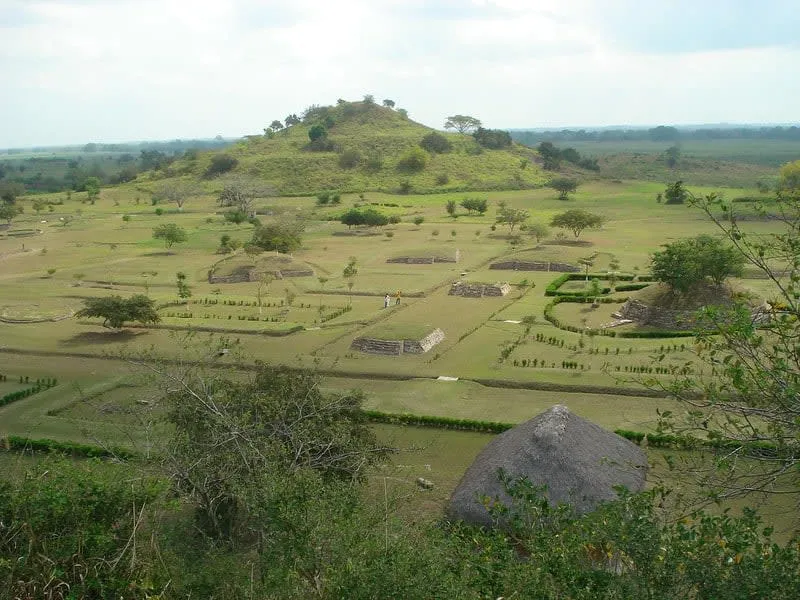
San Luis Potosi can mean the state, the capital city, or the waterfall region, which confuses many first-time planners. San Luis Potosi in February is mostly a city-and-route decision: plazas, museums, regional food, cooler nights, and bus or flight logistics. Huasteca Potosina is the nature decision: waterfalls, rivers, humid hills, and guided outdoor days.
The strongest route often combines both. Spend a night or two in the capital if arrival logistics or museums matter, then move east to Ciudad Valles for the waterfall portion. If waterfalls are the reason for the trip, protect more full days in the Huasteca and keep the city portion short.
| If you want… | Better choice |
|---|---|
| Museums, plazas, regional food, and cooler city nights | San Luis Potosi city |
| Waterfalls, rivers, rafting, and jungle scenery | Huasteca Potosina |
| Las Pozas and mountain atmosphere | Xilitla |
| The easiest operational base for tours | Ciudad Valles |
| A broader central-northern Mexico route | Combine the city and Huasteca |
Final Verdict: Should You Visit Huasteca Potosina in February?
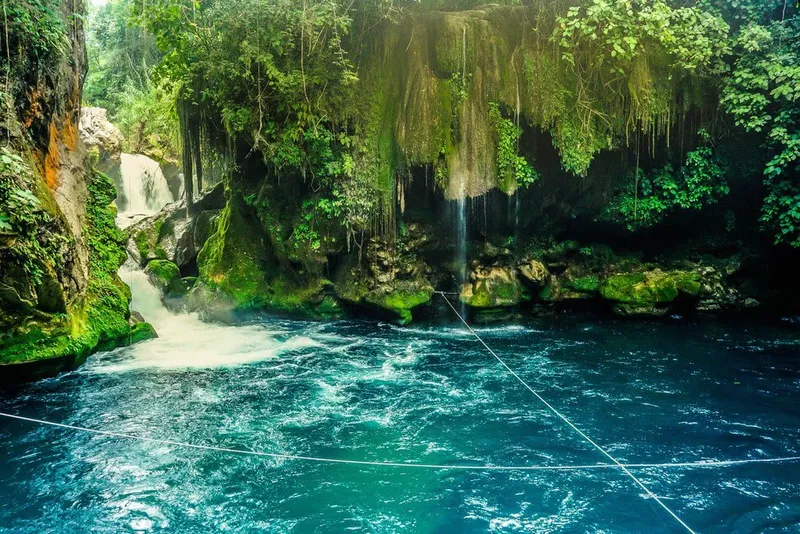
Visit Huasteca Potosina in February if you want a dry-season inland nature trip with clearer water odds, manageable rain risk, and a route that pairs well with Ciudad Valles, Xilitla, or San Luis Potosi city. It is one of the better months for travelers who value clean logistics over peak waterfall volume.
Skip it if you need guaranteed hot swimming weather, all-inclusive ease, nightlife, or the strongest rainy-season waterfall flow. February is practical, but it still asks you to adapt to current river levels and weather.
The smart plan is simple: base in Ciudad Valles, ask local operators what looks best now, pack water shoes and a light layer, add Xilitla only with enough time, and keep one flexible slot. Do that, and February can be one of the smoothest months to experience the Huasteca.