Mexico Winter Escape 2026: Best Destinations Dec-Feb
The best-kept secret about Mexican weather: most of the country is at its peak from November through March. While northern Europe and North America deal with cold and grey, Mexico flips into dry season.
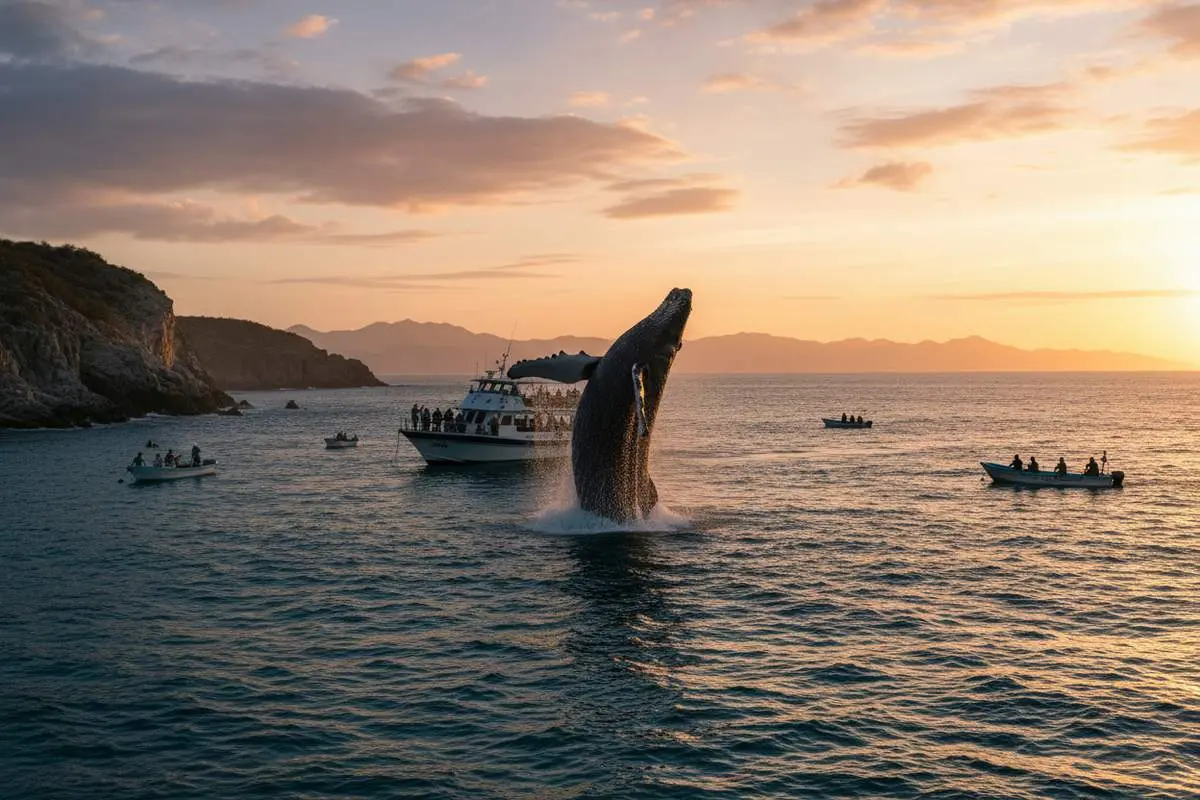
Less rain. Fewer mosquitoes. Clean beaches. Whale watching season peaking. And December brings festivals that make the Christmas celebrations in most countries look understated.
Here’s where to go, what to expect, and how to time it right.
Why Mexico in Winter Works
The dry season math: Mexico’s rain pattern runs June through October across most of the country. By November, rain stops — and it stays dry through March or April depending on the region. This gives you:
- No afternoon downpours interrupting beach days
- Better visibility for diving and snorkeling (rain stirs up silt)
- Functional roads in areas that become muddy in wet season
- Comfortable hiking temperatures (not the 38°C you’d face in July)
The crowd paradox: December 20 - January 5 is peak season and the most crowded period. But January 6 - February 20 is the quietest stretch of the entire year. Hotels drop prices 30-50%, beaches clear out, and restaurant service improves dramatically. January in Mexico is one of the best travel values in the Western Hemisphere.
The wildlife peak: January-March is the prime window for gray whale watching in Baja California — possibly the most remarkable wildlife encounter in North America, and one that’s impossible outside this seasonal window.
Best Destinations for a Mexico Winter Escape
Los Cabos — Best for Whale Watching and Dry Season Luxury
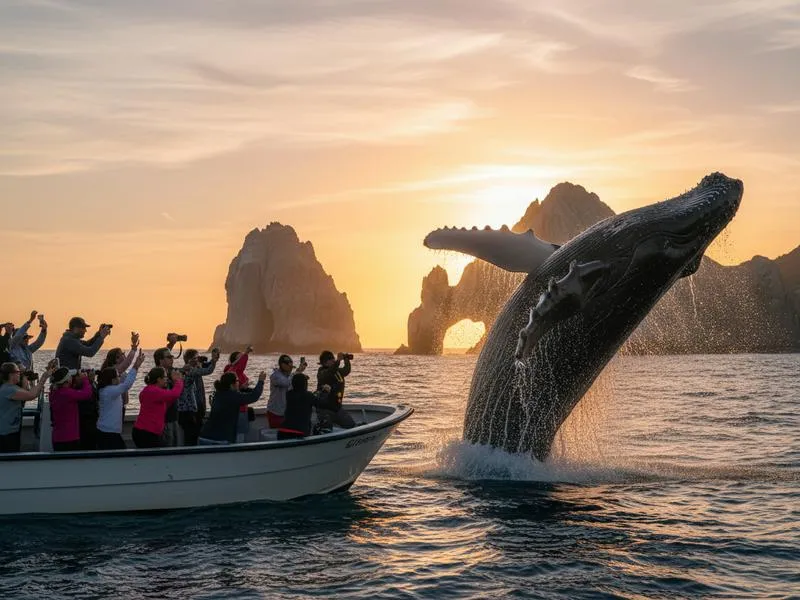
Los Cabos (the towns of Cabo San Lucas and San José del Cabo at the southern tip of Baja California) runs one of the most consistent winter programs of any destination in Mexico.
Why winter: December through April is dry season in Baja Sur with temperatures averaging 24-26°C. The sea is calm enough for boat tours. And this is when the Pacific gray whale migration brings the highest whale density anywhere on earth — the waters off Baja host thousands of gray whales on their way to breeding lagoons.
Whale watching from Los Cabos: December-April you can spot gray whales, humpback whales, and blue whales (January peak for blue whales). Book a dedicated whale watching boat tour from the Cabo marina — 2-3 hour tours run 800-1,400 MXN per person. The best encounters happen at sunrise or in morning calm before afternoon winds pick up.
Beyond the whales: Los Cabos has world-class sport fishing (marlin, dorado, tuna), high-quality restaurants, reliable surf (Zippers, Costa Azul), and resort infrastructure that’s genuinely upscale without being exclusively American. San José del Cabo’s Thursday Art Walk (November-June, 5 PM-9 PM) is one of the best gallery-hopping evenings in Mexico. For month-level planning, use the Los Cabos in December guide before booking the Christmas-to-New Year window.
Budget context: Los Cabos is one of Mexico’s more expensive destinations. A mid-range hotel runs 2,500-4,500 MXN/night. Budget travelers can find options in Cabo San Lucas centro at 1,200-2,000 MXN, but this isn’t the Oaxaca market scene.
Browse Los Cabos whale watching tours →
La Paz — Best for Whale Sharks and Gray Whale Lagoons
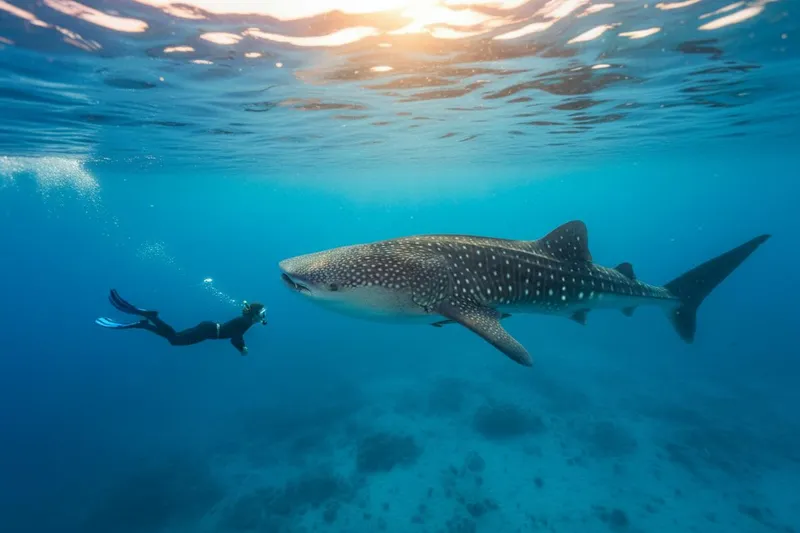
La Paz, the capital of Baja California Sur, doesn’t get the same marketing as Los Cabos but delivers a more diverse winter wildlife program.
The two headline wildlife experiences:
1. Whale shark snorkeling (October-May): The Sea of Cortez around La Paz hosts the world’s largest population of whale sharks outside of seasonal aggregations. Tours leave from the La Paz marina and find the animals within 20-40 minutes. You enter the water and swim alongside 8-12 meter fish. Entry cost 700-1,100 MXN, plus tour 1,200-2,000 MXN. Not to be confused with Cancún’s open-water whale shark season (June-August) — La Paz runs this October through May, including the full winter window.
2. Gray whale lagoon tours (January-March): The breeding lagoons north of La Paz — San Ignacio Lagoon and Magdalena Bay — host the most intimate gray whale encounters in the world. Mother whales bring calves to the surface to interact with tour boats. You can touch them. This sounds impossible but it’s documented and real. Multi-day excursions from La Paz run 8,000-15,000 MXN including transport, accommodation at the lagoon, and guide.
La Paz as a base: The malecón (waterfront promenade) is pleasant, the food is excellent (the best fish tacos in Mexico are reliably in Baja Sur), and the city runs at a genuinely relaxed pace. Weather December-February: 22-26°C days, 14-18°C evenings. If gray whales and whale sharks are the point of the trip, start with the La Paz in January guide and build your route around boat conditions.
Balandra Beach: A 30-minute drive north of La Paz, Balandra is one of Mexico’s most photographed beaches — a shallow, warm, protected bay with clear turquoise water and a limestone mushroom rock formation. Day trip from La Paz center, 250-400 MXN roundtrip colectivo.
Oaxaca — Best for Food and December Festivals
Why winter in Oaxaca: November-April is dry season. The city’s colonial streets are at their most walkable without the afternoon rains that punctuate October. More importantly, December brings two festivals that are impossible to replicate anywhere else in the world.
Noche de Rábanos (December 23): The Night of the Radishes is one of Mexico’s most unique annual events. Artisans carve elaborate scenes from giant radishes — religious nativity scenes, pre-Hispanic myths, historical events — and display them in competition in the Zócalo. The line to view the displays stretches for hours. The scale and craft are genuinely extraordinary. Free to attend.
Posadas de Oaxaca (December 16-24): The Las Posadas celebration in Oaxaca is more intimate and less commercialized than in larger cities. Neighborhood processions carry candles and sing traditional songs re-enacting Mary and Joseph seeking shelter. Piñatas, ponche (hot fruit punch), and buñuelos (fried dough with syrup) appear on every corner.
Weather in Oaxaca in winter: 22-26°C during the day, dropping to 8-12°C at night. Oaxaca city sits at 1,550m — not as high as CDMX but enough for cool evenings. Bring a light jacket for after sunset. The Oaxaca in December guide covers the festival timing, hotel-pressure weeks, and side-trip planning in more detail.
Other winter benefits: Mezcal distillery visits (palenque tours) are comfortable in the cool season. Hierve el Agua mineral springs are accessible without the summer crowds. The weekly market at Tlacolula (Sundays) operates year-round but is most pleasant in dry-season conditions.
Yucatán Peninsula (Cancún, Playa del Carmen, Tulum) — Best Beach Conditions
December through February is objectively the best time for the Riviera Maya. Here’s why:
Sargassum is minimal: The Atlantic seaweed that plagues Caribbean Mexico beaches in summer peaks June-August and gradually clears by November. December-February gives you the cleanest beach conditions of the year.
Weather: 26-29°C, 8-10 hours of sun, minimal rain. The Yucatán peninsula’s dry season is most reliable December-March. Humidity is lower than summer.
Crowds: December 20 - January 5 is peak (expensive, crowded). But January 6 onward, the crowds drop significantly and don’t fully recover until Easter week (Semana Santa). Late January and February are the sweet spot — good weather, no sargassum, 20-30% lower hotel rates. Compare the beach tradeoffs with the Cancún in January guide and Tulum in January guide before choosing a base.
What works in winter:
- Cenote diving (crystal clear water, cooler temps are actually comfortable in cenotes)
- Tulum ruins (pleasant temperatures vs. summer’s 36°C heat)
- Chichén Itzá (a 3 AM winter sunrise visit is doable — no heat exhaustion risk)
- Reef snorkeling off Cozumel (good visibility, calm seas)
The one limitation: water temperatures drop to 24-25°C in February — still comfortable, but noticeable versus summer’s 28-30°C.
Browse Yucatan and Riviera Maya tours →
Puerto Vallarta — Best for Humpback Whales and Pacific Winter
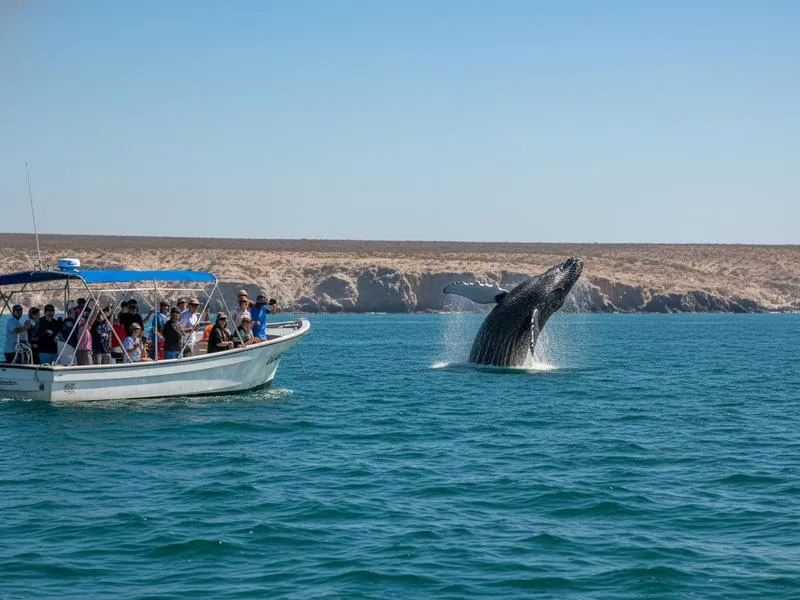
Puerto Vallarta sits on Banderas Bay, the largest bay in Mexico and one of the most productive whale nurseries on the Pacific coast. December through March, humpback whales use the bay’s protected warm waters to breed and raise calves.
Whale watching from PV: Boat tours leave from the Terminal Marítima daily during whale season. You’ll see breaching, tail slapping, and mother-calf pairs at close range — a fundamentally different encounter from Baja’s gray whales (both are worth doing if you have the budget for both). Tours run 1,200-2,000 MXN per person.
The Puerto Vallarta winter vibe: PV has a more established expat and gay travel community than other Mexican beach destinations. The Zona Romántica (old town) is genuinely charming — cobblestone streets, art galleries, excellent restaurants. December brings Mexican Christmas (Navidad) energy to the malecón and town square, while Puerto Vallarta in January is better for post-holiday value and whale tours.
Weather December-March: 26-29°C days, 18-20°C evenings. No rain. Banderas Bay is calm for boat tours until the afternoon winds pick up. Book morning whale tours.
Day trips from PV: The Marietas Islands (blue-footed booby colony and a famous hidden beach accessible only by swimming through a tunnel) are accessible by permit-only tour year-round. The Sierra Madre behind PV offers hiking and canopy tours that are much more pleasant in the cool dry season.
San Miguel de Allende — Best for Colonial Christmas
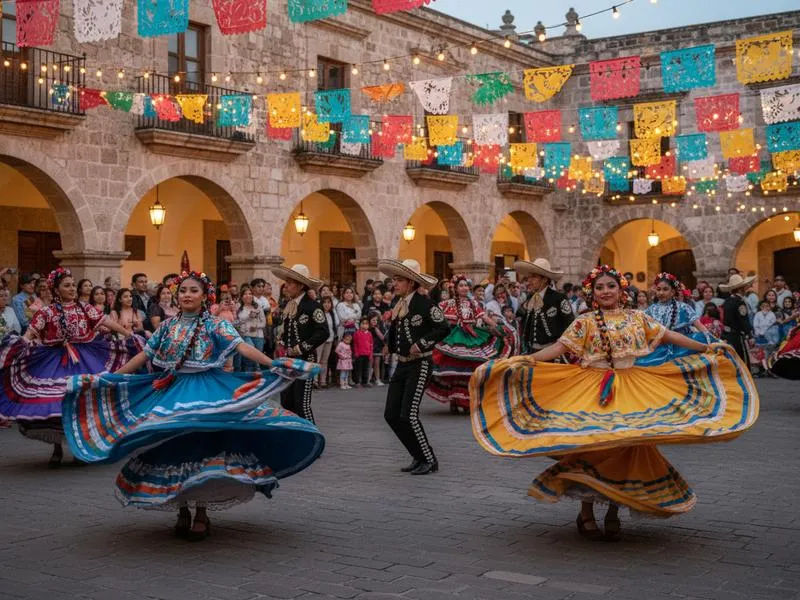
San Miguel de Allende is a UNESCO Heritage colonial highland city that does not do anything in small measure — and at Christmas, it applies the same extravagance to its posadas and nativity traditions.
Las Posadas in San Miguel (December 16-24): Unlike Cancún’s sanitized tourist version, San Miguel’s posadas are neighborhood-led community events. Organized around the historic center, children carry candlelit figures of Mary and Joseph through the streets seeking “shelter,” met at each stop with singing, hot ponche, and eventually piñatas. The tradition is pre-colonial in its roots (adopted and adapted from indigenous celebrations by Franciscan monks) and feels genuinely alive in San Miguel in a way that larger cities have largely lost.
Winter weather: San Miguel sits at 1,900m altitude — cool by day (18-22°C), cold by night (5-8°C). This is not beach weather. Pack real winter layers for evenings. The upside is that the cool air makes the city’s famous bougainvillea and flowering trees (which bloom in the dry warm days) particularly vivid. Use the San Miguel de Allende in December guide if your dates overlap Las Posadas or Christmas week.
The food and art scene: San Miguel has an outsized concentration of art galleries and good restaurants relative to its size. The Mercado de Artesanías and weekend farmers market are worth two hours of browsing. La Parroquia restaurant for Oaxacan food; The Restaurant for the best tasting menu in the city.
Getting there: 3-hour bus from CDMX (ETN Turistar, 500-700 MXN). Fly into Bajío Airport (Guanajuato) — 45 minutes by taxi (600-800 MXN).
Mexico City — For Christmas Markets and Cultural Depth
CDMX in winter offers a surprising combination: the altitude keeps temperatures comfortable (14-20°C), the city’s art and museum scene operates at full capacity, and December brings Christmas market culture that’s both Mexican and metropolitan.
December in CDMX:
- Mercados navideños: Christmas markets pop up across Condesa, Roma Norte, and Polanco through December. The Zócalo gets its annual ice rink (yes, in Mexico City — free entry, skate rental 100 MXN).
- Pastorelas: Traditional nativity plays that blend indigenous and Spanish theatrical traditions, performed in churches and theatres through December.
- New Year’s Eve: The Zócalo hosts one of the largest New Year’s celebrations in Latin America. Entry is free; the crowd is enormous.
January in CDMX: The city is substantially emptier after Christmas. Museum lines disappear. Restaurant reservations open up. The Anthropology Museum and Templo Mayor are at their most accessible. For the holiday-market and museum version of the trip, pair this section with the Mexico City in December guide.
Weather: 14-20°C days, 5-8°C nights. Bring layers. The altitude (2,240m) amplifies the temperature perception — evenings feel genuinely cold. No rain, excellent air quality relative to summer.
Month-by-Month Winter Breakdown
December: Festivals and Peak Beach Start
Best for: Las Posadas (Dec 16-24), Noche de Rábanos Oaxaca (Dec 23), Christmas celebrations in colonial cities, whale watching season beginning in Los Cabos.
Avoid if: You hate crowds — December 20-January 5 is peak season across all beach destinations with prices to match.
Best value windows: December 1-18 (before the peak surge) and December 26-31 (many families have departed).
Key festivals: Las Posadas (nationwide, Dec 16-24), Noche de Rábanos (Oaxaca, Dec 23), Christmas Eve midnight mass at colonial churches (magnificent).
January: Best Value Month, Wildlife Peak
January 6 (Three Kings Day / Día de Reyes) marks the end of the Christmas season. From January 7 onward, Mexico enters its quietest month. What that means practically:
- Hotel rates 25-40% lower than December
- Beaches significantly less crowded
- Restaurant service better (no holiday rush)
- Gray whale breeding lagoons in Baja at peak activity (most calves born January-February)
Best for: Budget travelers who want prime beach conditions without peak prices. Wildlife enthusiasts targeting Baja gray whales or La Paz whale sharks.
Weather: Slightly cooler than December at beach destinations (24-27°C) but still excellent. Some early morning fog on the Pacific coast (common in Cabo, rare by 9 AM).
February: Carnival Season and Late Dry Season
February stays dry across most of Mexico and adds Carnival (Carnaval) to the mix — the final blowout before Lent.
Carnival in Mazatlán: The third-largest Carnival in Latin America after Rio and Barranquilla. Parades, música norteña bands, and the theatrical Batalla Naval (mock sea battle) have been running since 1898. The city’s historic center (Olas Altas, the malecón) provides better staging than purpose-built Carnival venues elsewhere.
Carnival in Veracruz: Mexico’s oldest Carnival (the port city has been celebrating since the Spanish colonial period). More traditional, more food-focused, and less internationally known than Mazatlán. Danzón music, regional Veracruz cuisine, and a genuine local atmosphere.
Valentine’s week: Both Los Cabos and Puerto Vallarta gear up for Valentine’s Day tourism — whale watching and beach resort packages are heavily marketed and genuinely good value if booked ahead.
Winter Weather Table by Destination
| Destination | Dec Temp (°C) | Jan Temp (°C) | Feb Temp (°C) | Rain Risk | Sea Temp |
|---|---|---|---|---|---|
| Los Cabos | 24-27 | 22-25 | 23-26 | Very Low | 22-24°C |
| La Paz | 23-26 | 21-24 | 22-25 | Very Low | 22-24°C |
| Puerto Vallarta | 27-30 | 25-28 | 26-29 | Very Low | 24-26°C |
| Mazatlán | 24-27 | 22-25 | 23-26 | Very Low | 22-24°C |
| Cancún | 26-28 | 24-27 | 25-28 | Low | 25-27°C |
| Playa del Carmen | 26-28 | 24-27 | 25-28 | Low | 25-27°C |
| Tulum | 26-29 | 24-27 | 25-28 | Low | 25-27°C |
| Bacalar | 26-29 | 24-27 | 25-28 | Low | 27°C (lagoon) |
| Mérida | 26-29 | 24-27 | 25-28 | Low | — |
| Oaxaca City | 22-26 | 20-24 | 21-25 | Very Low | — |
| San Miguel de Allende | 18-22 | 16-20 | 17-21 | Very Low | — |
| Mexico City | 15-20 | 13-18 | 14-19 | Very Low | — |
Sea temperatures for inland/highland destinations listed as — (not applicable).
What to Pack for Winter Mexico
For beach destinations (Los Cabos, PV, Cancún, Tulum):
- Light summer clothes — shorts, t-shirts, swimwear
- One light sweater or jacket for evening air conditioning (restaurants and malls run cold)
- Reef-safe sunscreen (required at cenotes and marine parks — standard chemical sunscreens are banned)
- Sun hat — winter sun is gentler but UV remains high
- Light rain jacket (optional — January-February rain is rare but possible)
For highland cities (CDMX, Oaxaca, San Miguel):
- Light layers that can stack: t-shirt + flannel + mid-layer + light down jacket
- Long trousers for evenings
- Walking shoes (cobblestone streets in Oaxaca and San Miguel are rough on thin-soled shoes)
- Not: heavy winter coats, snow boots, or extensive cold-weather gear unless visiting the Popocatépetl or Pico de Orizaba crater areas
For Baja whale watching:
- Windproof jacket for boat excursions — the Pacific wind makes it feel cold at sea even when onshore it’s pleasant
- Motion sickness medication if susceptible (Pacific swells on ocean crossings to Baja lagoons)
- Waterproof bag for camera equipment
Travel Insurance for a Mexico Winter Trip
Medical facilities in Mexico vary dramatically by destination. Los Cabos, Cancún, and CDMX have good private hospitals. Remote Baja lagoon areas have very limited medical access — evacuation is the backup plan.
Travel insurance should include emergency medical treatment and evacuation coverage, especially if you are adding remote Baja lagoons, boat excursions, cenotes, or long road transfers. For whale watching excursions (boat accidents, cold water immersion) and cenote activities, having medical evacuation coverage is basic responsible planning.
Planning Your Mexico Winter Trip
Whether you’re chasing gray whales in Baja, celebrating Las Posadas in Oaxaca, or finally getting those clean Caribbean beaches you’ve been promised — winter is when Mexico delivers.
More seasonal and destination planning:
- Mexico in December: Complete Guide →
- Mexico in January: What to Expect →
- Mexico in February: Carnival and Late Dry Season →
- Mexico Whale Watching: Complete Guide →
- Best Time to Visit Mexico (Month by Month) →
Browse winter tours and experiences in Mexico →