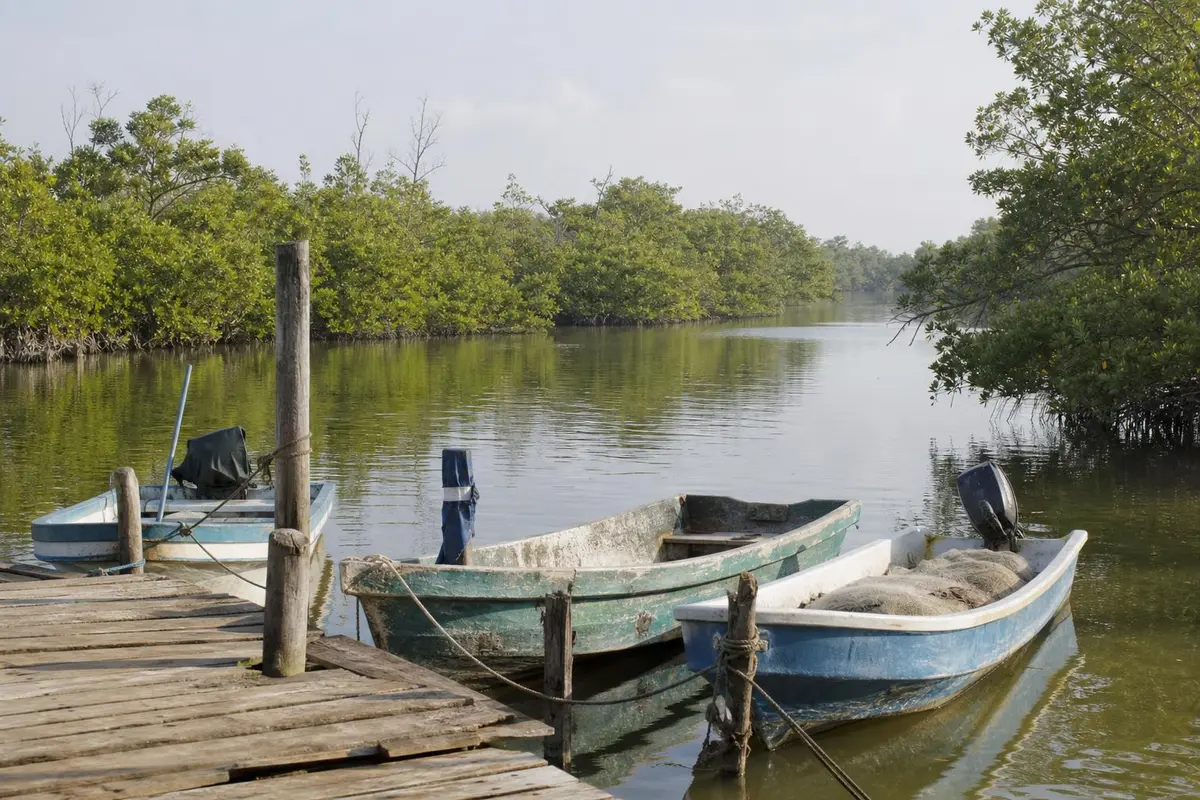
Paraíso in January: Weather & Travel Tips
Is Paraíso Good in January?
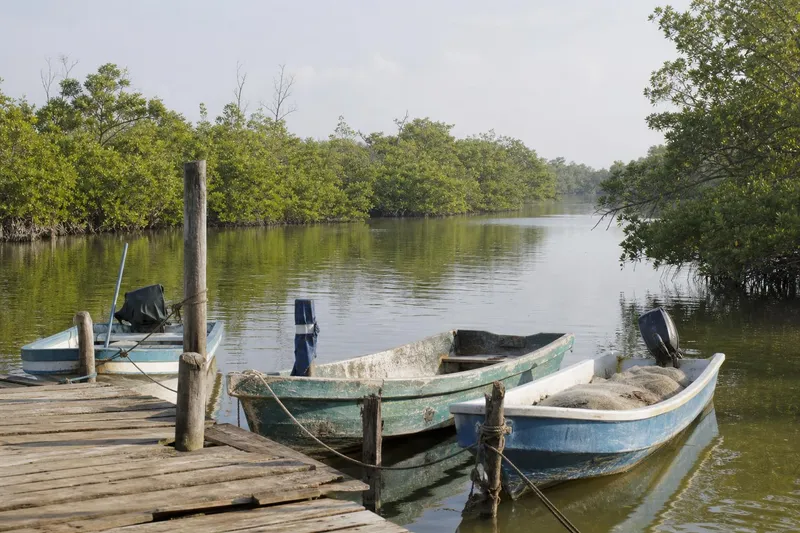
Paraíso in January is a strong fit for travelers who want a warm Tabasco coast stop built around seafood, Mecoacán Lagoon, Puerto Ceiba, and Comalcalco. It is not a glossy resort town, and the beaches do not look like the Caribbean. The value is a practical Gulf Coast base with oysters, lagoon scenery, and easy access to one of Tabasco’s most important archaeological sites.
January helps because the region is usually in a drier, more workable travel pattern. The heat and humidity remain part of the deal, but mornings are better for boat rides, road transfers, and ruins visits than they are during the stormier months.
Start with the full Paraíso, Tabasco travel guide if you need the broader town breakdown. Use this January guide when comparing Paraíso with Villahermosa in January, Veracruz in January, Tampico in January, Campeche in January, or the national Mexico in January guide.
Paraíso in January in 30 Seconds
| Question | Short answer |
|---|---|
| Is January worth it? | Yes, for seafood, Mecoacán Lagoon, Comalcalco, and warm Gulf Coast routing. |
| Best part of the month | Mid to late January, after New Year and Día de Reyes travel settles down. |
| Biggest upside | Drier weather, oysters, Puerto Ceiba, lagoon scenery, and Comalcalco access. |
| Biggest downside | Humidity, mosquitoes, industrial context, and beaches that need realistic expectations. |
| Best 2026 window | January 9-25 for easier hotels, roads, and morning outdoor plans. |
| Best trip length | 1 night for a route stop; 2 nights if you want lagoon, seafood, beach, and ruins. |
| Poor fit | Travelers who want turquoise water, cool weather, or a boutique beach-resort mood. |
Paraíso is strongest when you treat it as a local Tabasco coast stop. The payoff is food, lagoon scenery, and route logic, not a long resort-style beach vacation. To compare it with more polished warm-weather bases, see our Mexico winter escape guide.
Weather in Paraíso in January
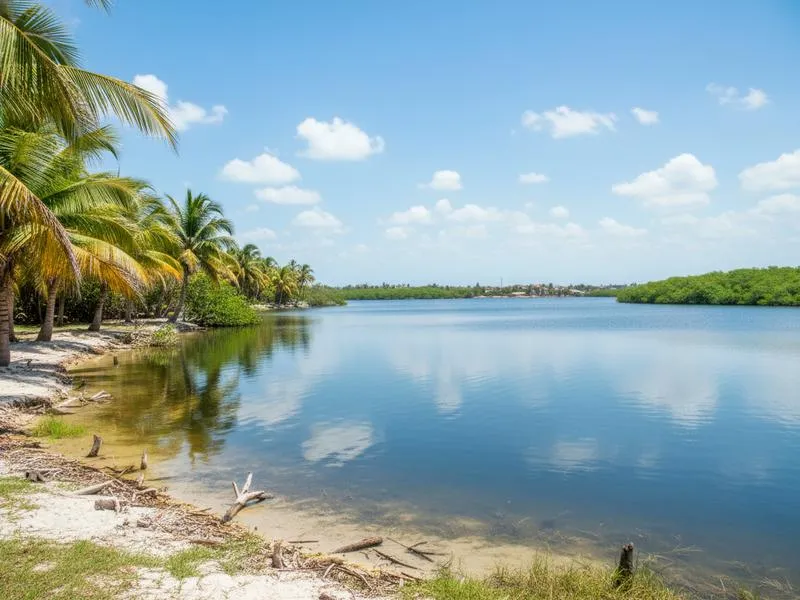
Paraíso in January is warm, humid, and usually easier to plan than the rainy-season months. Showers can still happen, and Gulf northers can make beach or boat conditions shift for a day, but January normally gives travelers better odds for morning lagoon rides, Comalcalco visits, and road transfers.
The best rhythm is simple: move early, eat seafood at midday, and rest when the heat gets heavy. Strong A/C is not a luxury here. It is part of the travel plan, especially if Paraíso is a stop between longer road legs.
| January factor | What it means in Paraíso | Best move |
|---|---|---|
| Morning | Best window for lagoon rides, ruins, and short beach stops | Puerto Ceiba, Comalcalco, Playa Sol, Playa Varadero |
| Midday | Heat and humidity still build quickly | Seafood lunch, hotel break, short transfers |
| Rain risk | Lower than peak rainy season, but not zero | Keep outdoor plans early and flexible |
| Holiday timing | New Year and Día de Reyes can affect roads and hotels | Avoid January 1-6 if you want simpler logistics |
| Packing | Hot outdoors, cold indoor A/C | Light clothes, sandals, sunscreen, repellent, one light layer |
If you want a stronger airport and museum base, compare Villahermosa in January. If you want a classic Gulf port city with more nightlife and historic-center energy, compare Veracruz in January.
Best Things to Do in Paraíso in January
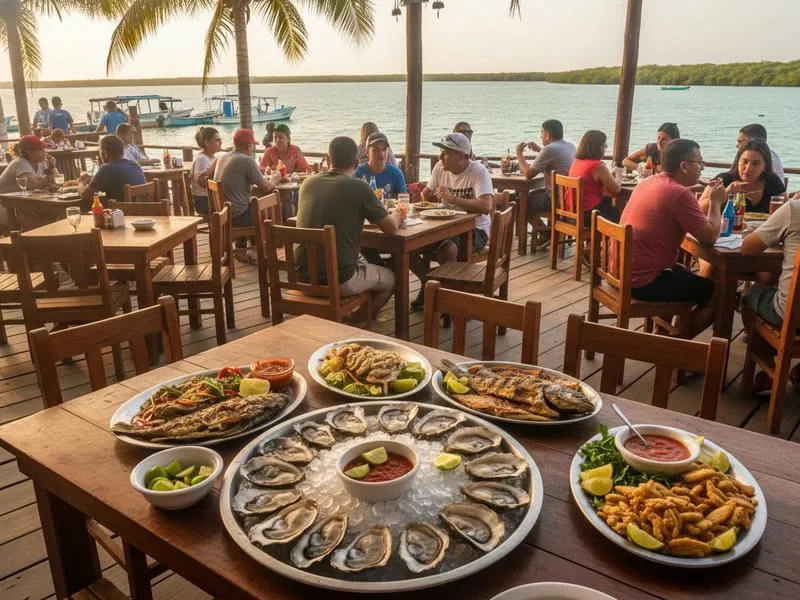
January works well for the version of Paraíso that makes sense: lagoon early, seafood at midday, ruins before the heat peaks, and short coastal stops when conditions look calm.
Take a Puerto Ceiba or Mecoacán Lagoon boat ride
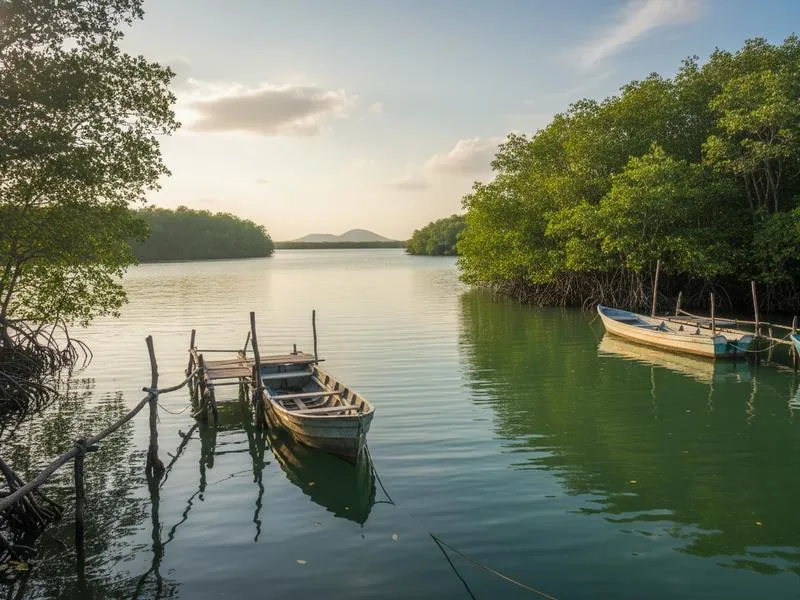
Mecoacán Lagoon is the clearest reason to stop in Paraíso. Go early, when the light is softer and the heat is still reasonable. In January, the lagoon can feel more manageable than it does during the wettest stretch of the year, but local wind and water conditions still matter.
Puerto Ceiba is the simplest starting point for lagoon scenery, fishing boats, and restaurants. Ask locally about boat conditions, keep the ride short, and leave room for a seafood lunch afterward.
Eat oysters and seafood at El Bellote
El Bellote is the food anchor. This is where Paraíso makes the most sense: oysters, fried fish, crab, coconut, lagoon views, and a local Tabasco coast rhythm that feels different from the resort corridors.
Plan the meal as the center of the day. January makes it easier to build the morning around Puerto Ceiba, Comalcalco, or a managed beach stop, then let lunch become the main event.
Use Playa Sol or Playa Varadero with realistic expectations
The beaches around Paraíso are useful for a warm Gulf Coast break, but they are not clear Caribbean beaches. Water can look brown because of sediment, surf changes after weather, and shade matters. Choose managed areas with restaurants, bathrooms, parking, and local safety cues.
If your idea of a Mexico beach trip requires bright turquoise water, go to Cancún in January, Tulum in January, or Bacalar in January instead.
Add Comalcalco early
Comalcalco is close enough to make Paraíso useful as an overnight base. Visit the archaeological zone early, before the humidity builds, then return toward the coast for seafood or continue toward Villahermosa and cacao country.
Comalcalco also gives the trip cultural weight. If you are already in Tabasco, it deserves space in the route.
Where to Stay in Paraíso in January
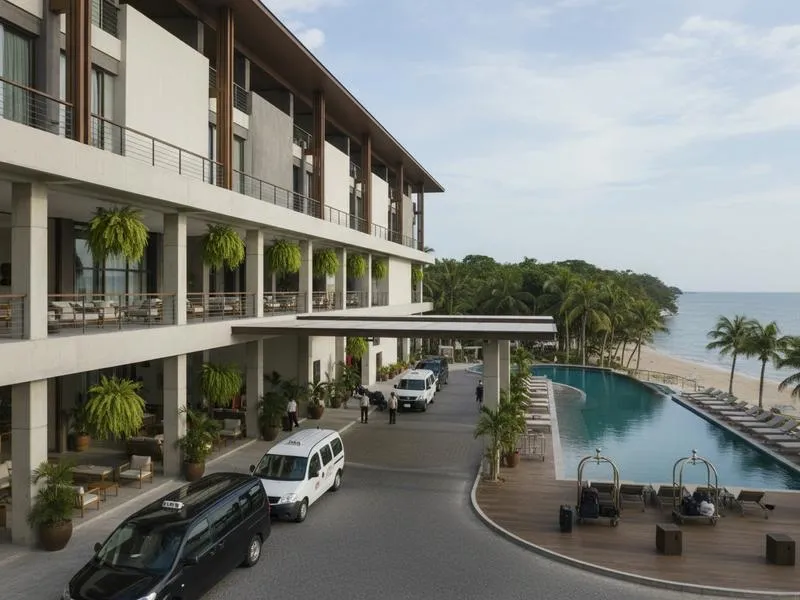
In January, choose function first. Look for strong A/C, secure parking, recent comfort reviews, and easy road access. Paraíso has practical hotels shaped partly by the Dos Bocas and industrial corridor context, so the best stay is usually about sleep, logistics, and proximity rather than boutique design.
One night is enough if your plan is Comalcalco, Puerto Ceiba, seafood, and one managed beach stop. Two nights make sense if you want a slower lagoon day, cacao-route side trips, or a weather buffer.
Stay in Villahermosa if you want more restaurants, airport access, La Venta Museum Park, and a better city base. Stay in Paraíso if the coast, oysters, lagoon, and early Comalcalco access are the reason for the trip.
Paraíso Itinerary Ideas for January
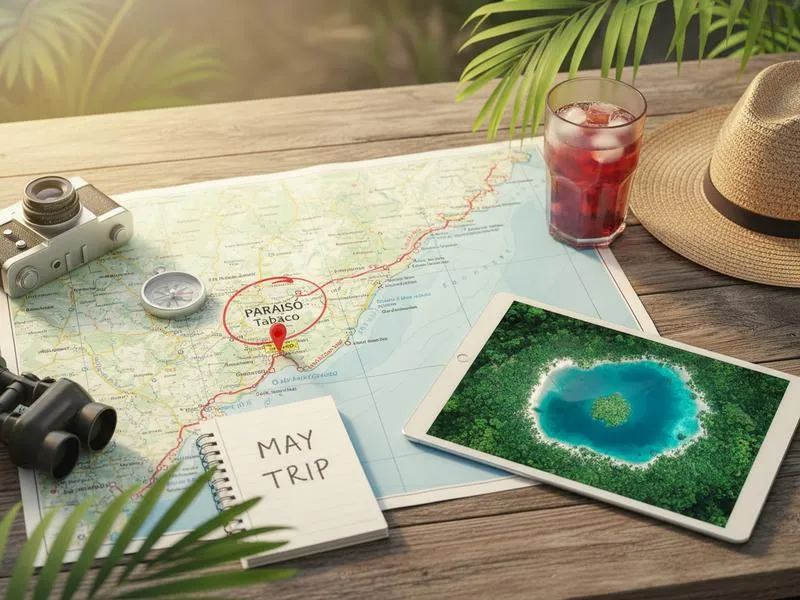
One night in Paraíso
Arrive from Villahermosa, Campeche, Veracruz, or Chiapas, check into a practical A/C hotel, and keep the first evening simple. The next morning, visit Comalcalco or Puerto Ceiba early, eat seafood, then continue before the hottest part of the afternoon.
This is the cleanest Paraíso plan for most travelers. You get the coastal flavor without pretending the town needs three full vacation days.
Two nights in Paraíso
Use day one for arrival, seafood, and a low-pressure evening. Use day two for Comalcalco early, a midday hotel break, and Puerto Ceiba or a managed beach area later if conditions look calm. Add cacao-country stops only if you have your own car or enough route flexibility.
Two nights are better if you are linking Villahermosa, Comalcalco, Paraíso, Campeche, and the Veracruz coast. They are less necessary if Paraíso is only a quick side trip.
Paraíso vs Villahermosa in January
Choose Paraíso if you want coast, seafood, lagoon scenery, and a practical base near Comalcalco. Choose Villahermosa in January if you want La Venta Museum Park, airport logistics, restaurants, cacao routes, and a broader Tabasco city base.
Final Verdict
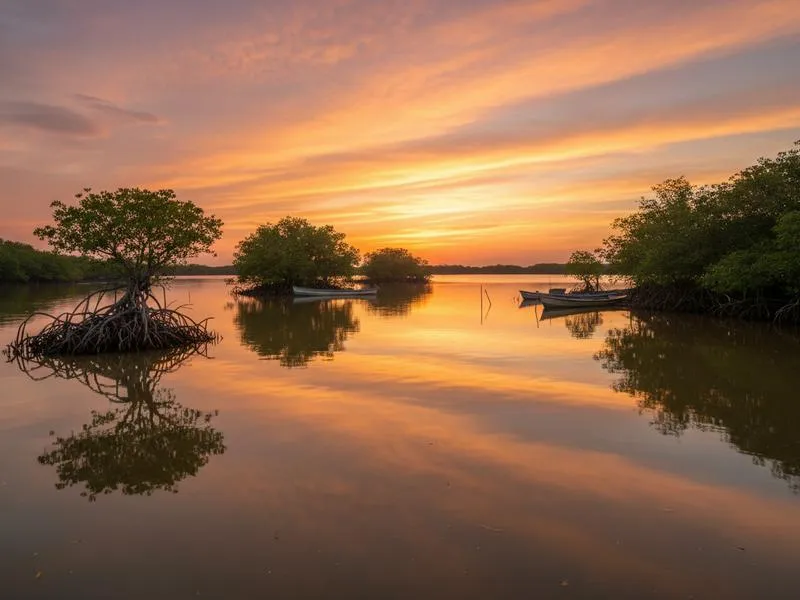
Paraíso in January is a good fit for travelers who want warm Tabasco coast weather, oysters, lagoon scenery, and practical access to Comalcalco. It works especially well as a Gulf Coast or Tabasco route stop before or after Villahermosa.
The tradeoff is still real: humidity, mosquitoes, industrial surroundings, and beaches that need realistic expectations. If you plan early starts, book strong A/C, and treat Paraíso as a seafood-and-lagoon base rather than a resort escape, January is one of the better months to make it work.
Related Guides
- Mexico in January - national weather, holidays, and destination comparisons
- Paraíso, Tabasco travel guide - broader town, coast, food, and route planning
- Villahermosa in January - Tabasco city base with museums, food, and airport logistics
- Campeche in January - walled Gulf/Yucatán city with seafood and Edzná access
- Veracruz in January - classic Gulf Coast city energy, seafood, and port culture