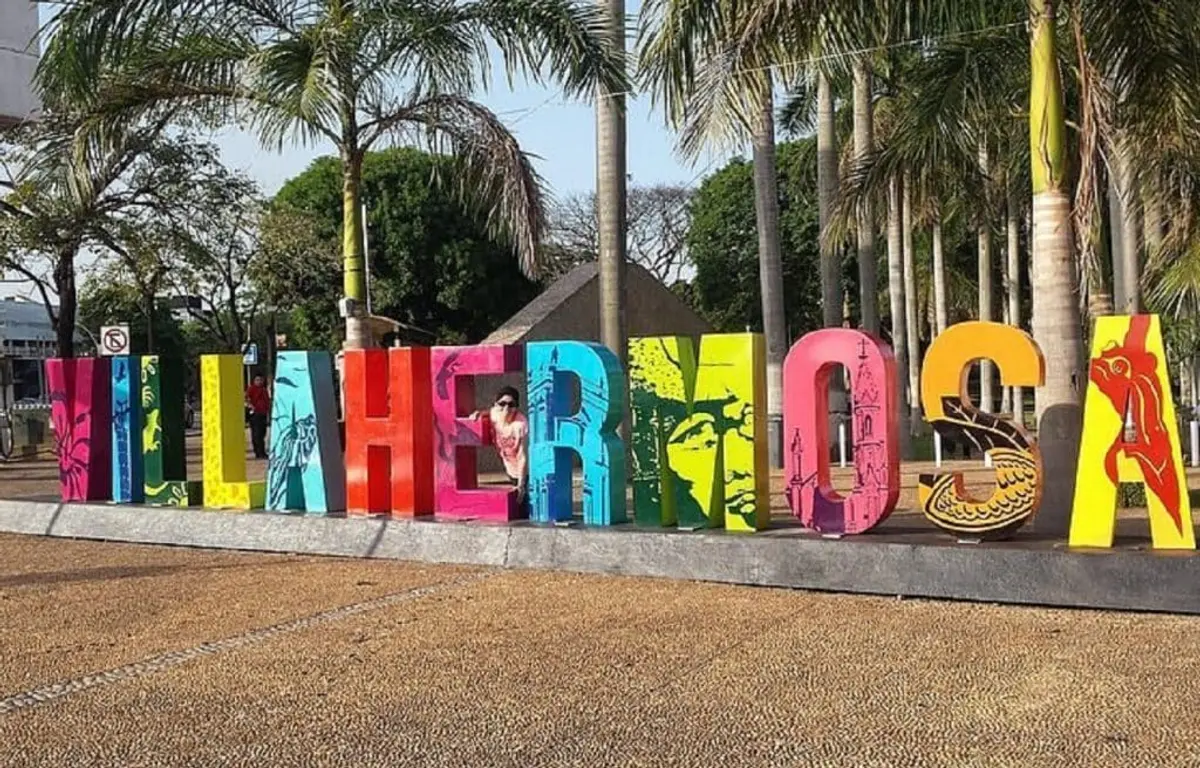
Villahermosa Tabasco Guide 2026: La Venta & Cacao
Villahermosa, Tabasco is worth a stop in 2026 if you want giant Olmec heads at La Venta, cacao culture, Zona Luz, Comalcalco, and an easy gateway to Palenque. This 1 to 2 day guide helps you choose the best things to do first, where the city earns your time, what it costs, and how to avoid wasting a humid afternoon on the wrong route.
Short answer: yes, Villahermosa is worth visiting if you want giant Olmec heads at Parque-Museo La Venta, a walkable historic-center stretch around Zona Luz and the cathedral, a fast day trip to Comalcalco, and a real taste of Tabasco through pozol, cacao, and pejelagarto. Most travelers only pass through on the way to Palenque, but Villahermosa works best as a 1 to 2 day base for archaeology, food, and tropical-city culture.
If you are searching for the best things to do in Villahermosa, Tabasco, Mexico, start with this order: La Venta first, Zona Luz and the riverfront if you only have one day, Yumká if you want wildlife, and Comalcalco if you have a second day. That is the fastest way to decide whether Villahermosa deserves a stop on your route, and for many travelers the answer is yes.
| Villahermosa in 30 seconds | Best quick answer |
|---|---|
| Worth visiting? | Yes, if you care more about Olmec history, cacao culture, and easy Tabasco day trips than beaches or nightlife. |
| Best first stop | La Venta, then the park-and-riverfront area around Tomás Garrido Canabal Park. |
| Best one-day plan | La Venta, Zona Luz, the cathedral, pozol, and dinner with pejelagarto. |
| Best second day | Comalcalco plus the Ruta del Cacao. |
| Best area to stay | Tabasco 2000 or near Laguna de las Ilusiones if you want the easiest base. |
Villahermosa is two cities in one. On the surface it reads as a hot Gulf capital with modern avenues, business districts, and oil-industry traffic. Dig deeper and you find one of the richest archaeological and cacao landscapes in the Americas, where giant Olmec stone heads sit in jungle clearings, where jaguars pace through ecological reserves near the airport, and where drinking cold pozol still feels tied to a 3,000-year-old food tradition. You can also pair it with nearby stops like Paraíso, the Ruta del Cacao, or Los Tuxtlas if you’re building a longer Gulf itinerary.
Tabasco produces more cacao than any other Mexican state, and the Olmec civilization rooted here was among the first in the Americas to cultivate and process cacao. In Villahermosa, that history is not abstract, you feel it in the museums, the markets, and in a cold cup of pozol on a humid afternoon.
Best things to do in Villahermosa at a glance
- Go first to La Venta if this is your first trip. It is the city’s standout attraction and the clearest reason to stop in Villahermosa.
- Pick Yumká if you’re traveling with kids or want wildlife and green space after museums.
- Add Comalcalco if you have a second full day and want Maya ruins without pushing all the way to Palenque.
- Make time for pozol and pejelagarto if you want the city to feel distinctly Tabasco, not just like a transport hub.
| Detail | Info |
|---|---|
| Location | Capital of Tabasco state, southeastern Mexico |
| From Mexico City | ~10.5 hrs by ADO bus, 1.5 hrs by plane |
| From Palenque | ~2 hours by road (148 km) |
| Best time to visit | November–April (dry, 25-30°C) |
| Avoid | July–September (peak rains, 35°C+) |
| Daily budget (budget) | $30-45 USD (450-670 MXN) |
| Daily budget (mid-range) | $60-100 USD (900-1,500 MXN) |
| Currency | Mexican peso (MXN). ATMs widely available. |
| Language | Spanish. Very little English spoken. |
| Airport | Carlos Rovirosa Pérez International Airport (VSA) |
Best Villahermosa stop by trip style
| If you want… | Do this first | Why it works |
|---|---|---|
| One great half day | La Venta + the pozol stop | You get the city’s clearest signature sight plus its most local drink without overcommitting. |
| A family-friendly day | Yumká + Tomás Garrido Canabal Park | It balances wildlife, open space, and an easy city afternoon. |
| The best second day | Comalcalco + the Ruta del Cacao | You turn Villahermosa into a proper Tabasco archaeology-and-cacao base, not just a sleepover city. |
| A low-effort transit stop | La Venta + the riverfront + dinner with pejelagarto | This is the smartest short version if you are between Palenque and the Gulf/Yucatán side. |
Where is Villahermosa, Tabasco?
Villahermosa is the capital of Tabasco state, located in southeastern Mexico near the Gulf of Mexico. It sits on the banks of the Grijalva River, one of Mexico’s major waterways. The city is 150km west of the Yucatán Peninsula border, 700km southeast of Mexico City, and 150km north of Palenque, Chiapas.
Its strategic position makes it the natural hub for exploring southeastern Mexico: Palenque’s Maya ruins are 2 hours south, the Comalcalco archaeological zone is 56km northwest, and the Gulf Coast beaches of Paraíso are 71km north. Los Tuxtlas in Veracruz is reachable in about 3 hours east.
15 Things to Do in Villahermosa, Tabasco
1. Visit La Venta Park Museum
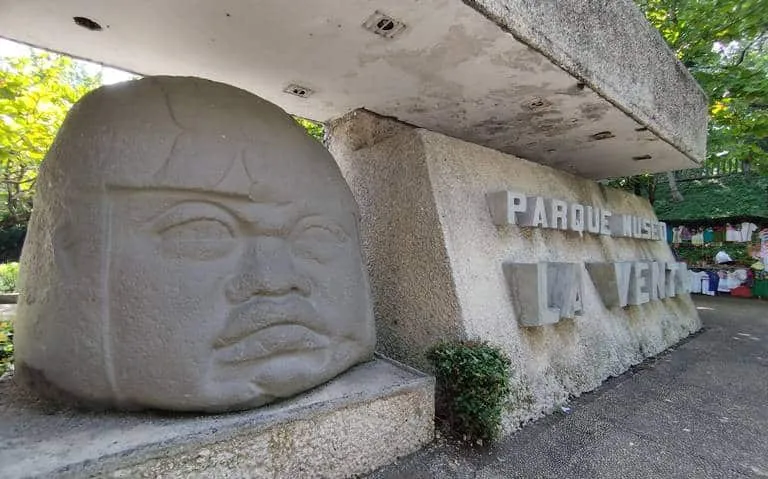
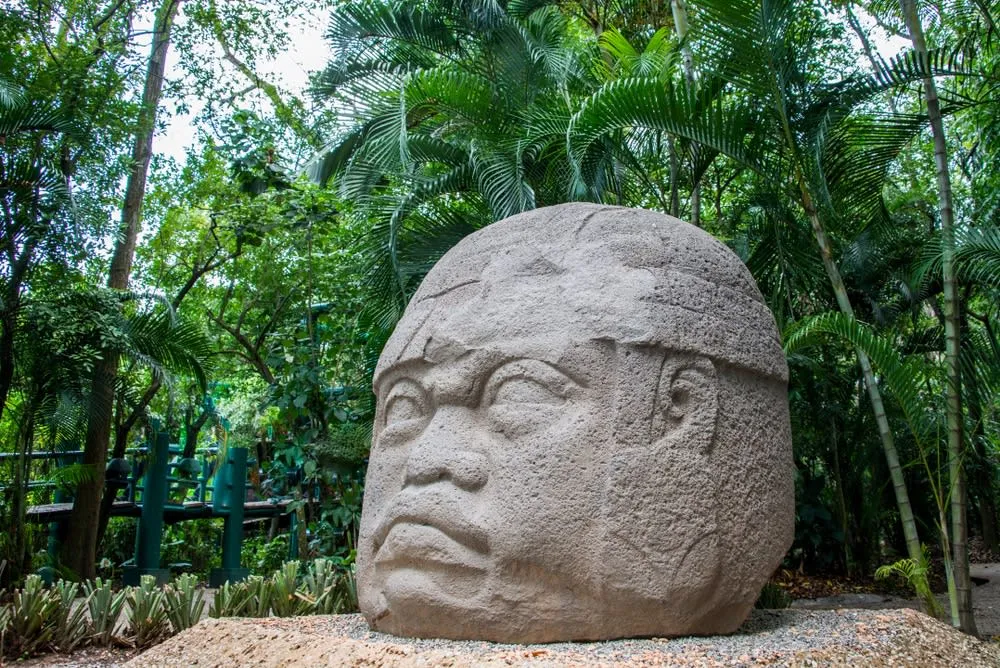
Among all things to do in Villahermosa, this open-air museum is the reason to come. Parque-Museo La Venta houses one of the world’s great collections of Olmec civilization artifacts — colossal stone heads, altars, stelae, and sculptures rescued from La Venta, the ancient Olmec ceremonial center 120km away that was being destroyed by oil drilling in the 1950s.
The centerpiece is four colossal heads — basalt portraits of Olmec rulers, weighing between 6 and 50 tons, carved from single boulders and transported without wheels from quarries 90km away. Standing in front of one, the scale and the evident humanity of the face is genuinely arresting.
The 6.8-hectare park sets more than 60 major sculptures in a jungle garden alongside 400 animals and plant species of Tabasco’s biodiversity. It combines archaeological wonder with a wildlife walk. There is also a light-and-sound show at night that recounts the Olmec story through projections on the stones themselves.
Don’t miss: The Altar of the Mother, the Baby Jaguar sculpture, and the Monkey Looking at the Sky. Hours: 9 AM–5 PM. Entrance: ~90 MXN adults.
2. Visit the Yumká Ecological Reserve
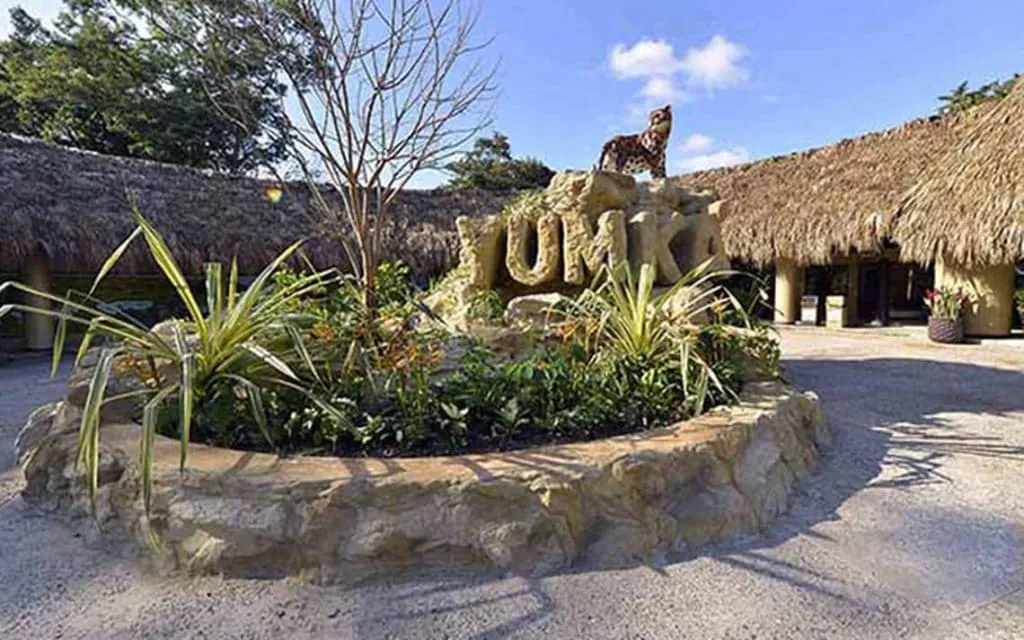
Yumká — “elf who takes care of the forest and animals” in Mayan — is a 102-hectare ecological reserve 17km from the city center, near the airport. It houses nearly 1,000 specimens of 80+ species of fauna across distinct zones: the Jungle (local species including spider monkeys, howler monkeys, jaguars, pumas), the Savannah (elephants, giraffes, zebras, white rhinos imported for conservation programs), and the Wetland (manatees, caimans, waterbirds).
The contrast between Olmec civilization at La Venta and living jaguars and manatees at Yumká is quintessential Villahermosa — ancient and wild, archaeological and ecological, all within a morning and afternoon.
Hours: 9 AM–4:30 PM. Distance: 17km from city center, accessible by taxi or tour.
3. Drink Pozol — La Cuna del Pozol
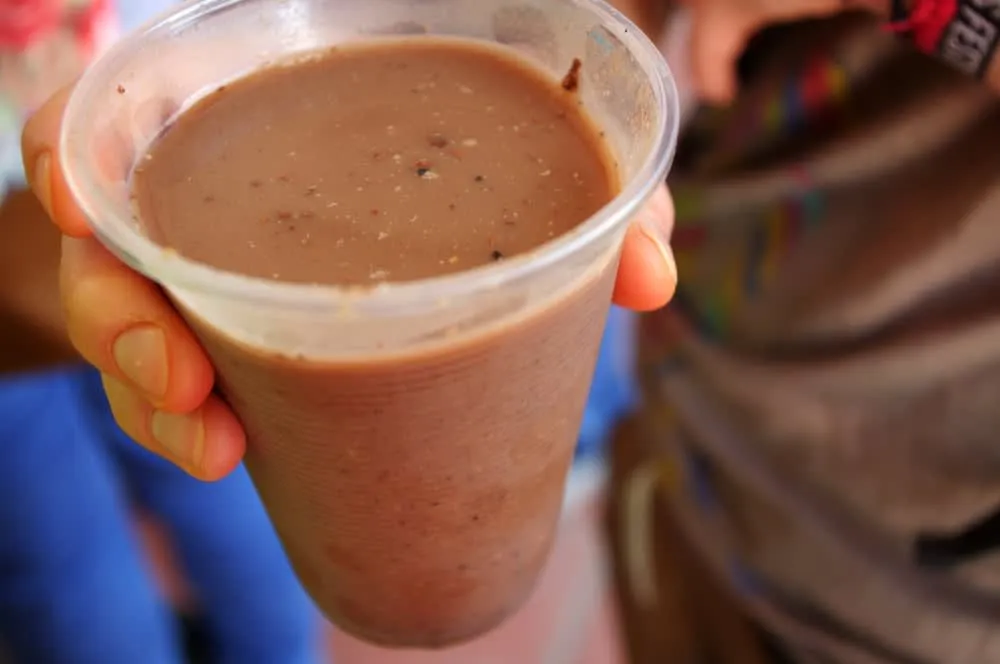
Villahermosa is called “La Cuna del Pozol” — the Cradle of Pozol. This pre-Hispanic drink made from fermented corn masa and cacao was the energy staple of Maya long-distance traders and laborers. The Mayas called it “pochotl.” Today it’s sold cold from clay pots in Villahermosa’s markets and street stalls, thick, slightly sour, and deeply satisfying in the tropical heat.
This is Tabasco’s cuisine in one cup: the union of corn (the foundation of Mexican food culture) and cacao (Tabasco’s defining crop), unchanged in form for three millennia. Drink a glass at any market — it costs about 15-25 MXN ($0.80-1.30 USD).
Tabasco food to try beyond pozol:
- Pejelagarto — Gar fish, native to Tabasco’s rivers and lagoons, grilled on wood fire and seasoned with chile amashito and lime. The city’s iconic protein. Any restaurant on the Grijalva River malecón serves it.
- Chipilín tamales — See our guide to Mexican tamale varieties — the chipilín version is specific to this region and Chiapas.
- Chirmol — Tabasco’s regional mole: chile mulato, corn tortilla, and pumpkin seeds create a sauce served over grilled meats and fish.
- Calabacitas con puerco — Tender squash and pork stew. The definitive home-cooked Tabasco lunch.
4. Tour the Carlos Pellicer Cámara Museum of Anthropology
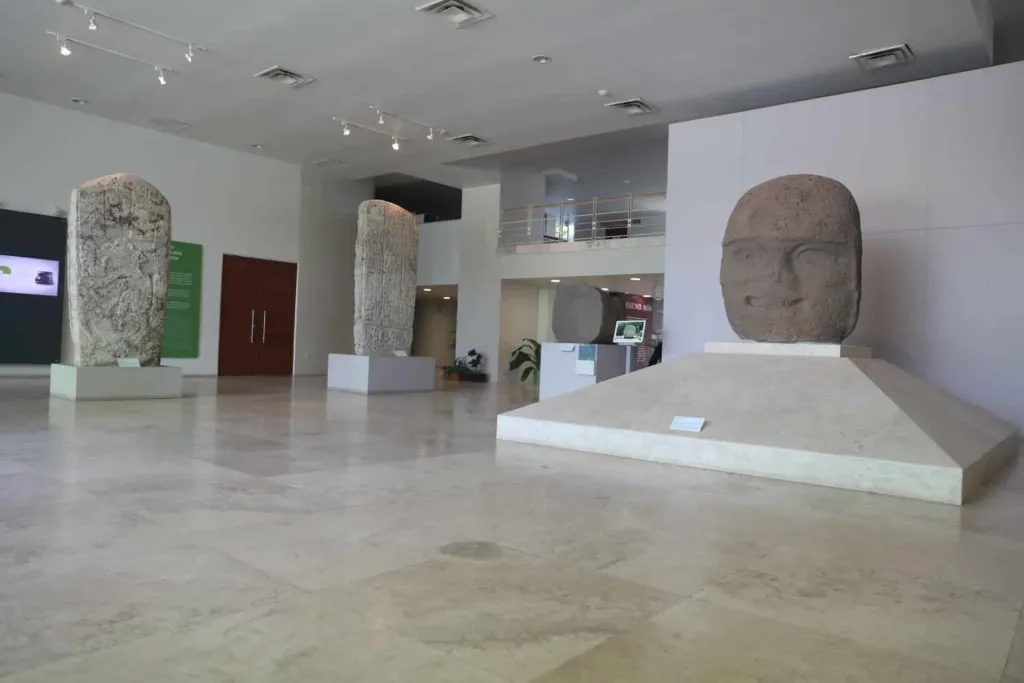
Carlos Pellicer Cámara (1897–1977) was a Villahermosa poet and museographer who spent decades collecting abandoned and ignored pre-Hispanic objects. The museum bearing his name on the Grijalva riverbank houses over 10,000 artifacts — the second most important pre-Hispanic collection in Mexico after the National Anthropology Museum in Mexico City.
The collection covers Olmec, Maya, Nahua, and Zoque cultures. The most famous piece is the Stela of Time (Stela of Tortuguero) — one of only two Mayan inscriptions that references the date 13.0.0.0.0 in the Long Count calendar (December 21, 2012 in the Gregorian calendar), which became famous in the 2012 “end of the world” discourse.
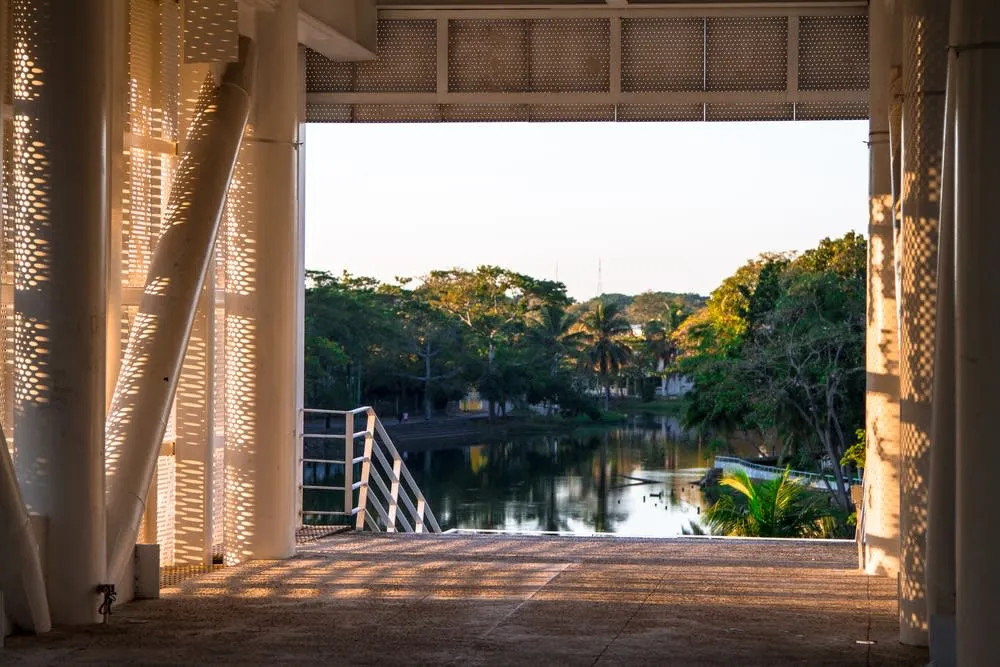
5. Stroll Tomás Garrido Canabal Park and Laguna de las Ilusiones
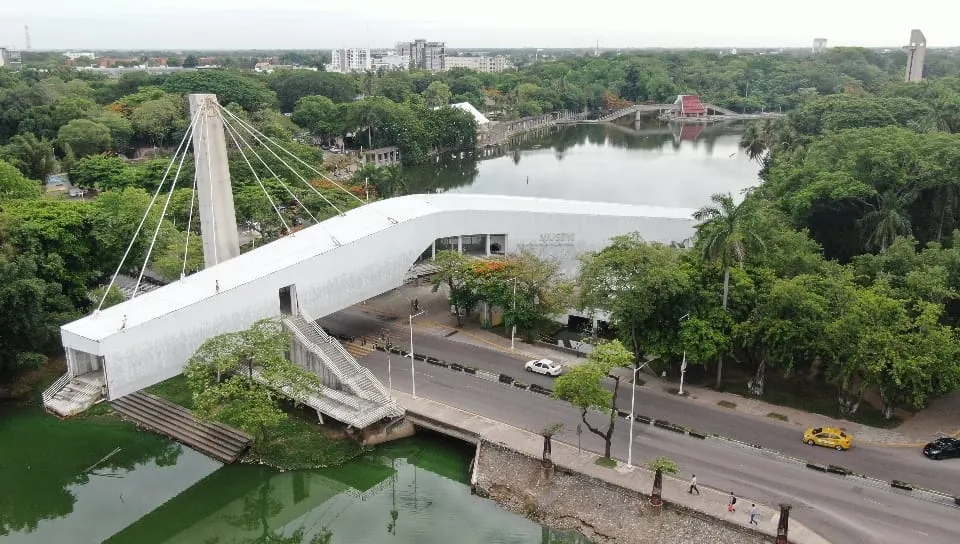
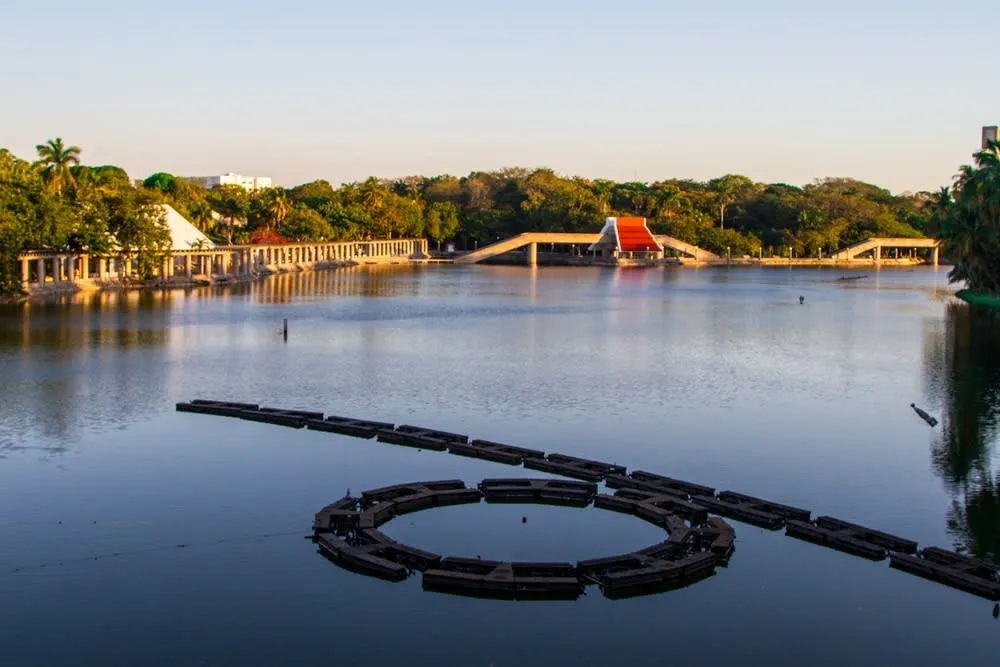
Built in 1929 around the Laguna de las Ilusiones — a natural lake inside the city — this park is Villahermosa’s green lung. The 230-hectare lagoon is one of the city’s defining landmarks, surrounded by walking paths, the Mirador de las Águilas (a 50-meter viewpoint), and boardwalks. Governor Garrido named it “Lake of Illusions” — his personal history with the site involves romantic conquests we’ll leave to local guides.
La Venta Museum-Park, the José N. Rovirosa Natural History Museum, and the Villahermosa Elevated Museum are all located in or near this park district — cluster your visits here for a full morning.
6. Explore the Casa de los Azulejos (Tabasco History Museum)
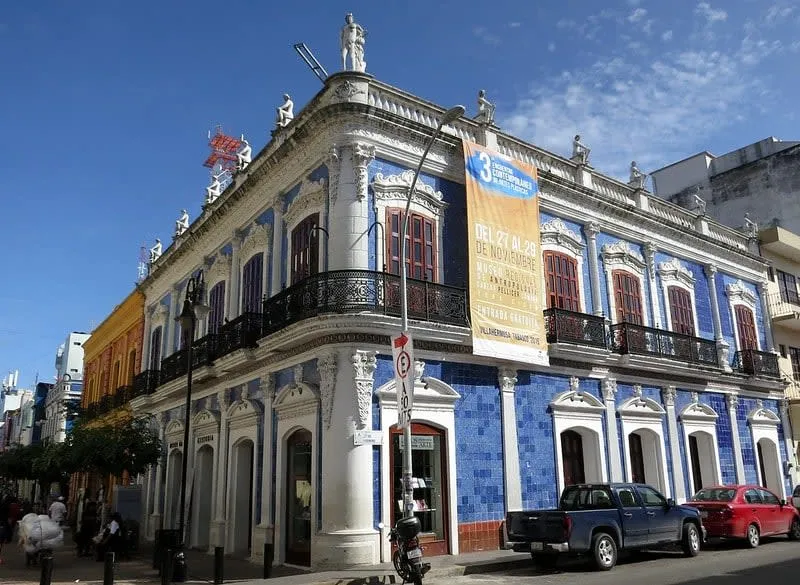
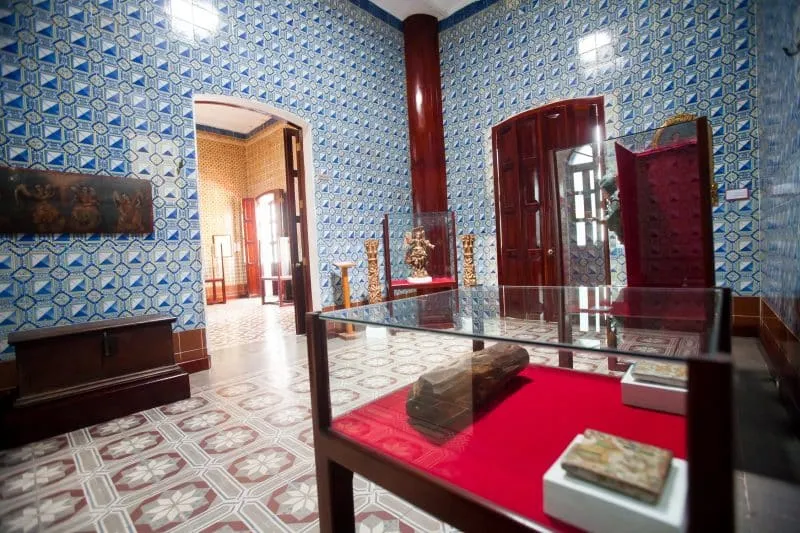
This 1880s mansion — now the Tabasco History Museum — is covered in Catalan ceramic tiles, giving it a facade unlike anything else in the city. The building has served as a millionaire’s residence, pharmacy, government office, and hotel. Today its nine rooms house 400 artifacts: colonial-era furniture, weapons, coins, altarpieces, and a collection of documents including Hernán Cortés’s order for the execution of Cuauhtémoc (the last Aztec emperor).
The architectural styles — Gothic, Renaissance, Baroque, Mudejar — piled on top of each other reflect Villahermosa’s 19th-century ambitions to look European while sitting in tropical Mexico.
7. Visit the Papagayo Interactive Museum
A hands-on science and culture museum well-suited to families traveling with children. The rooms — Cuida (environment), Imagina (arts), Piensa (science and technology), Vive (health and nutrition), and Juega (for children under 5) — use interactive exhibits rather than display cases.
The museum also houses the original boat El Mensajero de la Salud, the governor’s former river transport, now displayed as a historical artifact. Location: Avenida Paseo Usumacinta 2005, Parque Tabasco. Hours: Tuesday–Sunday, 9 AM–5 PM.
8. Board the Capitán Beuló II River Cruise
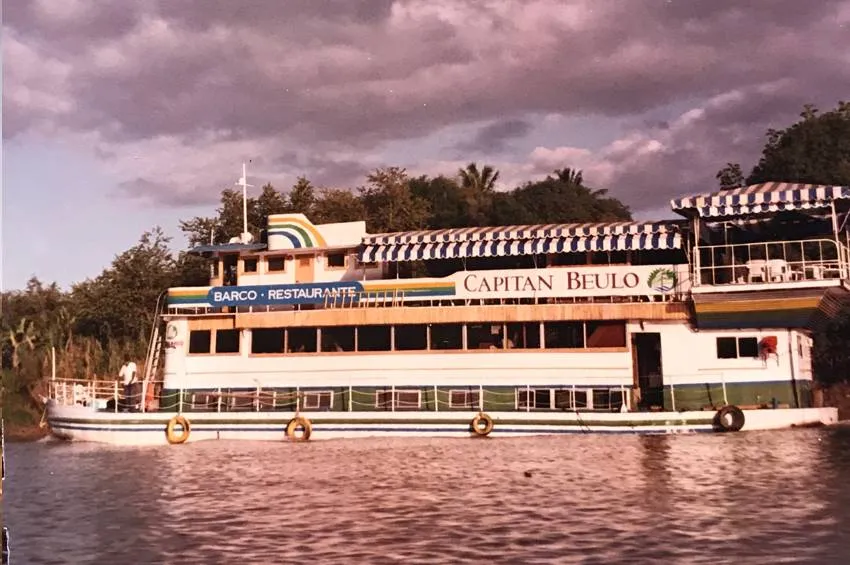
The Capitán Beuló II offers 2-hour cruises on the Grijalva River in two formats: a tourist route past the Majahua Swamps (wildlife — herons, crocodiles, regional birds) and a gastronomic route that stops at riverside restaurants for grilled pejelagarto fish, Tabasco’s defining dish. The gastronomic route is the better choice if you haven’t yet had pejelagarto — eating fresh gar fish grilled over wood while floating on a tropical river is a genuinely memorable experience.
9. Tour Villa Luz Ecological Reserve (Tapijulapa)
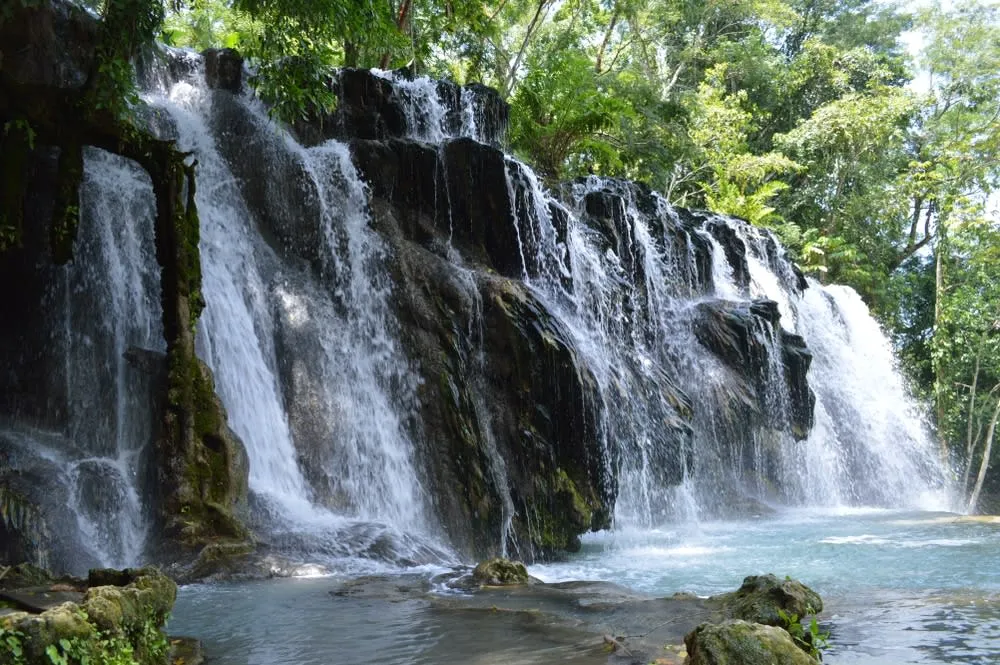
Located in the community of Tapijulapa — itself a gorgeous whitewashed village that was just declared a Pueblo Mágico — Villa Luz is an ecological reserve where the Oxolotán River forms waterfalls and natural pools fed by sulfurous springs. You can swim in the pools, hike through the reserve, and explore the Villa Luz Cavern by speleology. A small museum documents the Zoque culture, descendants of the Olmecs who migrated to Chiapas, Tabasco, and Oaxaca.
This is a half-day excursion from Villahermosa (about 60km south), best combined with a visit to Tapijulapa village itself. You can book Mexico tours on Viator.
10. Explore the Nightlife in Villahermosa

The Zona Luz pedestrian area in the historic center is the main evening gathering place — a network of café-lined streets, mezcalerías, and bars. The city also runs free weekly cultural performances: romantic trio music at Plaza de Los Tríos (Wednesdays), zapateado folk dance in La Corregidora Park (Fridays), danzón at Plaza Bicentenario (Saturdays), and mariachi at J. Claro García Park (Sundays).
For bars, Paseo Tabasco boulevard has the highest concentration. Escaparate Karaoke Bar (Adolfo Ruiz Cortínez Boulevard 1206) is a local institution. Bar La Doña (Ernesto Malda 726) is more low-key.
11. Day Trip: Comalcalco Archaeological Zone
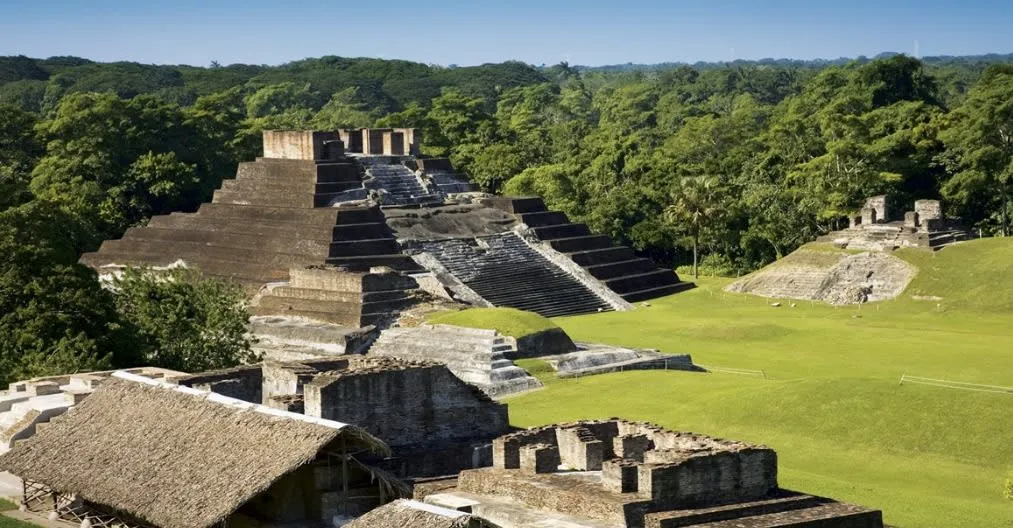
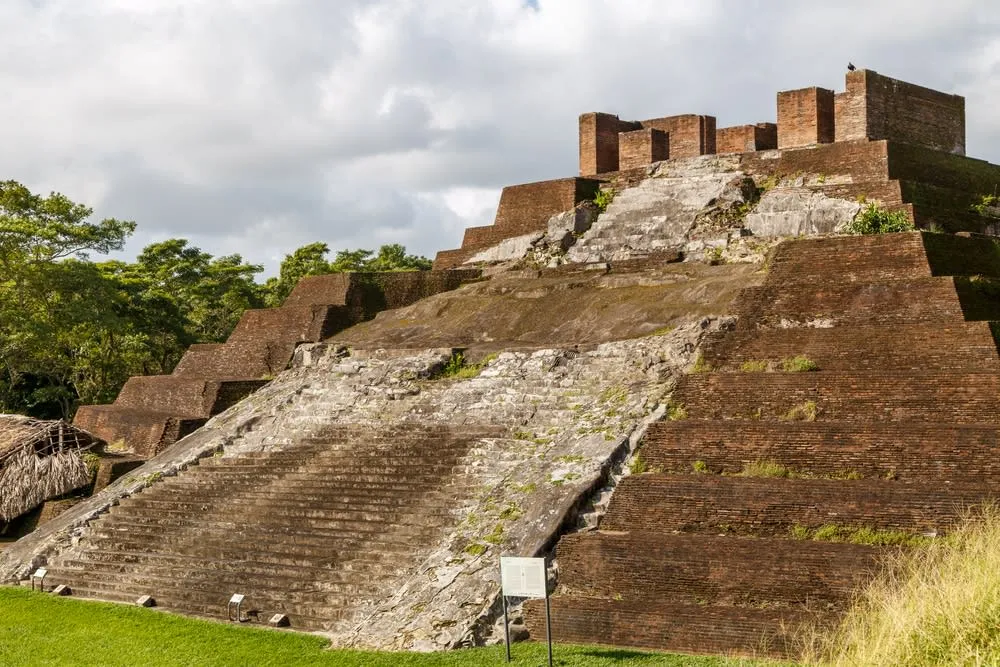
Comalcalco is 56km northwest of Villahermosa — a Maya archaeological site unique in all of Mesoamerica for one reason: it was built with fired bricks rather than carved stone. The area had no accessible stone, so Mayan builders used brick and oyster-shell stucco to construct temples and palaces otherwise architecturally comparable to stone-built sites.
Many of the bricks have engravings and decorations pressed into them before firing. The site complex includes the North Plaza, the Great Acropolis (housing The Palace and Popol Naah), the Southwest Plaza, and the East Acropolis. It’s also here that the second known Mayan inscription of the famous 2012 Long Count date (the “Brick of Comalcalco”) was found.
Combine with the Ruta del Cacao — cacao hacienda tours in Cunduacán and the surrounding area — for a full Tabasco day trip. The DRUPA Interactive Chocolate Museum, Hacienda La Luz, and Hacienda Jesús María are all accessible from this route.
12. Learn About Cocoa at the DRUPA Chocolate Museum
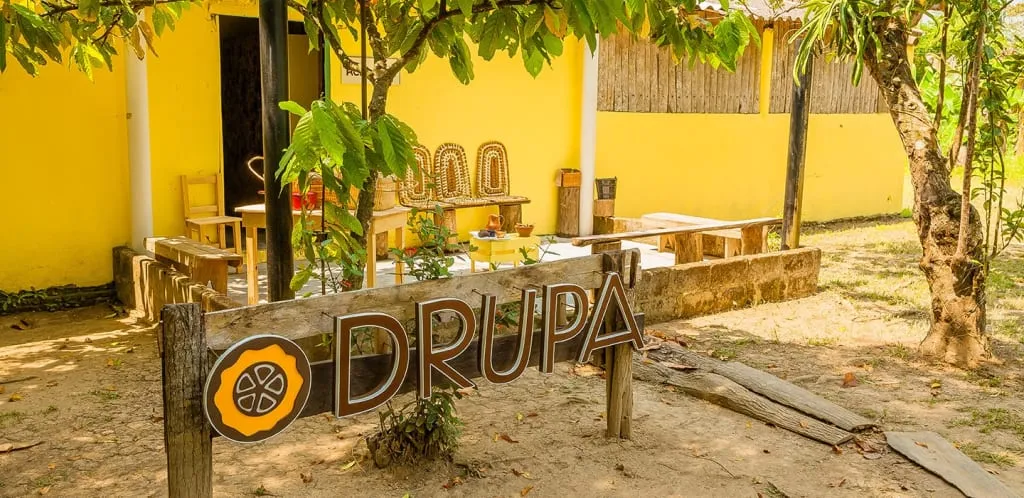
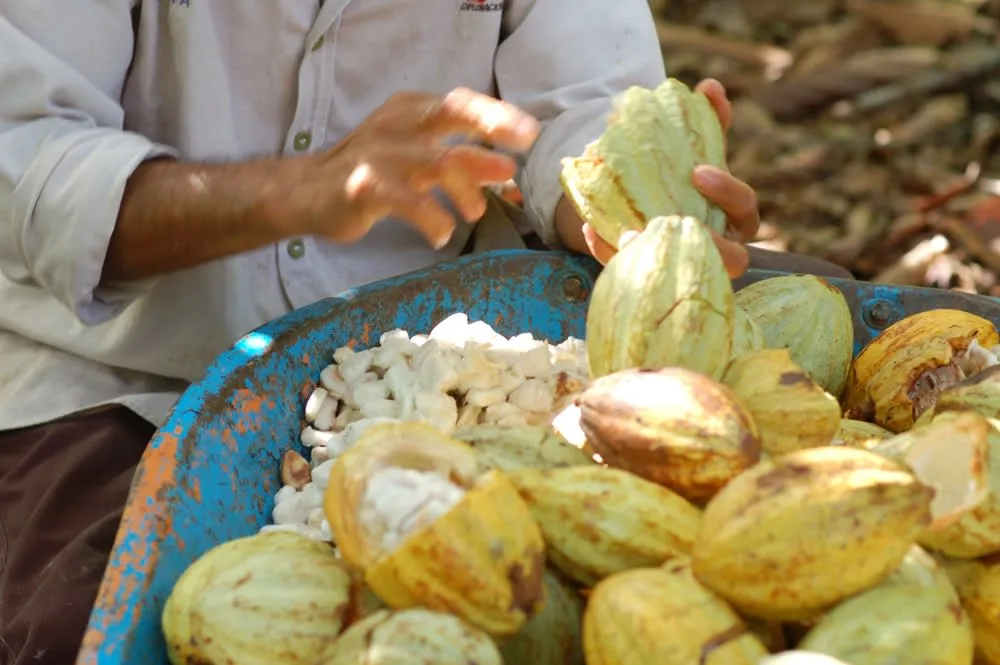
Tabasco is Mexico’s leading cacao-producing state. The DRUPA Interactive Chocolate Museum in Cunduacán (33km from Villahermosa) sits in the middle of a working cacao and banana plantation. Visitors tour the plantation, participate in harvesting, learn the crop-to-bar process (from fermentation and drying to roasting and grinding), and taste finished products.
For a deeper dive into cacao culture, Hacienda Jesús María and Hacienda La Luz offer more extensive tours. See our complete guide to the Ruta del Cacao in Tabasco for hacienda comparisons, pricing, and how to organize the full route.
13. Day Trip: Beaches of Paraíso, Tabasco

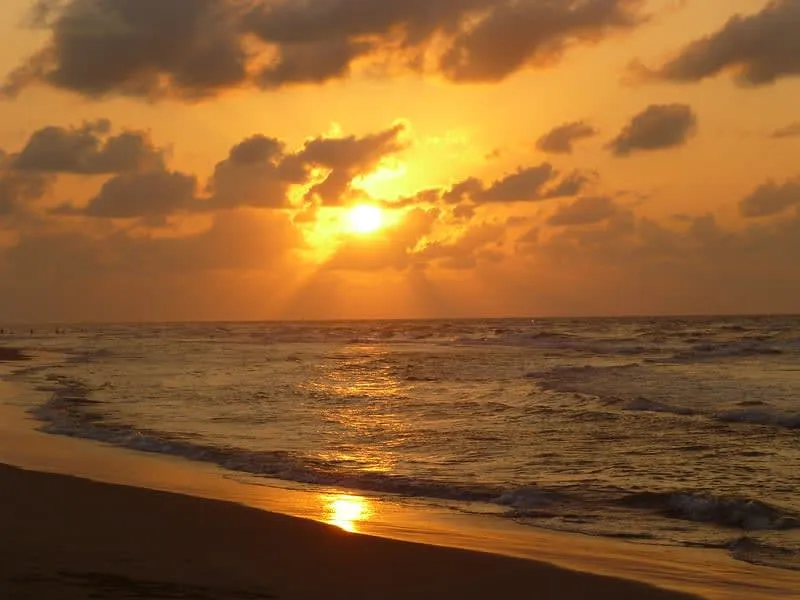
Villahermosa has no beaches, but Paraíso — 71km north — is Tabasco’s most popular coastal escape. Playa Paraíso has calm, warm Gulf water, mangrove lagoons with crocodiles and herons, and a relaxed seafood restaurant scene. Playa Miramar (70km) and Playa Azul are alternatives with coconut palms and quieter stretches.
These are not Yucatán-style beaches — the Gulf water is murky compared to the Caribbean. But they’re popular with Tabasqueños and have an unpretentious local atmosphere that resort beaches don’t offer.
14. Visit the Cathedral of the Lord of Tabasco
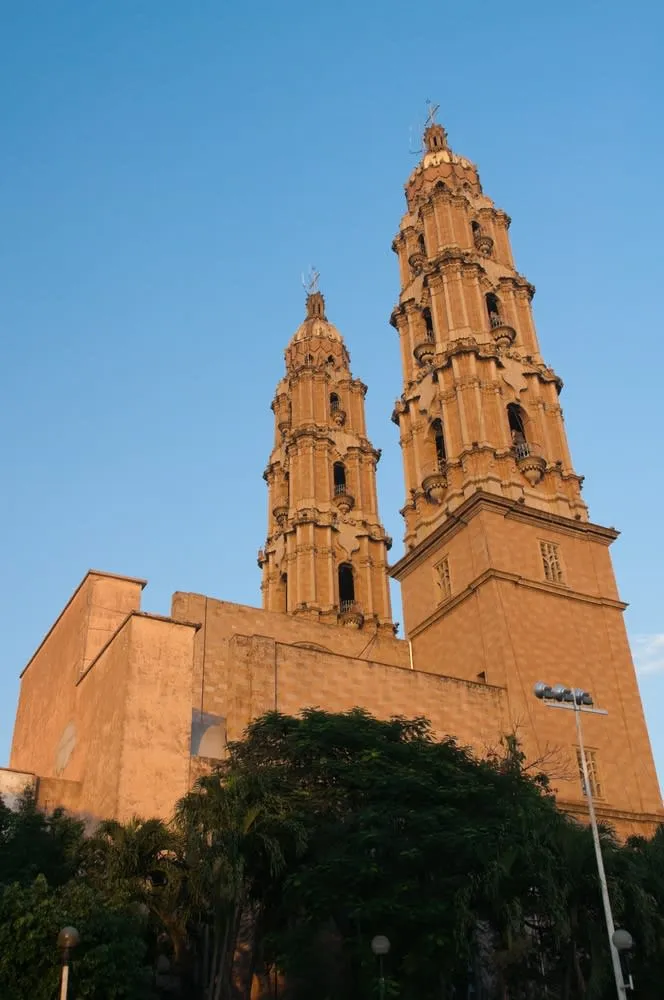
The cathedral’s twin towers rise over 80 meters above the historic center, making them the city’s topographic landmark. The current building (1945–1970) replaced a series of colonial and 18th-century temples, the latest of which was looted during the Cristero War in the 1930s. The baroque facade in three-body style, the central nave, and the bronze cross of the Lord of Tabasco above the main altar are the highlights of the interior.
In the atrium stand statues of Pope John Paul II (who visited Villahermosa in 1990) and Bishop José de Jesús del Valle y Navarro, who led the reconstruction. The cathedral faces the Plaza de Armas, the historic center’s main square.
15. Attend a Show at the Tabasco 2000 Planetarium
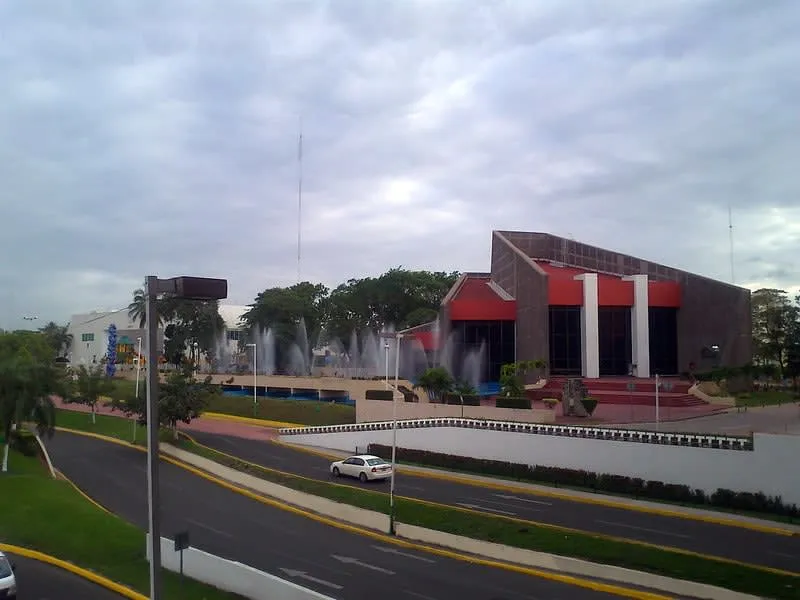

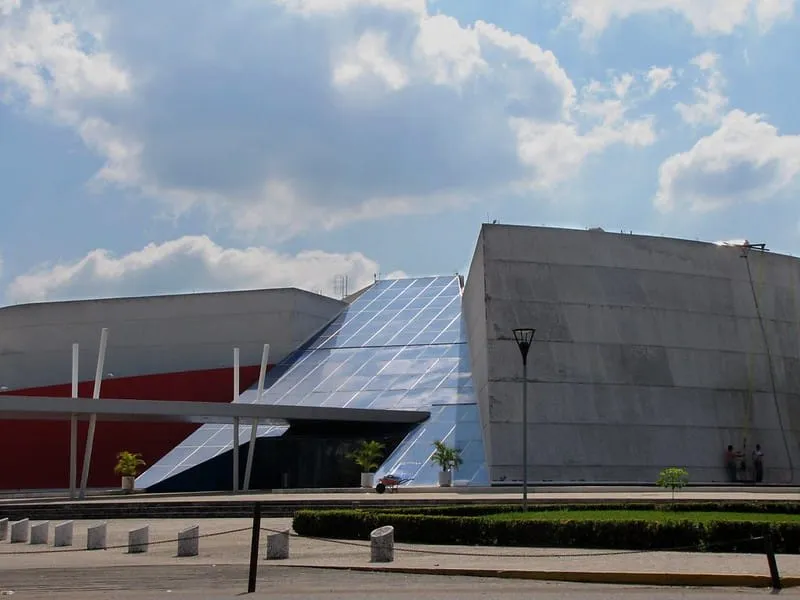
Opened in 1981, the Tabasco 2000 Planetarium projects Omnimax films on a domed ceiling — larger format and higher resolution than conventional cinema. Programs cover Earth’s origin, ecosystems, space exploration, and Maya astronomy. The Maya connection is deliberate: the 300-seat auditorium also hosts workshops on Maya mathematics, astronomy, and calendar science. The building’s facade — aluminum, glass, and concrete combining modernist and pre-Hispanic design motifs — is worth seeing from outside regardless.
Getting to Villahermosa
By Plane
Villahermosa’s Carlos Rovirosa Pérez International Airport (VSA) receives daily direct flights from Mexico City (Aeroméxico, Volaris — 1.5 hours, 1,000–3,000 MXN one-way), and connections from Monterrey, Guadalajara, and Cancún. Taxi to the city center costs approximately 200–300 MXN ($11–16 USD) or Uber ~150 MXN.
By Bus
ADO (Mexico’s premier bus line) runs from TAPO in Mexico City to Villahermosa every 2 hours, approximately. Journey: 10–11 hours overnight. Cost: 700–1,100 MXN ($38–60 USD). From Veracruz: ~5 hours. From Mérida: ~8 hours. From Oaxaca City: ~7 hours via Tuxtepec. The ADO terminal in Villahermosa is centrally located on Mérida Avenue.
As a Gateway to Palenque
Most travelers combining Villahermosa with Palenque take an ADO bus between the two cities (2 hours, 200–300 MXN). This makes a natural 2+2 day split: 2 days Villahermosa, 2 days Palenque. For a week in the region, see our Chiapas travel guide for extending south through San Cristóbal and the highlands.
Where to Stay in Villahermosa
Villahermosa has a business-heavy hotel market (Pemex executives, oil industry visitors), which means mid-range and upscale properties are good quality but prices are slightly inflated versus comparable Mexican cities.
Best Villahermosa area by traveler type
| If you want… | Stay here | Why it works |
|---|---|---|
| The easiest first-time base | Tabasco 2000 | You get the cleanest hotel stock, malls, restaurants, and easy taxi rides to La Venta and the historic center. |
| Park views and a calmer feel | Laguna de las Ilusiones / Cencali area | Best for morning walks, quicker access to Tomás Garrido Canabal Park, and less traffic-heavy evenings. |
| Historic-center atmosphere | Zona Luz / centro | Best if you want the cathedral, Plaza de Armas, and older streets on your doorstep, but hotel quality is more mixed. |
| A quick overnight transit stay | Near the ADO terminal | Most practical if you are arriving late or leaving early for Palenque or another overland route. |
- Hyatt Regency Villahermosa — The flagship luxury property, on Juárez Avenue with river views, pool, gym, and the city’s best business hotel infrastructure.
- Quinta Real Villahermosa — Colonial-style luxury on the malecón; best service in the city. See our Quinta Real Villahermosa review.
- Hotel Cencali — Mid-range lakeside property on Laguna de las Ilusiones; best location for walking to La Venta and the park.
- Fiesta Inn Villahermosa Cencali — Budget-friendly chain hotel, reliable quality, good for overnight transit stays.
Budget travelers: hostels are limited in Villahermosa. The city isn’t on the backpacker circuit. Budget hotels near the ADO terminal offer the most affordable rooms (400–600 MXN, $22–33 USD).
Best Time to Visit
| Season | Temperature | Rain | Notes |
|---|---|---|---|
| Nov–Apr (dry season) | 25–30°C (77–86°F) | Low | Best overall. Comfortable heat, outdoor sites accessible. |
| May–Jun | 30–34°C (86–93°F) | Increasing | Getting humid. Morning visits to outdoor sites recommended. |
| Jul–Sep | 32–36°C (90–97°F) | Very heavy | Villahermosa is one of Mexico’s wettest cities. Daily flooding possible. |
| Oct (transitional) | 28–32°C (82–90°F) | Still high | Festival del Centro Histórico — cultural events and concerts. |
| April | 27–32°C (81–90°F) | Low | Feria de Tabasco — Tabasco’s biggest annual fair. |
Budget Guide
| Expense | Budget | Mid-Range | Upscale |
|---|---|---|---|
| Hotel/night | 400–600 MXN ($22–33) | 900–1,500 MXN ($49–82) | 2,000–4,500 MXN ($110–245) |
| Meals/day | 150–250 MXN ($8–14) | 350–600 MXN ($19–33) | 700–1,200 MXN ($38–65) |
| La Venta entrance | ~90 MXN adults ($5) | ||
| Yumká entrance | ~180 MXN adults ($10) | ||
| Grijalva River cruise | ~200–350 MXN/person ($11–19) | ||
| Comalcalco entrance | ~90 MXN ($5) | ||
| Daily total (budget) | $30–45 USD | $65–100 USD | $150–250 USD |
For a broader look at Mexico travel costs, or a full comparison of cheapest destinations in Mexico, see our cost guides. Villahermosa is mid-range for Mexico — not as cheap as Oaxaca’s budget travel scene, but more affordable than Cancún or Mexico City’s upscale neighborhoods.
Villahermosa makes an excellent base for the whole Tabasco region. Combine it with Coatzacoalcos in southern Veracruz (2 hours east), the Gulf Coast beaches at Paraíso (1 hour north), or head south to Palenque and into the Chiapas highlands. The city’s strategic location makes it a genuine regional hub rather than just a transit stop — but only if you give it enough time to reveal itself.