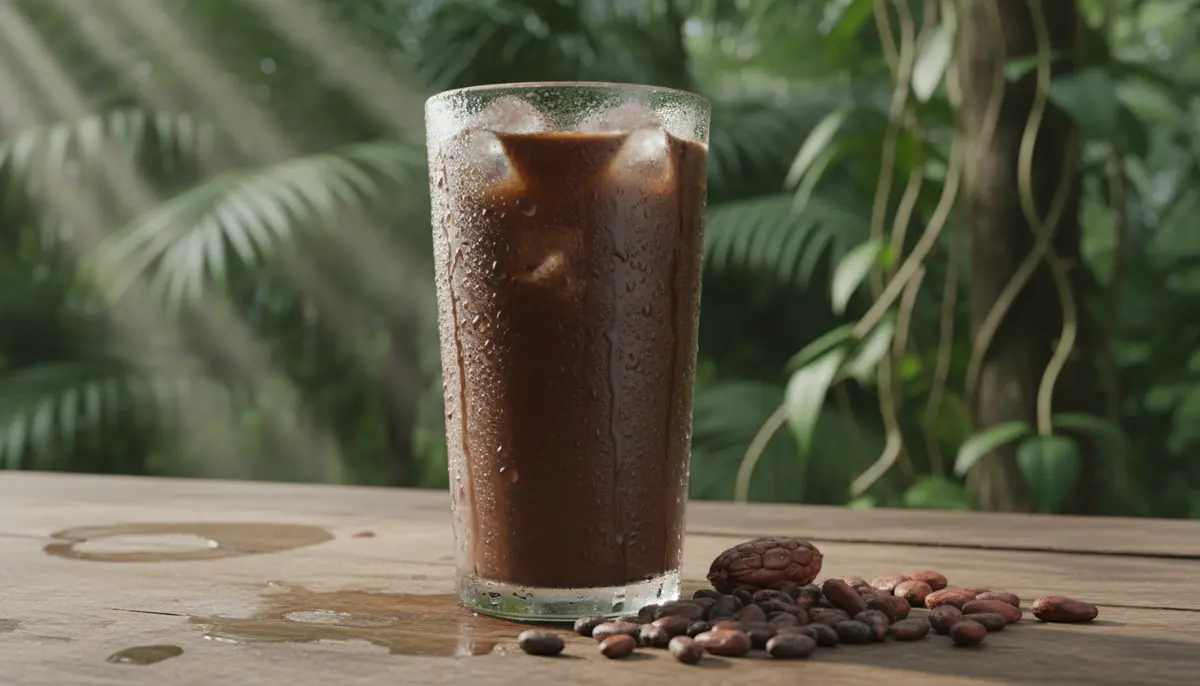
Polvillo Recipe: Tabasco's Ancient Energy Drink (2026 Guide)
When I first stepped into the sweltering heat of a Tabasco cacao plantation, the local workers offered me something that looked like chocolate milk but tasted like liquid history. Polvillo — pronounced “pol-VEE-yo” — is Tabasco’s best-kept secret, a drink that has powered field workers through Mexico’s most humid climate for over 1,000 years.
While tourists hunt for “Mexican hot chocolate” in gift shops, locals reach for this grainy, earthy mixture of toasted corn and cacao that delivers serious calories without melting in tropical heat. It’s not smooth like modern cocoa — it’s deliberately rustic, with a texture locals lovingly call “tasty dust.”
This isn’t just a recipe; it’s an introduction to one of Mexico’s most authentic survival foods, perfected by the Maya and still made the same way in family kitchens across Tabasco today.
What is Polvillo? Understanding Mexico’s Ancient Energy Drink
Polvillo Tabasqueño is a traditional beverage made from finely ground toasted corn (maíz tostado) mixed with ground cacao and cinnamon. Despite containing chocolate, corn is the dominant ingredient — typically making up 70-80% of the mixture.
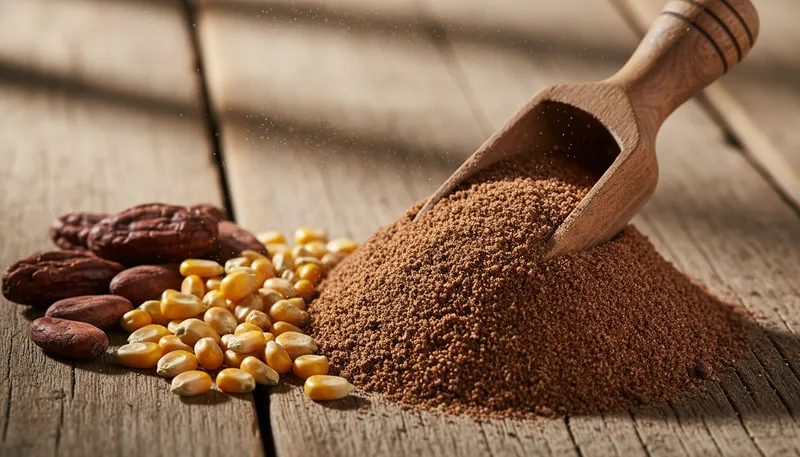
The Science Behind Polvillo
Unlike modern chocolate drinks that dissolve completely, Polvillo forms a suspension, not a solution. The ground corn and cacao fibers don’t dissolve in water — they swirl around as you drink, settling quickly when you stop stirring. This isn’t a flaw; it’s the traditional way to consume the fiber and nutrients from whole grains.
The drink delivers approximately 150-200 calories per serving, making it a true bastimento (sustenance meal) rather than just a beverage. Field workers in Tabasco’s cacao plantations have relied on this energy density for centuries.
Traditional Polvillo vs. Modern Alternatives
| Traditional Polvillo | Modern Mexican Hot Chocolate |
|---|---|
| Base ingredient: Toasted corn (70-80%) | Base ingredient: Cacao/sugar (primary) |
| Texture: Deliberately grainy | Texture: Smooth when dissolved |
| Sweetener: Added separately | Sweetener: Pre-mixed tablets |
| Additives: Minimal (cacao, cinnamon) | Additives: Sugar, fats, sometimes almonds |
| Purpose: Meal replacement/energy | Purpose: Dessert/treat beverage |
| Storage: Shelf-stable powder | Storage: Solid tablets that can melt |
The Pre-Hispanic Origins: From Maya to Modern Tabasco
Polvillo’s roots stretch back to the Classic Maya period (250-900 CE), when indigenous peoples of the Grijalva River basin developed sophisticated corn and cacao processing techniques. Archaeological evidence from sites like Comalcalco shows grinding stones (metates) specifically designed for processing these ingredients.
Evolution Through Time
Pre-Hispanic Era (250-1500 CE):
- Maya developed the corn toasting and grinding techniques
- Cacao was considered sacred, used in religious ceremonies
- Mixture provided portable nutrition for long journeys and labor
Colonial Period (1500-1800s):
- Spanish introduced cinnamon to the traditional recipe
- Preparation methods remained largely unchanged
- Became staple of rural and indigenous communities
Modern Era (1900s-Present):
- Commercial production began in mid-20th century
- Traditional preparation methods preserved in family recipes
- Tourism has sparked renewed interest in authentic versions
The Chontal Maya, Tabasco’s primary indigenous group, refined the technique of dark-roasting corn until it was nearly burnt — a step crucial to Polvillo’s distinctive smoky flavor that modern recipes often miss.
Complete Polvillo Recipe: Traditional Preparation Method
Making authentic Polvillo requires understanding that the texture is not a bug — it’s a feature. The grittiness provides fiber and creates the characteristic asiento (sediment) that locals consider the best part.
Ingredients (Serves 1-2)
For the drink:
- Polvillo powder: 2-3 heaping tablespoons (30-45g)
- Cold water: 1 cup (250ml)
- Sugar: 1-2 tablespoons (adjust to taste)
- Ice: To fill glass
- Lime juice: 1-2 drops (optional, reduces bitterness)
Alternative liquid bases:
- Whole milk: For creamier texture
- Coconut water: Popular coastal variation
- Cold coffee: Modern fusion option
Step-by-Step Preparation
Step 1: Create the Slurry (Critical Technique) Never dump dry powder directly into cold water — it will create stubborn clumps. Instead:
- Take 2-3 tablespoons warm (not hot) water
- Mix with Polvillo powder until you have a smooth paste
- This prevents clumping and ensures even distribution
Step 2: The Base Mix
- Pour the paste into your serving glass
- Add sugar and mix thoroughly
- Gradually add cold water while stirring continuously
- The mixture should look like chocolate milk with visible particles
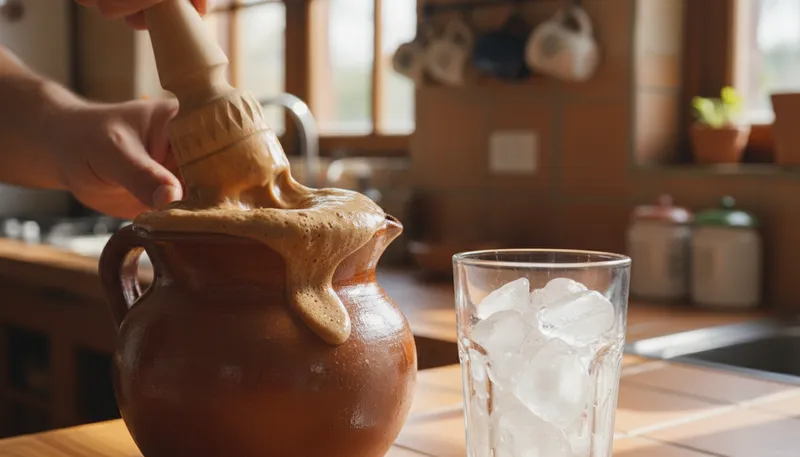
Step 3: The “Batido” (Aeration Technique) Traditional preparation requires aeration to develop flavor and texture:
- Use a wooden molinillo (traditional whisk) between your palms
- OR use a blender on high for 5-10 seconds
- Goal: Create a foam layer on top (this indicates proper preparation)
- The foam traps aromas and provides the traditional drinking experience
Step 4: Service and Presentation
- Pour immediately over ice in a tall glass
- The glass will “sweat” (sudado) — this is authentic
- Serve with a spoon for the asiento (sediment) at the bottom
- Local tip: Don’t throw away the sediment — eat it with the spoon like chocolate oatmeal
Regional Variations Across Tabasco
Villahermosa Style:
- Served very cold with extra ice
- Often mixed with condensed milk for creamier texture
- Popular at evening taquerías
Rural/Plantation Style:
- Less sugar, emphasizing corn and cacao flavors
- Sometimes prepared with coconut water
- Thicker consistency for sustained energy
Coastal Variation (Paraíso region):
- Mixed with fresh coconut water
- Served in coconut shells as tourist presentation
- Often includes a pinch of sea salt
Nutritional Powerhouse: Health Benefits of Polvillo
Modern nutritional analysis reveals why Polvillo sustained Maya civilizations and continues to energize Tabasco workers today.
Nutritional Profile (Per 250ml serving)
| Nutrient | Amount | % Daily Value |
|---|---|---|
| Calories | 150-200 | 8-10% |
| Carbohydrates | 35-40g | 12-15% |
| Fiber | 4-6g | 16-24% |
| Protein | 4-6g | 8-12% |
| Iron | 2-3mg | 11-17% |
| Magnesium | 45-60mg | 11-14% |
| Antioxidants | High (flavonoids from cacao) | — |
Health Benefits Breakdown
1. Sustained Energy Release
- Complex carbohydrates from toasted corn provide steady energy
- Avoids sugar crashes associated with processed drinks
- Natural caffeine and theobromine from cacao support alertness
2. Digestive Health Support
- High fiber content supports digestive regularity
- Corn fiber acts as prebiotic, supporting gut bacteria
- Traditional preparation retains all grain components
3. Antioxidant Protection
- Cacao provides flavonoids that support cardiovascular health
- Toasted corn contains phenolic compounds with anti-inflammatory properties
- Traditional dark-roasting increases antioxidant bioavailability
4. Mineral Density
- Whole corn provides essential B vitamins and minerals
- Iron from cacao supports energy metabolism
- Magnesium supports muscle and nerve function
5. Natural Adaptogen Properties
- Cacao compounds support stress response
- Complex carbohydrates stabilize mood and energy
- Traditional use as bastimento indicates satiety-promoting properties
Making Polvillo Powder from Scratch: The Traditional Process
While buying authentic powder is recommended for travelers, making it from scratch provides deep appreciation for this ancient craft.
Required Equipment
Essential tools:
- Comal or cast-iron skillet for toasting
- Molino de mano (hand-crank grain mill) OR powerful spice grinder
- Fine-mesh sieve for consistent texture
- Airtight storage containers
Modern alternatives:
- High-powered blender (Vitamix-style)
- Coffee grinder (dedicated to spices)
- Food processor (limited effectiveness)
Traditional Recipe for Powder
Ingredients:
- Dried field corn (white or yellow): 1 kg
- Raw cacao beans (peeled): 125-250g (adjust to taste)
- Ceylon cinnamon stick: 1 piece
- Optional: Vanilla beans (1-2 pieces)
The Roasting Process (Critical Steps)
Step 1: Corn Preparation
- Use dried field corn (not sweet corn or popcorn)
- Remove any damaged or discolored kernels
- Rinse briefly and air-dry completely
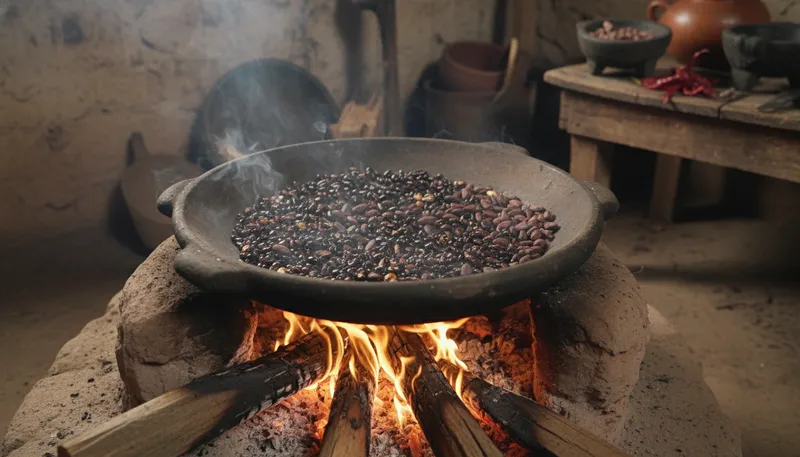
Step 2: The Dark Roast (Most Important Step)
- Heat comal or cast-iron skillet over medium-high heat
- Add corn in single layer, stir constantly
- Roast until dark brown, almost black — this takes 15-20 minutes
- Key indicator: Corn should smell nutty and smoky, not burnt
- Common mistake: Most recipes stop at golden brown — go darker!
Step 3: Cacao Bean Preparation
- Toast cacao beans separately for 8-10 minutes
- Beans should crack and become aromatic
- Remove papery husks by rubbing between hands
- Toast cinnamon stick lightly (2-3 minutes)
Step 4: The Grinding Process
- First pass: Crack the toasted corn in grain mill
- Second pass: Grind everything together on finest setting
- Sieve test: Powder should pass through fine mesh
- Texture goal: Fine powder with some granules (not flour-smooth)
Modern Equipment Tips
Using a High-Powered Blender:
- Work in small batches (1 cup maximum)
- Pulse to prevent overheating
- Scrape sides frequently
- May require multiple passes
Using a Coffee/Spice Grinder:
- Even smaller batches (1/4 cup)
- Clean thoroughly between batches
- Will require more time but produces consistent results
Where to Buy Authentic Polvillo: A Traveler’s Guide
Finding genuine Polvillo requires knowing where locals shop and what to look for in quality products.
Top Authentic Sources in Tabasco
1. Hacienda Jesús María (CACEP Chocolates)
- Location: Cunduacán, Tabasco
- Product: “Polvillo Real” brand in 400g bags
- Quality: Organic, small-batch production
- Price: 180-220 MXN per bag
- Why go: See cacao production process + museum
- Travel tip: Buy after touring Hacienda Jesús María facilities
2. Hacienda La Luz (Wolter Family)
- Location: Comalcalco, Tabasco
- Product: Artisanal Polvillo in pressed bricks or loose powder
- Quality: Traditional stone-ground methods
- Price: 200-280 MXN per package
- Why go: Beautiful colonial setting + chocolate museum
- Travel tip: Pairs well with Comalcalco Ruins visit
3. Mercado José María Pino Suárez (Villahermosa)
- Location: Downtown Villahermosa city center
- Product: Fresh daily-ground Polvillo in clear plastic bags
- Quality: Variable but often excellent and very fresh
- Price: 80-120 MXN per kg (best value)
- Why go: Authentic local experience, bulk buying
- Travel tip: Go early morning for freshest batches
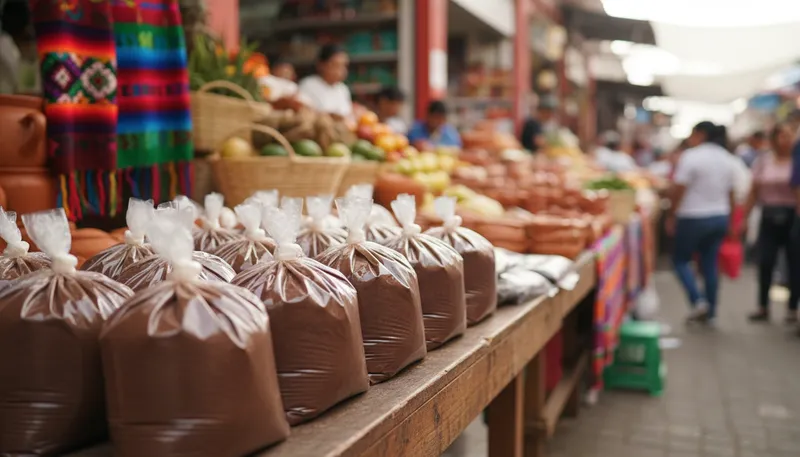
What to Look for in Quality Polvillo
Visual indicators:
- Color: Dark brown to nearly black powder
- Texture: Slightly granular, not flour-smooth
- Consistency: No clumping or moisture
- Aroma: Nutty, toasted smell with chocolate notes
Avoid these red flags:
- Light colored powder (corn wasn’t roasted enough)
- Too smooth texture (over-processed or low corn content)
- Sweet smell (sugar added to powder — not traditional)
- Musty odors (indicates moisture or poor storage)
International Sources and Alternatives
Mexican Grocery Stores (US):
- Look for brands: CACEP, Mayordomo, or regional Tabasco brands
- Found in Mexican specialty sections
- Price: $8-15 USD per package
Online Sources:
- MexGrocer, Masienda, or direct from Mexican producers
- Verify cacao content and corn as primary ingredient
- Shipping can be expensive but worthwhile for quality
DIY Alternative:
- Combine toasted corn flour (masa harina) with raw cacao powder
- Not identical but approximates flavor profile
- Use 3:1 ratio (corn to cacao)
Serving Suggestions and Modern Variations
While traditional preparation remains the gold standard, modern interpretations expand Polvillo’s versatility.
Traditional Serving Contexts
Morning Energizer:
- Served with pan dulce or bolillo
- Replaces coffee for sustained energy
- Popular among early-rising field workers
Afternoon Refresher:
- Ice-cold preparation during hottest part of day
- Often paired with tropical fruits
- Served at taquerías and local restaurants
Evening Comfort Drink:
- Warm preparation with milk
- Served after dinner as digestive aid
- Family gathering beverage
Modern Fusion Ideas
Polvillo Smoothie Bowl:
- Blend with frozen bananas and coconut milk
- Top with granola, fresh fruit, and coconut flakes
- Maintains nutritional density with contemporary presentation
Polvillo Iced Coffee:
- Mix traditional preparation with cold brew coffee
- Popular among younger generations in Villahermosa
- Provides extended caffeine boost
Polvillo Energy Balls:
- Mix powder with dates, nuts, and coconut oil
- Roll into balls for portable energy snacks
- Maintains traditional ingredients in modern format
Polvillo Oatmeal:
- Stir powder into hot oatmeal with milk
- Add fruits and honey for complete breakfast
- Popular among health-conscious travelers
Storage, Shelf Life, and Travel Tips
Proper storage ensures your Polvillo maintains flavor and nutritional value whether at home or traveling.
Storage Guidelines
Optimal storage conditions:
- Temperature: Cool, dry place (below 25°C/77°F)
- Container: Airtight glass jar or sealed plastic container
- Location: Away from direct sunlight and strong odors
- Moisture protection: Silica gel packets helpful in humid climates
Shelf life expectations:
- Unopened packages: 12-18 months
- Opened powder: 6-12 months when properly stored
- Homemade powder: 4-6 months (no preservatives)
- Signs of spoilage: Musty smell, visible mold, or rancid taste
Travel and Transportation Tips
Flying with Polvillo:
- ✅ Allowed: Powder in original packaging or clearly labeled containers
- ✅ Recommended: Keep receipts and product descriptions
- ✅ Pack smart: Distribute among different bags to avoid total loss
- ❌ Avoid: Unmarked bags or suspicious-looking containers
International shipping:
- Most countries allow corn and cacao products
- Declare as “Traditional Mexican Beverage Mix”
- Include ingredients list and product origin information
- Consider shipping directly from Mexican suppliers
Climate considerations:
- Humid environments: Extra moisture protection essential
- Hot climates: Refrigerate to extend shelf life
- Cold climates: Allow to reach room temperature before opening
Polvillo in Mexican Culture and Tourism
Understanding Polvillo’s cultural significance enhances appreciation for this traditional drink beyond its nutritional value.
Cultural Significance in Tabasco
Community gathering drink:
- Served at local festivals and celebrations
- Shared preparation strengthens family bonds
- Traditional wedding and funeral beverages
Economic importance:
- Supports local corn and cacao farmers
- Provides income for traditional grinding mills
- Tourist interest drives artisanal production
Generational knowledge transfer:
- Grandmothers teach traditional preparation methods
- Regional variations passed down through families
- Young people returning to traditional foods
Experiencing Polvillo Culture as a Tourist
Best cultural experiences:
- Cacao plantation visits: See ingredients at source
- Family cooking classes: Learn traditional techniques
- Local market tours: Understand ingredient selection
- Festival participation: Experience community context
Integration with other tourism:
- Perfect complement to Ruta del Cacao tours
- Pairs with visits to Villahermosa cultural sites
- Enhances Paraíso beach coastal experiences
- Connects to broader Mexican culinary traditions
Conclusion: Tasting History in Every Grainy Sip
Polvillo represents more than just a traditional beverage — it’s liquid history, sustainable nutrition, and cultural continuity wrapped in a humble mixture of corn and cacao. When you prepare this ancient drink, you’re participating in food traditions that sustained one of the world’s great civilizations.
The grainy texture that surprises first-timers isn’t a flaw to be corrected; it’s the authentic experience of consuming whole grains the way nature intended. The asiento (sediment) at the bottom isn’t waste to be discarded; it’s the most nutritious part, eaten with appreciation by those who understand its value.
Whether you encounter Polvillo at a bustling Villahermosa market, learn to make it during a cacao plantation tour, or recreate it in your own kitchen with authentic powder, you’re tasting the ingenious solution ancient peoples developed for one of life’s fundamental challenges: how to stay nourished and energized in a demanding tropical environment.
The next time you’re exploring Tabasco’s Ruta del Cacao, seek out an authentic glass of Polvillo. Don’t expect smooth chocolate milk. Instead, embrace the texture, savor the smokiness of properly dark-roasted corn, and appreciate the centuries of wisdom concentrated in every nutritious, satisfying sip.
In our age of processed foods and artificial flavors, Polvillo stands as a delicious reminder that the best nutrition often comes from the simplest ingredients, prepared with patience and respect for tradition. It’s not just Mexico’s ancient energy drink — it’s a masterclass in sustainable, culturally-rooted nutrition that remains as relevant today as it was 1,000 years ago.