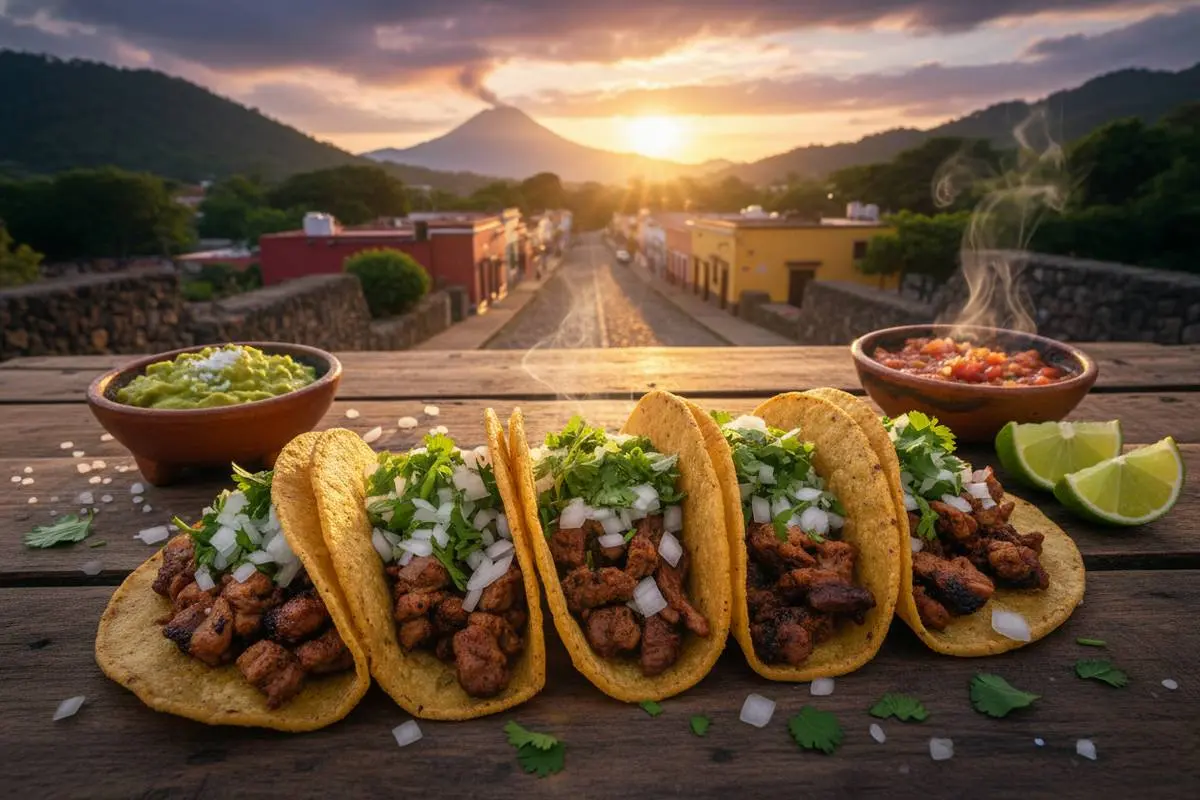
What to Eat in Los Cabos: 15 Dishes, Baja Med & Where Locals Eat (2026)
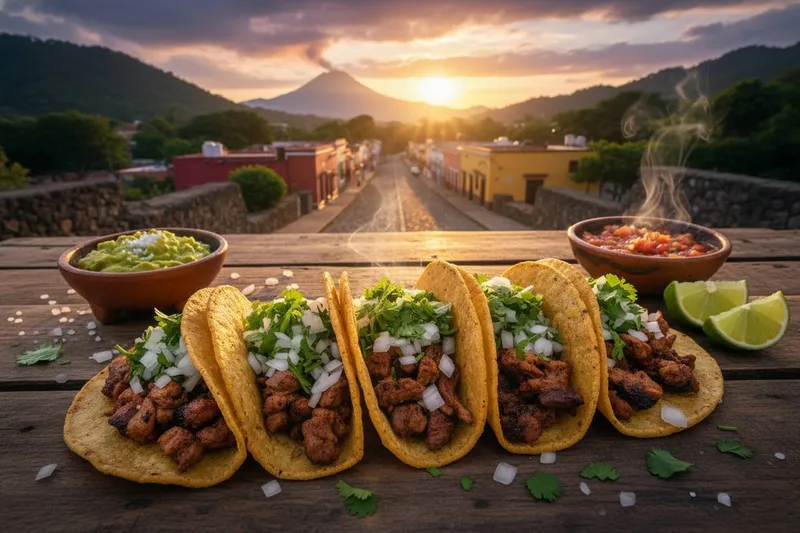
Los Cabos sits where two oceans meet — the Pacific to the west, the Sea of Cortez to the east — and its food is inseparable from that geography. This is one of the world’s great sport fishing destinations, and the same waters that attract marlin and yellowfin tuna supply the restaurants with ingredients most of Mexico never sees.
The cuisine here is Baja Californian: Pacific-influenced, lighter than central Mexican cooking, built around fresh seafood and the unique ingredients of a peninsula that was isolated from mainland Mexico for most of its history. Baja Med — a fusion of Mexican, Mediterranean, and Asian techniques applied to local ingredients — emerged here and in the Valle de Guadalupe wine country 200 kilometers north.
This guide covers the 15 dishes that define Los Cabos food, where locals actually eat them, and why Baja cuisine is underrated compared to Oaxaca and Mexico City.
Los Cabos Food at a Glance
| Dish | Local Cost | Where to Find | Best Neighborhood |
|---|---|---|---|
| Fish tacos (Baja-style) | 25–50 MXN each | Taquerías, market | San José del Cabo Mercado |
| Chocolate clams | 80–180 MXN/half dozen | Seafood stalls, restaurants | Mercado Municipal |
| Aguachile negro | 150–280 MXN | Seafood restaurants | San José del Cabo |
| Tacos gobernador | 30–60 MXN each | Taquerías | Both towns |
| Tostadas de atún | 80–150 MXN | Seafood bars | Marina, Centro |
| Caldo de mariscos | 120–200 MXN | Fondas, markets | Mercado Juárez |
| Tacos de marlín | 40–80 MXN each | Specialized taquerías | Cabo San Lucas |
| Zarandeado fish | 250–450 MXN | Fish restaurants | La Playita, San José |
| Lobster (Puerto Nuevo style) | 350–700 MXN | Restaurants | Baja corridor |
| Baja Med tasting menu | 1,200–3,500 MXN | Fine dining | San José del Cabo |
1. Fish Tacos (Baja-Style)
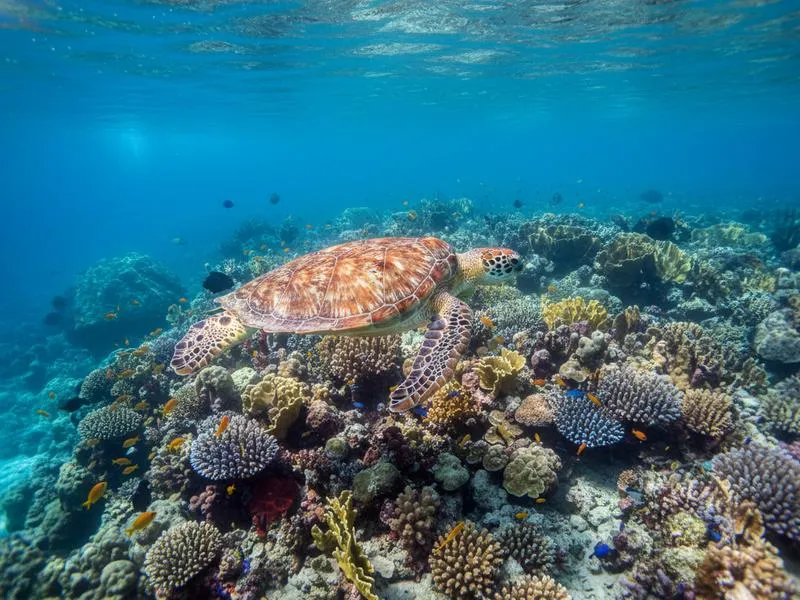
The fish taco as the world knows it — battered, fried Pacific fish in a corn tortilla with shredded cabbage and a crema drizzle — was invented in Baja California. Specifically, the origin traces to Ensenada and the street vendors of the 1950s and 60s, but the style spread south and Los Cabos became its most tourist-visible iteration.
A proper Los Cabos fish taco starts with fresh dorado (mahi-mahi), caught that morning or the day before, cut into strips and dipped in a light beer batter. The fish is fried until golden, placed in a warm corn tortilla, topped with shredded cabbage, diced tomato, a pickled jalapeño, and a drizzle of chipotle crema or white crema with lime.
What makes Baja fish tacos different from everywhere else: The fish. Pacific dorado has a firmness and sweetness that Atlantic or farmed fish doesn’t. The beer batter is thin, not heavy. The toppings are simple — cabbage acts as a textural contrast, not a burial. The tortilla is corn, always corn.
Where to eat fish tacos like a local:
- Tacos El Paisano (Lázaro Cárdenas, Cabo San Lucas) — 20-35 MXN each, open until 2 AM
- El Farallon (San José del Cabo Mercado) — 30-45 MXN, fried to order
- Mariscos el Toro Guero — standing-room taquería, no menus needed
Avoid the Medano Beach taquerías where the same fish taco costs 150-250 MXN in a plastic cup.
2. Chocolate Clams (Almejas Chocolatas)
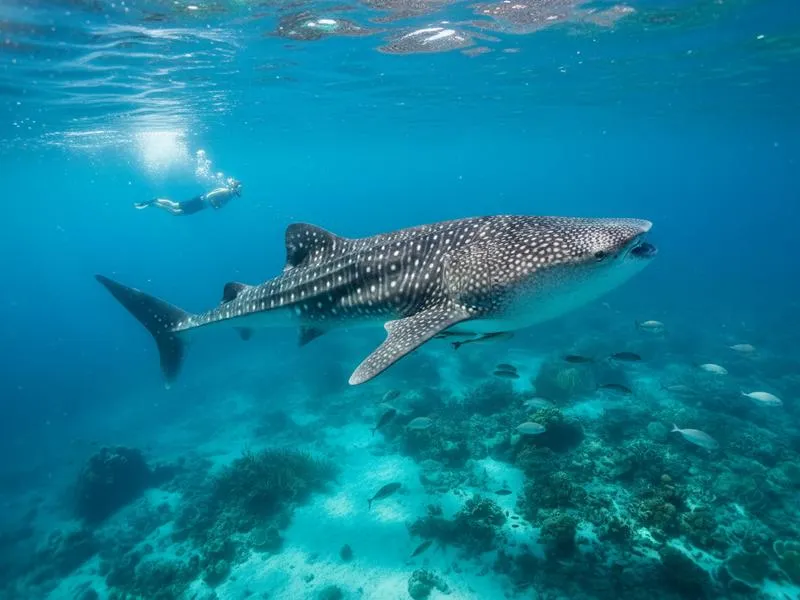
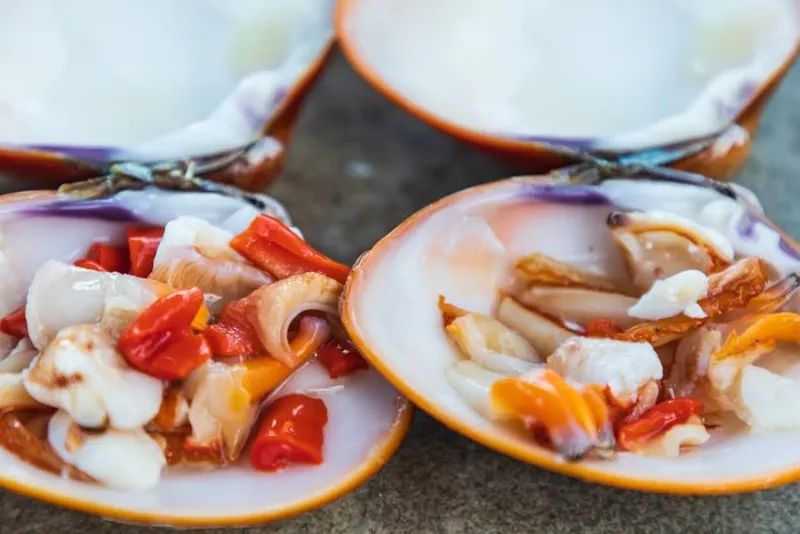
Chocolate clams are a Baja California Sur exclusive. They exist nowhere else in the world — a giant clam (Megapitaria squalida) native to the Sea of Cortez, with a smooth brownish shell that darkens with age (hence the name, which refers to color, not flavor). The flavor is brinier and more complex than Pacific oysters, with a chewy texture closer to geoduck.
They are served two ways: raw on the half shell (con limón y salsa, the preferred method), or a la talla — split open, topped with butter, garlic, and lime, and grilled over coals until just set. The raw version showcases the sea flavor; the grilled version sweetens it and adds smoke.
Locals eat them at the Mercado Municipal in San José del Cabo, where the fishmongers sell them by the dozen at tables outside. You point, they open. You eat standing up with a beer. The whole experience costs 80-150 MXN for a half dozen.
Chocolate clams are genuinely irreplaceable in Baja California — if you leave Los Cabos without eating them, you’ve missed the defining local ingredient.
3. Aguachile Negro
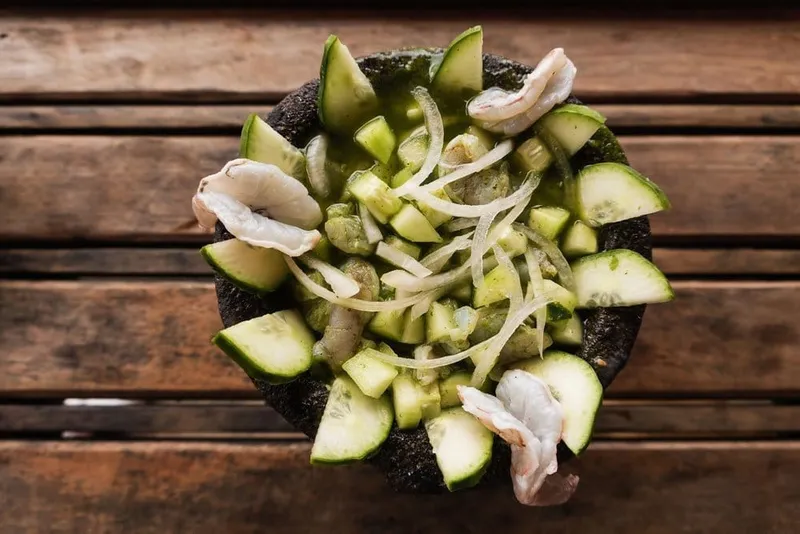
Aguachile originated in Sinaloa — raw shrimp macerated in lime juice and blended green chile (Aguachile verde, the original). The Baja California Sur version evolved darker: the chiles are charred before blending, producing a deep black sauce with smoky depth under the citrus acid.
The dish: Fresh local shrimp (camarón cristal — the translucent “crystal shrimp” from the Sea of Cortez), butterflied and spread on a plate. The black chile-lime sauce poured over until the shrimp turns opaque from the acid. Served with thinly sliced cucumber, red onion, and tostadas on the side.
The quality of the shrimp matters enormously — the crystal shrimp available in Los Cabos are caught fresh from the Sea of Cortez and are noticeably different from the frozen farm shrimp used in most of Mexico’s tourist corridors. When locals say camarón cristal, they mean it.
Best places for aguachile negro:
- El Squid Roe — tourist spot but the aguachile is legitimate
- La Fábrica (San José del Cabo) — local favorite, 150-200 MXN
- Mariscos el Toro Guero — order the negro, not the verde
4. Tacos Gobernador
Tacos gobernador were invented in Sinaloa (allegedly at a dinner for the state governor — hence the name) but have become a staple across Baja California and Pacific Mexico. The filling: shrimp sautéed with cheese, tomato, onion, and chile, folded into a corn tortilla and crisped on the comal until the cheese melts and the exterior achieves a slight crunch.
Think of it as a taco quesadilla hybrid that highlights Pacific shrimp. The cheese creates a crispy base, the shrimp stays juicy inside, the tomato and chile provide the sauce. It is a different proposition from a fish taco — richer, hotter, more substantial.
Los Cabos gobernadores are typically made with local crystal shrimp, which elevates the dish significantly. A good gobernador costs 40-60 MXN at a local taquería. At Medano Beach: 180-280 MXN.
5. Tostadas de Atún (Tuna Tostadas)
The Pacific yellowfin tuna (atún aleta amarilla) is one of the world’s finest fish, and Los Cabos sportfishermen catch it in numbers. What doesn’t go to the Japanese export market (and a lot does — the tuna auction at the Port of Ensenada sells to Tsukiji) ends up in Los Cabos restaurants.
A tostada de atún is a fried corn tortilla topped with:
- Thin-sliced raw yellowfin tuna
- Avocado or guacamole
- Chipotle mayo or habanero salsa
- Micro greens or cucumber
- A squeeze of lime
This is Baja Med in its simplest form: Japanese-influenced raw tuna technique applied to Mexican fundamentals. The best versions are at seafood bars in San José del Cabo where the tuna was fresh that morning.
Where to eat it:
- La Revolución Comedor (San José del Cabo) — tuna tostadas and craft cocktails, 120-180 MXN
- Don Sánchez (San José del Cabo) — upscale version with truffle or salsa macha, 180-280 MXN
- Mercado Municipal stalls — budget version, 80-120 MXN
6. Caldo de Mariscos (Seafood Broth)
Caldo de mariscos is the workhorse dish of Baja seafood cooking — a rich, tomato-chile broth packed with fish, shrimp, clams, and occasionally crab and scallops, served in a wide ceramic bowl with lime, cilantro, and fresh tortillas on the side.
This is the cure-everything dish: eaten for breakfast after a long fishing trip, for lunch after a night in the clubs, as Sunday recovery food at the Mercado Municipal. The broth is made from fish heads and shells (the parts that never make the tourist menu) and has a depth that the cleaned seafood alone doesn’t achieve.
Local fishermen eat it with pan dulce for breakfast. You should do the same.
Cost: 100-180 MXN at local fondas and market stalls. At the Mercado Juárez in Cabo San Lucas — the local market, not the tourist-facing Mercado Mexicano — it costs 120-150 MXN for a bowl large enough to require surrender.
7. Zarandeado (Wood-Grilled Fish)
Pescado zarandeado is the signature preparation of Pacific coastal Mexico, from Nayarit down through Sinaloa and into Baja California Sur. A whole fish — typically huachinango (red snapper), corvina, or cabrilla — is split open butterfly-style, marinated in a paste of achiote, garlic, herbs, and citrus, then grilled over mango or mesquite wood on a wire zarandeo frame.
The frame holds the fish open flat over the fire. The skin crisps. The flesh stays moist inside. The marinade caramelizes. The result is simultaneously smoky, citric, and slightly sweet from the achiote.
In Los Cabos, the best zarandeado is at beachside restaurants in La Playita (the fishing village 3 km east of San José del Cabo) where the fishermen bring the catch directly. Same fish, fraction of the Medano Beach price.
La Playita Mariscos Restaurant — whole zarandeado fish with sides, 250-380 MXN.
8. Tacos de Marlín (Smoked Marlin Tacos)
Marlin is Los Cabos’s sportfishing trophy fish — a prized catch that gets mounted on walls and photographed beside grinning tourists. What gets turned into food is the fresh-caught marlin that doesn’t make the taxidermist: smoked over mango wood, shredded, and folded into tacos.
Tacos de marlín are a Baja California Sur specialty you won’t find in most of Mexico. The smoked fish is moist and dark, with a flavor midway between tuna and the mahogany richness of cold-smoked salmon. Served simply — smoked fish, white onion, cilantro, salsa roja, corn tortilla.
Some preparations use marlin in empanadas (stuffed fried pastries) or as filling for baked rolls with cheese. Either way, find it.
Where: Any taquería near the Cabo San Lucas marina with a “Mariscos” sign. Los Cabos Fish Market (Lázaro Cárdenas) — fish tacos and smoked marlin, 40-70 MXN each.
9. Baja Med Fine Dining
Baja Med is a cuisine, not a restaurant. It refers to the fusion movement that emerged in Baja California in the late 1980s when chefs started pairing Pacific seafood with Mediterranean techniques (olive oil, herbs, slow roasting), Asian influences (Japanese raw fish preparation, Korean fermentation, Chinese wok technique), and the local wine culture of Valle de Guadalupe.
The results: tuna tataki with chipotle ponzu, octopus braised in red mole with Japanese eggplant, lobster with handmade pasta and Baja wine reduction. Mexican ingredients cooked with a cosmopolitan confidence.
Top Baja Med restaurants in Los Cabos:
- Don Sánchez (San José del Cabo) — 800-1,800 MXN per person with wine pairing
- Acre (San José del Cabo) — farm-to-table in a mango orchard, 600-1,200 MXN
- The Office on the Beach — upscale, ocean-facing, 400-800 MXN
- El Farallon at Capella Resort — cliff-side dining above the Pacific, 2,000-4,000 MXN (one of Mexico’s most dramatic restaurant settings)
Reservations required for all of the above. Book 2-4 weeks ahead for high season (December–March).
10. Seafood Cocktails (Cocteles de Mariscos)
Cocteles de mariscos (not alcoholic) are a Mexican street food tradition: a plastic or glass cup filled with shrimp, octopus, cucumber, avocado, and clamato juice, topped with Worcestershire, hot sauce, and lime. In Los Cabos, the local version uses crystal shrimp and often adds chocolate clam or scallop.
Street carts near the Mercado Municipal in San José sell them for 80-120 MXN. They are an excellent mid-afternoon snack, particularly after a morning dive or beach session. Cold, spicy, filling, and deeply refreshing in the 35°C desert sun.
11. Sopa de Fideo Seco (Dry Noodle Soup)
This is not a Los Cabos exclusive — it is a pan-Mexican comfort dish — but it appears on every local lunch menu and is worth understanding. Fideo seco (dry noodles) are thin pasta noodles that are toasted in oil until golden brown, then cooked in a tomato broth until all the liquid absorbs. The result is a “dry soup” — pasta coated in intensely flavored tomato, somewhere between pasta and rice pilaf. Mexican comfort food at its most direct. Costs 50-80 MXN at any fonda.
12. Birria de Res (Beef Birria)
Birria in Los Cabos is not the Jalisco original — it is a Pacific interpretation. Made from beef rather than goat (res instead of chivo), simmered for hours in a chile-tomato-spice broth, served with consommé for dipping and garnished with white onion, cilantro, and lime. The tacos dorados (fried birria tacos dipped in consommé) have spread from Tijuana worldwide; in Los Cabos you find both the taco and the birria as a stew.
Weekend mornings are peak birria time. The Mercado Municipal in San José del Cabo has several dedicated birria stands operating 7 AM–1 PM Saturday and Sunday.
13. Lobster (Puerto Nuevo Style)
Puerto Nuevo is a village north of Ensenada known for one thing: split lobster halves, pan-fried in lard, served with refried beans, rice, and handmade flour tortillas. This style arrived in Los Cabos through Baja California food culture.
The lobsters caught in the Sea of Cortez are spiny lobsters (langosta de Baja) — no claws, but denser and sweeter flesh than Atlantic lobster. Lobster season runs October–March; outside season, restaurants freeze. Insist on fresh if you order.
Cost: 350-700 MXN depending on size at local restaurants. At Medano Beach: 700-1,500 MXN.
La Playita (San José del Cabo fishing village) has the best price-to-quality ratio for fresh lobster in the area: fishermen deliver that morning, kitchen prepares to order.
14. Enchiladas (Baja-Style)
Baja California enchiladas use a dry-fried chile sauce (not the tomato-based sauces of southern Mexico) made from dried guajillo and ancho chiles. The tortillas are dipped in the chile oil, filled with cheese or shredded chicken, rolled, and served with crema, sliced onion, and a sprinkle of cotija. Less complex than Oaxacan or Puebla enchiladas, but honest and satisfying. Found at every local fonda for 80-130 MXN for a plate of three.
15. Pan Dulce and Café de Olla
Every morning in San José del Cabo, the panadería ovens start before sunrise. Pan dulce — conchas (shell-shaped sweet rolls), cuernos (croissant-shaped pastries with piloncillo), polvorones (crumbly shortbread cookies), empanadas de cajeta (caramel-filled pastries) — are stacked in baskets by 6 AM. Eaten with café de olla: coffee brewed in a clay pot with cinnamon and piloncillo (unrefined cane sugar), the standard Mexican morning coffee.
A full breakfast of pan dulce and café de olla costs 40-70 MXN and is a far better way to start a Los Cabos morning than $18 hotel buffet eggs.
Where to Eat in Los Cabos: By Zone
| Location | Best For | Price Range | Tourist Level |
|---|---|---|---|
| San José del Cabo Mercado Municipal | Fish tacos, chocolate clams, caldo | 30–150 MXN | Low (locals) |
| La Playita fishing village | Zarandeado, fresh lobster, seafood | 150–400 MXN | Very low |
| San José del Cabo Centro | Baja Med, tuna tostadas, cocktails | 200–1,500 MXN | Medium |
| Cabo San Lucas Mercado Mexicano | Street food (touristy but decent) | 80–250 MXN | High |
| Medano Beach restaurants | Everything (at resort prices) | 300–1,500 MXN | Very high |
| The Corridor (resort strip) | Fine dining, hotel restaurants | 800–4,000 MXN | Very high |
| Palmilla / One&Only area | Baja Med tasting menus | 1,500–5,000 MXN | Ultra-high |
The honest geography: San José del Cabo is where you eat local food. Cabo San Lucas is where you drink and party. The Corridor is where you stay if you have a budget that makes you not care about any of this. La Playita is where the fishermen eat.
What to Drink in Los Cabos
Baja wine: The Valle de Guadalupe wine region (200 km north near Ensenada) produces serious red and white wine — nebbiolo, tempranillo, grenache, chardonnay. Better Los Cabos restaurants stock Baja wines. Try a local white with the aguachile.
Craft beer: Los Cabos has embraced craft beer ahead of much of Mexico. Baja Brewing Company (the original) and several newer producers. Try Baja lager, a Pacific pale ale, or a dark porter.
Tequila cocktails: Margaritas, palomas (tequila + grapefruit soda + lime), and cantaritos (tequila + citrus + clay cup) are the standard. The Pacific location means mezcal and raicilla also appear, particularly on more upscale menus.
Agua fresca: Jamaica (hibiscus), horchata (rice milk), and tamarindo are poured fresh at every market and fonda. A large cup costs 15-25 MXN and is more hydrating than anything bottled.
Budget Guide: What Eating Costs in Los Cabos
| Budget | Daily Food Cost | What You Get |
|---|---|---|
| Budget (local) | 200–350 MXN | Market breakfasts, fish tacos, fonda lunches, street cocteles |
| Mid-range | 500–900 MXN | Mix of local and casual restaurants, one sit-down dinner |
| Tourist (typical resort visitor) | 1,500–3,000 MXN | Resort meals, Medano Beach, one Baja Med dinner |
| Splurge | 3,000–6,000 MXN | El Farallon, Don Sánchez, wine pairings, tasting menus |
The gap between budget and tourist spending is larger in Los Cabos than almost anywhere else in Mexico. The local food is excellent. The resort food is also excellent. The difference is 5-10× in price for comparable quality.
Getting There and Around
Los Cabos has a well-developed taxi and private transfer system. Uber does not operate at SJD Airport (federal regulations); book a private transfer or use the airport’s fixed-rate taxis (350-550 MXN to San José del Cabo, 700-1,000 MXN to Cabo San Lucas).
Between the two towns (30 km apart), local buses run the Corridor for 40-60 MXN. Taxis: 250-400 MXN. Rental cars make exploring La Playita, the Corridor, and the East Cape straightforward.
For tours, diving, or sportfishing departures that include lunch:
More Baja California food: The movement started in Tijuana — see What to Eat in Tijuana for Caesar salad history, Baja Med origins, and the city’s craft beer scene.
Mexico Travel & Leisure — Rick Sanchez writes about his country from the inside. The food guides are based on eating in these places, not reading about them.