What to Eat in Tijuana: 15 Dishes, Caesar Salad & the Baja Food Capital (2026)
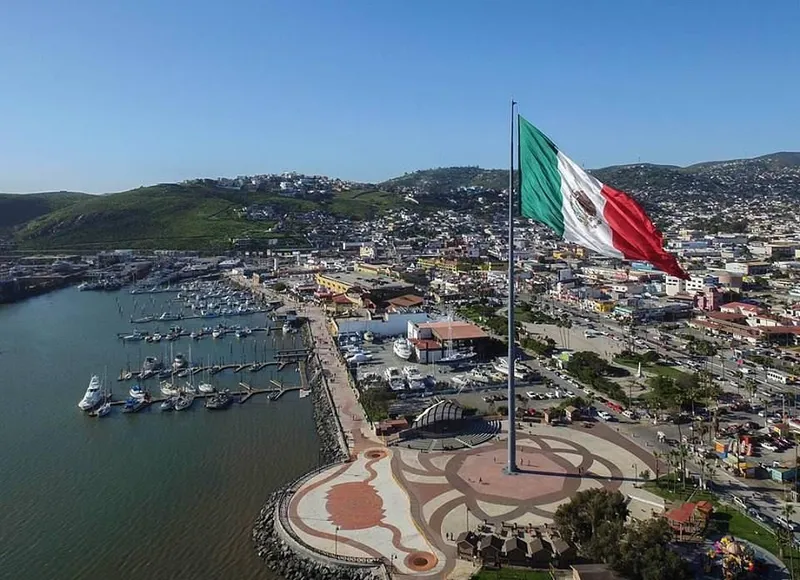
Tijuana is 40 million border crossings a year, but most visitors miss what makes it remarkable: this city invented Caesar salad, pioneered Baja Med cuisine, and runs the most creative craft beer scene in Mexico.
Forget the tourist clichés. The Tijuana that matters to food is a genuine culinary capital — one where Javier Plascencia riffs on Pacific seafood with Japanese technique, where you can eat one of history’s most documented food inventions at the restaurant where it was created, and where a flour tortilla carne asada taco at 2 AM represents northern Mexican tradition at its purest.
This is the food that 40 million people walk past without knowing what they’re missing.
At a Glance: Tijuana’s 15 Essential Dishes
| Dish | Best Spot | Price Range | Category |
|---|---|---|---|
| Caesar salad tableside | Caesar’s Restaurant | 200-350 MXN | Iconic/Historic |
| Carne asada taco (flour) | Tacos El Franc | 30-50 MXN | Street food |
| Baja fish taco | Tacos El Mazateño | 25-45 MXN | Street food |
| Langosta estilo Puerto Nuevo | Puerto Nuevo (45km) | 350-600 MXN | Regional |
| Aguachile negro | La Querencia | 180-280 MXN | Seafood |
| Birria de res | El Toro Guero | 60-100 MXN | Street food |
| Mariscos tostada | Mariscos El Güero | 80-150 MXN | Seafood |
| Baja Med tasting menu | Mision 19 | 600-1,200 MXN | Fine dining |
| Tacos de cabeza | Any 24hr taquería | 20-35 MXN | Late night |
| Craft beer flight | Cervecería Tijuana | 150-220 MXN | Drinks |
| Tamales veracruzanos | Mercado Hidalgo | 40-70 MXN | Market |
| Lobster burrito | El Zarape | 120-180 MXN | Baja fusion |
| Almejas chocolatas | Mercado de Artesanías | 80-130 MXN | Seafood |
| Pizza estilo TJ | Telefónica Gastro Park | 180-280 MXN | Modern Baja |
| Churros with chocolate | Avenida Revolución stalls | 40-70 MXN | Dessert |
1. Caesar Salad — Invented Here in 1924
This is the most documented food origin story you’ll eat in Mexico.
On July 4th weekend, 1924, Italian immigrant Caesar Cardini ran short on kitchen supplies at his Tijuana restaurant. San Diego prohibition-era Americans flooded across the border that weekend — the restaurant was packed and unprepared. Cardini improvised: romaine lettuce, raw egg whisked tableside, Worcestershire sauce, garlic, olive oil, lemon juice, Parmesan, croutons. No anchovies (those came later, added by his brother Alex — still debated).
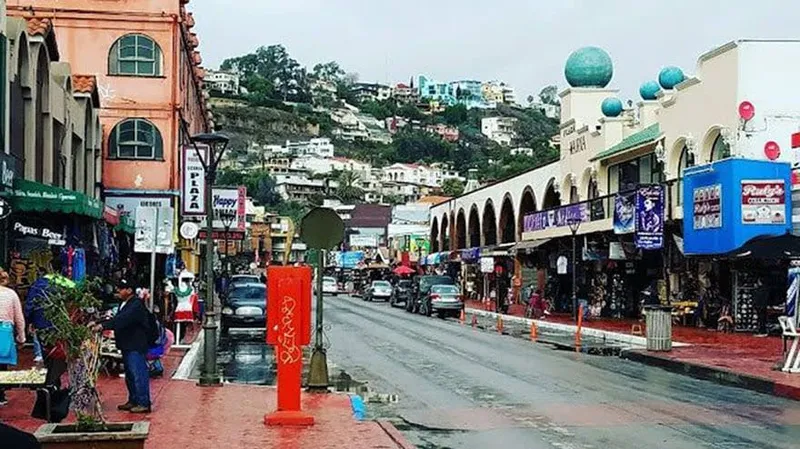
Caesar’s Restaurant at Avenida Revolución 827 still exists. Still makes the salad tableside. The ritual is the same: a wooden bowl, the dressing built piece by piece in front of you, the romaine coated and presented whole before being cut or served with your hands as originally intended.
Julia Child confirmed she had the salad there as a child in the 1920s. The Caesar salad spread to Hollywood when Cardini licensed a bottled version in 1948.
What to order: The classic preparation for two (serves 1-2 people). Ask for it without anchovies to get the 1924 original. Budget 200-350 MXN per serving.
2. Carne Asada Taco — Northern Mexico’s Religion
The definitive Tijuana taco is not made with corn. It’s flour.
Northern Mexico — Sonora, Baja California, Chihuahua — runs on handmade flour tortillas. The carne asada here is Sonoran-style: charcoal-grilled beef (usually sirloin or flap meat), chopped fine, served in a thin flour tortilla with guacamole, pico de gallo, and salsa roja. The tortilla is soft, slightly chewy, and made fresh at the taquería.
This is categorically different from what Mexico City calls “carne asada.” In Tijuana, the meat is the event — properly seasoned, properly rested, properly grilled. The tortilla is a vehicle, not a backdrop.
Where to eat: Tacos El Franc near Calle Coahuila, El Toro Guero, any of the taquería clusters around Zona Centro after 8 PM. The busier the stand at midnight, the better the tacos.
Price: 30-50 MXN per taco at street stalls.
3. Baja Fish Taco — Origin of a Genre
The Baja fish taco is arguably the most globally influential taco format. The battered-and-fried fish taco in a corn tortilla with shredded cabbage, a white cream sauce (mezcla of mayonnaise and Mexican crema), pico de gallo, and salsa — this format spread from Baja to San Diego to every “taco truck” in the US.
In Tijuana, the original is better.
The fish is fresh Pacific catch — usually dorado (mahi-mahi), tilapia, or seasonal white fish. The batter is light (beer batter or tempura-style), the cabbage slaw is crunchy, and the white sauce is the defining element: tangy, slightly fatty, the counterpoint to the lime and salsa heat.
Where to eat: Tacos El Mazateño, La Especial on Avenida Revolución, or any seafood taquería in the Zona Centro. Avoid tourist-facing stands that charge 120+ MXN — the same taco costs 25-45 MXN two streets over.
4. Langosta Estilo Puerto Nuevo — A Baja Institution
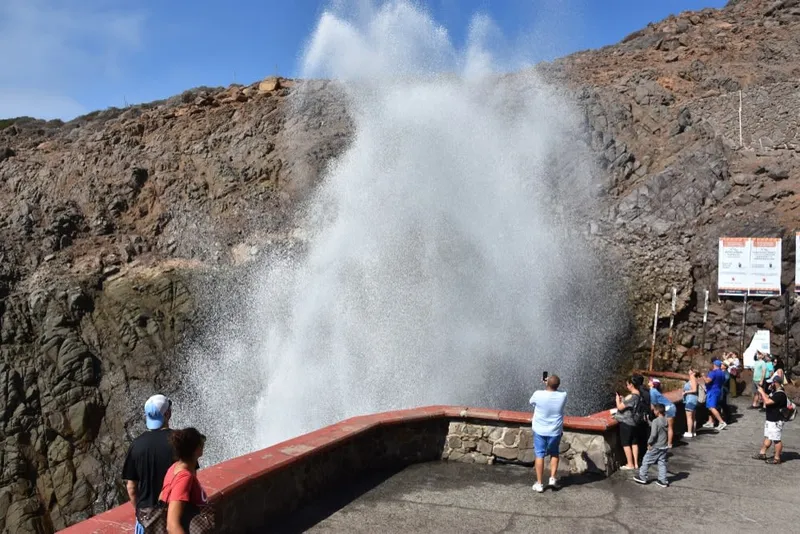
Forty-five kilometers south of Tijuana, the village of Puerto Nuevo has made one thing since the 1950s: lobster. Not steamed, not stuffed — Puerto Nuevo lobster is fried whole in lard, then served with refried beans, Mexican rice, and handmade flour tortillas.
It is not a sophisticated preparation. It doesn’t need to be. The spiny Pacific lobster (langosta de roca) from these waters is sweet, briny, and large. The lard fry creates a shell that cracks open to reveal meat that has absorbed the fat. You pull it apart with your hands.
Dozens of family-run restaurants serve the same dish at similar prices (350-600 MXN for a lobster meal with sides). La Casa de la Langosta and Ortega’s are the recognized institutions.
Most Tijuana visitors don’t know this is a 45-minute drive. It’s worth the trip.
5. Baja Med Cuisine — Mexico’s Most Underrated Culinary Movement
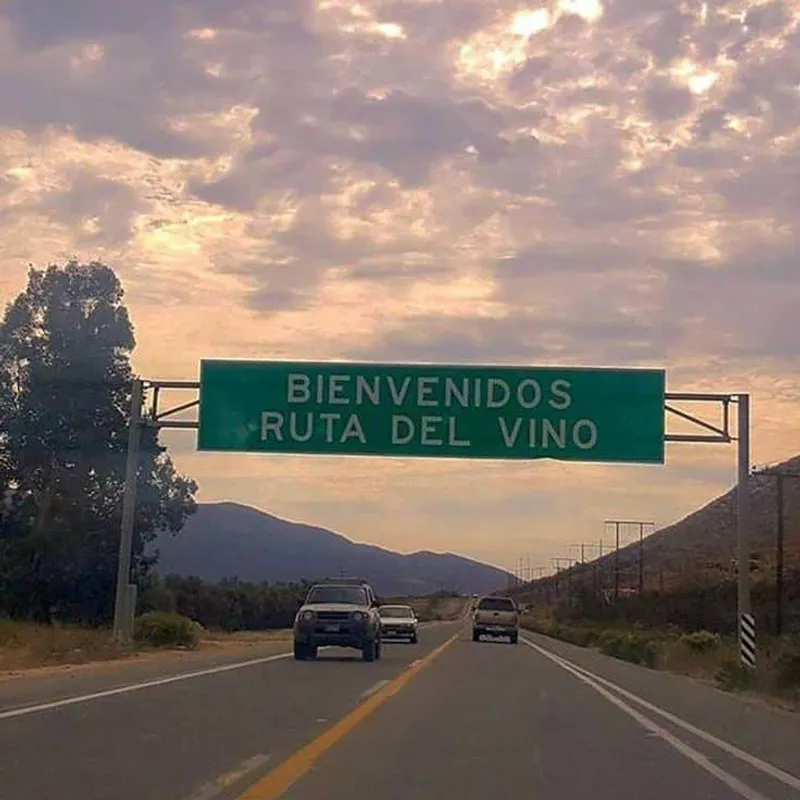
In the 1980s, Tijuana and Ensenada chefs started doing something unusual: they treated Pacific seafood with Japanese precision, incorporated Chinese and Korean flavors, paired everything with Valle de Guadalupe wines, and called it Mexican.
Baja Med is now one of Latin America’s most creative cuisines. Tijuana has the highest concentration of its defining restaurants.
What to expect: Yellowfin tuna tostadas with chipotle foam. Octopus braised in adobo with miso. Pacific clams with serrano leche de tigre. Duck in black mole with Baja craft beer reduction. The ingredients are local (Pacific seafood, Baja olive oil, Valle de Guadalupe wine), the techniques are international, and the result is unmistakably Mexican.
Key restaurants:
- Mision 19 (Javier Plascencia) — the flagship, fine dining, 600-1,200 MXN tasting menu
- La Querencia (Miguel Ángel Guerrero) — “rustic Baja Med,” more approachable prices (250-500 MXN)
- Telefónica Gastro Park — food truck park where young Baja Med chefs experiment without the overhead
6. Aguachile Negro — The Dark Version
Aguachile negro is the Tijuana version of a dish that originated in Sinaloa.
Where Sinaloa’s original is raw shrimp in bright green serrano-lime water, Tijuana’s aguachile negro uses charred dried chiles (chile negro, ancho, pasilla) creating a marinade that’s almost black, smoky, complex, and significantly deeper in flavor than the original.
The shrimp are Pacific — sweet, cold-water, firm. They’re thinly sliced, cured by acid in the black marinade, served with cucumber, red onion, and tostadas. The contrast between the raw seafood, the dark spicy liquid, and the crunch of the tostada is one of Mexico’s finest textures.
Where to eat: La Querencia does a benchmark version. Mariscos El Güero in Zona Centro for the more casual format (120-160 MXN vs 280 MXN at the restaurant).
7. Birria de Res — Tijuana’s Overnight Dish
Tijuana is a city that never fully sleeps, and birria de res is the food that makes that possible.
The beef version (res = beef) is different from Jalisco’s birria de chivo (goat). Tijuana birria is a rich, deeply red stew built on dried chiles (guajillo, ancho, morita), cooked long enough that the beef falls off the bone, served in a consommé with chopped onion, cilantro, lime, and tortillas for dipping.
Birria tacos — the variant where the meat goes into a tortilla dipped in the consommé and griddle-fried — became the global “birria taco” trend of 2020-21. The Tijuana version predates the trend by decades.
Where to eat: El Toro Guero for the traditional sit-down version. Street stalls near the border crossing for the late-night birria taco. 60-100 MXN for a bowl with tortillas.
8. Mariscos Tostada — Seafood on a Crispy Base
The mariscos tostada is Tijuana’s casual seafood format: a fried corn tostada (flat, crispy) loaded with cooked or ceviche-style seafood, topped with avocado, pico de gallo, and chile sauce.
The variations matter:
- Tostada de ceviche: lime-cured white fish, onion, tomato, serrano, cilantro
- Tostada de camarón: cooked shrimp with mayonnaise, avocado, cucumber
- Tostada de pulpo: octopus braised until tender
- Tostada de marlin ahumado: smoked Pacific marlin — a Baja exclusive
The market format is the most authentic: Mercado Hidalgo and the mariscos stands along Calle Coahuila. 80-150 MXN per tostada.
9. Tacos de Cabeza — Late Night Tradition
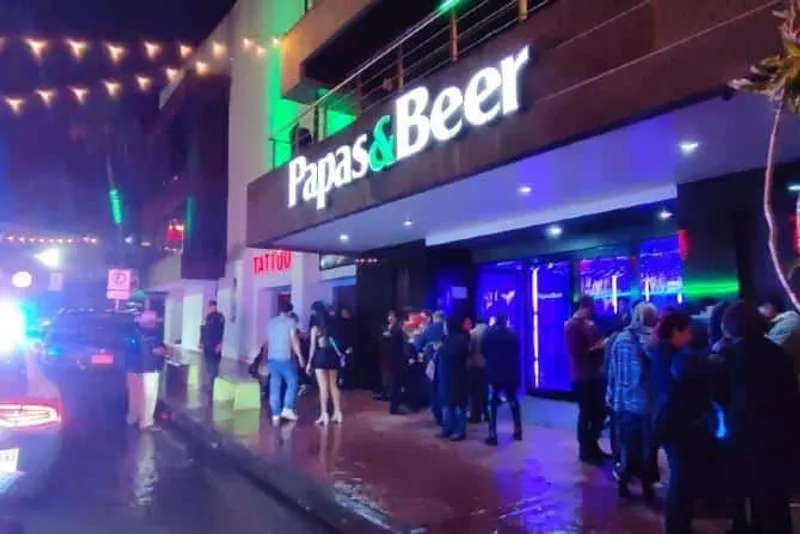
Tacos de cabeza — beef head tacos — are the test of a real Tijuana taquería.
The head of the cow (cabeza) is braised for hours until the various cuts — cachete (cheek), lengua (tongue), trompa (snout), sesos (brain) — are falling-apart tender. Each has a different texture. Cheek is the most popular: fatty, incredibly soft, with a deep beefy flavor that no other cut matches.
These are 2 AM tacos. The best spots operate late precisely because the meat needs hours of cooking to be ready. Small corn tortilla, chopped onion, cilantro, salsa verde. Nothing more required.
Where: Any 24-hour taquería in Zona Centro operating after midnight. The busier, the better. 20-35 MXN per taco.
10. Craft Beer — Mexico’s Beer Capital
Tijuana has more craft breweries per capita than any other city in Mexico. The movement started in the early 2000s, fed by San Diego’s craft beer culture 30 minutes north and Baja California’s tradition of homebrew experimentation.
Cervecería Tijuana (founded 1999) was the pioneer — its Güera blonde ale is the reference. Insurgente makes IPAs that win international awards. Border Psycho does experimental sours and barrel-aged stouts. Wendlandt focuses on Pacific seafood pairings with session ales.
The Avenida Revolución bar row has beer bars with 20-40 taps. A pint runs 80-150 MXN. Flights of 4-6 beers (samplers) are 150-220 MXN and the standard way to explore.
Tijuana’s craft beer culture is not a tourist attraction — it’s what the city actually drinks.
11. Lobster Burrito — Baja Fusion
The lobster burrito is not traditional Mexican food. It’s Baja border food: a large flour tortilla wrapped around chunks of Puerto Nuevo-style fried lobster, refried beans, rice, and the cook’s choice of salsa or crema.
It shouldn’t work as well as it does. The lobster’s sweetness against the earthy beans, all held in a flour tortilla that traps the steam — this is the kind of improvisation that border food produces when two culinary traditions collide for long enough.
El Zarape on Calle Benito Juárez is the recognized version. 120-180 MXN.
12. Almejas Chocolatas — Sea of Cortez Clams
These appear on both sides of the Baja peninsula’s food culture. Almejas chocolatas (chocolate clams, named for their dark brown shell) are found only in the Sea of Cortez — they cannot be farmed or found elsewhere.
Served raw on the half shell with lime juice and salsa, the texture is similar to a large Manila clam but with a sweeter, more mineral flavor. In Tijuana, the market stands at Mercado de Artesanías and along the waterfront at Playas de Tijuana serve them fresh.
80-130 MXN for a half-dozen.
13. Pizza Estilo TJ — Modern Baja Creativity
Tijuana’s Telefónica Gastro Park (a permanent food truck park in the Zona Río) has spawned a food subculture that doesn’t exist elsewhere in Mexico. One outcome: Tijuana-style pizza.
This is not Italian pizza and not American pizza. It’s pizza as a canvas for Baja ingredients: chipotle base, carne asada, guacamole drizzle, cotija cheese instead of mozzarella, or Pacific shrimp with habanero honey. The dough is thicker than Neapolitan, crispier than Chicago.
Price: 180-280 MXN for a personal pizza at Telefónica’s various pizza vendors.
14. Tamales from the Mercado Hidalgo
Tijuana’s Mercado Hidalgo is not a tourist market — it’s where the city shops. The tamale stalls inside are a survey of what migration looks like in food form.
You’ll find tamales from Veracruz (banana leaf, black beans and chile), Oaxacan tamales de mole, Sinaloa-style tamales de elote (fresh corn), and Sonoran tamales de rajas con queso (roasted pepper and cheese in lard masa). The city’s population came from everywhere in Mexico, and the tamales reflect that.
40-70 MXN per tamal. The stalls that have been there for decades are the reference — look for the one with the line.
15. Churros with Mexican Chocolate
Every Avenida Revolución street vendor sells churros. Every block has a version. The test is in the chocolate sauce: Mexican chocolate (Abuelita or Ibarra brand) dissolved into hot milk is thicker, spicier (cinnamon-forward), and less sweet than European hot chocolate.
This is the tourist-facing food that actually lives up to the hype. 40-70 MXN for a bag of churros with dipping chocolate.
Where to Eat in Tijuana: A Practical Guide
By Neighborhood
| Neighborhood | Best For | Price Level |
|---|---|---|
| Zona Río | Baja Med restaurants, craft beer bars | Mid-Upscale |
| Avenida Revolución / Centro | Caesar’s, tourist-facing tacos, churros | Budget-Mid |
| Calle Coahuila / Zona Norte | Authentic late-night carne asada, cabeza tacos | $ |
| Telefónica Gastro Park | Food truck creativity, craft beer, pizza TJ | Budget-Mid |
| Mercado Hidalgo | Tamales, mariscos tostadas, market food | $ |
| Playas de Tijuana | Pacific seafood, beachside mariscos | Budget-Mid |
Essential Spots
Caesar’s Restaurant — Avenida Revolución 827. The original. Tableside Caesar salad. Tourist-facing but historically legit. 200-350 MXN for the salad.
Tacos El Franc — Zona Centro. Carne asada, flour tortillas, the real version. 30-50 MXN per taco.
La Querencia — Zona Río. Miguel Ángel Guerrero’s Baja Med. More accessible than Mision 19, same quality ingredients. 250-500 MXN per person.
Mision 19 — Zona Río (Misión Comercial mall, floor 19). Javier Plascencia’s flagship. Reserve in advance. 600-1,200 MXN tasting menu.
Telefónica Gastro Park — Revolución and 2nd. Open-air food truck park with 30+ vendors. Best for variety and craft beer. 100-300 MXN per person.
Mercado Hidalgo — Between Av. Independencia and Calle 3. The real market. Tamales, mariscos, produce. 50-150 MXN per dish.
Cervecería Tijuana — Multiple locations. The original Tijuana craft brewery. Flights 150-220 MXN.
Budget Guide
| Budget Level | Daily Food Cost (USD) | What You Get |
|---|---|---|
| Budget | $10-20 USD (180-360 MXN) | Street tacos, market mariscos, beer at local bars |
| Mid-range | $25-50 USD (450-900 MXN) | La Querencia lunch, craft beer flights, market meals |
| Splurge | $60-120 USD (1,080-2,160 MXN) | Mision 19 dinner, Puerto Nuevo lobster, wine pairings |
Note: Tijuana prices are often quoted in USD. Confirm currency before ordering to avoid confusion.
Tijuana Food Calendar
| Month | Food Event | What |
|---|---|---|
| March | Baja California Gastronomy Festival | Regional dishes from all of Baja |
| April-May | Valle de Guadalupe harvest season prep | Fresh wines arrive in Tijuana restaurants |
| July-August | Peak lobster season at Puerto Nuevo | Langosta de roca at peak size |
| October | Cerveza de Baja Festival | Craft beer festival, all producers present |
| November-December | Día de Muertos tamales | Mercado Hidalgo special seasonal tamales |
Getting to Tijuana from San Diego
The most common entry: walk across San Ysidro border crossing from San Diego (7 minutes from the trolley station). The Uber from San Diego to the border is $10-15 USD. PedWest pedestrian crossing is the fastest lane for foot traffic.
No visa required for US citizens for stays under 180 days. Get your FMM tourist card (free at the border or online).
For food tourism specifically: cross on a Saturday morning, when Mercado Hidalgo is at its busiest and the weekend tamale sellers set up.
What to Bring Home
Baja California wine — Valle de Guadalupe bottles are legally available for personal import to the US (one bottle duty-free). Most bottles cost 200-500 MXN at Tijuana wine shops vs $25-60 USD in San Diego.
Cerveza artesanal — Cervecería Tijuana’s bottled beers, Insurgente bottles, Wendlandt cans. You’ll cross the border with them.
Mexican chocolate — Abuelita and Ibarra are available everywhere. For premium: Chocolates Costillar near the market.
Talavera pottery — From the Mercado de Artesanías. Verify it’s actual Talavera (Puebla-made, signed) vs the Baja imitation.
Tijuana and the “What to Eat In” Cluster
- What to Eat in Los Cabos — The other Baja food capital
- What to Eat in Oaxaca — The mole capital
- What to Eat in Mexico City — The full range of Mexican cuisine
- What to Eat in Guadalajara — Birria, torta ahogada, cantaritos
- What to Eat in Puebla — Mole poblano, chiles en nogada, cemitas
- Is Tijuana Safe? — The honest safety guide
- Tijuana Day Trip from San Diego — Planning a border crossing