What to Eat in Guadalajara: 15 Dishes, Best Taquerías & Where Locals Eat (2026)
Guadalajara doesn’t get enough credit for its food. Mexico City dominates the culinary conversation, but Jalisco’s capital invented three of Mexico’s most copied dishes — birria, torta ahogada, and carne en su jugo — and locals eat them with a seriousness that borders on religious. One of those dishes holds a Guinness World Record. Another ignited a taco trend that went global. The third drowns a sandwich in sauce and dares you to complain.
This is a food city with a distinct identity, regional pride, and absolutely no interest in impressing tourists. That’s the best kind.
For trip planning, see our Guadalajara travel guide. For specific restaurant picks, best restaurants in Guadalajara has the full breakdown. This guide is about the food itself — what to eat, why it matters, and where to find the real version.
Guadalajara’s Food Identity: What Makes Jalisco Cuisine Distinct
Jalisco cuisine is built around three things: beef and pork done slowly, chiles used with restraint, and tequila in the glass. Unlike Oaxacan food (complex, multi-layer moles) or Yucatecan food (citrus and achiote marinades), Jalisco cooking is direct — high-quality meat, long cooking times, and acid-and-chile balance that rewards patience.
The state borders eight others, which means GDL food absorbs influences from Nayarit (Pacific seafood to the north), Michoacán (carnitas culture to the east), and Colima (where tuba and Pacific coast cooking meet). But the core is Jalisco’s own: cattle culture, tequila, mariachis, and the mestizo cooking tradition that produced the dishes on this list.
Key Guadalajara food facts:
- Birria originated in Jalisco, specifically in the Cocula municipality south of Guadalajara
- Torta ahogada is exclusive to GDL — no equivalent exists elsewhere in Mexico
- Carne en su jugo holds a Guinness World Record for most restaurants in a city serving one dish
- Guadalajara is the tequila industry capital — nearly all major distilleries are headquartered here
15 Essential Guadalajara Foods
1. Birria de Res
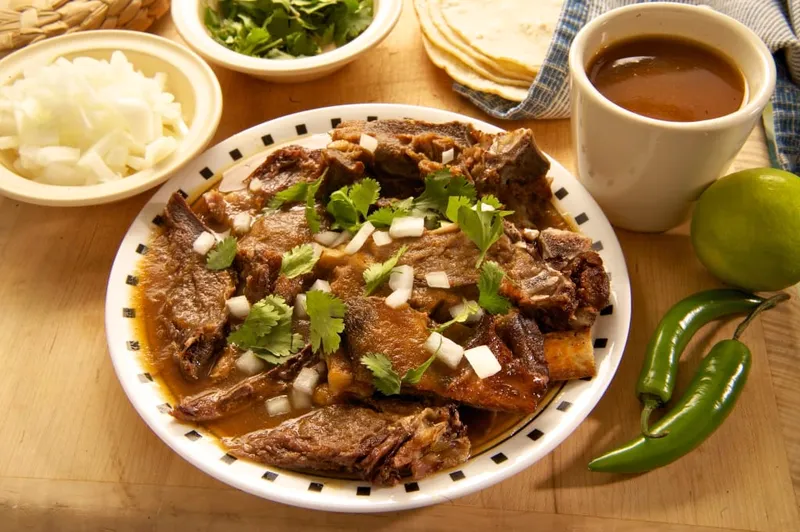
The dish that made Guadalajara famous globally. Birria is beef (traditionally goat, but Jalisco switched to res — beef — generations ago) slow-braised for 3-5 hours in a broth of guajillo, ancho, and pasilla chiles, dried herbs, vinegar, garlic, and spices until the meat dissolves when touched. The cooking broth becomes the consommé — a dark, aromatic liquid served in a cup alongside your tacos for dipping.
The taco order is simple: corn tortillas, shredded birria, chopped onion, cilantro, lime. You dip the assembled taco into the consommé before eating. Quesabirria — melted cheese folded in with the birria, the tortilla dipped in chile fat and griddled until crispy — is the modern variant that went viral internationally. Guadalajara taquerías were doing this for decades before anyone made Instagram videos about it.
What to order: Consommé to start, then 3-4 birria tacos, then one quesabirria
Price: 30-50 MXN per taco, consommé 40-60 MXN
Best spots: Birriería Las 9 Esquinas (Colonia Mexicaltzingo), La Chata (downtown, open for lunch), Birriería González, any birriería with a line on a Sunday morning
The rule: Weekend mornings are birria time in Guadalajara. Friday-Sunday birrierías open at 8 AM and sell out by noon. Don’t show up at 2 PM expecting birria.
2. Torta Ahogada
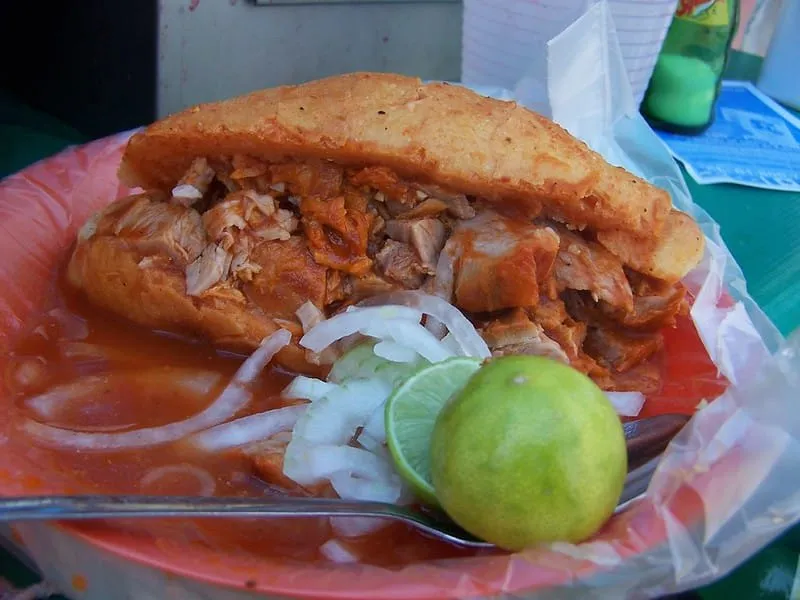
The dish that defines Guadalajara for Mexicans. Torta ahogada translates to “drowned sandwich” — a pork-filled birote salado roll submerged in tomato-chile sauce until the bread absorbs the flavor without falling apart.
The birote is the key. A regular bolillo or telera bread would dissolve. The birote salado (salty birote) is a Guadalajara-specific sourdough roll with a dense, crackling crust developed specifically to withstand submersion. There are theories that GDL’s altitude and unique water affect the gluten structure — whatever the reason, the birote works here and doesn’t exist authentically anywhere else.
Sauce options:
- Entera: mild tomato sauce, manageable heat
- Media: half tomato, half arbol chile sauce
- Picante: pure arbol chile sauce — genuinely spicy, bright red, acid-forward
What to order: Start with media (half). The torta is filled with slow-cooked pork, pickled onion, and oregano, then completely submerged in your chosen sauce. Eat it in the paper or in a bowl with extra sauce on the side.
Price: 80-150 MXN
Best spots: El Güero (Av. Juárez — the classic, a GDL institution since 1971), street stands near Mercado Libertad, La Fuente (old-school cantina downtown serves them with beer), Birriería La Capital
3. Carne en su Jugo
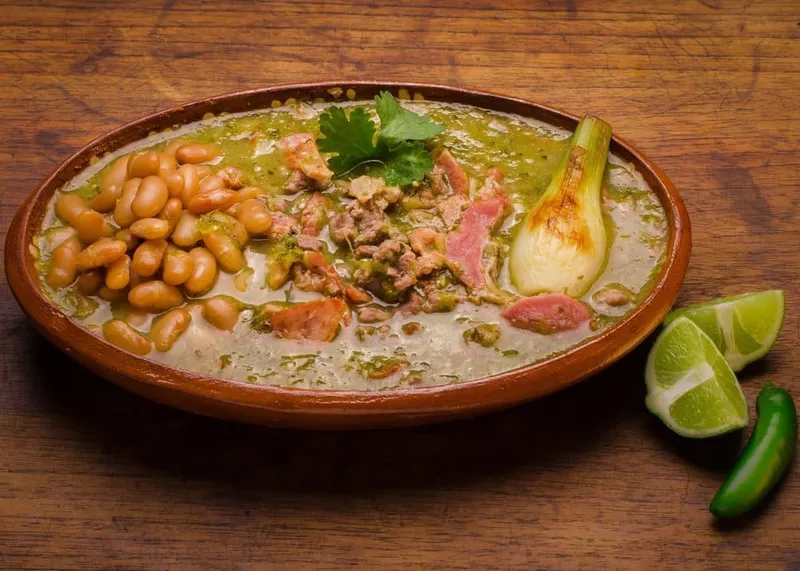
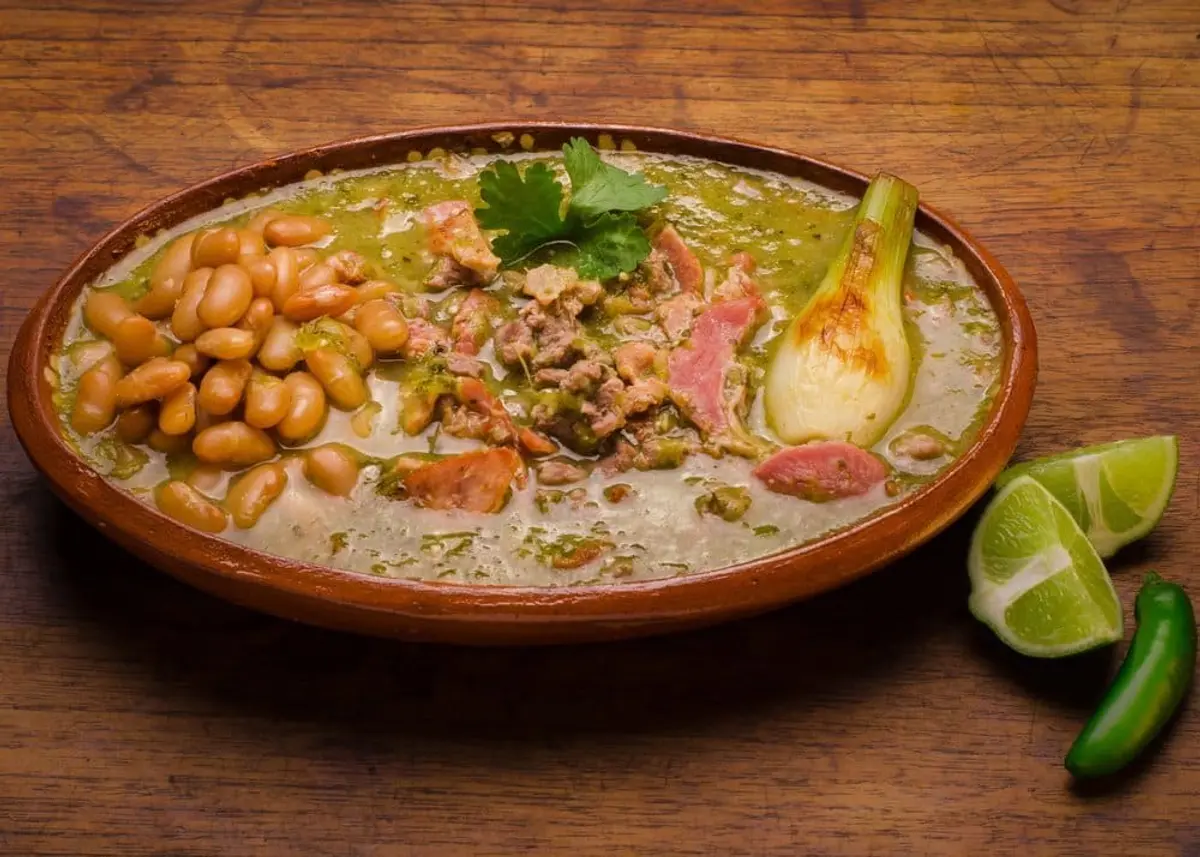
Probably the least-known of GDL’s three signature dishes outside Mexico, and the most interesting. Carne en su jugo (meat in its own juice) is thin strips of beef — usually sirloin or arrachera — simmered in a broth built from their own drippings, with bacon, tomatillo, jalapeño, garlic, and white beans that absorb the fat.
The result is a broth that is simultaneously beefy, porky, tangy, and rich. The beans bulk it out and drink the pork fat. The beef is cut thin so it cooks quickly and stays tender. It arrives in a clay bowl with tortillas, chopped raw onion, cilantro, lime, and optionally sliced avocado.
The Guinness World Record: Karne Garibaldi on Av. Miguel Hidalgo holds the record for fastest food service — carne en su jugo arrives in an average of 13.5 seconds after ordering. They’ve held this record since 1996. The entire operation is engineered around this one dish: meat pre-cooked, beans in a central vat, bowls staged and ready. It is genuinely impressive and the food is good.
Price: 100-180 MXN
Best spots: Karne Garibaldi (for the record + reliable quality), La Chata (downtown, more character), any carnería in the Mexicaltzingo neighborhood
4. Tacos de Canasta (Basket Tacos)
Street tacos served from insulated wicker baskets, kept warm by steam from their own heat. The tortillas compress slightly against each other and absorb some of the fillings’ oil — making them softer and richer than fresh tacos. Classic GDL fillings:
- Frijoles refritos (refried black beans)
- Chicharrón (crispy pork rinds, softened by steam)
- Papa con chorizo (potato with chorizo)
- Mole verde
Canasta tacos are morning food — sold from bicycles and street corners from 6-11 AM. They cost 12-20 MXN each and you order 4-6 minimum. The vendors pile your selection into a bag, you eat them standing at the curb with salsa verde.
Price: 12-20 MXN each
Best time: Before 10 AM at any busy intersection in the historic center or Barrio Antiguo
5. Pozole Rojo
Guadalajara’s pozole is the red version (rojo) — large hominy corn kernels in a chile-pork broth, topped at the table with shredded cabbage, thinly sliced radish, dried oregano, chile flakes, lime, and tostadas. In Jalisco, the broth leans darker and more complex than Guerrero-style pozole: more dried chile depth, sometimes a hint of dried herbs.
Pozole is weekend food and celebration food — served at birrierías on Saturdays, at family tables for holidays, and at late-night after-party spots. It is Mexico’s recovery food, traditionally eaten as a cure for the previous night’s excesses.
Price: 80-150 MXN for a full bowl
Best at: Birrierías (many serve both birria and pozole), Las 9 Esquinas neighborhood restaurants
6. Enchiladas Tapatías
Guadalajara’s version of enchiladas uses salsa ranchera (fresh tomato, serrano, onion, garlic) rather than red or green mole — simpler and more direct than Oaxacan enchiladas. They’re filled with chicken or pork, topped with crumbled cheese (queso fresco), sour cream, sliced onion, and garnished with radish and avocado.
Tapatío is the demonym for GDL natives — and the hot sauce brand is named after the city. Enchiladas tapatías appear at breakfast at traditional fondas and at the Mercado Libertad upstairs food section.
Price: 80-140 MXN
Best at: Fonda El Refugio in the historic center, upstairs at Mercado Libertad
7. Carnitas
Jalisco shares its border with Michoacán, the state most associated with carnitas (Morelia’s copper cazo technique is the standard). GDL carnitas are slightly different: cooked in large steel pots with lard and citrus peel, then left to crisp at the end. The best pieces are buche (esophagus, fatty and tender), cueritos (pork skin), and maciza (lean shoulder) — ordered by weight at the market.
Sunday morning = carnitas tacos for GDL families. Tlaquepaque and Tonalá markets have excellent carnitas vendors on weekends.
Price: 150-200 MXN per 250g portion (feeds 2-3 tacos)
Best at: Mercado Libertad weekend stalls, Tlaquepaque market
8. Menudo
Mexico’s legendary hangover remedy: slow-simmered tripe (honeycomb cow stomach) in a red or clear chile broth with hominy, served with dried oregano, lime, onion, and tostadas. GDL menudo leans toward the rojo (red chile) version. It sounds intimidating, it smells earthy, and it is one of the best things you can eat at 8 AM after a late night on Chapultepec.
Price: 80-150 MXN
Best at: Any traditional birriería or fonda that opens at 7-8 AM on weekends
Guadalajara Drinks
Cantarito
The official cocktail of Jalisco: tequila blanco + fresh orange juice + fresh grapefruit juice + lime juice + salt + a splash of grapefruit soda, served in a small clay pot (cantarito). The clay gives a subtle mineral finish and keeps the drink cold. It is citrus-forward, refreshing, and strong enough to sneak up on you by the third one.
Cantaritos are sold at the Plaza de Mariachis (order and watch musicians improvise), at cantinas around the historic center, and throughout Tlaquepaque’s craft market area. The clay cups are sold as souvenirs for good reason.
Price: 80-150 MXN
Best at: Plaza de los Mariachis (experience), any cantina in Barrio Antiguo (quality)
Paloma
The most popular tequila cocktail in Mexico that Americans somehow haven’t discovered yet. Tequila blanco + grapefruit soda (Fresca or Squirt) + lime + salt. That’s it. Refreshing, easy to drink, and appropriate at any meal, midday, or midnight. Guadalajara bars serve Palomas as the standard tequila order.
Tejuino
Fermented corn street drink: masa corn dough fermented in water with piloncillo (raw cane sugar), sold by street vendors with a scoop of lime sorbet and salt floating on top. Earthy, slightly sour, and deeply Jalisco. Approximately 0.5% ABV from the fermentation — you’d need 15 of them to feel anything other than full.
Price: 20-40 MXN from street vendors
Best found: Street carts near the Mercado Libertad and in the historic center
Tequila (obviously)
The town of Tequila is 65km northwest of Guadalajara — a 45-minute drive. The José Cuervo Express train runs from the GDL old train station on Saturdays (but note: it departs from GDL, not the airport — most tourism packages get this wrong). Independent day trips by car or bus are better value and allow more distillery stops.
The range of tequilas available in GDL is broader and cheaper than anywhere else in Mexico. Duty-free at GDL airport has excellent reposado and añejo selection at production-cost prices.
Where to Eat in Guadalajara
| Neighborhood | Best For | Price Level | Notes |
|---|---|---|---|
| Mercado Libertad (San Juan de Dios) | Birria, torta ahogada, carne en su jugo | $ | Go upstairs — main floor is touristy crafts |
| Barrio Antiguo / Mexicaltzingo | Weekend birria, pozole, late-night tacos | $-$$ | Best birrierías are here |
| Historic Center (Centro) | Torta ahogada, enchiladas tapatías, menudo | $-$$ | El Güero on Juárez, La Chata nearby |
| Chapultepec Corridor | Craft cocktails, modern Mexican, Palomas | $$-$$$ | Best bar scene in GDL |
| Tlaquepaque | Carnitas, local fondas, artisan food souvenirs | $-$$ | Sunday market only for best food |
| Tonalá | Thursday/Sunday tianguis street food | $ | Cheaper versions of everything |
| Providencia / Chapalita | Upscale restaurants, international food | $$$-$$$$ | Where GDL professionals eat out |
Quick-Reference: 15 Must-Try Guadalajara Foods
| Dish | Type | Price Range | When to Eat |
|---|---|---|---|
| Birria de res | Beef stew / tacos | 30-50 MXN/taco | Weekend breakfast |
| Torta ahogada | Drowned sandwich | 80-150 MXN | Lunch |
| Carne en su jugo | Beef-bean stew | 100-180 MXN | Lunch |
| Tacos de canasta | Basket tacos | 12-20 MXN each | Morning |
| Pozole rojo | Hominy soup | 80-150 MXN | Weekend lunch |
| Enchiladas tapatías | Corn tortilla dish | 80-140 MXN | Breakfast/lunch |
| Carnitas | Slow-fried pork | 150-200 MXN/250g | Weekend |
| Menudo | Tripe stew | 80-150 MXN | Weekend breakfast |
| Cantarito | Tequila cocktail | 80-150 MXN | Afternoon/evening |
| Tejuino | Fermented corn drink | 20-40 MXN | Hot afternoon |
| Paloma | Tequila + grapefruit | 60-120 MXN | Any time |
| Quesabirria | Crispy birria tacos | 40-60 MXN/taco | Weekend |
| Sopes tapatíos | Thick masa base | 30-50 MXN each | Lunch |
| Jericalla | Custard dessert | 40-80 MXN | Dessert |
| Buñuelos | Fried dough (seasonal) | 25-50 MXN | December festival |
Food Markets
Mercado Libertad San Juan de Dios is the most important food destination in GDL — the largest covered market in Latin America, with the best taco/birria/torta concentration in the city. The ground floor sells crafts, electronics, and souvenirs (skip it). Head directly to the upper level (Planta Alta) where dozens of fondas serve the same three dishes alongside menudo, pozole, and regional antojitos.
It opens at 7 AM and the best birria sells out by 11 AM on weekends. Get there early or switch to torta ahogada (available all day).
Mercado Medrano in Barrio Antiguo is smaller and more local: breakfast fondas, fresh produce, carnitas on Sundays, without the tourist traffic of Libertad.
Tlaquepaque Sunday market combines craft shopping with excellent street food — carnitas tortas, elotes, churros, aguas frescas. Not a traditional food market but one of the best casual eating experiences in GDL.
Day Trip: Tequila Town Food
The town of Tequila (65km northwest, 45 min by car) pairs distillery visits with a distinct food culture worth the detour:
- Birria de chivo (goat birria, not beef) — the original version, rarely found in GDL itself
- Gorditas de nata — thick corn tortillas filled with cream
- Machaca con huevo — dried beef scrambled with eggs, cowboy breakfast
- Tejate from local market stalls
The José Cuervo Express train on Saturdays includes lunch and tastings. Independent car rental gives more distillery access and food stops.
Practical Tips
The Jalisco Ley Seca: Holy Thursday (April 2, 2026) and Good Friday (April 3, 2026), bars and cantinas in Jalisco cannot serve alcohol. Restaurants with a food-primary license can still serve beer and wine with meals. Plan accordingly or be in Oaxaca (Ley Seca Friday only) or Quintana Roo (no Ley Seca at all).
Eating hours: Guadalajara runs on a traditional Mexican food schedule: breakfast (desayuno) 7-10 AM, main meal (comida) 2-5 PM, light supper (cena) 8-11 PM. The best restaurants don’t open for lunch until 1:30 PM. Don’t show up at noon expecting a full restaurant.
Tipping: 10-15% at restaurants, 5-10 MXN per taco at street stands. At Mercado Libertad fondas, small tips are appreciated but optional.
Getting there: Guadalajara is 1 hour by air from Mexico City or 3.5 hours by car (MEX-15D). See our Mexico City to Guadalajara and Guadalajara to Puerto Vallarta guides for transport.
Eating in Context: Guadalajara vs Other Food Cities
| Comparison | Guadalajara | Mexico City | Oaxaca |
|---|---|---|---|
| Identity dish | Birria / torta ahogada | Tacos al pastor | Mole negro |
| Price level | $ (20-30% cheaper than CDMX) | $$ | $ |
| Complexity | Direct, protein-forward | Everything | Multi-layer sauces |
| Signature drink | Cantarito | Mezcal | Mezcal / tejate |
| Market experience | Mercado Libertad (largest) | Mercado Jamaica / Medellín | Mercado Benito Juárez |
| Best for | Meat dishes, street food | Every cuisine style | Sauces, insects, chocolate |
Guadalajara is a meat city. If you’re vegetarian, GDL is manageable (markets have beans, cheese, vegetables) but birria, torta ahogada, and carne en su jugo all require improvisation. Oaxaca and Mexico City are significantly more vegetarian-friendly.
Plan Your Guadalajara Trip
- Guadalajara Travel Guide — neighborhoods, transport, where to stay
- Things to Do in Guadalajara — 30 activities beyond just eating
- Best Restaurants in Guadalajara — specific restaurant picks with prices
- Day Trips from Guadalajara — Tequila, Lake Chapala, Tlaquepaque
- Guadalajara Nightlife — cantina circuit, bars, Plaza de Mariachis
- Mexico City to Guadalajara — bus, plane, driving options
- What to Eat in Puebla — Mexico’s other culinary capital: mole poblano, chiles en nogada, cemitas