Tijuana Day Trip from San Diego 2026: Food, Beer & Border Guide
Tijuana is one of the most misunderstood cities in North America. Forty minutes from downtown San Diego — a literal 10-minute walk from the US border — it’s a city with a legitimate food scene, 30+ craft breweries, and a culinary history most visitors know nothing about. Including the fact that the Caesar salad was invented here.
Most day-trippers who walk across expecting a touristy border town find something more interesting: a real Mexican city that happens to be very easy to reach. This guide tells you how to do it right.
How to Get to Tijuana from San Diego
Option 1: San Diego Trolley + Walk (Recommended)
This is the cleanest, cheapest, most reliable way to cross. No parking, no traffic, no stress.
- Take the Blue Line San Diego Trolley from downtown (Santa Fe Depot or any Blue Line station) south to San Ysidro / Tijuana — the last stop
- Walk off the trolley and follow the signs toward “Mexico / Pedestrian Crossing”
- Cross the pedestrian bridge — no stopping, no documents required going INTO Mexico
- You’re in Tijuana. Walk straight onto Avenida Internacional and then into the city
Cost: Around 2.50 USD each way on the trolley. Free to enter Mexico. Time from downtown San Diego: 40–50 minutes total. Return trip: Walk back to the San Ysidro crossing, wait in line, cross, and catch the trolley.
Option 2: Drive to San Ysidro, Walk Across
If you’re not near a trolley stop, drive to San Ysidro and park in one of the secure lots (around 10–15 USD for the day), then walk across. Don’t drive your car into Tijuana on a day trip unless you have Mexican auto insurance — your US insurance doesn’t cover you in Mexico.
Option 3: CBX (Cross Border Xpress) — Airport Users Only
If you’re flying out of Tijuana Airport (Aeropuerto Internacional General Abelardo L. Rodríguez), CBX is a private pedestrian bridge connecting directly from a terminal in Otay Mesa (San Diego side) to the Tijuana airport. About 32 USD each way. Only useful if you’re actually flying from TIJ.
Crossing the Border: What to Expect
Going south (into Mexico): No stopping, no documentation, no inspection for pedestrians. Walk through the turnstile.
Coming back north (into the US): This is where you’ll spend time.
- Standard pedestrian lane: 30 minutes to 2 hours, depending on time of day and season
- SENTRI / trusted traveler lane: Often under 15–20 minutes
- Best times to return: Weekday late afternoon is generally faster than weekend afternoons. Saturday and Sunday afternoons, especially near US holidays, are the worst.
- CBP One app: Check current wait times at the San Ysidro port of entry before you head back. The app shows real-time lane wait times.
- What to declare: Fresh produce, meats, and certain foods cannot be brought back. A 800 USD duty-free exemption applies for US citizens. Alcohol: 1 liter duty-free.
- Documents: Have your passport or passport card ready. US permanent residents bring your green card.
Avenida Revolución vs. Zona Río: Where to Go
Avenida Revolución
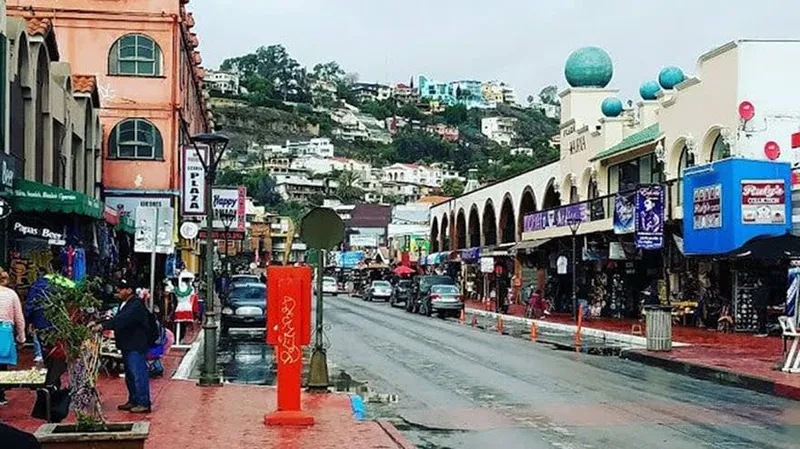
“La Revu” is Tijuana’s historic tourist corridor — the street every first-timer walks. Pharmacies (Tijuana was historically known for accessible medications), souvenir shops, taquerías, and bars line both sides. It’s lively, slightly chaotic, and unmistakably border-town tourist strip.
Worth visiting: Yes, for the energy and the walking tour feel. Several genuinely good restaurants and bars are on or just off La Revu.
Not recommended for: Expecting it to represent the real Tijuana. It’s what Tijuana decided to show tourists in the 1970s.
Zona Río
Zona Río is where Tijuana residents actually go. The upscale restaurant scene, craft beer bars, and creative food projects are concentrated here. It’s across the concrete-channeled Tijuana River from La Revu — about a 15-minute walk or short Uber.
Malecón Río Tijuana: A developing riverside promenade with restaurants, bars, and public space. The most polished version of Tijuana’s urban revitalization.
Plaza Fiesta: A collection of bars and restaurants in a converted shopping center — an unlikely venue that has become one of the most interesting craft beer destinations in Baja.
Our honest take: Start on La Revu to orient yourself, eat at least one meal there, then head to Zona Río for the best food and beer. The contrast is the story of modern Tijuana.
What to Eat: The Real Tijuana Food Hits
The Caesar Salad (Yes, Really)
The Caesar salad was invented in Tijuana in 1924 by Caesar Cardini, an Italian immigrant restaurateur. On a busy Fourth of July weekend, Cardini was nearly out of ingredients. He assembled what he had — romaine lettuce, garlic, Worcestershire sauce, lemon juice, olive oil, egg, Parmesan, and croutons — and prepared it tableside. Guests loved it.
The original Caesar’s restaurant is still in Tijuana at Avenida Revolución 1059. The experience of having a Caesar salad prepared tableside, in the city where it was invented, is one of those small travel moments that sticks.
Why most travel guides miss this: The Caesar salad has been so thoroughly adopted worldwide that few people know — or remember to mention — its Tijuana origin. This is genuinely one of the best culinary origin stories in the Americas.
La Guerrerense: Ceviche Tostadas
La Guerrerense at the corner of Primera (1st St) and Revolución is one of the most famous seafood carts in Mexico. Owner Sabina Bandera is a James Beard Award winner — the first street vendor outside the US to receive one. Her ceviche tostadas (with various seafood preparations), sea urchin, and seafood cocktails are extraordinary.
Lines form but move fast. This is not to be skipped.
What to order: Let Sabina’s team guide you — point, they’ll suggest. The sea urchin tostada is exceptional if you’re an urchin fan.
Tacos: Where to Go
Tijuana claims to have invented the California-style fish taco (grilled or battered fish, cabbage, crema, salsa). Whether or not that origin claim is entirely true, the fish tacos here are outstanding.
La Especial Norte — Long-running institution on Revolución. Known for carne asada tacos, simple and perfect.
Tacos El Franc — In Zona Río. Excellent birria (braised beef) tacos with consommé for dipping.
El Zarape — Known for tacos dorados and simple Northern-style tacos.
Baja Med: Tijuana’s High End
Baja Med is a culinary movement that fuses traditional Mexican flavors with Mediterranean and Asian influences, using locally sourced Baja California ingredients — seafood from Ensenada, herbs from Valle de Guadalupe, Pacific oysters, fresh herbs.
Restaurante Misión 19 by chef Javier Plascencia is the flagship of this movement — recognized internationally, the kind of restaurant where dinner service requires reservations and feels like a proper culinary event.
La Querencia in Zona Río is another Baja Med standout — more casual, excellent value by international standards.
Craft Beer: Tijuana’s Unexpected Scene
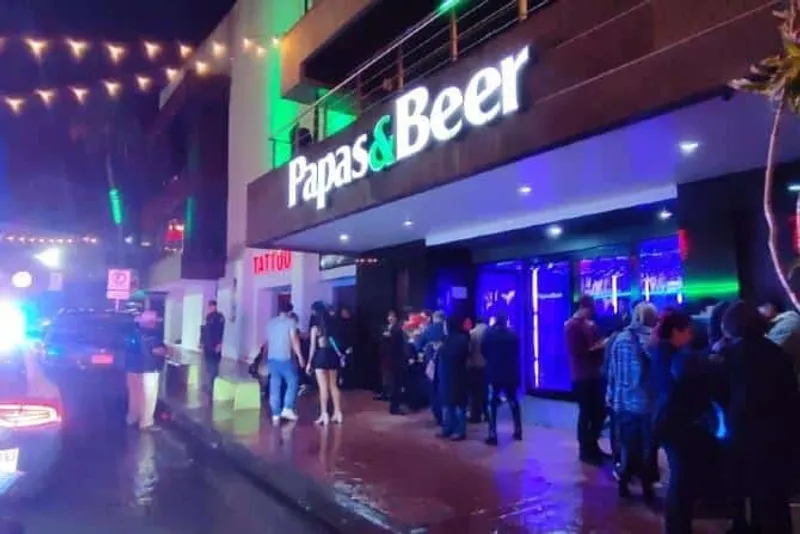
Tijuana has quietly become one of the more interesting craft beer cities in North America. Over 30 craft breweries operate in the city, many clustered around Plaza Fiesta in Zona Río. The scene emerged in the early 2010s and has continued growing.
Norte Brewing Co.: One of the originals and best-known. American-style craft beers with a Baja sensibility. Solid food menu. The flagship brewery and taproom is the most accessible for first-timers.
Cervecería Mamut: Highly regarded for quality and experimental brews. The taproom in Zona Río is worth a visit. Known for IPAs and seasonal specials.
Border Psycho Breweries: The most adventurous brewer in Tijuana — barrel-aged stouts, experimental sours, and high-ABV specialties. Not for the faint-hearted beer drinker.
The Plaza Fiesta experience: This converted mini-mall in Zona Río has transformed its former retail spaces into a collection of taprooms and beer bars. Walking through it feels like no other craft beer experience — each “store” is a different brewery’s taproom. The collective atmosphere on a weekend afternoon is genuinely fun.
Beer note: USD and pesos both accepted at most Tijuana bars. Craft beer runs about 60–120 MXN per glass (3–7 USD) — significantly cheaper than San Diego for similar quality.
Coming Back to the US: What You Need to Know
Documents required: Valid US passport (book or card), or for non-US-citizens, the appropriate travel document for your nationality.
Customs declaration: US citizens returning get an 800 USD duty-free exemption. 1 liter of alcohol duty-free. Fresh fruits, vegetables, and meats generally cannot be imported — don’t try to bring back street tacos.
What you can bring: Manufactured goods, handicrafts, pottery, textiles, pharmaceuticals (with valid prescription), wine (Valle de Guadalupe bottles are a great souvenir — 1 liter duty-free per adult, more with duty payment).
SENTRI / Global Entry: If you’re a frequent US-Mexico border crosser, SENTRI is the best investment — dedicated lanes at land ports of entry, often under 10 minutes during peak periods. Apply at the CBP Trusted Traveler Programs website.
The wait: Expect 30–90 minutes at San Ysidro pedestrian crossing on weekends. The CBP One app shows real-time wait times — plan your return accordingly. Return crossing is much faster on weekday afternoons.
Safety: An Honest Assessment
Tijuana has a reputation that doesn’t match the reality of the tourist corridors. Here’s a direct breakdown:
Safe for tourists:
- Avenida Revolución and surrounding blocks
- Zona Río restaurants, bars, and commercial areas
- Plaza Fiesta and the craft beer district
- The area immediately around the San Ysidro crossing
Use caution after dark:
- Anywhere you don’t recognize or haven’t researched
- Industrial areas and neighborhoods away from the tourist zone
- Situations involving street drug vendors (they exist near La Revu; ignore and keep walking)
Practical safety habits:
- Keep your passport secure (front pocket, money belt)
- Don’t flash expensive cameras, phones, or jewelry on the street
- Use Uber or DiDi rather than unmarked taxis
- If you drink, drink in one place and use ride-share to get back to the border
- Tell someone in San Diego your general plan for the day
The honest take: Hundreds of thousands of day-trippers cross from San Diego to Tijuana every month. The overwhelming majority have completely uneventful, enjoyable visits. The cartel violence that generates news coverage is real but operates in distinct contexts — not in the craft beer taprooms and ceviche stands where tourists spend their time.
Cost Breakdown: What You’ll Actually Spend
USD is accepted almost everywhere in Tijuana — you don’t need to exchange to pesos for a day trip, though you’ll often get better value paying in pesos.
| Item | Cost (USD) | Cost (MXN approx.) |
|---|---|---|
| San Diego trolley (each way) | ~2.50 USD | — |
| Caesar salad (classic prep) | 10–15 USD | 180–270 MXN |
| Ceviche tostada at La Guerrerense | 5–8 USD | 90–145 MXN |
| Fish tacos (each) | 2–4 USD | 35–70 MXN |
| Craft beer (per glass) | 3–7 USD | 55–125 MXN |
| Baja Med restaurant (per person) | 20–40 USD | 360–720 MXN |
| Souvenir shopping | Varies | Varies |
| Uber within Tijuana | 2–5 USD | 35–90 MXN |
| Full day budget (food + beer) | 40–70 USD | — |
Day Trip vs. Overnight: Should You Stay?
Day trip is enough if: You want to eat, drink, and get back. The main experiences — La Guerrerense, craft beer, a proper restaurant meal — are doable in 6–8 hours.
Stay overnight if: You want to experience Tijuana’s nightlife (bars stay open very late), explore Zona Río more thoroughly, or use Tijuana as a base to drive down to Ensenada the next day (1.5 hours south on the free road).
Combine with Ensenada: One of the best Baja itineraries is: Day 1 Tijuana (day trip or overnight), Day 2 drive to Ensenada. See our Ensenada Baja California Guide for the full picture on Ensenada’s wine country, seafood, and whale-watching season.
More Baja California Reading
- Is Tijuana Safe in 2026? — Full safety breakdown: safe zones, neighborhoods to avoid, and how locals navigate
- What Is Tijuana Mexico Known For? — Deeper context on the city’s character and culture
- Ensenada Baja California Mexico Guide — 90 minutes south, worth every minute
- Los Cabos Travel Guide — If Baja has you hooked and you want to fly south
- Mexico Entry Requirements for US Citizens — Passport and documentation details for crossing
Getting There by Car
If you’re driving further into Baja California — Ensenada, Valle de Guadalupe, or Cabo — renting a car in San Diego and getting Mexican auto insurance is worth the logistics.
Compare rental car prices for your Baja road trip →Note: You must have Mexican auto insurance for any vehicle driven in Mexico — your US or Canadian insurance doesn’t cover you south of the border. Buy it before crossing.
Travel Insurance for Mexico
For any trip across the border, travel health insurance is worth having. Mexico’s private hospitals are good but not cheap for foreigners without coverage.
travel insurance
Shopping in Tijuana
Tijuana’s shopping ranges from tourist tchotchkes to genuinely high-quality artisanal goods from across Mexico. The city’s position as a gateway means you’ll find handicrafts from Oaxaca, Michoacán, and Guerrero alongside local Baja products.
What to buy:
- Talavera pottery — high-quality examples at better shops on La Revu; lower quality at souvenir stalls
- Wool rugs and blankets — Zapotec weavings from Oaxaca are sold by reputable dealers
- Silver jewelry — Taxco silver is sold at some shops; check quality (look for “925” stamp)
- Curio shops — mixed quality; fun to browse for kitschy Mexican pop art
- Pharmacies — Tijuana has historically been known for accessible medications; rules have tightened significantly; don’t buy controlled substances without valid prescriptions
- Tequila and mezcal — duty-free limits apply on return; 1 liter per person duty-free, more with declaration and payment
Bargaining: Expected at market stalls and street vendors. Not appropriate at proper shops with fixed prices. When in doubt, ask if there’s a better price — the answer tells you the context.
Tijuana for Food Lovers: The Deeper Dive
We covered the headline spots above, but Tijuana’s food scene has more layers:
The Mercados (Traditional Markets)
Mercado El Popo on Coahuila Street is a traditional Mexican market selling produce, meats, prepared food, and household goods. Not a tourist market — a real neighborhood one. The prepared food stalls inside serve some of the cheapest and most authentic comida corrida (set lunch) you’ll find.
Mercado Hidalgo is larger and more accessible, closer to the tourist zone. Better for browsing and picking up ingredients if you have a kitchen.
The Tacos That Define the City
Tijuana’s taco culture deserves more than a mention. Three categories dominate:
Carne asada tacos: Northern Mexico’s specialty — char-grilled beef, simple accompaniments, flour or corn tortilla. This is Rick’s context: the northern Mexican tradition of large family carne asada grills on weekends. Tijuana does this as well as anywhere in Mexico.
Seafood tacos: Fresh Pacific fish (wahoo, yellowtail, halibut) battered and fried, topped with shredded cabbage, crema, and salsa. Also: shrimp tacos, octopus tacos, smoked marlin tostadas. The ocean is close — the seafood shows it.
Birria: The braised beef (or goat, or lamb) preparation that became globally famous through Tijuana-influenced US food trucks. Consommé for dipping, melted cheese in the tortilla, cilantro and onion. Order the quesabirria — it’s what went viral, and it earned it.
The Wine Connection
Tijuana is the gateway to the Valle de Guadalupe wine region — 90 minutes south on the free road to Ensenada. If you’re extending your trip beyond a day, the Valle is one of Mexico’s most exciting food and wine experiences. See our Ensenada Baja California Guide for details on the wine route.
Several Tijuana restaurants now pour Valle de Guadalupe wines prominently. This is relatively new — 10 years ago, Mexican wine was barely mentioned at Tijuana restaurants; now it’s a point of pride.
What Tijuana Is Really Like: The Honest Picture
Tijuana is neither the crime-ridden war zone of some US news coverage nor the sanitized tourist playground of resort marketing. It’s a real border city of 2 million people, shaped by its unique position.
The city grew explosively in the 20th century as workers came seeking maquiladora (factory) jobs on the border. It absorbed millions of internal migrants from Oaxaca, Michoacán, Guerrero, and Sinaloa — which is exactly why you find great Oaxacan food, great Michoacán carnitas, and great Pacific seafood all within a few blocks of each other. Tijuana is, in some ways, a compressed version of all of Mexico.
The cartel violence that periodically makes international news is real and is concentrated in specific contexts — turf disputes in outlying neighborhoods, not in the craft beer bars and ceviche stands tourists frequent. It’s similar to saying you won’t visit Baltimore because of crime statistics: accurate in aggregate, misleading about specific neighborhoods at specific times.
The border itself shapes everything. More than 300,000 legal crossings happen at San Ysidro every single day — it’s the world’s busiest land border crossing. The constant flow of people, goods, ideas, and culture in both directions has created something genuinely unique: a city that is simultaneously deeply Mexican and deeply influenced by US culture, that speaks in Spanglish naturally, that eats burritos AND sushi AND Korean tacos, and that has somehow developed a world-class craft beer scene 10 minutes from San Diego.
First-time visitors are often surprised to find Tijuana interesting. Repeat visitors understand why people from San Diego come weekly for dinner.
Practical Tips for Your Day Trip
Get there early: Cross the border before 10 AM if possible. Beat the crowds at La Guerrerense, have your Caesar salad at lunch, and hit the craft breweries in the afternoon.
Wear comfortable shoes: Tijuana is more walkable than it looks on maps, but La Revu to Zona Río is a significant walk (or a 3 USD Uber). Good shoes matter.
Carry a small backpack: For the day’s shopping, water, snacks. Daypacks are common and fine.
Download these apps before crossing:
- CBP One (official CBP app — real-time border wait times)
- Uber or DiDi (for getting around Tijuana; works well, USD-priced, pay in app)
- Google Translate with offline Spanish (not strictly necessary but useful)
Phone service: Most major US carriers (AT&T, T-Mobile, Verizon) include Mexico in their plans at no additional charge. Confirm with your carrier before you go.
Time zone: Tijuana is in the Pacific Time Zone — same as San Diego. No adjustment needed.
Cash: Bring USD or use a Tijuana ATM. Most tourist-area businesses accept USD. For the best value at local spots (tacos, colectivos, markets), pesos give you better rates.
Border wait times, crossing hours, and entry requirements can change. Always check the CBP One app and the US CBP website for current conditions before your trip.
More on Tijuana food: See our dedicated What to Eat in Tijuana guide — covering all 15 essential dishes, the Caesar salad origin story, and where locals actually eat.