What to Eat in Mexico City: 30 Essential Dishes and Where to Find Them
Mexico City has more Michelin-listed restaurants than Paris. That became true in 2024, and it shocked absolutely no one who had spent any serious time eating here. CDMX had already been placing multiple restaurants on the World’s 50 Best list for years. But here is the part that the rankings miss: the best meal you eat in this city might cost 20 MXN and come from a man on a bicycle.
The range is the point. You can eat chilaquiles at a neighborhood fonda for 60 MXN at 8 AM, a torta de tamal from a metro station vendor for 25 MXN at 9 AM, tacos al pastor from a smoking trompo at midnight for 30 MXN each, and a 2,500 MXN tasting menu at Pujol on the same day — and at every price point, the food is world-class. No other city on the continent operates like this.
This is 30 essential dishes and where to find them. Not a vague food culture overview — specific dishes, specific stalls, specific prices. For the full trip planning side, see the Mexico City travel guide. For restaurant-specific recommendations with reservation logistics, see best restaurants in Mexico City.
Morning Food: What CDMX Eats Before 10 AM
Mexico City mornings run on four things: chilaquiles, tamales, the guajolota, and café de olla. If you wake up early and eat at a hotel buffet, you are doing it wrong.
1. Chilaquiles — The Breakfast That Defines CDMX
Chilaquiles are NOT nachos. They look similar to an untrained eye — tortilla chips covered in salsa and toppings — but the technique is completely different. Fried tortilla pieces are simmered in salsa (rojos with red salsa, verdes with green tomatillo salsa) until they soften slightly but keep some crunch. Topped with crema, queso fresco, onion, and usually a fried egg or shredded chicken.
Every fonda, every market stall, every neighborhood cafe serves chilaquiles between 7 and 11 AM. The good ones: the salsa is made from scratch that morning, the tortilla pieces are fried in-house, and the egg yolk runs when you break it.
Where to go: El Cardenal in Centro Historico serves a textbook version with handmade tortillas. Cafe Chilango in Condesa does a green version with chicken that draws weekend lines. Any neighborhood fonda with a handwritten sign that says “chilaquiles” in the window will almost certainly be good.
Price: 60-120 MXN depending on location. Add 20-30 MXN for egg or chicken on top.
2. Tamales at Metro Stations
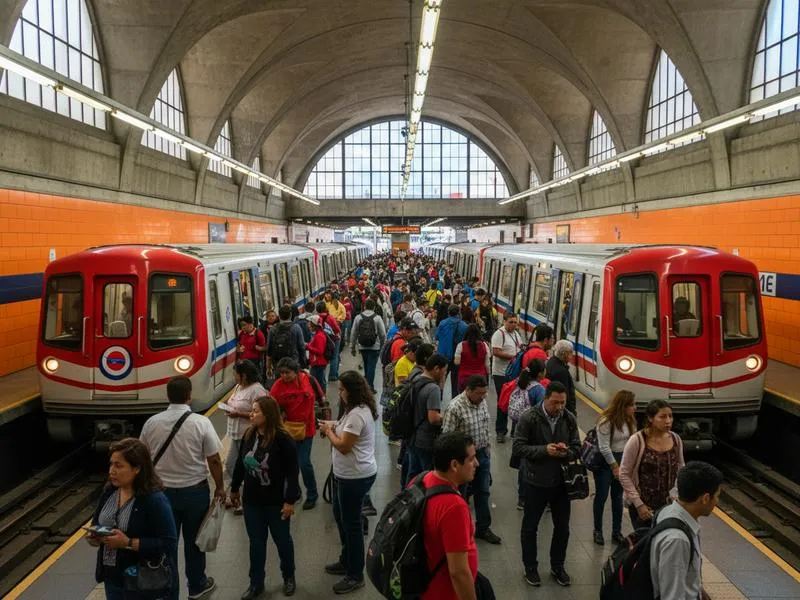
From roughly 6 AM to 10 AM, women with enormous steaming pots station themselves outside every major metro entrance in the city. Inside those pots: tamales wrapped in corn husk or banana leaf, steamed until the masa is fluffy and the fillings are hot. The standard options are rajas con queso (poblano pepper strips with cheese), mole rojo (red mole with chicken), verde con pollo (green salsa with chicken), and dulce (sweet, usually pink or strawberry-flavored).
The metro tamale vendors are a genuine institution. They feed millions of commuters daily. The quality is consistent because turnover is fast — a tamale that sits too long goes unsold, and these vendors sell out.
Price: 15-25 MXN per tamale. You will want two.
3. The Guajolota: Torta de Tamal
A guajolota is a tamale inside a bolillo (bread roll). Carb wrapped in carb. It is a CDMX invention that the rest of Mexico finds insane, and it is genuinely delicious. The soft steamed masa of the tamale against the crusty bread creates a textural contrast that works better than it has any right to.
You buy these from the same metro vendors who sell regular tamales. Ask for “una guajolota” and they will split a bolillo, place a whole tamale inside, and hand it over. Pair it with a cup of thick champurrado (chocolate-flavored atole, a hot masa-based drink) and you have the most CDMX breakfast possible.
Price: 25-35 MXN for the guajolota. Add 15-20 MXN for champurrado.
4. Café de Olla
The traditional Mexican coffee: brewed in a clay pot with cinnamon sticks and piloncillo (raw cane sugar). The cinnamon gives it warmth, the piloncillo adds a depth of sweetness that refined sugar cannot match. Available at El Cardenal, traditional fondas, and from some street vendors in the morning.
Street Tacos: A Deep Dive
Every city in Mexico has tacos. What makes Mexico City different is the depth — dozens of distinct taco types, each with specialized vendors who do nothing else. If you are planning what to do in Mexico City, eating your way through the taco landscape deserves its own day.
5. Tacos Al Pastor — The Non-Negotiable
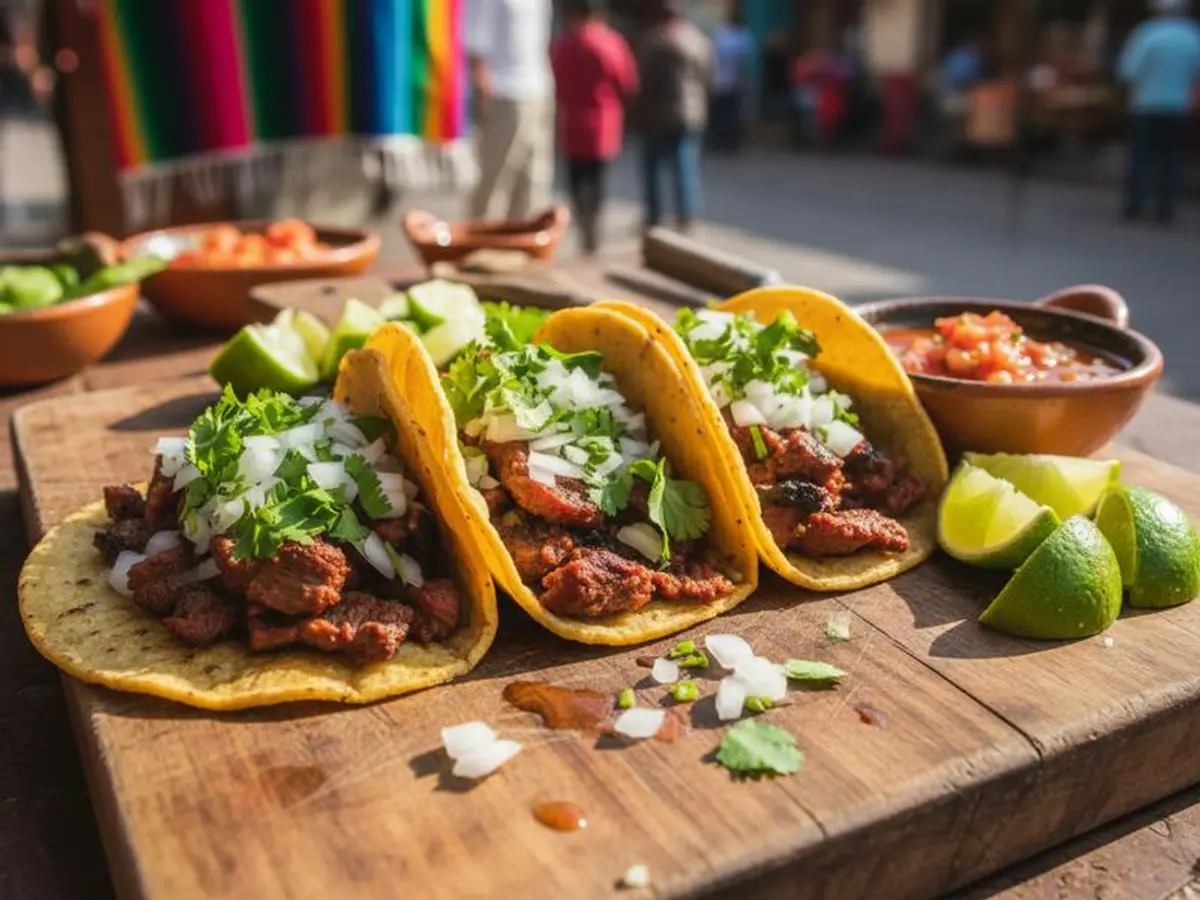
The signature dish of Mexico City. Lebanese immigrants arrived in the early 20th century and brought the vertical spit technique from shawarma. Mexican cooks adapted it with pork marinated in dried guajillo chiles, achiote paste, vinegar, and citrus. The marinated pork is stacked on a vertical spit called a trompo, slow-cooked as it rotates, and carved thin to order. A slice of pineapple from the top of the trompo lands on each taco.
How to order: Say “con todo” (with everything) to get cilantro, onion, pineapple, and salsa. Ordering “sin pina” (without pineapple) is acceptable but unusual. Start with three tacos — you will order more.
The trompo timing matters. Al pastor is an evening and night food. The trompo takes hours to build and cook properly. The best time to eat al pastor is 7 PM to midnight, when the outer layer is caramelized and the pork has been spinning for hours. An al pastor taco at 11 AM is an al pastor taco from a trompo that just started — edible, but not the experience.
Where to go:
- El Huequito (Centro Historico, since 1959) — Considered one of the original al pastor taquerias. Small, no-frills. The pastor is excellent and has been for decades.
- El Vilsito (Narvarte, Avenida de los Insurgentes) — Operates out of a mechanics shop at night. During the day it is literally an auto repair garage. After dark, the trompo appears. Long lines. Worth every minute.
- Tacos El Califa de Leon (multiple locations) — Won a Michelin Bib Gourmand recognition. The costilla (rib) taco is the signature, but the pastor is outstanding. Small, intense, no-seating spots.
- Taqueria Orinoco (Roma Norte, Condesa) — Sit-down taqueria from Monterrey with excellent al pastor in a more comfortable setting. Good for anyone overwhelmed by the street taco experience.
Price: 20-40 MXN per taco depending on location. El Califa de Leon runs slightly higher after the Michelin attention.
6. Tacos de Suadero
Suadero is a cut from between the belly and the leg of the cow — there is no direct English translation. It is rendered slowly in its own fat until impossibly tender, then chopped and crisped on a flat griddle. The texture is unlike any other taco meat: silky from the fat, with crispy caramelized edges.
Suadero is an evening street food. Look for flat griddle vendors in Condesa, Doctores, and Centro Historico after dark. The telltale sign: a large flat plancha (griddle) with a mound of shredded meat sizzling on one side.
Price: 20-35 MXN per taco.
7. Tacos de Canasta — Basket Tacos on Two Wheels
These are the cheapest and most unique tacos in the city. Tacos de canasta (basket tacos) are pre-made, wrapped in thin blue corn tortillas, and stacked inside insulated baskets mounted on bicycles. The tacos steam together, absorbing the oil and heat, creating a soft, slightly greasy, deeply satisfying street food.
Standard fillings: potato with chorizo, refried beans, chicharron (pork cracklings), or mole. The vendors cycle through neighborhoods in the morning — 7 to 11 AM is prime time. You will hear them before you see them, calling “canasta, canasta” through the streets.
Where to find them: Any major intersection in Centro Historico, near metro stations, and in working-class colonias throughout the city. They are mobile, so no fixed address applies.
Price: 8-15 MXN per taco. You can eat three or four and spend under 50 MXN.
8. Tacos de Barbacoa
Sunday morning food. Barbacoa is lamb or goat slow-cooked overnight in maguey leaves, traditionally in a pit dug in the earth. In Mexico City, barbacoa vendors appear on weekends — particularly Sunday mornings — at markets and street corners. The meat is pulled apart, served on tortillas with cilantro, onion, and a cup of consome (the rich broth from the cooking process).
Price: 35-50 MXN per taco. The consome is usually included or costs 15-20 MXN.
9. Tacos de Guisado
“Stew tacos.” These are the lunchtime street food — vendors with a row of cazuelas (clay pots) containing different guisados: chicharron en salsa verde, mole rojo, tinga de pollo (shredded chicken in chipotle), rajas con crema, picadillo. You point at two or three stews and they fill your tortilla. Available from noon to 3 PM at market entrances and along major streets.
Price: 20-35 MXN per taco.
Beyond Tacos: Essential Dishes
10. Tortas — Mexican Sandwiches
A torta is a sandwich on a telera or bolillo roll, spread with refried beans and mayo, then stuffed with your choice of meat, avocado, jalapenos, onion, tomato, and sometimes cheese. The best tortas have a ratio problem: the roll barely contains the filling, and eating one is a two-handed operation over a plate.
Key varieties:
- Torta de milanesa: Breaded and fried beef or chicken cutlet. The classic.
- Torta de cochinita pibil: Yucatecan slow-roasted pork with pickled red onion. Best at Mercado Jamaica.
- Torta de pierna: Roasted pork leg. A Centro Historico staple.
- Cemita: Technically from Puebla, but available at many CDMX markets. A sesame seed bun with Oaxaca cheese, avocado, chipotle, and papalo herb. The herb is the key — it makes a cemita different from a regular torta. If you are interested in the Puebla food connection, see our Mexico City to Puebla guide.
Price: 50-90 MXN for a full-size torta.
11. Pozole
A hominy corn soup that exists in three colors: rojo (red, with guajillo and ancho chiles), verde (green, with tomatillo and pumpkin seeds), and blanco (white, unseasoned broth). Served with a plate of garnishes — shredded cabbage, radish, oregano, tostadas, lime, and chile flakes — so you build each bowl to your preference.
Pozole is traditionally a Thursday and Saturday dish. Many fondas serve it on those days only. It is also deep hangover culture — the combination of broth, corn, and pork is considered the definitive Mexican morning-after cure.
Where to go: La Casa de Tono (multiple locations, open 24 hours) is the most famous pozole spot in the city. Lines form on weekends. Their pozole rojo is the standard against which others are measured. Any fonda advertising “pozole jueves y sabado” (Thursday and Saturday) is also reliable.
Price: 90-180 MXN for a large bowl.
12. Quesadillas — The Debate
Here is the cultural minefield. In Mexico City, a quesadilla does NOT automatically contain cheese. You order it “con queso” if you want cheese, or “sin queso” if you do not. The filling options at a street quesadilla stand include huitlacoche (corn fungus, earthy and complex), flor de calabaza (squash blossom), mushrooms with epazote, chicharron, or picadillo.
Outside Mexico City — in Oaxaca, Puebla, Guadalajara, everywhere else — a quesadilla, by definition, contains cheese. The word comes from queso. This is a genuine, passionate, ongoing cultural argument that Mexicans have strong feelings about. If you are in CDMX, specify “con queso” every time unless you want a cheeseless surprise.
The best quesadillas come from comal vendors in markets: Mercado de Coyoacan, the food stalls in Mercado de la Merced, and street stands throughout Centro Historico. Freshly pressed masa cooked on a flat griddle, folded over the filling. The texture of the masa — slightly crispy outside, soft inside — is what separates a great quesadilla from a mediocre one.
Price: 30-50 MXN per quesadilla.
13. Tlacoyos
Oval-shaped thick masa patties stuffed with black beans, chicharron, or requeson (a crumbly fresh cheese similar to ricotta). Cooked on a comal until charred in spots, topped with nopales (cactus), salsa, onion, and crema. Tlacoyos are pre-Hispanic — this is food that predates the Spanish arrival — and they are sold by women vendors near markets and on street corners throughout the city.
Price: 20-35 MXN each.
14. Tlayudas
Oaxaca’s answer to pizza: a large, thin, crispy tortilla spread with asiento (pork lard), black bean paste, Oaxaca cheese, and topped with tasajo (dried beef), cecina (salt-cured pork), or chorizo, plus lettuce, avocado, and salsa. Tlayudas in Mexico City come from Oaxacan migrant cooks, and the best versions are at Mercado Medellin in Roma Sur and at specialized Oaxacan restaurants like Guzina Oaxaquena.
If the Oaxaca food scene is on your list, eating a CDMX tlayuda first gives you a baseline for comparison.
Price: 80-150 MXN for a full tlayuda.
15. Elotes and Esquites
Corn, two ways. Elotes are whole ears of corn, boiled or grilled, slathered in mayo, rolled in cotija cheese, dusted with chile powder, and finished with lime. Esquites are the same preparation but the kernels are cut off the cob and served in a cup with a spoon — better for walking. Vendors appear in the afternoon and evening in parks across the city, particularly Parque Mexico in Condesa.
Price: 40-60 MXN.
16. Pambazos
A sandwich made with a specific bread roll that is dipped entirely in guajillo chile sauce and then griddled until crispy. Filled with potato and chorizo, topped with lettuce, crema, and cheese. The sauce-dipped bread turns a deep red-orange and develops a crust that makes this unlike any other Mexican sandwich. Look for pambazo vendors at markets and street corners.
Price: 40-65 MXN.
17. Gorditas
Thick corn masa pockets, split open and stuffed with guisados — chicharron, rajas, nopales, picadillo. Thicker and rounder than a tlacoyo, with a pocket that holds more filling. Common at market food sections and street vendors, particularly in Centro Historico.
Price: 25-45 MXN each.
18. Sopes
Round, thick tortilla bases with pinched-up edges (like a small edible bowl), topped with beans, meat, lettuce, crema, and salsa. The pinched edge keeps everything contained. Sopes are a common antojito at fondas and market stalls. Often served as part of a “plato de antojitos” (mixed appetizer plate) at sit-down restaurants.
Price: 20-35 MXN each.
Market Eating Guide: The Five Essential Mercados
Markets are the backbone of food culture in Mexico City. Every neighborhood has its own mercado, but five are essential for visitors. For navigating the city to reach these markets, see our getting around Mexico City guide.
19. Mercado de la Merced
The largest market in Mexico City — over 50,000 vendors across multiple buildings. La Merced is where restaurants and food vendors buy their supplies. Walking through it is sensory overload: mountains of dried chiles, entire aisles of spices, live chickens, fresh flowers, and prepared food stalls where market workers eat.
This is not a tourist-friendly market. It is enormous, confusing, and very much a working market. That is the appeal. Come to see the scale of how this city feeds itself. The prepared food stalls inside serve excellent comida corrida at rock-bottom prices.
Best for: Dried chiles, spices, mole paste, and the experience of seeing Mexico City’s food supply chain at its source.
Price: Market meals 60-100 MXN. Budget 2+ hours just to walk through.
20. Mercado San Juan
The gourmet market, located near Centro Historico. Mercado San Juan stocks imported cheeses, Spanish jamon iberico, Japanese wagyu, exotic meats, and artisan mezcal alongside traditional Mexican produce. The seafood stalls sell Baja California oysters (25-40 MXN each), aguachile, and ceviche tostadas.
Best for: A seafood and oyster lunch, specialty ingredients, and food photography. The market appeals to visiting chefs and serious food lovers.
Price: 150-400 MXN for a proper meal. Higher than traditional markets — this is the gourmet exception.
21. Mercado Medellin
In Roma Sur, Mercado Medellin has a significant Latin American food section — Colombian, Cuban, and Peruvian stalls alongside Mexican. The Oaxacan section serves proper tlayudas and mole negro prepared by Oaxacan migrant cooks. The comida corrida stalls are solid and affordable. This market sits in the Roma neighborhood, making it easy to combine with a food walk through the surrounding streets.
Best for: Oaxacan food without going to Oaxaca, Latin American diversity, and an expat-friendly atmosphere that is still genuinely local.
Price: 70-120 MXN for comida corrida.
22. Mercado de Coyoacan
In the heart of Coyoacan’s tourist zone, near the Frida Kahlo Museum. The market’s famous tostada stalls serve crispy tortillas piled with ceviche, tinga, pata (pig’s foot), and seafood. The quesadilla vendors here make excellent fresh-pressed versions. If you are visiting the archaeological sites and museums in this part of the city, this market is your lunch stop.
Best for: Tostadas, quesadillas, and an approachable market experience for first-time visitors.
Price: 60-120 MXN per meal.
23. Mercado Jamaica
Primarily the largest cut flower market in Latin America — the visual spectacle alone justifies the trip. The food section inside serves excellent gorditas, regional antojitos, tortas de cochinita pibil, and weekend menudo (tripe soup). Eating surrounded by thousands of cut flowers in every color is an experience unique to this market.
Best for: The flower-and-food combination, tortas de cochinita, and the weekend morning menudo.
Price: 80-150 MXN for a market meal.
Fine Dining: The World-Class Tier

Mexico City’s fine dining scene has earned global recognition that is no longer debatable. Multiple restaurants appear on the World’s 50 Best list. If you are deciding where to stay and fine dining is a priority, the Polanco neighborhood puts you within walking distance of Pujol and Quintonil.
24. Pujol — The Flagship
Chef Enrique Olvera’s restaurant has been in the World’s 50 Best top 20 consistently. The centerpiece: the mole madre, a dish where mole that has been continuously evolving for over 2,000 days is served alongside a fresh mole made that week. The contrast between the deep, concentrated ancient mole and the bright new version is the philosophical and culinary statement of the restaurant.
Reservation system: Tock. Reservations open 28 days in advance at 10 AM Mexico City time. Set an alarm for 9:58 AM. Weekend dinner slots disappear in minutes. The taco omakase at the bar is a separate booking and slightly easier to secure.
Price: Corn tasting menu approximately 2,500 MXN per person (around 125 USD). Wine pairing adds 1,000-1,200 MXN. Bar taco omakase: 1,200-1,500 MXN.
25. Quintonil
Directly across the street from Pujol. Chef Jorge Vallejo focuses on Mexican plants, foraged ingredients, and seasonal cooking that shifts constantly. The quelites (wild greens) courses are benchmark fine dining. Often considered Pujol’s equal in quality, with marginally easier reservations.
Reservation system: Resy. Opens 30 days ahead. Weekday lunches are the easiest entry point.
Price: Tasting menu 1,600-2,000 MXN per person.
26. Contramar
Not technically fine dining — it is a seafood lunch restaurant in Roma Norte — but Contramar is the most beloved restaurant in the city among locals and visitors alike. The signature: whole red snapper, half painted green (herb sauce) and half painted red (chile colorado sauce). The tuna tostadas are legendary.
Reservation strategy: Tock for the first seating at 1 PM. For later seatings, arrive 30 minutes before opening and add your name to the walk-in list. Weekend lunches book weeks ahead.
Price: 400-650 MXN per person for a full lunch with drinks.
For the complete breakdown of CDMX’s best restaurants — including reservation systems, booking windows, and specific dish recommendations — see our dedicated restaurant guide.
Antojitos by Neighborhood
The neighborhoods shape what you eat. Each colonia has its own food personality. For the full neighborhood breakdown beyond food, see the Mexico City neighborhoods guide.
27. Centro Historico — Historic Market Eating
The oldest and most traditional food zone. El Cardenal for formal breakfast. Cafe de Tacuba (since 1912) for atmosphere and pan dulce. Street food surrounding the Zocalo runs all day: tamale vendors in the morning, guisado taco vendors at lunch, al pastor trompos at night. The pedestrian streets of Madero and Republica de Uruguay are lined with food options.
This is also where the cantinas are. La Opera Bar has a bullet hole in the ceiling allegedly from Pancho Villa’s revolver. Salon Corona serves cold beer and decent tortas. Tio Pepe is traditional, no-frills, and unchanged.
Budget tier: Centro is the cheapest neighborhood to eat in. Full meals under 100 MXN are standard.
28. Roma Norte — Upscale Street Food and Creative Dining
The densest food neighborhood in the city. Walk any block of Alvaro Obregon, Orizaba, or Oaxaca streets and you will pass two or three excellent restaurants. Roma Norte covers the mid-range to upscale spectrum: Contramar (seafood), Rosetta (Italian-Mexican by Elena Reygadas), Lardo (Mediterranean-Mexican), Maximo Bistrot (farm-to-table). For a broader view, our Mexico City food guide maps the full Roma eating landscape.
Street food exists alongside the restaurants — quesadilla vendors, late-night taco stands, and the Mercado Roma food hall. Mercado Roma is a curated, modern market with craft beer, artisan salsas, and international stalls — higher prices than traditional markets, good for groups with mixed preferences.
29. Condesa — Brunch Culture and Parks
Overlapping with Roma geographically, Condesa tilts toward cafes, brunch, and a more relaxed pace. Azul Condesa for upscale traditional Mexican. Taqueria Orinoco for sit-down tacos. Neveria Roxy (since 1946) for ice cream in flavors like mamey and tequila. The elote vendors around Parque Mexico are essential afternoon eating.
Coyoacan — Tourist-Friendly Authentic Food
The neighborhood around the Frida Kahlo Museum has its own food ecosystem. Mercado de Coyoacan is the anchor (tostadas, quesadillas). The surrounding streets have traditional restaurants, churro stands, and weekend market vendors. More approachable than La Merced, less trendy than Roma.
30. The Drinks: Mezcal, Pulque, and Agua Fresca
No food guide for CDMX is complete without the drinks.
Mezcal has taken over Mexico City’s bar scene. Best mezcalerias: La Clandestina (Roma, large selection, knowledgeable staff), Bozar (industrial setting, fair prices), El Palenquito (standing room, traditional atmosphere). A pour runs 80-200 MXN depending on agave variety and age.
Pulque — the ancient fermented maguey sap drink — is experiencing a revival. Traditional pulquerias in Centro serve it plain or flavored (guayaba, pinon, celery). La Nuclear and Pulqueria Los Insurgentes are the most accessible. Thick, slightly sour, an acquired taste, and deeply Mexican. 30-60 MXN per large glass.
Aguas frescas (fresh fruit waters): horchata (rice and cinnamon), jamaica (hibiscus), tamarindo (tamarind), limon con chia. Available at every market and fonda. 20-40 MXN for a large cup. The jamaica is the most quintessentially Mexican — tart, floral, deeply refreshing in the afternoon heat.
Vegetarian and Vegan in CDMX
Mexico City has better vegetarian infrastructure than almost any other city in Mexico. Street food options that are naturally meat-free: quesadillas de flor de calabaza, quesadillas de huitlacoche, tlacoyos de frijol, esquites, elotes, gorditas de rajas, sopes de nopales.
Por Siempre Vegana Tacos in Roma Norte does plant-based versions of classic tacos — jackfruit cochinita, soy-based al pastor, mushroom barbacoa. The seasoning and technique are honest even if the ingredients are adapted. 40-60 MXN per taco.
Every serious restaurant in the city accommodates vegetarian requests. Pujol, Quintonil, and Rosetta can adapt their tasting menus with advance notice. The concept of “vegetarian food” is less foreign here than in smaller Mexican cities — CDMX’s international dining culture means dietary preferences are expected and handled professionally.
Budget Eating: The 250 MXN Day
You can eat exceptionally well in Mexico City for 250-300 MXN (roughly 12-15 USD) per day. Here is the plan:
Breakfast (7-9 AM): Two tamales from a metro vendor and a cup of champurrado. Total: 50-70 MXN.
Mid-morning snack (10 AM): A guajolota from another metro vendor if you are still hungry, or two tacos de canasta from a bicycle vendor. Total: 20-35 MXN.
Lunch (2-4 PM): Comida corrida at a neighborhood fonda. Three courses — soup, rice with a guisado (stew), and agua fresca — for 80-120 MXN. This is the main meal and the best food value in the city. Every neighborhood has multiple fondas with handwritten daily menus.
Afternoon (5 PM): Esquites or an elote from a park vendor. Total: 40-60 MXN.
Dinner (8-10 PM): Three tacos al pastor from a night taqueria. Total: 60-105 MXN.
Day total: 250-390 MXN. The food at this budget level is not a compromise. Some of the best things you eat in Mexico City will come from the cheapest sources.
For broader trip budget planning, see our Mexico City itineraries guide which maps out full multi-day plans including food stops.
Practical Eating Tips
The eating schedule: Lunch (comida) is the main meal, served between 2 and 4 PM. Showing up to a restaurant at noon means eating in an empty room. By 2 PM, the atmosphere changes completely. Dinner is late and light for most Mexicans — foreigners who want a full dinner at 7 PM will find options, but it is not the natural rhythm.
Salsa protocol: Always taste the salsa before committing your entire taco. Some are mild. Some will end you. Ask “Pica mucho?” (Is it very spicy?) if you are unsure. Green does not always mean mild and red does not always mean hot — it depends on the chiles.
Cash is king: Street food and markets require cash. Carry 300-500 MXN in pesos at all times for food. Sit-down restaurants accept cards, but the taco vendor, the tamale lady, and the market stall do not.
Water: Bottled or purified everywhere. Restaurant ice is safe (made with purified water). Street vendor agua fresca water: generally fine at high-turnover stands.
Tipping: 10-15 percent at sit-down restaurants. Check your bill for “propina incluida” before adding — some restaurants add it automatically. Street food and markets: not expected, but leaving change is appreciated.
Street food safety: Choose busy stands with long local lines. High turnover means fresh food. Watch that everything is cooked to order and served hot. Start with cooked items (tacos, tamales, quesadillas) before working your way to raw preparations (ceviche, aguachile). Your stomach will adjust within a day or two. For broader safety context, see is Mexico City safe.
Book Food Tours and Experiences
A guided food tour is one of the most efficient ways to cover ground in Mexico City. The best operators cover multiple neighborhoods, multiple food types, and include market visits and mezcal tastings in a single session. Walking food tours through Roma Norte and Centro Historico are the most common and effective.
For cooking classes — learning to make mole, tamales, or salsas from scratch — Viator and local operators offer half-day sessions in home kitchens and restaurant kitchens around Roma and Condesa.
Day Trips for Food Lovers
Two of the best day trips from Mexico City are food-focused:
Puebla (2 hours by bus): Birthplace of mole poblano, cemitas, chiles en nogada (seasonal, August-September), and chalupas. A day trip to Puebla is essentially a food pilgrimage. See the full Mexico City to Puebla guide for transport logistics.
Tepoztlan (1.5 hours by bus): Weekend market with excellent cecina (salt-cured beef), quesadillas, and itacates (triangular stuffed masa). The market is best on Saturday and Sunday mornings.
Xochimilco: The floating gardens of Xochimilco are a food experience in themselves — trajinera boats float alongside vendors selling esquites, fruit cups, and micheladas from canoes.
For longer excursions, the best Mexico City getaways guide covers food-worthy destinations within a few hours of the capital.
Where to Stay for Food Access
Your hotel choice directly impacts your eating experience. The neighborhoods with the highest food density:
- Roma Norte / Roma Sur: Walking distance to the most diverse food options in the city. Mid-range to upscale dining, excellent street food, two markets (Mercado Roma and Mercado Medellin). Best for serious food exploration.
- Condesa: Strong brunch and cafe scene, overlap with Roma for dinner. More parks, slightly fewer restaurants.
- Centro Historico: Traditional food, lowest prices, market access. Best for budget food focus.
- Polanco: Fine dining proximity (Pujol, Quintonil). Less street food, higher prices. Best if fine dining is the priority.
For full accommodation breakdowns, see where to stay in Mexico City.
When to Visit for Food
Mexico City’s food scene operates year-round with no bad season, but a few periods stand out. The best time to visit Mexico City depends partly on what you want to eat:
- August-September: Chiles en nogada season. This Puebla-origin dish (stuffed poblano chile with walnut cream sauce and pomegranate seeds in the green, white, and red of the Mexican flag) appears on restaurant menus citywide. The best versions sell out daily.
- October-November: Dia de Muertos brings pan de muerto (round bread with bone-shaped decorations, flavored with orange blossom and anise) to every bakery and cafe. Also: festivals with mole, tamales, and traditional drinks.
- December: Ponche navideo (Christmas punch with tejocotes, guava, cane, and cinnamon), buuelos (fried dough with syrup), and holiday tamale production at market stalls.
Travel Insurance for Food-Focused Trips
An upset stomach from a market, a pickpocket incident while distracted by a tostada, or an unexpected medical issue at altitude (Mexico City sits at 2,240 meters) — these are the realities of international travel that insurance exists for. Urban food tourism involves more walking, more crowds, and more exposure to things your body may not be used to.
Final Thoughts on Eating in Mexico City
The 30 dishes above are the starting framework. A week in Mexico City, eating with purpose, will introduce you to maybe half of what the city offers. The reality is that CDMX’s food depth cannot be covered in one trip — which is why people come back.
Start with the street food. Work through the markets. Save fine dining for one or two planned evenings. Let the neighborhood you are staying in guide your daily eating and branch out from there. The complete Mexico City travel guide has the logistics. The things to do guide has the full activity list beyond food. The museums guide covers the cultural side. And the lucha libre guide covers what to do after dinner.
The food in this city is the reason people visit, and the reason they return. Eat everything.
For more on what makes this city extraordinary beyond the food, see what Mexico City is best known for. If you are flying in, the airport transportation guide gets you from the terminal to your first taco. And if you are hungry the moment you land, we have a separate guide to the best restaurants near Mexico City airport.