Best Restaurants in Mexico City 2026: From Tacos to Pujol
Mexico City has the best food scene in Latin America, and the best restaurants in Mexico City for 2026 depend on what you want from the meal: Contramar for the essential seafood lunch, Pujol or Quintonil for fine dining, El Turix for cochinita, Maximo Bistrot for Roma Norte, and street tacos when you want the city at its most direct.
This is not chauvinism — it’s a position supported by the World’s 50 Best restaurant rankings, which consistently place CDMX restaurants alongside the best in the world, and by the simple reality that no other city in the hemisphere offers this range: street cart tlacoyos at 30 MXN, market aguachile at 150 MXN, and tasting menus at 2,000+ MXN, all within the same afternoon if you plan the calories right.
Mexico City Restaurants in 30 Seconds
| If you want… | Book or visit | Why it works |
|---|---|---|
| The one lunch most visitors should plan around | Contramar | Tuna tostadas, grilled fish, Roma energy, and a reservation that still feels worth the effort. |
| A serious tasting menu | Pujol or Quintonil | Both sit in Polanco and define modern Mexican fine dining in different ways. |
| Great food without fine-dining prices | El Turix or Expendio de Maíz Molido | Strong Mexican cooking, clear identity, and meals that do not require a 2,000 MXN budget. |
| A food-focused neighborhood base | Roma Norte or Condesa | You can walk to restaurants, cafes, bars, and late-night tacos without rebuilding each day around taxis. |
| Street food first | Suadero tacos, tlacoyos, and elotes | This is where CDMX food culture feels most immediate, affordable, and local. |
If you are visiting for the November festival, use the Corona Capital 2026 guide to protect concert arrival times and the three-day festival itinerary to place restaurant reservations around each day’s schedule.
This guide is the specific restaurant picks with reservation logistics — not the broad food culture overview. For that, see our Mexico City food guide. For everything else about visiting the city, see the Mexico City travel guide.
Mexico City Restaurants: What the Food Scene Offers
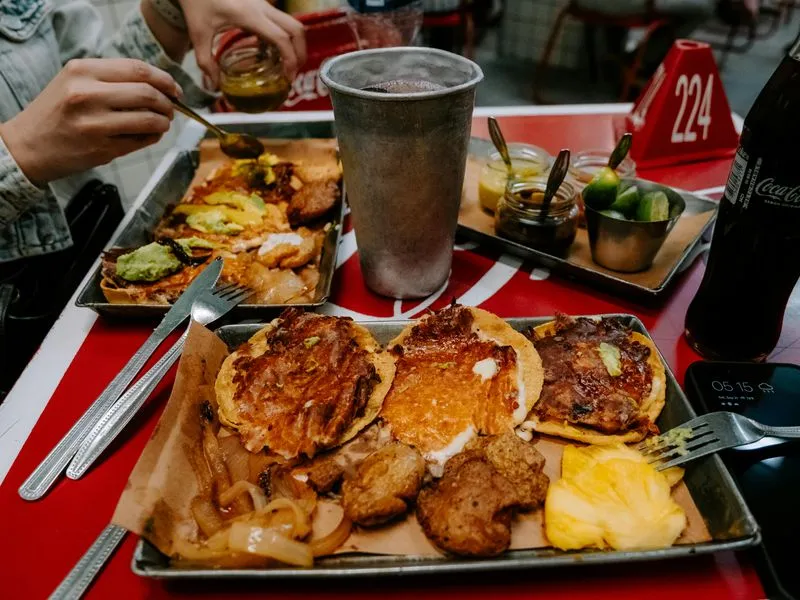
The World’s 50 Best restaurant list has placed Pujol in the top 20 globally. Quintonil sits across the street and has its own placement in the top 15. Contramar, a seafood restaurant in Roma, has a months-long wait list. These are not Mexico City restaurants that are good for Latin America — they’re competing with the best restaurants anywhere.
At the other end: a taco de suadero (slow-cooked beef brisket taco) at the right street cart costs 25-35 MXN and will be among the better things you eat on this trip. The tlacoyo vendor near Parque México has been selling hand-formed blue corn cakes stuffed with beans or cheese since before you were born.
The challenge in CDMX isn’t finding good food. It’s prioritizing the range and booking the hard-to-book places before you arrive.
Street Food: The Foundation
Tacos de Suadero — Puesto de los Insurgentes
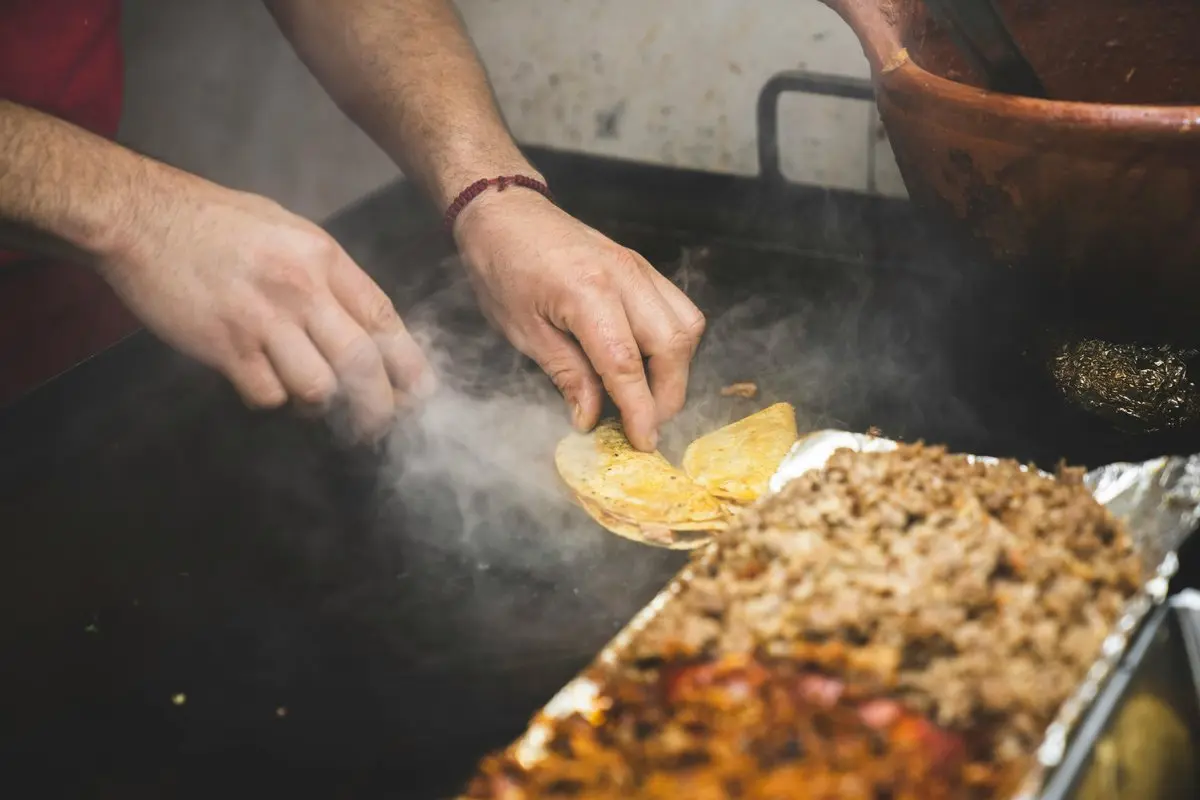
Suadero is the Mexican cut that has no direct translation — it comes from the soft tissue between the ribs and skin, slow-cooked in its own fat until it’s almost crispy at the edges and tender inside. It’s not the same as carnitas, not the same as birria. It’s its own thing.
The corridor of taco stands along Insurgentes (particularly near the metro stops) has multiple competing stands. The test: look for a trompo or a large flat griddle with a significant quantity of suadero cooking. Avoid stands with pre-chopped meat sitting out — you want it carved to order.
Price: 25-35 MXN per taco. Order three minimum.
Tlacoyos — Mercado de Artesanías Area
Blue corn tlacoyos (oval patties stuffed with black beans, chicharrón, or requesón) are sold by vendors near the Mercado de Artesanías around La Ciudadela and in the Insurgentes area. They’re cooked on a flat comal until slightly charred, topped with cactus (nopales), onion, and salsa.
Price: 20-35 MXN each.
Elotes — Parque México
The Mexican corn experience done properly: whole ear, slathered in mayo and crema, rolled in cotija cheese, dusted with chili powder and lime. The vendors in and around Parque México in Condesa do this right. There are also esquites (the same preparation but corn off the cob, in a cup) if you want to eat while walking.
Price: 40-60 MXN.
Markets Worth Eating In
Mercado de San Juan
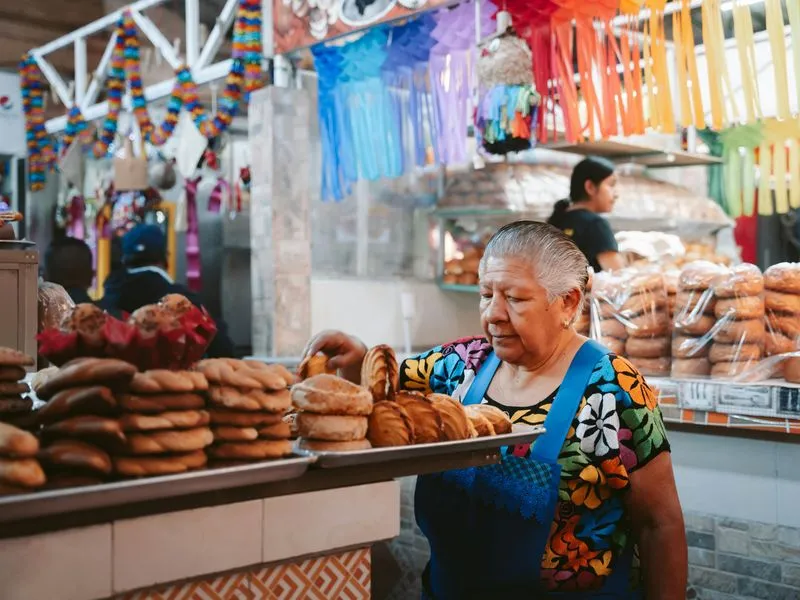
The gourmet market, located in Centro Histórico. Mercado San Juan carries Spanish jamón ibérico, Japanese wagyu, truffle products, international cheeses, and craft mezcal alongside traditional Mexican produce. It’s expensive by market standards, moderate by specialty food store standards.
The best eating here is at the mariscos (seafood) stalls — aguachile, ceviche tostadas, and oysters from Baja California at 25-40 MXN each.
Good for: Specialty ingredients to take home, oysters, and a food photography loop through the stalls.
Mercado de Medellín
Smaller, less famous, genuinely useful. Mercado Medellín in Roma Sur has a significant Latin American food section — Peruvian, Cuban, Colombian stalls alongside Mexican. The set lunch spots here are reliably good: 80-120 MXN for a three-course comida corrida.
Also has a Oaxacan section with proper tlayudas and mole negro made by Oaxacan migrants — one of the better places in the city to try Oaxacan food outside Oaxaca.
Mercado Jamaica
Primarily a flower market — the largest cut flower market in Latin America. But the food section inside serves excellent market food, and the experience of eating surrounded by mountains of cut flowers is distinctive. Menudo (tripe soup) on weekend mornings, various antojitos throughout the day.
Price: 80-150 MXN for a market meal.
Mid-Range Must-Visits
Contramar
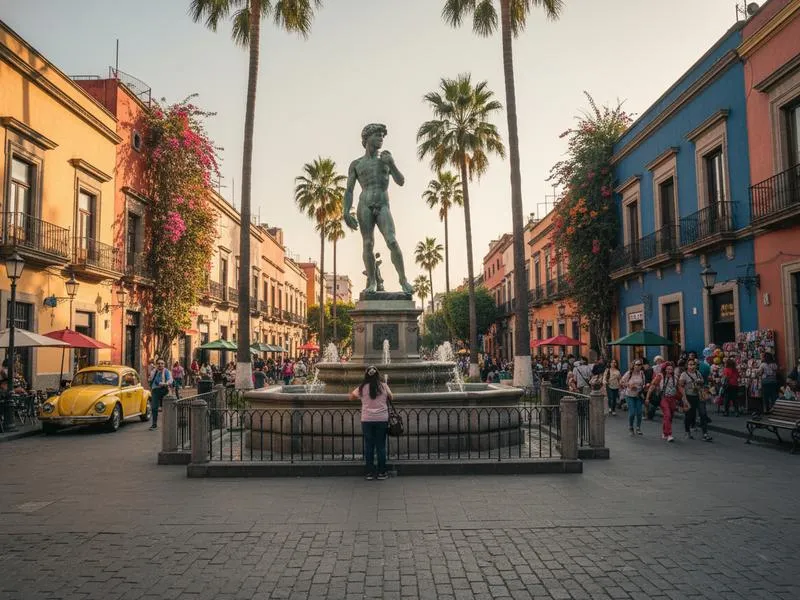
The most coveted non-fine-dining reservation in Mexico City. Contramar is a seafood restaurant in Roma Norte that has operated since 1998 and hasn’t needed to change much since. The room is bright, the service is professional, and the fish is exceptional.
The order: Tuna tostadas (the two-bite appetizer that starts every table), the pescado a la talla (whole fish, half red, half green, grilled) — this is the dish. Also: the ceviche de camarón is excellent.
Reservation reality: Contramar operates on Tock. Reservations open 30 days ahead. Weekend lunches book within hours of opening. For same-day visits, show up when they open at 1pm and join the waitlist — there’s almost always a 45-minute wait, but they take walk-ins if you’re willing.
Price: 400-650 MXN per person for a full lunch with drinks.
El Turix
A Yucatecan specialist in Polanco that has been serving cochinita pibil since 1971. El Turix is a small, simple lunch spot near the embassies and shopping district — notable because Polanco is otherwise fine dining territory, and this place charges 150-200 MXN for what is genuinely some of the best cochinita in the city.
Order the torta de cochinita (sandwich) or the set plates. Cash preferred.
Expendio de Maíz Molido
A masa-focused restaurant in Centro Histórico that uses heirloom corn varieties for everything — tortillas, tamales, drinks (atole, pozol). The menu is short and changes based on what’s available. It’s more of a food concept than a restaurant in the conventional sense, but the food is remarkable.
Price: 150-250 MXN for a full meal.
Maximo Bistrot
Roma Norte’s local-produce champion. Maximo Bistrot is technically French-influenced, but the sourcing is entirely Mexican — the menu changes based on what’s at market. Chef Eduardo García has been doing farm-to-table before it had a name in Mexico.
Price: 300-500 MXN per person. Reservations recommended for dinner.
Fine Dining: How to Actually Get In
Pujol
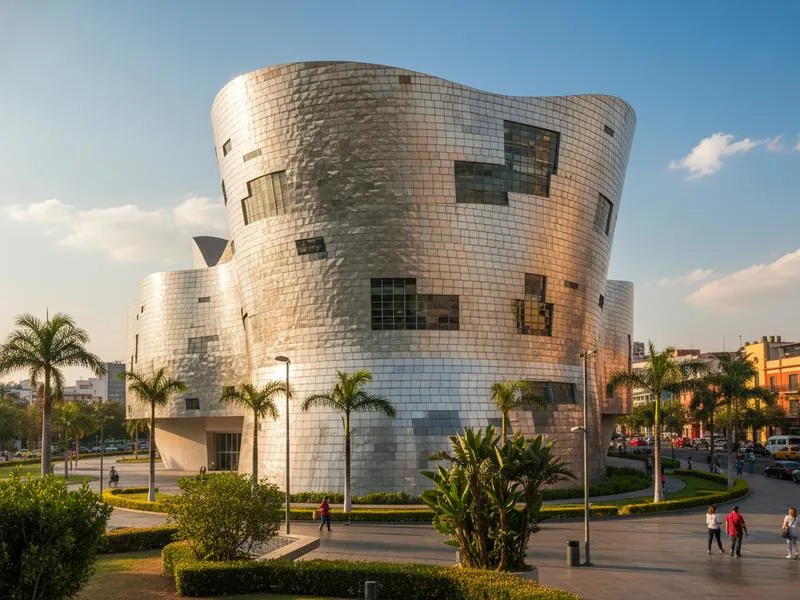
Consistently in the World’s 50 Best top 20. Chef Enrique Olvera’s flagship is the most important restaurant in Mexico City and one of the most important in the world.
The centerpiece of the menu is the mole madre — a mole that has been continuously cooking for over 1,000 days, deepening and evolving, served alongside a fresh mole. It’s a philosophical statement about Mexican cuisine and also delicious.
Reservation system: Tock. Reservations open exactly 28 days in advance at 10am Mexico City time (UTC-6). Set an alarm. Be on Tock at 9:58am. The prime tables (weekend, 7-9pm slot) go within 5-10 minutes of opening. Weekday lunches and early dinner slots last longer.
If you miss the opening window: Check Tock daily for cancellations. The week before your date often has releases. Also check the bar — the taco omakase at the counter is separately bookable and slightly easier to get.
Price: Corn tasting menu: 1,800-2,200 MXN per person. Wine pairing: 900-1,200 MXN additional. Taco omakase at bar: 1,200-1,500 MXN.
Address: Tennyson 133, Polanco.
Quintonil
Across the street from Pujol on the same block. Chef Jorge Vallejo and Alejandra Flores have built a restaurant that matches Pujol on ingredients and technique while being somewhat less famous internationally — which means marginally easier to book.
Quintonil focuses on Mexican plants, vegetables, and herbs in ways that elevate ingredients that have been overlooked. The quelites (wild greens) courses are benchmark dishes.
Reservation system: Resy. Opens 30 days ahead. Book early.
Price: 1,600-2,000 MXN per person.
Rosetta
Chef Elena Reygadas’s Roma restaurant is the best argument for Italian-Mexican fusion as a serious cuisine rather than a compromise. Rosetta uses Mexican ingredients in Italian structures — chaya pasta, huitlacoche (corn fungus) risotto, and housemade pasta that would hold its own in any Italian city.
Reservation system: Resy. Easier to book than Pujol — try 2-3 weeks in advance.
Price: 500-800 MXN per person.
Sud 777
Polanco-area restaurant from chef Edgar Núñez, with a focus on modern Mexican cooking that draws from the whole country’s regional traditions. Less internationally famous than Pujol or Quintonil but consistently excellent and slightly more bookable.
Reservation system: Direct (phone or their website). Worth calling.
Price: 600-900 MXN per person.
Mezcalerías and Bar Program
La Botica
Multiple locations across Roma, Condesa, and Polanco. La Botica is the mezcal bar chain that introduced serious mezcal drinking to the CDMX bar scene. The list is well-curated and the staff are educated. For a first mezcal tasting in the city, it’s a reliable choice.
Price per pour: 80-200 MXN.
Limantour
Roma Norte cocktail bar, ranked repeatedly in Latin America’s 50 Best Bars. The menu rotates seasonally with original cocktails — expect mezcal-forward drinks alongside global spirits. The bar program is genuinely creative.
Price: 180-280 MXN per cocktail. Reservations available and recommended on weekends.
La Clandestina
Small mezcalería in Colonia Doctores — less fashionable address, serious mezcal list, lower prices than Roma bars. A place for mezcal enthusiasts who don’t want to pay Roma Norte markups.
Price per pour: 60-150 MXN.
Breakfast in Mexico City
El Cardenal
The definitive Mexico City traditional breakfast. El Cardenal has locations near the Zócalo and in Polanco, and serves the Mexican breakfast that Mexicans have been eating for generations: huevos con frijoles cooked to order, fresh handmade tortillas, tamales in season, café de olla (pot-brewed cinnamon coffee), and atole.
The presentation is formal, the service is professional, and the quality is serious. A breakfast here is a lesson in what Mexican breakfast is actually supposed to be.
Price: 180-280 MXN per person.
Café de Tacuba
Founded in 1912 in Centro Histórico. The building has Talavera tile murals, dark wood tables, and a menu of traditional Mexican breakfast standards. It’s historical without being a museum — people genuinely eat here daily.
Worth one breakfast visit for the ambiance. The food is good, not exceptional.
Price: 150-250 MXN per person.
CDMX by Neighborhood: Food Map
| Neighborhood | Best For | Price Range |
|---|---|---|
| Roma Norte | International mid-range, natural wine, creative dining | 300-600 MXN/person |
| Roma Sur | Local comida corrida, Oaxacan food, markets | 100-300 MXN/person |
| Polanco | Fine dining, high-end international | 600-2,000+ MXN/person |
| Condesa | Cafes, brunch, park-adjacent dining | 200-500 MXN/person |
| Centro Histórico | Traditional Mexican, markets, historical restaurants | 80-300 MXN/person |
| Coyoacán | Local restaurants, market food, casual | 100-250 MXN/person |
For a deeper look at each neighborhood’s character, see our Mexico City neighborhoods guide.
Vegetarian Dining in Mexico City
CDMX has excellent vegetarian infrastructure — better than almost any other Mexican city.
Por Siempre Vegana Tacos: Roma Norte vegan taquería that does plant-based versions of classic tacos — cochinita pibil made from jackfruit, al pastor from protein. Converts are not required to call these authentic, but the seasoning and technique are honest. 40-60 MXN per taco.
La Pitahaya: Organic restaurant in Centro with a long-running vegetarian menu. Comida corrida available for 100-120 MXN.
Café Toscano: Multiple Roma/Condesa locations. Italian-influenced café with reliably good vegetarian pasta and salads. 200-350 MXN per person.
Almost every serious restaurant in CDMX accommodates vegetarian requests — this is a city with enough international dining culture that dietary preferences are expected. Fine dining restaurants (Pujol, Quintonil, Rosetta) can adapt their tasting menus with advance notice.
Reservation System Guide
Getting into Mexico City’s best restaurants requires understanding which system each uses:
| Restaurant | System | Opens | Tips |
|---|---|---|---|
| Pujol | Tock | 28 days ahead, 10am MXN | Set alarm; bar slightly easier |
| Quintonil | Resy | 30 days ahead | Check weekday slots |
| Contramar | Tock | 30 days ahead | Walk-in waitlist works |
| Rosetta | Resy | 2-3 weeks usually available | |
| Maximo Bistrot | Direct | 1-2 weeks usually fine | WhatsApp or email |
| Sud 777 | Direct | Call or website | |
| El Cardenal | Walk-in | No reservation needed | Come early for lunch |
| Harry’s (Polanco) | Resy | 1 week usually fine |
Cancellation patterns: Tock releases cancelled reservations immediately — check daily if you can’t get the date you want. Resy does the same. Friday/Saturday nights are the hardest; Sunday lunch at Pujol is almost as difficult; weekday lunches are often available with 1-2 weeks notice.
Eating on a Budget in Mexico City
CDMX is extraordinarily affordable at the lower end of the spectrum. A full day of eating well — really well — can cost under 300 MXN if you know where to go.
The 300 MXN day plan:
- Breakfast (7-9am): Elote or tlacoyo from a street vendor near your neighborhood — 40-60 MXN. Or two tamales and a café de olla from a market vendor — 50-70 MXN.
- Lunch (2-4pm): Comida corrida at a neighborhood fonda (small family restaurant) — 80-120 MXN for soup, rice, main, tortillas, and a drink. Every neighborhood has several; look for handwritten signs in windows that say “comida corrida” or “menú del día.”
- Afternoon snack: Tacos de canasta from a basket vendor — 2 tacos at 14-18 MXN each. Total: 30-35 MXN.
- Dinner: 3 tacos al pastor at a evening taquería — 75-105 MXN.
Total: roughly 235-330 MXN. The food at this budget is not a compromise — the street food and fonda circuit is genuinely exceptional. You can spend 2,000 MXN at a fine dining restaurant or 250 MXN eating at street level and both experiences are worth having.
Ordering at a Mexico City Market: A Primer
Mercado de San Juan and Mercado Jamaica are manageable for tourists. Mercado de Medellín takes more confidence. The traditional neighborhood markets (mercados de barrio) require the most navigation but have the most reward.
How it works at a market food section:
- Walk the full section before committing — see what looks busy (busy = fresh)
- Ask “¿qué hay hoy?” (what’s there today?) — most vendors will tell you what’s fresh
- Point and gesture freely — language is not a barrier here
- Order comida corrida if you see it written — it’s the set meal, typically the best value
- Sit where space is available; markets don’t have reserved seating
- Pay when you’re ready to leave; don’t rush away before eating
Essential Spanish phrases:
- Sin picante, por favor — without spice, please
- ¿Tiene menú? — do you have a menu?
- La cuenta, por favor — the check, please
- ¿Está fresco? — is it fresh?
Mexico City’s Ice Cream and Sweets
The dessert culture in CDMX deserves its own mention:
Nieves (agua frescas ice cream): Sorbets made from fresh fruit — guanábana, mamey, tamarind, cucumber-lime. Served in paper cups or cones. Vendors in Parque México and Centro charge 25-40 MXN. The Oaxacan-style ice cream at Nieves de Garrafa vendors is especially good — richer than regular sorbet.
Churros: Mexico City churros are different from the Spanish original — thicker, softer inside, filled with cajeta (goat milk caramel) or chocolate. The historic El Moro churros shop in Centro (multiple locations, open 24 hours) is the benchmark. Queue is worth it.
Pan dulce: Mexican sweet bread in dozens of varieties — conchas (round rolls with sugar crust), orejas (puff pastry ears), polvorones (crumbly shortbread). Every neighborhood panadería bakes fresh in the late afternoon. 8-15 MXN each.
Café de olla: Not a dessert but the correct way to end a traditional Mexican meal — pot-brewed coffee with cinnamon and piloncillo (raw cane sugar). Available at El Cardenal and traditional restaurants throughout the city.
Book Mexico City Food Experiences
Food tours in Mexico City are among the best in the world — the street food circuit alone justifies a guided walk.
Browse Mexico City food tours on Viator →
The best tours cover Roma Norte markets, street taco stands, and mezcal bars in sequence. Some operators offer market cooking classes. For fine dining, you’re booking independently.
For more on planning your Mexico City visit, see our Mexico City travel guide and best hotels in Mexico City. For broader Mexican food culture context, the Mexico food guide provides the regional overview. For just the food culture (markets, regional traditions, ingredients), see the Mexico City food guide — this restaurant guide and that food guide are complementary.
Travel Insurance for Mexico City
Urban Mexico City travel brings its own considerations: altitude (2,240 meters — acclimatize before doing anything strenuous), food safety in markets, and the general health risk of international travel. A pickpocket incident in a market, a taxi incident, or a food reaction can turn a trip into an expensive medical situation.