What to Eat in Puerto Vallarta: 15 Dishes, Best Tacos & Where Locals Eat (2026)
Puerto Vallarta sits where Nayarit fishing culture meets Jalisco birria culture — and both traditions are serious. The city occupies the Jalisco side of Banderas Bay but draws culinary identity from two states at once. The seafood comes from the Pacific directly offshore and from fishing villages up the Nayarit coast to the north. The meat cooking — birria de res, carnitas, the late-night taco stands — is Jaliscan through and through.
Most visitors eat on the Malecón waterfront and the Zona Romántica’s main drag, have decent food, and leave without understanding what Puerto Vallarta actually tastes like. This guide is about eating the city correctly.
For full trip planning, see our Puerto Vallarta travel guide. For specific restaurant picks, best restaurants in Puerto Vallarta has the detailed breakdown.
The Two Culinary Traditions Behind PV Food
Puerto Vallarta’s food identity comes from geography. The city sits on Banderas Bay where Jalisco meets Nayarit — two Mexican states with distinct culinary traditions that blend here in ways you won’t find anywhere else.
Nayarit cooking is Pacific seafood culture: whole fish grilled over charcoal, raw aguachile with fresh chiles, shrimp in every form, and the Sinaloa influence that runs up the coast (tacos gobernador, aguachile negro). The fishing communities of La Cruz de Huanacaxtle, Sayulita, and Punta de Mita on the north side of the bay supply much of what PV’s kitchens use.
Jalisco cooking is the land side: birria de res (chile-braised beef in rich consommé), carnitas, tortas ahogadas from Guadalajara, and al pastor from the capital. Guadalajara is only 4.5 hours away — PV is a Jalisco city, and the Guadalajaran food culture is fully present here.
The result: a city where you can eat outstanding whole-grilled fish at lunch and outstanding birria tacos at midnight, often within a few blocks of each other.
15 Essential Puerto Vallarta Foods
1. Pescado Zarandeado
The signature dish. A whole red snapper or sea bass is butterflied open, rubbed with a marinade of achiote paste, garlic, vinegar, and dried chiles, then slow-grilled over mesquite charcoal on a wire rack (the zarandeo) for 30-45 minutes, basted throughout. The skin crisps. The flesh stays moist, smoky, and deeply flavored from the charcoal and achiote.
Served whole with corn tortillas, chopped onion, lime, avocado, and salsas. The proper way to eat it: pull pieces from the fish with a tortilla, add condiments, eat. This is a Nayarit coastal preparation at its finest.
Where to try: El Arrayan (Allende 344, Zona Romántica) does the most refined version. For beach-cooked zarandeado, take the water taxi to La Cruz de Huanacaxtle or Punta Mita.
2. Tacos Gobernador
A Sinaloa creation that has become a Pacific coast institution. Shrimp sautéed with onion, garlic, tomato, and poblano chiles, then melted with Oaxacan or chihuahua cheese inside a folded tortilla and cooked on the griddle until crispy on the outside. The name comes from a Sinaloa governor who reportedly requested them.
The result is a crispy, cheese-sealed, shrimp-packed taco with a slight sweetness from the poblano. Available at virtually every mariscos stand in PV. Don’t skip them.
Where to try: Any mariscos stand in the Zona Romántica, Versalles, or the Mercado Municipal.
3. Aguachile Verde
Raw shrimp served in ice-cold spicy lime-chile water, immediately at serving — no marinating time. The shrimp stays translucent and the sauce is intensely spicy from fresh serrano or chile de agua. Sliced cucumber, red onion, avocado.
Puerto Vallarta does aguachile verde (green fresh chiles) as the standard version, but aguachile negro is the one to seek out: blackened dried chiles give the sauce a dark, smoky, complex heat. Different ingredient from fresh-chile verde. More nuanced, more interesting.
Where to try: Mariscos Colima (downtown), El Arrayan for a polished version, or any good cevichería in the Zona Romántica.
4. Birria de Res
The Guadalajara export that rules PV’s late-night scene. Beef slow-braised for hours in a red chile broth (guajillo, ancho, cascabel chiles plus spices) until the meat collapses. Served two ways: in tacos with consommé for dipping, or as birria en caldo (soup). The tortillas are dipped in the orange-tinged broth and cooked on the griddle — tacos dorados de birria — before filling.
Birria arrived in Jalisco from Zacatecas and Jalisco has made it their own. PV’s birria stands are as good as anything you’ll find in Guadalajara.
Where to try: Birriería La Capital on Insurgentes (open until 2-3 AM, locals only, 80-120 MXN per order with consommé). Multiple stands in Versalles open from 7 PM.
5. Tacos al Pastor
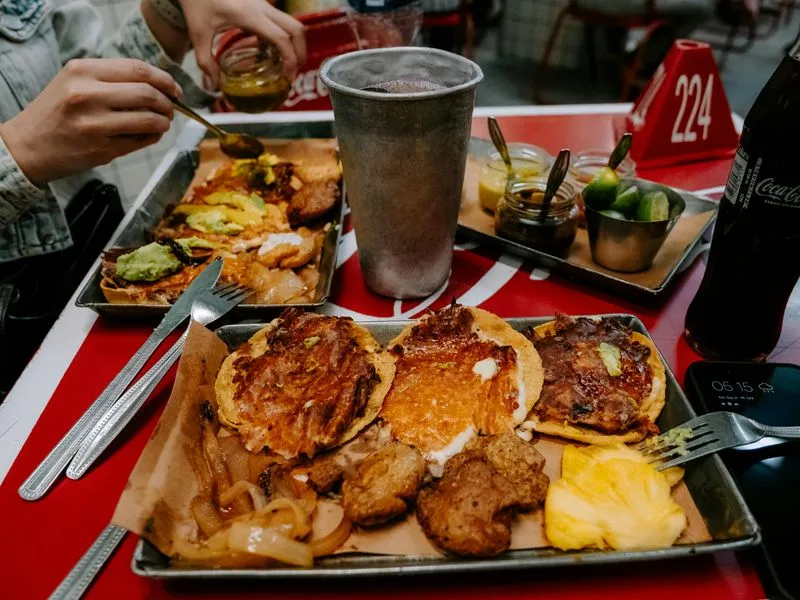
Jalisco does al pastor well. Pork marinated in dried chile-achiote paste, stacked on a vertical spit (trompo) with a pineapple on top, slow-roasted and shaved to order. The fat from the rotating meat bastes each layer continuously. A thin slice of pineapple drops into the taco at serving.
Good al pastor in PV is on par with Mexico City. Look for trompos with an active flame, brown crust on the outside of the pork stack, and rapid customer turnover — both signals of fresh, well-made al pastor.
Where to try: Tacos Adrián on Basilio Badillo (Zona Romántica, late night), any of the taco carts on Insurgentes after 8 PM.
6. Ceviche Estilo Nayarit
Nayarit-style ceviche uses white fish or shrimp marinated in lime juice with tomato, onion, cilantro, and serrano chile — the same base as everywhere, but the emphasis is on freshness over complexity. PV’s cevicherías use fish and shrimp caught the same morning.
Aguachile vs ceviche: Ceviche marinates 15-30 minutes (acid partially cooks the protein, turns it opaque). Aguachile is served immediately (protein stays translucent, sauce is more intense). Both are excellent.
Where to try: Mariscos La Cruz at the Mercado Municipal, cevicherías along the Zona Romántica, La Palapa on Los Muertos beach for beachfront ceviche with a view.
7. Camarones a la Diabla
Shrimp in a fiery red chile sauce — typically a blend of guajillo and árbol chiles, garlic, tomato, and a squeeze of lime. One of the most popular shrimp preparations along the Pacific coast. The sauce is deeper and more complex than it looks: the guajillo gives smokiness, the árbol gives heat, and the shrimp take on the color and flavor of the sauce quickly.
Served with rice, tortillas, or as tacos. Medium-to-high spice level — more nuanced than aguachile, built around dried chile complexity.
8. Tortas Ahogadas
The Guadalajara export. A crusty birote roll (the bread is unique to Guadalajara — fermented with salt water, which makes it denser and more resistant to the sauce) stuffed with carnitas, then drowned (ahogada) in a spicy salsa de árbol chile. The bread soaks in the sauce until saturated.
The birote roll is the key — regular bolillo bread disintegrates. Genuine tortas ahogadas use birote, which is almost exclusively made in Guadalajara. What you’ll find in PV is very close to the original. What you’ll find outside Jalisco is not the same thing.
Where to try: Any Jalisco-style torta stand in Versalles or El Centro.
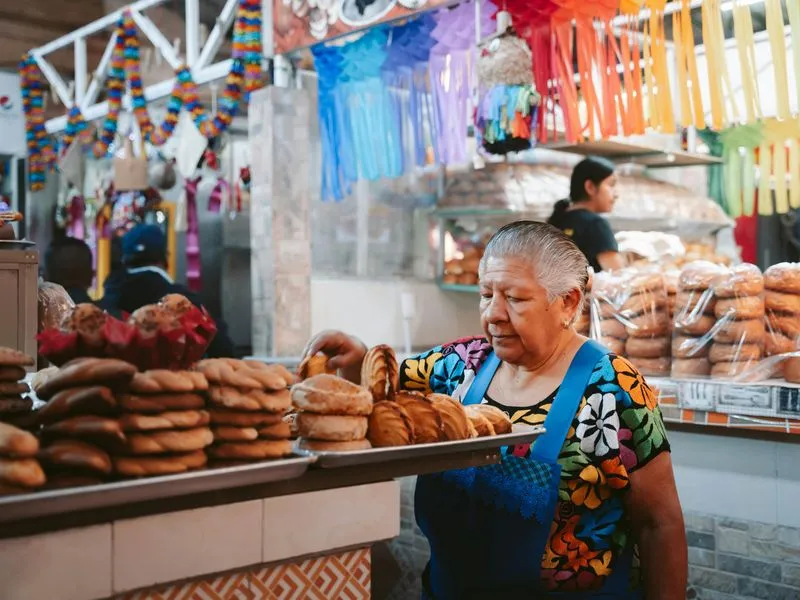
9. Carnitas
Jalisco pork. Pork cooked low and slow in its own fat (lard-confit style) in a large copper pot, then crisped at high heat before serving. The meat caramelizes on the outside, stays moist inside. Served on tortillas with chopped cilantro, onion, lime, and salsa.
The best carnitas come from the surtido (mixed cuts): a combination of lean meat, cueritos (skin), buche (stomach), maciza (shoulder), and riñones (kidneys). Ask for surtido rather than a single cut for the full range of textures and flavors.
Where to try: Versalles neighborhood carnicerías and carnitas specialists on Sunday mornings. The Mercado Municipal on Libertad has carnitas vendors.
10. Pozole Estilo Jalisco
Jalisco’s version of pozole uses chicken or pork with large hominy corn kernels in a white or red broth, topped with shredded cabbage, dried oregano, tostadas, lime, and radishes. The broth is made with garlic, onion, and chiles.
Jalisco claims the red pozole as its contribution to the national dish. The state pozole festival in Guadalajara celebrates dozens of regional variations. PV’s pozole spots are excellent and often combine the Pacific seafood availability with the Jalisco broth tradition — pozole de mariscos (seafood pozole) is a PV innovation.
11. Elotes y Esquites
Universal Mexican street food done well. Grilled corn on the cob (elote) or corn kernels in a cup (esquites), with mayonnaise, cotija cheese, chile powder, and lime. The corn in Jalisco and Nayarit tends to be excellent — field corn, not sweet corn, with a deeper starchy flavor.
The best street elote is slightly charred from a wood or charcoal grill. Available on every major street corner from evening vendors.
12. Chilaquiles
The canonical Mexican breakfast. Day-old tortillas cut into triangles, fried, then simmered in either red or green salsa until partially softened. Topped with crema, cotija cheese, onion, avocado, and usually a fried egg. Sometimes chicken is added (chilaquiles con pollo).
Red sauce (rojos): guajillo and árbol chiles, slightly smoky. Green sauce (verdes): tomatillo and serrano, brighter and more acidic. The Zona Romántica’s breakfast cafes all serve them. The best chilaquiles in PV are at the Mercado Municipal’s morning comedor — inexpensive, large portions, made fresh.
13. Sopa de Lima
A Yucatecan dish that has made its way to PV via the Yucatecan diaspora and resort menus. Chicken broth with shredded chicken, lime juice, crispy tortilla strips, avocado, and a key lime (lima). The lima is a specific Yucatecan citrus — less acidic than regular lime, slightly floral.
Not authentically a PV dish, but you’ll find it on restaurant menus throughout the city. Good as a light starter. The better versions use actual lima, not just lime juice.
14. Tamales Jalisciences
Jalisco tamales are larger than typical Mexican tamales and wrapped in corn husks. The masa tends to be denser and less fluffy than Oaxacan tamales. Fillings: pork in red chile sauce, chicken with mole, or rajas (poblano strips) with cheese.
Available from street vendors early morning (7-10 AM) and at traditional breakfast spots. The Mercado Municipal has tamale vendors on weekends. Tamales de elote (sweet corn tamales) are a Jalisco specialty — lighter masa with corn kernels, slightly sweet, no filling.
15. Mariscos Platter
The Pacific coast botana de mariscos — a shared platter of mixed seafood appetizers that varies by restaurant. A good version includes: ceviche, aguachile, tostadas de pulpo (octopus), bostón (shrimp cocktail with a thicker tomato-based sauce), and camarones al ajillo (garlic shrimp).
The botana format is how locals eat mariscos: not as separate courses but as a shared table of small portions. Order one per two people and add individual dishes as needed.
Where to Eat in Puerto Vallarta by Neighborhood
Zona Romántica (Best for First-Timers)
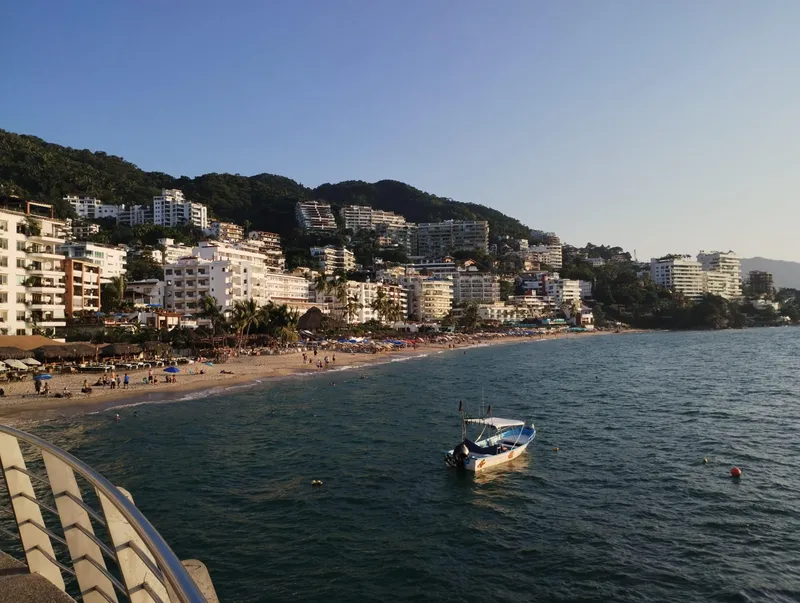
PV’s most walkable dining neighborhood — south of the Río Cuale on the cobblestone streets around Olas Altas beach. The highest concentration of independent restaurants in the city, ranging from budget breakfast spots to serious Pacific cuisine. Also the most touristy area with the most tourist pricing — budget conscious visitors should eat main meals elsewhere.
Key streets: Basilio Badillo (restaurant row), Olas Altas (seafront), Lázaro Cárdenas for cheaper options.
Best for: First night in PV, a proper pescado zarandeado dinner, exploring independently.
Versalles (Best for Locals)
The residential neighborhood east of the Hotel Zone, roughly between Avenida Los Tules and the Libramiento highway. This is where 900,000 Vallartenses actually eat: neighborhood birria stands, tacos de carnitas from the carnicería on the corner, loncheras for comida corrida at 100-150 MXN, and the birriería La Capital open until the small hours.
No tourists, no English menus, prices that reflect what people actually earn. Better food for less money.
Best for: Budget eating, late-night birria, understanding what PV really tastes like.
El Centro / Mercado Municipal
The Mercado Municipal de Artesanías on Calle Libertad has a second-floor comedor that most guidebooks miss completely. Breakfast and lunch only (7 AM - 3 PM). Women cook traditional Jaliscan food from the same stall positions they’ve occupied for decades: chile relleno, sopa tarasca, caldo tlalpeño, and excellent coffee from Jalisco. Full breakfast 80-100 MXN.
The market closes early — arrive by 11 AM for the best selection.
Malecón Waterfront
Beautiful views, tourist pricing. The restaurants along the Malecón waterfront serve acceptable international and Mexican food at Hotel Zone prices without Hotel Zone amenities. The setting is genuinely lovely — sunset over Banderas Bay, the sculptures, the pier. Worth one drink or a light meal for the ambiance. Not worth a serious dining investment.
Puerto Vallarta Food by Budget
| Budget | Per Day | What You Eat |
|---|---|---|
| Budget traveler | 200-350 MXN | Mercado breakfast (80 MXN), Versalles comida corrida (100 MXN), street tacos dinner (80-120 MXN) |
| Mid-range | 500-900 MXN | Zona Romántica breakfast, one proper restaurant lunch (pescado zarandeado ~280-400 MXN), street food evening |
| Splurge | 1,200-2,500+ MXN | El Arrayan, La Palapa, or Tintoque for dinner; beachfront brunch; mariscos botana platter for the table |
| All-inclusive | Resort covers meals | Leave the resort for at least 2 meals to taste the real PV |
Drinks to Order in Puerto Vallarta
Cantarito: A Jalisco classic — tequila (ideally a blanco), orange juice, lime juice, grapefruit juice, and a pinch of salt, served in a small clay pot with a salted rim. The clay slightly chills the drink and adds an earthy mineral note. Available at bars and some mariscos stands.
Paloma: Tequila with grapefruit soda (Jarritos Toronja or Squirt) and lime. Simple, light, and better than a margarita for day drinking in the Pacific heat.
Mezcal: Not native to Jalisco but ubiquitous in PV’s bar scene. Oaxacan espadin mezcal is cheapest. Look for Nayarit raicilla — a wild agave spirit distilled in the mountains behind PV that is technically not tequila or mezcal (uses different agave species). Very good, very local.
Michelada: Beer poured over ice with lime, soy sauce, Worcestershire, hot sauce, and often clamato juice. A savory hangover cure and aperitif. Every cerveza store in Versalles makes these to order.
Seasonal Food Calendar
| Month | What’s Special |
|---|---|
| Jan-Mar | Whale watching season — fresh fish abundant, seafood restaurants at peak |
| Apr-May | Whale shark near La Cruz — shrimp season peak |
| Jun-Jul | Hot and humid — lighter mariscos recommended, mango season |
| Aug-Sep | Rainy season — hot soups like pozole and birria feel right |
| Oct-Nov | Best weather + best restaurant quality, Día de Muertos tamales |
| Dec | Christmas pozole, Noche de Rábanos-inspired menus, holiday feasting |
Year-round: Pescado zarandeado, aguachile, tacos gobernador — always in season, always excellent.
Food Phrases in Puerto Vallarta
| Spanish | What It Means |
|---|---|
| ¿Tiene pescado zarandeado? | Do you have zarandeado fish? |
| Una orden de aguachile verde/negro | One order of green/black aguachile |
| ¿Está fresco el pescado? | Is the fish fresh? (They will always say yes — watch the eyes: clear = fresh) |
| Surtido de carnitas | Mixed cuts of carnitas (the correct order) |
| Sin picante por favor | Without spice please |
| ¿Cuánto cuesta? | How much does it cost? |
| La cuenta, por favor | The check, please |
Practical Food Tips
Tap water: Don’t drink it. All good restaurants use purified water. Ask for agua de garrafón (bottled jug water) at comedores.
Market hours: Mercado Municipal breakfast/lunch only until 3 PM. Street taco carts run 7 PM - 2 AM. Birria stands: 7 PM onward, best between 9 PM - 1 AM.
Tipping: 10% at sit-down restaurants, rounding up at taquerias, nothing required at street stands. Servers earn very low base wages — tip what you’d tip at home.
Food safety: Puerto Vallarta has high food safety standards relative to smaller Mexican cities. The Zona Romántica’s restaurant turnover is high and operations are professional. Street food in Versalles has fed hundreds of locals daily for decades. Eat anywhere with consistent clientele.
No Uber restrictions: Unlike Tulum or Oaxaca, Uber works fully in Puerto Vallarta — use it to reach Versalles or El Centro for authentic local food. The ride from Zona Romántica to Versalles costs 40-70 MXN.
Day Trips for Food
La Cruz de Huanacaxtle (20 min north): The Sunday market (mercado del mar) at the La Cruz marina is worth the trip — local vendors, fresh seafood, artisan producers, restaurants along the waterfront. Sunday only, 9 AM - 2 PM.
Sayulita (40 min north): Small surf town with excellent taco stands and the Sayulita market’s Thursday organic market. Birriería el Toro on the main street is consistently excellent.
Punta Mita (45 min north): Fishing village at the top of Banderas Bay — the best fish tacos on the bay, cooked by the people who caught the fish.
For planning day trips from PV, see day trips from Puerto Vallarta.
Los Cabos (2.5 hours by flight): Baja California Sur’s seafood is different — chocolate clams, Baja Med fine dining, and the Pacific’s fish taco tradition. See what to eat in Los Cabos for the full Baja food guide.