Chinelos Dance: Morelos Carnival Tradition Explained (2026 Guide)
The Chinelos is a traditional masked dance from the state of Morelos, performed during Carnival and patron saint festivals across Tlayacapan, Tepoztlán, Yautepec, and dozens of other towns. Originating in 1807 as an indigenous mockery of Spanish colonial elites, the dance is recognized by UNESCO as Intangible Cultural Heritage and remains one of the most distinctive folk traditions in central Mexico.
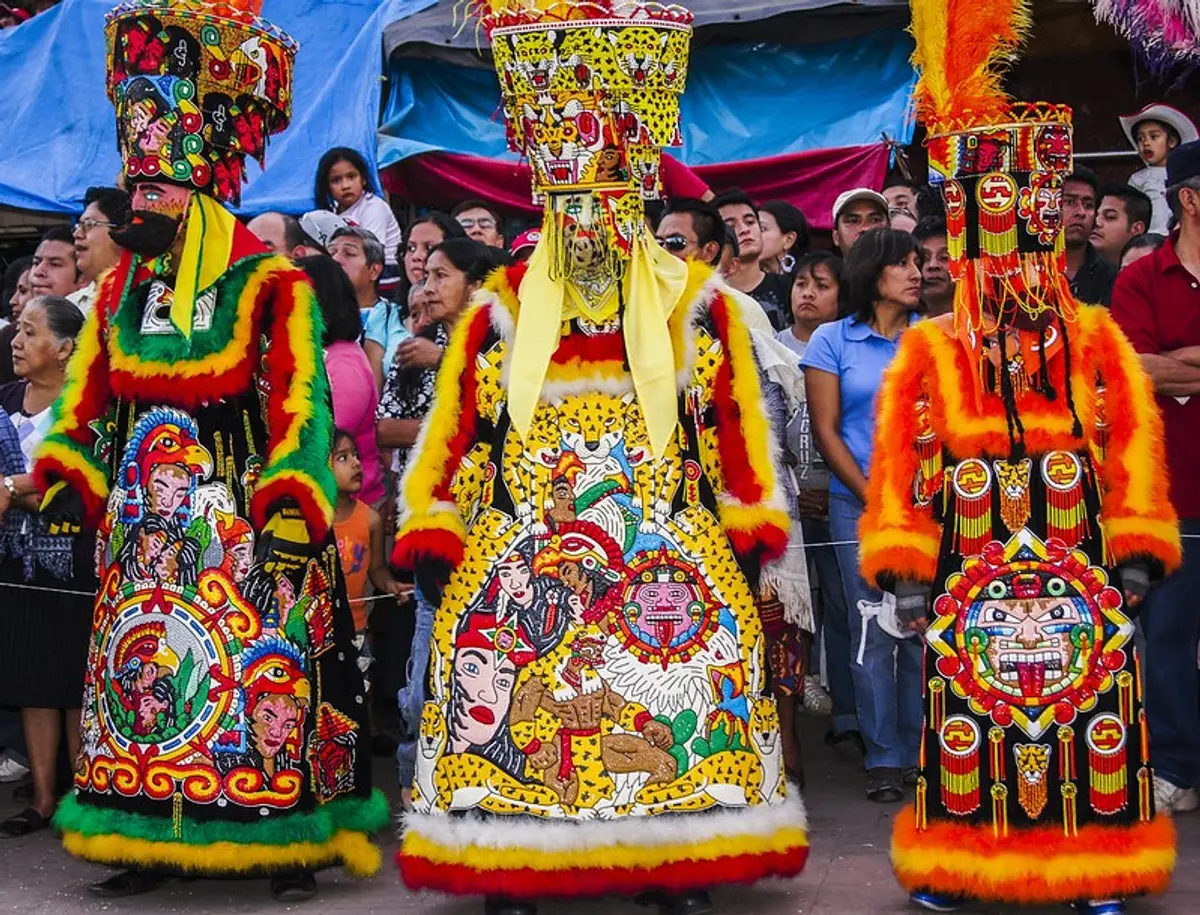
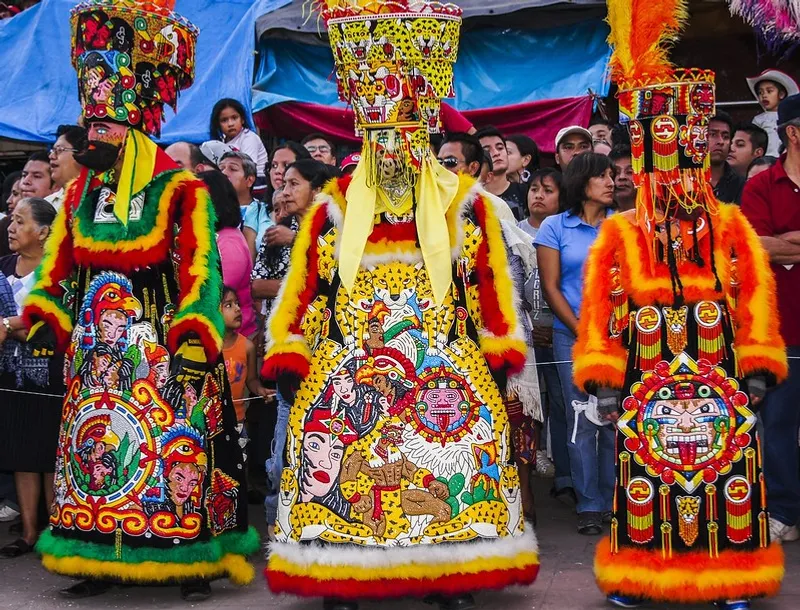
The Chinelos dance is the most recognized tradition in Morelos — a Carnival procession where performers in embroidered velvet robes, tall feathered hats, and painted masks jump to brass bands through the streets. It was born in 1807 as an act of indigenous defiance, and it has outlasted the colonial structures it mocked.
What Is the Chinelos Dance?
The Chinelos dance — formally La Danza de Los Chinelos, colloquially el brinco del Chinelo (the Chinelo’s jump) — is a street procession performance unique to the state of Morelos.
Dancers wear:
- Embroidered velvet robes mimicking Spanish colonial dress
- Tall feathered hats
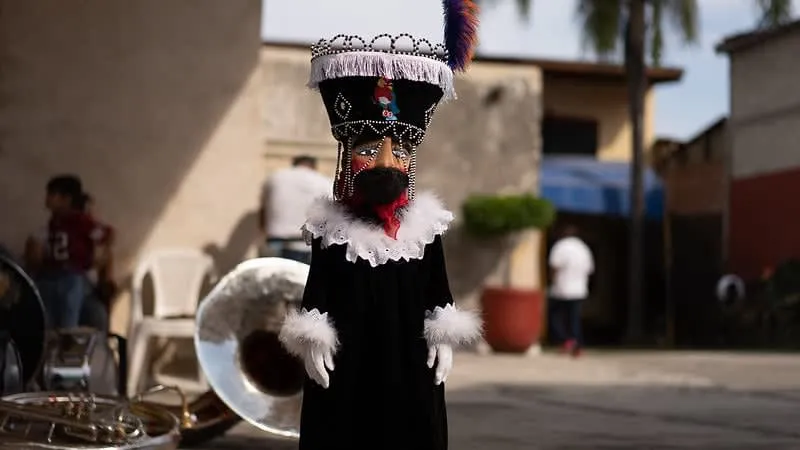
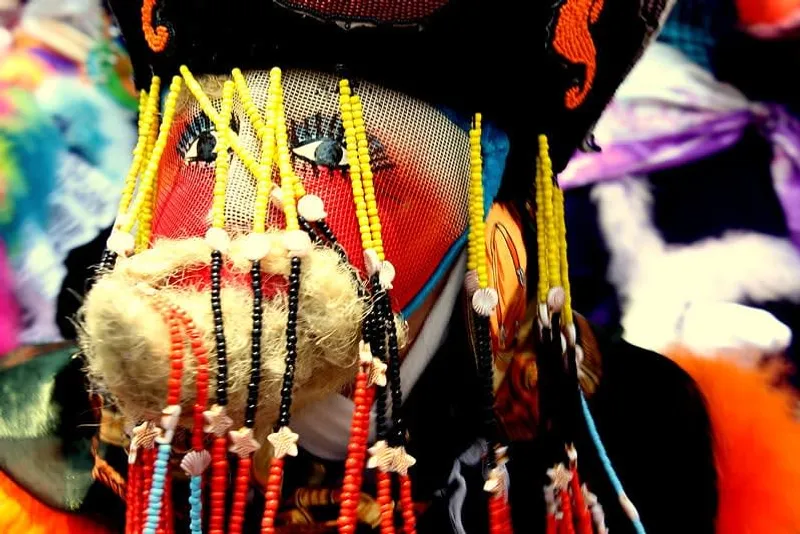
- Painted masks with light skin and large dark beards (mocking the Spanish conquistadors)
- No two costumes are identical — each is made by hand and considered personal
Performers jump rhythmically on the tips of their toes — the brinco — to the rhythm of a brass band. This jumping is the signature of the tradition. Groups of Chinelos walk through the streets, inviting spectators to join the celebration.
Origin: A Mockery of Colonial Power
The Chinelos dance dates to 1807 in Tlayacapan, a town in eastern Morelos. The origin story is one of exclusion turned into art.
Colonial Carnival celebrations were organized by the Spanish and mestizo elite — the indigenous population was barred from participating. Rather than accept the exclusion, residents of Tlayacapan created their own parallel celebration, complete with costumes that openly mocked the Spaniards who shut them out. The large beards and pale-skinned masks were deliberate caricatures.
The jumping movement has a separate origin: it echoes the leaps of joy traditionally performed by the pre-Hispanic Tlahuica people when they reached their promised land after a long migration.
Chinelo comes from Nahuatl — interpreted as “to abandon the flesh” or “goodbye to the flesh,” aligned with Carnival’s theme of excess before the Lenten fast.
How the Dance Is Performed
The brinco (jump) is the defining movement: dancers rise on their toes and bounce rhythmically with hands placed at chest level. The motion looks effortless but requires sustained stamina — processions can last hours.
The brass band (tambora) provides the beat. During the dance’s first decades, there was no formal music — whistles and improvised percussion from old metal containers. Reed flutes and the tambora were added over time as the tradition formalized.
Chinelos dancers are of all ages — children participate alongside elders. The procession moves through the streets, calling residents out of their houses to watch and sometimes join.
The Costumes
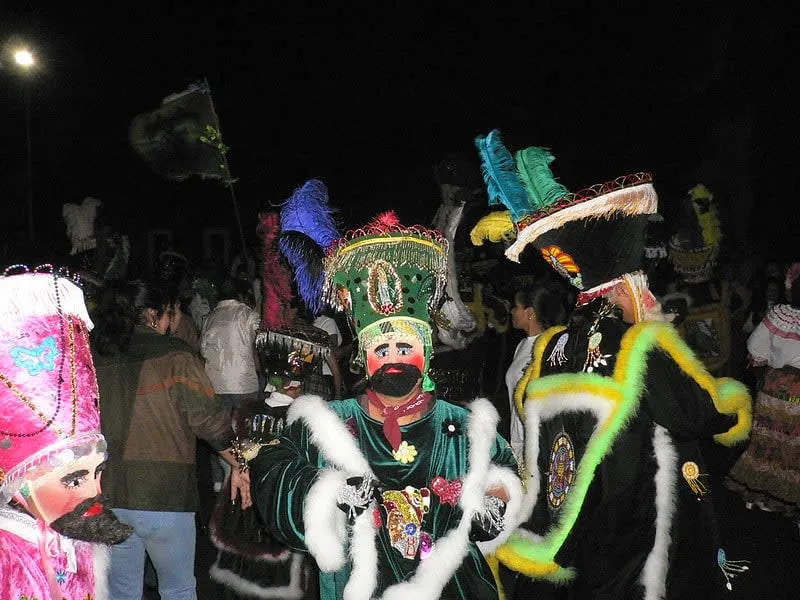
Each Chinelo costume is handmade and personal:
- Robe: Long velvet garment, densely embroidered with floral and geometric patterns — typically 200+ hours of work per piece
- Mask: Papier-mâché or cloth, depicting a bearded, light-skinned face (the Spanish caricature)
- Headdress: Tall cylindrical hat covered with feathers, fabric flowers, and metallic trim — can stand half a meter above the dancer’s head
- Shoes: Traditional leather sandals or boots
The overall effect is deliberately lavish — a mockery of colonial opulence. The Spanish landowners who banned indigenous people from Carnival dressed in finery; the Chinelos exaggerate that finery to absurdity.
When and Where to See Chinelos
| When | Where | Notes |
|---|---|---|
| Carnival (4 days before Ash Wednesday, Feb–Mar) | Tepoztlán | Largest celebration; street processions through the Pueblo Mágico |
| Carnival | Tlayacapan | Origin town; traditional feel, less tourist-oriented |
| Carnival | Yautepec, Oaxtepec, Jojutla, Totolapan | Other Morelos towns with strong traditions |
| Year-round | Xochimilco (CDMX) | Morelos diaspora community maintains the tradition |
| Year-round | Parts of Guerrero and Oaxaca | Regional spread of the tradition |
| Patron saint festivals, weddings, graduations | Any Morelos town | Chinelos appear at community celebrations throughout the year |
Best time to go: The four days before Ash Wednesday for the full Carnival experience. Tepoztlán on Shrove Tuesday (Fat Tuesday) has the largest crowds and the most intense processions. Go in the morning — processions start early and finish by midday.
Tepoztlán note: The town itself is worth the trip regardless of the Chinelos. The volcano pyramid of El Tepozteco is a 2-hour hike, the Sunday market fills the streets, and the food is excellent.
The Chinelos Beyond Morelos
The dance has spread from Morelos to communities throughout central Mexico, carried by migration. In Xochimilco (Mexico City), Chinelos appear at the annual carnival processions — brought by Morelos residents who settled there in the 20th century.
The tradition also influenced folk dance forms in Guerrero and parts of Oaxaca, though Morelos remains the heartland.
In 2017, the Mexican government submitted the Chinelos dance to UNESCO for consideration for the Intangible Cultural Heritage list.
For context on the Tepoztlán Carnival and other central Mexico cultural traditions, see our regional guides. For Mexico City day trips that pass through Morelos, see our day trips from Mexico City guide. For another of Mexico’s extraordinary folk music traditions — built on 400 years of falsetto improvisation and heel percussion — read our deep dive on huapango.