Cozumel Sargassum 2026: West Coast Beaches
Cozumel Sargassum: West Coast Beaches in 30 Seconds
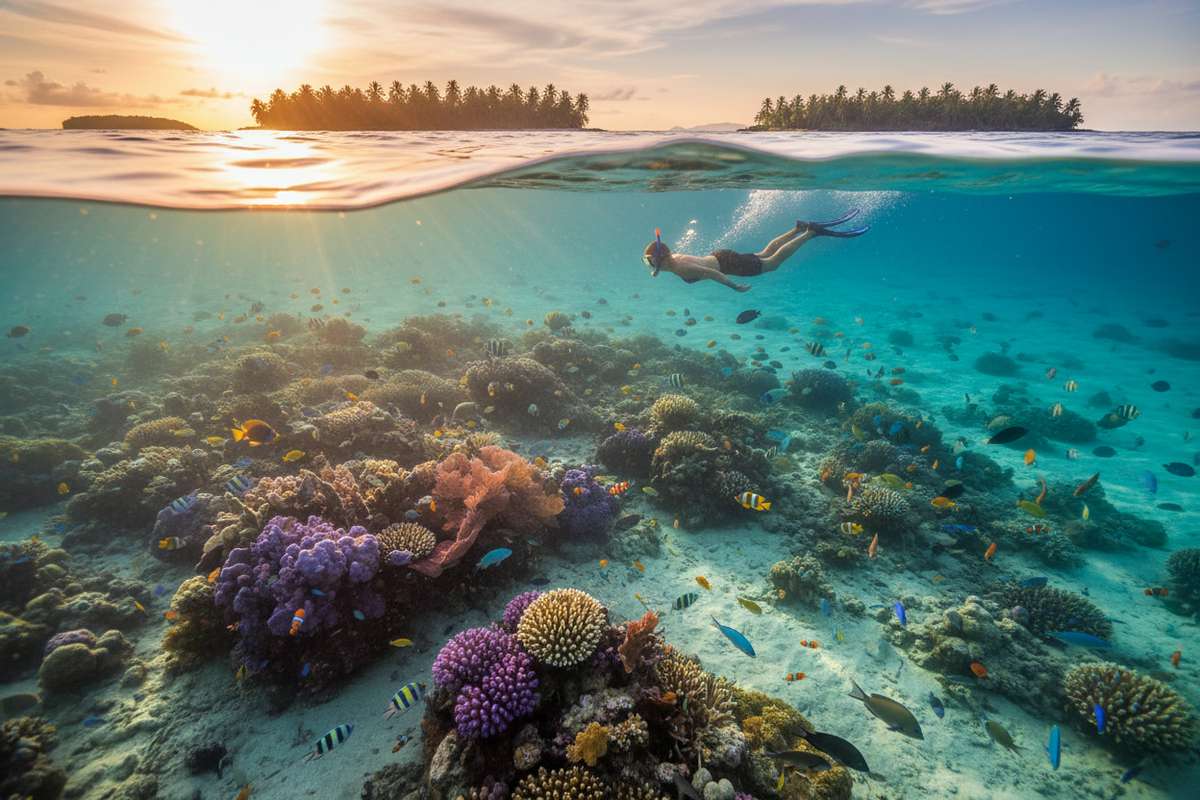
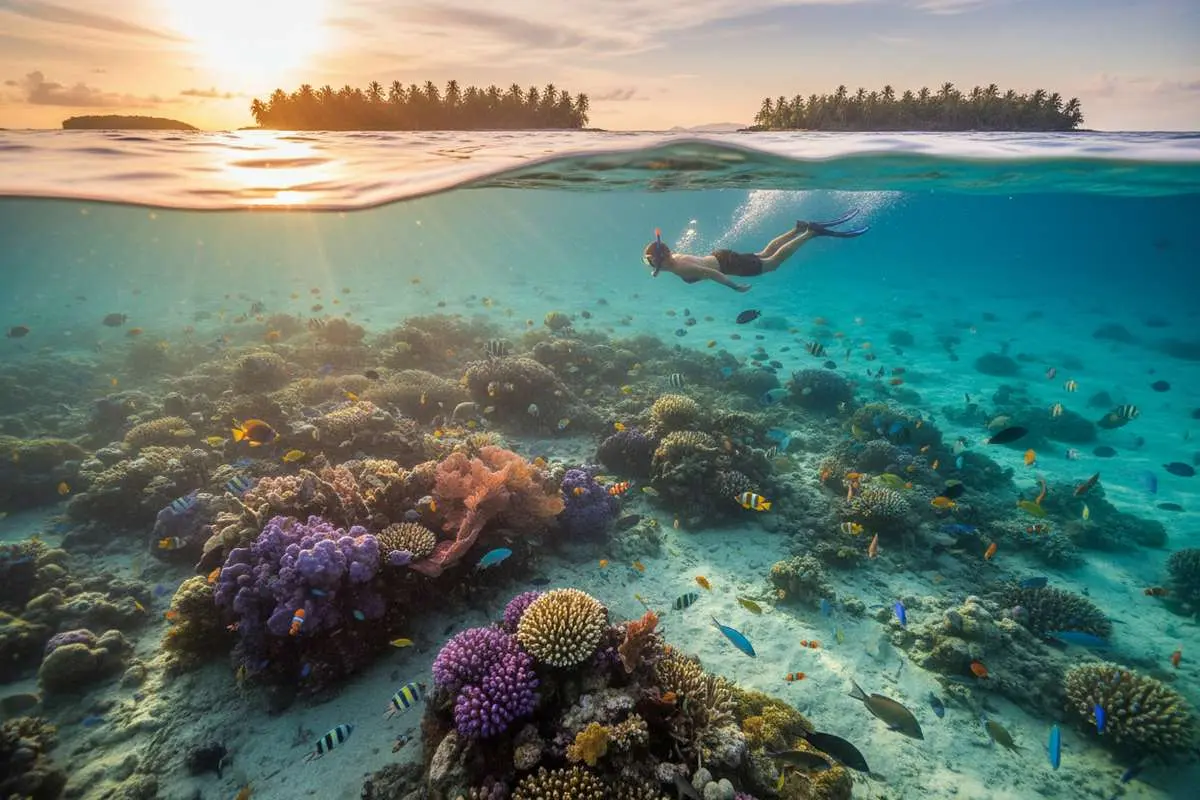
Cozumel sargassum today depends on wind and currents, but the island’s useful travel answer is still clear: Cozumel’s west coast is usually the cleaner beach choice during sargassum season. Check the current seaweed map first, then focus beach-club, hotel, ferry, snorkeling, and diving plans on the protected west side. The wild east coast can still collect seaweed during the same March-October pattern that affects Cancun, Playa del Carmen, Akumal, and Tulum.
That makes Cozumel one of the smartest Mexican Caribbean choices for May, June, July, and August travelers who still want blue water. It is not a magic guarantee, and a strong wind shift can still make certain beaches cloudy or messy, but Cozumel’s geography gives you a better starting point than most exposed Riviera Maya beaches.
If you are comparing the whole coast, start with the Mexico sargassum season guide. If you already know you want the island, use this page to choose the right side, decide between a day trip and overnight stay, and avoid booking an east-coast beach fantasy during the wrong months.
Before paying for a beach club, check current conditions on NOAA’s Sargassum Inundation Risk system and beach-level updates from How Is The Sargassum. Cozumel is safer than many mainland choices, but live map checks still beat old beach photos.
Why Cozumel Handles Sargassum Better
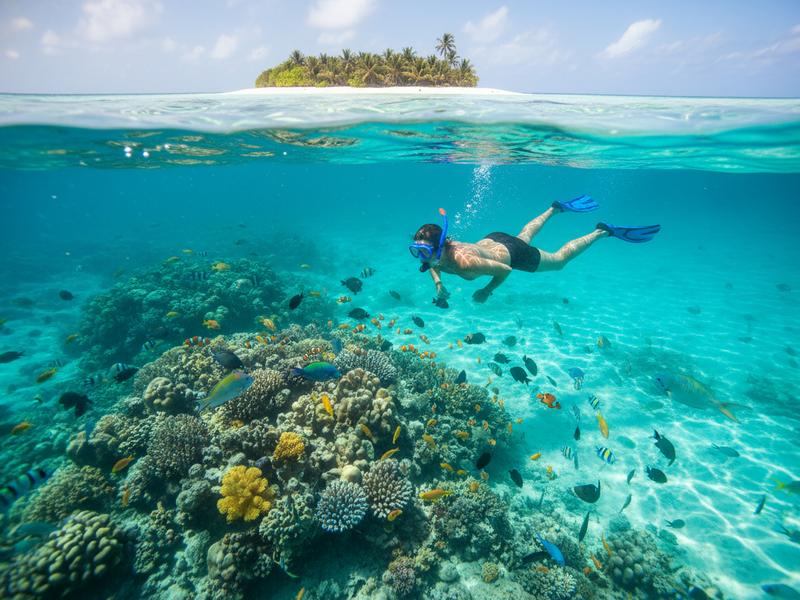
Cozumel’s advantage is orientation. The island sits offshore from Playa del Carmen, with most visitor infrastructure on the west coast. That west side faces the channel and the mainland, not the open Caribbean flow that pushes seaweed toward many Riviera Maya beaches.
The east coast is different. It is wild, beautiful, windier, and more exposed. Places like Chen Rio, Playa Bonita, and the long empty stretches around the island’s ocean side can be gorgeous outside heavy arrivals, but they are not the reason Cozumel has a lower sargassum reputation. The west coast is.
For travelers, this means your hotel map matters. A west-coast hotel or town base near San Miguel gives you easier access to clearer-water beach clubs, reef boats, dive shops, and sunset-facing water. An east-coast plan should be treated as a scenic drive or lunch stop, not the foundation of a summer beach trip.
This is also why Cozumel works as a Plan B from the mainland. If Playa del Carmen wakes up with brown water and beach crews, the ferry can put you on Cozumel’s west coast in about 40 minutes. Read the Playa del Carmen to Cozumel ferry guide before building that backup day.
Best Cozumel Beaches During Sargassum Months
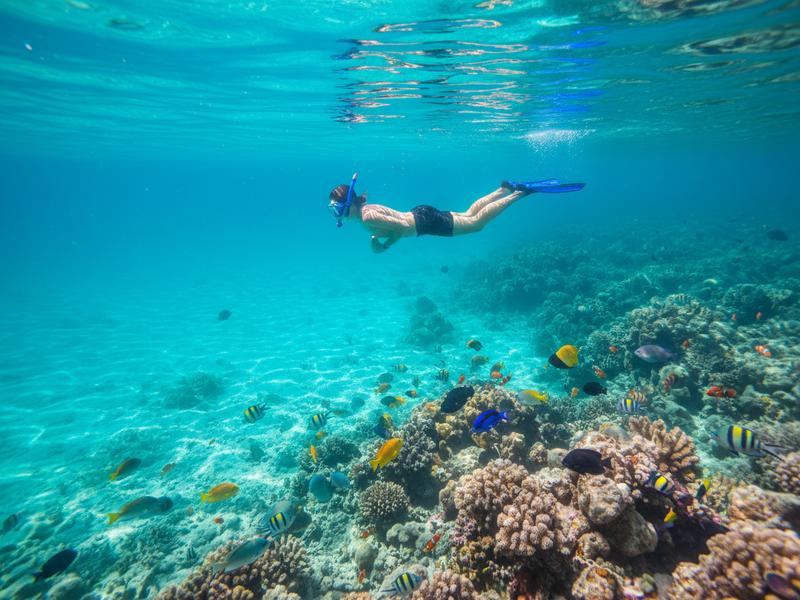
For lower sargassum risk, focus on the west coast. Playa Palancar is one of the most useful choices because it combines beach time, boat access, and a relaxed club setup. Playa San Francisco, Paradise Beach, and Playa Mia are more developed, which can be better for families who want chairs, pools, food, restrooms, and easy taxi access.
Nearer to San Miguel, small hotel beaches and beach-club entries can work well when you do not want a long taxi ride. They may not feel as dreamy as the island’s wilder side, but convenience matters when you are managing heat, ferries, dive schedules, or kids.
The east coast is best saved for a flexible loop drive. Go for views, surf, seafood, and photos, but check conditions first. If heavy seaweed is arriving, the east side may smell bad and be poor for swimming. It can still be worth seeing, but do not make it your only beach plan.
For a broader island overview, pair this with best beaches in Cozumel and the full Cozumel travel guide.
Cozumel vs Playa del Carmen, Cancun, and Isla Mujeres
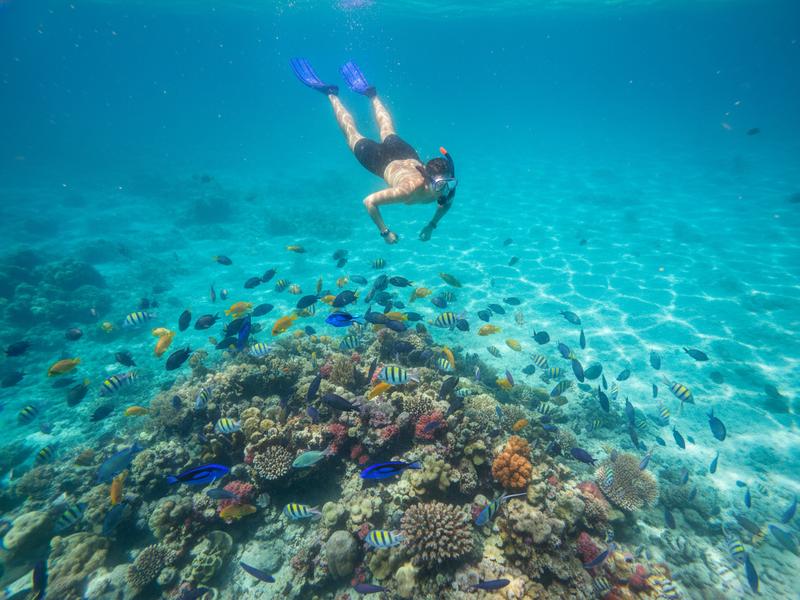
Cozumel beats Playa del Carmen for water reliability during peak sargassum months. Playa is easier for restaurants, nightlife, shopping, and mainland day trips, but its central beaches face the problem more directly. Cozumel is quieter after dark and less convenient for cenotes or ruins, yet it usually gives snorkelers and divers a better summer base.
Cancun is stronger for airport access, big resorts, pools, and family infrastructure. Cozumel is stronger for reefs, west-coast beach clubs, and a slower island pace. If you want an all-inclusive resort with kids programs and nightlife nearby, Cancun may be easier. If your trip depends on snorkeling and diving, Cozumel is the more logical pick.
Isla Mujeres is the easiest clean-water escape from Cancun. Cozumel is the equivalent for Playa del Carmen, but it is larger, better for diving, and more spread out. Isla Mujeres is better for a simple Playa Norte beach day. Cozumel is better for reef-focused travelers who want several water days instead of one quick ferry escape.
Use the specific guides if you are still choosing: Cancun sargassum season, Playa del Carmen sargassum season, and Isla Mujeres sargassum season.
Should You Day Trip or Stay Overnight
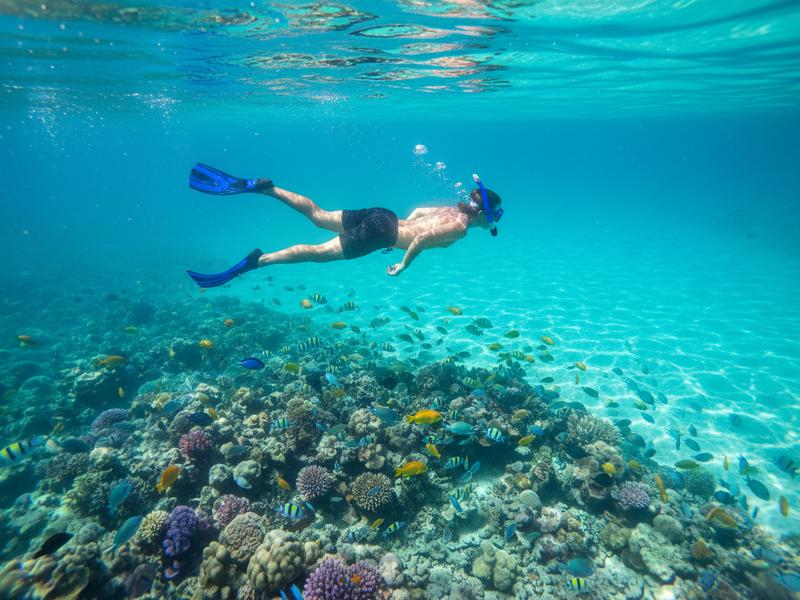
A Cozumel day trip works if you are based in Playa del Carmen and only need one cleaner-water pivot. Walk to the ferry, cross the channel, take a taxi to a west-coast beach club, and keep the day simple. This is the easiest fix when the mainland beach is rough but your hotel and restaurant plans are already in Playa.
Stay overnight if Cozumel is the point of the trip. Divers should not treat the island like a casual side quest. Early boat times, surface intervals, weather buffers, and reef access all work better when you sleep on the island. Snorkelers also get more flexibility by staying two or three nights instead of racing the ferry schedule.
Costs depend on your style. A ferry day from Playa del Carmen can easily reach $50-120 USD ($850-2,040 MXN) per person once you include round-trip tickets, taxis, beach-club minimums, food, and tips. Overnight stays cost more, but they reduce friction and let you choose morning water windows.
For lodging strategy, use best hotels in Cozumel. During May-August, prioritize west-coast access, flexible cancellation, pool quality, and recent reviews that mention beach conditions.
Snorkeling, Diving, and Weather Tradeoffs
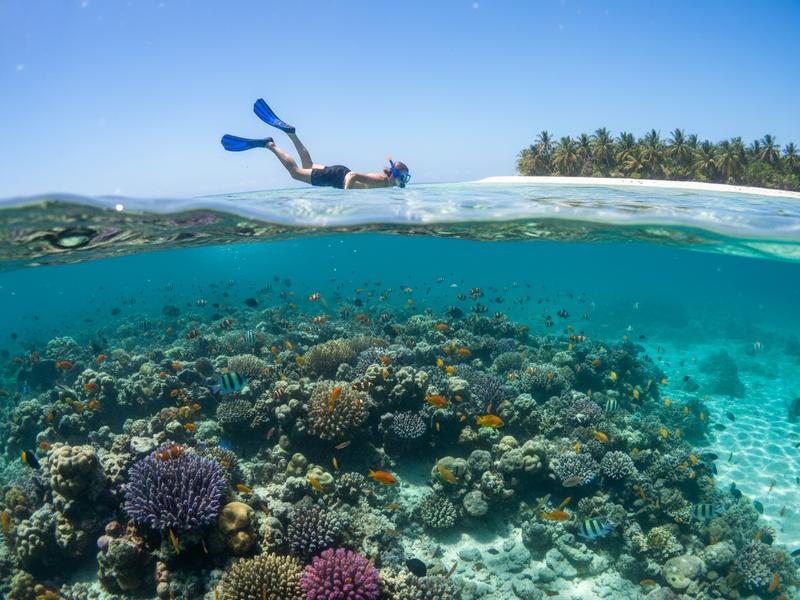
Cozumel is not just a beach alternative; it is one of Mexico’s best reef destinations. That matters during sargassum season because a boat-based reef plan can still be excellent even when a mainland beach is unpleasant. Operators can choose sites based on wind, visibility, and current.
Summer water is warm, which is good for long snorkel and dive days. The tradeoff is humidity, stronger sun, afternoon showers, and hurricane-season uncertainty later in summer and fall. Build buffers into the trip rather than stacking every water activity into one tight window.
If you are visiting in June, July, or August, choose morning tours when possible. Heat rises quickly, afternoon weather can be more variable, and families do better with early water time followed by pool, lunch, or a nap. For month-specific planning, compare Cozumel in June and Cozumel in July.
Final Cozumel Sargassum Advice
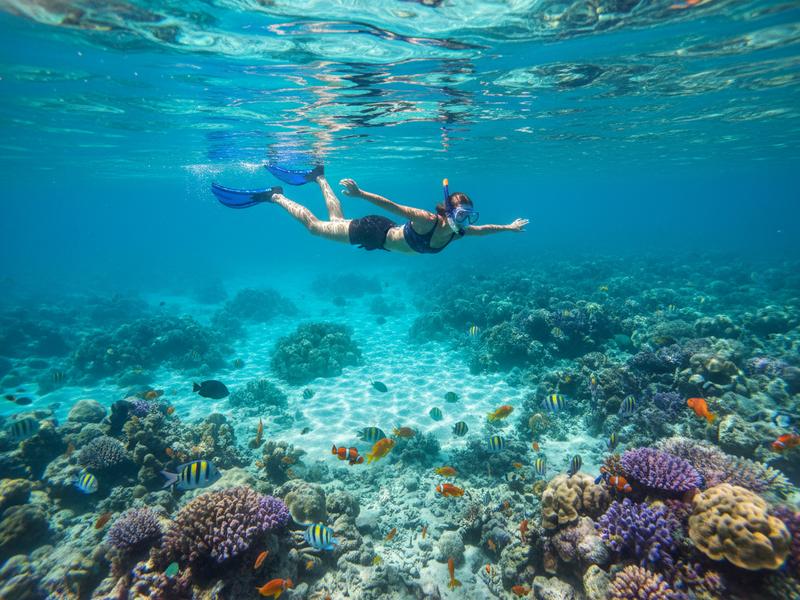
Book Cozumel in sargassum season if you want Caribbean water with better odds, reefs, diving, snorkeling, and a calmer island base. Do not book it because someone promised the entire island is seaweed-free. The west coast is the strategy; the east coast is the risk.
If clear beach days are non-negotiable and you do not care about reefs, compare Mexico beaches without sargassum before committing to the Caribbean. Pacific and Baja destinations remove the seaweed question completely, though they bring their own weather and surf tradeoffs.
If you stay in the Riviera Maya, Cozumel is one of the best backup plans you can build into the trip. Keep one ferry day flexible, check live maps before you go, and choose west-coast beach clubs or reef tours instead of chasing the island’s exposed east side during peak arrivals.