Holbox in July 2026: Whale Sharks, Bio Bay & Rain
Is Holbox Good in July 2026?
Holbox in July 2026 is one of Mexico’s strongest wildlife trips if you want whale sharks, bioluminescence, and a slow island stay. It is also hot, humid, rainy, mosquito-prone, and sometimes muddy. That mix is exactly why July needs a flexible plan instead of a beach-only checklist.
The reason to go is simple: July is peak whale shark season. Sightings are usually more established than in June, tours are running regularly when conditions allow, and Holbox has the island atmosphere many travelers imagine when they picture a slower Yucatan trip.
The reason to hesitate is just as real. July is not Holbox at its driest or easiest. Roads can flood after heavy rain, golf carts may splash through sandy lanes, and beach water is not always clear. If you want the national month-by-month context first, start with Mexico in July. If Holbox is already on your shortlist, this guide gives the July-specific booking answer.
30-Second Answer
| Question | Short answer |
|---|---|
| Is July 2026 a good month? | Yes, if whale sharks and island atmosphere are the priority. |
| Biggest reason to go | Peak whale shark season plus dark-night bioluminescence chances. |
| Biggest downside | Heat, humidity, rain, mosquitoes, muddy roads, and tour delays. |
| Best timing | Early mornings for boats, beach walks, ferries, and transfers. |
| Ideal stay | 3-4 nights, with one backup whale shark tour morning. |
| Best base | Beach west of town or near the plaza for easier logistics. |
Best July fit: wildlife travelers, couples who like slow islands, repeat Mexico visitors, and anyone willing to trade perfect weather for peak whale shark odds.
Poor July fit: travelers who need clear beach water every day, dislike humidity, or only have one rushed night between Cancun transfers.
Whale Sharks Peak in July
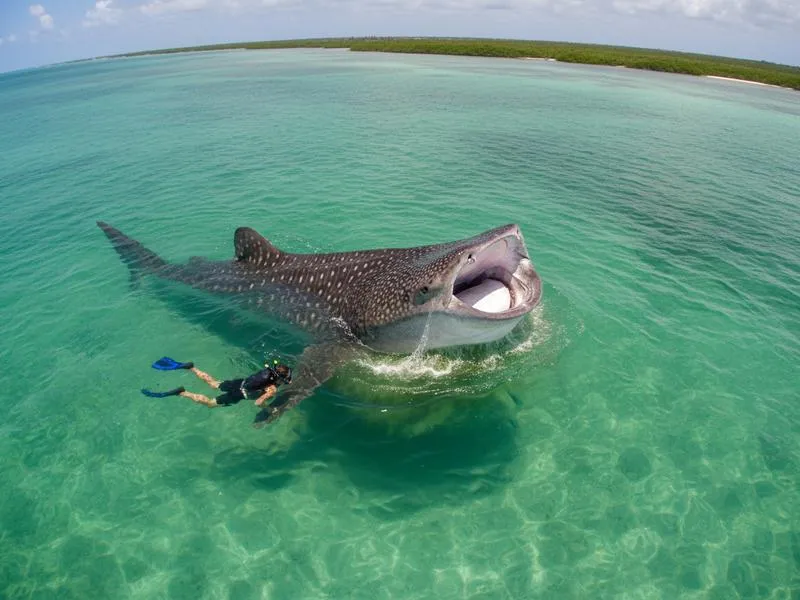
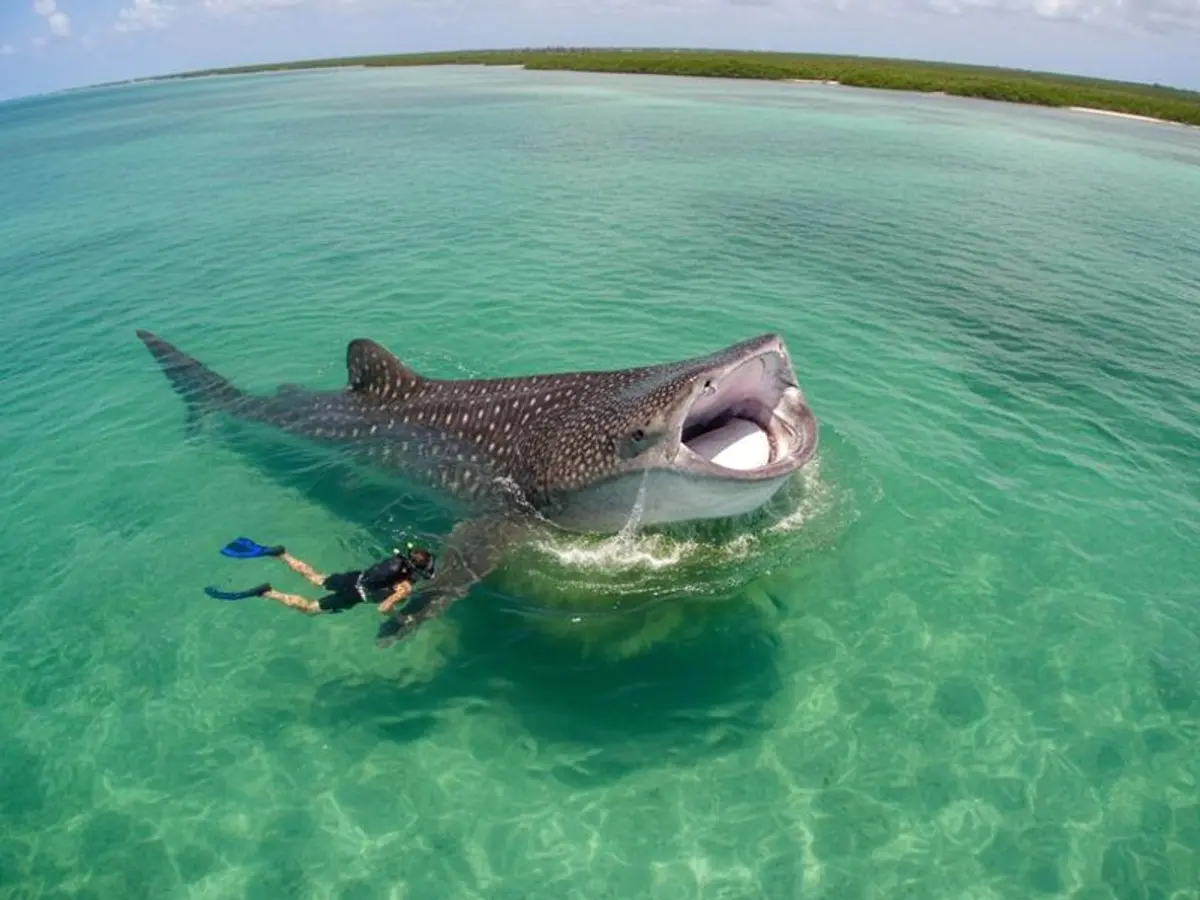
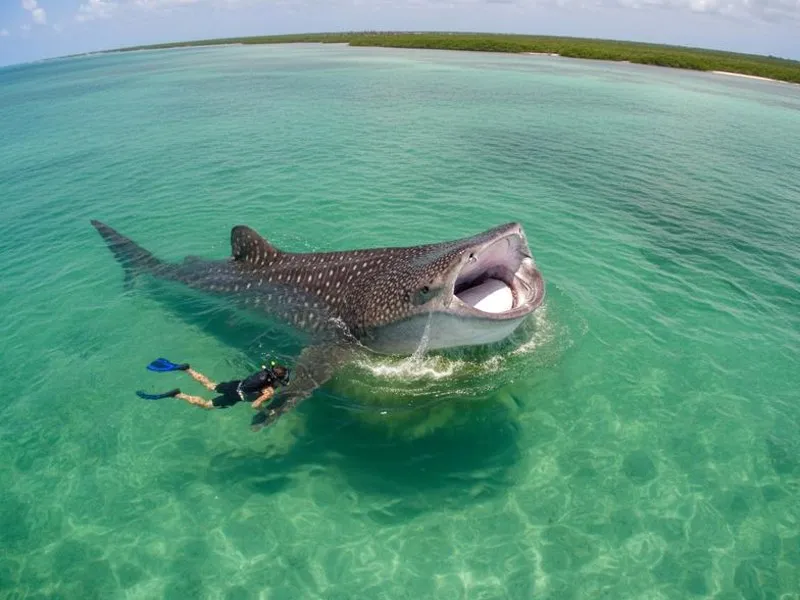
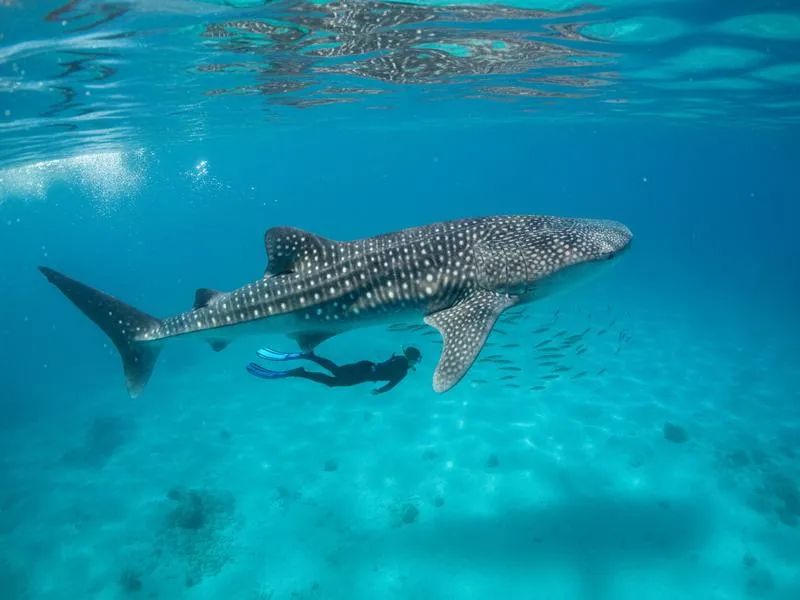
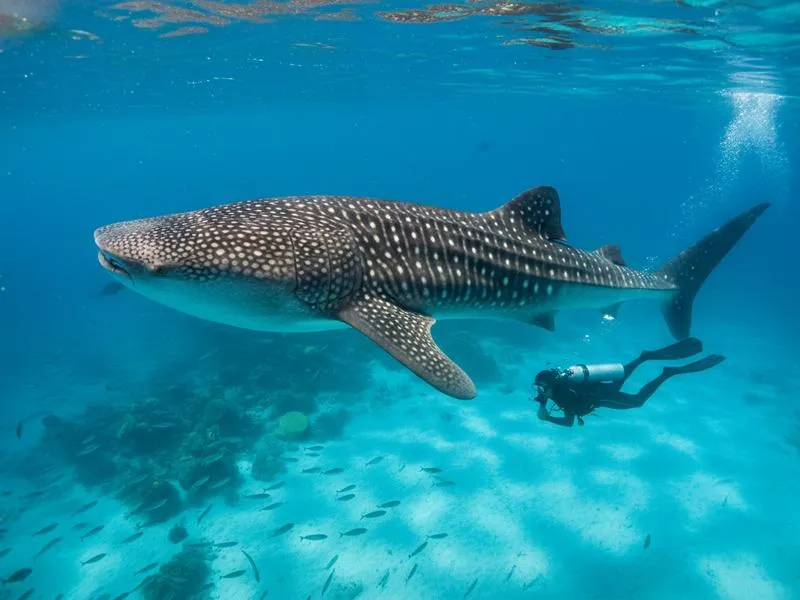
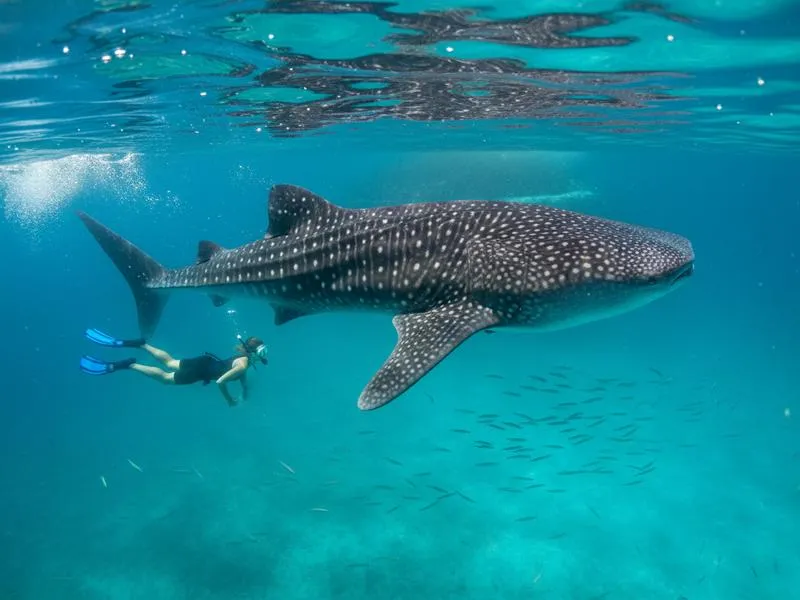
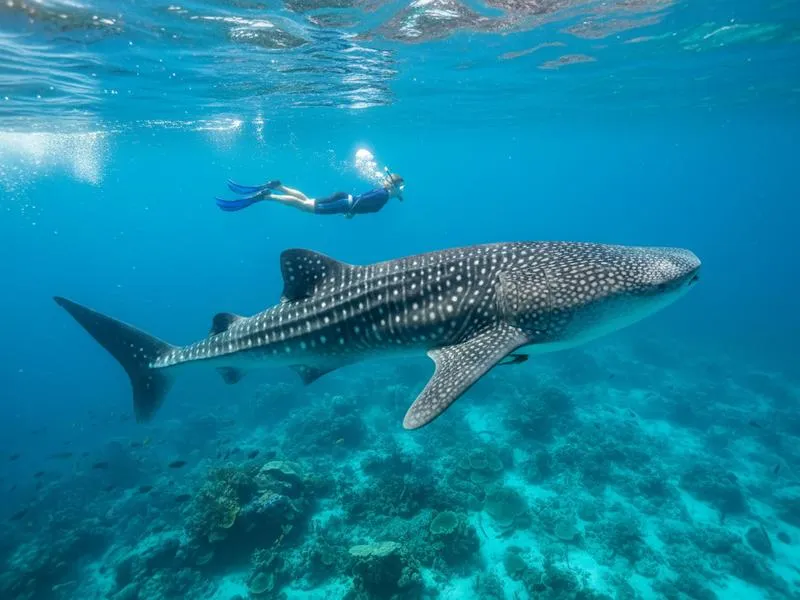
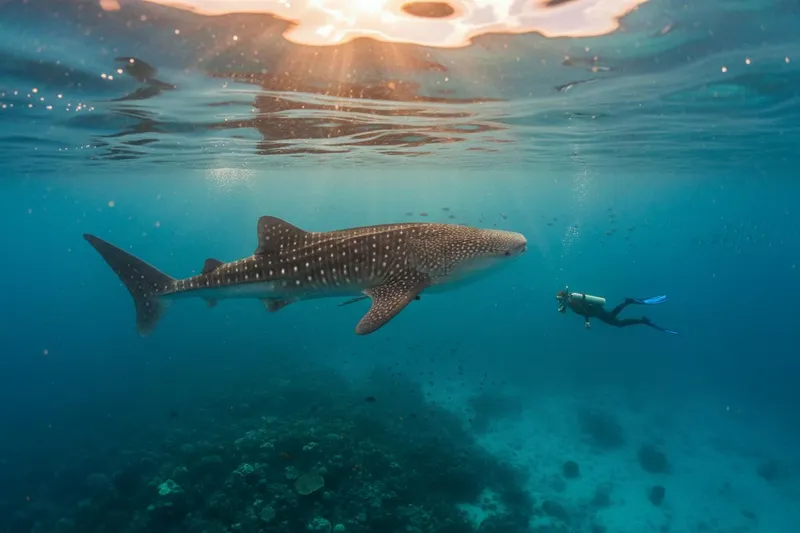
Whale sharks are the main reason July matters on Holbox. The season usually runs from June into September, but July and August are the strongest months. By July, sightings are typically more reliable than at the start of June, and operators have a better sense of where the aggregation is forming.
| July timing | Whale shark outlook | Planning note |
|---|---|---|
| Early July | Strong, but weather-dependent | Book ahead and keep one backup morning |
| Mid July | One of the best windows | Good choice for a dedicated wildlife trip |
| Late July | Still excellent | Watch storms and sea conditions |
Tours usually leave early because seas are often calmer and feeding conditions can be better. The boat ride may be long, and the exact route depends on where the animals are that day. You are snorkeling, not scuba diving, and the rules matter: keep distance, do not touch the animals, enter only when guided, and avoid operators who treat wildlife rules casually.
If whale sharks are the whole reason for the trip, do not give Holbox one night. Plan at least three nights so wind, rain, or port decisions do not ruin your only possible tour slot. Four nights is the safer version if Holbox is the centerpiece of your Mexico itinerary. For the broader seasonal tradeoff, compare July with our Best Time to Visit Mexico guide before locking flights.
For species details, ethics, and how Holbox compares with Isla Mujeres and La Paz, read our full Swim With Whale Sharks in Mexico guide.
July Weather, Rain, and Mud
July is hot and humid on Holbox, with rain most likely in afternoon or evening bursts. Not every day is washed out. The better way to think about July is that the island gives you useful morning windows, heavy midday heat, and a real chance of storms later in the day.
| Time of day | July reality | Best use |
|---|---|---|
| Early morning | Warm, calmer, most valuable | Whale shark tours, beach walks, ferry transfers |
| Late morning | Hot but workable | Punta Mosquito, breakfast, short swims |
| Afternoon | Humid, storm risk, mosquitoes after rain | Lunch, nap, pool, shaded downtime |
| Evening | Warm, sometimes clearer after rain | Dinner, sunset, bioluminescence if conditions work |
Muddy roads are part of the July Holbox calculation. The island has sandy streets, limited drainage, and golf carts instead of normal car traffic. After heavy rain, short distances can take longer and remote hotels may feel less romantic than they looked online. Our Mexico rainy season guide explains how these short, heavy summer storms usually shape beach days.
This does not make July a bad month. It means your hotel choice matters more. Air conditioning, shade, an easy route to town, and simple tour pickup logistics can improve the trip more than another decorative room feature. July also sits inside the Atlantic storm season, so use our Mexico hurricane season guide if your dates are inflexible.
Beaches and Swimming in July
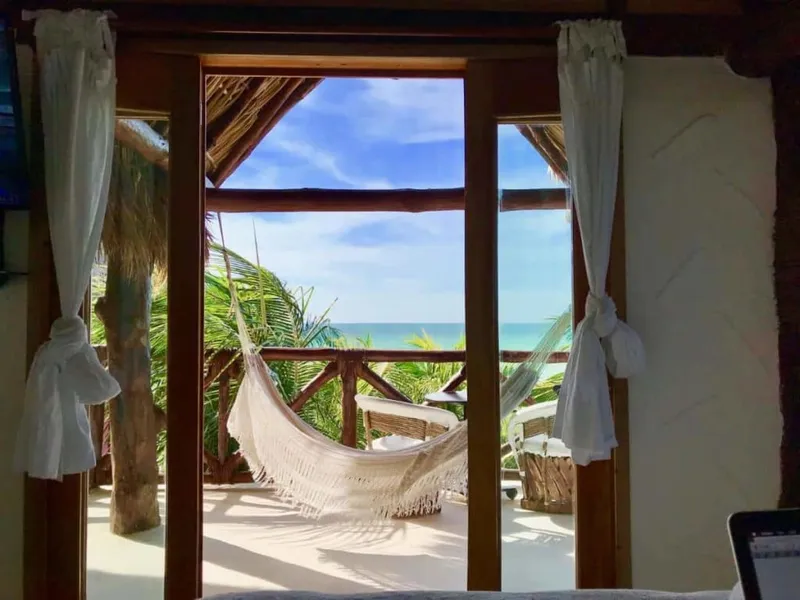
Holbox is not the best July choice if your main goal is clear turquoise swimming water. The island’s shallow water can be beautiful, but it can also look green, silty, windy, or seaweed-affected depending on currents and weather.
That is different from saying Holbox is not worth it. Holbox is worth it for wildlife, sunsets, low-rise beach hotels, sandy lanes, and the feeling of being away from Cancun’s resort corridor. It is not Cozumel reef snorkeling, and it is not Isla Mujeres’ Playa Norte.
Best July beach planning:
- walk toward Punta Mosquito early before the heat builds
- pick a hotel with shade, hammocks, a pool, or a comfortable terrace
- bring sandals that can handle wet sand and muddy streets
- treat beach time as flexible recovery between wildlife plans
- expect mosquitoes near mangroves and after rain
If reliable Caribbean beach swimming is your top priority, compare Isla Mujeres in July. If sargassum-free water matters more than whale sharks, look at Los Cabos in July or Puerto Vallarta in July.
Bioluminescence in July
July can be a good month for Holbox bioluminescence, especially as the rainy season warms the lagoon and darker nights make the glow easier to see. August and September are often stronger, but July is already worth considering if your dates line up with the moon.
Moon phase matters more than most travelers expect. A dark, moonless night gives you much better odds than a bright full-moon night. Rain and water movement can also change visibility, so avoid treating bioluminescence like a guaranteed show.
The best July plan is to keep one flexible dark-night slot. Do not schedule a very early whale shark departure and a late bioluminescence kayak on the same day unless you know you handle humid travel days well. Holbox rewards slower pacing.
Where to Stay in July
For July, stay practical. You want reliable air conditioning, simple access to town or tour meeting points, and enough comfort that a rainy afternoon feels restful rather than trapped.
| Area | July fit | Watch for |
|---|---|---|
| Beach west of town | Best balance of beach mood and convenience | Higher rates during whale shark season |
| Near the plaza | Food, ferry access, value, tour logistics | Less beach atmosphere |
| Far west hotel zone | Quiet, sunset-focused stays | Muddy-road transport after rain |
| Remote stays | Privacy and romance | Harder logistics in summer weather |
If whale sharks are your priority, ask your hotel how early tour pickups work. Some tours meet near the pier or in town, and pre-dawn logistics feel different when roads are wet.
Three nights is the minimum I would plan. Four nights is better if you are traveling far for the wildlife. A one-night Holbox trip in July gives the island no room to recover from weather.
Use the full Holbox Island Travel Guide and Cancun to Holbox guide before locking in tight ferry and flight timing.
Holbox vs Isla Mujeres in July
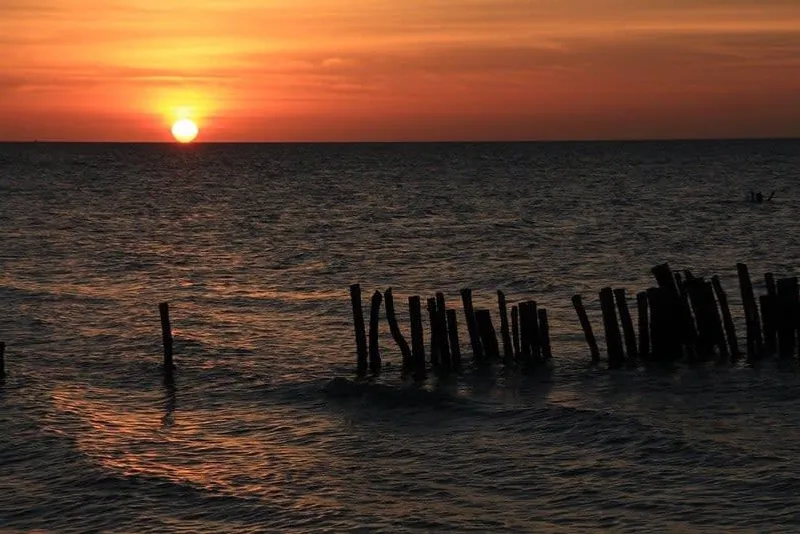
Holbox and Isla Mujeres are both excellent July whale shark bases. The right choice depends on how much time you have and how polished you want the logistics to feel.
| Factor | Holbox | Isla Mujeres |
|---|---|---|
| Access from Cancun | Longer: road to Chiquila plus ferry | Easier: short ferry from Puerto Juarez |
| Best trip length | 3-4 nights | 2-3 nights |
| Whale shark odds | Excellent in July | Excellent in July |
| Island feel | Slower, sandy, less developed | Easier, busier, more convenient |
| Weather backup | Bioluminescence, sunsets, slow meals | Playa Norte, restaurants, golf carts, Cancun access |
| July risk | Muddy roads and slower logistics | More day-trippers and higher convenience pricing |
Choose Holbox if the island atmosphere is part of why you are going and you have enough nights to absorb weather. Choose Isla Mujeres in July if you want the easiest whale shark logistics from Cancun or are traveling with kids, older relatives, or tighter dates. If you are staying on the mainland first, use Cancun in July to compare beach conditions, day-trip logistics, and resort backup plans.
If you are still choosing the month rather than the island, compare this with Holbox in June and Mexico in August.
Suggested July Itinerary
3-night Holbox July plan
Day 1: Travel from Cancun, Valladolid, or Merida to Chiquila, take the ferry, check in, and keep dinner simple near town or the beach.
Day 2: Take the whale shark tour if conditions are good. Rest in the afternoon, then plan an easy sunset or dinner.
Day 3: Use this as your backup whale shark morning or a slow Punta Mosquito beach day. Plan bioluminescence only if the moon phase and weather cooperate.
Day 4: Leave after breakfast, but avoid same-day tight international flights if heavy rain or ferry timing could create stress.
4-night Holbox July plan
Add one full flex day. This is the version I prefer for July because it lets you separate whale sharks, beach time, bioluminescence, and rain delays instead of forcing everything into one humid checklist.
Final Verdict: Should You Visit Holbox in July?
Visit Holbox in July if whale sharks are high on your Mexico list, you can stay at least three nights, and you are comfortable with hot rainy-season travel. This is one of the island’s most exciting wildlife windows. Before departure, check the latest official context in our Mexico travel advisory 2026 overview and confirm ferry/tour conditions locally.
Skip Holbox in July if you want guaranteed dry beach days, polished resort logistics, clear reef snorkeling, or a quick one-night detour from Cancun. The island asks for patience in summer.
The best version of Holbox in July is simple: book enough nights, choose a practical hotel, protect your mornings, respect wildlife rules, and let the island be slow. If that sounds good rather than inconvenient, July can be one of the most memorable times to go.