La Paz in February: Whale Sharks, Balandra & Baja Tips
Is La Paz Good in February?
La Paz in February is one of Mexico’s best wildlife-and-beach combinations: whale sharks are usually active, Balandra Beach has dry winter weather, Espíritu Santo tours are comfortable, and Baja gray whale lagoons are at their seasonal peak.
This is not the obvious resort choice that Los Cabos is. La Paz works better if you want a real Baja city, seafood dinners on the Malecón, early boat mornings, quiet evenings, and flexible wildlife planning. February gives you that without the brutal summer heat.
Start with Mexico in February if you are comparing La Paz with Cancun, Cozumel, Puerto Vallarta, Los Cabos, Mexico City, or Carnival destinations. Use this guide if La Paz is already on your shortlist and you need the practical answer on whale sharks, Balandra, gray whales, boat weather, crowds, prices, and how many days to stay.
30-Second Answer
| Question | Short answer |
|---|---|
| Is February worth it? | Yes. It is one of La Paz’s strongest months for wildlife, dry weather, and mild Baja temperatures. |
| Biggest upside | Whale sharks, Balandra, Espíritu Santo, and peak gray-whale side trips. |
| Biggest downside | Wind can affect boats, and the best wildlife days need flexible scheduling. |
| Best dates | Feb 1-12 or Feb 18-28 for easier logistics around Valentine’s/Carnival pressure elsewhere in Mexico. |
| Best trip length | 4-6 nights if adding gray whales; 3-4 nights for La Paz only. |
| Best base | Near the Malecón for restaurants, tour pickups, sunsets, and car-free evenings. |
Go in February if your Mexico trip is built around wildlife and dry-season comfort. Choose La Paz over a Caribbean beach if you care more about whale sharks, sea lions, desert scenery, and low-sargassum certainty than all-inclusive resort convenience.
La Paz Weather in February
February is dry, bright, and comfortable by Baja standards. The sun is strong, but the punishing heat of June through September is absent. That makes Balandra, Tecolote, kayaking, the Malecón, and boat days easier to enjoy.
| February factor | What to expect in La Paz |
|---|---|
| Daytime feel | Warm in the sun, comfortable in the shade |
| Nights | Cool enough for a light jacket, especially by the water |
| Rain | Low; February sits inside Baja’s dry winter window |
| Sea temperature | Swimmable for many travelers, cooler than fall |
| Wind | The main variable for whale sharks, ferries, and boat tours |
| Best schedule | Boat trips early, beach midday, Malecón sunset, seafood dinner |
For a wider look at warm-weather options and seasonal wildlife, compare La Paz with the destinations in our Mexico winter escape guide.
The planning detail that matters most is wind. A winter cold front can make the Sea of Cortez choppy for a day or two, which may delay whale shark tours, Espíritu Santo trips, or kayaking. Do not schedule your most important water activity for your only full day. Put it early in the trip and keep a backup slot.
Pack light daytime clothes, sunglasses, a hat, reef-safe sunscreen where required, sandals, a swimsuit, a dry bag, and one warm layer for morning boats or evening walks.
Whale Sharks in La Paz in February

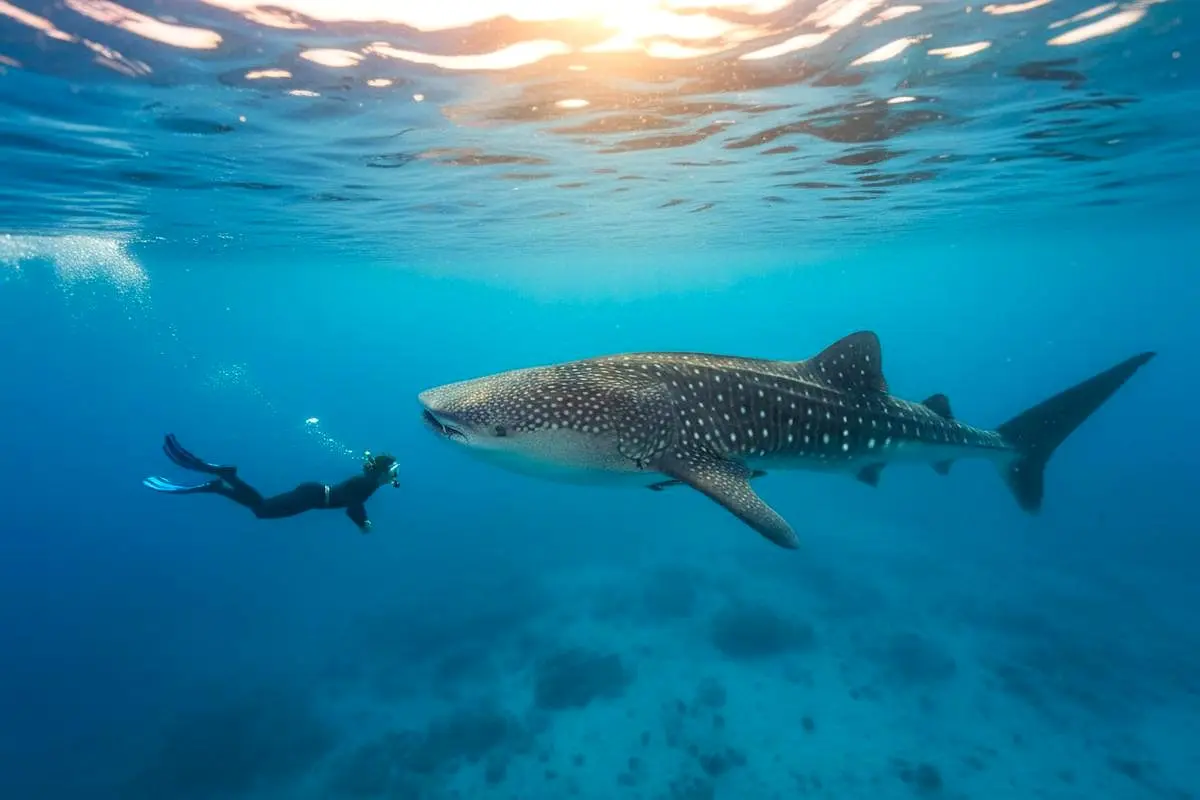
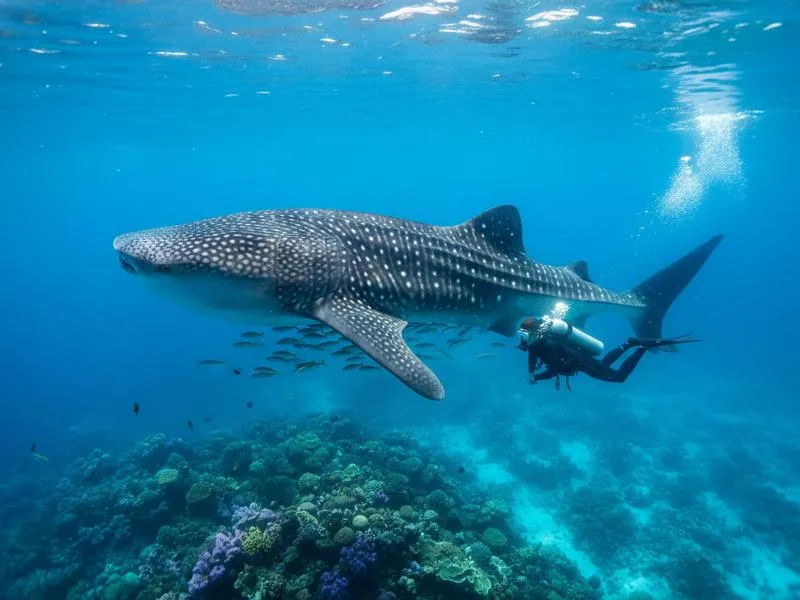
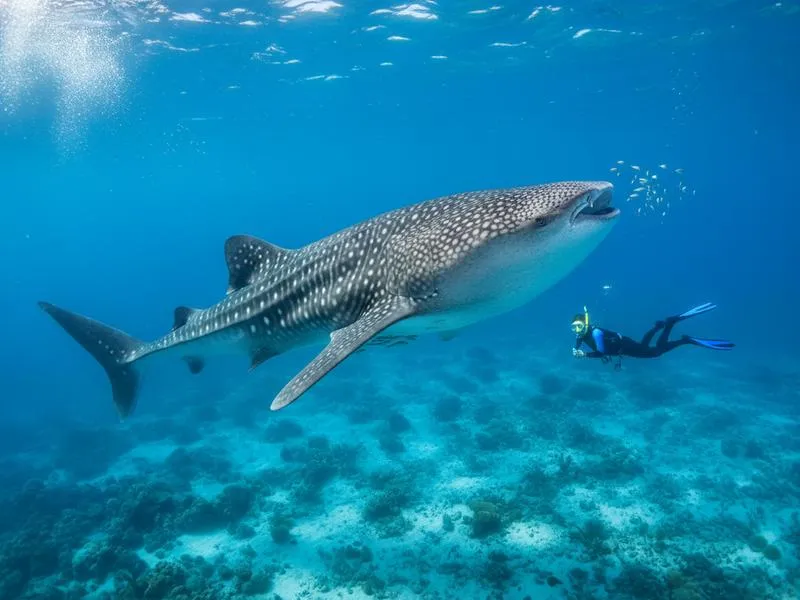
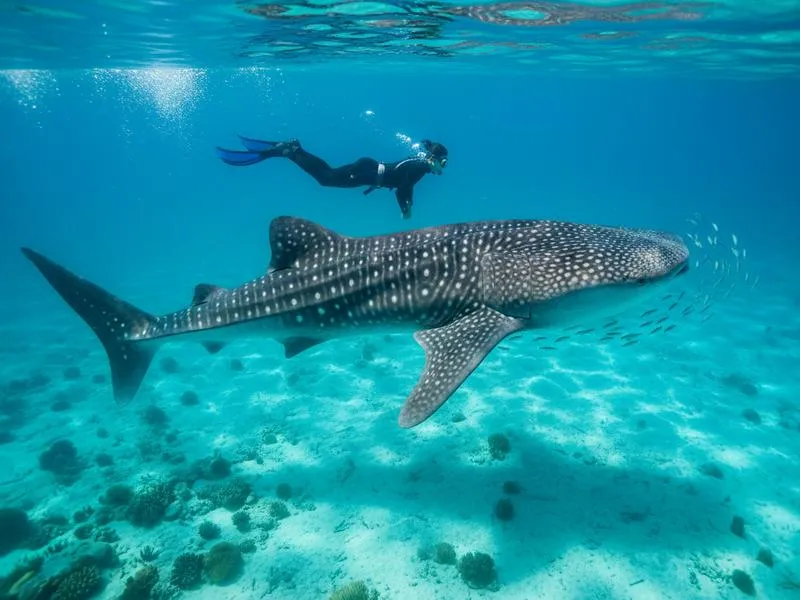
February is inside the La Paz whale shark season, which usually runs from fall into spring. It is a strong month because the water is often clear enough for snorkeling and the city is not dealing with summer heat or Caribbean-style seaweed concerns.
Still, whale sharks are wild animals. Tours depend on daily permits, protected-area limits, port status, visibility, wind, and where the animals are feeding. A good operator will not promise a guaranteed encounter. A responsible operator will explain the rules, keep distance, limit time in the water, and avoid chasing animals.
Best February whale shark planning tips:
- book a certified operator before arrival if your dates are fixed
- schedule the tour for your first or second full day
- keep a buffer day in case wind closes the port
- bring a rash guard or wetsuit layer if you get cold easily
- do not wear standard sunscreen into the water unless the operator allows reef-safe products
- choose small-group tours when possible
If whale sharks are the entire reason for your trip, La Paz is usually a better February fit than Holbox or Isla Mujeres, where the main whale shark season is summer. For broader context, read Swim With Whale Sharks in Mexico.
Balandra Beach in February
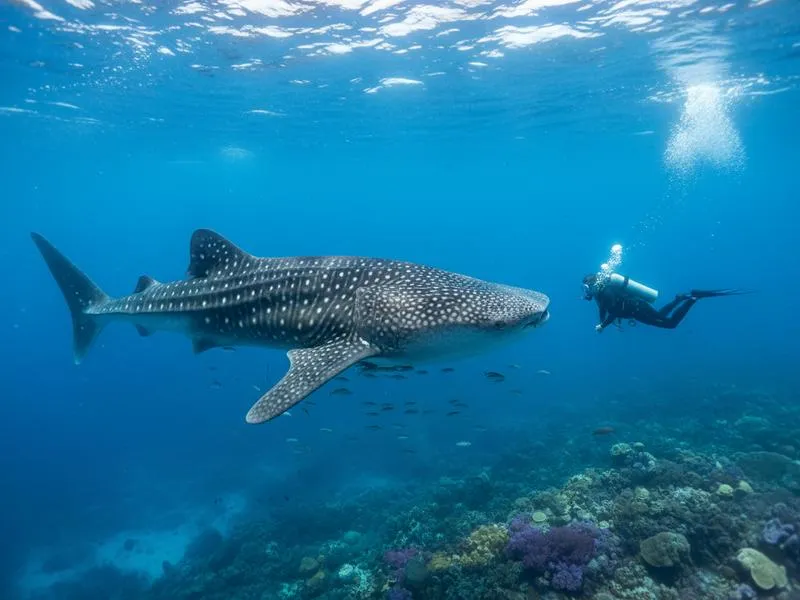
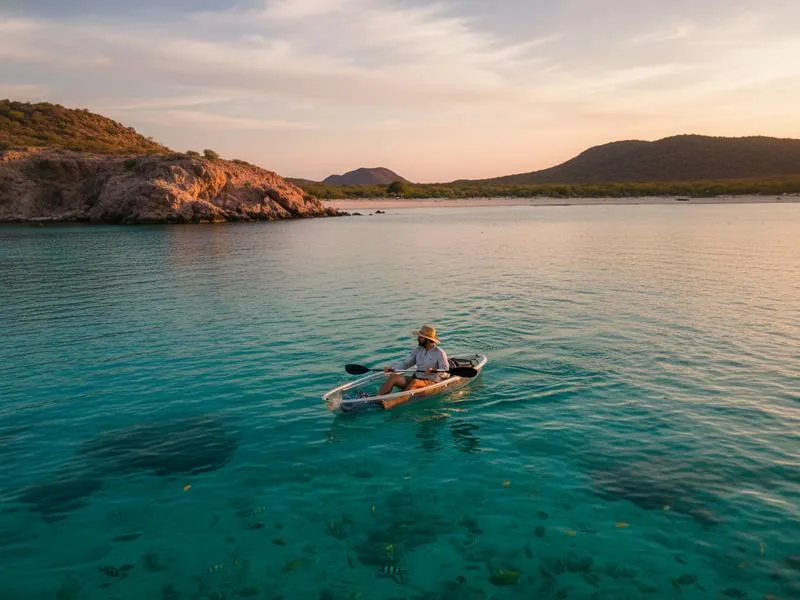
Balandra is one of the main reasons February works so well. The water is clear, the desert backdrop photographs beautifully, and the air is mild enough that you can actually enjoy the exposed beach instead of hiding from the sun by late morning.
Access rules can change, and Balandra often operates with capacity controls or timed entry windows. Check the current local rules before going, then arrive early. If you miss an entry window, nearby Tecolote can work as a simpler beach fallback with restaurants and more straightforward logistics.
February is especially good for:
- low-tide walks through shallow turquoise water
- kayaking or paddleboarding on calm mornings
- photos without harsh summer heat
- combining Balandra with Tecolote in the same day
- slow beach time after a whale shark or boat-tour morning
The water can feel cooler than it does in late summer or fall, but the setting is still worth it. If swimming temperature matters more than wildlife, September and October feel warmer. If comfort and animals matter more, February is stronger.
Gray Whale Side Trips from La Paz
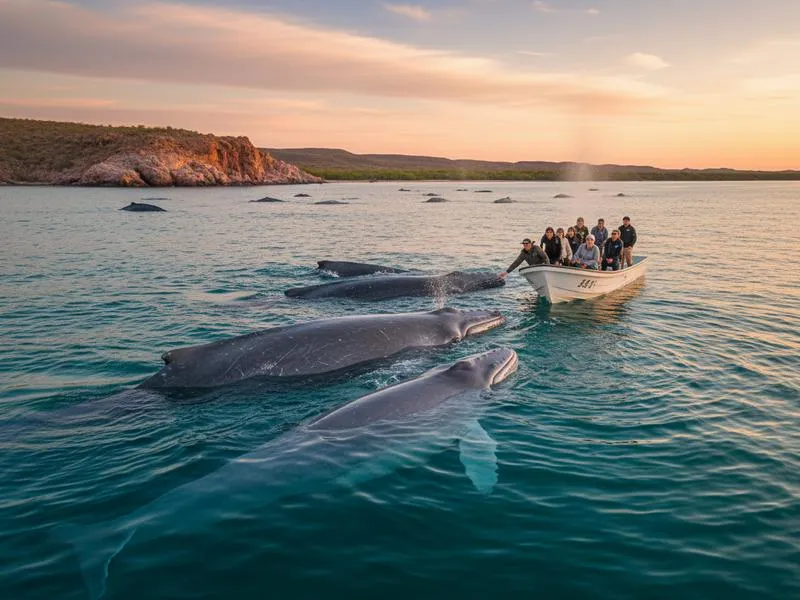
February is peak gray whale season in Baja California Sur. La Paz itself is not the classic gray whale lagoon, but it is close enough to use as a base for Bahía Magdalena if you are willing to make a long day or, better, add one overnight near Puerto San Carlos or López Mateos.
This is the month when calves are stronger, mothers are settled in the lagoons, and the famous Baja gray whale encounters can be at their most memorable. If gray whales matter to you, do not treat them as a casual last-minute add-on. Build the route around them.
| Option | Best for | Tradeoff |
|---|---|---|
| Bahía Magdalena day trip from La Paz | Travelers short on time | Very long day with lots of road time |
| Overnight in San Carlos / López Mateos | Better pacing and morning tours | Adds a hotel change |
| Laguna San Ignacio | The bucket-list gray whale experience | Farther north; best as a dedicated route |
| Guerrero Negro | High whale density | Too far for a simple La Paz add-on |
For most travelers, the best February plan is La Paz for whale sharks, Balandra, and Espíritu Santo, plus one overnight gray whale side trip if you can spare the time. Read Whale Watching in Mexico before choosing the lagoon.
Best Things to Do in La Paz in February
February rewards travelers who plan around mornings and keep afternoons flexible.
Swim with whale sharks
Make this the first major activity you schedule. If wind delays the tour, you still have room to move it. If it goes ahead, you can spend the rest of the trip around beaches, food, and slower day trips.
Visit Balandra and Tecolote
Go early, check access rules, and bring water. Balandra is the postcard stop; Tecolote is the easier backup with food, space, and views across the Sea of Cortez.
Take an Espíritu Santo or sea lion tour
Espíritu Santo is a classic La Paz day trip, with desert islands, turquoise water, birdlife, and sea lion colonies. February conditions are comfortable, but wind still matters, so use a serious operator and avoid overpacking your schedule.
Eat seafood on the Malecón
La Paz is excellent for casual seafood: chocolate clams, fish tacos, ceviche, shrimp, and sunset dinners after boat days. Staying near the Malecón keeps evenings easy if you are tired from early starts.
La Paz vs Los Cabos in February
La Paz and Los Cabos are both strong in February, but they serve different trips.
| Choose | If you want | Tradeoff |
|---|---|---|
| La Paz | Whale sharks, Balandra, Espíritu Santo, seafood, quieter evenings | More self-directed planning and fewer resort comforts |
| Los Cabos | Resorts, golf, nightlife, easier flights, humpback whales | Higher prices and less local-city feel |
| Todos Santos | Art, food, boutique hotels, Pacific sunsets, and a softer road-trip stop | Less useful as the main wildlife base |
| Both | A fuller Baja trip with wildlife plus resort time | Requires a car or transfer and more nights |
If this is your first Baja trip and you want comfort, Los Cabos is easier. If you want wildlife and a more grounded city base, La Paz is more rewarding. Add Todos Santos in February when you want two slower nights of galleries, food, and Pacific sunsets between the two. The strongest itinerary is often 3-4 nights in La Paz plus 2-3 nights in Los Cabos, especially if international flights are easier through SJD.
February vs January, March, and September
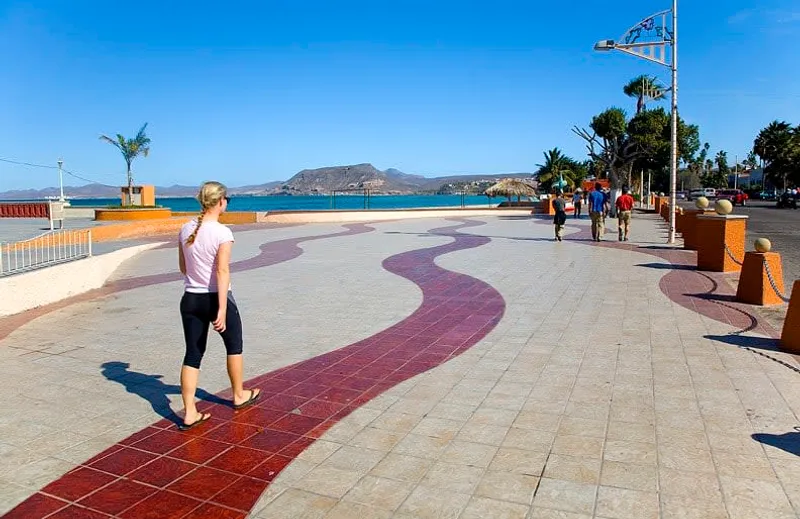
February sits in the sweet spot between January holiday spillover and March’s warmer, later-winter travel rhythm.
| Month | Better for | Tradeoff |
|---|---|---|
| January | Similar weather, quieter after Jan 7, strong whale shark timing | Gray whale calves may be younger earlier in the month |
| February | Peak gray whales, whale sharks, dry weather, mild desert days | Wind can still interrupt boats; book key tours ahead |
| March | Warmer evenings and late-winter trips | Wildlife timing can begin shifting later in the month |
| September | Warm water, low crowds, lower hotel prices | Very hot; whale shark season usually not open yet |
Choose February if you want the strongest wildlife stack. Choose January if you want similar La Paz conditions with slightly less demand after Día de Reyes. Choose March if your dates are fixed later in winter. Choose September only if warm water and low prices matter more than whale sharks.
Final Verdict: Should You Visit La Paz in February?
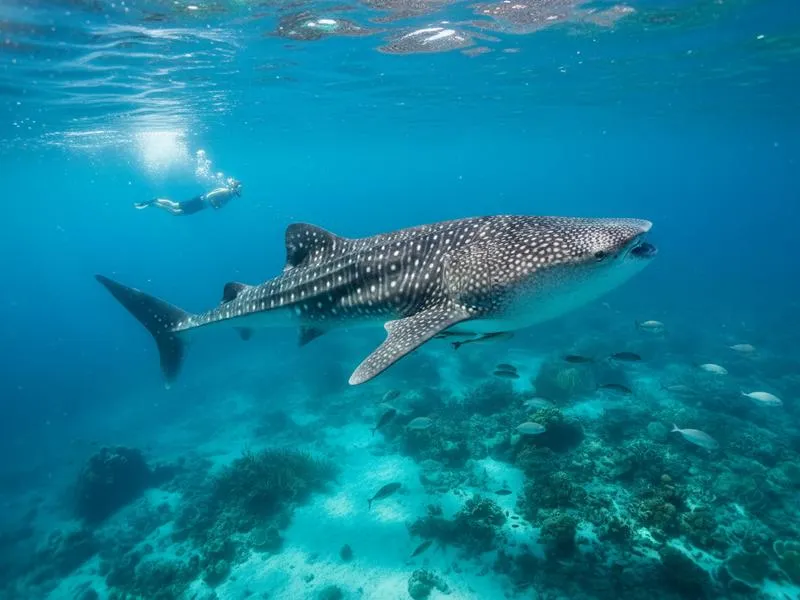
Visit La Paz in February if you want whale sharks, Balandra Beach, Sea of Cortez day trips, peak gray whale side-trip timing, and dry Baja weather without summer heat.
Skip it if you want an easy all-inclusive resort week, guaranteed hot ocean water, or nightlife-heavy beach energy. La Paz is best when you are happy waking early, watching the wind, choosing good operators, and letting wildlife shape the rhythm.
For most travelers, the ideal February trip is four to six nights: one whale shark day, one Balandra/Tecolote day, one Espíritu Santo or sea lion tour, one gray whale side-trip day, and at least one buffer for wind or slow seafood-and-sunset recovery.
Use the full La Paz Travel Guide for neighborhood and itinerary planning, then compare the seasonal overview in Best Time to Visit La Paz. If you are deciding between Baja bases, read Los Cabos in February and Todos Santos in February before choosing a La Paz-only trip.
For wildlife timing, cross-check Whale Watching in Mexico and Swim with Whale Sharks in Mexico. If the February route may extend beyond La Paz, compare La Paz in January, La Paz in March, and Los Cabos in March before locking Baja dates.