Tulum vs Bacalar 2026: Sargassum-Free Lagoon or Caribbean Beach?
Tulum and Bacalar are both in Quintana Roo, but they solve different trip problems. Tulum is better if you want the classic Riviera Maya mix of beach clubs, cenotes, and cliff-top ruins. Bacalar is better if you want calmer water, lower prices, and zero sargassum risk.
If you only need the fastest answer, it is this: Bacalar is the better pick for most couples and slower travelers, especially from April to October. Tulum only wins clearly if you care more about beaches, cenotes, and ruins than price or crowds.
Tulum vs Bacalar in 30 Seconds
| If this matters most | Better pick | Why |
|---|---|---|
| Best beach vacation feel | Tulum | It gives you real Caribbean beach days, beach clubs, and coastal ruins. |
| No sargassum at all | Bacalar | It is a freshwater lagoon, so seaweed is never the issue it is on the Riviera Maya coast. |
| Lower total trip cost | Bacalar | Hotels, food, and getting around are all much cheaper. |
| Cenotes and Maya ruins | Tulum | Gran Cenote, Dos Ojos, and the cliff-top ruins are the whole reason to pay Tulum prices. |
| Quieter, more romantic stay | Bacalar | Lagoon hotels, sailboat sunsets, and fewer party crowds make it easier to relax. |
| First-time Riviera Maya bucket list | Tulum | If you have never done the coast before, Tulum hits the postcard version of the region. |
| Best pick from April to October | Bacalar | Sargassum can wreck Tulum beach days in these months, while Bacalar stays clear. |
| Best if you only have 2 to 3 nights | Tulum | It packs more famous sights into a short stay. |
The One-Sentence Answer
Choose Tulum if: You want the iconic cliff-top Maya ruins, world-class cenotes, Caribbean beach access, and a denser activity scene, and you’ve budgeted for it.
Choose Bacalar if: You want a seven-color freshwater lagoon with zero sargassum, a more romantic or slower pace, and much better value.
Do both if: You have 10+ days and want to combine the classic Riviera Maya with a calmer south-Quintana Roo finish.
Best Tulum vs Bacalar Pick by Trip Style
| Trip style | Choose | Why |
|---|---|---|
| First Mexico trip, 3 nights | Tulum | Easier to pair with Cancún or Playa del Carmen, and the ruins/cenotes give you more headline experiences fast. |
| Couples trip, 4 to 5 nights | Bacalar | Better hotel value, calmer sunsets, and less pressure to spend all day moving around. |
| Budget trip | Bacalar | It is the clear winner once you compare room rates and food costs honestly. |
| Girls trip or nightlife trip | Tulum | Bacalar is low-key at night, while Tulum has beach clubs, bars, and more social energy. |
| Summer trip | Bacalar | Clear freshwater beats gambling on Riviera Maya seaweed conditions. |
| Adventure trip | Tulum | Cenotes, Sian Ka’an, diving, and day trips give it more range. |
| Remote-work reset | Bacalar | Easier to stay a week without burning money. |
| 10 to 12 day Quintana Roo trip | Both | Start with Tulum for the active days, then finish in Bacalar to decompress. |
Head-to-Head: Tulum vs Bacalar
| Criterion | Tulum | Bacalar |
|---|---|---|
| Main attraction | Caribbean beach + Maya ruins | Freshwater lagoon of seven colors |
| Sargassum | 🔴 Worst on Riviera Maya (Apr–Oct) | ✅ Zero — freshwater, not Caribbean |
| Water clarity | ⚠️ Variable (sargassum dependent) | ✅ Year-round exceptional |
| Budget (mid-range/day) | $150–300+ (beach zone) | $60–120 |
| Budget accommodation | $40–80 (Pueblo) / $250–600 (beach) | $25–60 (guesthouse) / $80–150 (lakefront) |
| Maya ruins | ✅ Cliff-top coastal ruins | ❌ None nearby |
| Cenotes | ✅ Gran Cenote, Dos Ojos, Angelita | ⚠️ Cenote Azul (one, small) |
| Uber | Listed; live availability varies | Listed; limited driver availability likely |
| Getting around | Taxi fixed rates / bike rental | Walk / bike / lagoon boats |
| Nightlife | ✅ Beach clubs, Papaya Playa parties | ❌ Low-key local bars only |
| Crowds | 🔴 High (Semana Santa / summer) | ⚠️ Growing fast but still quiet |
| Authentic Mexico feel | ⚠️ Beach Zone is overpriced bubble | ✅ Small town, local restaurants |
| Distance from Cancun | 130km / 1.5–2 hrs | 340km / 4 hrs |
| Day trip feasibility | From Cancun: yes | From Cancun: no / From Tulum: borderline |
| Sailing / water sports | ⚠️ Expensive boat tours | ✅ Affordable sailboats, kayaks, paddleboard |
| Stromatolites (living fossils) | ❌ | ✅ One of fewer than 12 sites worldwide |
| Food cost | $25–45 (beach zone) / $8–15 (pueblo) | $5–12 (local) / $15–30 (tourist) |
Tulum in 2026: What It’s Actually Like
Tulum has two completely different destinations that share a name: Tulum Pueblo (the town, 3km inland) and Tulum Beach Zone (the 10km strip of jungle hotels, beach clubs, and boutique resorts facing the Caribbean).
Tulum Beach Zone: The Real Cost
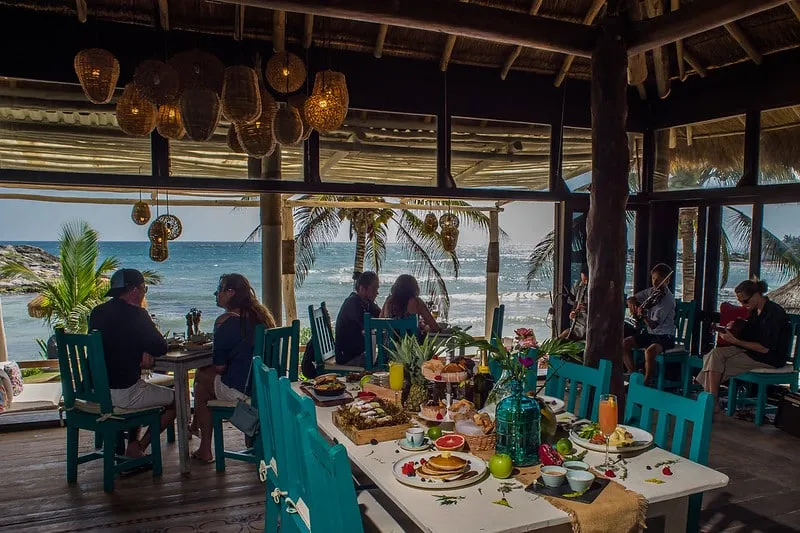
The Beach Zone is a world-class destination with a genuinely Instagram-worthy aesthetic — jungle-backed villas on turquoise water, open-air restaurants in cenotes, bohemian beach clubs at sunset. It’s also extremely expensive.
Tulum Beach Zone realistic costs:
- Budget beach villa: $250–400/night
- Mid-range boutique hotel: $400–600/night
- Dinner at a beach club: $30–50/plate
- Beach club day pass: $50–100 USD (often mandatory)
- Taxi from Pueblo to Beach Zone: 100–150 MXN ($5–8) each way
A week in Tulum Beach Zone for two people, mid-range, runs $2,500–4,000 total. This is comparable to Bali or the Maldives — not what most travelers budget for Mexico.
Tulum Pueblo: The Budget Alternative
Tulum Pueblo is a real town with guesthouses from $40–80/night, tacos for $1–2, and colectivos that run to the beach for 25 MXN. If you stay in the Pueblo, Tulum becomes an affordable destination — but you’re 3km from the beach (and the beach taxis/bikes add up).
What Tulum Does Better Than Anywhere
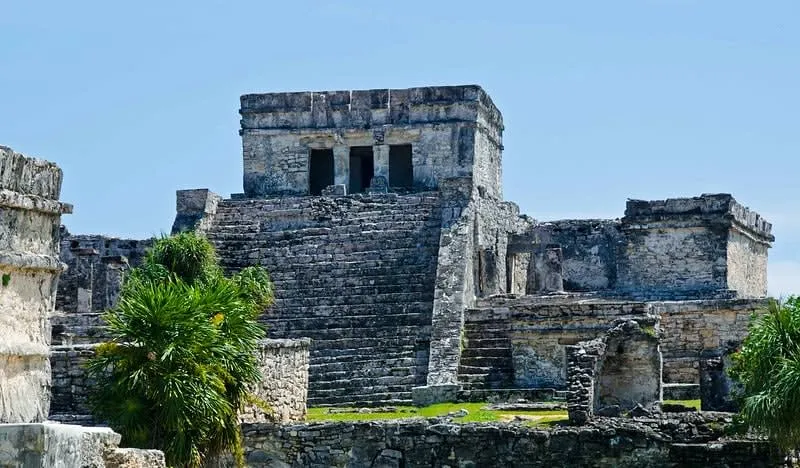
The ruins: El Castillo on the cliff above the sea is one of the most spectacular archaeological settings in the Americas. Arrive at 8 AM to beat tour buses. Entry is 95 MXN ($5).
Cenotes: Gran Cenote (500 MXN), Dos Ojos (packages from about 400 MXN), and the advanced-dive-only Cenote Angelita are among the area’s best-known sites. The underground cave system here is unmatched outside the Riviera Maya.
Sian Ka’an: 1.3 million acres of UNESCO biosphere reserve right behind the Tulum ruins. Boat tours through flooded Maya canals from $80 USD.
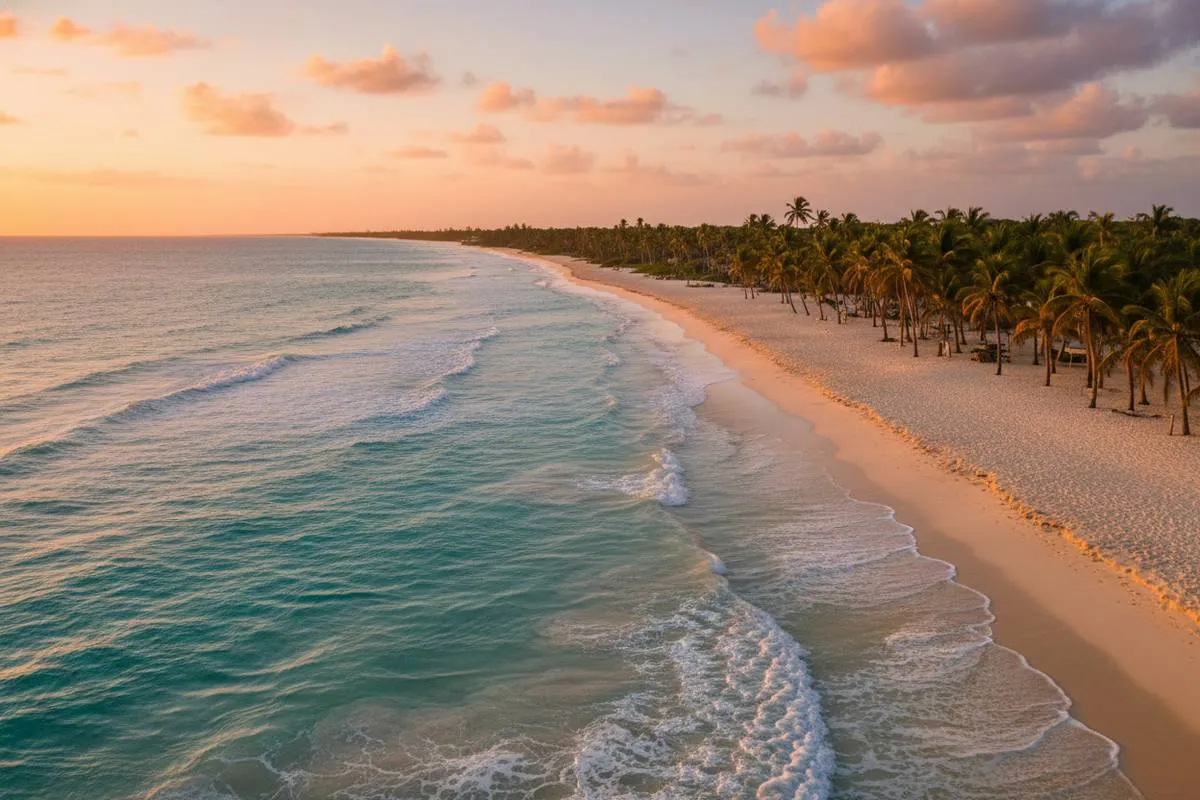
The sargassum problem: Tulum’s beaches face southeast — the worst orientation on the entire Riviera Maya for sargassum accumulation. April through October, many beach zone hotels have brown seaweed on their frontage daily. This is structural, not fixable, and most reviews don’t mention it.
Bacalar in 2026: What It’s Actually Like
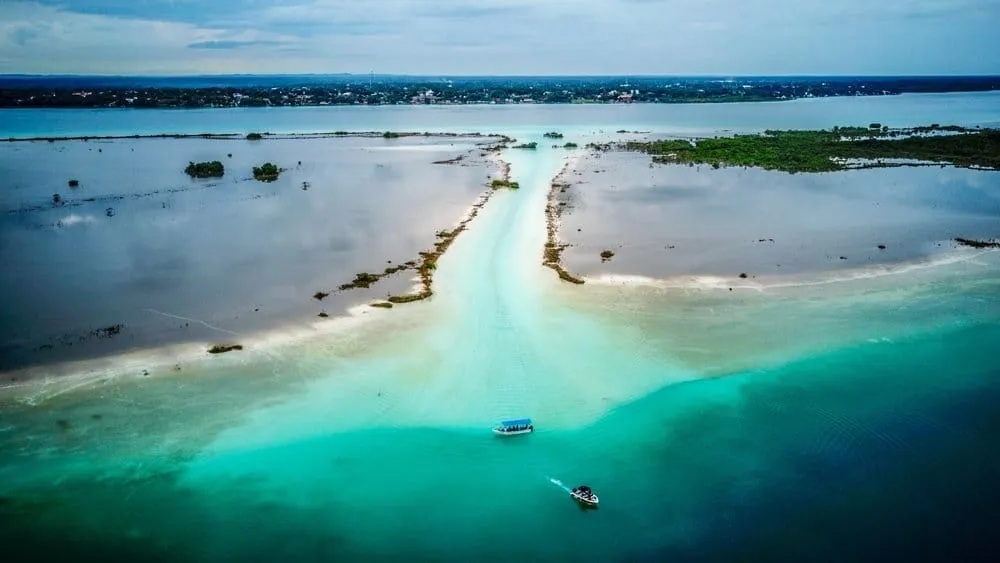
Bacalar is a town of ~15,000 people on the western shore of a 55km freshwater lagoon, 340km south of Cancun. It’s been “discovered” by travelers since 2018, and is in the middle of a gentrification wave — but still distinctly Mexican and genuinely affordable compared to the Riviera Maya.
The Seven Colors
The lagoon gets its name from the visual gradient created by varying water depths over a white calcium carbonate floor. At the shore, the water is intense turquoise. As depth increases, it shifts through cyan, teal, green-blue, to deep navy. The result is a band of distinct colors visible even from the air.
The water is fed by underground freshwater springs through the Yucatan limestone karst. No river sediment input = exceptional clarity, year-round, regardless of sargassum season on the coast. This is Bacalar’s decisive practical advantage over any Riviera Maya beach for April–October travel.
What You Do in Bacalar
Sailing and boat tours: The signature Bacalar activity. Half-day catamaran or sailboat tours with snorkeling stop, stromatolite viewing, and open water swim run $30–50 USD (600–1,000 MXN/person). Full-day tours with food included: $60–80 USD. Book through your hotel or at the main pier.
Stromatolites: Near the Puerto Pequeño channel in the southern lagoon, Bacalar has one of fewer than 12 active stromatolite colonies in the world. These are living structures built by the same cyanobacteria that created Earth’s oxygen atmosphere 3.5 billion years ago. You kayak or boat to them — do not touch.
Kayaking and paddleboarding: Rental from lakefront spots: 100–200 MXN/hour. The lagoon is calm and flat — completely safe for beginners. Early morning is the best time: mirror-flat water, no wind.
Cenote Azul: A large freshwater cenote at the southern end of town, entry 50–80 MXN. Smaller than Tulum’s cenotes but walkable from town and suitable for swimming.
Wakeboard cable park: A full-sized cable wakeboard park on the lagoon, one of the few in Mexico. Rental + hourly access around 300–400 MXN.
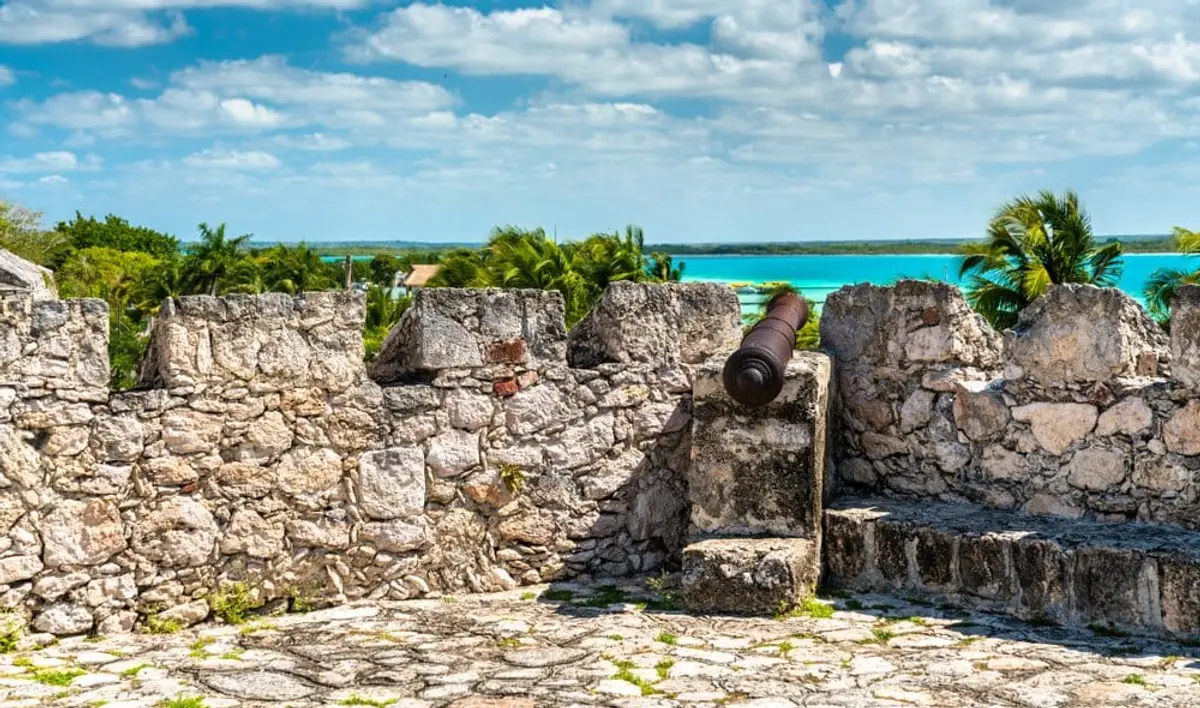
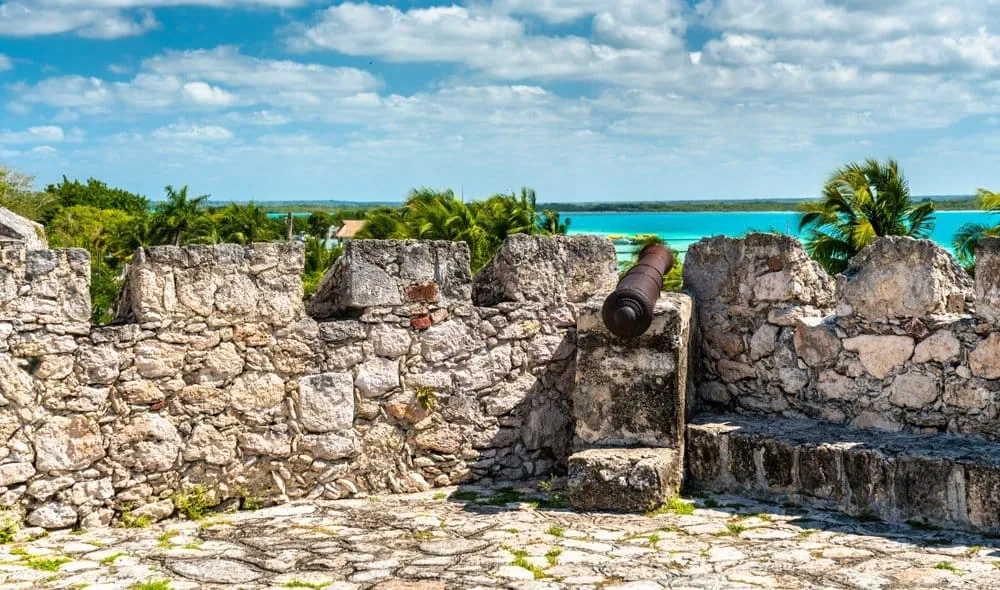
Fort San Felipe: 17th-century Spanish fort that once defended against British and pirate raids. Free to enter, good views over the lagoon, small museum.
Where Bacalar Falls Short
No Maya ruins: If ruins are the core of your Mexico trip, Bacalar has nothing nearby. The closest significant site is Dzibanche (110km, 1.5 hours).
Limited cenote access: Cenote Azul is solid but not comparable to the Tulum cenote system. The Riviera Maya’s underground rivers are to the north, not the south.
One main activity zone: The lagoon IS Bacalar. If sailing and swimming in turquoise freshwater doesn’t excite you, Bacalar will feel limited after 2 nights.
Infrastructure: ATMs have outages. Some restaurants are cash-only. Power outages happen. These are real inconveniences if you’re used to the polished Riviera Maya.
Gentrification: Prices have increased 40–60% since 2019. By 2026 standards, Bacalar is still affordable — but it’s no longer the $15/night backpacker destination it was five years ago.
Where Tulum Usually Loses, and Where It Still Wins
The visible comparison pages around this topic tend to stay too generic, so here is the practical split travelers usually care about:
- Tulum loses on value. If you stay in the Beach Zone, you are paying a premium for the idea of Tulum as much as the destination itself.
- Tulum loses in sargassum season. From roughly April to October, Bacalar is the safer booking if water quality matters more than having an actual beach.
- Tulum still wins on trip density. If you only have a short trip and want ruins, cenotes, beach time, and nightlife in one stop, Bacalar cannot match it.
- Bacalar loses if you need variety every day. The lagoon is beautiful, but it is the main event. If you get restless after one boat tour and one kayak morning, Tulum may fit better.
Budget Comparison: Tulum vs Bacalar
| Budget Item | Tulum (Pueblo) | Tulum (Beach Zone) | Bacalar |
|---|---|---|---|
| Budget accommodation | $40–70/night | $250–600/night | $25–50/night |
| Mid-range accommodation | $80–150/night | $300–800/night | $80–150/night |
| Local breakfast | $3–6 | $15–25 | $3–6 |
| Lunch | $5–10 | $20–40 | $4–8 |
| Dinner (mid) | $8–18 | $30–55 | $8–15 |
| Day activity | $10–30 | $50–120 (beach club) | $30–50 (sailing) |
| Cenote entry | $8–20 | $8–20 | $3–5 |
| Transport | 25–50 MXN/ride | 100–200 MXN/ride | Walk/bike 50 MXN |
| Daily total (mid-range) | $80–150 | $200–400+ | $60–120 |
Bottom line: Staying in Tulum Pueblo helps, but Bacalar is still usually cheaper once you add taxis, beach clubs, and cenote admissions. If you want the actual Tulum Beach Zone experience, expect to spend 2 to 3 times more than Bacalar.
Where to Stay if You Pick Tulum or Bacalar
Stay in Tulum if:
- You want to split time between Tulum Pueblo and the beach
- You care about being near cenotes, ruins, and Sian Ka’an
- You can handle taxi costs or will rent a bike / car
Stay in Bacalar if:
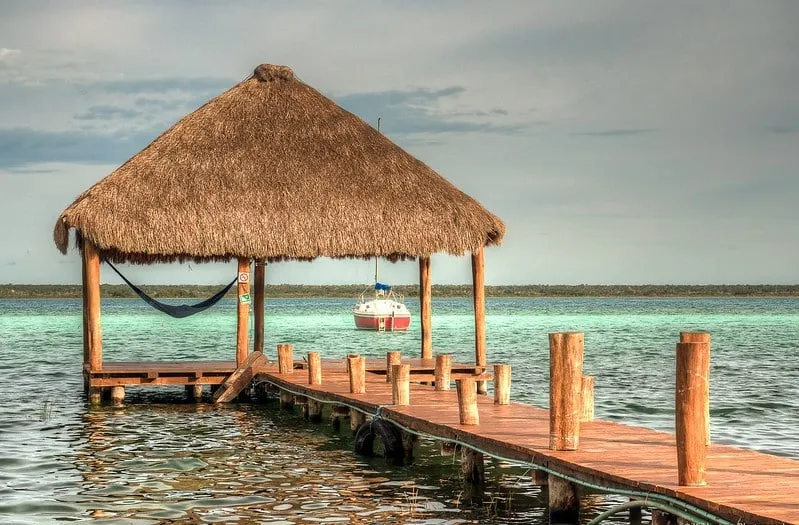
- You want a lakefront hotel where the water is the whole point
- You care more about sunrise, kayaking, and slower evenings than nightlife
- You want a place that still feels more like a small Mexican town than a global beach scene
For the fuller destination versions, see our Tulum travel guide and Bacalar travel guide.
Who Should Choose Tulum
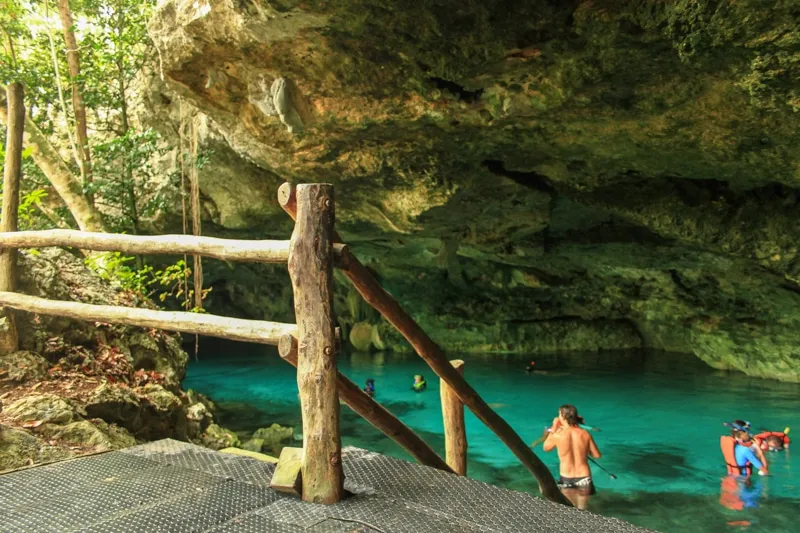
- Cenote divers and snorkelers — the Riviera Maya cenote system is unmatched globally
- People who want Caribbean beach + ruins in one destination — Tulum delivers both
- Travelers with 5–7 nights who want a dense activity schedule
- Instagram-focused travelers — the Beach Zone aesthetic is legitimately stunning
- First-time Riviera Maya visitors who want to experience the classic circuit (Cancun + PDC + Tulum)
- People visiting November–March when sargassum risk is low
Skip Tulum Beach Zone if your budget is under $150/day or you’re visiting May–October.
Who Should Choose Bacalar
- Budget-conscious travelers who want a stunning water destination without the price tag
- Anyone visiting April–October — the sargassum-free lagoon is the decisive factor during this window
- Slow travelers who want to spend 3–5 days reading, kayaking, and eating fresh ceviche at a lakefront table
- Couples — sailboat sunset is one of the most romantic experiences in Quintana Roo
- Repeat Mexico visitors looking for somewhere off the standard Riviera Maya circuit
- Digital nomads — Bacalar has reliable WiFi now, and guesthouses with weekly rates are common
- Nature / wildlife travelers — stromatolites, the biosphere, birding along the lagoon shore
Doing Both: The 12-Day Quintana Roo Circuit
For trips of 10–14 days, combining Tulum and Bacalar is the optimal Quintana Roo itinerary.
Suggested routing:
- Day 1: Arrive Cancun, stay downtown or catch ADO to Playa del Carmen
- Days 2–4: Playa del Carmen — base camp for Cozumel ferry, cenotes, beach access
- Days 5–7: Tulum — ruins at 8 AM, Gran Cenote, Sian Ka’an, beach zone half-day
- Day 8: ADO bus Tulum → Bacalar (180–260 MXN, 2.5–3 hours)
- Days 8–11: Bacalar — sailboat tour, kayaking, stromatolites, Fort San Felipe
- Day 11–12: ADO back to Cancun (350–480 MXN, 4 hours) for departure
ADO buses between Tulum and Bacalar run several times daily and are direct — no transfer required. The journey passes Limones and Chetumal.
Getting There: Transport Overview
Getting to Tulum from Cancun:
- ADO bus: 250–350 MXN, 2 hours, direct from Cancun bus terminal or airport
- Colectivo: 140 MXN (two stages via Playa del Carmen), cheapest
- Rental car: 130km on Highway 307, 1.5–2 hours
- Maya Train: 180–250 MXN, ~90 minutes — arrives at Tulum T2/T3 or near station
Getting to Bacalar:
- From Cancun: ADO bus 350–480 MXN, 4 hours direct
- From Tulum: ADO bus 180–260 MXN, 2.5–3 hours direct
- From Playa del Carmen: ADO 250–300 MXN, 3–3.5 hours
- Maya Train: from Cancun T4 or Tulum station, 600–900 MXN, 3–4 hours
Note: Neither Tulum nor Bacalar has Uber. In Tulum, taxi fixed rates are 100–200 MXN within town. In Bacalar, the town is compact and walkable; lagoon boats run on informal schedules.
See our full guides: Cancun to Tulum, Bacalar to Cancun, Cancun to Bacalar.
Frequently Asked Questions
For more, see our full guides to Tulum and Bacalar.
Book Your Trip
Plan activities with Viator — Tulum & Bacalar tours — cenote trips, Sian Ka’an tours, and Bacalar sailing packages.
Rent a car to explore between both destinations and the Chetumal border: RentCars.com
Travel insurance for Mexico: SafetyWing