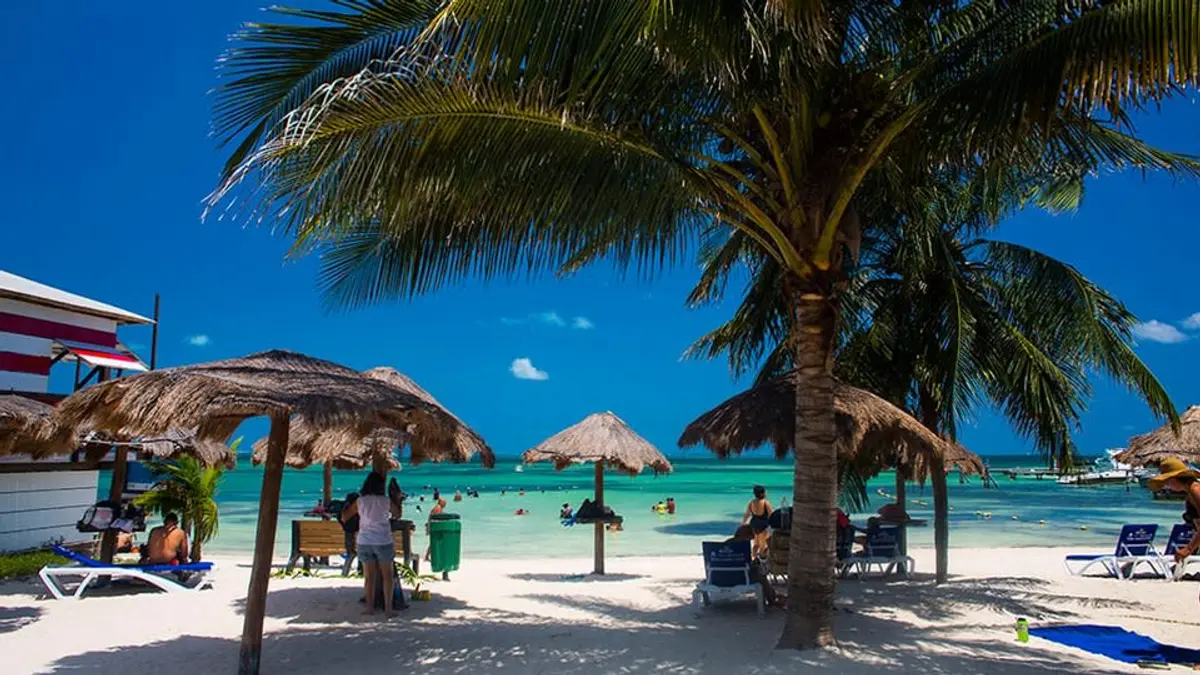
Best Beaches in Cancun 2026: Hotel Zone, Public & Honest Guide
Cancun’s beaches are genuinely beautiful. The problem is that most travel content describes them without mentioning the sargassum reality, the actual access situation, or which direction each beach faces — all of which determine whether your beach day looks like a postcard or a disappointment.
This guide is honest. It covers what the beaches are actually like, when the seaweed arrives, which beaches have public access, and where to find clear water near Cancun if the Hotel Zone is having a bad week.
For 2026 trips, check sargassum conditions within the final week before arrival: Playa Delfines is still the best free public default, while Playa Langosta, Playa Norte, and Puerto Morelos are the most useful backups when the east-facing Hotel Zone is collecting seaweed.
For the full picture of what to do in Cancun beyond the beach, see our Cancun Travel Guide.
30 Seconds: Best Cancun Beaches
For most travelers, Playa Delfines is the best public beach in Cancun because it is free, wide, easy to reach by bus, and has the classic Hotel Zone Caribbean view. If you want the calmest water, choose Playa Langosta. If clear water matters more than staying inside Cancun, take the ferry to Playa Norte on Isla Mujeres or go south to Puerto Morelos when sargassum is heavy.
| Best for | Cancun beach to choose | Why it works |
|---|---|---|
| Free public beach | Playa Delfines | Wide sand, direct road access, no resort fee |
| Calm family swimming | Playa Langosta | Sheltered water and lower wave action |
| Ferry-day beach stop | Playa Tortugas | Easy Hotel Zone access and Isla Mujeres routing |
| Clearest nearby water | Playa Norte, Isla Mujeres | North-facing, shallow, usually calmer than Cancun |
| Sargassum backup | Puerto Morelos | Reef-protected beach south of Cancun |
| Last-minute sargassum backup | Playa Langosta, Playa Norte, or Puerto Morelos | Better odds when the exposed Hotel Zone beaches are messy |
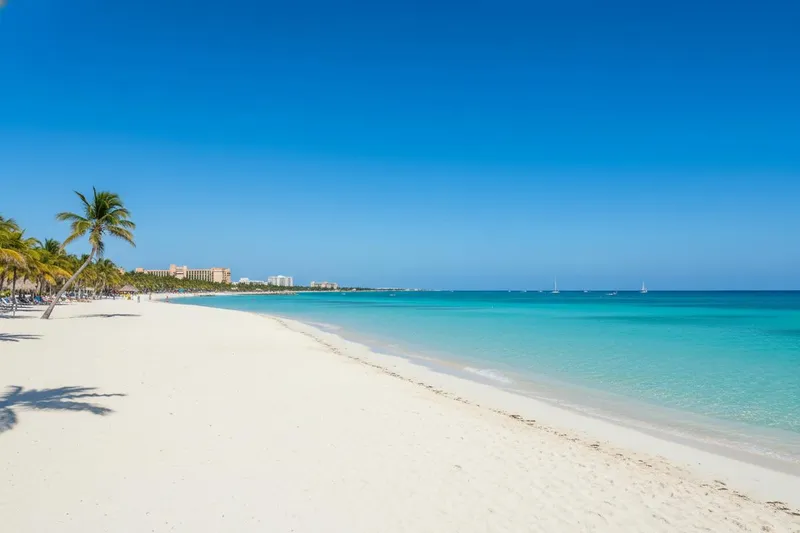
Cancun Beach Sargassum Reality
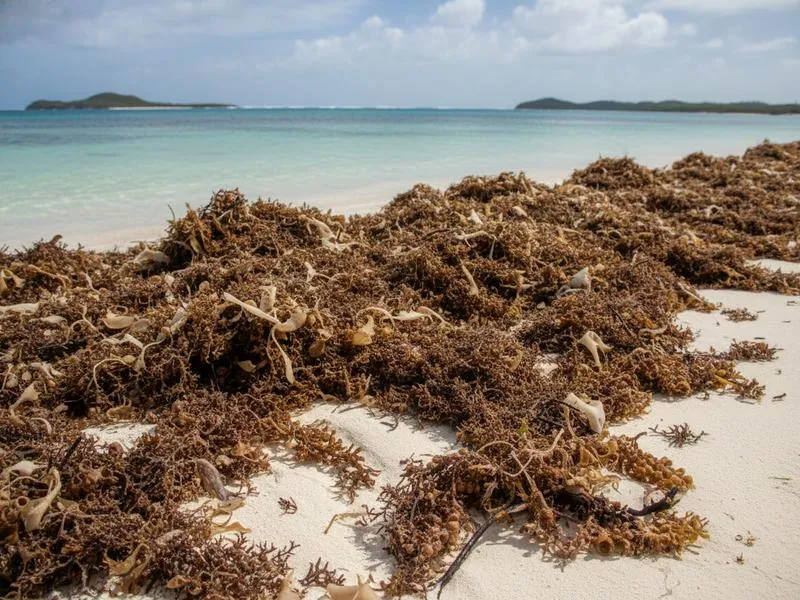
No guide to Cancun beaches can skip this. Since approximately 2015, massive sargassum (brown Sargasso seaweed) blooms have been arriving on Caribbean shores every summer. Cancun’s Hotel Zone is particularly exposed because most of it faces east to southeast — directly toward the open Caribbean, which is exactly where sargassum originates.
When sargassum arrives: Peak arrival is May through August, with significant amounts possible April through October. November through March is when the Hotel Zone beaches are most consistently clear.
Which beaches are worst: The southeastern Hotel Zone beaches (km 10-20) face the most exposure. The northern zone (km 5-9) has a slightly more protected orientation and tends to receive less seaweed.
Which nearby beaches are better: Puerto Morelos (30km south) sits behind a reef that blocks a significant amount of sargassum. Isla Mujeres receives variable amounts but its north-facing Playa Norte is less affected in most years. These are your best alternatives when the Hotel Zone is bad.
Hotel Zone hotels and sargassum: Hotels with dedicated beach cleaning crews (most large all-inclusives) clear seaweed by 7-8am on calm days. However, if sargassum arrivals are heavy, no cleaning crew can keep pace with the volume. Check real-time sargassum reports at mexfish.com or the Sargassum Monitoring Program before booking peak months.
Hotel Zone Layout: The km Marker Guide
The Cancun Hotel Zone (Zona Hotelera) is a narrow 25km strip of land shaped like the number 7. The km markers start at km 1 near downtown and increase toward the southern end at km 25.
Understanding km positions helps you navigate beaches, restaurants, and access points:
- km 1-4: Northern entry point, less developed, budget hotels
- km 5-9: Playa Langosta, Playa Tortugas — northernmost beach area, slightly less sargassum, ferry to Isla Mujeres
- km 10-14: Playa Caracol, some of the largest all-inclusive resorts
- km 15-17: Core luxury hotel zone, Punta Cancun (the corner of the 7)
- km 18-21: Playa Delfines and the widest public beach section
- km 22-25: Southern end, quieter, less infrastructure
The lagoon side (Nichupté Lagoon) runs parallel throughout the Hotel Zone. Water here is calm and shallow but not for swimming — it’s used for jet skis, wakeboarding, and boat tours. No sargassum problem because it’s not ocean-facing.
Top Cancun Beaches
Playa Delfines — Best Free Public Beach
Location: km 18 | Access: Free | Sargassum risk: Medium
Playa Delfines is the most honest beach in the Hotel Zone. It’s free, has no vendors, no hotel chairs blocking your view, and a wide open expanse with a view down the coast. There’s a large parking area, a small lookout terrace, and basic facilities.
The beach is wider here than in the northern zone, and the waves are stronger — more Caribbean, less resort-pool. On clear days the water transitions from pale turquoise near shore to deep blue offshore. This is the beach for the photo you imagined Cancun looking like.
What to know: No shade structures unless you bring your own. The strong east-facing orientation means sargassum can accumulate in peak season. The nearby Secrets and Hyatt resorts have beach sections just north of Delfines that their cleaning crews tend — you can see the difference.
Best for: Independent travelers, budget visitors, anyone who wants a public beach without resort fees.
Playa Tortugas — Ferry Hub and Lagoon Access
Location: km 6 | Access: Free public access | Sargassum risk: Low to medium
Playa Tortugas sits at km 6 near the northern bend of the Hotel Zone. The Ultramar ferry to Isla Mujeres departs from Puerto Juárez nearby (a short taxi ride), making Tortugas a logical starting point for a day trip.
The beach itself is calmer than Delfines — the slight northwestern orientation reduces both wave action and sargassum exposure compared to the eastern-facing southern zone. A shopping center (Forum) sits across the street with restaurants, ATMs, and shade.
What to know: More crowded than Delfines during peak hours because it’s more accessible by bus. The beach is narrower.
Best for: Travelers combining beach time with an Isla Mujeres ferry day, families who want calmer water.
Playa Langosta — Family-Friendly and Calm
Location: km 5 | Access: Free | Sargassum risk: Low
One of the calmest beaches in the Hotel Zone. Playa Langosta has a rocky breakwater on one side that creates a somewhat sheltered swimming area. The wave action is minimal by Cancun standards.
Close to Mercado 28, the most accessible local market in the Hotel Zone area for souvenirs and lunch. The beach facilities include palapa shade structures (bring pesos for rentals) and small food stalls nearby.
Best for: Families with small children, anyone who wants calm water, travelers who want beach proximity to local shopping.
Playa Norte, Isla Mujeres — The Best Water Near Cancun
Playa Norte on Isla Mujeres is consistently rated the best beach in the Cancun area — and often appears on lists of the best beaches in the Caribbean. It’s technically not a Cancun beach, but it’s 20 minutes by ferry from Puerto Juárez.
The water at Playa Norte is extraordinary: shallow for a long distance (you can walk 50m offshore in waist-deep water), flat calm (the island’s position and orientation block wave action), and an improbable shade of turquoise. The beach faces north, which is the best possible orientation for avoiding sargassum.
Getting there: Ultramar or Magaña ferries run every 30 minutes from Puerto Juárez (km 4, short taxi from Hotel Zone). Fare is approximately 250 MXN each way. Trip takes 20 minutes. Isla Mujeres is small and walkable — rent a golf cart on arrival to see the whole island.
What to know: The beach fills up by midday in high season. Arrive before 10am for a spot on the best section. Chairs and umbrellas are rented from beachside restaurants — minimum consumption applies.
See our guide to getting from Cancun to Isla Mujeres for full ferry and island details.
Hotel Beach Day Passes
Most large Hotel Zone hotels allow non-guests to access their beach through a day pass. This gives you access to the resort’s beach chairs, umbrellas, pools, and usually includes a food and beverage credit.
| Hotel Tier | Day Pass Price | Includes |
|---|---|---|
| Midrange all-inclusive | 500-800 MXN | Beach, pool, F&B credit |
| Large premium all-inclusive | 800-1,500 MXN | Beach, pool, F&B credit, amenities |
| Boutique luxury | 1,000-2,000 MXN | Full day access, credit |
Advantage: Resort cleaning crews clear sargassum daily, pools as backup, shade and food on-site. Disadvantage: You’re paying for infrastructure. Playa Delfines is free.
Day passes are worth it during peak sargassum months (June-August) when the resort’s cleaning capacity makes a real difference to beach quality. In winter months when the water is clear, free public beaches are the better choice.
Puerto Morelos — Best Beach South of Cancun
Location: 30km south on Highway 307 | Access: Small beach town, free public access | Sargassum risk: Low
Puerto Morelos is protected by a section of the Mesoamerican Barrier Reef — the second largest barrier reef in the world — that sits approximately 500m offshore. This reef breaks the swell, flattens the waves, and filters a significant portion of incoming sargassum.
The result: flat, calm, warm water with excellent visibility. The reef itself is a national park (Parque Nacional Arrecife de Puerto Morelos) and excellent for snorkeling.
The town of Puerto Morelos is small and unhurried. No massive hotel chains, no nightlife strip, no spring break energy. A central square, local restaurants, a handful of boutique hotels. It is what Cancun’s beach area looks like without 35 years of resort development on top.
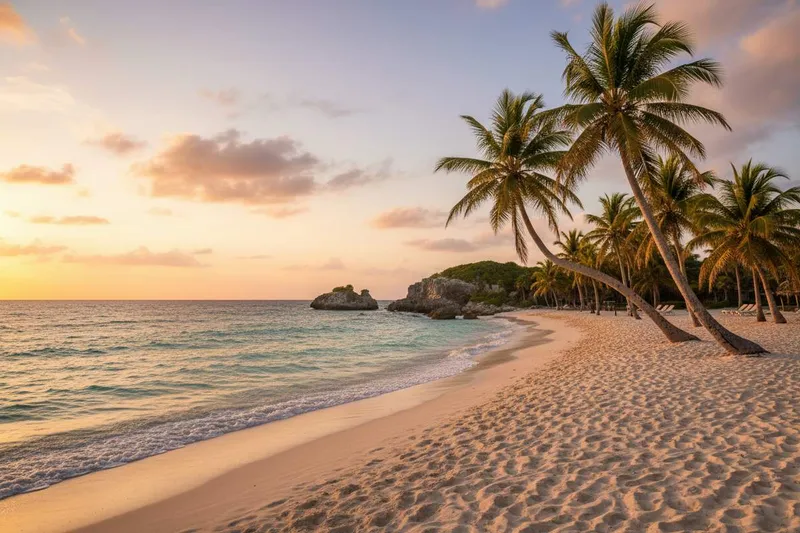
Getting there from Cancun: 30-40 minutes by taxi (300-400 MXN) or colectivo van from the ADO bus terminal (25-30 MXN). It’s a viable day trip from Cancun or a base for reef snorkeling.
Sargassum Monthly Forecast Table
Based on historical arrival patterns. Year-to-year variation is significant — these are averages, not guarantees.
| Month | Hotel Zone (East-facing) | Playa Norte (Isla Mujeres) | Puerto Morelos |
|---|---|---|---|
| January | Low | Very Low | Very Low |
| February | Low | Very Low | Very Low |
| March | Low-Medium | Low | Low |
| April | Medium | Low-Medium | Low |
| May | High | Medium | Low-Medium |
| June | High | Medium-High | Medium |
| July | High | Medium-High | Medium |
| August | High | High | Medium-High |
| September | Medium-High | Medium | Medium |
| October | Medium | Low-Medium | Low-Medium |
| November | Low | Low | Low |
| December | Low | Very Low | Very Low |
Note: These patterns can shift significantly in any given year. Check Sargassum Monitoring Program in the weeks before your trip for current conditions.
Cancun Snorkeling
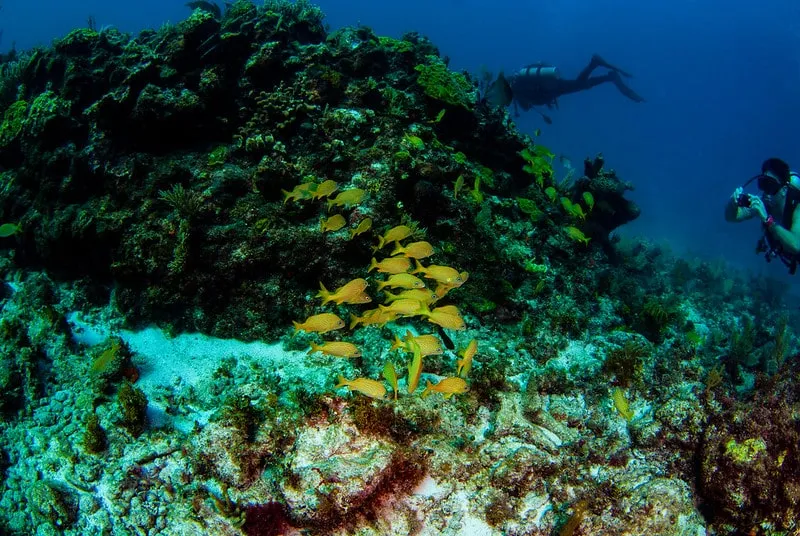
The Hotel Zone beach itself is not where you snorkel — the sandy bottom and resort infrastructure don’t create a reef environment. For snorkeling near Cancun:
Best options:
- Puerto Morelos Reef — Best accessible snorkel from Cancun. National park, flat calm, guided tours from town. 30-45 minute boat ride to reef.
- Isla Mujeres (offshore reefs) — Tours depart from the island to nearby reef sections. The underwater MUSA sculpture museum is a unique option — hundreds of life-sized statues at 4-8 meters depth.
- Isla Contoy — 90-minute boat trip north of Isla Mujeres. Protected national park with excellent reef and bird life. Limited daily visitor access.
- Cozumel — 2 hours from Cancun but one of the top drift dive/snorkel destinations in the Caribbean. The Mesoamerican Reef is excellent here.
Beach by Traveler Type
| If You Are | Best Choice |
|---|---|
| Budget traveler | Playa Delfines (free, bring your own supplies) |
| Families with young children | Playa Langosta (calm, km 5, facilities nearby) |
| Snorkelers | Puerto Morelos reef or Isla Mujeres |
| Couples wanting clear water | Playa Norte, Isla Mujeres |
| Sargassum months (May-Aug) | Hotel day pass or Puerto Morelos |
| Day trippers from Hotel Zone | Playa Tortugas (convenient, less crowded than midzone) |
| Photography / no crowds | Playa Delfines early morning |
Beach Safety
Cancun’s Hotel Zone uses an international beach flag system:
- Blue flag — Calm conditions, safe swimming
- Yellow flag — Use caution, moderate conditions
- Red flag — Strong currents, swimming not recommended
- Black flag — Beach closed, dangerous conditions
The Hotel Zone’s east-facing beaches have genuine wave action and currents. Riptides occur, particularly in front of gaps between sandbars. The red flag is not advisory — it means don’t swim. Hotels monitor and enforce flag restrictions at their beach sections.
Open ocean swimming after heavy drinking is responsible for many of Cancun’s water-related accidents each year. Don’t be a statistic.
Also note: The Nichupté Lagoon is not for swimming. It has boat traffic and variable water quality.
Best Time to Visit Cancun for Beaches
The clearest water and least sargassum: November through March. This is also the peak tourist season (higher prices) and hurricane-free window.
April and October are shoulder months — reasonable prices, moderate crowds, variable beach conditions.
May through September: Hot, humid, occasional storms, peak sargassum. The water can still be beautiful, especially after the hotel cleaning crews work it in the morning. Prices are lowest.
See our detailed Best Time to Visit Cancun guide for month-by-month conditions.
Book Cancun Beach and Water Tours
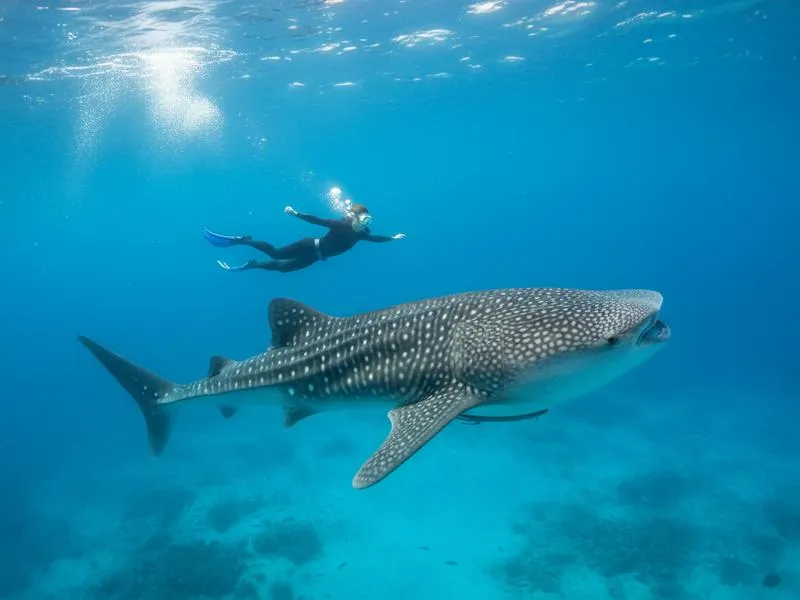
Day trips to Isla Mujeres, reef snorkeling at Puerto Morelos, underwater sculpture museum tours, and whale shark trips (in season, June-September) are all bookable in Cancun. The whale shark experience — snorkeling alongside the world’s largest fish in open water near Isla Holbox — is genuinely one of the top wildlife experiences in Mexico.
Browse Cancun beach and water tours on Viator →
Travel Insurance
Related Guides
- Cancun Travel Guide — accommodation, food, transport, full planning
- Best Time to Visit Cancun — sargassum calendar, weather, prices by month
- Best Hotels in Cancun — by budget, location, and beach quality
- Things to Do in Cancun — beyond the beach
- Cancun to Isla Mujeres — ferry guide and day trip planning