Best Restaurants in Guanajuato 2026: Enchiladas Mineras & Mezcal
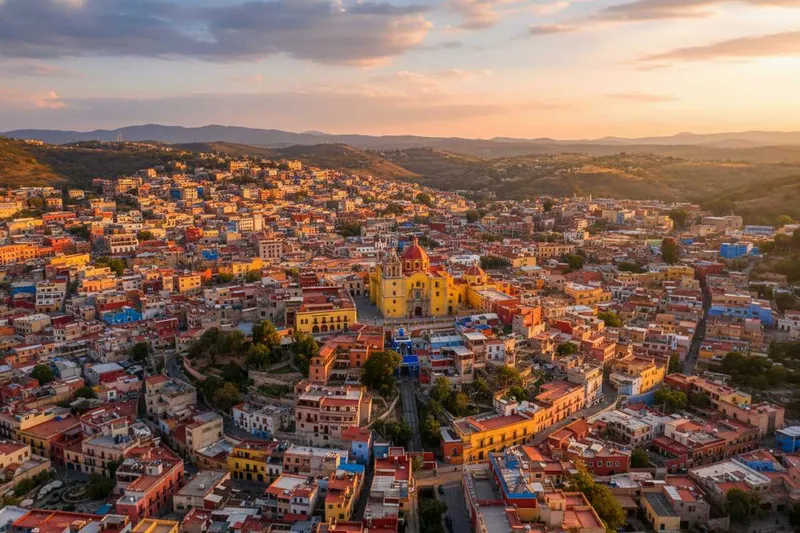
Guanajuato is a university city in the middle of Mexico’s silver country. It has 20,000 students, a colonial center that’s one of the most photographed in the country, underground roads that run beneath the historic center, and a food scene that benefits from both the student economy (cheap, good, high-turnover) and the tourist economy (atmospheric settings, proper kitchens).
The city’s signature dish — enchiladas mineras — is not what you’d expect from the name. The mezcal bars are better than most visitors realize. And Mercado Hidalgo, if you know which floor to use, is one of the best food stops on any Mexico trip.
For the full city picture, start with the Guanajuato city guide.
Guanajuato’s Food Identity
Three forces shape what you eat in Guanajuato:
University culture: 20,000+ students need cheap, fast, filling food. This drives a strong comida corrida economy, good taco stands, and markets that cater to people eating on 100 MXN. Prices in student areas are consistently lower than tourist areas, and the food is often better because the clientele is less forgiving.
Mining heritage: The enchilada minera, the hearty guisados, the use of dried chiles — these trace back to the silver mining economy of the 18th and 19th centuries. The food was designed to be filling, caloric, and affordable for workers. The cuisine still reflects that.
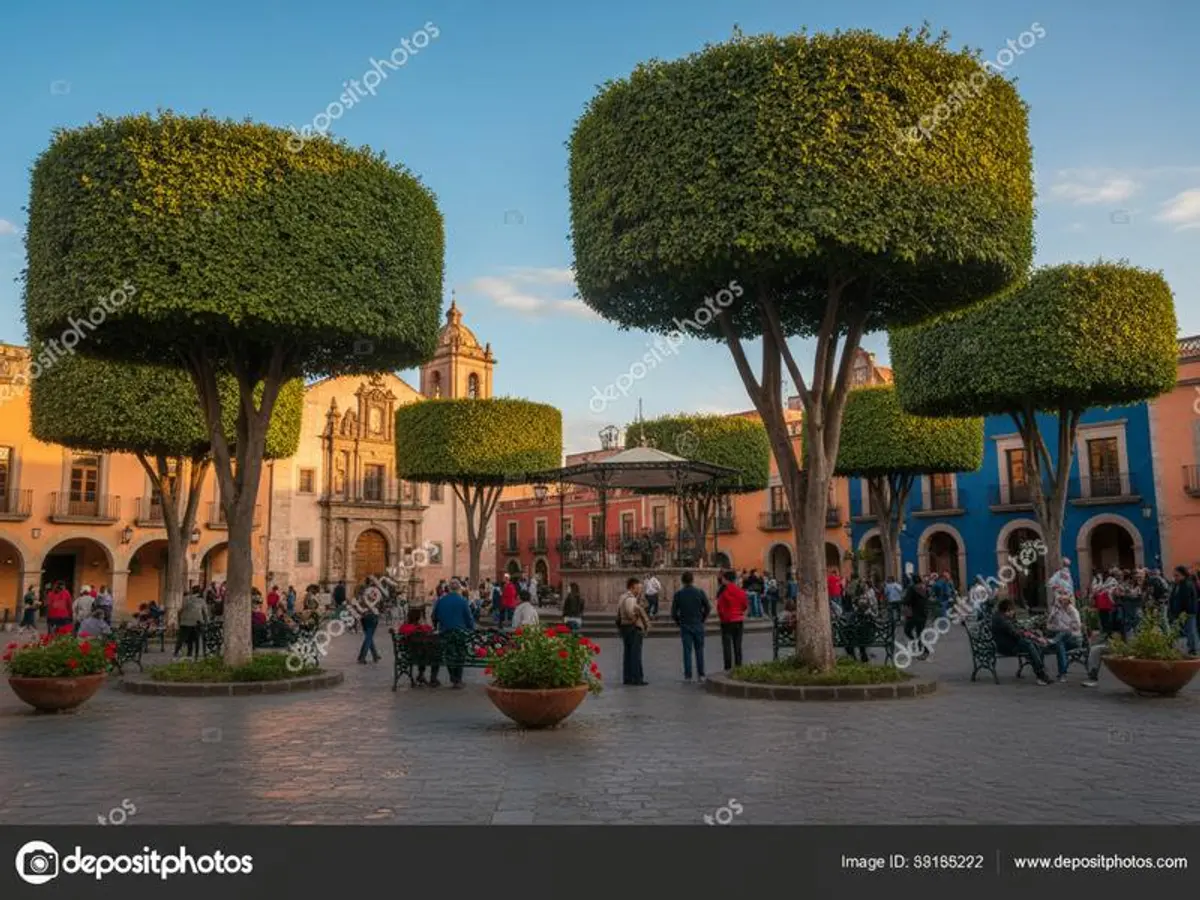
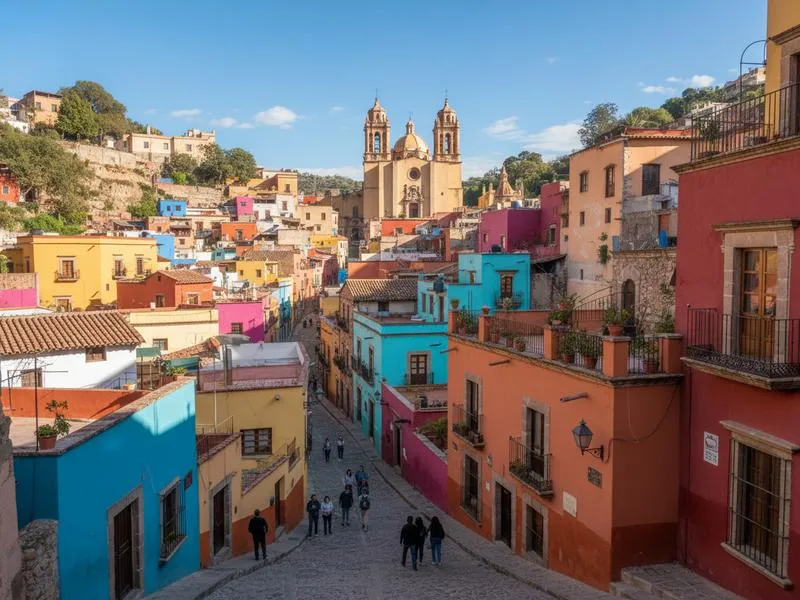
Colonial tourism: The Jardín de la Unión, the Teatro Juárez, the colorful hillside houses — Guanajuato is photogenic and knows it. The restaurants around the central plazas charge for ambiance. Some are worth it; others sell you a view with mediocre food.
The winning strategy: eat budget-to-mid at the markets and student spots, spend selectively on the one or two atmospheric dinner experiences that have the setting AND the cooking to match.
Enchiladas Mineras: The Dish You Have to Order
Enchiladas mineras are Guanajuato’s most distinctive food, and they confuse first-time visitors because they don’t resemble standard enchiladas.
What they actually are: A plate of fried corn tortillas dipped in chile ancho sauce, layered with: shredded chicken (sometimes pork), cooked diced carrots, cooked diced potatoes, crumbled queso fresco, sour cream, and pickled jalapeño slices. It’s a hearty, complex plate — more like a deconstructed casserole than the rolled enchiladas you know from Tex-Mex. The chile ancho sauce is earthy and dark, not particularly spicy.
The dish originated as fuel for silver mine workers — caloric, filling, relatively cheap to make in bulk. It’s been a Guanajuato staple for over a century.
Where to order them:
La Carreta The most traditional version, made the way it’s been made for decades. No frills — a busy local restaurant that serves enchiladas mineras to residents and visitors alike. Around 150-180 MXN for a full plate. This is the benchmark.
La Mexicana Slightly more polished, with a broader traditional Mexican menu alongside the enchiladas. Good quality, comfortable seating. 160-200 MXN. A solid choice for a sit-down traditional lunch.
El Mesón del Rosario More atmosphere than the previous two — colonial-era building, courtyard seating. The enchiladas mineras are good, the setting is excellent, and prices reflect both: 200-280 MXN. Worth it if you want the dish in a proper setting.
Student Budget: Mercado Hidalgo and the Right Places
Mercado Hidalgo: The Two-Floor Rule Mercado Hidalgo is Guanajuato’s main market — an impressive 1910 iron-and-glass structure that gets photographed constantly. The trap: the upper level is tourist-facing, selling crafts, overpriced snacks, and souvenirs. The lower level is where locals eat.
The downstairs section has comida corrida stalls serving three-course lunches — soup, main, agua fresca, sometimes dessert — for 70-100 MXN. The guisados rotate daily (chiles rellenos, carne con chile, mole chicken, pork in salsa verde). This is genuinely good food at the best prices in the city center. Go at 1-2pm for the freshest selection.
Also downstairs: fresh juice, fruit, hot chocolate, and pan dulce from the panadería stalls.
Taquería el Midi Near the university area. Student-standard tacos: 25-40 MXN each, corn tortillas, fast service. The al pastor is the best thing on the menu. Fills up at lunch and dinner; expect a line. Budget 80-150 MXN for a full taco meal.
Mercado Gavira Near the Jardín de la Unión — more central than Mercado Hidalgo. Smaller selection but convenient if you’re already in the center. Similar prices: comida corrida at 80-100 MXN, tacos at 30-50 MXN. Go early (before 1pm) for the freshest options.
Nice Dinner: Views and Colonial Settings
El Gallo Pitagórico The best atmospheric dinner experience in Guanajuato. Inside a centuries-old colonial building with a terrace that looks over the city’s colorful rooftops. The menu is creative Mexican — not trying to be fancy for its own sake, but genuinely cooking well. Good tuna tostadas, interesting meats, solid mole. Mains around 280-450 MXN. The terrace tables require a reservation; the interior is first-come. Go for sunset dinner (7pm reservation) and you’ll get the light across the rooftops.
Casa Valadez The Jardín de la Unión–facing restaurant that everyone photographs. The outdoor tables under the arches, the band playing in the plaza, the marimba on weekends — it’s all very much part of the Guanajuato experience. The food is fine: competent Mexican, solid drinks, nothing revelatory. It’s more expensive than the food warrants (350-550 MXN per person) but the setting is irreplaceable. Go for one cocktail and the Jardín atmosphere, not a full dinner.
Casona del Cielo The local dinner spot that offers better cooking than the tourist-facing competition without the view premium. Colonial building, quieter, actual kitchen focus. The seasonal Mexican menu rotates and the execution is consistently better than similarly priced spots near the Jardín. Mains around 250-380 MXN. Worth seeking out.
Mezcal Bars in Guanajuato
Guanajuato drinks mezcal, not tequila. This matters. The university crowd normalized mezcal culture here long before it became a trend in Mexico City’s upscale bars.
El Café Tal The best mezcal selection in Guanajuato. The staff knows what they’re talking about — ask them to walk you through the regions and agave varieties and they will, properly. Flights of three or four mezcals let you compare Espadín versus Tobalá versus Tepextate. Flight prices: 250-400 MXN. Individual pours: 100-160 MXN. The space is small (book ahead on weekends) and the atmosphere is convivial without being loud.
La Gota de Mezcal More casual than El Café Tal, with a young crowd and better for a spontaneous evening drink. Good mezcal list, knowledgeable bar staff, and slightly lower prices: 80-140 MXN per pour. The bar food (quesillo, guacamole, memelitas) is simple but well-made. Great spot to land after the callejoneada.
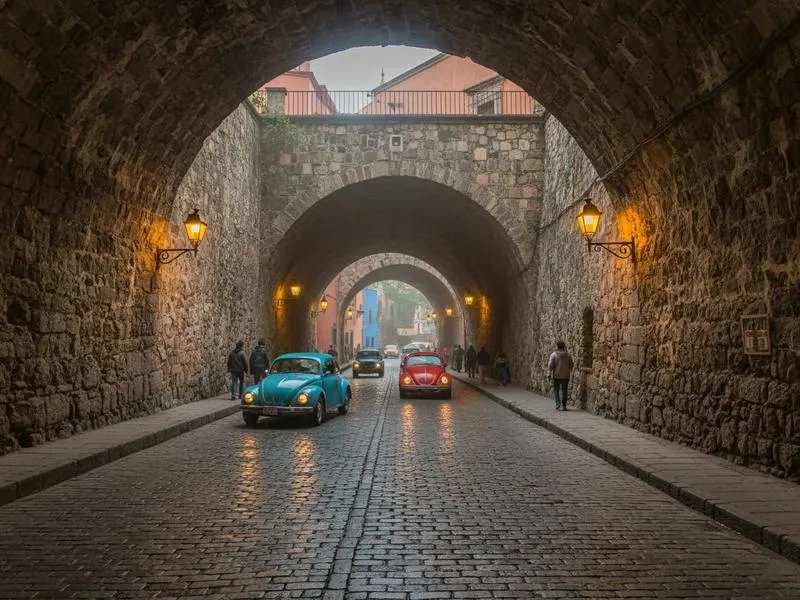
The tunnel bars: Guanajuato’s underground tunnel system is used not just for traffic but for bar venues. Several bars have set up inside the tunnel arches — the acoustics are interesting, the atmosphere is unique. Most serve mezcal and beer. Quality varies; they’re worth exploring once for the setting even if the drink selection is limited.
Dulces de Fruta: Guanajuato’s Sweets
Every regional Mexican city has its sweets, and Guanajuato’s are worth knowing:
Camote (sweet potato candy): Sold in logs or rounds, flavored with fruit (strawberry, pineapple, lime). The same as the famous Puebla version but made locally.
Guayaba paste: A thick, sweet block of guava concentrate. Eaten alone or with queso fresco. One of the better flavor combinations in Mexican sweets.
Ate de membrillo: Quince paste, darker and more complex than guayaba. Often wrapped in corn husk to preserve freshness.
All of these are at Mercado Hidalgo’s lower level, sold by weight. Budget 50-100 MXN for a selection to take back. They travel reasonably well (a few days unwrapped, longer if kept cool).
The Callejoneada Guide (Evening Planning)
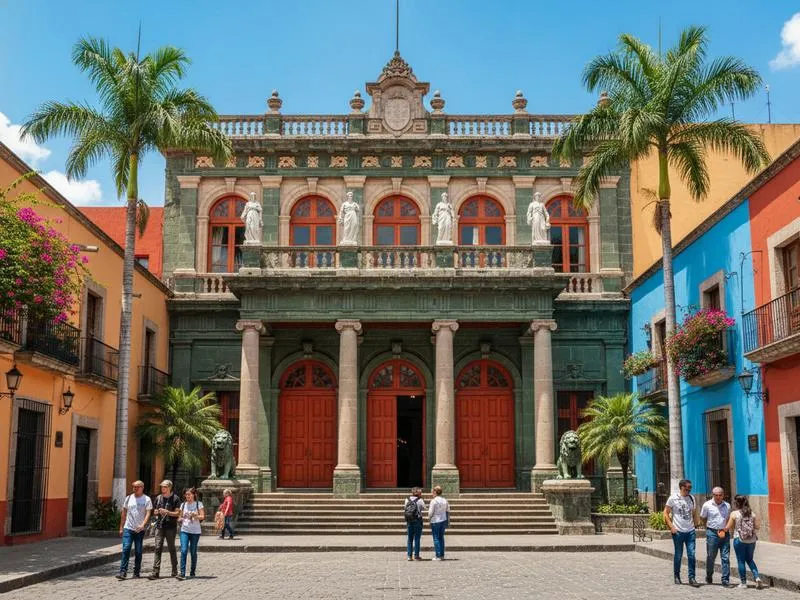
The callejoneada is Guanajuato’s signature evening activity — estudiantinas (student musicians in period costume) leading groups through the narrow alleys playing music, singing, and handing out wine in clay cups. Tours depart nightly at 8pm from the Jardín de la Unión.
It’s not a restaurant, but it affects dinner planning:
If you do the callejoneada: Eat a light early dinner at 6-6:30pm (Casona del Cielo or a taco spot) before joining at 8pm. The tour ends around 9:30-10pm. Most participants then want drinks and maybe a snack — Mercado Gavira has late-night options, and La Gota de Mezcal is a natural post-callejoneada stop.
If you skip it: Make dinner reservations for 7:30-8pm at El Gallo Pitagórico or Casa Valadez when the callejoneada crowds are occupied in the alleys. You’ll have a quieter restaurant experience.
The wine in the tour: It’s not good wine. It’s jug wine in clay cups for atmosphere. Go for the experience, not the drink quality.
Student Discounts
Guanajuato has a student discount culture because the university is so central to the city’s identity. If you have any student ID (even international), carry it. Several restaurants, bars, and cultural venues offer 10-20% discounts without advertising it. Just ask: “¿Tienen descuento para estudiantes?” — the worst outcome is no.
The market stalls, taco stands, and comedores don’t do student pricing (prices are already at floor), but mid-range sit-down restaurants sometimes do.
What a Day of Eating Looks Like in Guanajuato
The city’s layout makes food routing important — Guanajuato is compact but hilly, and the central markets, taco spots, and dinner restaurants are spread across a vertical city that requires some walking.
Morning (8-9am): Pan dulce and hot chocolate from the Mercado Hidalgo downstairs bakery stalls (40-70 MXN). Or a full breakfast at one of the cafés near the Jardín de la Unión (120-180 MXN). The Jardín area is slow in the morning — tables, newspapers, coffee.
Lunch (1-2pm): Comida corrida at Mercado Hidalgo downstairs (70-100 MXN). This is the best-value meal in the city. Three courses, rotating menu, fresh guisados. Go before 2pm.
Afternoon: Mercado Hidalgo downstairs for dulces de fruta after lunch (50-100 MXN selection). Walk the tunnels. Optional tasting stop at El Café Tal for one mezcal (100-150 MXN).
Pre-callejoneada snack (6-6:30pm): Light tacos at Taquería el Midi (80-120 MXN for a few tacos).
Callejoneada (8-10pm): The wine is included in the tour price (usually 200-300 MXN). Not dinner.
Post-callejoneada drinks (10pm+): La Gota de Mezcal for one or two pours (80-160 MXN each). Food bar snacks if you need something.
Splurge dinner (choose one evening): El Gallo Pitagórico for the terrace view and the menu (280-450 MXN for mains). Best reserved for the second or third evening when you’ve gotten your bearings.
Daily food budget: 400-600 MXN for market + tacos + mezcal. 800-1,200 MXN if you add a proper dinner at El Gallo Pitagórico or Casona del Cielo.
Eating Your Way Through Guanajuato’s Neighborhoods
The city has several distinct eating zones worth knowing:
Centro Histórico (around Jardín de la Unión and Teatro Juárez): Highest concentration of tourist-facing restaurants. Casa Valadez is here. Good for one atmospheric meal; not where you want to eat every day unless you enjoy paying view premiums.
Mercado Hidalgo area: The most practical food zone. The market downstairs, Mercado Gavira nearby, several taco stands. Best for breakfast and lunch. Gets quieter in the evening.
University area (toward the Presa de la Olla): The student zone. Cheaper taquerías, more informal eating, less tourist foot traffic. Worth wandering for lunch if you’re in that part of the city.
Callejón del Beso and surrounding alleys: The alley tourism zone. Several bars and restaurants have set up in the narrow streets. More atmosphere than food quality. Good for drinks and light food; treat the food as secondary.
Book a Food Tour
A guided food tour through Guanajuato — Mercado Hidalgo, enchiladas mineras, dulces de fruta, and mezcal tasting — is one of the better ways to do all of it in one session with local context. Viator has several options:
Browse Guanajuato food and mezcal tours on Viator →Travel Insurance
More Guanajuato Planning
- Guanajuato City Guide — the complete guide to the city, history, and highlights
- Things to Do in Guanajuato — Pipila, the Mummies Museum, underground tunnels, and more
- Best Hotels in Guanajuato — where to stay in the historic center
- Day Trips from Guanajuato — León, San Miguel de Allende, and the silver mine towns
The Short Version
Order enchiladas mineras at La Carreta for the traditional version and El Mesón del Rosario for atmosphere. Eat at Mercado Hidalgo downstairs every day you’re here — it’s legitimately good and the price is impossible to beat. Save El Gallo Pitagórico for a dinner when you want the view and the cooking to align. Drink mezcal at El Café Tal before the callejoneada. Eat dulces de fruta. That’s the Guanajuato food loop.