Best Restaurants in San Cristóbal de las Casas 2026
San Cristóbal de las Casas is cold, which changes everything about how you eat. At 2,200 meters in the Chiapas highlands, the temperature drops to 10-12°C on winter nights, and even summer mornings require a jacket. The city’s food culture was built around altitude: soups and stews, hot chocolate with traditional spices, coffee from the mountains 30 minutes away, and the warming properties of pox — the sugarcane spirit that highland Tzotzil Maya communities have been producing for centuries.
The city also has one of Mexico’s most distinctive indigenous food traditions, kept alive through women’s cooperatives, community markets, and restaurants that center Maya ingredients and Maya women’s labor. Chiapas is Mexico’s top coffee-producing state. The tamales here use chipilín — a leaf that doesn’t grow anywhere else in the hemisphere outside southeastern Mexico and Central America.
This is not standard Mexican food. This is highland Chiapas cuisine.
For the full city guide, see our things to do in San Cristóbal de las Casas.
Chiapas Food Identity: What You’re Eating and Why
Before the restaurant list, the context. Chiapas cuisine is shaped by several things that don’t appear elsewhere:
Chipilín: A leafy herb from the Fabaceae family, grown in highland Chiapas and neighboring Guatemala. It has a slightly grassy, green taste with higher protein than most leafy herbs. It goes into tamales (tamales de chipilín), soups, eggs, and tamales wrapped in chipilín leaves. You cannot buy chipilín outside the region. Eating it in San Cristóbal connects you to a specific ecology.
Tasajo negro: A traditional salt-cured, air-dried beef from Chiapas (distinct from Oaxaca’s tasajo, which is a different preparation). Sliced thin and eaten with tortillas, tamales, or in soups. The dark color comes from the drying and curing process, not seasoning.
Cochinitos: Small pork tamales specific to Chiapas, served in a black bean broth. Different from Yucatecan cochinita pibil in every way except the word “cochi.”
Pozol: The drink that requires its own explanation. Fermented corn masa and cacao, drunk cold or at room temperature — pre-Hispanic, still made by hand in the same method, available at the Mercado Municipal for 20-30 MXN. No sweetener in the traditional version. The cacao gives it bitterness; the fermentation gives it tang. It tastes like the past.
Chiapas coffee: Mexico grows coffee in multiple states, but Chiapas produces the most and some of the highest quality. The Sierra Madre mountain range surrounding San Cristóbal has the altitude, humidity, and shade-canopy conditions for high-quality arabica. Most cooperatives have direct-to-consumer cafés in the city. The coffee you drink here was likely harvested within the past season, roasted within the past month.
Traditional Chiapan Restaurants
La Casa del Pan Papalotl — Feminist Collective Bakery
La Casa del Pan Papalotl is an institution for two reasons: it’s one of the best daily lunch spots in San Cristóbal, and it’s run as a feminist collective bakery that has been operating since the 1990s. The model is comida corrida (set daily lunch): soup, main, agua fresca, and pan dulce baked on the premises, for 80-100 MXN.
The lunch menu rotates through traditional Chiapan preparations — tamales de chipilín, cocido de res, black bean soups, seasonal vegetables. The bakery section sells pan dulce, regional breads, and sometimes pozol in bottled form. The courtyard setting fills with San Cristóbal residents, foreign volunteers, and travelers who figured out that 90 MXN buys a better meal here than 350 MXN buys at the tourist restaurants on Real de Guadalupe.
Average spend: 80-100 MXN per person (comida corrida)
Best for: Daily lunch, supporting community-led business, Chiapan home cooking
TierrAdentro — Tzotzil Maya Women’s Cooperative
TierrAdentro operates as a cultural-culinary project run by Tzotzil Maya women from highland communities around San Cristóbal. The kitchen produces traditional highland cuisine using ingredients sourced from the communities where the cooperative members live: chipilín from Zinacantan, specialty corn varieties, hand-made tortillas pressed fresh.
This is the most direct connection to indigenous Chiapan food in the city. The tlayuda de tasajo negro (a large flat preparation with air-dried beef and black beans) is available here in a form closer to the highland village version than anywhere else in the centro histórico. Prices are modest — 120-200 MXN per person for a full meal.
Average spend: 120-200 MXN per person
Best for: Indigenous food traditions, direct support for Tzotzil cooperative
El Fogón de Jovel — Clay Pots and Traditional Cooking
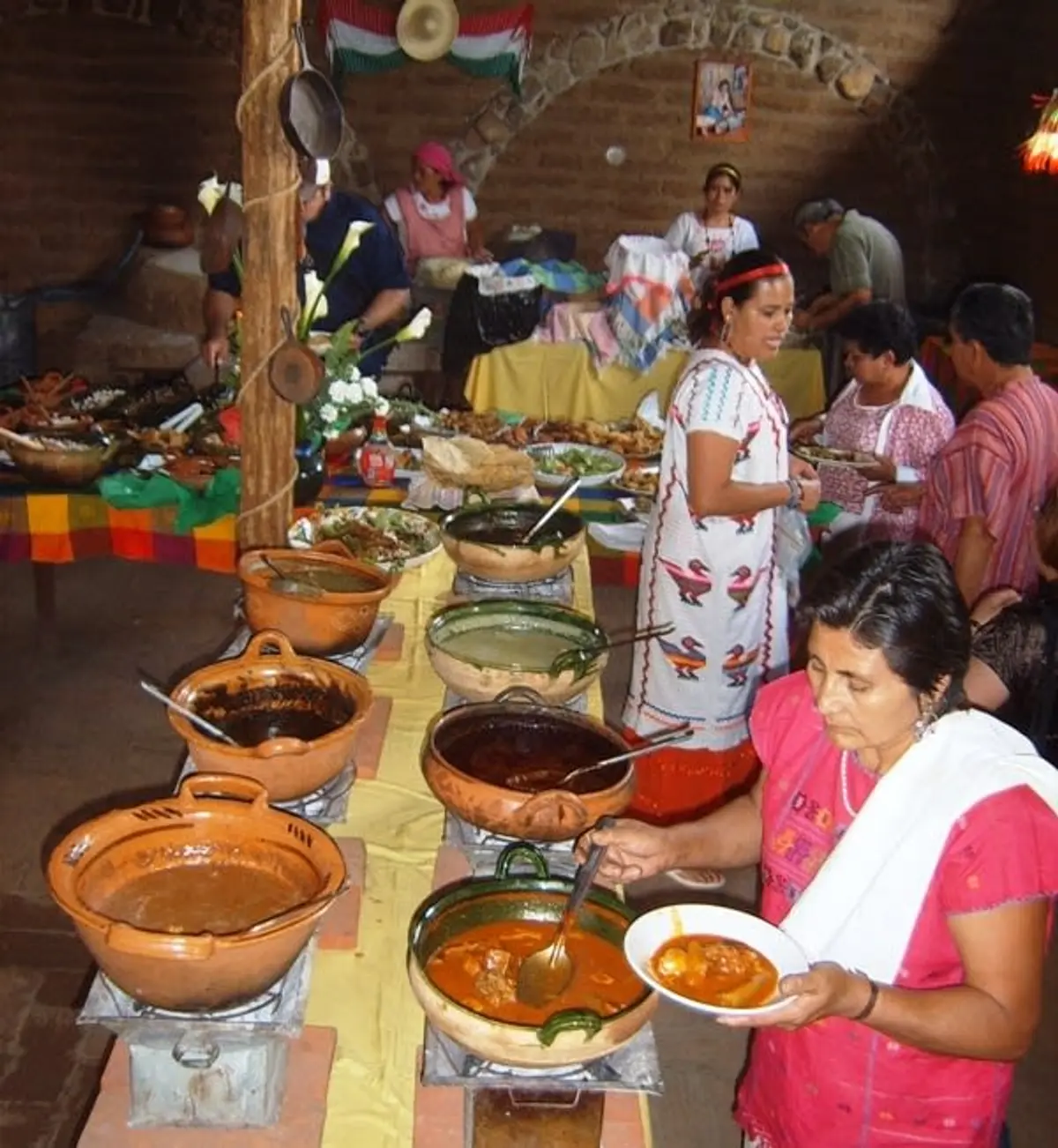
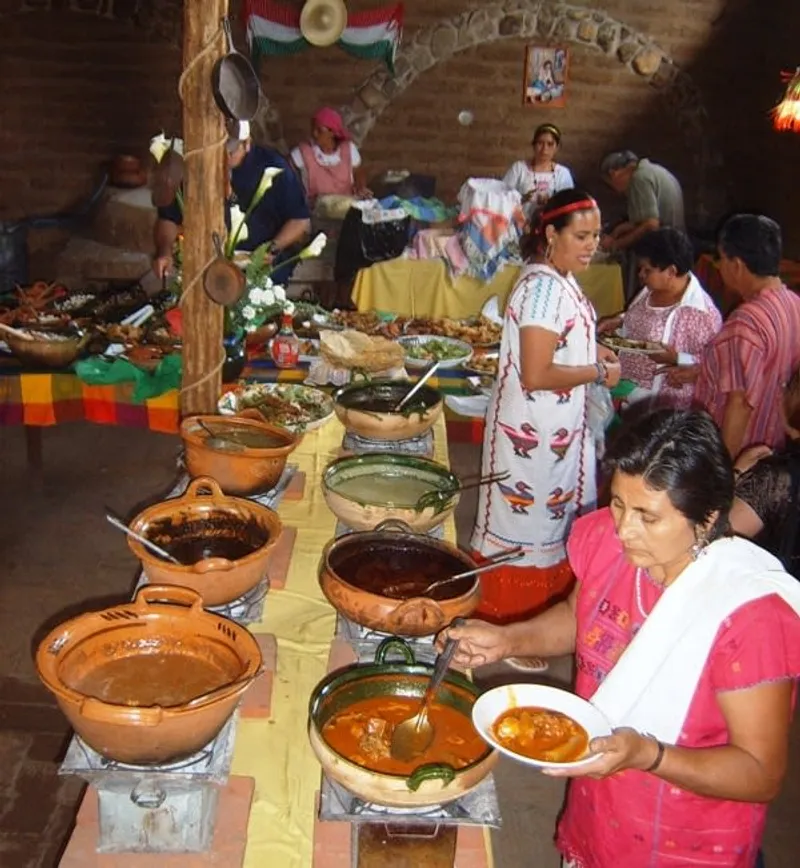
El Fogón de Jovel is the traditional Chiapan restaurant for visitors who want a full sit-down introduction to the regional cuisine. “Jovel” is the Tzotzil name for San Cristóbal — using it signals local identity. The kitchen cooks in clay pots (barro negro, if you’re fortunate — the dark glazed pottery of Chiapas) and covers the canon: tamales de chipilín, cocido de res, black bean preparations, pozol offered as an appetizer.
The setting is colonial courtyard, the prices are mid-range (180-300 MXN per person), and the service accommodates first-time Chiapas food visitors. Good for the night you want context and comfort together.
Average spend: 180-300 MXN per person
Best for: First introduction to Chiapan cuisine, traditional setting, families
Restaurant Emilio’s
Emilio’s is a straightforward Chiapan restaurant — less politically charged and less culturally curated than the others on this list, but consistent and reasonably priced. The comida corrida runs 70-90 MXN. The house specialties include tasajo negro with tortillas and the daily tamale preparation. The clientele is local professionals and working-class residents on lunch breaks. It represents the baseline of what good everyday Chiapan restaurant cooking looks like.
Average spend: 70-120 MXN per person
Best for: Everyday Chiapan food, budget lunch, local atmosphere
Coffee in San Cristóbal: Mexico’s Coffee Capital
San Cristóbal’s coffee culture is not decorative. The beans come from within 50 kilometers of the city in most cases, grown by cooperatives that have been refining their process for decades. When a café tells you “direct trade” here, it means the farmer may be sitting at the table next to you.
Café Yik — Shade-Grown Cooperative
Café Yik sources exclusively from Tzotzil Maya shade-grown cooperatives in the highlands — the same farming communities that supply some of Mexico’s premium coffee exporters. The café itself is small, warm on cold mornings (which is most mornings), and the espresso drinks use beans roasted within the past two weeks.
The single-origin pour-over options change by harvest season. The café de olla (coffee brewed with cinnamon and piloncillo in a clay pot) is the traditional Mexican preparation done correctly here. If you drink coffee, Café Yik is required.
Cost: 45-80 MXN for a drink
Best for: The definitive San Cristóbal coffee experience
Café San Cristóbal — The Oldest Café
Café San Cristóbal has been operating since the 1950s and retains the feel of it: dark wood furniture, slow service, and walls covered in decades of photographs and memorabilia. The coffee is good (not as technically precise as Café Yik), but the experience is the reason — sitting in a coffee shop that has survived every political upheaval in Chiapas since before the Zapatista uprising is its own thing.
Order the café de olla and something from the small food menu. Go in the afternoon when the rush has passed and stay for an hour.
Cost: 40-70 MXN for a drink
Best for: Historical atmosphere, slow afternoon coffee
Diego’s Coffee — Views With Your Espresso
Diego’s Coffee has a terrace with views toward the Templo de San Cristóbal on the hill above the city. The setting is the primary reason to go — the coffee is competent without being exceptional — but on a clear morning when the air is sharp and the terrace is catching the first sun, it’s the best coffee experience in the city from a views-plus-drink calculation.
Cost: 45-80 MXN for a drink
Best for: Views, morning coffee with highland scenery
International and Expat Scene
San Cristóbal has a significant expat and NGO population — human rights organizations, indigenous rights groups, and journalists have clustered here since the 1990s. This has generated a small but genuine international restaurant scene:
El Horno — Wood-Fire Pizza
El Horno operates a wood-burning oven pizza kitchen in the centro histórico. The pizza is legitimately good by any standard — thin crust, fresh ingredients, properly charred. It’s the restaurant for the night after two days of tamales and pozol when your digestive system is asking for a break from novelty.
Average spend: 150-250 MXN per person
Best for: Pizza night, expat crowd, variety from Chiapan cuisine
Restaurante Kuxin — Fusion Kitchen
Kuxin blends Chiapan indigenous ingredients with international technique — the kind of fusion that works because the kitchen actually understands both sides. The black bean soup with Chiapas truffle shavings (in season, October-January) is the restaurant’s signature. The chef sources locally and changes the menu accordingly.
Average spend: 200-350 MXN per person
Best for: Contemporary cooking with Chiapan ingredients, fusion done with integrity
La Selva Café — The Chiapas Coffee Brand
La Selva is the commercial version of the Chiapas coffee cooperative story — a larger operation with a prominent café on Real de Guadalupe that serves as both coffee shop and introduction to the region’s agriculture. The quality is consistent if less artisan than Café Yik. Good for groups and for buying bagged coffee to take home.
Average spend: 45-90 MXN for a drink + food
Best for: Coffee tourism, buying beans to take home, accessible introduction to Chiapas coffee
Markets: Where Food Meets Indigenous Culture
Mercado Municipal — The Real San Cristóbal
The Mercado Municipal in San Cristóbal is where you understand what highland Chiapas actually eats. The market runs daily but is fullest on mornings and weekends. The food section sells:
- Fresh tamales de chipilín and tamales de rajas from vendors who made them at 5am
- Pozol in clay cups (20-30 MXN) — drink this standing
- Tejate: a cold chocolate-corn drink related to pozol but from Oaxacan tradition, sold by a few vendors year-round
- Fresh chipilín, hierba santa (anise-like indigenous herb), and other regional plants
- Indigenous prepared foods at prices the tourist restaurants don’t offer: 40-70 MXN for a full plate
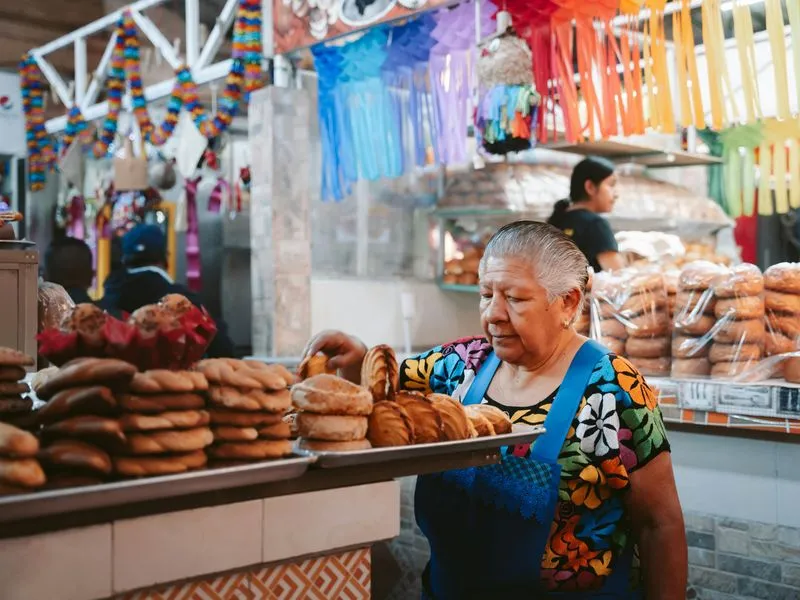
The Tzotzil Maya women in traditional huipil (embroidered blouse) clothing who run many of the market food stalls are not performing tradition for visitors — this is how the market runs every day. The food they sell is the food their communities eat.
Average spend: 40-80 MXN for a full market breakfast
Best for: The most authentic food experience in San Cristóbal
Sunday Tianguis — Open-Air Market
On Sundays, the tianguis (street market) expands beyond the covered Mercado Municipal into the surrounding streets. Indigenous vendors from the surrounding communities come to sell in the city: textiles, crafts, and food items that don’t appear in the market on other days. Look for prepared tamales from specific regional styles (Zinacantan tamales are stuffed with chipilín and chicken), specialty drinks, and preserved products.
The Sunday tianguis overlaps with tourist craft shopping — navigate toward the food vendors in the interior sections rather than the craft periphery.
Budget Eating: Cocido de Res and Cheap Food Guide
Cocido de res is San Cristóbal’s default comfort food — a beef and vegetable stew with corn, chayote, cabbage, carrots, and whatever else is in season, served in a large clay bowl with tortillas. It costs 60-90 MXN at market stalls and neighborhood restaurants. On cold days (almost every day in December-February), it is exactly the right meal.
The student budget area is loosely around Avenida 20 de Noviembre and the blocks connecting toward the bus station — lunch comida corrida runs 60-80 MXN at the spots targeting university students and young professionals.
Pozol economics: The cheapest Chiapan food experience, at 20-30 MXN per cup at market stands. Worth doing once purely for the cultural significance.
Altitude, Cold, and Why Comfort Food Dominates
San Cristóbal sits at 2,200 meters — higher than Mexico City, and with a highland climate that produces persistent cold and morning fog. The city center can feel like autumn even in July. The food culture reflects this in ways that are different from any other major Mexican tourist destination:
- Hot drinks are the baseline: Coffee, pozol (warm version available), atole (warm corn-masa drink with chocolate or fruit), and chocolate caliente are drunk throughout the day
- Soups and stews dominate: Cocido de res, black bean soups, and the rich brothy preparations at the cooperatives are the architectural center of the cuisine
- Heavy breakfasts: Tamales de chipilín and eggs with black beans at 7am are standard — the body needs it at altitude
- Comforting architecture: The clay pot restaurants, candlelit interiors, fireplaces in the upscale hotels — the physical environment invites the kind of slow meal that doesn’t happen at a beachside palapa
This is a city for lingering over food and hot drinks, not for quick lunches between beach sessions.
Amber Mezcal and Pox: What to Drink in San Cristóbal
Amber mezcal from Chiapas: Chiapas produces its own mezcal tradition, distinct from the Oaxacan mezcal that dominates the international market. Chiapas amber mezcal uses different agave species and different production methods — the flavor profile is softer, with less smoke and more herbal complexity than typical Oaxacan espadín. Look for bottles from small Chiapas producers at the mezcalerías on Real de Guadalupe.
Pox (pronounced “posh”): The traditional highland Chiapas spirit made from sugarcane, corn, and wheat — a Tzotzil Maya ceremonial drink that has been produced in the highlands for centuries. Lighter than mezcal, with a grassy-sweet quality and hints of the sugarcane base. It is not commercially available outside Chiapas in any meaningful way — drinking it here is the only real opportunity most travelers will have.
Where to try both: La Casa del Mezcal on Real de Guadalupe carries the best selection of regional mezcal and pox, with staff who can explain the production differences. The bar scene around Real de Guadalupe and the streets near the Templo de Santo Domingo runs from 8pm and is calm rather than loud — this is a cold, thoughtful city, not a party town.
Practical Tips
Reservations: Most San Cristóbal restaurants don’t require advance reservations except during Semana Santa (Easter week), Día de Muertos (late October/early November), and New Year. The cooperatives (TierrAdentro, La Casa del Pan) benefit from arriving early — the comida corrida sells out by 2pm.
Altitude adjustment: If you’re arriving directly from sea level, your appetite may be reduced for the first 24 hours. This is normal. Eat lightly on arrival day (market food and pozol rather than a full restaurant dinner) and your appetite will normalize.
Cash: Most budget restaurants, all markets, and cooperatives are cash-only. San Cristóbal is not a card-friendly city below the upscale hotel level. ATMs are on the main plaza and Real de Guadalupe.
Hours: Markets open at 6-7am and wind down by early afternoon. Restaurant lunch hours: noon to 4pm. Dinner: 7-10pm. The city goes quiet after 10pm, especially in winter.
Language: Less English than in coastal tourist destinations. Basic Spanish for market and cooperative dining is helpful. Most cooperative restaurants have some bilingual capacity for visitors.
Where to Stay
San Cristóbal’s centro histórico puts you within walking distance of all the restaurants and markets listed here. For hotel recommendations at all price points, see our best hotels in San Cristóbal de las Casas.
Book San Cristóbal Experiences
Indigenous village tours, Sumidero Canyon day trips, and highland cooking classes:
Browse San Cristóbal tours and experiences on Viator →Travel Insurance
San Cristóbal’s altitude can affect visitors unexpectedly. Travel with medical coverage:
Related Guides
- Things to Do in San Cristóbal de las Casas
- Best Hotels in San Cristóbal de las Casas
- Day Trips from San Cristóbal
- Mexico Food Guide: Regional Cuisine Across the Country
San Cristóbal’s food rewards travelers who slow down enough to eat with it. The pozol at the market stall at 8am, drunk cold while the mist sits on the surrounding mountains. The cocido de res at lunch when the temperature hasn’t climbed above 15°C and a bowl of beef and vegetable stew is exactly what the altitude ordered. The pox at 9pm in a mezcalería lit by candles.
This is highland Chiapas. The food is the culture. Eat it accordingly.