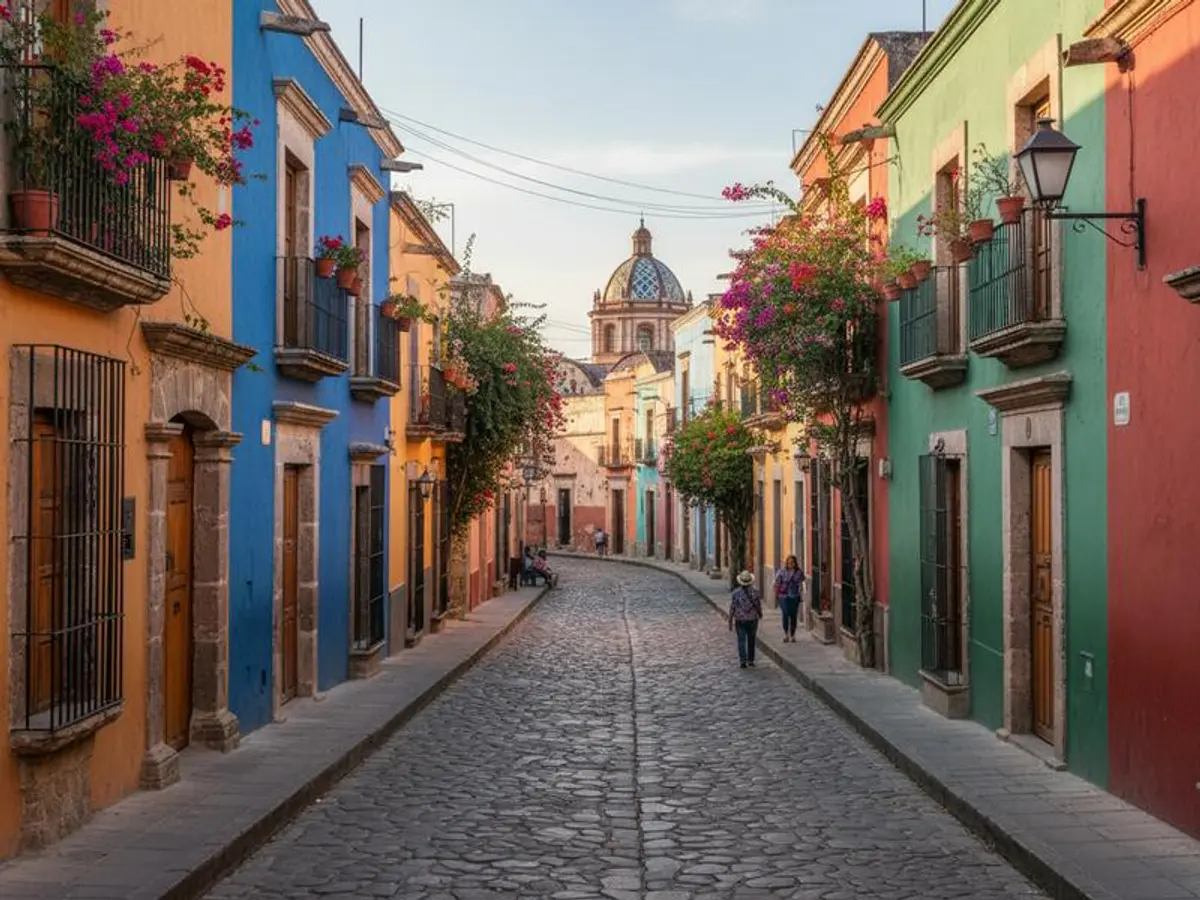
Best Time to Visit San Cristóbal de las Casas: Month-by-Month Guide
If you want the simplest answer, the best time to visit San Cristóbal de las Casas is November through April. Those are the driest months, the clearest months for highland views, and the easiest months for day trips to places like Agua Azul, Sumidero Canyon, and San Juan Chamula.
That said, the best month depends on the kind of trip you want. March and April are best for Holy Week atmosphere, November and early December are best for cool sunny days without peak crowds, and the rainy season can still work well if you care more about lower prices than blue-sky afternoons.
At 2,200 meters above sea level, San Cristóbal is also colder than most travelers expect. Even in the best months, warm afternoons turn into genuinely chilly evenings, so month-by-month timing matters more here than it does in beach destinations.
30-Second Answer
| Trip goal | Best time to go | Why it works |
|---|---|---|
| Best overall | November to early March | Dry mornings, manageable crowds, easy day trips, cold but comfortable nights if you pack layers |
| Semana Santa atmosphere | Late March to early April | Processions, full plazas, and the city’s strongest cultural energy |
| Cheapest hotel prices | June to September | Rain lowers demand and rates, especially midweek |
| Blue water at Agua Azul | November to April | Lower sediment keeps the water visibly blue |
| Coffee-focused trip | November to March | Harvest season and ideal weather for farm visits |
| Day of the Dead atmosphere | November 1 to 2 | Strong local cemetery and market traditions without peak Easter crowds |
| Green landscapes | June to October | Highlands look lush and waterfalls run strong, even if afternoons get wet |
Best overall month: November for dry weather, fewer crowds, and easier hotel pricing than Christmas or Semana Santa.
Best if you want culture first: Holy Week or Day of the Dead.
Worst fit for beach-only expectations: December and January if you did not realize San Cristóbal gets cold at night.
Best Time by Trip Style
| If you are… | Go in… | Because… |
|---|---|---|
| A first-time visitor who wants the easiest trip | November, February, or early March | Dry weather, fewer disruptions, and strong day-trip conditions |
| Coming mainly for culture and local tradition | Semana Santa or Day of the Dead | The city feels most distinctive during major religious dates |
| Planning a Chiapas route with Palenque and waterfalls | November to April | Roads are easier, Agua Azul looks better, and transport is simpler |
| Traveling on a tighter budget | June, August, or September | Better hotel deals and fewer visitors, if you can work around rain |
| Sensitive to cold nights | April or May | Warmest nights of the year without the peak summer rain pattern |
Common First-Timer Mistakes
- Assuming Chiapas means tropical heat. San Cristóbal is a highland city, not a beach town. Nights feel cold most of the year.
- Booking only two nights. The city itself, nearby villages, and Chiapas day trips usually justify at least three full days.
- Planning Agua Azul in peak rainy season for the color. The waterfalls are still powerful, but the famous blue water is a dry-season thing.
- Forgetting afternoons can get washed out in summer. In rainy months, plan the cathedral, markets, Chamula, and outdoor walking early.
- Staying too far uphill if you hate walking. San Cristóbal is compact, but the elevation and cobblestones make location matter more than people expect.
12-Month Weather Table
| Month | High °C | Low °C | Rain Days | Agua Azul | Crowds | Rating |
|---|---|---|---|---|---|---|
| January | 20 | 7 | 4 | Blue ✓ | Low | ★★★★☆ |
| February | 21 | 8 | 3 | Blue ✓ | Low | ★★★★☆ |
| March | 22 | 10 | 5 | Blue ✓ | Med-High | ★★★★★ |
| April | 23 | 12 | 8 | Blue ✓ | High (Semana Santa) | ★★★★★ |
| May | 23 | 14 | 14 | Transitional | Low-Med | ★★★★☆ |
| June | 22 | 14 | 18 | Brown ✗ | Low | ★★★☆☆ |
| July | 22 | 14 | 20 | Brown ✗ | Low | ★★★☆☆ |
| August | 22 | 14 | 20 | Brown ✗ | Low | ★★★☆☆ |
| September | 21 | 13 | 22 | Brown ✗ | Low | ★★★☆☆ |
| October | 21 | 12 | 16 | Transitional | Low | ★★★☆☆ |
| November | 20 | 9 | 6 | Blue ✓ | Low-Med | ★★★★★ |
| December | 19 | 7 | 5 | Blue ✓ | Med | ★★★★☆ |
The Temperature Reality at 2,200 Meters
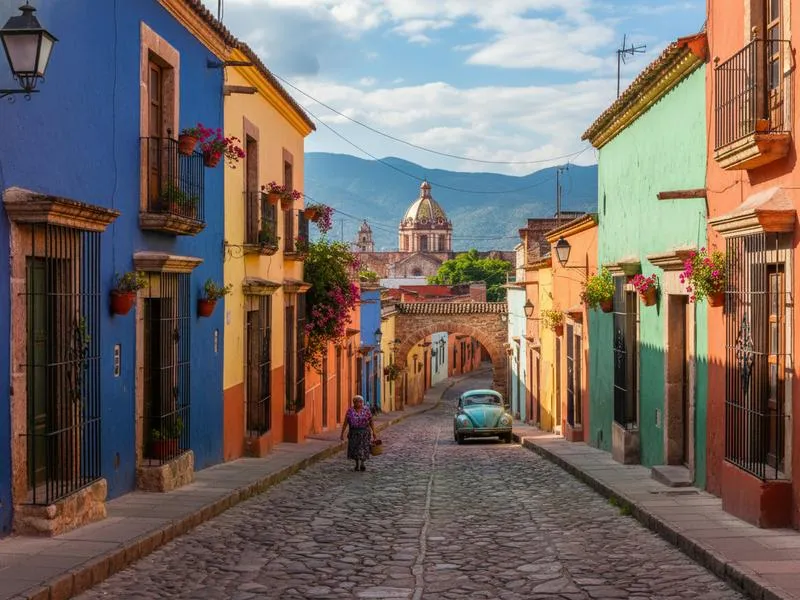
San Cristóbal surprises visitors who research Mexico and see “Chiapas = tropical.” Chiapas is tropical on the coast. The highlands are a different story entirely.
What to expect every month of the year:
- Mornings: Cool and often crisp. In December and January, genuinely cold — 5–8°C when you step out for breakfast.
- Midday: Comfortable. Sunny days in the dry season feel warm (20–23°C) but never hot.
- Afternoons (rainy season): Rain arrives predictably. You learn the rhythm quickly.
- Evenings: Always cooler. Even in April, temperatures drop to 12–14°C after 7pm. A sweater or light jacket is non-negotiable, any time of year.
The packing trap: Many visitors arrive in March or April expecting spring warmth and pack light clothes only. The days are fine. The evenings and early mornings at altitude catch them off guard. Pack at least one warm layer regardless of your travel dates.
The altitude also affects energy levels. Give yourself half a day to adjust when you first arrive — headaches and fatigue are common in the first 24 hours if you’ve come from sea level.
Rainy Season Reality: It’s Not What You Think
San Cristóbal’s rainy season (May through October, peaking July–September) follows a pattern that makes it more manageable than most tropical rain:
The rhythm:
- 6am–12pm: Usually clear, often beautiful light
- 12pm–3pm: Clouds build
- 3pm–6pm: Rain — typically afternoon thunderstorms, sometimes heavy
- Evening: Often clears again
This means mornings are your active time. Hit the markets, walk to the Templo de Santo Domingo, visit the amber shops, eat breakfast at a rooftop café — all before noon. When rain arrives in the afternoon, retreat to one of the many excellent coffee shops San Cristóbal is known for.
Rainy season advantages:
- Far fewer tourists — hotels are cheaper, streets are quieter
- The city and surrounding countryside are intensely green
- Sumidero Canyon waterfalls run full and dramatic
- Lower prices across the board
Rainy season disadvantage:
- Agua Azul waterfalls turn brown (the turquoise color requires low sedimentation)
- Some mountain roads get muddy or temporarily closed
- The cold and damp combination makes evenings feel more miserable
Semana Santa 2026: The Year’s Most Important Event
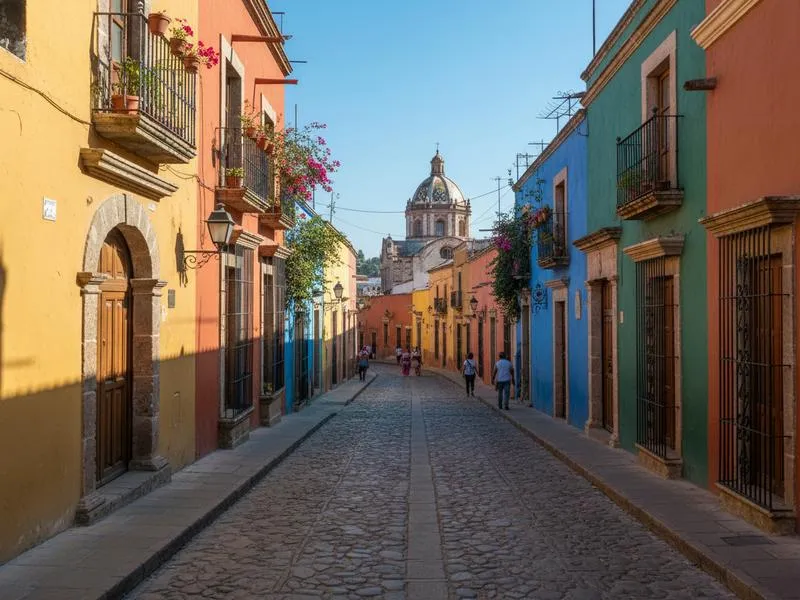
Semana Santa 2026 dates: March 29 (Palm Sunday) through April 5 (Easter Sunday)
San Cristóbal’s Holy Week is remarkable because it blends Catholic ritual with centuries of Tzotzil Maya tradition. This isn’t the beach party Semana Santa of the coasts — it’s solemn, theatrical, and culturally unlike anything else in Mexico.
What happens:
- Daily processions through the cobblestone streets carrying religious icons
- San Juan Chamula (12km outside the city) holds its own ceremonies on Good Friday — the church interior transforms with pine needles, candles, and rituals that have no equivalent elsewhere
- Markets expand across the city selling traditional crafts and food
- The central plaza fills every evening with families and visitors
Practical notes for 2026:
- Accommodation books out 2–3 months in advance. If you want to be here for Semana Santa, book by January at the latest.
- Prices rise 30–50% for the best hotels during peak days
- Car rental and bus routes get crowded — confirm your transport logistics early
- The city is crowded but the crowd is mostly Mexican families, not international tourists — this gives it a different energy than, say, Cancún during spring break
Day of the Dead: November 1–2
San Cristóbal observes Day of the Dead with particular seriousness. The indigenous community traditions here go deeper than the commercialized version you find in larger cities.
The municipal cemetery fills with families tending graves — candles, marigolds, food offerings, and music through the night of November 1st. It’s quiet, genuinely moving, and allows visitors to observe (not participate — observe respectfully from a distance).
The markets around November 1–2 sell traditional altar items, copal incense, and Day of the Dead crafts. This is also one of the best times to find traditional textiles, as artisans from the surrounding villages come into town in larger numbers.
Chiapas Coffee Season: November Through March
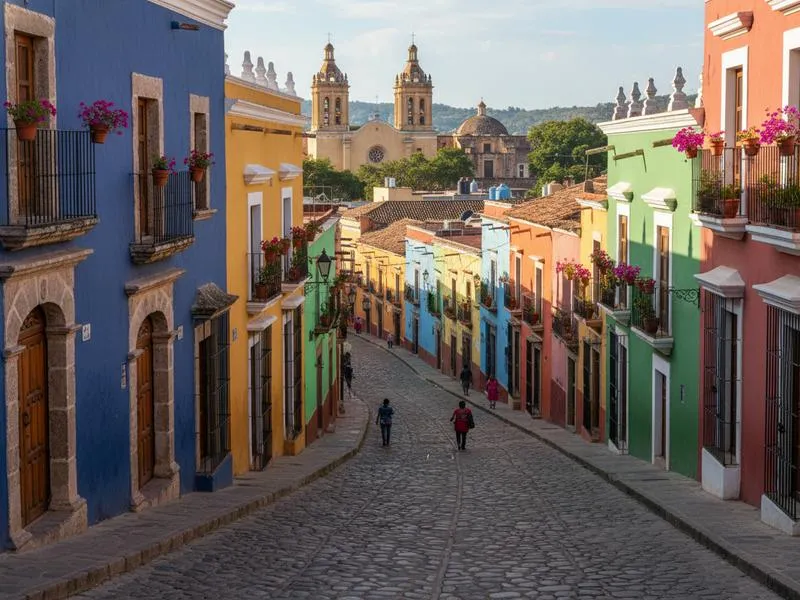
The highlands surrounding San Cristóbal produce some of Mexico’s finest coffee. The harvest runs November through March, which overlaps with the best weather for visiting.
Several cooperatives in the Chiapas highlands offer tours that combine visiting a working coffee farm, seeing the harvest and processing methods, and cupping sessions. This is not a manufactured tourist experience — these are actual cooperatives that supply specialty coffee roasters globally.
Notable areas to look for tours: Tenejapa, Zinacantán, and the Altos de Chiapas region. Ask at any of the specialty coffee shops in San Cristóbal’s center — they often have relationships with local farms and can connect you directly.
The coffee shops in San Cristóbal itself are worth noting. Several roast their own beans and take coffee seriously in a way that stands out even by Mexico City standards.
Amber Festival — December
San Cristóbal is one of the world’s major amber-producing regions — Chiapas amber is distinct from Baltic amber and has been worked by Maya craftspeople for centuries. The annual Amber Festival in December brings artisans, researchers, and buyers together.
Even outside the festival, the Amber Museum (Museo del Ámbar de Chiapas) is one of the better small museums in Mexico. The amber shops along Real de Guadalupe stock everything from rough stones to finished jewelry.
Day Trips by Season
Cañón del Sumidero — Year-Round
Sumidero Canyon runs 1,000 meters deep, the Grijalva River at the bottom. Boat tours from Chiapa de Corzo (45 minutes from San Cristóbal) run year-round. The canyon is spectacular in any season, though wildlife sightings (crocodiles, howler monkeys) are more common in dry season when water levels are lower.
Agua Azul — Dry Season Only (November–April)
The famous turquoise-blue color of Agua Azul’s tiered waterfalls requires low sedimentation — which means dry season. From May through October, heavy rains turn the water brown and the falls lose their signature look.
If your trip falls in the dry season, Agua Azul is worth the 2-hour trip from San Cristóbal. If you’re visiting in the rainy season, the falls are still impressive in scale but the turquoise color won’t be there.
Palenque Ruins — Year-Round
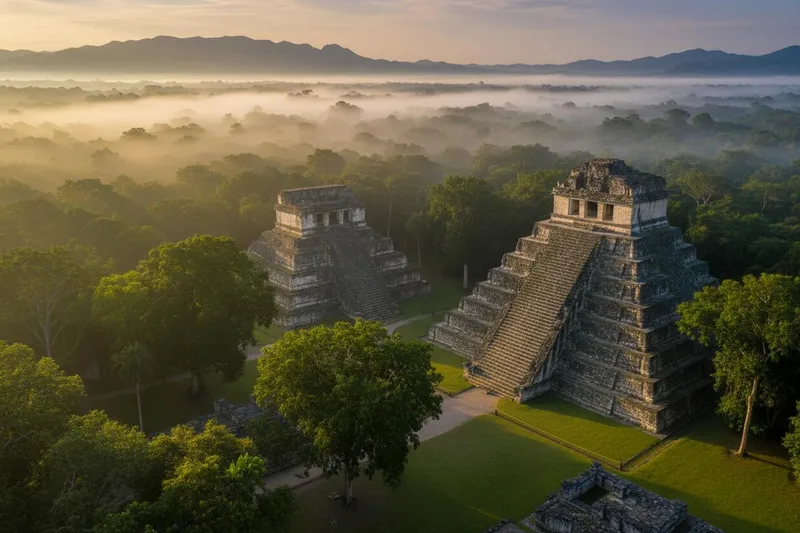
Palenque is a 3.5-hour drive from San Cristóbal. The ruins themselves are impressive any time of year, though the surrounding jungle is more active and greener in the wet season. The drive can be challenging in heavy rain (winding mountain roads), so leave early if you’re doing a day trip in July–September.
The combination of Palenque ruins + the Misol-Ha waterfall (en route) makes for an excellent full-day trip from San Cristóbal regardless of season.
For day trip ideas, see our day trips from San Cristóbal guide.
San Juan Chamula and Zinacantán — Year-Round
These two indigenous villages are 12km and 10km from San Cristóbal respectively and are the most essential day trips regardless of season. San Juan Chamula’s church — where traditional Tzotzil rituals replace the Catholic mass, photographed without permission — is unlike any religious building in Mexico. Zinacantán is known for flower cultivation and traditional weaving cooperatives.
Packing Essentials by Season
Dry Season (November–April)
- Light clothes for midday (20–23°C)
- A warm layer (sweater/fleece) — mandatory, every day. Evenings drop to 8–12°C even in March and April
- Walking shoes — cobblestones are hard on thin soles
- Rain jacket (light — occasional showers even in dry season)
- Sunscreen — the altitude means more UV exposure despite cool temperatures
Rainy Season (May–October)
- Same warm layers — altitude means evenings are always cool
- A real umbrella or waterproof jacket — not optional May–October
- Waterproof shoes or sandals with grip — cobblestones get slippery when wet
- Flexible afternoon plans — keep mornings active, afternoons for indoor activities
Tours and Experiences
Local operators in San Cristóbal run excellent Tzotzil village tours, coffee farm visits, and canyoning day trips. Viator aggregates reviewed operators for the region:
Browse San Cristóbal tours, Sumidero Canyon, and Palenque day trips →Practical Planning Notes
- Best months for first-timers: November, February, and early March
- Months to think twice about: July through September if your trip depends on long outdoor days and blue waterfalls
- Book early for Semana Santa: central hotels can sell out well in advance
- Pack layers every month: even April evenings can feel cold after dinner
Where to Stay
For hotel options across every budget, see our best hotels in San Cristóbal de las Casas guide. Book well in advance for Semana Santa (March–April).
Final Recommendations
Best overall visit: November, when the weather is dry, mornings are clear, prices are usually calmer than Easter or Christmas, and day trips are easy.
Best cultural experience: Semana Santa 2026 (March 29 to April 5) if you want processions, fuller plazas, and the city at its most atmospheric.
Best budget visit: June through September if you are comfortable planning around rain and mostly care about lower hotel prices.
Avoid if: You dislike cold evenings, unreliable afternoon weather, or seasonal road disruptions. In that case, skip peak rainy season and avoid the coldest winter nights unless your hotel has heating.
For the full city guide, see our things to do in San Cristóbal de las Casas and San Cristóbal from Oaxaca routing guide.
For broader Mexico timing, see best time to visit Mexico.