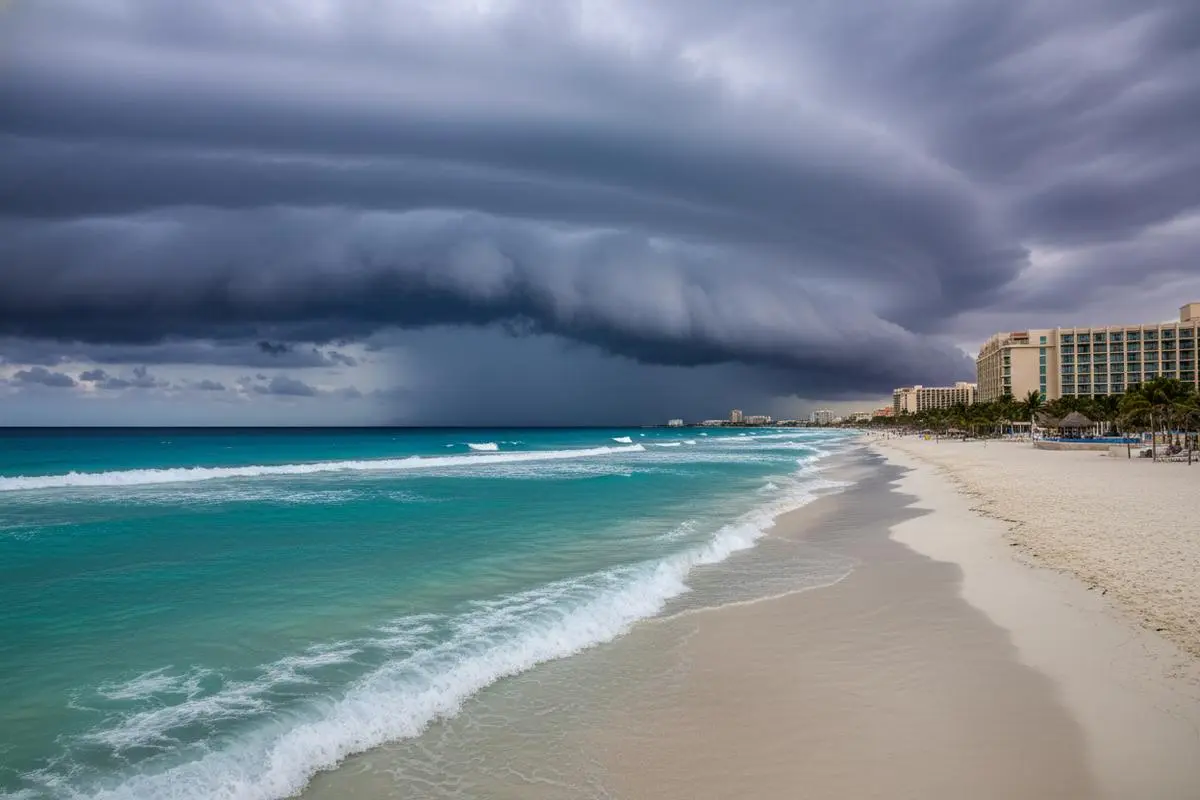
Cancun Hurricane Season 2026: Dates, Risk & Deals
Cancun hurricane season runs from June 1 to November 30, but the real travel decision comes down to month-by-month risk. June and early July are usually the best value window, while September and early October bring the highest storm concern.
That does not make Cancun in hurricane season automatically a bad idea. It makes it a pricing tradeoff. If you book the right month, choose a flexible hotel, and understand what usually gets disrupted first, Cancun can be excellent value. If you book the cheapest nonrefundable all-inclusive in mid-September and assume everything will work exactly like February, you are asking for stress.
The honest version is simple. Cancun’s hurricane season runs from June 1 to November 30, but the season is not equally risky from start to finish. June and July are usually the smartest value months. August is more of a judgment call. September is the most volatile month, and October still needs respect, especially in the first half.
For a broader timing view, compare this page with best time to visit Cancun, Cancun in September, and our wider Mexico hurricane season guide.
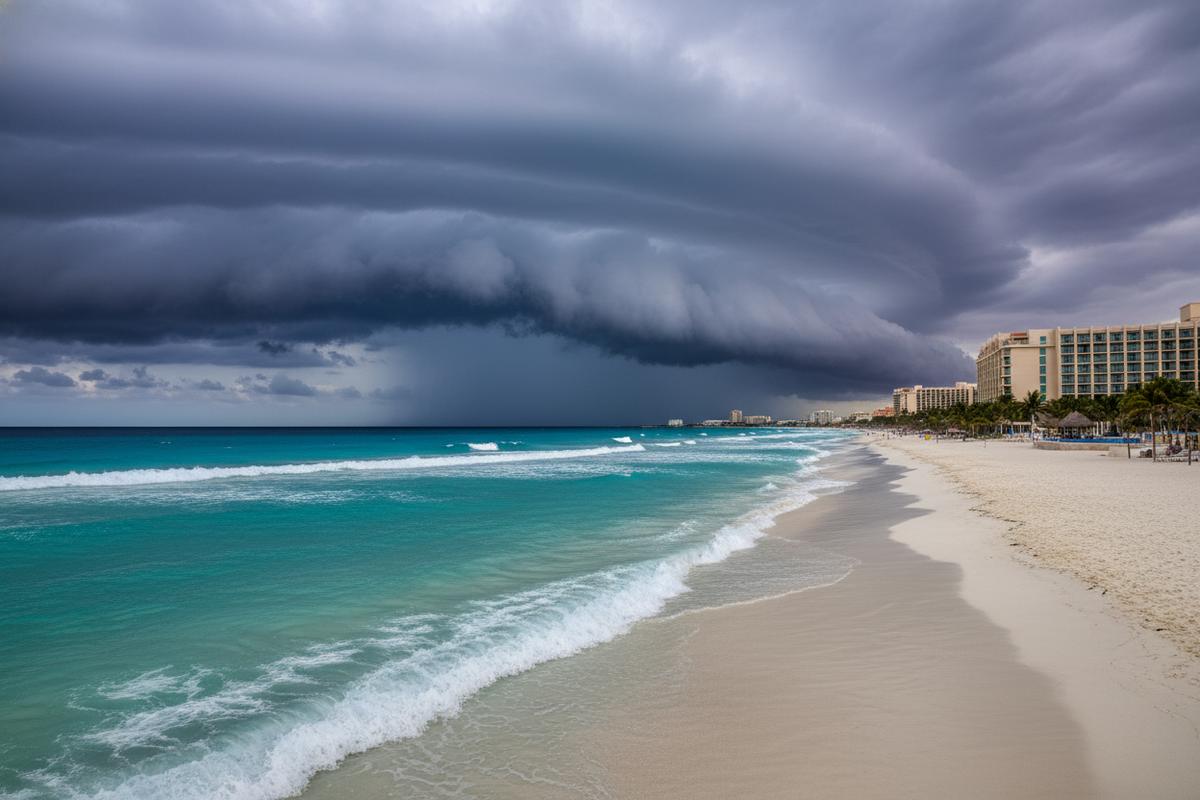
The Short Answer
If you want the fast version:
| Question | Quick answer |
|---|---|
| Best hurricane-season month for Cancun | June |
| Best value month if you can tolerate risk | Early July |
| Cheapest month | September |
| Highest weather risk | September, then early October |
| Best booking rule | Reserve a refundable hotel and monitor the National Hurricane Center |
| Biggest non-hurricane problem | Sargassum, especially late spring through early fall. See our 2026 sargassum guide |
| Who should skip it | Honeymooners and rigid family trips that need flawless beach weather every day |
Month-by-Month Reality in Cancun
| Month | Risk | Hotel value | What it feels like |
|---|---|---|---|
| June | Low to moderate | Strong | Warm, humid, workable, often the best value month |
| July | Moderate | Good | Hotter, whale sharks active, more family travel |
| August | Moderate to high | Good | Heavier humidity, rougher seas, stronger storm attention |
| September | High | Best | Cheapest rates, highest Atlantic concern |
| October | Moderate to high early, easing late | Strong | Still watchful, especially early in the month |
| November | Lower, especially later | Fair to moderate | Season still official, but the feel improves fast |
This table is why I keep coming back to June as the smartest answer. It is the month where Cancun still feels like a deal instead of a gamble.
What Hurricane Season in Cancun Actually Means
Travelers hear “hurricane season” and imagine a direct hit. That can happen, but it is not the most common problem.
Most hurricane-season Cancun trips that get affected are affected in smaller ways:
- rough water makes catamarans and snorkeling trips cancel,
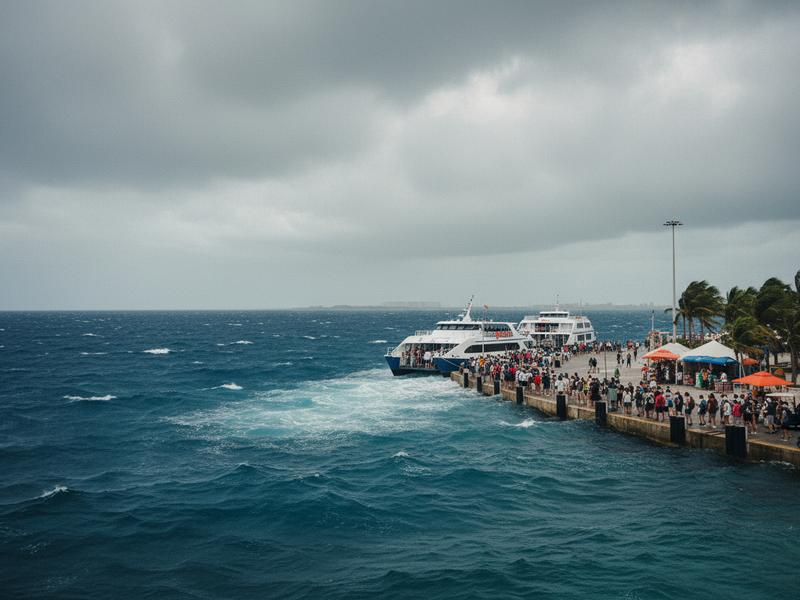
- ferries to Isla Mujeres get suspended,
- beaches go red-flag or close,
- the sky stays gray for a day or two,
- and resort plans shift from beach to pool, spa, and restaurant time.
That matters because a flexible traveler can still have a good week in those conditions. A traveler who came only for clear-water beach days will feel disappointed even if no hurricane actually makes landfall.
NOAA’s climatology is the right baseline here. The Atlantic season runs June 1 to November 30, and the basin’s average peak is around September 10. That is why I treat Cancun’s hurricane season as three different booking windows, not one.
The Three Cancun Windows
1. June to mid-July: the smart bargain window
This is my favorite answer for most value-minded travelers.
You are in the official season, yes, but the statistical risk is still lower than late summer. Hotel rates soften, the sea is warm, and you still have a decent chance at many good beach mornings. Whale shark season also opens, which gives summer a real upside.
Typical 2026 pricing in this window:
- solid 4-star all-inclusive: $170 to $290 USD (3,200 to 5,400 MXN) per night
- better family resorts: $240 to $380 USD (4,500 to 7,100 MXN) per night
- mid-range downtown or lagoon-side hotel: $70 to $140 USD (1,300 to 2,600 MXN) per night
If someone tells me they want Cancun in season, lower prices, and not too much forecast anxiety, this is the range I recommend.
2. Late July to August: workable, but more conditional
By late July and August, the humidity is heavier, afternoon storms are more common, and the weather starts feeling less forgiving. At the same time, families are traveling, whale shark season is strong, and water temperatures are fantastic.
This window can still work well if you are happy building the trip around cenotes, dining, pools, spa time, and day trips when the sea allows. It is less appealing if your whole itinerary depends on glassy water and long beach days.
3. September to early October: cheapest, hardest to recommend broadly
This is where rates can get truly attractive. It is also where the season becomes serious.
A good all-inclusive that might cost $350 to $500 USD (6,500 to 9,300 MXN) in winter can drop into the $150 to $250 USD (2,800 to 4,700 MXN) range. That looks great on the screen. But you are buying those savings in the most active part of the Atlantic season.
For flexible adults who can pivot easily, that may still be a good deal. For a first big Mexico trip, it usually is not the version of Cancun I want to sell you.
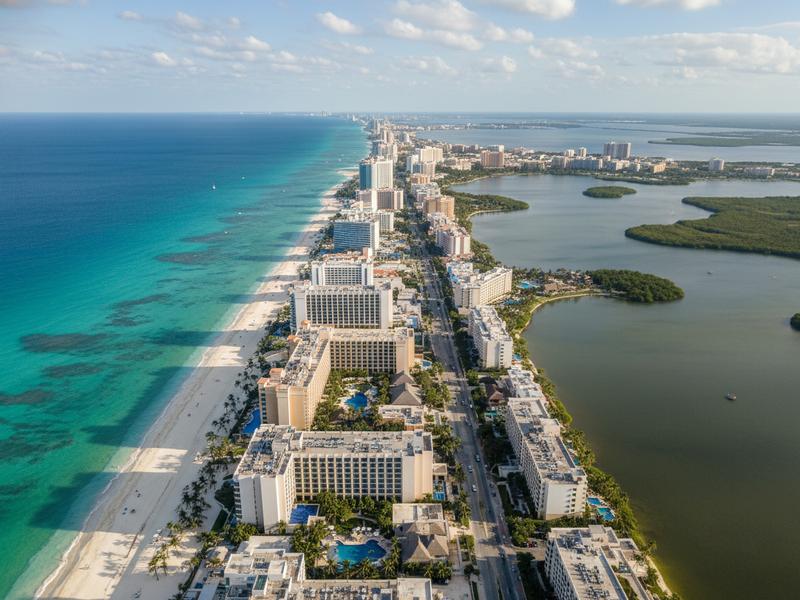
Hotel Zone or Downtown?
In good weather, the answer depends on budget and style. In hurricane season, the answer is more practical.
Stay in the Hotel Zone if:
- you want the easiest storm-season logistics,
- you care about strong resort staffing and backup systems,
- you want on-site restaurants and indoor options if the weather turns,
- or you simply want the smoothest experience.
Major resorts in the Hotel Zone know the drill. They have clear protocols, generator capacity at many properties, and staff used to handling weather alerts.
Stay downtown if:
- budget matters more than direct beach access,
- you plan to eat out constantly and explore the city,
- and you accept that your day-to-day experience is less insulated.
Downtown can save serious money. A clean mid-range downtown stay may run $60 to $110 USD (1,100 to 2,000 MXN) when Hotel Zone resorts are double or triple that. But if the weather gets messy, you lose the convenience buffer that a good resort gives you.
What Gets Disrupted First in Cancun
This is the part that matters more than the word “hurricane.”
First to go:
- whale shark boats,
- catamarans to Isla Mujeres,
- snorkeling trips,
- ferries when seas get rough,
- and some beach operations.
Usually still fine unless the system is more serious:
- airport operations,
- hotel stays,
- restaurants,
- shopping,
- and most indoor resort amenities.
This is why I like Cancun better in storm season than Tulum for many travelers. Cancun’s resort model is better at absorbing a few bad-weather days.
Airport, Ferry, and Tour Logistics
Cancun’s airport is one of the biggest strengths of choosing this destination in storm season. It usually keeps operating through weather that already ruins sea conditions. That does not mean every flight is safe from delay, but it does mean Cancun is easier to enter and exit than smaller beach markets.
The weak link is water transport. Ferries to Isla Mujeres are quick to feel rough weather, and whale shark or snorkeling operators make conservative calls when the sea builds. That is the right call, but it means your beautiful marine itinerary can unravel before the forecast ever looks dramatic on a weather map.
Practical rule: if a storm-season Cancun trip includes Isla Mujeres, whale sharks, or a same-week Cozumel detour, make those pieces the flexible part of the trip, not the fixed spine of it.
The Sargassum Factor
A lot of travelers focus so hard on hurricanes that they miss the more common summer problem: sargassum.
Cancun’s Hotel Zone is less exposed than Tulum in structural terms, but it is still part of the Mexican Caribbean seaweed cycle. In practice, that means you can have a week with no storm threat and still get mediocre beach conditions because of heavy seaweed.
That is why a hurricane-season Cancun plan should always include backup beach options:
- Isla Mujeres Playa Norte, usually clearer thanks to its orientation
- Puerto Morelos, where the reef helps reduce impact
- Cozumel’s west coast, the best escape route if clear-water snorkeling is the priority
- cenotes, completely unaffected by sargassum and often the best call on a humid day
If this matters to you, read the full sargassum Mexico 2026 guide before you book.
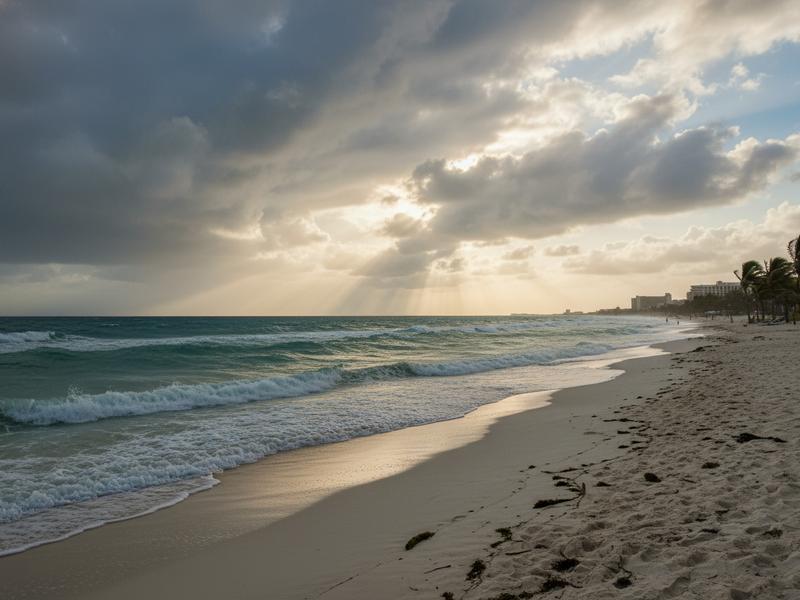
Hotel Guarantees and Emergency Basics
Many major Cancun resorts quietly bake storm-season policies into their terms, but travelers rarely read them. Before booking, search for three things: free cancellation cutoff, hurricane rebooking language, and what happens if your stay is interrupted after check-in.
You should also know the official preparedness basics at Ready.gov hurricanes and the Mexican weather service at CONAGUA. You probably will not need them, but if a storm gets close, those two sources are far more useful than group chats.
The Right Way to Book Cancun in Hurricane Season
Book flexible rates
This is non-negotiable for late summer and early fall. Paying a little more for a cancellable room is usually smarter than chasing the absolute cheapest listing.
Add insurance if the trip cost is meaningful
A solid one-week policy often runs about $40 to $75 USD (750 to 1,400 MXN). On a trip where flights plus resort could total $1,500 to $3,000 USD (27,900 to 55,800 MXN), that is usually worth it.
Build a trip that still works in imperfect weather
If your plan is beach, beach, beach, and one boat day, hurricane season is not the best fit. If your plan includes restaurants, spa time, cenotes, downtown tacos, and maybe a museum or shopping day, the trip is much easier to enjoy even if the forecast shifts.
Do not stack island logistics too tightly
If you are ferrying to Isla Mujeres or building a last-minute Cozumel detour, keep margin in the plan. Rough seas cancel things faster than many first-timers expect.
Who Should Book Cancun in Hurricane Season, and Who Should Not
Good fit
- travelers who care about resort quality more than nonstop beach perfection,
- couples flexible enough to move activities around,
- summer visitors who want whale sharks and warm water,
- and repeat Mexico travelers who know how to enjoy a slower weather day.
Bad fit
- rigid honeymoon itineraries,
- families with no appetite for forecast stress,
- travelers who want island ferries and catamarans every day,
- and anyone who books purely because the room looked cheap.
If you see a stunning room rate, always ask yourself whether you would still be happy if one or two beach days turned into pool, spa, tacos, and cenote days instead.
My Honest Recommendation
If you want Cancun in hurricane season and you want me to be blunt:
- Best overall answer: go in June
- Best if whale sharks matter: July or August, with flexible expectations on beach quality
- Best for rock-bottom prices only: September, but only if you are genuinely comfortable with risk and change
- Worst fit for most first-timers: late September beach-first trips
Cancun is still one of the easiest places in Mexico to “do” hurricane season because the city has scale, airport access, big resorts, and backup options. But that does not make every month equally wise.

Final Take
Cancun during hurricane season is worth it for travelers who understand what they are buying.
You are buying better prices, warmer water, and lower crowds in exchange for more uncertainty.
That can be a great trade. Just do not confuse “cheap” with “easy.” If you want the easiest version of Cancun, go in dry season. If you want the best-value version, choose June or early July and book with enough flexibility that a bad forecast stays manageable.