Cuernavaca, Mexico: 8 Best Things to Do + Day Trip
Cuernavaca, Mexico rewards a day trip or overnight stay with 8 standout sights, including Diego Rivera’s murals at the Palace of Cortés, the UNESCO-listed Xochicalco ruins, Jardín Borda, and the enormous Jardines de México. Just 80km south of Mexico City, the City of Eternal Spring also has easy CDMX bus links, a compact historic center, and warm weather year-round. This guide covers the best things to do first, then costs, safety, transport, and whether staying overnight is worthwhile.
Today Cuernavaca (population ~340,000) is known as Mexico’s language school capital — dozens of Spanish-immersion schools have operated here since the 1960s, drawing students from across the Americas and Europe. The city’s colonial core is compact, walkable, and filled with excellent restaurants, gardens, and museums. Xochicalco, a UNESCO World Heritage pre-Aztec pyramid complex 38km southwest, makes Cuernavaca a legitimate ruin destination, not just a garden retreat.
Quick Facts
| Detail | Info |
|---|---|
| State | Morelos |
| Distance from CDMX | ~80km, 45–90 min by car |
| Elevation | 1,500m (4,921 ft) |
| Average Temperature | 22°C (72°F) year-round |
| Best Day to Visit | Tuesday–Thursday (fewest crowds) |
| Uber | ✅ Works in Cuernavaca |
| Language Schools | 20+ Spanish-immersion schools |
| Time Needed | 1 full day (or 1 overnight) |
Getting to Cuernavaca
By Car: Take MEX-95D (Autopista del Sol) from Periférico Sur in CDMX. 80km, typically 45–75 minutes without traffic — add 30–60 minutes during Friday afternoons or holiday weekends. Tolls: ~120–160 MXN each way. Parking in the centro histórico around Calle Guerrero and near the Jardín Borda is available (~50–80 MXN/day).
By Bus from CDMX: Pullman de Morelos and ADO run frequently from Taxqueña terminal (Metro Line 2, Taxqueña station). Journey: ~90 minutes, 120–200 MXN one-way. Buses depart every 20–30 minutes starting early morning. Note: some buses also leave from TAPO, but Taxqueña is closer and faster from the south of CDMX.
Bus Terminal in Cuernavaca: Casino de la Selva terminal, a short Uber (~30 MXN) from downtown.
→ Full guide: Mexico City to Cuernavaca | Day Trips from Mexico City
8 Best Things to Do in Cuernavaca
1. Palace of Cortés — Diego Rivera’s Political Masterpiece
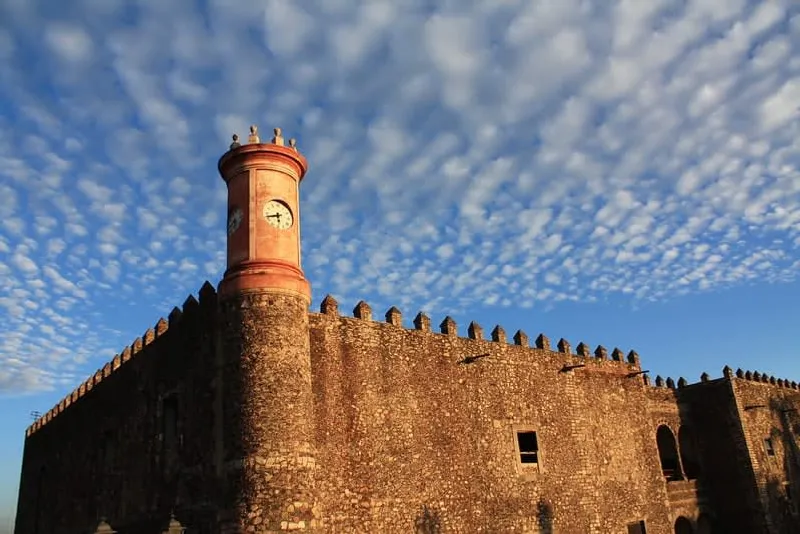
The Palacio de Cortés (officially Museo Regional Cuauhnáhuac) is the single most important cultural site in Cuernavaca. Built by Hernán Cortés starting in 1526 on the foundations of an Aztec pyramid, this massive stone fortress dominated the city for centuries. But what makes it worth the visit today is what’s inside: a sweeping Diego Rivera mural cycle painted in 1930–1931, commissioned by US Ambassador Dwight Morrow.
The murals span the second-floor loggia and depict the conquest of Mexico, the colonial period, the independence movement, and the Mexican Revolution — all from a sharply anti-colonial perspective. Rivera painted Cortés with a deformed hand (historical truth — he had a birth defect) and Zapata prominently front and center. It’s one of Rivera’s most overtly political works, painted at the invitation of an American diplomat. That tension is part of what makes it fascinating.
Entry fee: ~80–100 MXN | Hours: Tuesday–Sunday, 9:00 AM–5:30 PM
2. Xochicalco — UNESCO Pyramid with a Working Solar Observatory
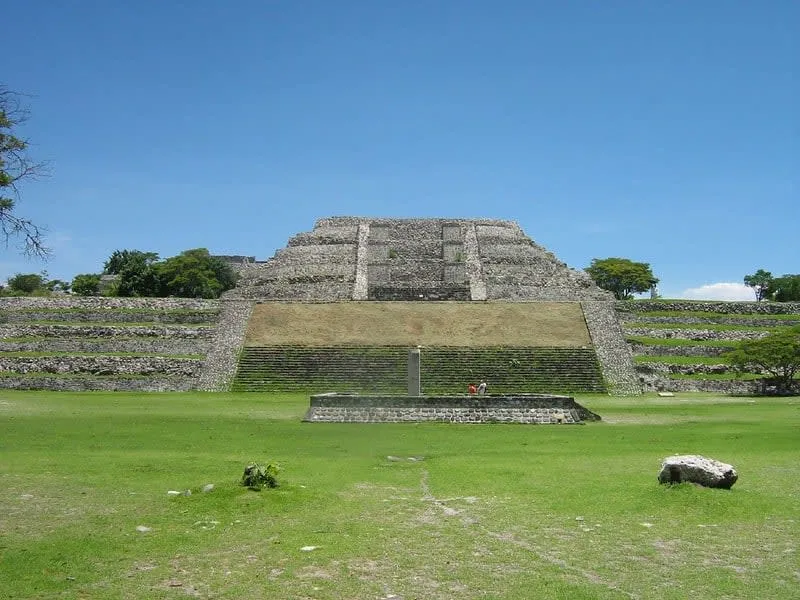
Xochicalco (38km southwest of Cuernavaca) is a pre-Aztec hilltop fortress complex that was occupied from roughly 650–900 AD, during the collapse of Teotihuacán. The name means “place of the house of flowers” in Nahuatl, but the site was anything but peaceful — it served as a military stronghold and a cross-cultural trading center where Maya, Zapotec, and Gulf Coast artistic traditions all merged.
The centerpiece is the Pyramid of the Feathered Serpent — a single-level platform covered in elaborate bas-relief carvings of plumed serpents, priests in jaguar costumes, and calendar glyphs. Arguably more impressive than anything at Teotihuacán in terms of decorative detail. Nearby, an underground solar observatory (a cave with a hexagonal opening in the ceiling) was used to precisely calculate the position of the sun during zenith passages — it still works, and on certain dates (late April/May), a shaft of sunlight illuminates the cave floor.
Entry fee: ~90–100 MXN (INAH) | Hours: Daily 9:00 AM–5:30 PM | Transport: Rental car recommended (no public bus); Uber from Cuernavaca ~250–400 MXN each way
→ Related: Day Trips from Mexico City
3. Jardín Borda — Emperor Maximilian’s Garden
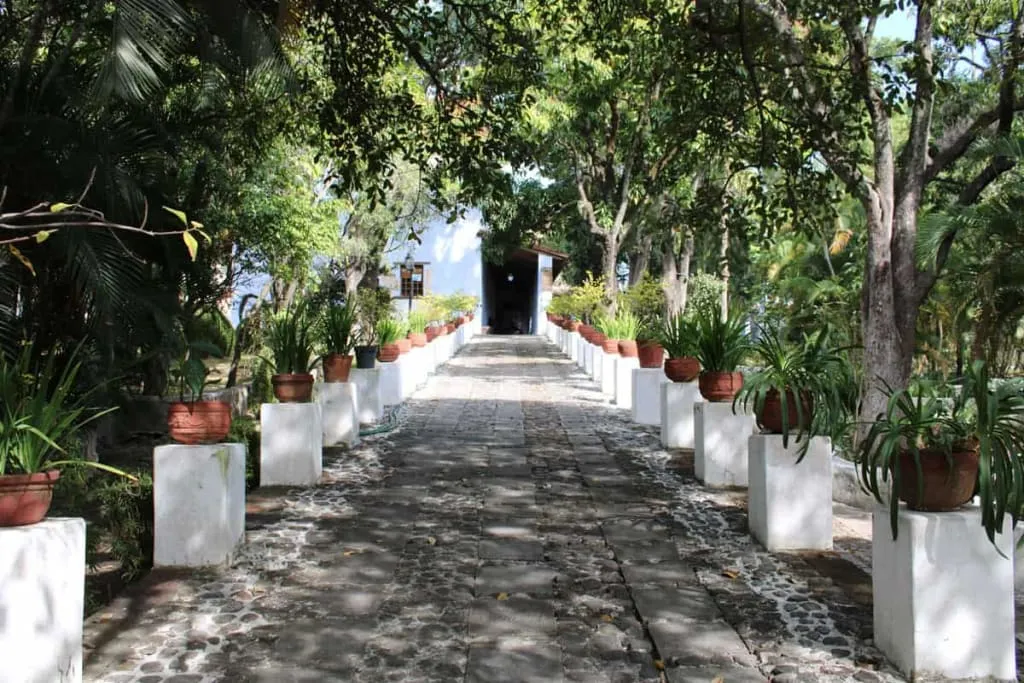
The Jardín Borda was the summer retreat of Empress Carlota and Emperor Maximilian during Mexico’s brief imperial period (1864–1867). Built originally by silver magnate José de la Borda in the 18th century, the garden contains terraced lawns, an artificial lake, pavilions, and a colonial mansion. When Maximilian and Carlota took it over, they converted the estate into a romantic retreat — Carlota reportedly loved the climate so much she wanted to make Cuernavaca the permanent imperial capital.
Today it operates as a botanical garden and museum with rotating art exhibitions. The artificial lake is small but photogenic, and the terraced layout looks genuinely different from anything else in Morelos.
Entry fee: ~50 MXN | Hours: Tuesday–Sunday, 10:00 AM–5:30 PM
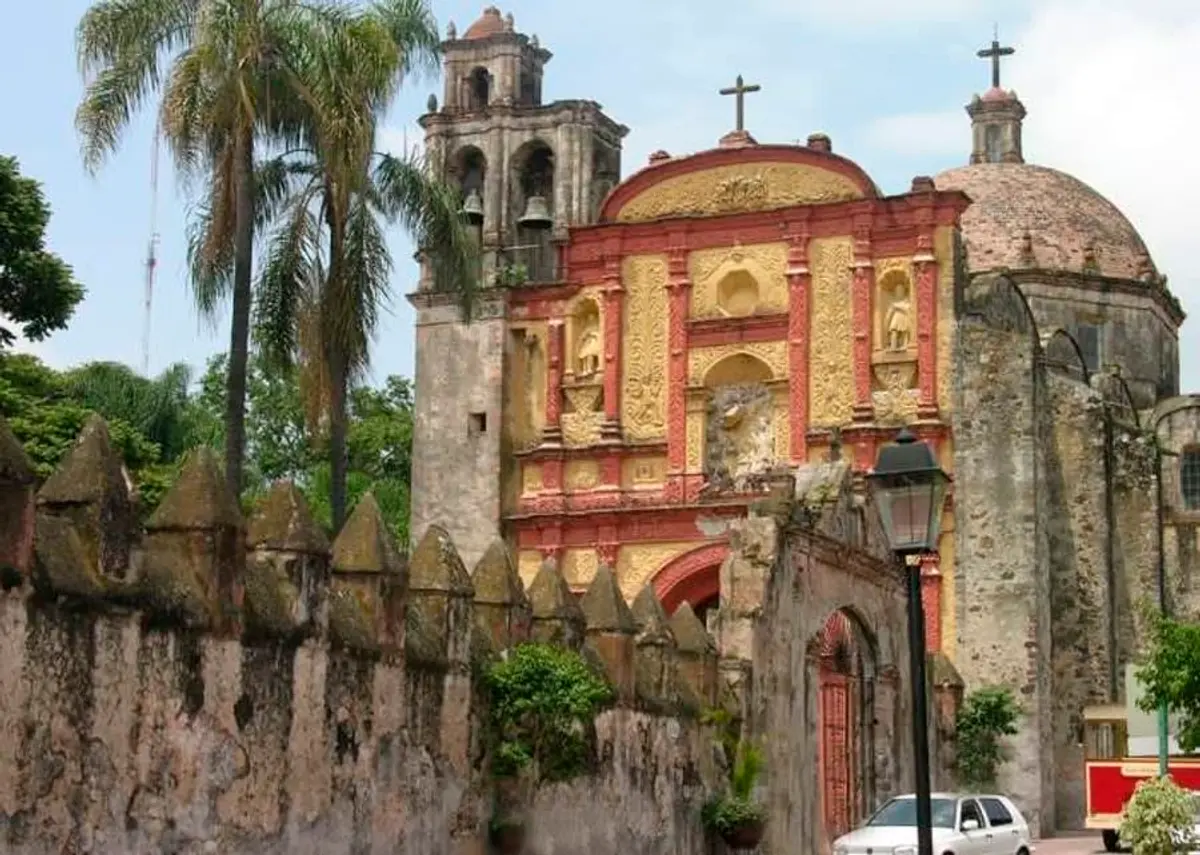
4. Cuernavaca Cathedral (Catedral de la Asunción)
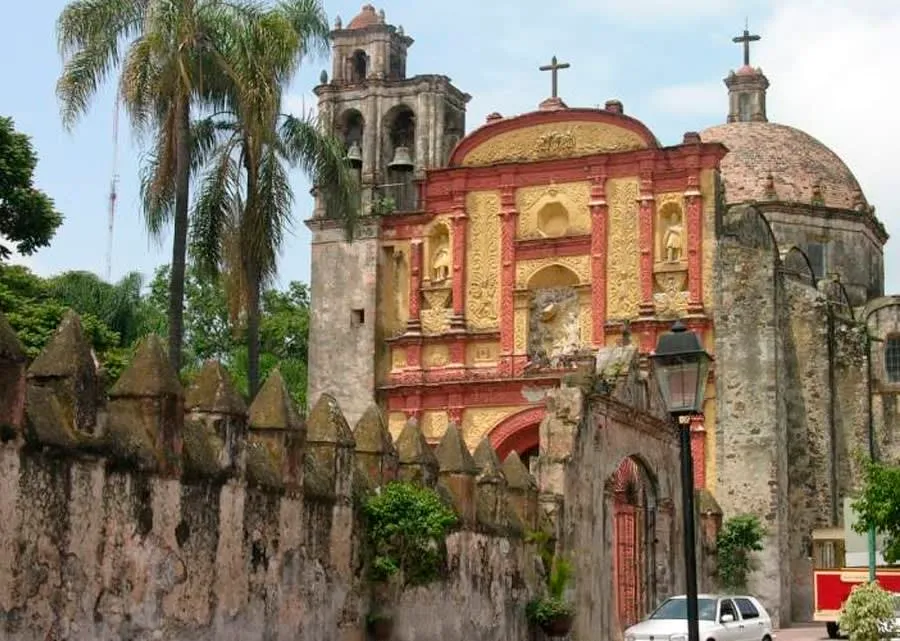
The Cathedral of the Assumption was founded in 1525 by the first twelve Franciscan friars who arrived in Mexico — making it one of the oldest cathedrals in the Western Hemisphere. The original structure was fortified like a military barracks (it doubles as a fortress), which explains the thick stone walls and the lack of the decorative flourishes you’d expect from a cathedral.
It’s part of the UNESCO “First Monasteries on the Slopes of Popocatépetl” World Heritage designation — a cluster of 16th-century Franciscan monasteries that represent the earliest stages of Christianization in Mexico. Look for the open-air atrio (courtyard) where outdoor masses were held for indigenous converts — standard for early colonial churches in Mexico, before they had enough pews for local populations.
Entry: Free | Mass times: Consult the cathedral for current schedule
5. La Tallera Siqueiros — The Mural Workshop (Free)
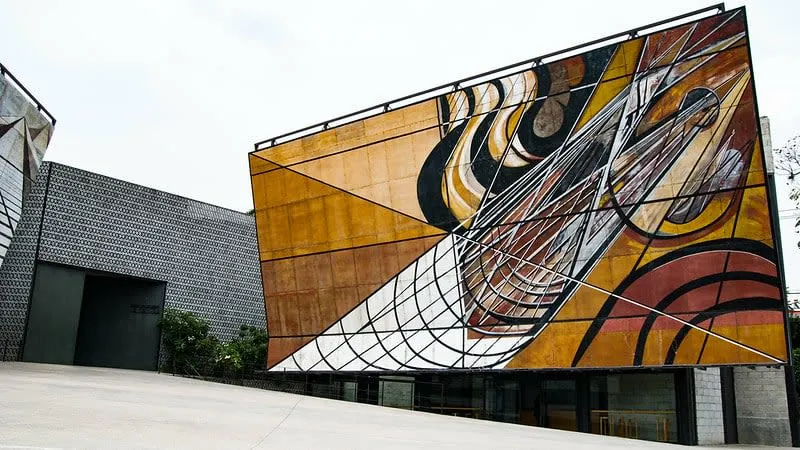
David Alfaro Siqueiros is considered one of Mexico’s three great muralists (alongside Rivera and Orozco), and Cuernavaca was his home and studio for decades. La Tallera (the workshop) is the house where Siqueiros created many of his late works and spent the final years of his life. It now operates as a free museum with three permanent exhibition halls of his work plus temporary shows.
The permanent collection includes large-format canvases and prints that show Siqueiros’ distinctive dynamic style — he was the first muralist to experiment with industrial spray paint. He also spent time in prison here (for opposing the government) and was famously linked to the failed 1940 assassination attempt on Trotsky in Mexico City.
Entry: Free | Hours: Tuesday–Sunday, 10:00 AM–6:00 PM | Address: Calle Venus 52, Jardines de Cuernavaca
6. Teopanzolco Archaeological Site
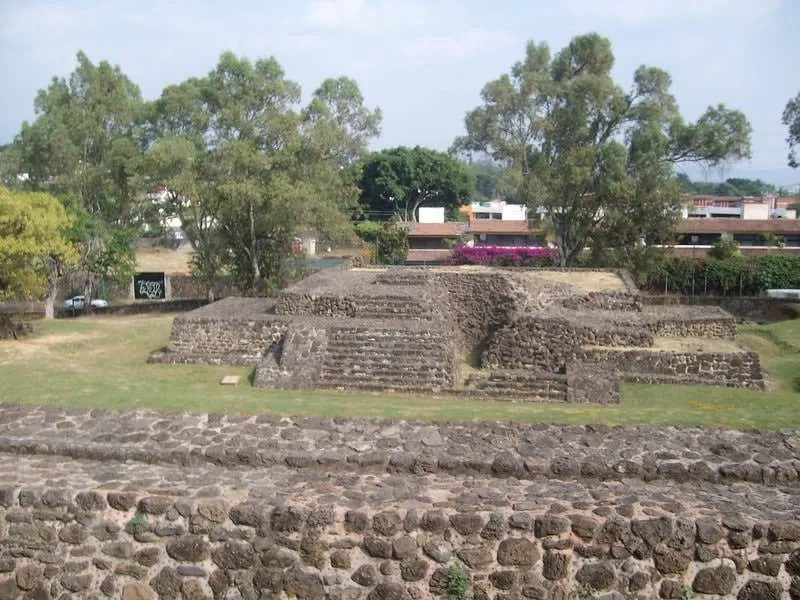
Teopanzolco is an Aztec twin-pyramid complex sitting in the middle of the modern city — you can see it from the ring road. Built by the Tlahuica people (an Aztec-aligned culture) between 1200–1521 AD, it features two superimposed pyramids (an outer shell built over an inner original, standard Aztec construction practice). The name means “in the old temple” in Nahuatl.
The site is small by Teotihuacán standards but the location is striking — surrounded by suburban streets, offering an unexpectedly visceral reminder that the whole Cuernavaca basin was densely occupied before Spanish arrival. The Vista Hermosa neighborhood around the site is pleasant for a walk afterward.
Entry fee: ~85 MXN | Hours: Wednesday–Sunday, 9:00 AM–4:00 PM
7. Robert Brady Museum — 1,400-Piece Art Hoard
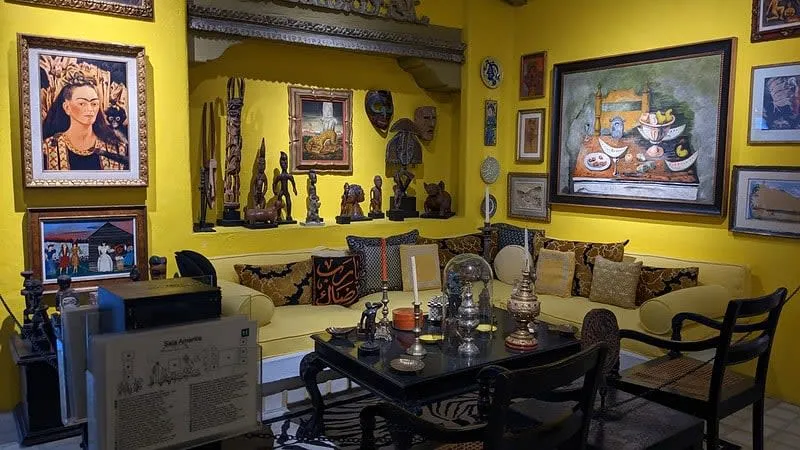
American artist and collector Robert Brady spent 25 years assembling one of the most personal art collections in Mexico. He acquired roughly 1,400 objects — pre-Columbian pieces, colonial paintings, African masks, Asian textiles, modern Mexican art, works by Diego Rivera and Frida Kahlo — and displayed them in his colonial home next to the Jardín Borda. He lived there from 1963 until his death in 1986 and donated the house and collection to the city.
What makes this museum unusual is the installation approach: Brady didn’t organize by period or culture. He arranged pieces based on visual rhythm, color, and how they made him feel — like a private home, not a conventional museum. It’s one of the most intimate major collections in Mexico.
Entry fee: ~50 MXN | Hours: Tuesday–Sunday, 10:00 AM–6:00 PM
8. Jardines de México — Flower Theme Park
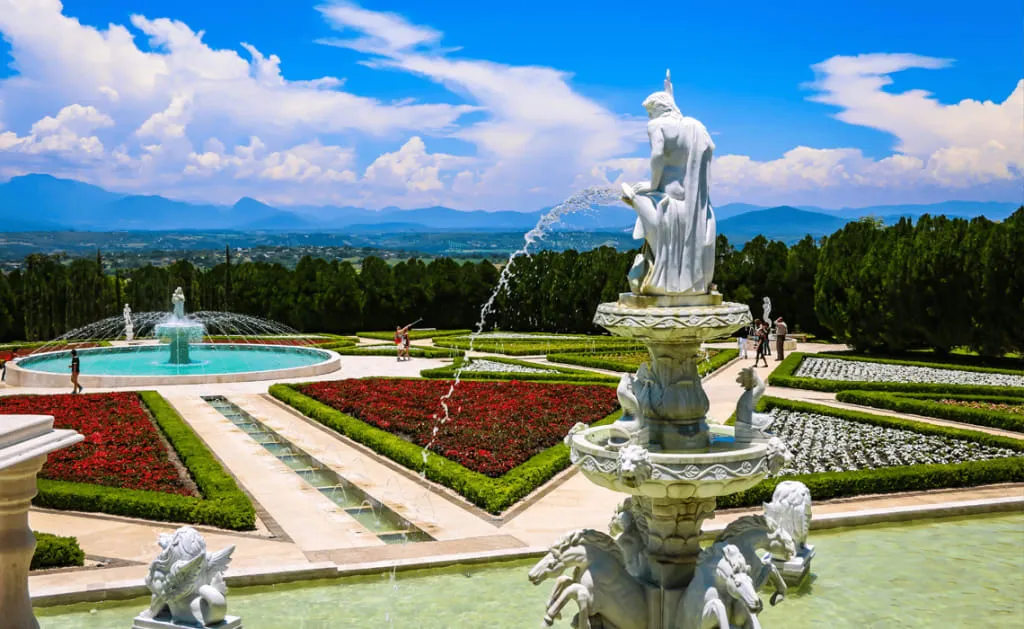
Jardines de México bills itself as the world’s largest flower garden — 57 hectares divided into themed zones (rose garden, succulent garden, butterfly habitat, edible plants, and more). Best visited in spring (March–May) when the wildflowers peak, or in autumn for dahlia season. The park also has a restaurant with weekend buffet service and a children’s play area.
Entry: 275 MXN adults / 225 MXN seniors & children (book online at jardinesdemexico.com for a small discount). Dogs allowed (one per adult, on leash). Hours: Tuesday–Sunday, 9:00 AM–6:00 PM. Transport: Uber from downtown (~50 MXN) or rental car — it’s outside the city center toward Xochitepec.
Food Guide
| Dish | What It Is | Where to Eat |
|---|---|---|
| Pozole Morelos-style | Red pork hominy stew with oregano, radish, tostadas | La Universal, Zócalo area |
| Cecina de Yecapixtla | Salt-dried beef from nearby Yecapixtla — best in Mexico | Mercado Municipal, Calle Guerrero |
| Tamales Verdes | Green salsa chicken tamales (Morelos is tamale country) | Morning markets |
| Enchiladas Verdes | Tomatillo-sauced chicken enchiladas | Fonda El Ranchero |
| Tlayudas | Oaxacan-style corn flatbread (Morelos has a strong Oaxacan migration community) | La Estaca |
Casa Hidalgo (Jardín Juárez, terraced restaurant with Zócalo views) is the landmark formal-dining choice — open daily from 8:30 AM, duck tacos and pipian pork loin are standouts.
Las Mañanitas hotel restaurant is widely considered one of the top five hotel restaurants in Mexico — peacocks roam the tropical garden during lunch. Reservations essential for weekend brunch.
Language Schools
Cuernavaca has been the Spanish-immersion capital of the Americas since the 1960s when the Intercultural Center for Documentation (CIDOC) — founded by Ivan Illich — began attracting American scholars, priests, and Peace Corps volunteers. The school culture stuck. Today 20+ schools operate in Cuernavaca, offering programs from 1 week to 3 months, typically combining 4–6 hours of instruction daily with homestay accommodation. Major schools include Academia Hispano Americana, Cemanahuac, and Ideal Latinoamerica. A week of intensive study with homestay runs $600–$1,200 USD depending on the school and season.
Practical Tips
| Topic | Details |
|---|---|
| Best time to visit | October–May (dry season, cooler nights). July–September is rainy season — beautiful green but expect afternoon showers |
| Day trip timing | Leave CDMX by 8 AM; return before 5 PM to avoid rush hour on the Autopista del Sol |
| Budget (day trip) | ~$40–80 USD including transport, 2–3 sites, lunch |
| Uber | Works throughout Cuernavaca — use it instead of street taxis |
| ATMs | Abundant in the centro; use Citibanamex or HSBC to avoid DCC fees |
| Safety | Centro histórico and main tourist sites: generally safe during the day |
| Nearby | Tepoztlán (30 min) + Xochicalco (40 min) make a strong combo day |
Day Trip Combinations
Classic Cuernavaca Day (8 hours):
- 9:00 AM — Palace of Cortés + Diego Rivera murals (1.5 hrs)
- 11:00 AM — Cathedral + Jardín Borda walk (1 hr)
- 1:00 PM — Lunch at Casa Hidalgo or Mercado Municipal
- 3:00 PM — Teopanzolco ruins (1 hr)
- 4:30 PM — Drive back to CDMX before rush hour
Ruins + City (10 hours):
- 8:00 AM — Drive straight to Xochicalco (38km south of city) before heat
- 10:30 AM — Drive to Cuernavaca
- 11:30 AM — Palace of Cortés (1 hr)
- 1:00 PM — Lunch
- 2:30 PM — Jardín Borda or Robert Brady Museum
- 5:00 PM — Return to CDMX
Cuernavaca + Tepoztlán (full day):
- Morning: Tepoztlán (pyramid hike + market)
- Afternoon: Cuernavaca (Palace of Cortés + cathedral) → See: Tepoztlán Travel Guide
Getting Around Cuernavaca
The centro histórico is walkable — Palace of Cortés, Cathedral, Jardín Borda, Robert Brady Museum, and the Zócalo are all within a 15-minute walk. Teopanzolco is a short Uber ride (~3km). Xochicalco and Jardines de México require a car or Uber. Uber works well throughout the city.
Related Guides
- Mexico City to Cuernavaca — bus schedules, driving guide, toll costs
- Day Trips from Mexico City — Cuernavaca vs. 12 other options ranked
- Tepoztlán Travel Guide — nearby Pueblo Mágico 30 minutes away
- Taxco Travel Guide — silver city 60km south, Semana Santa destination
- Mexico City Travel Guide — planning your CDMX base
Browse Cuernavaca tours on Viator — Xochicalco + Cuernavaca combo tours depart from CDMX daily.