Tlaxcala Firefly Sanctuary 2026 Guide
Why the Tlaxcala Firefly Sanctuary Matters in 2026
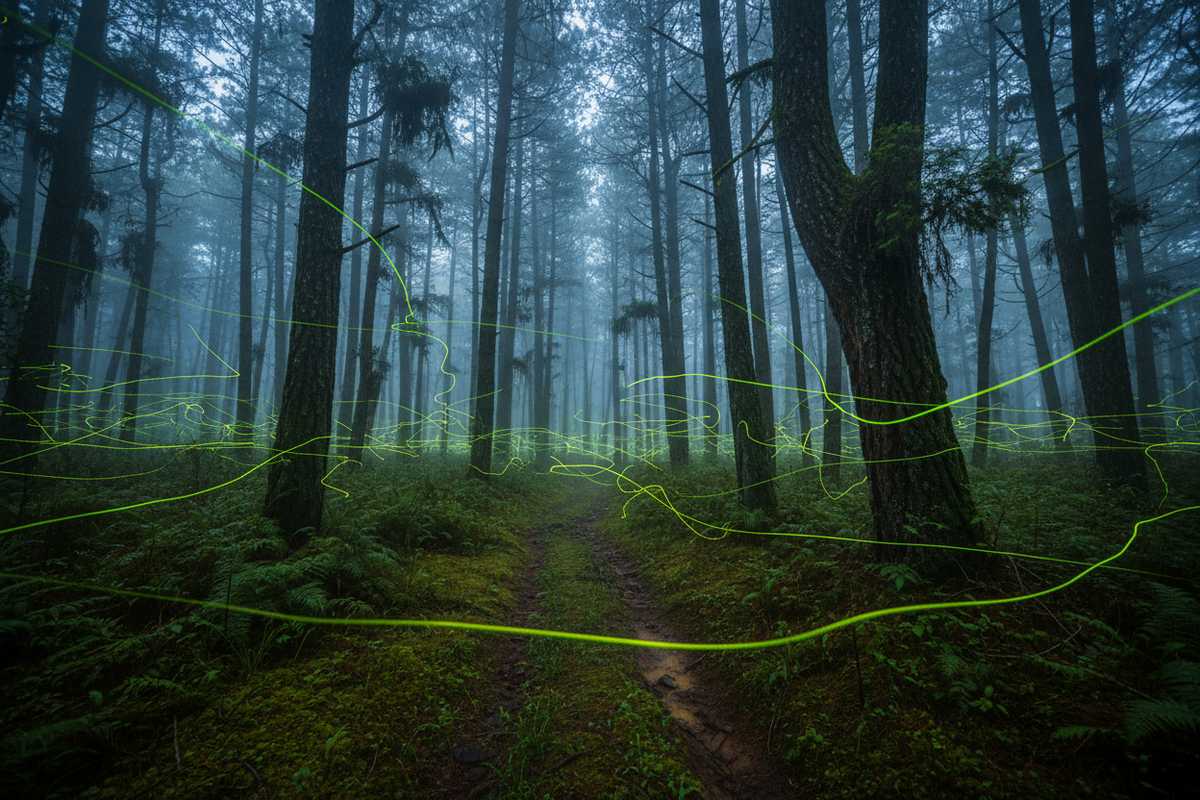
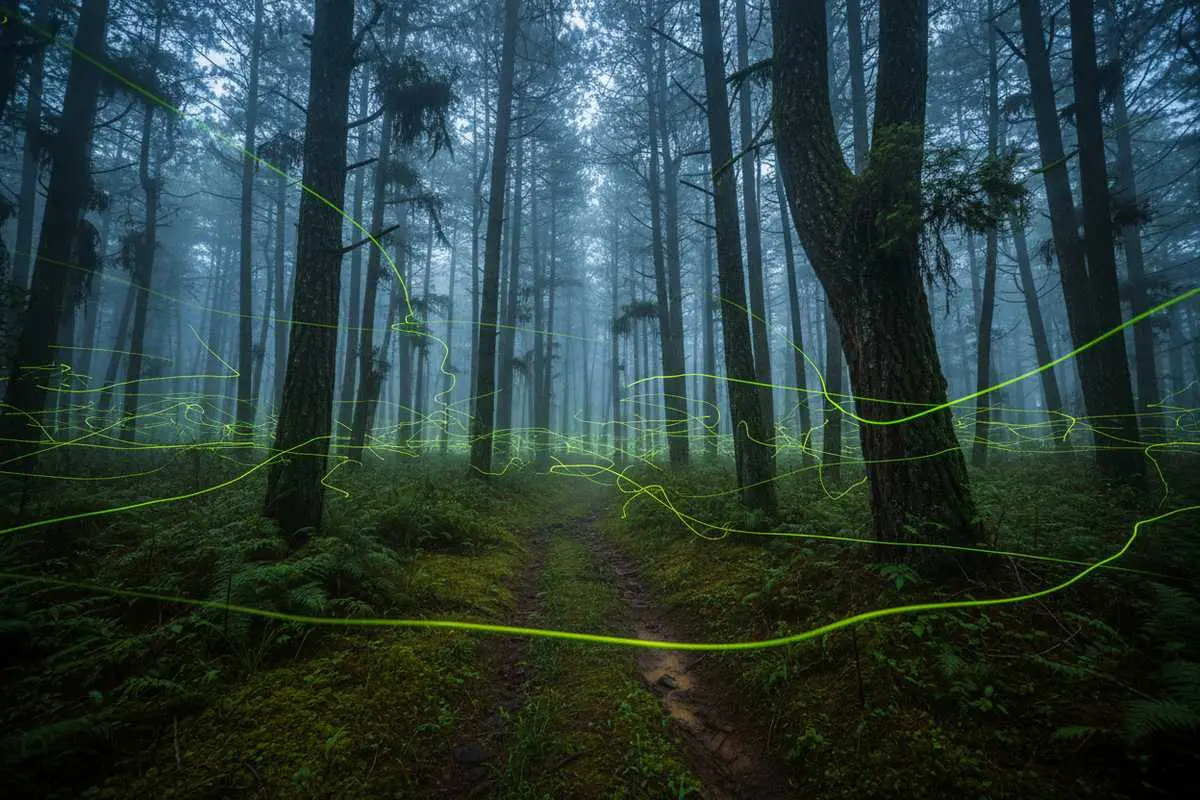
The Tlaxcala Firefly Sanctuary is one of the best short summer trips from Mexico City or Puebla because it depends on a narrow natural window. You cannot see the show in January, Easter week, or Day of the Dead season. You need rain, forest moisture, darkness, and the June to August mating season.
That timing is exactly why this cluster matters now. Travelers planning July and August trips are already weighing beach sargassum, afternoon rain, school holidays, and city heat. The firefly forest gives them a cooler, quieter alternative within a few hours of Mexico City.
Start here if you need the full decision. Then use the deeper guides for Nanacamilpa Firefly Sanctuary, how to get to the Tlaxcala Firefly Sanctuary, and where to stay for Tlaxcala fireflies once you are ready to book.
For wider trip context, pair this with Mexico in July, Mexico in summer, and Tlaxcala things to do.
Quick Answer: Dates, Place, Cost, and Best Fit
| Planning question | Short answer |
|---|---|
| Main season | June through mid-August |
| Best odds | July, especially after steady rain |
| Best base | Nanacamilpa for forest access; Tlaxcala City or Puebla for easier hotels |
| Best transport | Rental car, private driver, or organized evening tour |
| Typical entry or guided access | $20-45 USD ($340-765 MXN) per person |
| Mexico City tour range | $70-140 USD ($1,190-2,380 MXN) per person |
| Best for | Couples, families with patient kids, nature travelers, photographers who can follow rules |
| Poor fit | Travelers who need guaranteed weather, nightlife, or bright-phone photography |
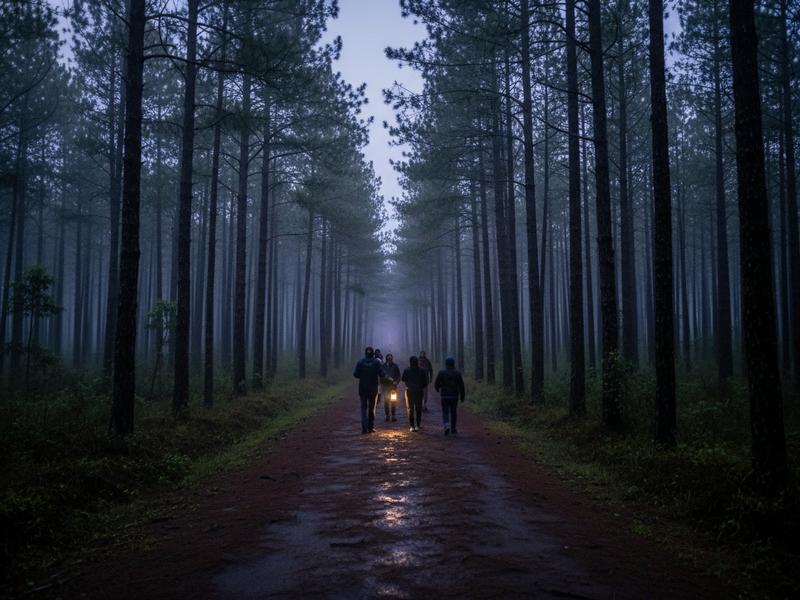
The experience is simple but strict. You arrive before dark, receive rules, walk into the forest with a guide, wait quietly, and let your eyes adjust. If the weather cooperates, thousands of small green-yellow lights begin flashing between the trees.
The official-style operator pages are the best place to confirm exact 2026 openings. Canto del Bosque lists a 2026 season from June 5 to August 16, while broader destination listings from Visit Mexico describe the Nanacamilpa and Calpulalpan forests as a June to August summer phenomenon.
Best Time to Go: June, July, or August
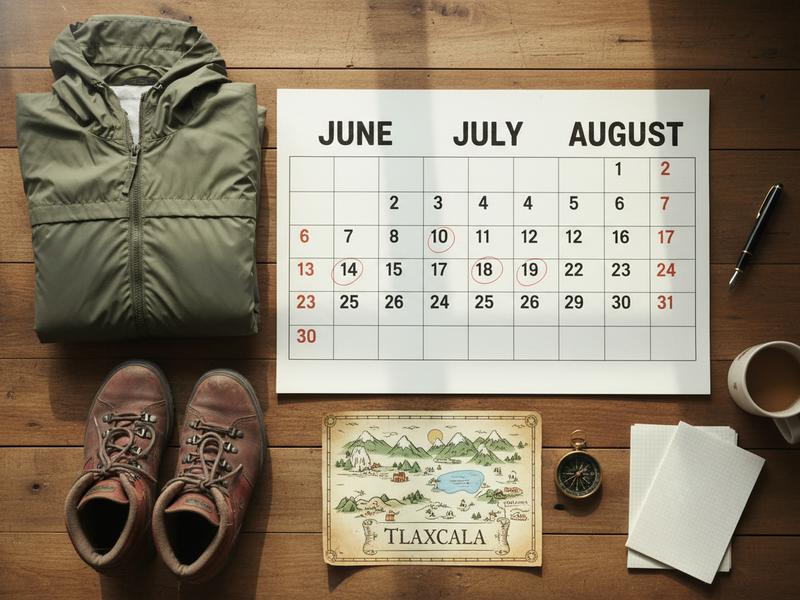
The best month for the Tlaxcala Firefly Sanctuary is usually July. June can be beautiful but more variable, especially before the forest has had enough rain. August can still work, but the strongest activity often starts tapering after the first half of the month.
Think about the season in three parts:
| Month | What to expect | Best traveler type |
|---|---|---|
| Early to mid-June | Opening dates, softer crowds, less certainty | Flexible travelers who can accept lower odds |
| Late June to July | Strongest practical window | First-time visitors, families, photographers, couples |
| Early to mid-August | Still possible, with softer demand after peak | Budget travelers and late planners |
Last-minute 2026 note (checked August 9): Canto del Bosque’s official booking window closes Sunday, August 16, leaving one final week. Treat any later date as unavailable unless a different authorized sanctuary confirms its own operating calendar directly.
Rain is not the enemy. The fireflies need moisture. The problem is heavy storm timing, lightning, or trail conditions that make a viewing unsafe or weak. If you can choose, plan two nights nearby instead of one rushed round trip. That gives you one backup evening if weather interrupts the first attempt.
For the broader summer tradeoff, read Mexico rainy season. The same rule applies here: afternoon storms are normal, but a flexible plan can turn rainy season into an advantage.
How the Night Visit Works
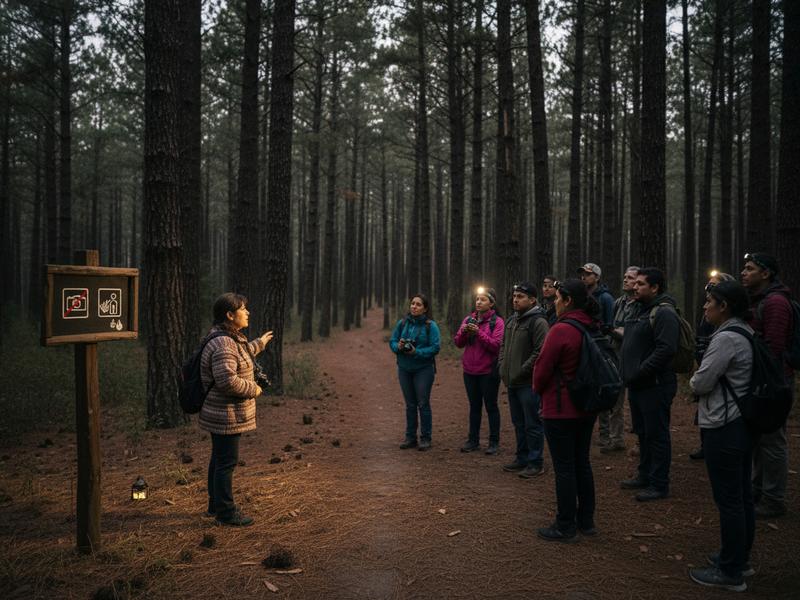
Most sanctuaries run on a similar rhythm. You arrive in the late afternoon, check in, eat or wait, receive a briefing, then enter the viewing trail near dusk. The main glow is usually after full darkness, and the guided walk can last around one to two hours depending on the operator and weather.
The rules matter more than most travelers expect:
- no flash photography
- no bright phone screens on the trail
- no white flashlights unless the guide allows a covered safety light
- no insect repellent inside the viewing area
- no loud music or shouting
- no leaving the trail
- no grabbing branches, insects, or plants
These are not cosmetic rules. Fireflies communicate with light. Bright screens and flash can interrupt the display and damage the experience for the entire group.
If you want photos, ask your operator what is allowed before booking. Some places allow long-exposure photography from limited positions; others keep the experience phone-free. Go in expecting memory over content, and you will enjoy it more.
Tickets, Tours, and How to Choose an Operator
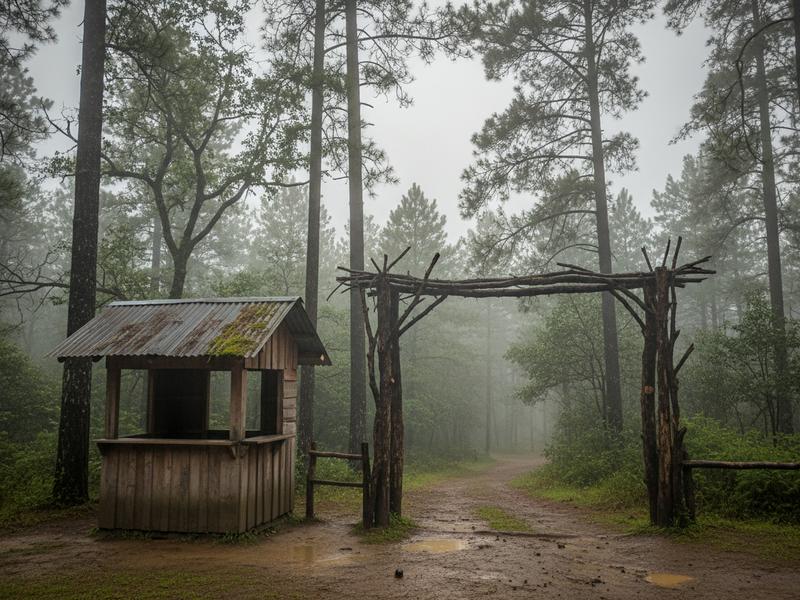
There is no single universal ticket for the whole forest. The term “Firefly Sanctuary” covers multiple authorized or private operators around Nanacamilpa, Calpulalpan, and nearby forest areas. That is why prices, rules, access roads, meals, and cabin options vary.
A basic local package may include entry, a guide, parking, and the night walk. A fuller package can include dinner, cabin lodging, glamping, transport, or a Mexico City pickup. For a first visit, pay more for clear logistics instead of chasing the cheapest ticket.
Use this booking filter:
| Ask before paying | Why it matters |
|---|---|
| Exact meeting point | Some sanctuaries are outside town on dark rural roads |
| Included guide | You should not enter the forest alone |
| Transport after the walk | Taxis can be limited late at night |
| Rain policy | Weather can affect access and visibility |
| Photography rules | Flash and bright screens are usually forbidden |
| Meal timing | Many trips run through dinner hours |
If you want an easy no-car plan from the capital, compare structured options on Viator’s Mexico City tour listings, then check that the listing names the sanctuary, pickup time, and cancellation policy. For community-direct stays, contact the sanctuary or cabin operator directly.
Getting There from Mexico City, Puebla, and Tlaxcala City
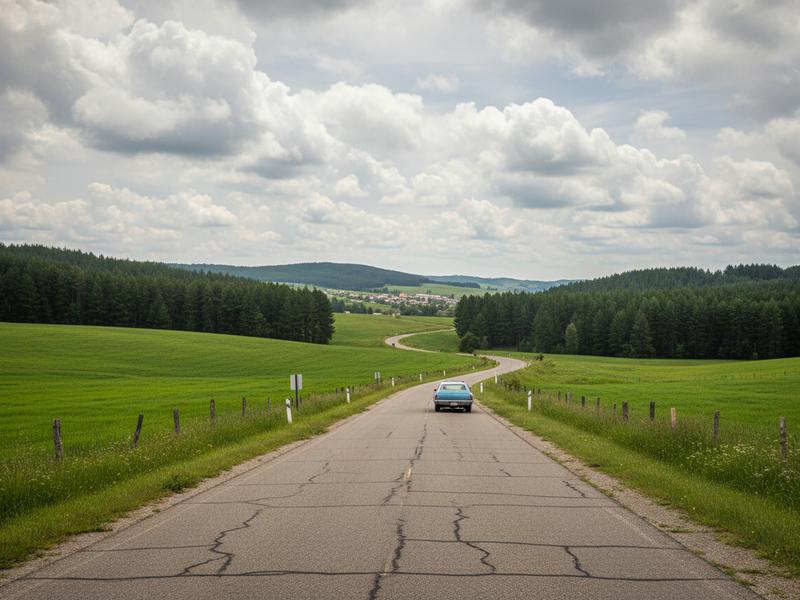
Nanacamilpa is close enough for a day trip but awkward enough that transport deserves real planning. The issue is not only getting there. It is getting back after a night forest walk when public transport is limited.
From Mexico City, the drive is usually about 2.5 to 3.5 hours depending on traffic and pickup point. From Puebla, it is often around 1.5 to 2.5 hours. From Tlaxcala City, it is shorter, but you still need reliable late-night transport to and from the forest.
Best options:
- Organized tour from Mexico City or Puebla — easiest for first-timers and solo travelers.
- Rental car — best for flexible couples or families, but avoid unfamiliar rural driving late at night if you are tired.
- Bus plus taxi or local transfer — workable, but only if your accommodation or sanctuary confirms the final leg.
- Overnight cabin or hotel package — often the calmest option because you do not need a long return drive after the walk.
For step-by-step routes, use how to get to the Tlaxcala Firefly Sanctuary.
Where to Stay: Forest, Nanacamilpa, Tlaxcala, or Puebla
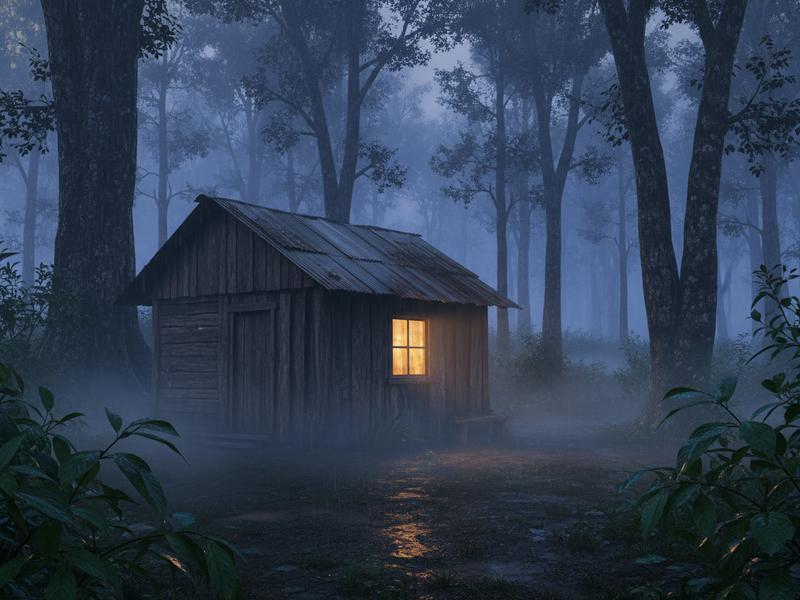
Where you sleep changes the whole trip. A Mexico City round trip is possible, but it can feel long. A forest cabin is more atmospheric, but it may be basic. Tlaxcala City and Puebla give better hotels and restaurants, but they add driving after the viewing.
| Base | Best for | Tradeoff |
|---|---|---|
| Forest cabin or glamping | Couples, families, slow nature trips | Limited rooms and simpler services |
| Nanacamilpa | Closest town logistics | Fewer polished hotel options |
| Tlaxcala City | A balanced overnight with sightseeing | You still need transport to the forest |
| Puebla | Better hotels and food scene | Longer night return |
| Mexico City | Travelers short on time | Very long evening unless using a tour |
If your budget allows it, sleep nearby. The forest walk ends late, rain is possible, and rural roads feel different after a quiet night in the woods. See where to stay for Tlaxcala fireflies before choosing.
What to Pack and What Not to Bring
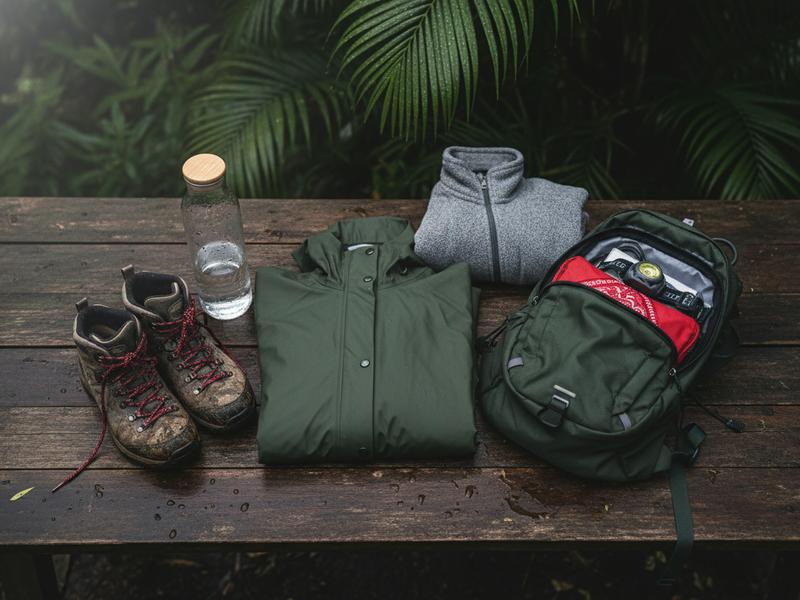
Pack like you are visiting a cool, damp forest, not a resort town. Even if the day feels warm, the evening can turn chilly once you stand still under trees.
Bring:
- dark or neutral clothing
- warm layer or light fleece
- rain jacket or poncho
- shoes with grip that can handle mud
- small cash for snacks, tips, or parking
- water before the trail
- plastic bag for wet clothes
- patience for a slow, quiet viewing
Avoid:
- perfume or strong fragrance
- insect repellent inside the viewing zone
- flash photography gear unless approved
- bright headlamps
- white clothing that reflects light
- loud speakers
For families, brief children before the trip. The experience rewards quiet attention. If your child needs constant light, snacks, or running space after dark, choose a cabin package with an easier pace rather than a strict large-group tour.
Best Add-Ons for a Weekend Trip
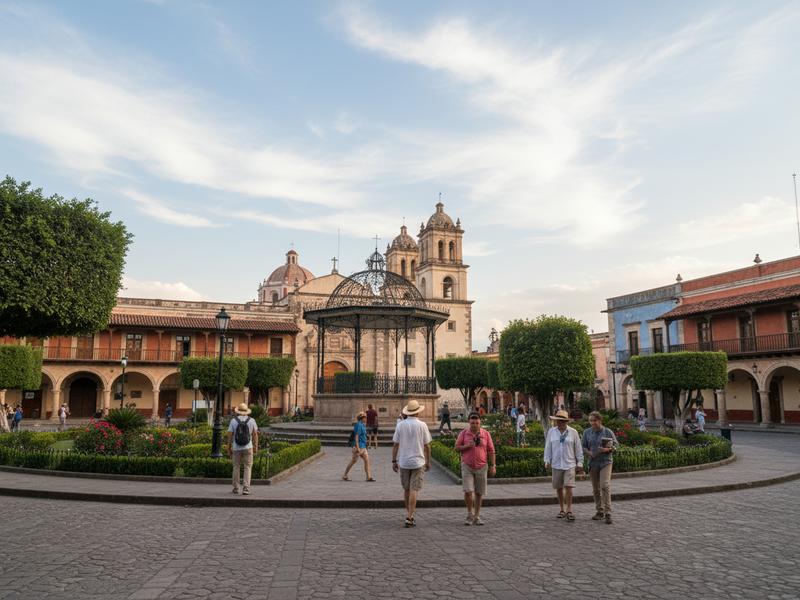
The fireflies are the anchor, but Tlaxcala deserves daylight time too. The best weekend pairs one nature night with one cultural stop, then keeps the itinerary relaxed.
Good add-ons include:
- Tlaxcala City for plazas, churches, murals, and easy food
- Huamantla for a Pueblo Mágico stop and local traditions
- Val’Quirico if you want a photogenic lunch stop near Puebla
- Puebla if you want stronger hotel and restaurant options
- Mexico City if you are using the fireflies as a single evening escape from a longer capital trip
Do not overload the firefly day. You need to arrive before dark, eat early, and stay mentally fresh for the night walk. A good plan is daylight sightseeing, early dinner, forest viewing, nearby sleep, slow breakfast, then return.
Sample Itineraries: One Night or Full Weekend
A good firefly trip has space around the evening. The most common mistake is building a packed sightseeing day, then arriving tired and hungry right before the forest walk. The better plan is to make the fireflies the main event and let everything else support that.
Easiest Mexico City Day Trip
Leave Mexico City in the early afternoon with a transport-inclusive tour. Bring a warm layer, water, and a simple snack. Expect a long evening, but let the operator manage the road timing, entry, and return. This version is best for solo travelers, visitors without a rental car, and anyone who wants the lowest planning burden.
The tradeoff is control. Group tours may stop for dinner at a set place, return very late, and follow a fixed schedule even if the weather shifts. Read the pickup location and cancellation terms carefully before booking.
Calmer Overnight from Puebla
Spend the morning in Puebla, eat lunch early, and leave for Nanacamilpa or your sanctuary base with enough daylight to spare. Do the firefly walk, sleep nearby or return with a driver, then use the next morning for a slow breakfast and a short stop in Tlaxcala City or Huamantla.
This is the best balance for couples and families because Puebla gives comfort while the overnight removes the most stressful part of the trip.
Nature-Focused Cabin Weekend
Book a cabin or glamping package for one night, arrive before sunset, eat on site, do the guided viewing, and wake up without needing a highway return. Use day two for a short forest walk if offered, then head to Tlaxcala City, Val’Quirico, or Puebla.
This option costs more, but it fits the experience best. The forest feels more meaningful when you are not treating it like a rushed evening attraction.
Weather, Rain, and Backup Plans
Summer rain is part of the reason the fireflies appear, so do not cancel a trip just because the forecast shows showers. What you need to watch for is heavy storm timing, lightning, strong wind, or unsafe trail conditions. A damp forest after rain can be excellent. A storm during the viewing window can interrupt the night.
Build your plan with one of these buffers:
- stay two nights near Tlaxcala or Puebla if the fireflies are the main reason for the trip
- choose a refundable or flexible booking when possible
- avoid the final night of your Mexico trip in case weather changes the plan
- ask your operator how they handle rain before paying
- have a daylight backup, such as Tlaxcala City, Huamantla, or Puebla
If visibility is weak, do not blame the guide immediately. Fireflies are living insects, not lighting equipment. Temperature, rain patterns, moonlight, group noise, and bright phones can all affect the experience.
Safety, Accessibility, and Who Should Skip It
The Tlaxcala firefly experience is generally gentle, but it is still a night walk in a rural forest. Paths can be muddy, uneven, and dark. The best operators keep groups together and move slowly, but visitors need enough balance and patience for low-light walking.
This may not be the right trip for travelers with severe mobility limitations unless the operator confirms an accessible viewing setup. It can also be difficult for anyone who panics in darkness, needs frequent bright light, or cannot stand quietly for stretches of time.
For children, age matters less than temperament. A calm eight-year-old may love it; a restless twelve-year-old may struggle. Explain the rules before booking, not at the forest entrance. The group cannot keep stopping for flashlights, loud videos, or repeated phone checks.
For safety, share your operator details with someone, keep your phone charged, carry cash, and avoid improvised late-night transport. The region is close to major cities, but rural logistics still deserve respect.
Photography Without Ruining the Experience
Most visitors want proof, but the firefly forest is not designed for casual phone photography. Standard phone flash is the worst option. It disturbs the insects, annoys the group, and usually produces a bad photo anyway.
If photography matters to you, choose an operator that clearly allows it under specific conditions. You will likely need a tripod, manual settings, long exposure, and a place where the guide permits you to stop. Even then, the best image may not match what your eyes remember.
A practical compromise is to take photos before the trail: the cabin, the forest entrance, your rain gear, the daylight landscape, and the group before dark. Once the fireflies begin, put the phone away. The memory is stronger when you are not fighting a screen.
Responsible Travel Rules That Actually Matter
The firefly season brings money into rural communities, but it can also pressure the forest. Choose operators who brief visitors, limit group movement, keep people on marked paths, and treat the insects as wildlife rather than decoration.
Good visitor behavior is simple:
- arrive sober and on time
- listen to the briefing even if you have done night tours elsewhere
- keep your group quiet
- use bathrooms before entering the trail
- pack out trash
- tip guides when service is good
- do not pressure staff to bend photo rules
This kind of trip works only if visitors accept limits. The darkness, silence, and slow pace are not inconveniences; they are the conditions that make the spectacle possible.
Common Mistakes to Avoid
The biggest mistake is trying to do everything cheaply and spontaneously. A last-minute bus, vague sanctuary name, dead phone battery, and no return taxi is not adventure. It is poor planning.
Other mistakes include wearing white clothes, arriving in sandals, using insect repellent right before the walk, booking a tour without checking the pickup city, assuming all sanctuaries have the same rules, or planning a 7 a.m. flight after returning to Mexico City near midnight.
A better approach is boring and effective: confirm the exact sanctuary, book early for July, choose transport first, pack for rain, eat before the trail, and respect the no-light rules.
Sample Budgets
| Trip style | What it includes | Rough per-person budget |
|---|---|---|
| Budget local overnight | Bus, simple lodging, local transfer, guided entry | $70-130 USD ($1,190-2,210 MXN) |
| Mexico City group tour | Pickup, transport, guide, entry, late return | $70-140 USD ($1,190-2,380 MXN) |
| Puebla comfort weekend | Hotel, driver or rental car, dinner, entry | $150-300 USD ($2,550-5,100 MXN) |
| Cabin nature weekend | Cabin or glamping, meals, guided viewing | $180-350 USD ($3,060-5,950 MXN) |
Prices change with season, group size, and exchange rates, but the pattern holds. Transport and lodging drive the budget more than the entry ticket itself.
Booking Checklist for 2026
Before you lock in the trip, treat the booking like a short expedition rather than a normal attraction ticket. The forest visit is easy once you are there, but the details are scattered across operators, lodging pages, tour listings, and seasonal announcements.
Use this checklist before paying:
| Item to confirm | Good answer |
|---|---|
| 2026 operating dates | Specific date range, not just “summer” |
| Exact location | A map pin or written meeting point |
| Arrival deadline | Clear check-in time before dusk |
| Guide included | Yes, with group rules explained |
| Return transport | Tour bus, driver, cabin, or confirmed hotel transfer |
| Rain policy | Delay, reschedule, refund, or alternative clearly stated |
| Children policy | Minimum age or behavior expectations listed |
| Photography policy | No-flash rules and any tripod limits explained |
| Meals | Dinner included, available, or not included |
If an operator cannot answer these questions, keep looking. A beautiful Instagram page is not enough for a rural night tour.
How This Fits Into a Bigger Mexico Summer Trip
The firefly forest is especially useful because it solves a common summer planning problem. Many travelers want Mexico in July or August, but they worry about Caribbean sargassum, Pacific humidity, afternoon storms, and beach resort prices during school holidays. Tlaxcala gives you a cool highland alternative that feels seasonal in a good way.
It pairs best with a central Mexico route:
- Mexico City for museums, food, and flight access
- Puebla for architecture, mole, and better hotels near the route
- Tlaxcala City for a quieter culture stop
- Nanacamilpa for the firefly night
- Huamantla or Val’Quirico as short add-ons
I would not combine it with a rushed Yucatán or Oaxaca itinerary unless you already pass through Mexico City. The detour is worth it when central Mexico is part of the plan. It is less efficient if your whole trip is beach-based.
For travelers deciding between nature experiences, the fireflies are more weather-dependent than ruins or museums but less physically demanding than a mountain hike. The emotional payoff is high because the window is short and the setting is intimate. You are not checking off a famous monument; you are timing a natural event correctly.
What Makes a Good Firefly Operator
A good operator does not promise a guaranteed spectacle. That is actually a positive sign. Firefly viewing depends on living conditions, and honest operators explain that weather, light, and visitor behavior matter.
Look for operators who:
- publish clear seasonal dates
- limit or organize groups carefully
- explain low-light rules before the trail
- protect forest paths
- discourage flash and bright screens
- provide realistic arrival times
- communicate rain policies clearly
- employ local guides who know the route
Be cautious with anyone selling the trip as a party, a guaranteed photo shoot, or a casual stop you can enter late. The best experiences feel controlled in the right way: quiet, respectful, and organized.
Final Decision Matrix
If you are still unsure, use this quick decision matrix:
| Choose the fireflies if… | Skip or postpone if… |
|---|---|
| You will be in central Mexico from late June to early August | Your only free date is outside season |
| You can stay quiet and follow strict light rules | You mainly want phone photos or nightlife |
| You can arrange reliable transport after dark | You are hoping to improvise taxis from the forest |
| You enjoy nature even when weather is imperfect | You need a guaranteed spectacle for the money |
| You can pack warm rain gear | You are traveling with only beach clothes |
When the fit is right, this is one of the most distinctive summer trips near Mexico City. When the fit is wrong, it becomes a long, wet night with too many logistics. Be honest about your group before booking.
Final Planning Call
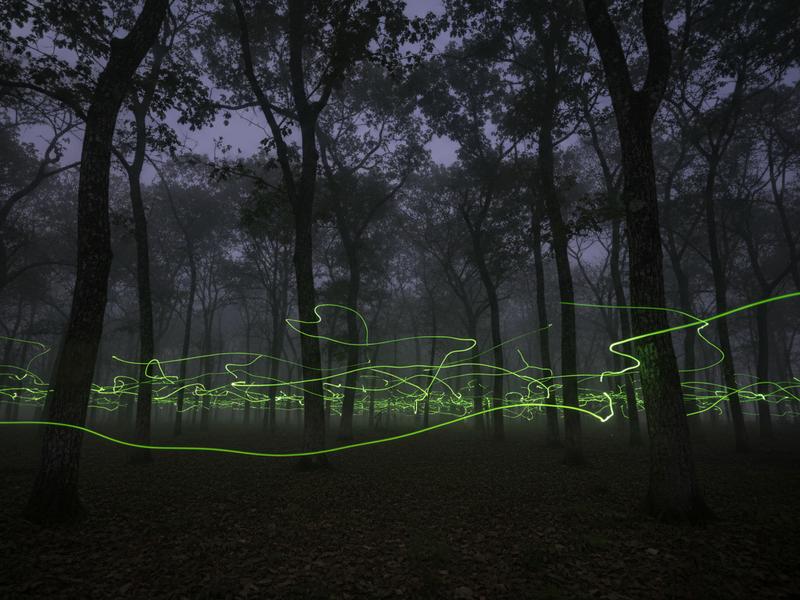
Book the Tlaxcala Firefly Sanctuary if you want a short summer trip that feels completely different from beaches, museums, and city walks. Go in July if this is your first attempt. Sleep nearby if you can. Choose an operator that explains rules clearly. Bring warm rain gear. Do not expect perfect photos.
The simple version is this: July, guided access, no flash, nearby overnight, flexible rain expectations. Get those five choices right and the firefly forest becomes one of the most memorable summer experiences in central Mexico.