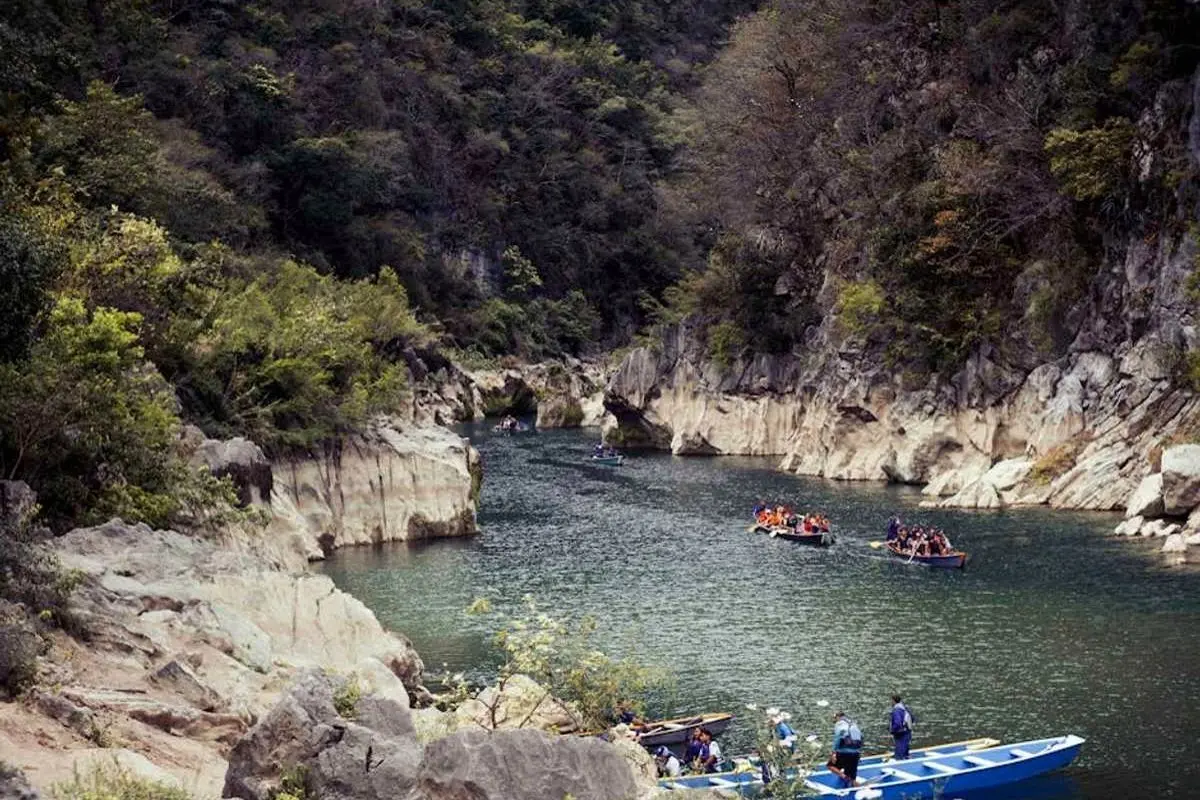
Huasteca Potosina in September 2026: Falls & Rain
Is Huasteca Potosina Good in September?
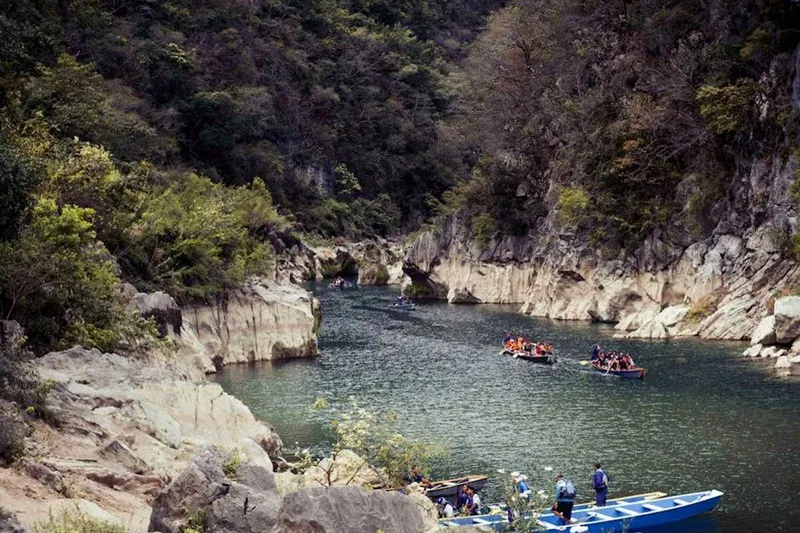
Yes — Huasteca Potosina in September 2026 is one of Mexico’s strongest rainy-season nature trips if you want peak-flow waterfalls, green jungle, guided river days, and a trip that feels completely different from the beach circuit. The same rain that makes the region beautiful also makes it unpredictable, so September works best when you plan with buffers instead of chasing a fixed checklist.
This is late rainy season around Ciudad Valles, Xilitla, Tamasopo, Micos, Tamul, and the wider Huasteca routes. Water levels can be high, hills are intensely green, and operators often have strong scenery to work with. But storms can affect water color, road timing, swimming access, and which waterfall circuit makes sense on a specific morning.
Start with Mexico in September if you are still comparing the Huasteca with Copper Canyon in September, San Luis Potosi in September, Oaxaca in September, or Puerto Escondido in September. If your route overlaps September 15-16, use the Mexican Independence Day guide to plan the holiday dates before locking transport, and compare the best places to celebrate Mexican Independence Day if El Grito matters more than waterfall conditions. If the region itself is new to you, read the full Huasteca Potosina travel guide first, then use this September guide for the 2026-specific tradeoffs: water color risk, tour flexibility, Independence Day timing, and where to stay.
Huasteca Potosina in September in 30 Seconds
| Question | Short answer |
|---|---|
| Is September worth it? | Yes, for peak-flow waterfalls, green scenery, rafting, and active nature travel. |
| Biggest upside | The landscape is at its most powerful after months of rain. |
| Biggest downside | Water clarity, access, and tour order can change after storms. |
| Best 2026 window | Early to mid-September for strong scenery before September 15-16 logistics get busier. |
| Best base | Ciudad Valles for first-timers; Xilitla as an add-on. |
| Best trip length | 3 full days minimum; 4 days is safer. |
| Poor fit | Travelers who need dry weather, guaranteed turquoise water, or simple resort logistics. |
The main mistake is assuming September means perfect blue water every day. It does not. September gives Huasteca Potosina volume, greenery, and energy, but the best 2026 plan is built around local advice, early starts, and current conditions.
Weather in Huasteca Potosina in September
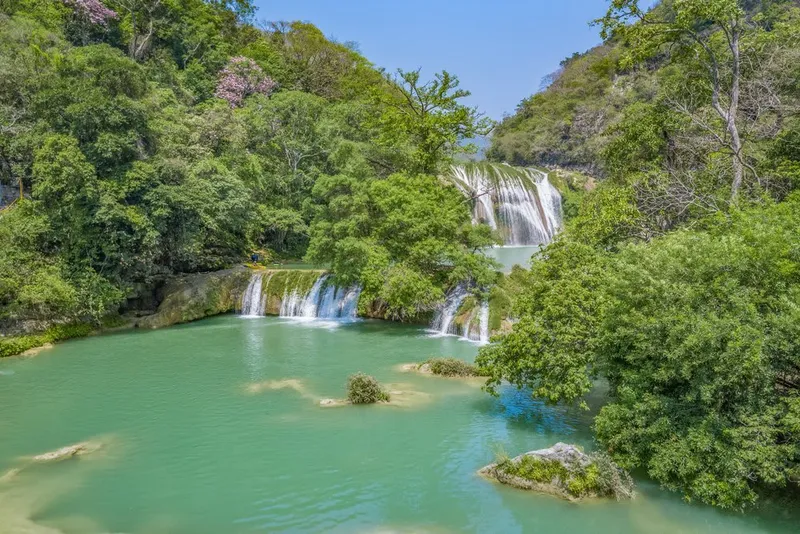
Huasteca Potosina in September is hot, humid, and still very much in Mexico rainy season. Ciudad Valles can feel heavy by midday, especially when the sun returns after rain. Book lodging with reliable A/C, accept early pickups, and avoid planning long exposed walks during the hottest part of the day.
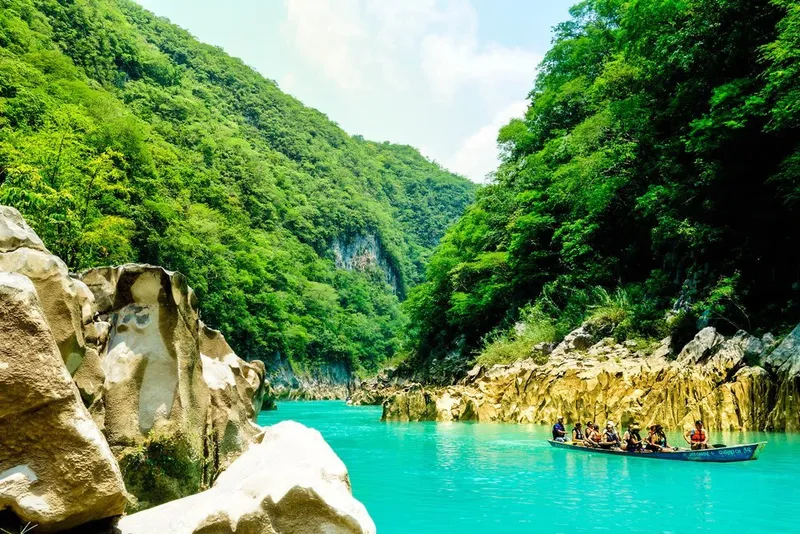
The previous 48 hours matter more than the date on the calendar. After calmer weather, rivers can look blue-green and waterfalls can be spectacular. After hard storms, water can turn cloudy, currents can strengthen, and guides may switch from Tamul to Micos, Tamasopo, El Meco, or another safer circuit. For September 2026, build the route around operator advice the week you travel, not a fixed list saved months earlier.
| September factor | What it means | Best move |
|---|---|---|
| Morning | Best window for transfers, photos, tours, and lower heat | Start early and keep breakfast simple |
| Midday heat | Humid and draining between activities | Hydrate, swim, rest, and use shaded stops |
| Afternoon rain | Common, sometimes heavy | Keep flexible plans after lunch |
| Water color | Beautiful after calm days, cloudy after storms | Ask guides what looks best now |
| Packing | Wet, hot, active, and practical | Water shoes, dry bag, quick-dry clothes, light rain shell |
If you want cooler September weather, compare Mexico City in September, San Cristóbal de las Casas in September, or Copper Canyon in September. If you want beaches instead, La Paz in September is a drier Baja option while the Caribbean is still more exposed to storms.
Best Things to Do in Huasteca Potosina in September
September is best for a focused waterfall-and-river route. Do not try to collect every famous stop in two rushed days. Distances take longer than they look, wet roads can slow transfers, and the safest or prettiest route can change by the morning. A good September 2026 itinerary has one anchor activity each day and one backup option, not a packed checklist.
Let guides choose the best waterfall circuit
Cascada de Tamul, Cascadas de Micos, Cascadas de Tamasopo, Minas Viejas Waterfall, Puente de Dios Tamasopo, and El Meco are the classic names. In September, the right question is not “Which one is always best?” It is “Which one is best this week?” Strong flow can make one place extraordinary and another less practical, so confirm conditions before paying for a private transfer or locking the full tour order.
Base yourself in Ciudad Valles
Ciudad Valles is the practical hub. It has tour offices, bus links, restaurants, supermarkets, ATMs, pharmacies, and hotels that can handle wet gear and very early starts. It is not the prettiest base, but it makes September logistics much easier, especially if rain forces a next-morning route change; the dedicated Ciudad Valles in September guide is useful if you are comparing hotel bases and tour pickups.
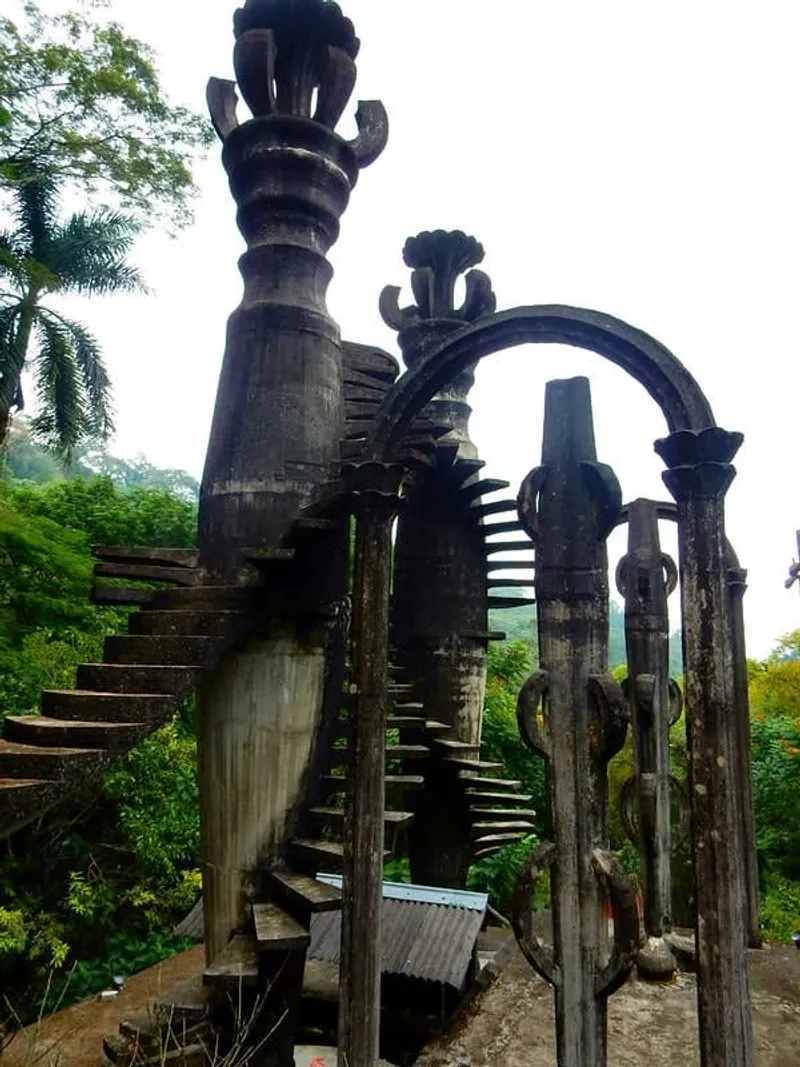
Add Xilitla for Las Pozas
Xilitla stays lush in late rainy season, and Las Pozas has the surreal mountain atmosphere people come for. Treat it as its own day or overnight instead of squeezing it after a demanding waterfall morning; Xilitla in September covers the month-specific route choice in more detail.
Keep one backup activity
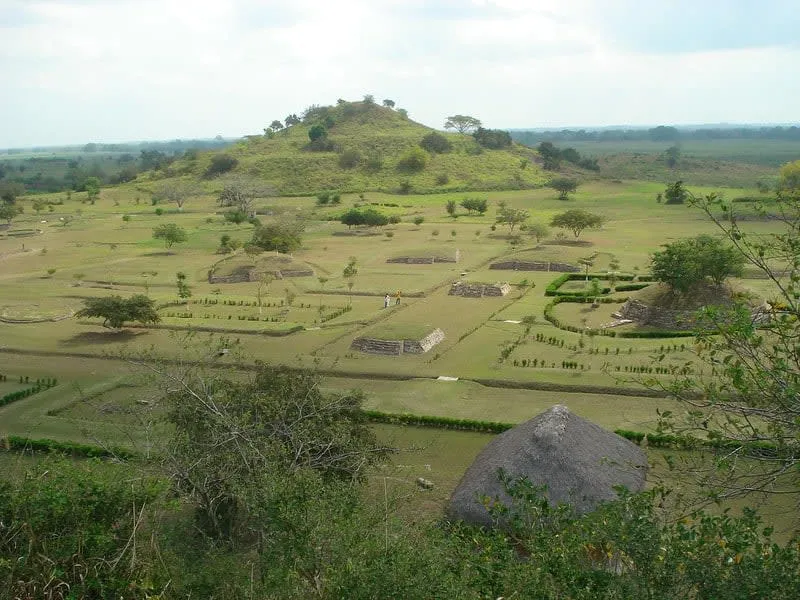
Tamtoc, Sótano de las Golondrinas, a lighter waterfall route, or a food-and-recovery afternoon in Ciudad Valles can save the trip when rain changes the plan. September is easier when one slot is flexible from the beginning, especially if you are also tracking broader Mexico travel advisory updates for road or weather disruptions.
El Grito and September Timing

September is not only rainy season. It is also Mexico’s Independence month. Around September 15–16, towns and cities hold El Grito ceremonies, plazas get busier, and some services shift for the national holiday.
For Huasteca Potosina, that means two practical things. First, book lodging earlier if your dates touch September 14-16, especially in Ciudad Valles or San Luis Potosi city. Second, avoid scheduling your most important tour after a late El Grito night unless you are comfortable with a short sleep and a very early pickup.
| Timing | Best for | Watch out for |
|---|---|---|
| Sep 1–13 | Strong scenery, simpler logistics, fewer holiday complications | Rain still shapes the route |
| Sep 14-16 | Local Independence celebrations before or after nature days | Hotel demand, closures, late nights |
| Sep 17-30 | Green landscapes and a quieter post-holiday rhythm | Continued afternoon storms |
If you want a bigger route, pair Huasteca Potosina with San Luis Potosi in September for city food, museums, El Grito logistics, and easier flight or bus connections.
Where to Stay in September
For most September 2026 trips, stay in Ciudad Valles first. Prioritize A/C, easy pickup access, parking if you have a car, early breakfast, and somewhere to dry clothes. A beautiful property that makes tour pickups difficult is the wrong tradeoff in rainy season.
Xilitla works better for travelers who want Las Pozas, mountain scenery, and slower evenings. Tamasopo can work for repeat visitors with a car, but it has fewer services and is less convenient for broad first-time routes.
| Base | Best for | September caveat |
|---|---|---|
| Ciudad Valles | Waterfall tours, transport, restaurants, and quick pivots | Hot, practical, and not especially scenic |
| Xilitla | Las Pozas, mountain atmosphere, slower evenings | Less efficient for repeated waterfall tours |
| Tamasopo area | Being closer to select waterfalls | Fewer services and more car-dependent |
| San Luis Potosi city | Flights, buses, museums, and pre/post-trip food | Too far for daily waterfall touring |
If this is your first time, make Ciudad Valles the operational base and use Xilitla as an add-on. That keeps the trip flexible enough for September weather, while San Luis Potosi city works better as the arrival, food, or museum buffer before and after the waterfall route.
Suggested 4-Day September Itinerary

A four-day plan is better than a three-day sprint in September because rain buffers matter and the best water conditions can shift quickly.
| Day | Plan | Why it works in September |
|---|---|---|
| Day 1 | Arrive in Ciudad Valles, confirm conditions, reconfirm tours | Lets you choose based on current water and weather |
| Day 2 | Waterfall circuit such as Micos, Tamasopo, Minas Viejas, or El Meco | Uses the first full day for the classic water experience |
| Day 3 | Tamul, rafting, or a guided river day if operators recommend it | Keeps the most weather-sensitive activity guided |
| Day 4 | Xilitla and Las Pozas, Tamtoc, or a backup waterfall | Gives you a flexible slot if rain changed earlier plans |
With only three full days, cut one stop instead of compressing every transfer. Huasteca Potosina is more enjoyable when you leave space for lunch, showers, wet clothes, changed pickup times, and honest guide recommendations. If you are still deciding which falls deserve priority, use the Huasteca Potosina waterfalls pillar or the broader best waterfalls in Mexico guide before booking tours.
Final Verdict: Should You Visit Huasteca Potosina in September?
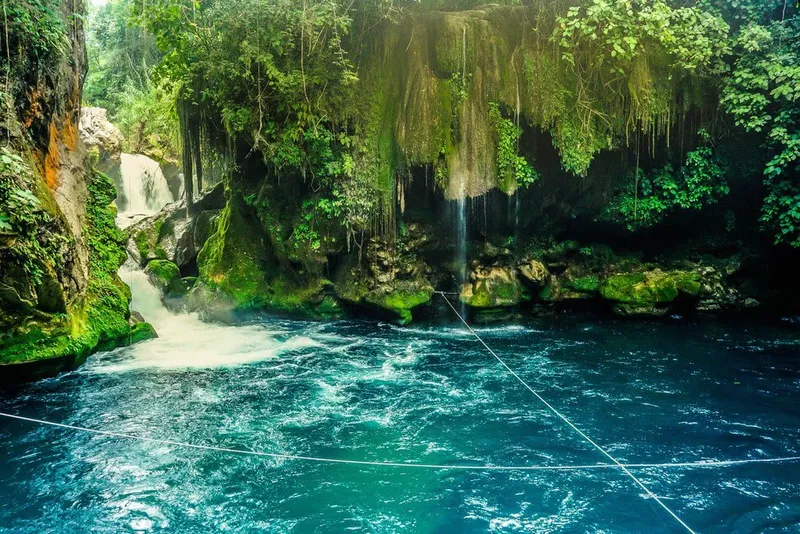
Visit Huasteca Potosina in September 2026 if you want dramatic waterfalls, green jungle, rafting, cave rivers, and an active inland Mexico trip built around local conditions. This is one of the most powerful months to see the region.
Skip it if you need dry weather, guaranteed turquoise water, simple resort logistics, or an itinerary where every activity is locked months ahead. September is beautiful here because the water is alive, and that same water makes the destination less predictable.
The smart September plan is practical: base in Ciudad Valles, book reputable operators, start early, protect one flexible day, and trust real-time local advice over fixed online itineraries. Do that, and Huasteca Potosina can become the most memorable nature stop of a late-summer Mexico route.