Is Playa del Carmen Safe in 2026? Honest Guide
Playa del Carmen is Quintana Roo’s most tourist-dense city after Cancun, and it sits under a Level 2 U.S. State Department advisory — the same rating as the entire Quintana Roo state. The 5th Avenue tourist zone is monitored and safe. Playacar is gated and very safe.
But here’s the honest part: Playa del Carmen has had more tourist-targeting incidents historically than Cancun’s Hotel Zone, and it has less convenient transportation options (no Uber). That combination means it requires slightly more awareness than some visitors expect.
This guide gives you the real picture — what’s safe, what happened at the Blue Parrot, the no-Uber situation, and the scams that target tourists on 5th Avenue.
The Short Answer: Is Playa del Carmen Safe?
Yes, in the tourist zones — with more active awareness than Cancun.
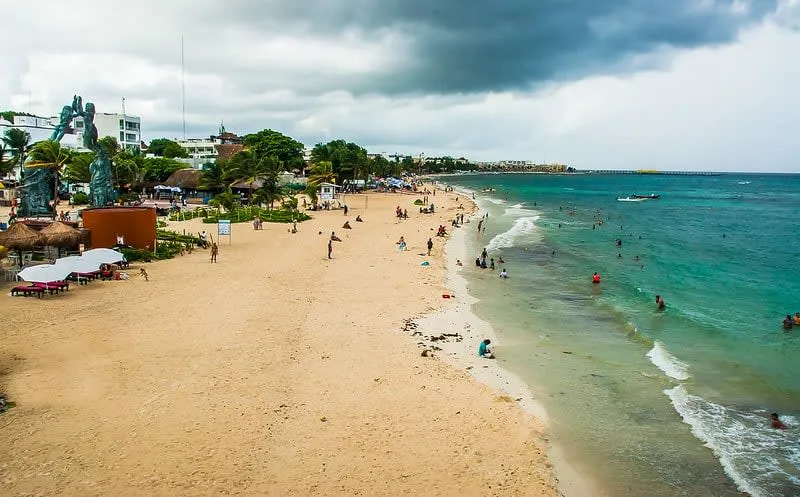
Playa del Carmen is not a dangerous city. Millions of tourists visit every year. The 5th Avenue strip is walkable at midnight. Playacar is essentially a gated resort community. The beaches are beautiful and accessible.
The reason this guide exists is because PDC sits in a slightly different safety category than Cancun or Mérida: it has a visible drug culture, a nightlife scene with real risks if you’re not paying attention, no Uber, and a history that includes the 2018 Blue Parrot incident. These don’t make Playa dangerous — they make awareness important.
For Mexico’s full state-by-state safety breakdown: Is Mexico Safe? Honest Guide by a Mexican.
What Happened: The Blue Parrot 2018 Incident
In January 2018, during the BPM Festival (an electronic music festival), a shooting occurred at the Blue Parrot nightclub on 12th Street, killing 5 people — including 3 foreign tourists.
Here’s the full context:
The shooting was linked to a dispute involving individuals associated with organized crime who attended the event — not a random attack on tourists, and not a sign that Playa’s tourist areas had become systematically dangerous. The BPM Festival attracted tens of thousands of people; the incident occurred in a specific venue in specific circumstances.
What happened after:
- The Blue Parrot closed following the incident
- Municipal security upgrades were implemented across PDC’s nightlife district
- Metal detectors became standard at major nightlife venues
- The Blue Parrot later reopened under new management and stricter security
- The BPM Festival moved from PDC to other venues
The current situation (2026): In the 7-plus years since the Blue Parrot incident, no comparable tourist-zone shooting has occurred in Playa del Carmen. The nightlife district security has materially improved. This is not a pattern — it was an incident.
Current Security in Playa del Carmen
Since 2018, Playa del Carmen’s tourist zones have seen significantly increased security:
Municipal police presence on and around 5th Avenue has increased, particularly at night. The pedestrian strip between the ferry terminal and roughly Calle 38 is regularly patrolled.
Private security at major restaurants, nightclubs, and beach clubs has expanded. Venues of significant size now have door security and, in some cases, metal detectors.
Tourist Police: Playa has tourist police — identifiable by their light blue uniforms — who specifically assist international visitors and are English-speaking. They operate primarily on 5th Avenue and the main beach.
Safe Zones in Playa del Carmen
Quinta Avenida (5th Avenue) — Calles 1 to 38
This is Playa del Carmen’s tourist spine — a pedestrian-only street running parallel to the beach, lined with restaurants, bars, boutiques, pharmacies, and tour operators. It is safe day and night. Walking it at midnight is normal tourist behavior. Police and private security have visible presence.
The further you go: North of Calle 38 on 5th Ave, the tourist density thins and the street transitions toward more local neighborhoods. Still generally fine during the day; more awareness warranted late at night.
Playacar
The gated resort community south of the town centre is essentially a separate world: upscale hotels, private beach access, golf course, residential area. Crime risk here is negligible. It’s accessible from the centre on foot or by colectivo.
The Beach (Playa Principal and North)
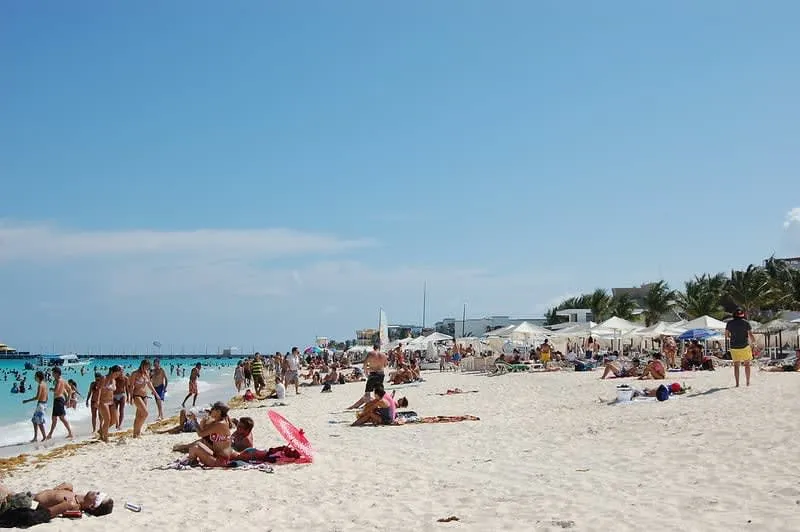
The main public beach in front of the town centre is safe during the day. In the evening, the beach bar and club area (Mamita’s, Zenzi, Canibal Royal) stays active and has security presence. Avoid walking alone on unlit beach sections far from the clubs at night.
North and South of Centre (Daytime)
The neighborhoods north and south of the main tourist zone are fine during daytime — mostly residential areas where locals live. Late at night, stick to transportation rather than walking these areas.
Areas of Extra Caution
Late Night Away from 5th Avenue
The streets behind 5th Avenue — particularly around the bus station area (Avenida 20) at night — warrant extra awareness. This is where PDC transitions from tourist zone to working city. It’s not a crime hotspot, but it’s also not a monitored tourist corridor.
If you’re returning to your accommodation past midnight and it’s not on or near 5th Avenue, use a hotel taxi or colectivo rather than walking unfamiliar streets.
Streets Near the Bus Station at Night
The ADO bus terminal on Avenida Juárez and 5th Avenue is fine during the day. The surrounding streets (particularly east of 5th Ave near Avenida 20) can feel sketchy late at night. Book taxis from your hotel to get to the bus terminal for late-night departures.
No Uber: The Transportation Safety Issue
This is the practical safety consideration that catches many visitors off guard.
Uber is banned in Playa del Carmen — and across essentially all of Quintana Roo, including Cancun and Tulum. Taxi driver unions have successfully blocked app-based rideshare in the state.
What this means for you:
- You can’t use Uber or DiDi as your default safe late-night transport option
- You’re dependent on registered taxis and colectivos
- The risk of unofficial taxis is real — don’t take cabs that aren’t from official taxi stands
Safe transport options in PDC:
- Hotel taxis: Ask your hotel to call a trusted taxi — this is the safest option for late-night travel
- Sitio taxis: Official taxi stands with registered vehicles. There are official sitios on 5th Avenue and near major intersections. The taxis have registration and are part of the licensed system
- Colectivos: Shared vans that run fixed routes (to Cancun, Tulum, etc.) at fixed fares. The shared nature means accountability. Colectivos to Cancun airport area run approximately 60-80 MXN per person from the ADO terminal area
- ADO buses: For longer distances (Cancun, Tulum, Mérida), ADO is reliable, safe, and comfortable
Do not take: Taxis from drivers who approach you at the bus station, outside bars, or anywhere else that isn’t an official taxi stand.
Scams Targeting Tourists in Playa del Carmen
Timeshare Presentations
This is Playa del Carmen’s most consistent tourist irritant. Workers — often young, attractive, and fluent in English — approach tourists on 5th Avenue with “free gifts” (a dinner, a snorkeling trip, a bottle of tequila) for attending a “short” presentation about resort properties.
The presentations are long, high-pressure sales tactics for timeshare properties. The gifts often have conditions. The time wasted is real.
The fix: say “no, thank you” firmly and keep walking. Don’t engage, don’t accept any gifts, don’t give your name or hotel.
ATM Skimming
ATM skimming (card data theft via devices installed on ATMs) is a documented issue in Quintana Roo tourist areas. PDC has had incidents.
Use only:
- ATMs inside bank branches (Banamex, BBVA, Santander branches on 5th Ave)
- ATMs inside established shopping centres
- ATMs attached to pharmacies (Farmacia del Ahorro has internal ATMs)
Avoid: Standalone ATMs on the street, ATMs in small convenience stores, any ATM that looks modified or has a loose card reader.
Fake Tour Operators
Book tours through your hotel’s concierge, or from established operators with physical offices on 5th Avenue (not from people approaching you on the street). For Chichen Itzá, cenote tours, whale shark trips, and Cozumel snorkeling, use Viator or hotel-recommended operators.
Beach Safety: Sargassum and Rip Currents
Sargassum: The seaweed influx that affects the Riviera Maya (heaviest May-October) does not make the beach dangerous — just sometimes less aesthetically appealing. Playa del Carmen’s beaches vary by year. Sargassum is cleared from the main beach areas regularly. It’s not a safety issue.
Rip currents: The Caribbean coast of Quintana Roo is generally calmer than the Pacific. That said, rip currents occur. Follow the beach flag system:
- 🟢 Green: Safe, swim freely
- 🟡 Yellow: Caution, swim carefully
- 🔴 Red: Dangerous conditions, no swimming
- ⚫ Black: Closed
Playa del Carmen’s main beach (Playa Principal) is generally calm. North of town, beaches with more open exposure can have stronger conditions.
Women Traveling Solo in Playa del Carmen
PDC has an active hostel scene that makes solo travel social: Selina, La Tortuga, Casa de Gopala are all established hostels with female-only dorm options.
The 5th Avenue strip during day and evening is fine for solo women — it’s busy, monitored, and full of other tourists.
Nightlife: PDC’s nightclub scene (Coco Bongo has a Playa location; there are clubs on 12th Street) has the usual nightlife risks amplified by the no-Uber situation. If you go out late, go with others, and arrange your return transport in advance with your hotel. Don’t rely on finding a safe taxi at 3am outside a club.
Catcalling: More prevalent in Playa than in Mérida or Oaxaca, similar to the Cancun zone. Street vendor pestering and timeshare approaches can feel harassing. Firm no-thank-you and keep moving.
For comprehensive solo female travel advice: Solo Female Travel in Mexico: The Honest Guide.
The Drug Scene in Playa del Carmen
Playa del Carmen has a more visible drug culture than Cancun’s Hotel Zone. This is partly because PDC attracts a different tourist demographic — more independent travelers, longer stays, more nightlife-oriented visitors — and partly because it’s a real city where both tourism and local life operate.
What this means practically: you may be offered drugs in nightlife environments in Playa del Carmen more than you would at a Cancun all-inclusive.
The important points:
- Drug possession is illegal in Mexico regardless of tourist status
- Buying from strangers in tourist areas = exposure to legal risk and practical risk (you don’t know what you’re buying)
- The drug scene is not aggressive toward tourists who aren’t engaging with it
If you’re not seeking it out, you won’t encounter it beyond perhaps a passing offer in a busy club.
Medical Care in Playa del Carmen
Hospiten Riviera Maya: The best-regarded private hospital in Playa del Carmen. Internationally accredited, English-speaking staff, full emergency services. Located on Avenida 10.
CMQ Hospital Riviera Maya: Another good private option with emergency care.
For minor issues: Farmacia del Ahorro branches throughout town; pharmacists can advise on common ailments and basic medications are available without prescription (antibiotics, antifungals, loperamide, etc.).
For emergencies: Call 911. Mexico’s emergency system covers the Riviera Maya. Request an ambulance and specify the private hospital if you have travel insurance.
Travel Insurance for Playa del Carmen
For vetted tours and activities:
Browse Playa del Carmen tours on Viator →
2026 Updates
Quintana Roo advisory: No change from Level 2. The tourist areas of Playa del Carmen, Cancun, Tulum, and Cozumel remain under the same advisory designation.
Security presence: The post-2018 security upgrades in PDC’s nightlife zone have been maintained. Police visibility on 5th Avenue remains high.
Tourism volume: PDC continues to grow as a destination, particularly with European and North American independent travelers. The increased tourism has brought more infrastructure and services but also more timeshare operators and street-level solicitation.
Sargassum: Seasonal and unpredictable. Check current beach conditions via beachcams or the Sargasso Project’s real-time tracking if your beach experience is important.
For the complete advisory guide: Mexico Travel Advisory 2026: State-by-State Guide.
Playa del Carmen Safety: Quick Reference
| Area / Situation | Safety Level | Notes |
|---|---|---|
| 5th Ave (Calles 1-38) | 🟢 Safe | Day and night, monitored |
| Playacar | 🟢 Very Safe | Gated resort area |
| Main Beach (day) | 🟢 Safe | Beach club areas monitored |
| North of Calle 38 (day) | 🟡 Caution | Less tourist density |
| Near bus station (night) | 🟡 Caution | Use hotel taxi |
| Nightlife venues | 🟡 Caution | Standard precautions, arrange transport in advance |
| Beach at night (unlit sections) | 🟡 Caution | Avoid isolated beach at night |
| Street taxis (unsolicited) | 🔴 Avoid | Use sitio taxis or hotel taxis only |
| ATMs on street | 🔴 Avoid | Bank branches or shopping centres only |
Comparing PDC vs. Cancun Safety
The honest comparison: Cancun’s Hotel Zone is a somewhat more controlled tourist environment — massive resort hotels with internal security, the Hotel Zone strip is essentially one road, and the tourist zone is geographically concentrated.
PDC is more of a real city with a tourist overlay — which makes it more interesting and more complex to navigate. The higher independence of the PDC experience (you’re choosing restaurants, navigating streets, using local transport) means more engagement with the city and therefore more awareness required.
Neither is dangerous. Cancun’s Hotel Zone is just easier to stay safe in for first-time Mexico travelers because the environment is more structured. PDC rewards a bit more street sense.
For the Cancun vs. Tulum comparison that helps put PDC in context: Cancun vs. Tulum: Which Should You Choose?
The Bottom Line
Playa del Carmen is safe for tourists who approach it with the same awareness they’d bring to any tourist-heavy beach city. The 5th Avenue strip is genuinely fine. Playacar is very safe. The beaches are accessible and monitored at the club areas.
The no-Uber situation is real — plan your late-night transport in advance. The timeshare operators are relentless — practice your firm “no.” The ATM skimming risk means being specific about where you withdraw cash.
Go. The cenote trips out of PDC are world-class. The beach clubs are excellent. The food options on and off 5th Avenue are much better than Cancun’s Hotel Zone. It’s worth it.
Plan your full trip: Playa del Carmen Travel Guide | Is Mexico Safe? Full Guide