Jalisco Mexico Guide: Best Places & 7-Day Route
Planning a Jalisco, Mexico trip in 2026? Start with the places that make the state worth your time: Guadalajara, Tequila, Lake Chapala, Puerto Vallarta, Jalisco’s beach towns, birria country, and the mountain pueblos. Then use the clean 7-day route below to decide what fits and what to skip.
| Jalisco trip question | Fast answer |
|---|---|
| Best first route | Guadalajara -> Tequila or Lake Chapala -> Puerto Vallarta |
| Minimum time | 7 days for the main route; 10 days with mountain towns |
| Best base | Guadalajara for culture and day trips; Puerto Vallarta for beaches |
| Best season | November-March for dry weather and whale season on the coast |
Jalisco is where many travelers find the Mexico they had in mind before arriving: mariachi in Guadalajara, blue agave fields around Tequila, birria in Los Altos, Pacific sunsets in Puerto Vallarta, lake villages near Chapala, and pine-forest towns where evenings can feel surprisingly cool.
Use this as the state-level planner. Guadalajara in depth and Puerto Vallarta in depth have their own dedicated guides; this page helps you decide where to go, what to skip, and how to build a Jalisco itinerary that does not waste travel days.
Why Jalisco Earned Its Place in Mexico’s Identity
The cultural case for Jalisco is worth making explicitly because it’s easy to underestimate the state if you’ve only been to Puerto Vallarta.
Tequila is denominated — by Mexican law, it can only be produced in Jalisco and parts of four other states (Nayarit, Michoacán, Guanajuato, Tamaulipas). The blue agave (Agave tequilana Weber) requires 7-10 years to mature. The Los Altos and Tequila Valley regions of Jalisco are where the terroir — soil, altitude, climate — produces the agave flavor profiles that made the spirit famous. Jose Cuervo alone produces more than 35% of all tequila worldwide, and their facility in Tequila town is the largest in the country.
Mariachi originated in the Jalisco highlands. The word likely comes from the Coca indigenous language. The current form — vihuela, guitarrón, violin, and trumpet — crystallized in Guadalajara in the early 20th century before spreading to Mexico City and the world. Guadalajara’s Plaza de los Mariachis is where you go to hear them performed in their original context.
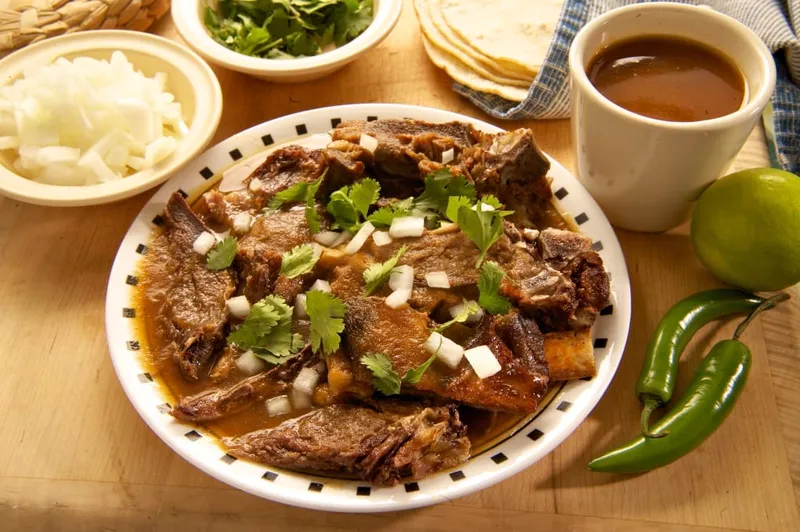
Birria came from the Los Altos region, specifically the towns around Tepatitlán. The original is goat, braised for hours in a complex dried-chile broth. The birria taco craze that hit global food media in 2019-2022 is a distant descendant of what Jalisco has been doing for centuries.
Guadalajara: Mexico’s Cultural Capital
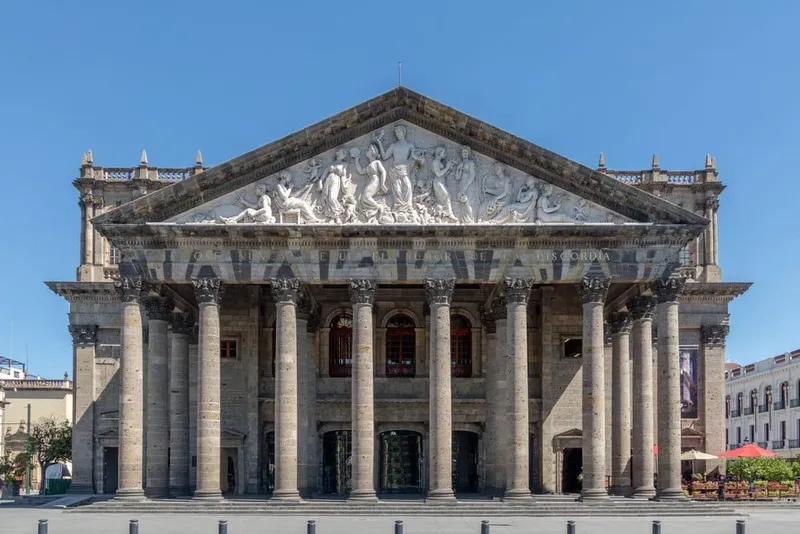
With 5 million people in the metro area, Guadalajara is Mexico’s second largest city. But size aside, it competes with Mexico City for cultural importance in a way that no other Mexican city does.
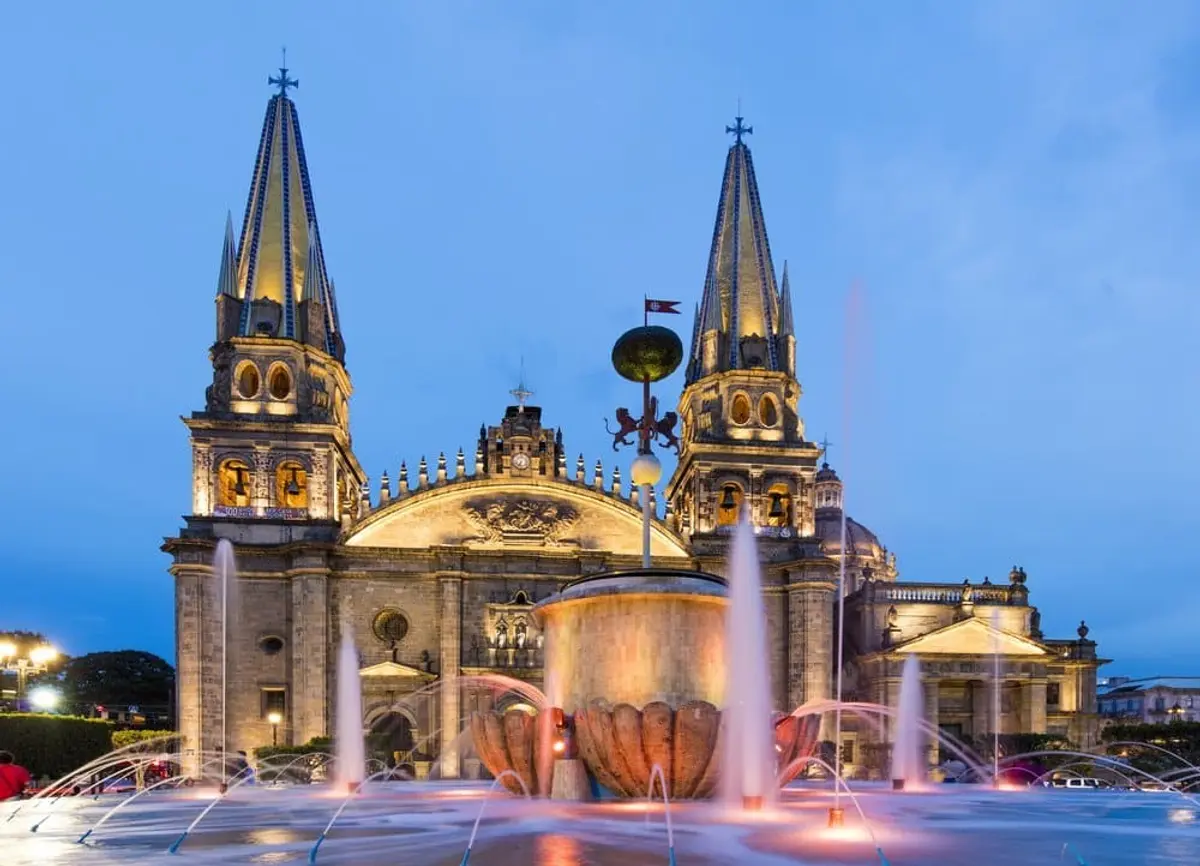
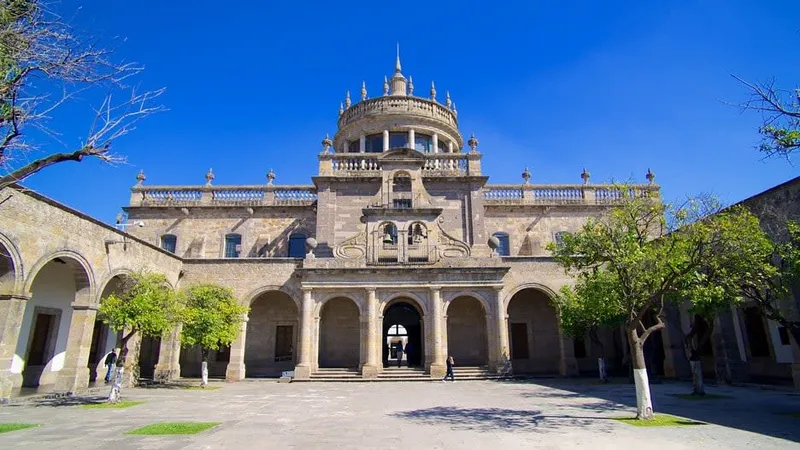
The historic center is dense with monuments: the Metropolitan Cathedral (finished in 1618) with its iconic yellow-tiled towers, the Palacio de Gobierno with the massive José Clemente Orozco mural of Miguel Hidalgo inside (one of the most powerful murals in Mexico), and the Hospicio Cabañas — a UNESCO World Heritage building and Orozco’s masterpiece, with ceiling frescoes of fire and the conquest that remain overwhelming even by mural standards.
Mercado San Juan de Dios is one of Mexico’s largest covered markets — three floors of food stalls, leather goods, clothing, and electronics. The food stalls on the ground floor serve birria, tortas ahogadas, and pozole at prices that make Guadalajara one of the most affordable major cities in Mexico.
The torta ahogada (drowned sandwich) is Guadalajara’s signature dish: a crusty birote roll stuffed with slow-cooked carnitas or pork, submerged in a spicy tomato-chile sauce. They’re sold on street corners across the city, with the originals attributed to local lore to a street vendor who dropped a sandwich in his sauce.
For the World Cup in 2026: Guadalajara’s Estadio Akron (home of Club Deportivo Guadalajara, known as “Chivas”) is one of the venues for the FIFA World Cup 2026. Matches will be played June-July. If you’re planning a trip around the tournament, Guadalajara requires advance booking — months, not weeks.
The FIL Guadalajara (Feria Internacional del Libro) happens each November and is the largest book fair in the Spanish-speaking world — larger than Frankfurt’s German-language equivalent in terms of Spanish-language publishing industry weight.
For full city coverage: Guadalajara guide.
Puerto Vallarta: Pacific Beaches, Whale Watching & the Zona Romántica
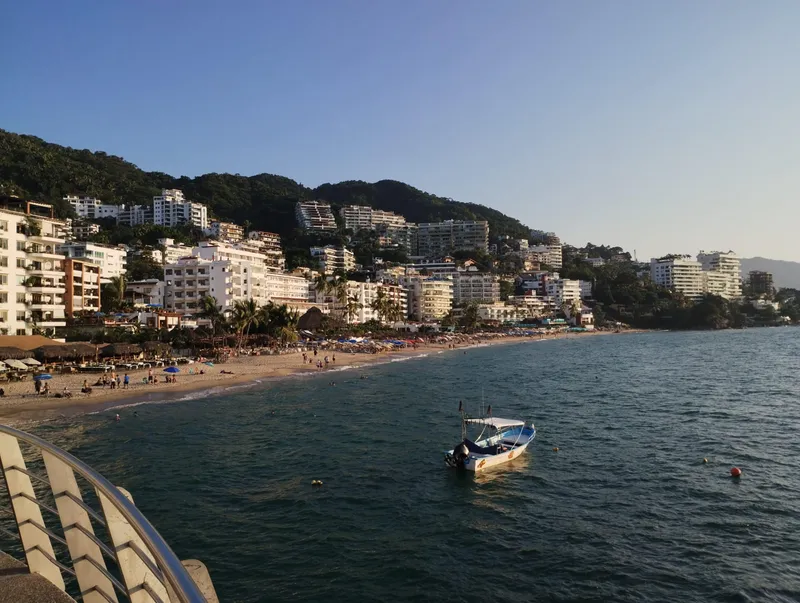
Puerto Vallarta sits at the bottom of Banderas Bay — one of the world’s largest natural bays, 42 kilometers wide. The mountain backdrop gives it a visual drama that flat-coast beach towns lack: green mountains meet Pacific blue with the city’s church towers and cobblestone streets in between.
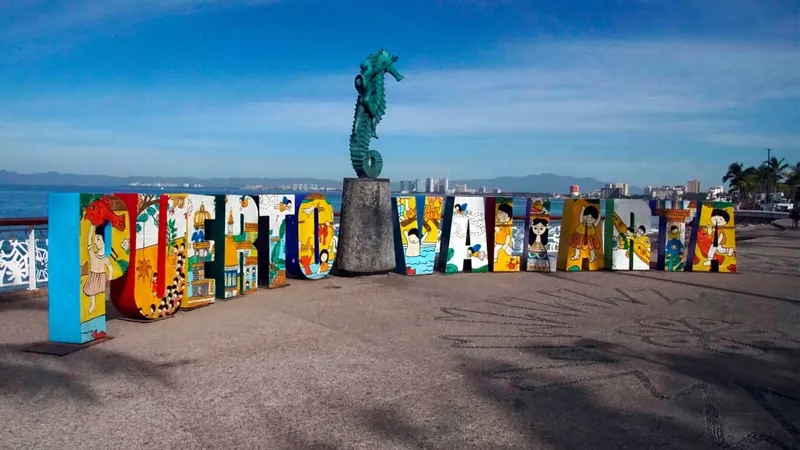
The Malecón — the seafront boardwalk — runs 12 blocks along the waterfront, lined with sculptures, restaurants, and bars. The tourist scene concentrates here and in the adjacent Zona Romántica (Colonia Emiliano Zapata), which is both the LGBTQ+ hub and the best neighborhood for food, independent restaurants, and beach access.
Los Muertos Beach in the Zona Romántica is the most socially active beach — beach clubs, restaurants with direct ocean access, water sports rentals. Further north, Playa Camarones and the hotel strip beaches are more package-holiday in character. South of Puerto Vallarta, the beaches get progressively quieter toward Sayulita and the Riviera Nayarit.
Whale Watching
Humpback whales arrive in Banderas Bay from December through March to breed and calve. Sightings are extraordinarily reliable in January-February — Banderas Bay’s warm, protected waters make it one of the most important humpback wintering grounds on the Pacific coast. Tours leave from Los Muertos Pier and the Marina; morning departures have calmer seas.
The Riviera Nayarit Connection
Just north of Puerto Vallarta, across the state line into Nayarit, lie Sayulita (surf town with a boho market town character), San Pancho (quieter, artsy), and Punta Mita (private resort peninsula). These are technically in Nayarit state but function as an extension of the Puerto Vallarta travel experience — most visitors using Puerto Vallarta’s airport (PVR) explore both sides of the bay.
Full coverage: Puerto Vallarta travel guide.
Tequila Town
The town of Tequila (population 45,000) sits 60 kilometers northwest of Guadalajara, surrounded by blue agave fields that turn the hillsides silver-blue in certain light. It’s a Pueblo Mágico — Magic Town — with a well-preserved historic center and, obviously, a concentration of distilleries.
The major names — Jose Cuervo (La Rojeña, the world’s oldest active distillery, dating to 1758), Sauza, and Herradura — have purpose-built visitor centers with tours and tasting rooms accessible without appointment. For more character, the smaller artisan distilleries require a guide but produce spirits closer to the pre-industrial tradition.
Getting there: The Tequila Express train from Guadalajara is the most atmospheric option — weekend departures with mariachi, a distillery tour, and the journey through agave fields. By bus from GDL’s Antigua Central Camionera, it’s about 1.5 hours and under 100 MXN. By car, it’s an easy hour on Highway 15.
For distillery choices, train-versus-tour tradeoffs, costs, hotels, and a realistic day-trip plan, use the dedicated Tequila, Jalisco travel guide.
What to look for in a tasting: The difference between tequila (Weber Blue Agave, Jalisco-denominated) and mezcal (various agave species, Oaxaca-dominated) matters. Within tequila: blanco (unaged, agave-forward), reposado (2-12 months oak), añejo (1-3 years oak), extra añejo (3+ years). The question to ask at any serious tasting room: “What percentage agave is this?” (100% agave vs. mixto, which can have up to 49% other sugars).
Lake Chapala & Ajijic: Mexico’s Largest Lake
Forty-five kilometers south of Guadalajara, Lake Chapala is Mexico’s largest natural lake — 80 kilometers long, 18 wide. The town of Ajijic (population 15,000) on the lake’s north shore has become Mexico’s largest expat community outside Mexico City — estimates put the foreign-resident population at 10,000-15,000, mostly American and Canadian retirees.
The appeal is obvious: Lake Chapala sits at 1,524 meters elevation, giving it a “world’s best climate” reputation (claimed by multiple sources, based on temperature consistency). Year-round average temperatures range 18-25°C with low humidity. Cost of living is a fraction of US equivalent. The healthcare access from Guadalajara (45 min) is excellent.
For visitors rather than residents: the lake shore walk, the weekend tianguis market, the art galleries in Ajijic’s historic center, and the boat trips across the lake to Scorpion Island make for an easy half-day or full-day trip from Guadalajara. The restaurant scene has improved significantly with the expat population growth.
Day trips from Guadalajara covers Lake Chapala alongside Tequila, Tlaquepaque, and other options.
Los Altos: Birria Birthplace & Agave Highlands
The Los Altos de Jalisco region — the highlands north and east of Guadalajara — is where Jalisco gets its cattle-ranching, deeply Catholic, intensely Mexican character. This is not tourist territory in the usual sense; most visitors never make it here. But if you want to eat birria at its source, understand where Los Altos tequila comes from, or see the Jalisco that shaped the cultural exports, it’s worth the detour.
Tepatitlán de Morelos — the regional capital — is a mid-sized city with a beautiful central plaza and a claim to birria that locals defend with the kind of passion you’d expect from people who grew up watching their grandmothers start the pot at dawn. The birria here is goat (chivo), not the beef versions that became popular in the US taco scene.
Arandas is the center of Los Altos tequila production. The higher altitude (1,750 meters) and redder clay soils produce blue agave with a different sugar concentration and flavor profile than the valley around Tequila town — most premium tequila producers distinguish their “highland” and “valley” expressions.
Magical Towns of Jalisco
Jalisco has five officially designated Pueblos Mágicos (Magic Towns) — small towns recognized for cultural, historical, or natural significance.
Tapalpa (2,200 meters elevation, 130 km from GDL): pine forests, white-washed architecture, cold nights, and a weekend escape character. The El Salto waterfall and Las Piedrotas (enormous volcanic rock formations) are the outdoor draws. Weekends fill with Guadalajara families; go on a weekday for the full atmosphere.
Mazamitla (2,150 meters, 170 km from GDL): similar mountain town character to Tapalpa but higher emphasis on cabin stays, apple orchards, and fog. The Barranca del Tigre canyon is the hiking centerpiece.
Talpa de Allende (1,200 meters, 180 km from PVR): one of Mexico’s most important religious pilgrimage sites — the Virgen de Talpa shrine draws hundreds of thousands of pilgrims annually, many walking from Guadalajara over several days. Three times a year the major pilgrimage events happen.
Tequila town is both a Pueblo Mágico and has its own section above.
Getting Around Jalisco
Guadalajara is the hub for everything. The city has a metro system (2 lines), the TUR bus rapid transit, and Uber (which works reliably). International flights come into GDL (Miguel Hidalgo y Costilla International Airport) — Mexico’s second busiest airport.
Puerto Vallarta: PVR airport has direct US and Canadian connections. No Uber in PVR proper; taxis are the standard. From the airport to the Zona Romántica costs 250-350 MXN by taxi.
To Lake Chapala & Ajijic: Bus from Guadalajara’s Central Camionera Nueva (30-60 min, 40 MXN), or Uber from GDL (about 400 MXN). Car rental makes the lake more flexible.
To Tequila town: Bus (1.5 hrs) or car. The Tequila Express train is weekend only.
Los Altos and Magical Towns: These require a rental car. Public buses reach the main towns but on schedules designed for locals, not day-trippers.
RentCars compares agencies in GDL and PVR — local operators are often 30-40% cheaper than international brands. Book early for World Cup 2026 travel dates.
Budget Guide
| Destination | Budget/day | Notes |
|---|---|---|
| Guadalajara | 800-1,500 MXN | Very affordable for a major city |
| Puerto Vallarta | 1,500-3,000 MXN | Zona Romántica is pricier; less so in lower town |
| Tequila town | Day trip from GDL | 500-1,500 MXN for train + tastings |
| Lake Chapala | Day trip or overnight | 600-1,200 MXN/night in Ajijic |
| Magical Towns | 800-1,500 MXN | Cabin stays in Tapalpa/Mazamitla |
GDL specifics:
- Hostel dorm: 200-350 MXN
- Mid-range hotel: 700-1,400 MXN
- Torta ahogada on the street: 40-70 MXN
- Quality tequila at a bar: 80-200 MXN per pour
Travel insurance for Jalisco: travel insurance should include emergency medical treatment and activities including whale watching and hiking.
Best Time to Visit Jalisco
December–March: Best for Puerto Vallarta — dry, whale watching, clear seas. GDL weather is pleasant and dry.
April–June: Hot and dry before rainy season. Perfect for Magical Towns hiking; GDL gets warm. Good for agave tourism (harvest season in some areas).
July–October: Rainy season — GDL gets afternoon showers but rarely all-day clouds. The highlands and Magical Towns get green and dramatic. Puerto Vallarta has some rain but is still operational.
November: GDL’s best month — the FIL book fair, Day of the Dead celebrations, post-rain greenery, and perfect temperatures. One of the best times to visit the whole state.
For detailed timing: best time to visit Guadalajara.
Plan Your Jalisco Trip
Internal Links
- Guadalajara Travel Guide — full city guide: neighborhoods, food, murals, markets, nightlife
- Puerto Vallarta Travel Guide — beaches, whale watching, LGBTQ+ scene, Zona Romántica
- Day Trips from Guadalajara — Tequila, Tlaquepaque, Lake Chapala, Tapalpa
- Best Time to Visit Guadalajara — festival calendar, FIL, seasonal breakdown
- LGBTQ+ Mexico Travel — Puerto Vallarta Pride, Mexico City, LGBTQ+ travel resources
Book Tours
Tequila distillery tours, whale watching excursions, GDL food market walks, and lucha libre tickets: Viator’s Jalisco collection has vetted options with English-speaking guides.
Frequently Asked Questions
What is Jalisco most famous for?
Jalisco is the birthplace of four of Mexico’s most internationally recognized cultural exports: tequila (the agave spirit, denominated to the state), mariachi music, birria (the slow-braised goat stew now a global food trend), and lucha libre. No other Mexican state has shaped global culture as broadly.
How many days do you need in Jalisco?
A well-planned 7-day trip covers the highlights: 3 days in Guadalajara (city center, Tlaquepaque, day trip to Tequila town), 3 days in Puerto Vallarta, and 1 day at Lake Chapala. To add Los Altos or the Magical Towns of Tapalpa and Mazamitla, extend to 10 days. Guadalajara is the transport hub — everything radiates from here.
Is Puerto Vallarta LGBTQ+ friendly?
Puerto Vallarta is one of the most LGBTQ+-welcoming destinations in Latin America. The Zona Romántica is the hub — a dense neighborhood of gay bars, drag shows, clothing-optional beaches, and LGBTQ+-owned businesses. Pride Puerto Vallarta happens in May. Hotels and restaurants throughout the city are inclusive.
When is whale watching season in Puerto Vallarta?
Humpback whales are in Banderas Bay from December through March. January and February are peak months. Tours operate from Los Muertos Pier and the Marina. Outside this window, dolphins are year-round and manta rays are visible April-October.
How do I get from Guadalajara to Tequila town?
The Tequila Express train is the most atmospheric option — weekend departures with mariachi, distillery tour, and tasting, costs around 1,100-1,400 MXN per person. Buses from GDL’s Antigua Central Camionera run every 30 minutes (75 MXN, 1.5 hours). By car on Highway 15, it’s about an hour northwest of Guadalajara.