Mexico Weather: Month-by-Month Guide for Every Region (2026)
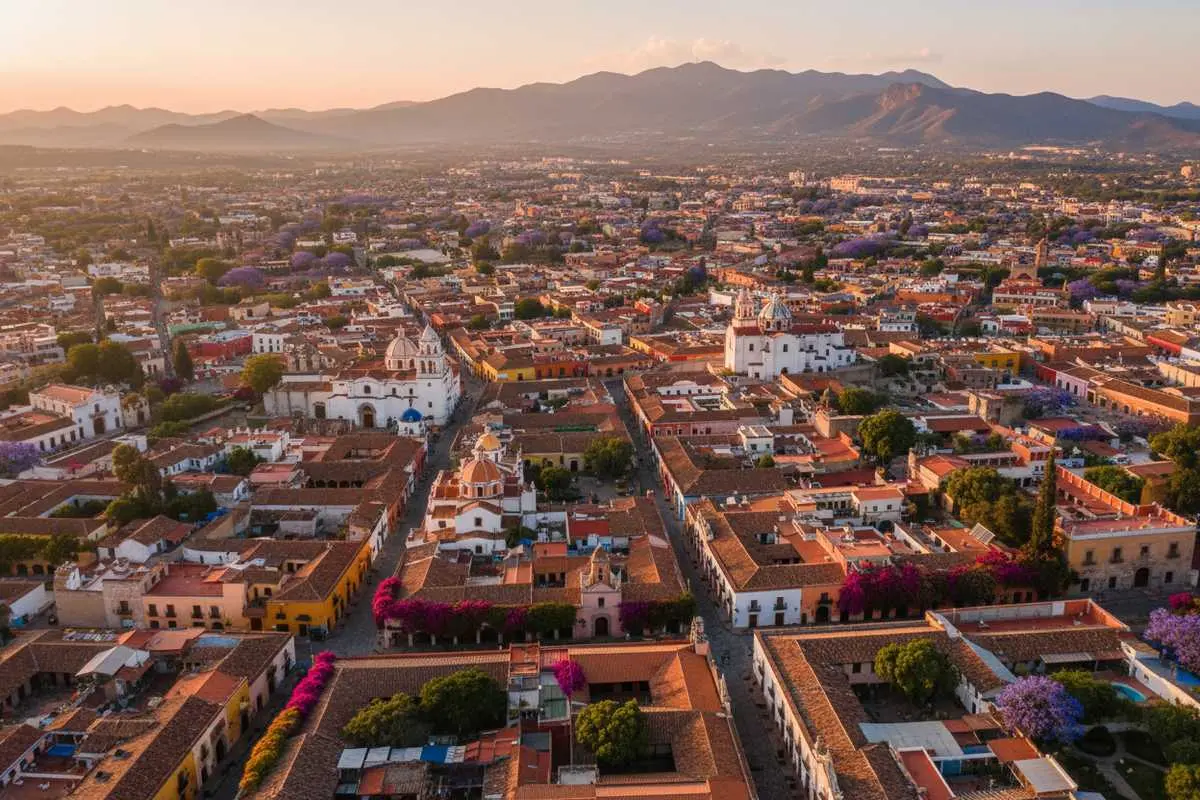
Mexico doesn’t have one climate — it has seven. The same country that hosts the Sonoran Desert in the north contains cloud forests in Oaxaca, humid jungles in Chiapas, and temperate highlands in Mexico City that feel like San Francisco in October. Understanding Mexico’s weather means understanding which part of the country you’re visiting and when.
For most travelers, November through April is the safest Mexico weather window: dry skies, warm beaches, and comfortable highland cities. May through October is rainy season, but it usually means sunny mornings and short afternoon storms, not all-day rain. September and October bring the highest hurricane risk on the Caribbean coast.
Mexico Weather in 30 Seconds
| Trip Goal | Best Weather Window | Watch Out For |
|---|---|---|
| Beach weather | December–April | Christmas, New Year, and spring break prices |
| Lower prices | May, June, September | Afternoon storms and higher humidity |
| Mexico City / highlands | November–May | Cool nights in December and January |
| Caribbean coast | December–April | Hurricane risk from August to October |
| Pacific surf | June–October | Rougher water and wet afternoons |
This guide breaks down every climate zone, every month, and every major travel scenario so you can plan your trip around actual conditions — not travel industry generalizations.
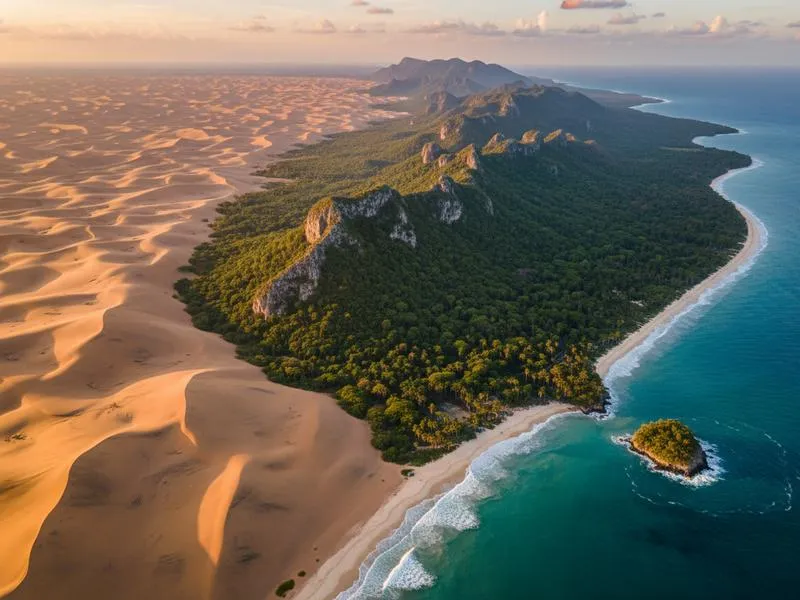
Mexico Weather by Climate Zone at a Glance
| Zone | Where | Avg Temp | Rainfall | Best Months |
|---|---|---|---|---|
| Desert / Semi-Arid | Sonora, Chihuahua, Baja Norte | 15–40°C | Very low | Oct–Apr |
| Mediterranean | Baja Sur, parts of Baja Norte | 18–32°C | Low, mainly winter | Oct–May |
| Tropical Dry | Pacific coast, Jalisco, Colima | 24–34°C | May–Oct afternoons | Nov–Apr |
| Tropical Humid | Yucatán, Tabasco, Veracruz coast | 25–35°C | High year-round | Dec–Mar |
| Temperate Highland | Mexico City, Puebla, Guanajuato, Oaxaca | 12–25°C | Jun–Sep afternoons | Nov–May |
| Cloud Forest | Sierra Norte Oaxaca, parts of Chiapas | 15–22°C | High most of year | Feb–Apr |
| Hot Humid / Rainforest | Chiapas lowlands, southern Veracruz | 26–36°C | Very high | Dec–Mar |
Month-by-Month Mexico Weather Overview
| Month | Overall Weather | Best Regions | Skip / Caution | Notes |
|---|---|---|---|---|
| January | ⭐⭐⭐⭐⭐ Excellent | Yucatán, Pacific coast, Baja | Northern deserts (cold nights) | Peak season, high prices |
| February | ⭐⭐⭐⭐⭐ Excellent | All coasts, highlands | — | Carnaval (late Feb), whale watching peak |
| March | ⭐⭐⭐⭐⭐ Excellent | Everywhere | Crowded during spring break (mid-Mar) | Last of dry season |
| April | ⭐⭐⭐⭐ Very Good | Pacific coast, Yucatán, highlands | Easter week = domestic peak | Hot but dry |
| May | ⭐⭐⭐ Good | Highlands, cenotes, Baja | Pacific coast getting hot | Cheapest month, rains starting south |
| June | ⭐⭐⭐ Good | Pacific surf, highlands, cenotes | Caribbean (hurricane season starts) | Rainy season nationwide |
| July | ⭐⭐⭐ Good | Pacific surf, Oaxaca (Guelaguetza festival) | Humid coasts | Hot everywhere, afternoon rains |
| August | ⭐⭐⭐ Good | Pacific surf, Copper Canyon | Caribbean (hurricane risk) | Hot and humid; lush landscapes |
| September | ⭐⭐ Fair | Copper Canyon, highlands | Caribbean coast (highest hurricane risk), Pacific storms | Cheapest month, most rain |
| October | ⭐⭐⭐ Good | Oaxaca (Day of the Dead prep), highlands | Caribbean coast | Rain tapering; Day of the Dead (Nov 1-2) |
| November | ⭐⭐⭐⭐⭐ Excellent | All of Mexico | — | Dry season starts; Day of Dead; monarch butterflies |
| December | ⭐⭐⭐⭐⭐ Excellent | All coasts, Yucatán, highlands | Prices spike Christmas–New Year | Best beaches weather of year |
For deeper dives on specific months, see our Mexico in October, Mexico in November, Mexico in December, Mexico in January, Mexico in February, and Mexico in March guides.
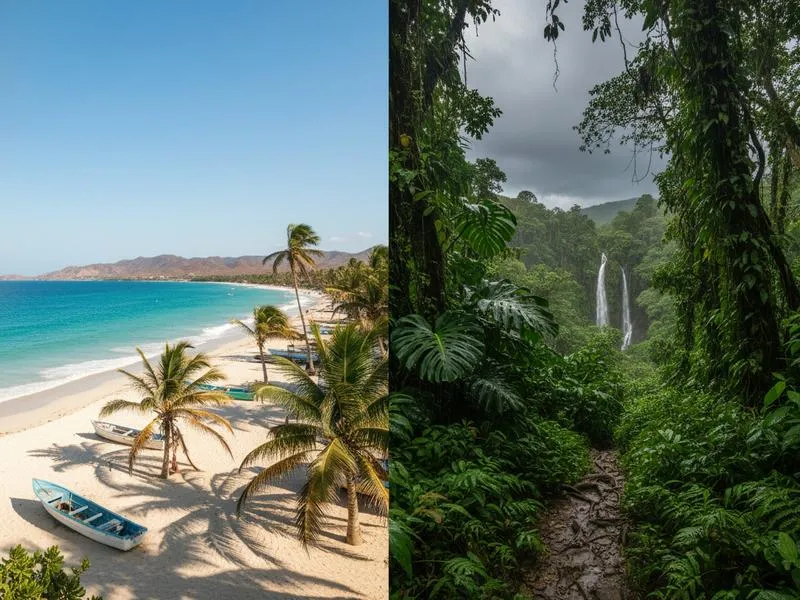
Rainy Season Reality: It’s Not What You Think
The most common misconception about Mexico travel is that the rainy season means ruined vacations. It doesn’t — if you know what the rain actually looks like.
What rainy season really means in most of Mexico:
- ☀️ Clear, warm mornings (often the best weather for outdoor activities)
- 🌧️ Afternoon thunderstorm, typically between 2–5 PM, lasting 30–90 minutes
- ☀️ Clear evenings, often with dramatic skies and cooler temperatures
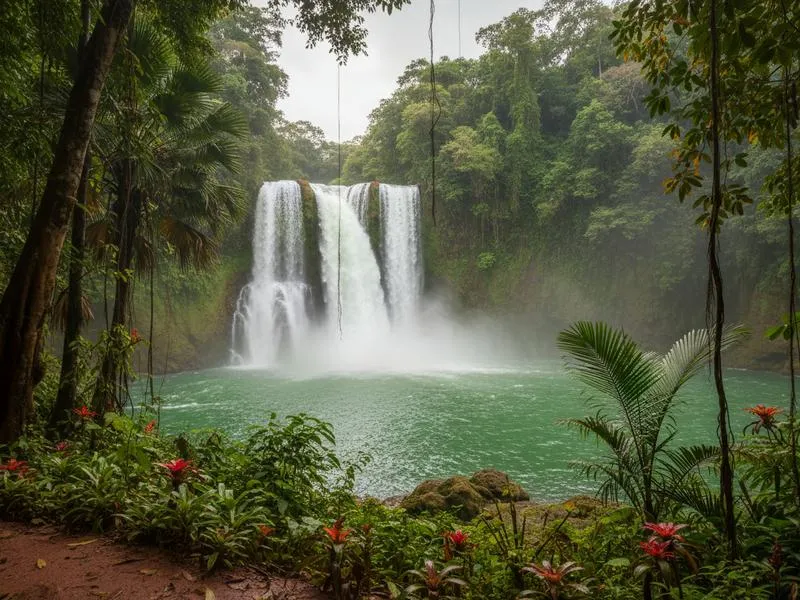
- 💚 Landscapes are vibrant green, waterfalls are at full power, cenotes are lush
This pattern holds for:
- Mexico City and highland cities (Oaxaca, San Cristóbal, Guanajuato, San Miguel de Allende, Puebla)
- Pacific coast (Puerto Vallarta, Manzanillo, Huatulco)
- Most inland regions
Where rain is heavier and more sustained:
- Gulf coast / Veracruz: Can get multi-day rain events in September–October
- Chiapas (Palenque, San Cristóbal lowlands): Rainforest region — expect real rain in June–September
- Southern Yucatán / Campeche: Heavier than northern Yucatán in September–October
Bottom line: Rainy season offers 30–40% lower prices, significantly fewer tourists, and often more beautiful scenery. If you schedule activities for mornings and use the afternoon rains as siesta time, it barely affects your trip.
Hurricane Season: What You Actually Need to Know
Hurricane season officially runs June 1 – November 30, but the real risk windows are narrower.
Caribbean Coast (Cancún, Tulum, Playa del Carmen, Cozumel, Mérida)
- Real risk window: August–October, peaking in September
- Average direct hits: 1–2 significant storms per decade affect major resort areas
- What typically happens: Storms often track further south (toward Belize/Honduras) or weaken before landfall
- Our advice: Book travel insurance if visiting June–October. If you’re set on Cancún, consider December–April instead
Pacific Coast (Puerto Vallarta, Mazatlán, Manzanillo, Ixtapa)
- Real risk window: September–October
- Less common than Caribbean but real — Hurricanes Patricia (2015) and Willa (2018) showed the Pacific can produce major storms
- Our advice: Puerto Vallarta in November–April is essentially risk-free and has the best weather of the year
Unaffected by Hurricanes
These destinations see zero hurricane impact regardless of season:
- Mexico City and all highland cities
- Oaxaca, San Cristóbal de las Casas
- San Miguel de Allende, Guanajuato, Querétaro
- Copper Canyon, Chihuahua
- Baja California (Pacific side, different weather system)
If you want a Mexico trip in September–October, go inland. Oaxaca in October is one of the best Mexico travel experiences that exists — Day of the Dead preparations, perfect temperatures, and no hurricane risk.
Dry Season Deep Dive: November through April
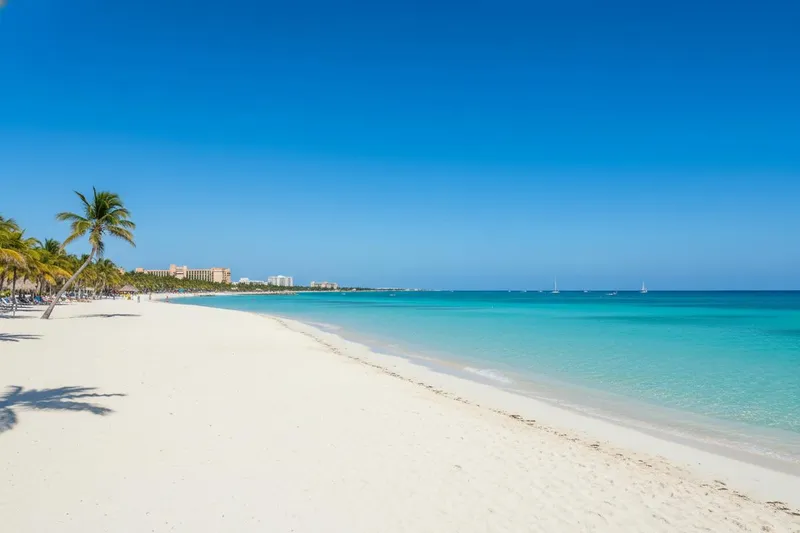
Dry season is when the vast majority of international tourists visit Mexico — and for good reason.
November: The sweet spot. Dry season has just started, Day of the Dead celebrations just ended, monarch butterflies are arriving in Michoacán, and prices are still shoulder-season reasonable. One of the best months to visit Mexico.
December: Excellent weather everywhere, but prices spike hard around Christmas and New Year. Book beach destinations 4–6 months ahead if you want decent rates. New Year’s Eve in Tulum or Puerto Vallarta is world-class but expensive.
January: Peak season in full swing. Consistently good weather on all coasts. Gray whale watching opens in Baja California (Laguna San Ignacio, Guerrero Negro). Cold-water travelers arrive from US and Europe.
February: Whale watching peaks. Carnaval erupts in Mazatlán, Veracruz, and Mérida — some of the best street parties in Latin America. Valentine’s week sees romantic-destination prices surge.
March: Still excellent weather, but the second half of March brings US spring break crowds to Cancún and Los Cabos. If you prefer quieter, go before St. Patrick’s Day.
April: Last of dry season. Easter week (Semana Santa) is Mexico’s biggest domestic travel week — expect packed buses, full beaches, and festive atmosphere. Prices are high but the vibe is worth experiencing.
Pacific vs. Caribbean: Which Coast Has Better Weather?
A question we get constantly. The answer depends on what time of year you’re going.
Caribbean Coast (Quintana Roo)
| Advantage | Timing |
|---|---|
| Calmer, clearer water | Year-round (better Oct–May) |
| Better for snorkeling/diving | Nov–May (visibility highest) |
| Turquoise color | Year-round |
| Less intense summer heat | Compared to Pacific coast |
Trade-off: More vulnerable to hurricanes (August–October), and June–September brings Sargassum seaweed accumulation on many beaches (Tulum has been severely affected in recent years; Cancún’s hotel zone gets cleaned daily). The Sargassum situation has fundamentally changed Caribbean beach quality in summer — worth researching current conditions before you book.
Pacific Coast (Jalisco, Nayarit, Guerrero, Oaxaca)
| Advantage | Timing |
|---|---|
| Dramatic surf and coastlines | Year-round |
| Best surf waves | May–October |
| Less humidity | October–April |
| Smaller crowds overall | Year-round vs. Caribbean |
| Better for surfing vacations | April–October |
Trade-off: Rougher surf means less ideal for casual swimming in some spots. The water is slightly cooler than the Caribbean (especially in Baja).
Bottom line: Caribbean coast is better for crystal-clear snorkeling and typical beach vacations (go November–April). Pacific coast is better for surf, dramatic landscapes, and escaping the mass-tourism bubble (go year-round, best October–April).
Altitude Cities: A Different Mexico Climate
If you’re visiting Mexico City, Oaxaca City, San Miguel de Allende, Guanajuato, or Puebla, throw out everything you think you know about “Mexican weather.”
Mexico City (2,240m / 7,350ft):
- Temperature range: 12–22°C (54–72°F) year-round
- Never gets “hot” in the tropical sense — max days around 26°C in April/May
- Rainy season (June–October): afternoon thunderstorms, sometimes intense
- December–February nights: can drop to 4–8°C — bring a jacket or two
- No hurricane risk, ever
Oaxaca City (1,550m / 5,085ft):
- Similar to CDMX but warmer — daily highs around 24–28°C most of the year
- Rainy season: June–October afternoons
- Dry season (November–May): absolutely beautiful; clear skies and mild temperatures
- Best months: November–April, and October for Day of the Dead atmosphere
San Miguel de Allende (1,860m / 6,100ft):
- Mild and sunny most of the year — often called “Mexico’s perfect climate city”
- Summer (June–August): warm days, cool nights, afternoon rains
- Winter (December–February): days are warm (20°C+), nights can get cold (5°C)
- No bad time to visit; festivals scatter throughout the year
Guanajuato City (2,000m):
- Similar to San Miguel — mild, dry, comfortable
- July–August gets real rains that fill the ravines the city is built into
- Best October–May
Best Month by Activity
| Activity | Best Month(s) | Where | Notes |
|---|---|---|---|
| Gray whale watching | Jan–Mar | Baja California | San Ignacio Lagoon, Guerrero Negro |
| Humpback whale watching | Dec–Mar | Puerto Vallarta, Banderas Bay | |
| Whale shark swimming | Jun–Sep | Isla Holbox, Isla Mujeres | Check conservation guidelines |
| Day of the Dead | Oct 28–Nov 2 | Oaxaca, Pátzcuaro, CDMX | Book Oaxaca 6 months ahead |
| Monarch butterflies | Nov–Mar | Michoacán (Angangueo) | Peak January–February |
| Surfing | May–Oct | Puerto Escondido, Sayulita | Pacific swells peak June–August |
| Cenotes | Year-round | Yucatán | Less crowded in May–September |
| Carnaval | Feb (dates vary) | Mazatlán, Veracruz, Mérida | One of the largest in the world |
| Guelaguetza festival | July (2 weeks) | Oaxaca | Most celebrated cultural festival |
| Copper Canyon | Oct–Apr | Chihuahua | Avoid June–September (rain, floods) |
| Hiking in highlands | Nov–Apr | Everywhere highland | Dry, clear, best visibility |
| Snorkeling / diving | Nov–May | Cozumel, Cancún, Caribbean | Highest water clarity |
| Dia de los Reyes | Jan 6 | Nationwide | Rosca de Reyes; kids get gifts |
Planning Your Trip: A Few Practical Notes
If you’re chasing weather, go November–April. You can’t go wrong with beach destinations, highlands, or the Yucatán during these months. December–March has the most consistent, best conditions nationwide.
If you’re watching your budget, go May–June or September–October. Prices are 30–50% lower, crowds are minimal, and the rain isn’t as bad as people fear. Just build your itinerary around morning activities.
If you’re visiting Caribbean coast August–October, get travel insurance. Hurricanes are rare but the financial exposure from a disrupted trip is real.
If hurricane season worries you, go inland. Mexico City, Oaxaca, and Guanajuato have zero hurricane risk and are great any time of year.
For more detailed regional planning, check our Best Time to Visit Mexico guide, and see what to pack in our Mexico Packing List. For safety context that affects when and where you travel, our Is Mexico Safe? guide has region-by-region detail.
Regional Deep Dives: What Weather Looks Like On the Ground
Cancún and the Riviera Maya
The Yucatán Peninsula runs warm and humid year-round — there’s no true “cool” season here, just less hot and more hot. December through March is the sweet spot: temperatures around 24–28°C (75–82°F), almost no rain, low humidity, and flat, clear Caribbean water ideal for snorkeling.
April and May warm up significantly — highs hitting 33–35°C with rising humidity. Still technically dry season, but not the comfortable dry season of winter. June brings the rainy season and the start of Sargassum seaweed accumulation on Caribbean beaches. This has been severe in Tulum and parts of Playa del Carmen in recent years (2021–2024 all had bad seaweed seasons). Hotels on the Hotel Zone in Cancún clean their beaches daily, but natural beaches further south can be badly affected.
September is the peak of both hurricane season and Sargassum — not a great month for the Caribbean coast unless you’re on a tight budget and flexible.
Best months: December–March. Avoid if possible: August–October.
Puerto Vallarta and the Pacific Coast of Jalisco
The Pacific coast operates on the same seasonal rhythm as the rest of Mexico, but with some important differences from the Caribbean:
The dry season (November–May) is spectacular. Puerto Vallarta in January is one of the finest beach destinations on Earth — warm (27°C), dry, calm, with humpback whales visible from the bay from December through March. Sayulita and the surrounding Riviera Nayarit beaches are equally excellent.
The rainy season (June–October) is when Puerto Vallarta gets actual rain — more sustained than inland highland cities. July and August see daily afternoon rains and high humidity. The upside: off-peak pricing, lush green jungle, full rivers, and some of the best surfing conditions of the year (Pacific swells build through summer). November is when PV transitions back to being extraordinary — dry, warm, whale watching starts.
Water temperatures: Warmer in summer (29–30°C) due to the season, cooler in winter (23–25°C) — still perfectly swimmable year-round.
Best months: November–April. For surfing: May–October.
Oaxaca City and the Central Valleys
Oaxaca is perhaps Mexico’s most weather-blessed state capital. Sitting at 1,550m altitude, temperatures are moderate year-round: roughly 24–28°C highs and 12–16°C nights. Summers feel warm, not oppressive. Winters feel spring-like.
The rainy season in Oaxaca (June–October) means afternoon and evening thunderstorms, often dramatic and intense but brief. The Central Valleys dry out fast after rain. The surrounding landscapes — the mountains, Monte Albán, Hierve el Agua — turn vibrantly green.
Day of the Dead season (late October–early November) aligns perfectly with the end of rainy season: weather is stabilizing, temperatures are perfect, and the celebration transforms the city. This is arguably the best time to visit Oaxaca.
Best months: October–May. For Guelaguetza (July cultural festival): accept the afternoon rains.
Mexico City Throughout the Year
As noted above, altitude moderates CDMX’s temperature, but weather patterns still track with national seasons:
January–March: Dry, clear, cool nights. Smog can be visible on windless days (Chiluca and outlying areas). Visibility of Popocatépetl and Iztaccíhuatl volcanoes is best January–February. Bring a jacket for evenings.
April–May: The warmest, driest months — some days hit 26°C. Also the most polluted months (thermal inversion traps smog). Some of the busiest tourism months as visitors from the US use spring break.
June–October: Rainy season. Afternoon thunderstorms, often intense. The city smells better, the air quality improves dramatically after rain, and the mountains are sharply visible on clear mornings. Evening plans might get rained on if you’re not flexible.
November–December: Dry season resumes. November in CDMX is beautiful — clear skies, moderate temperatures, the city decorated for Day of the Dead and then Christmas. December evenings are cold (6–10°C) — the city’s Christmas light installations on Paseo de la Reforma are worth seeing.
Copper Canyon (Barrancas del Cobre)
Copper Canyon in Chihuahua state deserves its own climate note because it’s so extreme. The Sierra Tarahumara that contains the canyon system has massive altitude variation — from subtropical canyon floors at 400m to highland plains at 2,400m — and the climate swings accordingly.
Best time: October through April for the train journey and hiking. October–November is peak: dramatic post-rainy-season greenery, clear skies, warm days in the canyons.
Avoid: June–September. The barrancas receive intense rainfall during this period. Flash floods cut off roads. The Ferrochihuahua (Chepe) train still runs but conditions are unpredictable.
Winter note: January–February can be cold at altitude (near freezing overnight at Creel and Divisadero). The canyon floor remains warmer. Bring layers for the altitude sections.
What to Wear: A Month-by-Month Packing Climate Guide
| Month | Coasts | Highlands (CDMX/Oaxaca) | North/Desert |
|---|---|---|---|
| Dec–Feb | Light clothes + light layer for evenings | Light day layer + warm jacket for nights | Cold nights — pack wool |
| Mar–Apr | Light clothes, sunscreen | Light clothes, light jacket | Warming up, light layers |
| May–Jun | Hot and humid; quick-dry clothes | Light clothes + rain jacket | Very hot — minimal layers |
| Jul–Aug | Hot, humid; rain gear | Rain jacket essential | Monsoon season — rain gear |
| Sep–Oct | Rain gear; light clothes | Rain jacket, light clothes | Monsoon tapering |
| Nov | Light clothes, maybe a light layer evenings | Light clothes + light jacket evenings | Comfortable; layering wise |
For a complete packing breakdown including specific gear recommendations by season and region, see our Mexico Packing List.
Common Weather Questions Answered
“I’m visiting Cancún in September — should I be worried?” September is statistically the riskiest month for Caribbean hurricanes. The actual probability of your specific trip being directly affected by a hurricane is still relatively low — but the potential downside is real. Get travel insurance that covers trip interruption, monitor the National Hurricane Center, and consider whether the cheap September prices are worth the weather uncertainty.
“Will I need a rain jacket in Mexico City in December?” No. December is deep dry season in CDMX. What you need is a warm jacket for evenings (10°C at night), not rain protection. Pack layers.
“Is Oaxaca too hot in the summer?” No. Oaxaca’s altitude keeps it comfortable even in July and August — highs of 28°C and cool nights. The challenge is afternoon rains, not heat. Plan outdoor activities for mornings.
“Is the beach nice in Puerto Vallarta in July?” The beach is warm and swimmable, but you’ll get afternoon rains and higher humidity. Surf is excellent. Crowds and prices are low. If you’re going primarily for beach relaxation, November–April is better. July is fine if you’re flexible and budget-focused.
“Is it cold in Mexico City in January?” Cold by Mexico standards — not by northern US/European standards. Nights reach 6–8°C. Daytime is pleasant, around 20–22°C. Wear a winter jacket in the evenings. Don’t expect to need it during the day.
Travel Insurance for Mexico: Don’t Skip It
Starting from around 56 USD per 4 weeks for most travelers, it covers emergency medical care, hospital stays, and evacuation — the things that can turn a trip into a financial disaster without coverage.
Weather data based on historical climate averages from CONAGUA (Mexico’s national meteorological service) and regional tourism boards. Individual years vary — always check current forecasts before and during your trip.