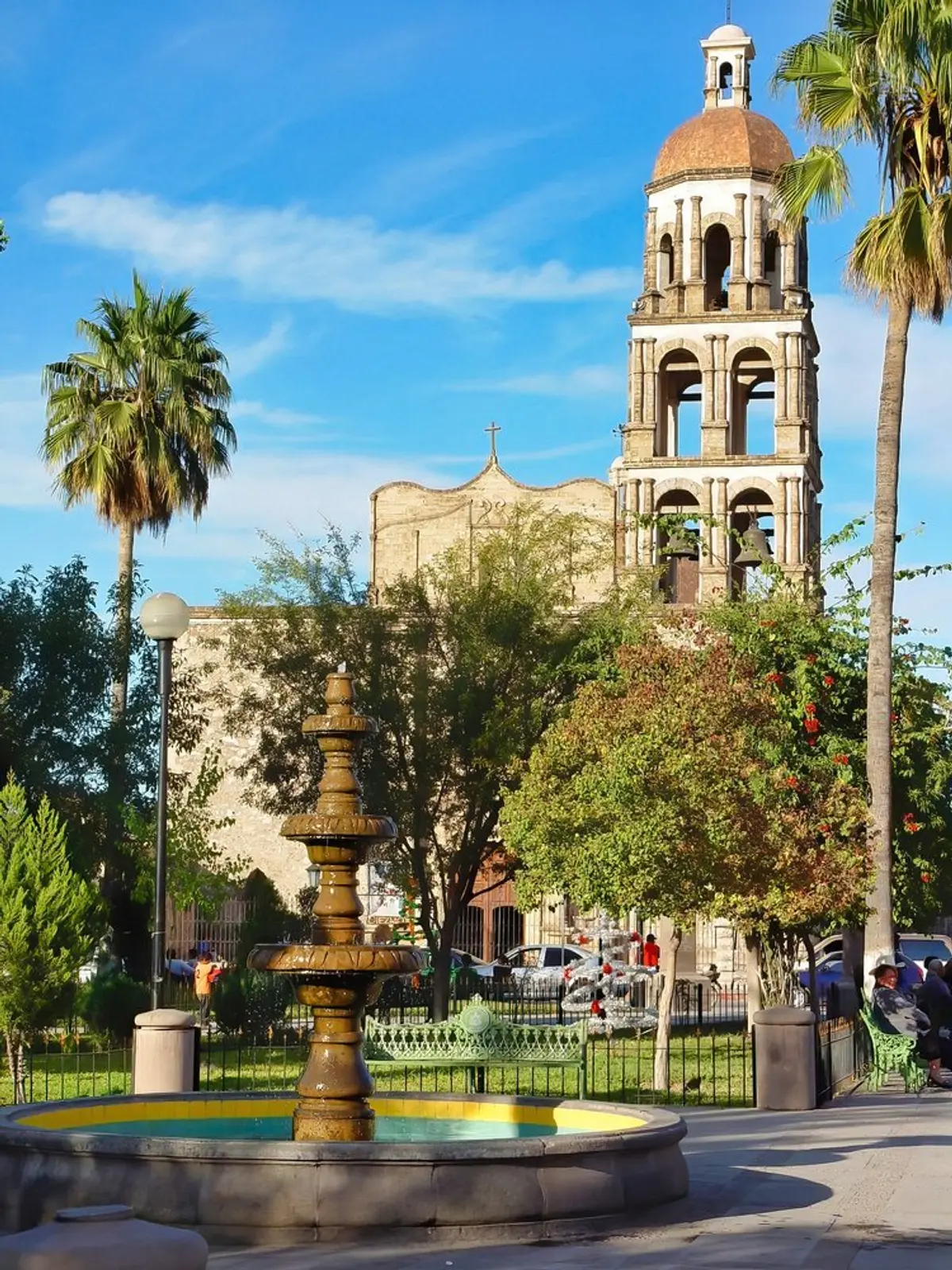
Monclova Coahuila: Cuatro Cienegas Base & 1-Day Plan
Use this Monclova, Coahuila guide to decide if the city is worth a stop, how to plan one useful day, where to eat and sleep, and how to use it as the practical base for Cuatro Ciénegas, Candela, or a northern Mexico road trip.
Most travelers still treat Monclova as a pass-through between Monterrey and Cuatro Ciénegas, but that is exactly why it can work. The city gives you easier hotels, parking, food, museums, Acereros baseball, and road access in the middle of Coahuila.
The key is to treat Monclova as a base, not the headline destination. This guide gives you the fast verdict, a 1-day plan, the strongest things to do, and the route choices that make the stop worth booking.
Monclova in 30 Seconds
Monclova is worth visiting if you want an easy northern Coahuila base for museums, baseball, regional food, and day trips to Cuatro Ciénegas or Candela. The best things to do are Museo Coahuila y Texas, El Polvorín, Plaza de Armas, Xochipilli Park, an Acereros baseball game, and a full-day trip to Cuatro Ciénegas. Most travelers only need 1–2 nights.
If you are scanning search results for a quick Monclova verdict, the practical answer is simple: book it as a road-trip base, not as a standalone vacation. It works best when you need a cheaper, easier overnight between Monterrey, Cuatro Ciénegas, Candela, Saltillo, or the Highway 57 corridor.
| Best for | Monclova is a good fit if you want… |
|---|---|
| First-time stop | A practical overnight between Monterrey and Cuatro Ciénegas |
| History | Coahuila-Texas history, Hidalgo-era sites, colonial churches |
| Nature | Desert parks in town plus Candela hot springs and Cuatro Ciénegas day trips |
| Food | Machacado, cabrito, carne asada, gorditas, and discada |
| Not ideal for | Luxury travelers, nightlife-focused trips, or travelers without a car who want to explore beyond downtown |
Quick Answer
Monclova is worth 1 to 2 nights if you’re combining it with Cuatro Ciénegas, Candela, or a northern Coahuila road trip. The city itself gives you a solid half-day of museums, an easy centro walk, and one of the better food stops on this stretch of Highway 57. The bigger draws are within day-trip range: Cuatro Ciénegas (1 hr 15 min), Candela (55 min), Sierra de Arteaga (1 hr 20 min). Northern Coahuila’s food culture, especially carne asada, machacado, cabrito, and discada, is excellent here, and hotel prices are usually lower than Monterrey.
Best Monclova Plan by Traveler Type
| Traveler type | Best Monclova move |
|---|---|
| Road trippers between Monterrey and Cuatro Ciénegas | Sleep one night in Monclova, do museums and dinner in town, then leave early for Cuatro Ciénegas |
| Travelers who only have half a day | Focus on Museo Coahuila y Texas, Plaza de Armas, Santiago Apostle Parish, and one strong northern dinner |
| Families | Use Monclova as a practical hotel base, add Xochipilli Park, and save the longer nature outing for Candela or Cuatro Ciénegas |
| History-focused travelers | Prioritize Museo Coahuila y Texas, El Polvorín, and the historic-center walk |
| Travelers asking if Monclova is worth it on its own | Yes for a one-night stop, no if you’re expecting a luxury or nightlife destination |
Where Is Monclova?
Monclova is located in north-central Coahuila, 190 km north of Monterrey and 230 km southwest of the Texas border at Laredo/Nuevo Laredo. It sits in an arid basin surrounded by the Sierra Madre Oriental foothills at 615 meters altitude.
Getting there:
| Route | Distance | Time | Options |
|---|---|---|---|
| From Monterrey | 190 km | 2 hrs | Car (Hwy 57), ADO/Omnibus bus (180–250 MXN) |
| From Saltillo | 135 km | 1.5 hrs | Car (Hwy 57), bus (150–200 MXN) |
| From Laredo, TX | 230 km | 2.5 hrs | Car via Nuevo Laredo + Hwy 85 |
| From CDMX | 930 km | 9 hrs | Overnight bus (650–850 MXN) or fly to MTY + drive |
Nearest airport: Monterrey International Airport (MTY) — 190 km south. From MTY, rent a car or take a direct bus. No commercial flights to Monclova itself. See driving in Mexico guide for road trip planning.
Things to Do in Monclova
1. Museo Coahuila y Texas
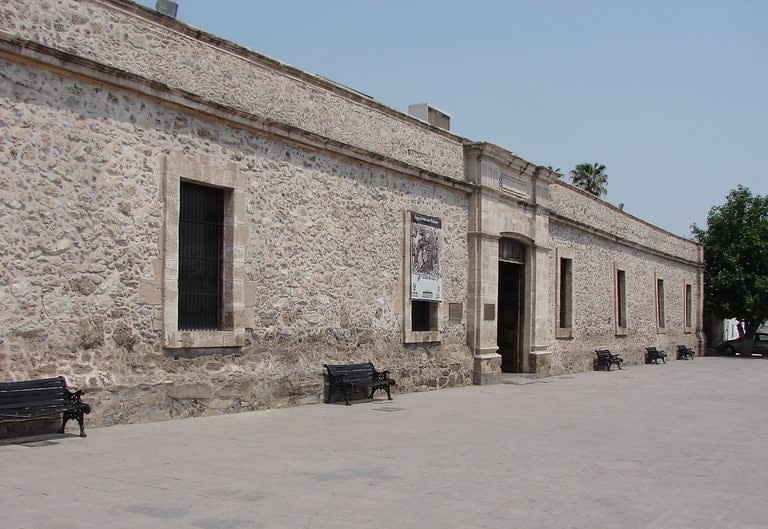
The most important museum in the city and arguably in northern Coahuila. The building traces the shared colonial history of what was once the combined province of Coahuila y Texas — the period from 1824 to 1836 when Monclova briefly served as the capital of this vast territory.
The exhibit covers geological eras, the arrival of Spanish colonizers, the missions era, Anglo-American settlement of Texas, and the eventual separation — the political divorce that set the stage for the Texas Revolution and the Mexican-American War. Well-organized, bilingual signage in the newer sections. Free entry most days; hours 9 AM–5 PM Tuesday–Sunday.
2. El Polvorín Museum
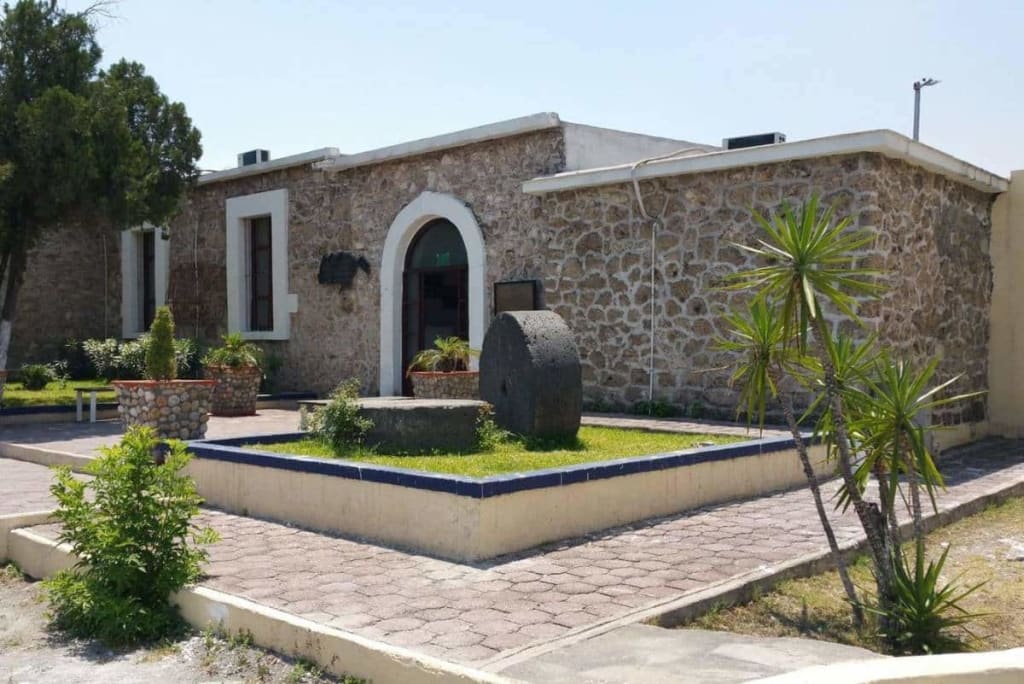
Built in the late 1700s as a Spanish military gunpowder fort (polvorín = gunpowder), this squat stone structure in the city center survived two centuries of wars and repurposings to become Monclova’s most historically charged building.
The exhibit includes pre-Hispanic lithic artifacts and ceramics alongside colonial-era weapons and documents. The centerpiece is the walnut trunk to which Miguel Hidalgo — the priest who launched Mexico’s Independence movement — was physically tied after his capture in 1811. Hidalgo and his co-conspirators were processed through Monclova before being transferred north for execution in Chihuahua. The trunk’s survival is improbable and oddly moving.
Entry: 20–30 MXN. Hours vary; best to visit Tuesday–Saturday mornings.
3. Pape Museum (Museo Pape)
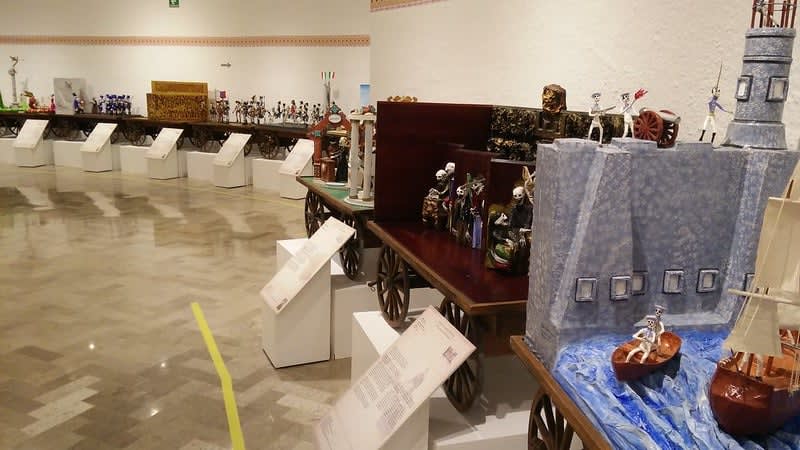
Funded by the AHMSA steelworks company as a cultural institution for the city, the Pape Museum runs rotating contemporary art exhibitions — national and international artists, typically 3–5 exhibitions per year — alongside a library of over 130,000 volumes that’s one of the largest in northern Mexico.
The Mini Pape cultural center for children runs art and language workshops. The building’s architecture is notable: glass and steel, a deliberate counterpoint to the colonial museums nearby. Worth visiting if a good exhibition is on — check their social media before going. You can explore Mexico tours on Viator.
4. Plaza de Armas and the Herons Fountain
The central plaza is a standard colonial square with the Santiago Apostle Parish on one side, but the fountain is the reason locals come. Built in 1980 on the site of the former Plaza Miguel Hidalgo, it features the famous herons (garzas) sculpture — selected over a Hidalgo statue through a quirk of civic politics. In the evenings, the plaza fills with families, food carts, and balloon vendors. The best version of Monclova street food appears here after 7 PM.
5. Santiago Apostle Parish
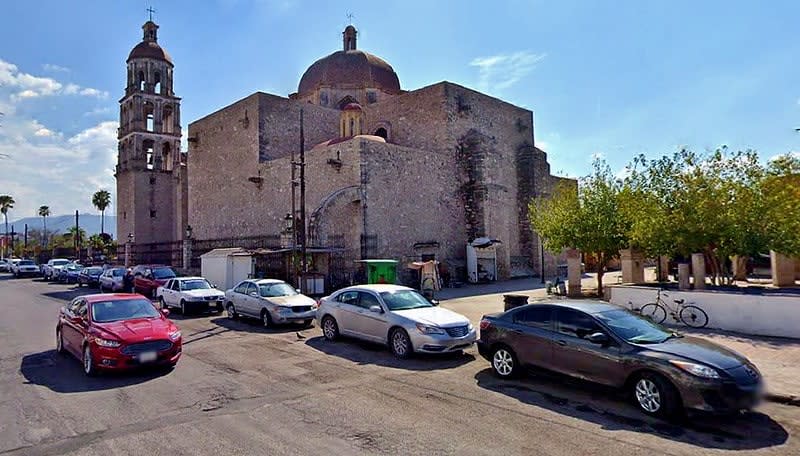
Built in the 17th century and maintained through two wars and multiple earthquakes, the Santiago Apostle Parish is Monclova’s architectural anchor. The facade combines neoclassical, Gothic, and late Baroque elements — a visual record of the different periods of repair and expansion over 350 years.
Look for the Wall of Bells at the city’s entrance: bells recovered from the church that show shot damage from the Mexican Revolution, when the church structure served as a fortified position. The interior has colonial paintings and a gilded altarpiece worth seeing.
6. Xochipilli Park
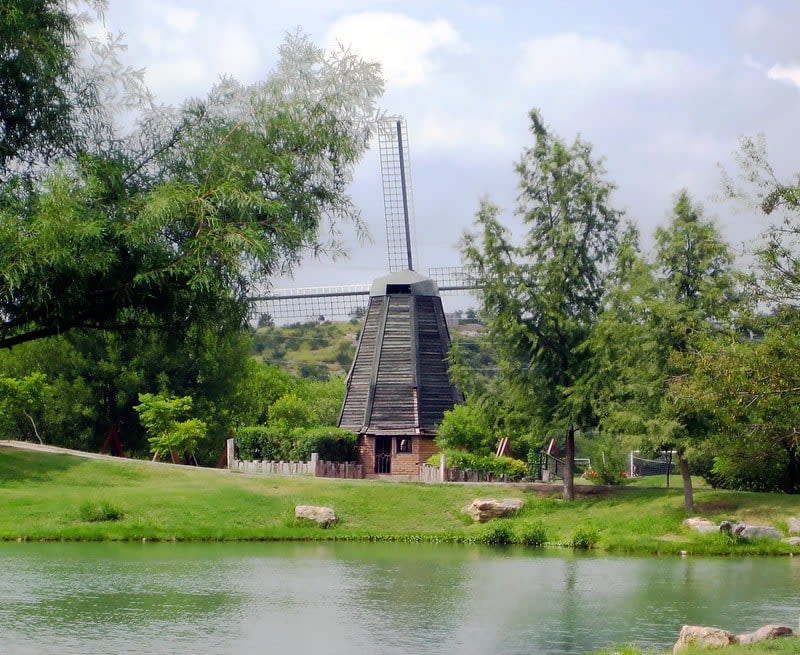
A landscaped park on the northern edge of the city, built around an ecological reserve with native desert plants and several original windmills. The biodiversity here — desert flora adapted to the Chihuahuan Desert transition zone — is genuinely interesting, especially if you’re combining with Cuatro Ciénegas and want context for the regional ecology. Jogging path, picnic areas, playground. Free entry, open daily.
7. Acereros de Monclova Baseball
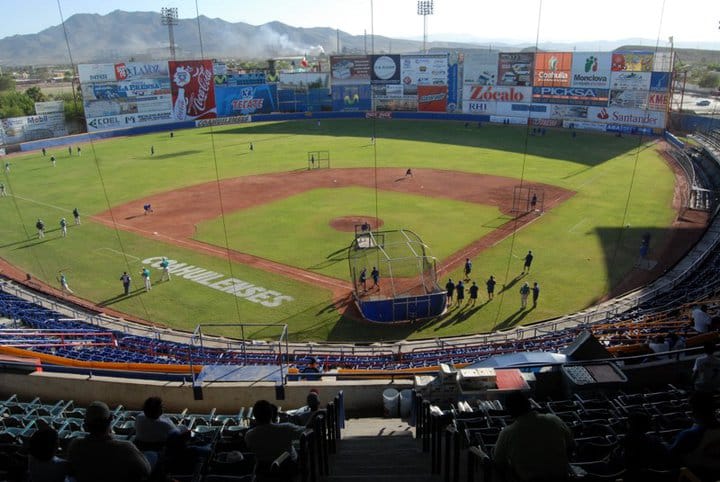
The Acereros (Steelers) are one of the Mexican Baseball League’s storied franchises — multiple championship appearances, a passionate following, and a stadium built in 1975 that hosted the Liga Mexicana All-Star Game in 1997. The team’s identity is tied directly to AHMSA: the steelworks workers are the core fanbase, and the “Acereros” name reflects that industrial pride.
Season runs April through July. Home games are on evenings and weekends. Tickets: 80–200 MXN depending on section. The food inside the stadium — elotes, tostilocos, tortas de pierna, local beer — is the authentic Mexican ballpark experience.
8. Eat your way through northern Coahuila
A lot of competing pages treat Monclova’s food scene like an afterthought, but for many travelers it’s the most memorable part of the stop. If you only do one local meal, make it a proper northern dinner with carne asada, cabrito, or discada on Harold R. Pape Boulevard, then save breakfast for machacado con huevo or gorditas in the centro.
If you’re road-tripping through the state, Monclova is one of the easiest places to understand the broader food culture you’ll keep seeing across the north. Our Northern Mexico travel guide gives that bigger context, and our what is machaca guide helps first-time travelers decode the breakfast menus.
9. Do an evening walk around Plaza de Armas
Even if you’ve already seen the square during the day, come back after sunset. This is when Monclova feels most like itself, with families out, snack carts in place, and the centro relaxed rather than administrative. It’s the easiest low-effort thing to do in Monclova if you only have one evening.
Day Trips from Monclova
Cuatro Ciénegas (90 km — the main event)
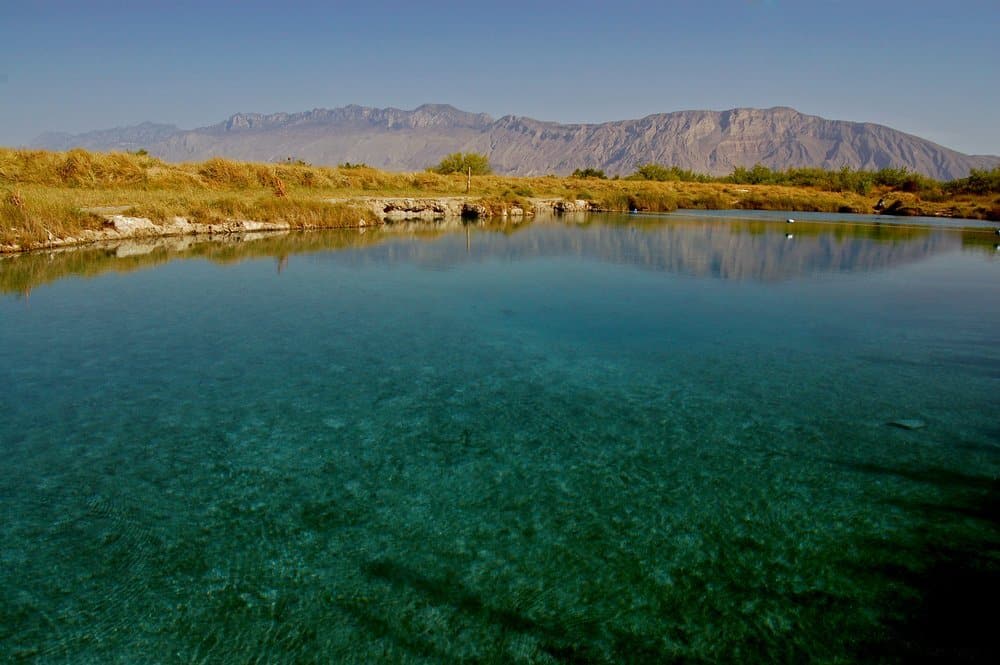
Most visitors to Monclova are here because of Cuatro Ciénegas. The biosphere reserve 90 km west is one of the genuinely rare places on Earth — not a superlative that travel content overuses, but a UNESCO-designated reserve that UNAM researchers specifically travel to study because of what it contains.
The pozas (spring-fed pools) of Cuatro Ciénegas maintain ancient microbial ecosystems — stromatolites and thrombolites that have existed essentially unchanged for billions of years, representing some of the oldest forms of life on the planet. The pools are crystal-clear, fed by underground aquifers, and surrounded by white gypsum sand dunes that look nothing like the rest of northern Mexico.
Key sites within the reserve:
- Poza Azul — the most famous pool, turquoise and photographed, swimming allowed
- Dunas de Yeso — white gypsum sand dunes, walkable
- Río Mesquites — slow-moving spring river with clear water, canoe tours available
- Hacienda La Trinidad — 19th century hacienda ruin within the reserve
Logistics: Rent a car — there’s no reliable public transport from Monclova to the reserve. Entry to Cuatro Ciénegas town is free; park areas charge 70–100 MXN. Full day recommended. See our Cuatro Ciénegas guide for detailed logistics.
Candela, Coahuila (70 km — hot springs)
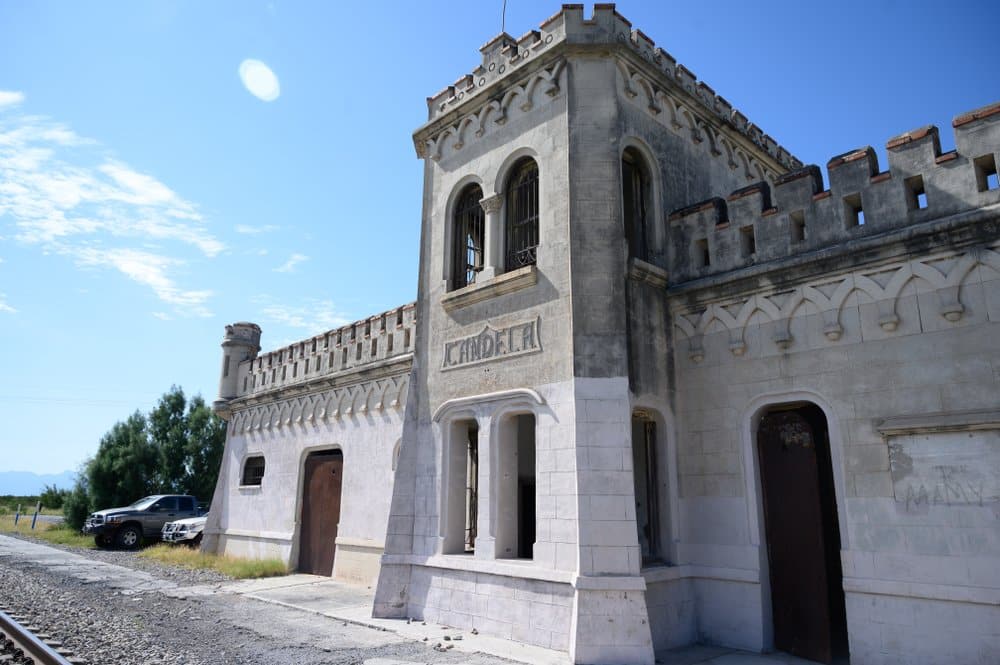
Candela is a small town 70 km northeast of Monclova with hot springs (aguas termales), canyon hiking, and a genuine colonial history as a mission town and viceroyalty outpost. The hot springs are the primary draw — outdoor thermal pools in a desert canyon setting. Multiple balneario operations with varying facilities and prices (typically 80–150 MXN entry).
The town also has modest cave systems accessible with local guides. A good half-day pairing with Monclova — leave in the morning, return for dinner.
Sierra de Arteaga (90 km south — alpine forest)
The least-known day trip from Monclova and arguably the most surprising. Sierra de Arteaga sits 90 km south, where the Sierra Madre Oriental rises abruptly from the Chihuahuan Desert to elevations above 3,000 meters. Pine-oak forests, dramatic canyons, and the Bosques de Monterreal resort — the only ski area in northern Mexico (operational in good snow years, usually January–February). You can book Mexico tours on Viator.
Even without snow, the canyon hikes and cooler temperatures make it a worthwhile escape from Monclova’s summer heat. Road is paved to the main resort; some canyon access requires high-clearance vehicle.
Parras de la Fuente (175 km — wine)
Coahuila’s wine country is further afield but doable as an overnight from Monclova. Parras de la Fuente is the oldest wine-producing town in the Americas (founded 1597), home to Casa Madero and several boutique bodegas. If you want to extend the trip beyond the desert corridor, see our Parras, Coahuila guide for details.
| Day Trip | Distance | Drive Time | Best For |
|---|---|---|---|
| Cuatro Ciénegas | 90 km | 1 hr 15 min | Unique desert ecology, swimming, hiking |
| Candela | 70 km | 55 min | Hot springs, canyon walks |
| Sierra de Arteaga | 90 km | 1 hr 20 min | Alpine forest, skiing (Jan–Feb), cool escape |
| Parras de la Fuente | 175 km | 2 hrs | Wine touring, colonial town, Francisco Madero |
One-Day Monclova Plan
If you only have one full day in Monclova, use this order:
| Time | Plan |
|---|---|
| Morning | Start at Museo Coahuila y Texas, then walk to El Polvorín |
| Late morning | See Santiago Apostle Parish and Plaza de Armas |
| Lunch | Eat machacado, carne asada, or cabrito on Harold R. Pape Boulevard |
| Afternoon | Choose Xochipilli Park or Museo Pape |
| Evening | Walk the plaza again, then catch Acereros baseball in season |
| Extra day | Use it for Cuatro Ciénegas or Parras de la Fuente |
This structure matches what the top-ranking list pages do poorly: they name attractions, but they rarely help travelers turn them into a usable stop.
Monclova Food: What to Eat
Northern Coahuila’s food culture centers on beef — specifically the beef cultures brought by 19th century ranching families who built Monterrey and Saltillo’s food traditions. Monclova shares the northern Mexican table: carne asada cooked over mesquite, preserved and dried meats, goat dishes, and the morning machacado tradition.
The essential northern Coahuila dishes:
Machacado con huevo — Shredded dried beef (machaca) scrambled with eggs, chiles, onion, and tomato. The definitive northern Mexican breakfast. Every fonda in Monclova serves it. The beef is dried and pounded to threads, then rehydrated in the pan — a preservation technique dating to the colonial era when refrigeration didn’t exist. See our full machacado guide.
Cabrito al pastor — Young goat slow-roasted on a spit over mesquite coals. Coahuila produces more goat meat per capita than any other Mexican state. The pastor technique (rotating spit) gives the meat a char on the outside and a falling-off-the-bone interior. Typically served with flour tortillas and salsa roja. Weekend specialty at better restaurants.
Carne asada norteña — Not the quick-grilled meat of the center and south, but proper northern carne asada: thick cuts of beef (arrachera, bife ancho) grilled over mesquite with no marinade — the quality of the cut and the wood smoke does the work. Accompanied by guacamole, pico de gallo, charro beans, and flour tortillas.
Discada — A communal dish originating in the agricultural towns of northern Mexico where field workers cooked on a concave steel plow disc (disco de arado) over fire. A combination of meats — chorizo, bacon, ham, beef, sometimes goat — cooked with onions, chiles, and tomatoes on the disc. Now a social event food, typically prepared for groups on weekends. Some Monclova restaurants serve individual portions.
Gorditas de harina — Thick flour tortillas stuffed with beans, chicharrón, or meat. The northern version uses wheat flour, not corn — a direct result of wheat cultivation in the colonial mission system. Served at market stalls and fondas throughout the city.
Burritos de machaca — Flour tortilla rolled around machacado, refried beans, and cheese. The original breakfast burrito, before the format went international.
Where to eat:
| Restaurant | Specialty | Location | Price |
|---|---|---|---|
| Los Corrales | Cabrito, carne asada, discada | Harold R. Pape Blvd | $$ (200–400 MXN) |
| La Casa del Sirloin | Premium beef cuts, northern grilled meats | Harold R. Pape Blvd | $$$ (350–600 MXN) |
| Fondas in Mercado Municipal | Machacado con huevo, gorditas, pozole | Centro | $ (60–120 MXN) |
| Street carts, Plaza de Armas | Tacos de guisado, elotes, antojitos | Plaza de Armas (evenings) | $ (30–80 MXN) |
For the broader context on northern Mexico’s food culture and other destinations, see our Northern Mexico travel guide.
AHMSA: The Steel City Identity
Understanding Monclova means understanding AHMSA — Altos Hornos de México. Founded in 1942 as a state industrial project to give Mexico its own integrated steel production, the plant grew to employ roughly 25,000 workers in a city whose entire middle class was built by the steel industry.
At its peak production, AHMSA produced 5 million metric tons of steel per year and supplied construction materials for major Mexican infrastructure projects across the 20th century. The plant’s blast furnaces are visible from the highway on the city’s northern edge — a dramatic industrial skyline against the desert mountains.
AHMSA’s fortunes have shaped the city’s economy through booms and contractions. The plant is not a tourist attraction, but understanding it explains Monclova’s scale, its working-class character, and why the city exists at all in this remote desert location.
Practical Information
How to get around Monclova
For the city itself, taxis and app rides are enough if you’re only visiting downtown museums, Plaza de Armas, and restaurants along Harold R. Pape Boulevard. For Cuatro Ciénegas, Candela, Sierra de Arteaga, or Parras, a rental car is the better move. Public transport inside Monclova is fine for locals but clunky for travelers on a short stop.
Best setup: arrive by bus or car, stay near Harold R. Pape or the centro, then rent a car only if you’re doing the reserve and hot-springs day trips. If you’re starting in Monterrey, our driving in Mexico guide is the best prep read.
Where to Stay
Monclova has adequate hotel options concentrated along Harold R. Pape Boulevard (the main commercial strip) and near the city center:
| Category | Options | Price Range |
|---|---|---|
| Budget | Hostal Centro, local guesthouses | 300–500 MXN/night |
| Mid-range | Hotel Ramada Monclova, Hotel Posada | 700–1,100 MXN/night |
| Comfortable | Hotel Quinta Real, business hotels | 1,200–1,800 MXN/night |
Booking tip: if you’re primarily here for Cuatro Ciénegas, consider staying one night in Monclova and one night in Cuatro Ciénegas town itself — this gives you a full day at the reserve without the 90-minute drive each way.
Best Time to Visit
| Season | Temps | Conditions | Notes |
|---|---|---|---|
| Oct–Mar | 8–22°C | Cool, dry | Best for everything; ideal for Cuatro Ciénegas |
| Apr | 18–30°C | Warming, dry | Good; baseball season starts |
| May–Sep | 28–42°C | Very hot | Only for baseball fans; arrive early for outdoor activities |
| Jul–Aug | 35–42°C | Peak heat | Avoid outdoor day trips; Cuatro Ciénegas swimming still fine |
Safety
Monclova and the Coahuila corridor south to Monterrey on Federal Highway 57 is one of northern Mexico’s more traveled and stable routes. The city itself is industrially functional and relatively safe for tourists staying in the centro and commercial areas. As always in northern Mexico, drive in daylight and use toll roads over free roads — Federal Highway 57 (toll version) between Monterrey and Monclova is the recommended route. See our Mexico safety guide for full context.
Budget
| Category | Daily Cost |
|---|---|
| Budget (hostal + market meals) | $25–$40 USD |
| Mid-range (hotel + sit-down restaurants) | $50–$80 USD |
| Comfortable (good hotel + fine dining) | $90–$130 USD |
Note: Cuatro Ciénegas day trip adds 400–700 MXN in park fees, fuel, and food. See our Mexico travel budget guide for full trip planning.
Frequently Asked Questions
What is Monclova, Coahuila known for?
Monclova is known as the Steel Capital of Mexico — home to AHMSA (Altos Hornos de México), the largest integrated steel plant in Latin America, employing roughly 25,000 workers in a city of 240,000. It’s also the most practical base for visiting Cuatro Ciénegas, a UNESCO-recognized biosphere reserve about 90 minutes west.
Is Monclova worth visiting as a tourist?
Monclova is an industrial city with modest tourist infrastructure, but worth a 1–2 day stop if you’re combining with Cuatro Ciénegas, Candela’s hot springs, or Sierra de Arteaga’s alpine forests. The historic center has solid museums and the northern food scene — machacado, cabrito, discada — is excellent.
How far is Monclova from Cuatro Ciénegas?
Cuatro Ciénegas is approximately 90 km (56 miles) west of Monclova — about 1 hour 15 minutes by car on Federal Highway 30. There’s no direct public transport; you’ll need a car or taxi. Most visitors rent a car on RentCars in Monterrey and use Monclova as an overnight stop on the way to or from the reserve.
How do I get to Monclova from Monterrey?
Monclova is 190 km north of Monterrey — about 2 hours by car on Federal Highway 57. ADO and Omnibus de México buses run several daily departures from Monterrey’s central bus terminal; the trip takes 2.5–3 hours and costs 180–250 MXN. Monterrey’s airport (MTY) is the nearest hub. Before you go, consider getting travel insurance.
What is the best time to visit Monclova?
October through April offers the most comfortable temperatures. Monclova sits at 615 meters in a semi-arid desert basin, so summers (May–September) reach 40°C (104°F) regularly. If combining with Cuatro Ciénegas, October–March is best for comfortable hiking and pool swimming.