Things to Do in Campeche 2026: 20 Best Activities & Day Trips
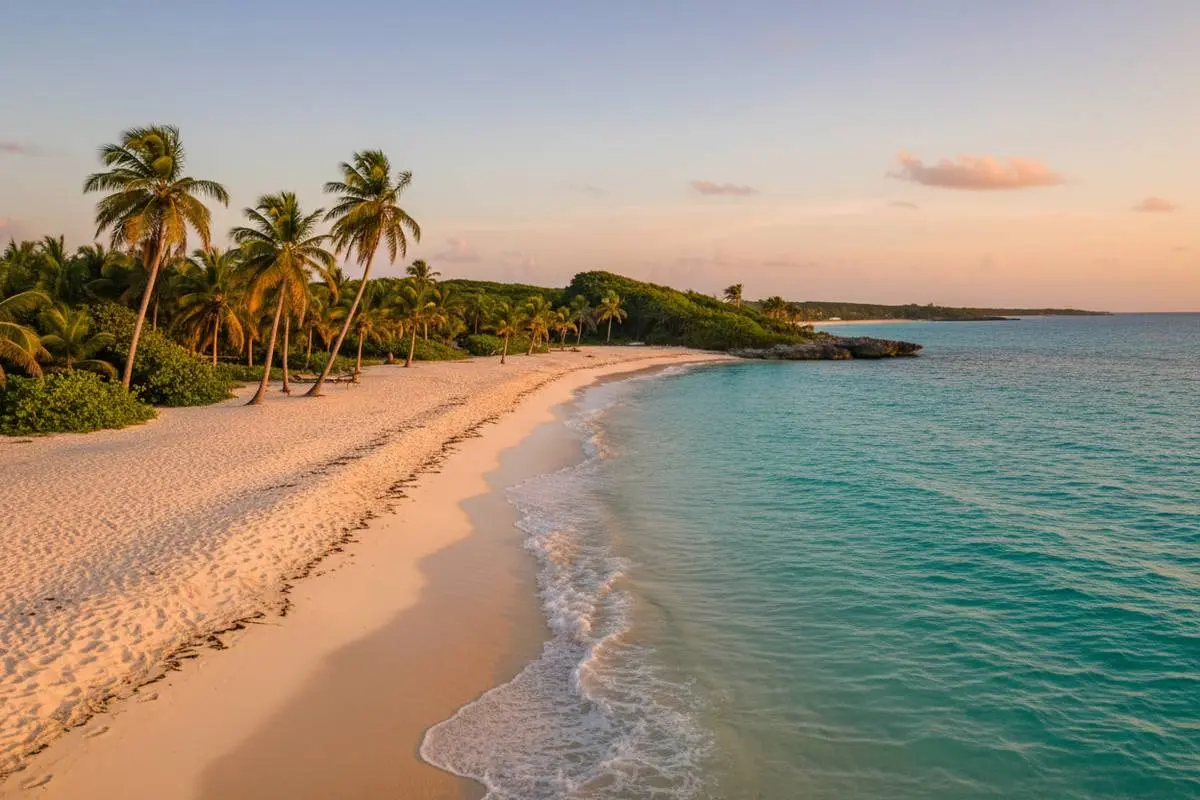
Campeche rewards travelers who slow down. It’s the only city in the Americas where the complete Spanish colonial fortification walls are still standing — eight bastions, two sea gates, and a ring of 18th-century ramparts that the Spanish built after pirates repeatedly torched the place. The UNESCO-listed old city is compact enough to walk in a day, but the state surrounding it holds some of the most remote Maya ruins in Mexico, flamingo colonies, Gulf Coast seafood, and a coastline that sees a fraction of Cancún’s visitors.
Most travelers pass through Campeche on the way from Mérida to Palenque and spend one night. That’s a mistake. Here are 20 reasons to stay longer.
Quick Overview: 20 Things to Do in Campeche
| # | Activity | Time Needed | Cost |
|---|---|---|---|
| 1 | Walk the historic walls & bastions | 2–3 hrs | Free |
| 2 | Puerta de Tierra light show | 1 hr | Free |
| 3 | Reducto de San José fortress | 1.5 hrs | 45 MXN |
| 4 | Catedral de la Concepción | 30 min | Free |
| 5 | Parque Principal (main square) | 1 hr | Free |
| 6 | Mansión Carvajal art museum | 1 hr | Free |
| 7 | Museo de las Estelas Maya | 1 hr | Included w/ Reducto |
| 8 | Museum of Piracy | 1 hr | 45 MXN |
| 9 | Barrio de San Román procession | 1–2 hrs | Free |
| 10 | Craft market — jipi hats | 1 hr | Varies |
| 11 | Pan de cazón seafood lunch | 1.5 hrs | 150–250 MXN |
| 12 | Flamingos at Celestún | Full day | 400–600 MXN |
| 13 | Edzná ruins | Half day | 85 MXN |
| 14 | Calakmul pyramids | Full day+ | 95 MXN |
| 15 | Becán + Xpujil ruins | Full day | 75 MXN each |
| 16 | Diving/snorkeling Gulf coast | Half day | 600–900 MXN |
| 17 | Kayaking Laguna de Términos | Half day | 400–600 MXN |
| 18 | Boat tour to mangroves | 2–3 hrs | 250–400 MXN |
| 19 | Sunset at Baluarte de Santiago | 1 hr | Free |
| 20 | Walk the malecón at dusk | 1 hr | Free |
Inside the Walled City
1. Walk the Historic Walls and Bastions
The Spanish completed Campeche’s fortification system in 1704 after decades of pirate attacks. The circuit of walls is roughly 2.5km — walkable in about an hour at a slow pace. What makes Campeche unique: these are the only complete colonial city walls remaining in the Americas. Every other walled colonial city in Latin America has partial or reconstructed sections. Campeche’s are largely original.
Eight bastions survive: San Carlos, San Francisco, San Juan, Santa Rosa, San Pedro, Santiago, Soledad, and San Francisco. Each served as a defensive position and has been converted into a museum or exhibition space. The Baluarte de la Soledad houses Mayan stelae; Baluarte San Carlos has an underground tunnel system you can walk through.
Start your circuit early morning (before 9 AM) when the light hits the pastel facades at a low angle and the streets are quiet. The walls form an almost complete ring — you can walk the exterior promenade and the interior streets simultaneously.
2. Puerta de Tierra Light Show (Nightly 8:30 PM, Free)
The Land Gate is the larger of the two original sea gates that once marked the boundary between the colonial city and the outside world. Every night at 8:30 PM, a free sound and light show runs for about 45 minutes, projecting the history of pirate attacks and colonial construction onto the gate’s stone facade.
The production is better than you’d expect for a free municipal show. Arrive 15 minutes early. Seating is first-come, first-served and fills quickly with locals and tour groups.
3. Reducto de San José — Best Views in Campeche
The Reducto de San José (Fort of San José El Alto) sits on a hill above the city — technically outside the historic center — and offers the most complete panorama of the walled city and Gulf beyond. Built in 1792, it’s now a military history museum with a collection of period weapons, uniforms, and maps.
Entry is 45 MXN. The view alone is worth the trip. Go in the late afternoon when the light turns the city walls golden and the Gulf shimmers behind them.
4. Catedral de la Concepción
Campeche’s cathedral is one of the oldest in Mexico, with construction beginning in 1540. What you see today is mostly 18th-century work, but the bones of the original structure remain. The interior is relatively plain compared to more ornate Mexican cathedrals, but the two-tower baroque facade is photographically compelling, especially when lit at night.
The cathedral faces Parque Principal — plan your visit as part of the main square circuit.
5. Parque Principal — The Heart of the Old City
Every activity in the historic center radiates from Parque Principal. The main square is lined with the cathedral on one side and colonial government buildings in painted colors — deep ochre, aqua, terracotta — on the others. Evenings here are animated: food carts, locals using the benches, the cathedral lit from below.
It’s a good orientation point for first-time visitors. The tourist information office on the square has free maps and current event listings.
6. Mansión Carvajal — Free Art Museum
One of the finest colonial mansions in Campeche, the Mansión Carvajal was built in the early 20th century by Fernando Carvajal Estrada. It now operates as a free government cultural space with rotating exhibitions of regional art and crafts. The interior courtyard, with its Moorish-influenced arches and black-and-white tile, is architecturally striking.
Entry is free. Takes 45–60 minutes.
7. Museo de las Estelas Maya
Housed inside the Baluarte de la Soledad, this museum displays Mayan stelae (carved stone monuments) recovered from sites across Campeche state. Stelae are essentially the history books of the ancient Maya — each one records dates, rulers, and events in carved hieroglyphs and figurative imagery.
The collection is smaller than Mexico City’s national museum but better contextualized. Entry is included in the Baluarte de la Soledad ticket.
8. Museum of Piracy (Museo de la Piratería)
Campeche has a legitimate claim to the most pirate-attacked city in Mexican history. Between 1558 and 1717, the city was raided at least 21 times. The Museum of Piracy in Baluarte San Carlos covers the major attacks — Lorencillo (1685), who held the city for 56 days; Cornelius Jol (Peg-Leg); and others — with period maps, weapons, and the story of why pirates so consistently targeted Campeche (it was the primary export port for silver from the Yucatan and logwood from the Gulf coast).
The tunnel beneath San Carlos runs for about 300m and connects to other parts of the fortification system. Entry 45 MXN.
9. Barrio de San Román — Christ of the Black Lord
The Barrio de San Román is Campeche’s oldest indigenous neighborhood, located just outside the historic walls. Its centerpiece is the 16th-century church of San Román, home to the Cristo Negro (Black Christ) — a dark-complexioned figure of Christ that draws pilgrims from across Mexico’s Gulf coast.
The procession in September (Fiesta del Cristo Negro, around September 14–16) is one of the most significant religious events in Campeche, with thousands gathering for the street parade. Outside festival time, the neighborhood’s narrow streets and lower-key atmosphere are a contrast to the tourist-polished historic center.
10. Craft Market — Jipi Hats (And the Panama Hat Origin Story)
Campeche’s municipal market sells regional crafts, but the specialty worth looking for is the jipi hat — a finely woven palm-fiber hat that you probably know as a “Panama hat.” Here’s the actual history: Panama hats were never made in Panama. They were made in the Campeche/Yucatan region (particularly Becal, Campeche) and shipped via Panama to the rest of the world, acquiring the wrong name in transit.
The finest jipi hats from Becal (a town 80km north of Campeche) are woven underground in limestone caves where constant humidity keeps the fibers pliable. A quality hat takes 2–3 weeks to weave and costs 500–2,500 MXN depending on fineness. The market near the bus station sells decent versions; for the real thing, see day trips from Campeche City and visit Becal directly.
Food in Campeche
11. Pan de Cazón — Campeche’s Signature Dish
Campeche has the most distinctive regional cuisine on the Yucatan Peninsula. Pan de cazón is the dish you must order: layers of corn tortillas filled with shredded cazón (a small dogfish shark), refried black beans, and tomato sauce — stacked like a savory lasagna and served hot. It’s specific to Campeche; versions elsewhere in Mexico are imitations.
Other Campeche specialties:
- Camarones al coco — coconut shrimp from the Gulf coast
- Pampano en escabeche — pompano fish in vinegar and spices
- Panuchos campechanos — filled tortillas with egg and shrimp
- Papadzules — rolled tortillas in pepita (pumpkin seed) sauce
Where to eat in Campeche:
| Restaurant | Specialty | Price Range |
|---|---|---|
| Marganzo | Pan de cazón, full regional menu | 150–300 MXN |
| La Guarida del Pirata | Seafood, pirate-themed | 150–280 MXN |
| El Bastión | Terrace dining on the walls | 200–400 MXN |
| Cenaduria Los Portales | Evening market food, local | 80–150 MXN |
| La Casa del Campeche | Contemporary regional | 250–500 MXN |
Day Trips from Campeche
12. Flamingo Colonies at Celestún (1.5 Hours North)
Celestún is a fishing village on the Gulf coast 150km north of Campeche, at the mouth of a long lagoon system where the Yucatan’s largest flamingo colony feeds. The same colony is visited on day trips from Mérida — both cities are roughly equidistant. Flamingos are present year-round but most concentrated November through March.
Boat tours launch from the village dock and take you into the mangrove channels where up to 20,000 flamingos feed in shallow water. Early morning (before 9 AM) is best — flamingos are actively feeding and the light is better for photographs. The boats also enter cathedral mangrove tunnels where roots form arched ceilings over the water.
Tour cost: approximately 250–400 MXN per person depending on group size. A private car or rental is most practical from Campeche; colectivos run via Mérida.
13. Edzná Ruins (55km, Puuc Architecture)
Edzná is 55km southeast of Campeche — about an hour by car — and consistently one of the most rewarding Maya sites in the Yucatan for the effort required. The site was occupied for nearly 2,000 years and reached its peak between 600–900 AD. Its centerpiece is the Five-Story Building (Edificio de los Cinco Pisos), a pyramid-palace hybrid with 65 steep steps rising to a roof comb temple at 31 meters.
What makes Edzná unusual: it’s large, well-preserved, and almost always quiet. Where Chichen Itza draws 5,000+ visitors daily, Edzná sees perhaps 200. You can walk the main plaza in relative solitude, explore the Gran Acropolis, and photograph the structures without crowds.
Entry: 85 MXN. Open 8 AM–5 PM. Combine with a Campeche city half-day for an efficient full day.
Full Edzná guide and transport options: Day Trips from Campeche City.
14. Calakmul (3 Hours South — The Most Remote Major Ruins in Mexico)
Calakmul is the most compelling reason to add extra days to a Campeche trip. Located in the heart of the Calakmul Biosphere Reserve — 723,000 hectares of jungle on the Guatemalan border — the site holds two of the tallest pyramids in Mexico (70 meters each), was home to 50,000+ people at its peak, and rivals Tikal as the dominant Classic Maya city.
The practical realities:
- 300km from Campeche City (3–3.5 hours each way)
- Last 60km on a single jungle road from the highway
- Jaguars, toucans, spider monkeys, and howler monkeys are regularly seen
- Entry: 95 MXN plus Biosphere Reserve fee (95 MXN)
- Open 7 AM–5 PM; arrive before 9 AM for wildlife
An overnight near Xpujil (the nearest town, 60km from site) is strongly recommended. Doing Calakmul as a day trip from Campeche is technically possible but requires a 4 AM departure and produces an exhausting 16-hour day.
15. Becán and Xpujil Ruins (4 Hours — Rio Bec Architecture)
If you’re already going to Calakmul, Becán and Xpujil are on the same road and represent a completely different architectural style. The Rio Bec style — found only in this corner of Campeche — features decorative false pyramids (solid towers that mimic steep staircases but aren’t climbable) flanking elongated palace buildings. The monster-mouth temple entrance at Becán, where you walk through the gaping jaws of a deity face, has no equivalent anywhere else in Mexico.
These sites see perhaps 30–50 visitors on busy days. Entry: 75 MXN each.
Water Activities
16. Diving and Snorkeling the Gulf Coast
The Gulf coast near Campeche has gentler currents and less commercial tourism infrastructure than the Caribbean side, which translates to uncrowded dive sites and good visibility (10–20m on calm days). The dive sites near Champotón and Lerma are the most accessible from Campeche City.
Local dive operators offer day trips with equipment. Expect 600–900 MXN for a two-tank dive including equipment rental. Snorkeling tours to the coastal reefs run approximately 300–500 MXN.
17. Kayaking Laguna de Términos
Laguna de Términos is a 1,800 km² coastal lagoon in the southern part of Campeche state — one of the largest in Mexico and a protected biosphere. The lagoon has extensive mangrove systems, seagrass beds, and a population of manatees. Sea kayaking tours of 3–4 hours explore the mangrove channels and open water.
Operators based in Ciudad del Carmen (the lagoon’s main city, 200km from Campeche) run day and overnight tours. Full-day guided kayaking costs approximately 600–900 MXN.
18. Boat Tour to the Mangroves
The coastline near Campeche City has accessible mangrove systems reachable by short boat tours from the malecón area. A 2-hour guided tour passes through mangrove channels and coastal inlets, typically including time for bird watching (herons, frigatebirds, pelicans) and sometimes flamingo sightings in season.
Cost: approximately 250–400 MXN per person. Book through the tourist office on Parque Principal or ask at your hotel.
Campeche Evenings
19. Sunset from Baluarte de Santiago
Baluarte de Santiago (Santiago Bastion) is on the western edge of the historic circuit facing the Gulf. In the early evening, the light hits the ramparts from the west and the Gulf goes gold. It’s a quiet spot compared to the malecón promenade — fewer people, better photographs, and an unobstructed view toward the water.
The Baluarte also has a small botanical garden (Jardín Botánico Xmuch’haltun) inside with regional tropical plants. Open until 9 PM.
20. Walking the Malecón at Dusk
Campeche’s malecón (seafront promenade) runs along the Gulf coast just outside the historic walls for about 2km. In the late afternoon and early evening, it fills with families, cyclists, and vendors. The view back toward the walled city with the bastions lit against the sky is the classic Campeche image.
The malecón connects to the modern city to the north and the old fishing port to the south. Walk south toward the port for local atmosphere away from tourists.
Seasonal Guide
| Season | What to Know |
|---|---|
| Nov–Apr (dry) | Best weather, flamingos concentrated, Calakmul wildlife active |
| May–Jun | Hot and humid, rain starts — fewer tourists |
| Jul–Oct | Rainy season, lush countryside, occasional Gulf storms |
| Sep 14–16 | Cristo Negro festival — Barrio de San Román packed with pilgrims |
| Mar–Apr | Edzná light shows (temporary programming, check locally) |
Budget Guide
| Category | Budget | Mid-Range | Comfortable |
|---|---|---|---|
| Accommodation/night | 400–700 MXN hostel/guesthouse | 900–1,500 MXN colonial hotel | 2,000–4,000 MXN boutique |
| Food/day | 200–350 MXN | 400–700 MXN | 800–1,500 MXN |
| Historic center entry (all) | ~200 MXN | ~200 MXN | ~200 MXN |
| Day trip to Edzná | ~300 MXN colectivo | ~600 MXN taxi/rental | ~800 MXN rental + entry |
| Day trip to Calakmul | 700–900 MXN transport | 1,200 MXN rental | 2,000+ MXN overnight recommended |
Getting There and Around
By bus: ADO runs frequent first-class services from Mérida (2.5 hours, 200–250 MXN), from Villahermosa (5 hours), and from Mexico City (18 hours). The ADO terminal is 3km north of the historic center — take a taxi (40–60 MXN) or local bus.
By car: From Mérida, Highway 180 is 200km southeast (2.5 hours). From Palenque, the route via Escárcega is approximately 350km (4–5 hours). Renting a car in Campeche is strongly recommended if you plan day trips — the city’s rental agencies are cheaper than Mérida.
Within the city: The historic center is walkable (everything within the walls is under 1.5km). Taxis are inexpensive — 40–80 MXN for most city trips.
Tours and Experiences
Organized tours save time for reaching Calakmul, Celestún, and the more remote sites. Viator has vetted options departing from Campeche City:
Browse Campeche Tours on Viator →Plan Your Campeche Trip
Related guides:
- Day Trips from Campeche City — Edzná, Becal, Gulf coast beaches, Calakmul transport
- Yucatan 7-Day Itinerary — how Campeche fits into a broader Yucatan circuit
- Best Time to Visit Mérida — weather and festivals for the Yucatan Peninsula
- Mexico Food Guide — regional Mexican cuisine including Campeche specialties
Campeche is the Yucatan Peninsula’s best-kept travel story: a full UNESCO World Heritage city with lower prices, smaller crowds, and better seafood than Mérida — surrounded by a state that holds some of Mexico’s most remote and spectacular Maya ruins. If you have three days, Campeche City plus Edzná plus one Gulf coast beach is a near-perfect combination.