Things to Do in Taxco 2026: 25 Best Activities, Silver Shopping & Semana Santa
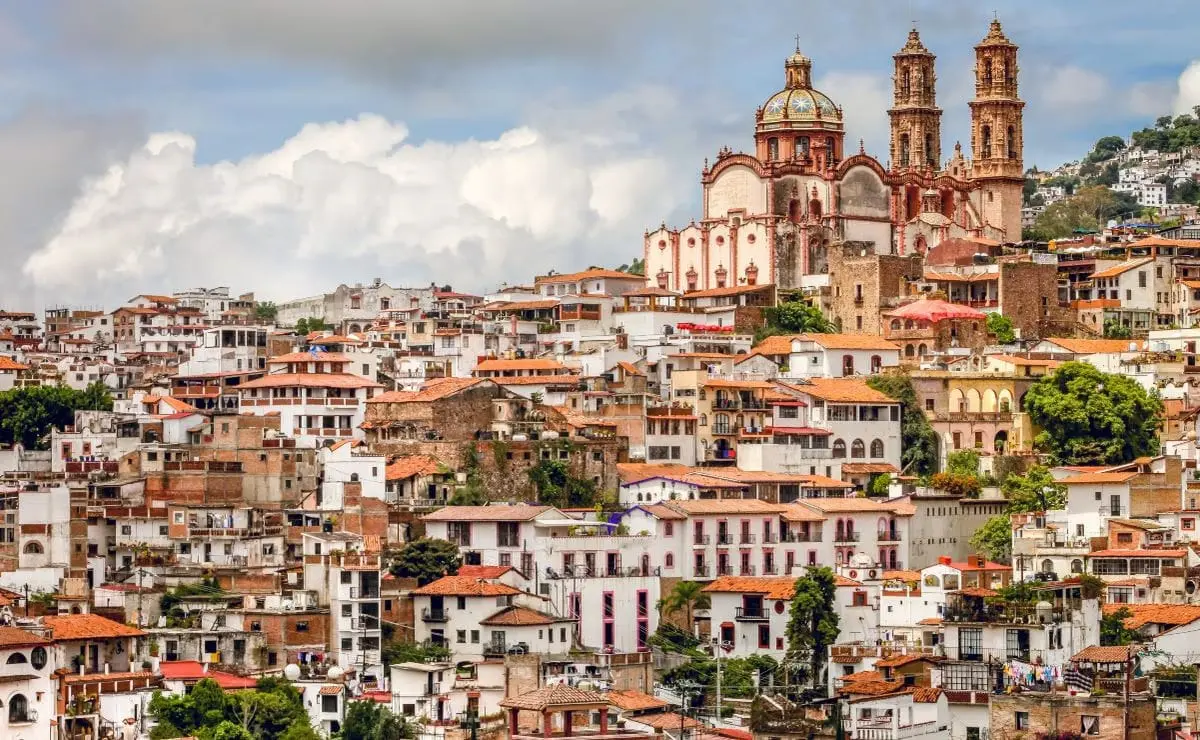
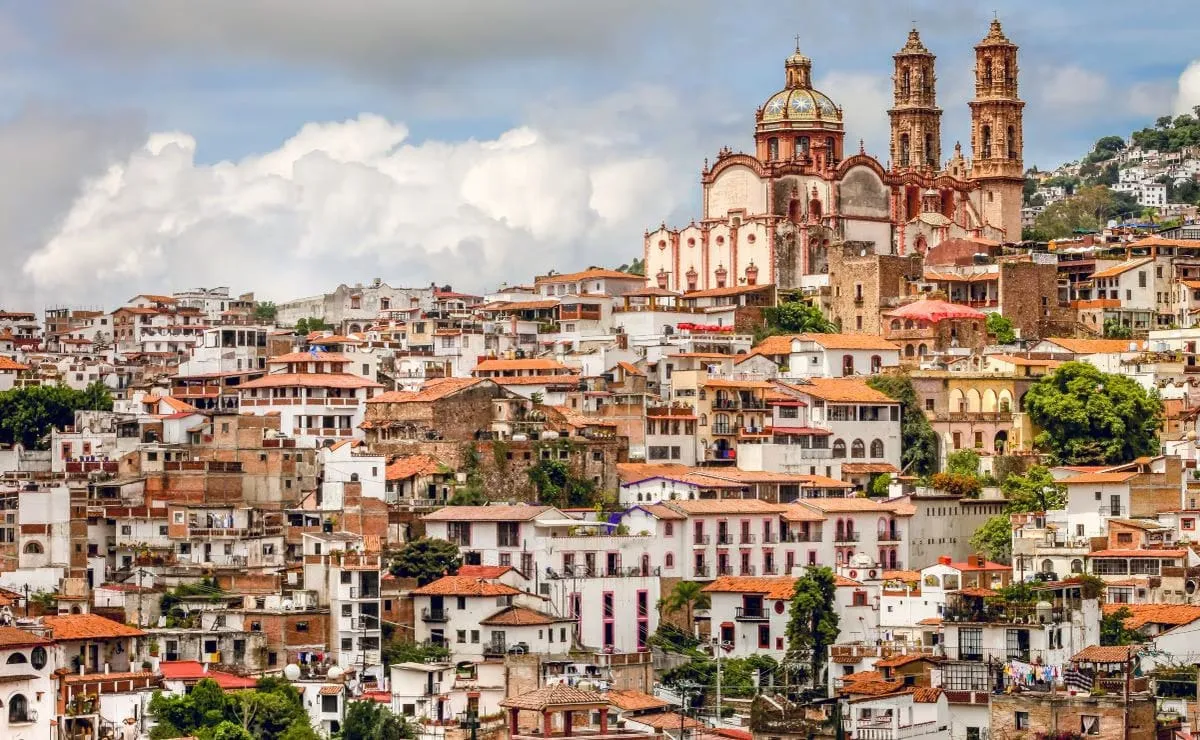
Taxco de Alarcón is a Pueblo Mágico in the mountains of Guerrero state, 172km south of Mexico City, famous for its 300+ silver workshops, Mexico’s most dramatic Semana Santa processions, and cobblestone streets so steep that mototaxis are the primary transport. In 2026, Taxco’s Semana Santa runs March 29–April 5 — one of the most extraordinary events in Mexico.
This is a city that rewards slow exploration: the alleys have no logical grid, the views shift with every turn, and the best experiences — buying silver direct from the workshop, watching penitents in candlelight, eating all three pozole colors in a single day — don’t show up on any official tourist itinerary.
25 Best Things to Do in Taxco
| # | Activity | Cost | Best For |
|---|---|---|---|
| 1 | Semana Santa processions | Free | Everyone (March 29–April 5) |
| 2 | Santa Prisca Cathedral | Free | Architecture lovers |
| 3 | Silver shopping (authentic 925) | 200–8,000+ MXN | Shoppers, gift buyers |
| 4 | Plaza Borda | Free | First stop, orientation |
| 5 | Teleferico (cable car) | 60 MXN each way | Views, quick access |
| 6 | William Spratling Museum | 85 MXN | Silver history buffs |
| 7 | Casa Humboldt / Museum of Arte Virreinal | 45 MXN | History lovers |
| 8 | Mototaxi ride | 20–40 MXN | Everyone |
| 9 | Pozole trail (all 3 colors) | 80–150 MXN/bowl | Food lovers |
| 10 | Berta’s Bar | 120–200 MXN/drink | Evening, history lovers |
| 11 | Silver workshop tour | Free–100 MXN | Curious travelers |
| 12 | Teleferico sunset | 60 MXN | Couples, photographers |
| 13 | Pineda Covalín factory outlet | Free entry | Design shoppers |
| 14 | Mercado de Artesanías | Free to browse | Bargain hunters |
| 15 | Jumiles tasting (Nov only) | 20–50 MXN | Adventurous eaters |
| 16 | Callejón del Beso (Taxco’s alleys) | Free | Wanderers |
| 17 | Mirador views | Free | Photographers |
| 18 | La Leyenda Taxqueña dessert | 40–80 MXN | Food lovers |
| 19 | Peña Bernal Bar (live music) | 100–200 MXN cover | Nightlife |
| 20 | Zócalo evening stroll | Free | All ages |
| 21 | Church of San Sebastián | Free | Architecture lovers |
| 22 | Good Friday pilgrimage walk | Free | Spiritual travelers |
| 23 | Pozole cooking class | 400–800 MXN | Hands-on |
| 24 | Day trip: Grutas de Cacahuamilpa | 155 MXN + transport | Cave explorers |
| 25 | Day trip: Cuernavaca | Free + transport | History buffs |
1. Witness Semana Santa — Mexico’s Most Dramatic Holy Week
Taxco’s Semana Santa is the top reason to visit in spring — and in 2026 it runs March 29 through April 5. If you’re anywhere near central Mexico during Holy Week, this is the experience to prioritize.
The centerpiece is Good Friday (April 3, 2026): starting around midnight, groups of penitents called cucuruchos process through the city in absolute silence. Black-robed, some barefoot on rough cobblestones, some carrying heavy wooden crosses, some dragging chains. No music. No lights except candles and lanterns. Spectators line the streets in silence. This isn’t theater — it’s a living devotional practice continuing for five centuries.
2026 Holy Week at a glance:
| Date | Event |
|---|---|
| March 29 | Palm Sunday — blessing of palms at Santa Prisca |
| April 2 | Holy Thursday — Procession of the Holy Burial begins |
| April 3 | Good Friday — silent penitent processions from midnight |
| April 4 | Holy Saturday — Quema de Judas (burning of Judas effigies) |
| April 5 | Easter Sunday — Easter Mass, city celebration |
Practical tips:
- Book accommodation now — Taxco fills completely for Semana Santa
- The road into Taxco closes to private vehicles Thursday night — arrive by afternoon
- Hotel prices triple vs. normal rates
- Ask your hotel which streets the procession passes — routes shift slightly year to year
2. Santa Prisca Cathedral and Plaza Borda
Every Taxco visit begins at Plaza Borda — not because it’s on the tourist map, but because every street in this hillside city eventually leads back to it.
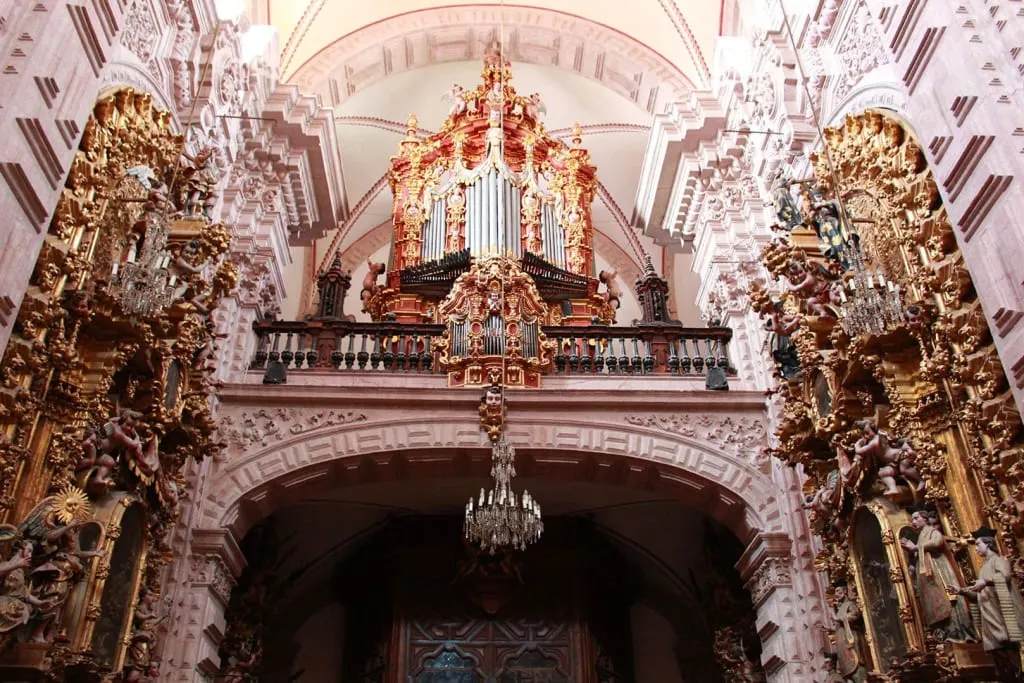
Santa Prisca Cathedral (1748) stands as one of the finest Churrigueresque (ultra-Baroque) buildings in the Americas. José de la Borda, who became the wealthiest man in New Spain after striking silver in 1743, funded the entire construction — a 7-year project costing him a personal fortune. The twin towers rise 40 meters; the carved stone facade is one of Mexico’s most photographed.
What to see inside:
- The main altar and its intricate gilded retablos
- Paintings by Miguel Cabrera (Mexico’s greatest colonial painter), commissioned by de la Borda himself
- The organ — one of the finest surviving colonial organs in Mexico
Entry to the cathedral is free. Go early morning (7–9 AM) for the light through the windows and fewer visitors.
3. Buy Authentic 925 Silver at Source
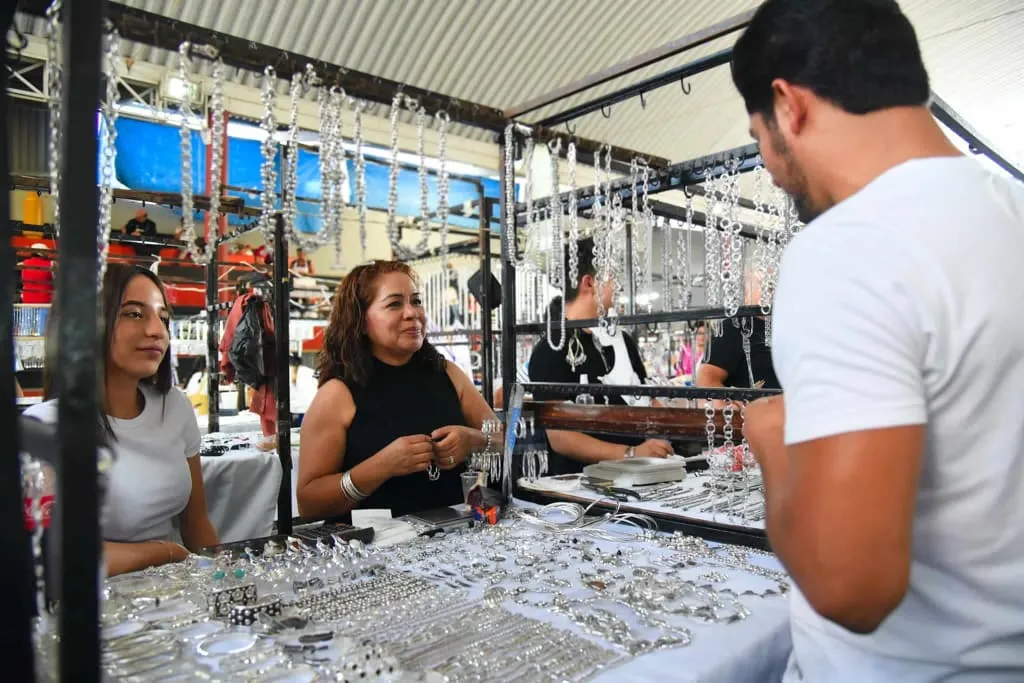
Taxco has over 300 silver workshops — from tiny family operations producing 5–10 pieces per day to larger studios with export operations. Buying here means 40–60% below Mexico City jewelry store prices for equivalent or higher quality.
Silver authentication guide:
| Stamp | What It Means | Quality |
|---|---|---|
| 925 | 92.5% pure silver (sterling standard) | ✅ Authentic — international standard |
| 950 | 95% pure silver | ✅ Better — more expensive |
| 999 | 99.9% fine silver | ✅ Finest — very soft, rare in jewelry |
| alpaca | Silver-colored alloy, zero precious metal | ❌ Not silver — decorative only |
| metal blanco | Same as alpaca | ❌ Not silver |
| No stamp | Unknown | ❌ Avoid without verification |
Where to shop:
- Mercado de Artesanías (Plazuela del Bernal): Best prices, requires verification skills
- Fixed-price shops on Plaza Borda: Reliable quality, no negotiation needed — good for first-time buyers
- Pineda Covalín factory outlet: Mexico’s famous silver-and-silk design house has an outlet in Taxco — discounted designer pieces
- Workshop visits: Ask at your hotel to arrange a visit to a silver workshop; artisans typically welcome visitors during morning hours
Approximate price ranges (2026):
- Rings: 200–600 MXN ($10–30 USD)
- Earrings: 300–1,000 MXN
- Bracelets: 600–2,500 MXN
- Necklaces: 1,500–8,000 MXN
- Statement pieces / sculptural work: 3,000–25,000+ MXN
4. Ride a Mototaxi Through the Cobblestone Alleys
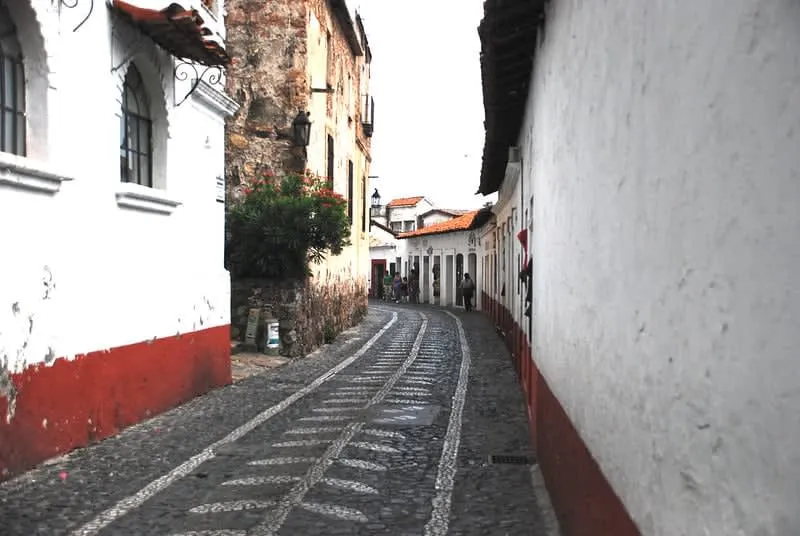
Taxco’s streets are so steep and narrow that the city effectively skipped car culture. The solution: mototaxis — three-wheeled motorcycle taxis that thread through alleys too tight for any four-wheeled vehicle. They’re everywhere, they’re cheap (20–40 MXN for most trips), and they’re the most exhilarating way to experience how a 16th-century city actually functions in 2026.
VW Beetles (the original air-cooled model) still serve as regular taxis for slightly wider streets — Taxco is one of the last Mexican cities where they remain in regular service.
How to use mototaxis:
- Flag one down anywhere in the centro
- State your destination
- Agree on the price before boarding (20–40 MXN is fair; 50 MXN maximum for cross-town)
- Hang on — these drivers know every pothole
5. Take the Teleferico Cable Car
The Teleferico de Taxco connects the lower city to the Monte Taxco hotel complex on the ridge above — a 4-minute ride with panoramic views over the entire colonial roofscape, Santa Prisca, and the surrounding mountains.
- Cost: 60 MXN each way (120 MXN round trip)
- Hours: Daily 7 AM–7 PM
- Location: Lower station near the central market / Plazuela de los Gallos
- Best time: Late afternoon (4–6 PM) for golden hour light over the city
Even if you don’t stay at Monte Taxco, the round-trip cable car ride is worth it purely for the aerial perspective. Photographers: bring a wide lens.
6. William Spratling Museum
William Spratling was an American architect who moved to Taxco in 1929, learned silversmithing from local artisans, and essentially created the modern Taxco silver industry. He trained a generation of Mexican silversmiths and turned a quiet mining town into the silver capital of the Americas.
The Spratling Museum (Museo Guillermo Spratling) houses his personal collection of pre-Hispanic artifacts — jade, gold, obsidian, ceramics — along with documentation of how Taxco’s silver tradition was born from his collaboration with local craftspeople.
- Entry: 85 MXN
- Hours: Tuesday–Sunday, 9 AM–5 PM
- Location: Calle Porfirio A. Delgado 1, half a block from Plaza Borda
7. Eat Pozole in All Three Colors
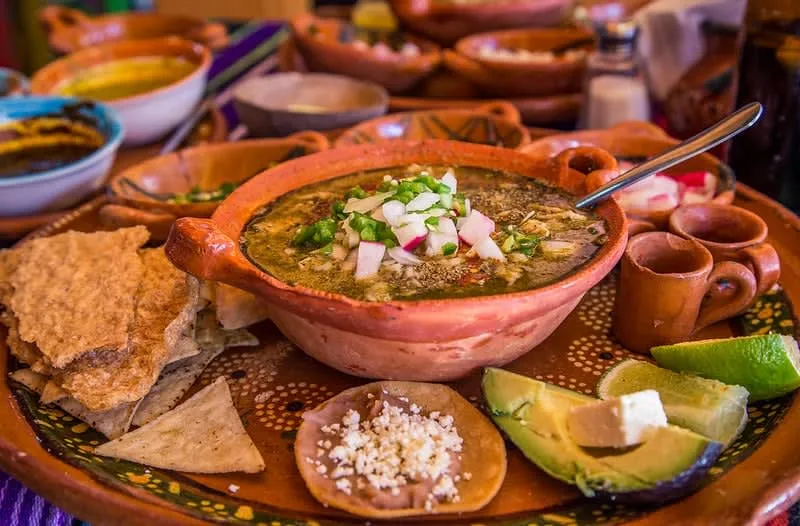
Taxco makes a genuine culinary claim no other Mexican city can match: all three traditional colors of pozole — red, white, and green — are eaten here as distinct local dishes. Most Mexican cities specialize in one; Guerrero state produces all three.
Pozole guide for Taxco:
| Color | Base | Flavor Profile | Where to Find |
|---|---|---|---|
| Rojo (red) | Dried chiles (ancho/guajillo) | Rich, smoky, earthy | Most restaurants |
| Blanco (white) | Plain broth, lime | Clean, bright, customize with garnishes | Traditional fondas |
| Verde (green) | Tomatillo, pepitas, herbs | Fresh, slightly tangy | Less common — ask at markets |
Where to eat:
- Pozolería Taxqueña: Multiple locations near the market, open for lunch and dinner
- Fondas around Mercado Municipal: Cheapest bowls (80–100 MXN), most authentic, only open 9 AM–4 PM
- La Hamburguesa: Famous local spot, also serves jumiles in season
- Restaurant Santa Fe (near Plaza Borda): Sit-down dining with good pozole verde
8. Drink at Berta’s Bar
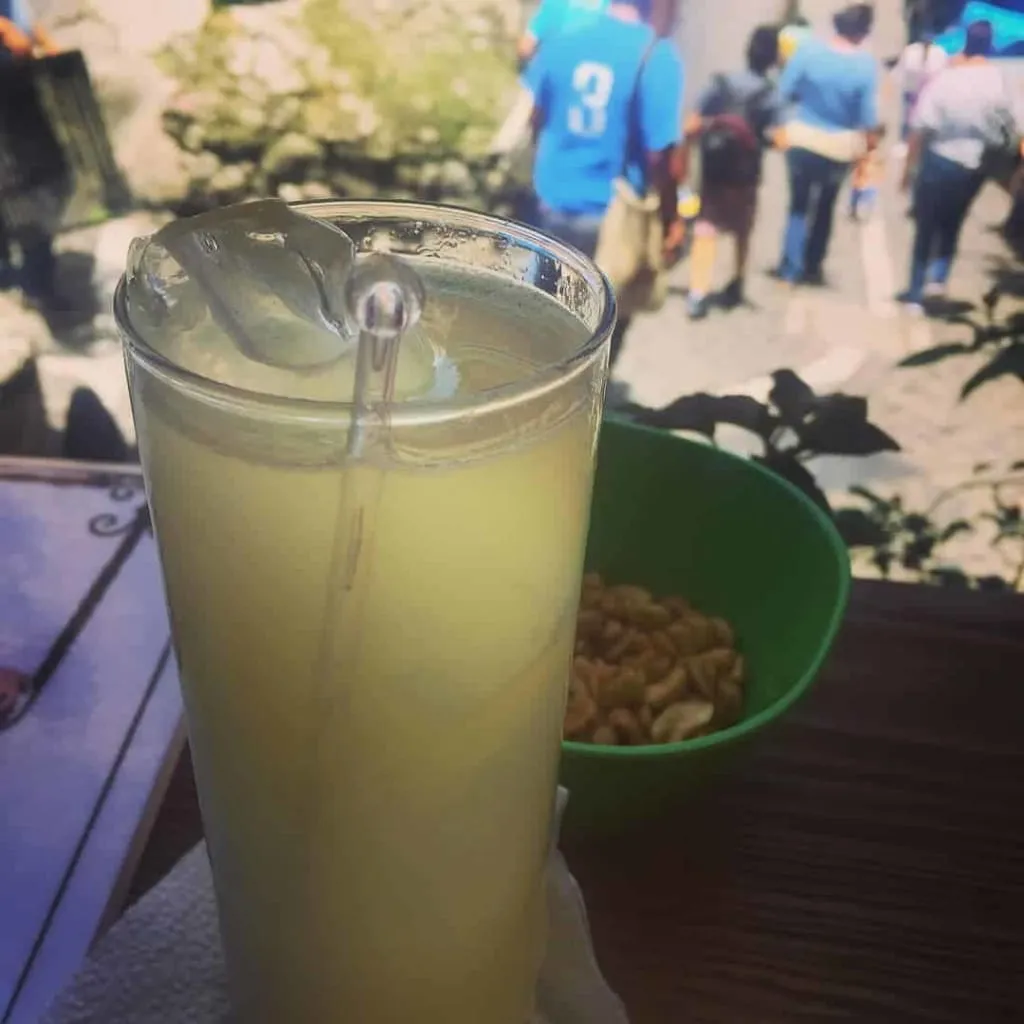
Berta’s Bar (Bar Berta) has been operating since the 1930s and is one of Mexico’s most historically significant bars — not for prestige, but for what it was: the gathering point for William Spratling, visiting artists, writers, and the bohemian expatriate community that briefly made Taxco a Mexican equivalent of Paris’s Left Bank.
The bar is still run by the same family. The interior hasn’t changed. The walls hold decades of photographs of the artists, writers, and silver workers who sat here.
The Berta: The bar’s signature cocktail — mezcal, honey, lime, sparkling water — named after the owner. Order one.
- Location: Portal de las Delicias 2, right on Plaza Borda
- Hours: Daily, roughly 11 AM–11 PM
- Cost: Cocktails 120–200 MXN
9. Casa Humboldt / Museum of Arte Virreinal
Built in 1756 as a colonial mansion, this building hosted Alexander von Humboldt during his 1803 expedition through New Spain (a single night, but enough for the name to stick). It now operates as the Museum of Arte Virreinal — one of the better-presented collections of colonial religious art in central Mexico.
- Entry: 45 MXN
- Hours: Tuesday–Sunday, 9 AM–5 PM
- Highlight: The colonial altarpiece collection and the building’s original courtyard architecture
10. Try Jumiles (November Only)
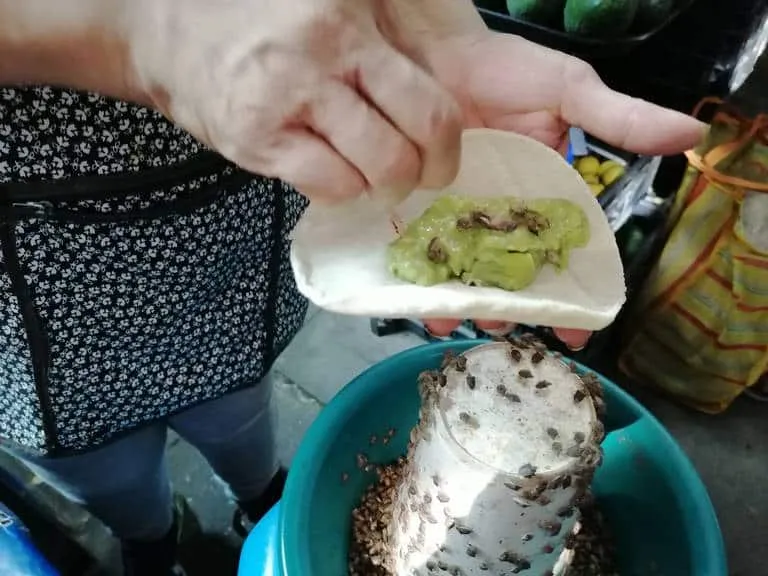
Jumiles (Atizies taxcoensis) are small stink bugs unique to the mountains around Taxco — eaten live or toasted on tostadas with salsa verde. They taste vaguely of cinnamon and anise; the live ones reportedly have mild psychoactive properties. The Feria del Jumil takes place November 1–2, the day after Day of the Dead.
This is not a tourist attraction designed for Instagram. This is an extremely local tradition that has existed for centuries in Guerrero’s indigenous communities, eaten during the brief annual season when the insects emerge.
If you visit in November, the market sells them fresh. If you visit any other time, some restaurants keep dried or toasted jumiles year-round.
Adventurous eaters: this is one of Mexico’s most specific and authentic food experiences.
11–25. More Taxco Activities
Architecture and viewpoints:
- Mirador de la Cruz (Cruz Mission viewpoint): Free hilltop viewpoint reached via a 15-minute walk or mototaxi — the best panoramic photo spot in Taxco looking directly at Santa Prisca and the colonial roofscape
- Church of San Sebastián: Quieter than Santa Prisca, dating to 1630, small attached museum — gives you the full colonial church circuit at negligible cost
- Alley walk (callejones): No map needed — pick a direction from Plaza Borda, walk until the alley dead-ends, turn around, find a new one. The architecture and the unexpected views are the activity
Shopping beyond silver:
- Mercado Municipal: Produce, herbs, traditional foods, and silver at the edges — a functioning market, not a tourist market
- Street vendors near the zócalo: Jewelry, crafts, textiles from surrounding Guerrero communities
Food and drink:
- La Leyenda Taxqueña: The local sweet specialty — a caramel-and-walnut confection sold at artisan candy shops near the market (40–60 MXN per piece)
- Agua de Jamaica and Horchata: Street-stand drinks; Taxco’s pozole restaurants serve them in large clay cups
Evening options:
- Peña Bernal: Live music venue with Mexican folk and norteño, open Thursday–Saturday from around 9 PM
- Evening zócalo: Taxco’s plaza comes alive after 7 PM with families, street food vendors, and the cathedral lit from below — no admission, no planning required
Day trips (separate guide): If you have more than one night, Taxco’s surrounding region has some of the best day-trip options in central Mexico: Grutas de Cacahuamilpa caves (30km), Cuernavaca with the Palace of Cortés (70km), Ixtapan de la Sal hot springs (60km), and Tepoztlán pyramid (110km).
Getting Around Taxco
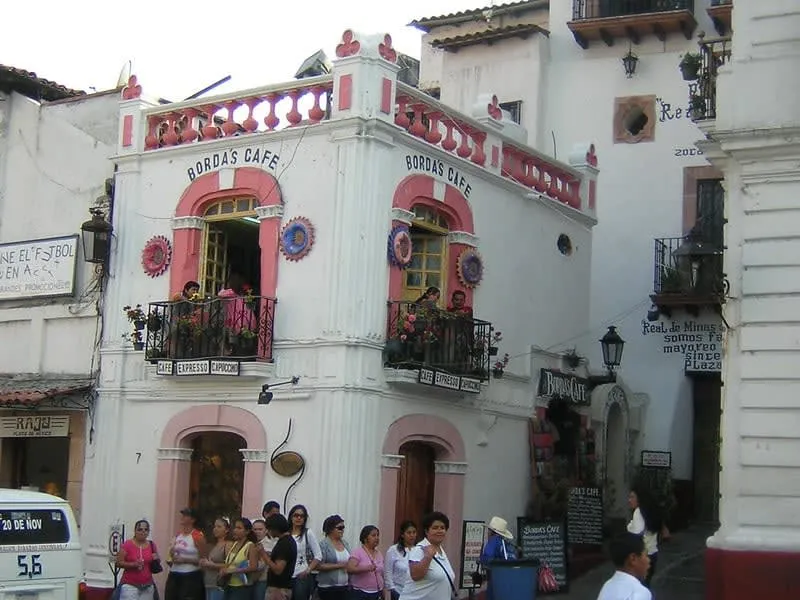
Taxco has no ride-hailing apps. The transport system is uniquely its own:
| Transport | Cost | Best For |
|---|---|---|
| Mototaxi | 20–40 MXN | Cross-city, steep alleys |
| VW Beetle taxi | 30–60 MXN | Flatter areas, more luggage |
| Walking | Free | The central zone (Plaza Borda, cathedral, museums) |
| Teleferico | 60 MXN each way | Upper vs. lower city |
Navigation tip: Taxco has no logical street grid. Use Santa Prisca’s towers as your compass — they’re visible from nearly everywhere. When lost, ask anyone “¿Dónde está el zócalo?” and follow.
Free Activities in Taxco
| Activity | Cost |
|---|---|
| Santa Prisca Cathedral | Free |
| Plaza Borda | Free |
| All street exploration / callejones | Free |
| Mirador de la Cruz viewpoint | Free |
| Silver workshop exterior viewing | Free |
| Church of San Sebastián | Free |
| Zócalo evening atmosphere | Free |
| Semana Santa procession watching | Free |
| Feria del Jumil browsing | Free to attend |
Seasonal Activity Calendar
| Month | What’s On |
|---|---|
| March–April | Semana Santa (2026: March 29–April 5) — peak season, book ahead |
| May–October | Rainy season afternoons; quieter, greener hills; lower prices |
| November 1–2 | Día de Jumiles — stink bug festival + Day of the Dead |
| November–February | Dry season, cool evenings at 1,800m — ideal weather |
| December | Christmas posadas — neighborhood processions nightly Dec 16–24 |
Budget Guide
| Style | Daily Budget | What You Get |
|---|---|---|
| Budget | $35–55 USD | Hostel or basic guesthouse; pozole at fondas; mototaxis; free sights |
| Mid-range | $60–100 USD | Hotel with views; restaurant meals; museum entries; silver shopping budget |
| Comfort | $110–200+ USD | Boutique hotel; full-service restaurants; Teleferico; silver jewelry |
Silver shopping is additive — add budget accordingly. It’s easy to spend an extra $50–200 in the market.
Getting to Taxco from Mexico City
- Bus: ADO or Estrella de Oro from Tasqueña Terminal (Metro Line 2) — 170–280 MXN one-way, 2.5–3 hours, roughly hourly from 6 AM
- Car: Federal Highway 95D toll road south toward Acapulco — exit at Taxco. 2.5 hours from CDMX depending on traffic. Parking is limited and expensive in the centro; use the lower lots and walk or take a mototaxi up
For the full Taxco travel guide including where to stay, safety context, and complete Semana Santa logistics, see the main guide.