What to Eat in Mazatlán: 15 Dishes, Aguachile & Where Locals Eat (2026)
Sinaloa doesn’t get the food credit it deserves. This Pacific coast state is Mexico’s most important fishing state by volume, and Mazatlán — its main port city — receives catches from three different bodies of water: the Pacific Ocean, the Sea of Cortez, and a labyrinth of coastal lagoons. The result is a seafood culture that’s extraordinary in variety and depth, much of it still unknown outside Mexico.
One dish alone makes Mazatlán essential eating: aguachile. The original version was invented here in Sinaloa, and the versions you eat in Mazatlán — prepared with shrimp that was in the water hours earlier — are fundamentally different from the aguachile served in Mexican restaurants in the United States or even in Mexico City. Freshness isn’t an abstract quality when you’re eating seafood half a block from the dock.
This guide covers 15 dishes that define Mazatlán’s food identity, where to eat them, and what to pay. For the full Mazatlán experience: Mazatlán travel guide. For what to do beyond eating: things to do in Mazatlán.
Mazatlán’s Food Identity
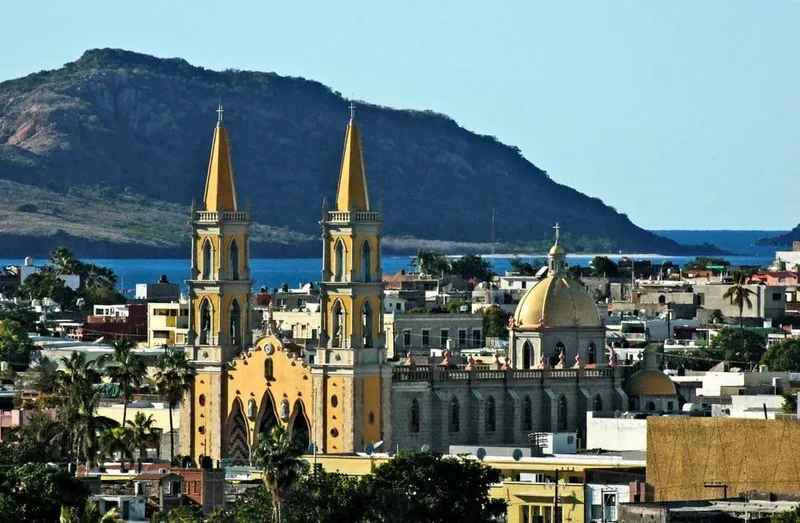
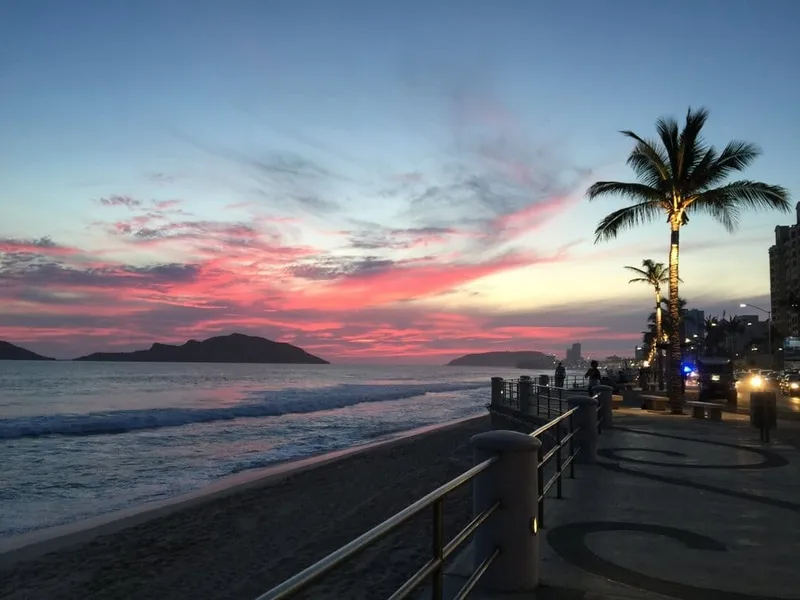
Sinaloa’s food is built around the ocean. The state stretches 656 kilometers along the Pacific coast, with access to mangrove-filtered lagoons (best for oysters and clams), open Pacific waters (best for marlin and tuna), and the protected Sea of Cortez (best for shrimp, callo de hacha, and chocolate clams). Mazatlán sits at the junction of all three zones.
Key Mazatlán food facts:
- Aguachile originated in Sinaloa — the Mazatlán version is the original
- Mazatlán has a commercial marlin fishing fleet; smoked marlin tacos are unique to this city
- Callo de hacha (razor clams) and chocolate clams come from the Sea of Cortez — not found in Caribbean Mexico
- Pacífico beer has been brewed in Mazatlán since 1900
- The Mercado Pino Suárez is the city’s best eating for local food at real prices
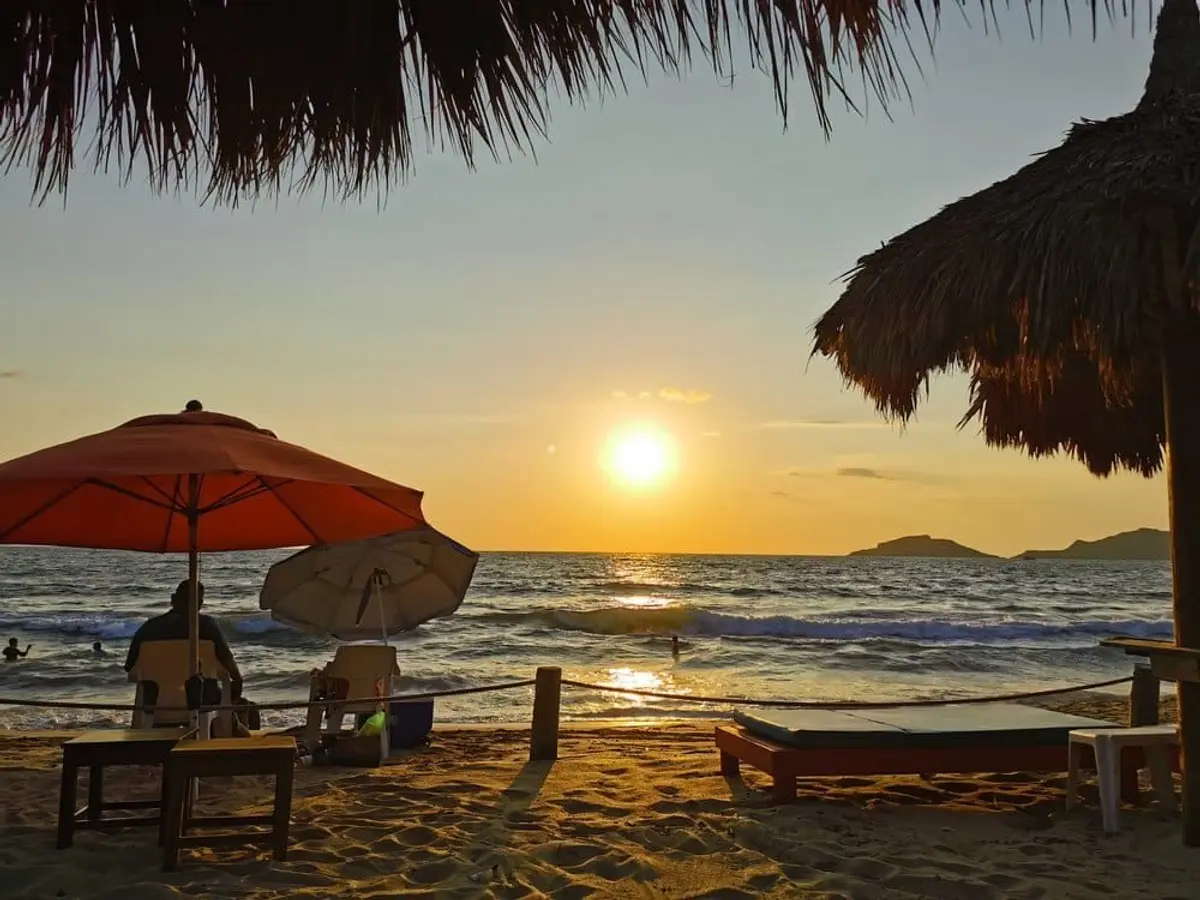
The honest note on price disparity: A seafood plate at a Golden Zone restaurant facing the beach costs 400-800 MXN. The same quality fish at Mercado Pino Suárez costs 80-150 MXN. Stone Island (10-minute water taxi from Old Town) serves fresh grilled fish at local prices to locals and tourists alike. Know where you’re eating.
Mazatlán Food at a Glance
| Dish | Category | Price Range | Where to Get It |
|---|---|---|---|
| Aguachile verde | Raw seafood | 150-300 MXN | Any marisquería, El Presidio |
| Aguachile negro | Raw seafood | 150-300 MXN | Mariscos Chuy, waterfront |
| Tacos de marlín | Smoked fish tacos | 20-40 MXN/taco | Street stands, dock area |
| Callo de hacha | Raw/grilled clam | 30-60 MXN/piece | Mercado, Stone Island |
| Chocolate clams | Grilled clam | 40-80 MXN/piece | Mercado Pino Suárez |
| Ceviche mazatleco | Marinated seafood | 150-250 MXN | Marisquerías |
| Camarones a la diabla | Spicy shrimp | 180-350 MXN | Restaurants |
| Tacos gobernador | Shrimp-cheese taco | 40-60 MXN/taco | Taco stands |
| Chilorio | Pork stew | 100-200 MXN | Fondas, markets |
| Tamales sinaloenses | Steamed corn masa | 30-50 MXN | Morning markets |
| Caldillo de mariscos | Seafood soup | 120-220 MXN | Marisquerías |
| Ostiones de laguna | Fresh oysters | 15-30 MXN/piece | Mercado |
| Pozole sinaloense | Hominy stew | 100-180 MXN | Thursday restaurants |
| Birria estilo Sinaloa | Beef stew | 120-200 MXN | Weekend market stalls |
| Capirotada sinaloense | Bread pudding | 40-80 MXN | Fondas (seasonal) |
15 Essential Mazatlán Foods
1. Aguachile Verde — The Original
This is Mazatlán’s signature dish and Mexico’s most copied raw seafood preparation. Aguachile translates literally as “water with chile” — a description of the original preparation where serrano chiles were blended with water, then used to briefly “cook” raw shrimp in the same way lime juice does. The modern version uses lime juice as the acid, but the fresh chile is still the defining element.
The Mazatlán version: raw Pacific shrimp, butterflied open, placed on a plate, covered in a sauce of blended serrano chile + fresh lime juice + a touch of salt, then garnished with thin-sliced cucumber, red onion, and sometimes avocado. Served ice-cold, immediately after assembly.
What makes Mazatlán’s aguachile different: The shrimp just came off a boat. Mazatlán receives commercial shrimp catches daily from the Pacific and Sea of Cortez — the shrimp served at a Malecon marisquería today may have been netted this morning. The quality difference between fresh-caught Sinaloa shrimp and refrigerated shrimp (what you get everywhere else) is significant.
The three styles:
- Aguachile verde: Classic — fresh serrano + lime, bright green sauce
- Aguachile negro: Charred dried chiles blended into the lime sauce — darker color, smokier heat
- Aguachile rojo: Guajillo-based, milder, slightly sweet
Order all three if you’re serious. Order the verde first — it’s the original.
Where to eat it: El Presidio (Old Town, near Plaza Machado), Mariscos Chuy (Malecon), any marisquería along the fishing dock. Price: 150-300 MXN per portion.
2. Tacos de Marlín Ahumado
Mexico has many signature tacos. Mazatlán’s is the taco de marlín ahumado — cold-smoked marlin, shredded and sautéed, served in corn tortillas. You will not find this anywhere else in Mexico because the marlin fishing fleet is here.
Mazatlán has one of the largest commercial marlin fishing operations in the Pacific. The fish sold to restaurants and sportfishing tournaments are the valuable cuts; the offcuts and less-prized pieces get smoked. Cold-smoking over mango wood — the distinctive Mazatlán touch — gives the marlin a subtly sweet, tropical smoky flavor that’s completely different from mesquite or oak.
The taco assembly: shredded smoked marlin, sautéed briefly with onion, tomato, serrano chile, and garlic, stuffed into a corn tortilla, topped with avocado slices, fresh tomato, and the house salsa. The fish itself does the work — the sautéeing is minimal, just warming the fish and adding allium base.
Where to find them: Street stands near the fishing pier (Paseo del Mar area), Pino Suárez market area breakfast stalls, Tacos El Gringo near Old Town. Price: 20-40 MXN per taco.
When to go: Available all day, but morning street stalls run out by noon. The freshest smoked marlin is a morning product.
3. Callo de Hacha
The callo de hacha (literally “axe clam” or razor clam) is a long, narrow bivalve from the Sea of Cortez — Tagelus californianus — with a sweet, clean oceanic flavor and a texture between a scallop and a butter clam. It’s one of Mexico’s most prized shellfish and largely unknown internationally because it stays regional.
In Mazatlán, callo de hacha is served two ways:
- Raw with lime and hot sauce: The traditional presentation. The clam is removed from the shell, sliced into sections, and served on ice with fresh lime wedges and a bottle of Valentina or Cholula. The goal is to taste the sea.
- Grilled with garlic butter and cheese: The crowd-pleasing version — the shell goes on a hot grill, butter and garlic go in, mild cheese melts on top. Similar to a Parisian moules preparation but with a different bivalve.
Where to find it: Mercado Pino Suárez (market mariscos stalls), Stone Island beach restaurants, Mariscos Chuy. Price: 30-60 MXN per piece at the market; 80-150 MXN at a restaurant.
4. Chocolate Clams (Megapitaria squalida)
The almeja chocolata (chocolate clam, Megapitaria squalida) has nothing to do with chocolate in flavor — it’s named for the dark brown shell. What it does have is an exceptionally rich, briny-sweet flavor that’s stronger than most clams and more complex than oysters.
Chocolate clams come from the sand flats of the Sea of Cortez, particularly the lagoon systems near Mazatlán and further south in Baja California Sur. They’re a protected species under Mexican environmental law — legal to eat at licensed establishments, prohibited to collect from the wild without permits.
Preparation: Mazatlán’s preferred method is grilling in the shell with a light seasoning (garlic, a touch of butter or olive oil, perhaps a little chile serrano). The shell acts as a natural cooking vessel. The clam opens when cooked, releasing a pool of natural juices into the shell — drink that before eating the clam. Some vendors serve them raw with lime; the grilled version is more forgiving if you’re unsure of the provenance.
Where to find them: Mercado Pino Suárez fish market, Stone Island beach restaurants, marisquerías near the dock. Price: 40-80 MXN per piece grilled at a restaurant; market price lower.
5. Ceviche Mazatleco
Mazatlán’s ceviche is distinct from the Yucatecan or Veracruz versions. Ceviche mazatleco uses shrimp (not fish) as the primary protein, marinated for 15-20 minutes in lime juice, then mixed with diced tomato, white onion, cucumber, serrano chile, cilantro, and a splash of Clamato or tomato juice for body.
The texture is firmer and the flavor brighter than aguachile — the longer acid exposure partially denatures the shrimp. Some preparation adds avocado. The Mazatlán style also often includes camarón seco (dried shrimp) mixed into the fresh shrimp — a textural contrast and concentrated flavor note from Sinaloa’s dried shrimp industry.
Tostada de ceviche: The preferred way to eat ceviche in Mazatlán. The ceviche goes on a fried corn tostada, topped with sliced avocado and a squeeze of lime. The tostada adds crunch and corn flavor that enriches the whole thing. Street price for tostadas de ceviche: 50-90 MXN.
6. Camarones a la Diabla
Mazatlán produces a huge proportion of Mexico’s commercial shrimp (Sinaloa accounts for roughly 30% of national production), so there’s no shortage of preparations. Camarones a la diabla is the spiciest: whole shrimp cooked in a sauce built from dried guajillo, ancho, and morita chiles, blended with tomato, garlic, and a significant amount of serrano or árbol chile. The result is intensely red, deeply flavorful, and genuinely spicy.
The shrimp are usually left shell-on (the shell protects the flesh from overcooking in the sauce), so you’re peeling at the table. The sauce is the point — use tortillas to clean the plate.
Variations: Camarones al mojo de ajo (garlic butter, gentler) and camarones empanizados (breaded and fried) are the toned-down alternatives at the same restaurants.
Price: 180-350 MXN at a sit-down marisquería, depending on shrimp size.
7. Tacos Gobernador
Tacos gobernador originated in Sinaloa in the 1980s — specifically credited to a Mazatlán restaurant that invented them for a visiting state governor (gobernador means governor). The taco: shrimp sautéed with tomato, chile, and onion, mixed with Oaxacan cheese (or any melting cheese), folded into a corn tortilla and griddled until the cheese melts and the tortilla crisps on the outside. The combination of seafood + cheese violates a traditional Mexican cooking rule (no cheese with seafood) — and it works better than it should.
Gobernador tacos spread from Mazatlán up and down the Pacific coast of Mexico. They’re now common in Puerto Vallarta, Manzanillo, and Cabo San Lucas. The original Mazatlán version uses larger shrimp pieces and a sharper Sinaloan chile heat than the diluted versions you find further south.
Price: 40-60 MXN per taco at taco stands and marisquerías.
8. Chilorio
Not all Sinaloa food is seafood. Chilorio is the state’s landmark land meat: pork slow-cooked until very tender, then shredded and sautéed in a sauce of dried guajillo and ancho chiles, vinegar, garlic, and oregano until the fat renders out and the meat absorbs the chile flavor deeply.
Chilorio has a concentrated, savory intensity that comes from the double cooking — long braise, then high-heat sauté. It’s eaten in tacos, as a burrito filling (Sinaloa has a strong burrito tradition, unlike southern Mexico), or with eggs as a breakfast dish.
Important: Sinaloa is one of the few Mexican states with a genuine burrito culture — flour tortilla burritos filled with chilorio, beans, and cheese. This is closer to the original Mexican burrito than anything served in the US. Ask for a burrito de chilorio and you’ll see what burritos looked like before Americanization.
Where to find it: Fondas (informal local restaurants) around the Mercado Pino Suárez, marisquerías that also serve meat dishes, and market breakfast stalls. Price: 100-200 MXN for a plate.
9. Ostiones de Laguna — Mazatlán Oysters
Mazatlán sits adjacent to some of Mexico’s most productive oyster lagoons. The ostión del Pacífico (Crassostrea gigas) farmed in the coastal lagoons around Mazatlán and further south benefits from nutrient-rich tidal flows that produce large, plump oysters with a clean, oceanic finish.
Mazatlán oysters come raw with lime and hot sauce, or cooked a la talla — grilled in the shell with garlic, chiles, and cheese, sometimes topped with chamoy or hot sauce. The raw version rewards serious oyster eaters; the grilled version rewards everyone else.
Price: 15-30 MXN per piece raw at the Mercado Pino Suárez. Restaurant presentation (6 per plate on crushed ice) runs 150-300 MXN.
10. Caldillo de Mariscos
Caldillo de mariscos is Sinaloa’s version of seafood soup: a tomato-based broth (more concentrated and chile-forward than Veracruz’s chilpachole) filled with shrimp, octopus, fish, clams, and whatever else came off the boat that morning. It’s a lunch dish, not dinner, and the broth reflects the day’s catch.
The Mazatlán preparation uses a base of roasted tomato, garlic, and dried guajillo, thinned with fish stock, then loaded with seafood. Unlike Veracruz’s mildly spiced seafood soups, the Sinaloa version has a direct chile heat from serrano or árbol that builds as you eat through the bowl.
Where to eat it: The best caldillo comes from the second-floor marisquería comedores at Mercado Pino Suárez, where they cook it fresh from the morning’s fish market below. Price: 120-220 MXN.
11. Tamales Sinaloenses
Sinaloa’s tamales differ from Oaxacan, Veracruz, or central Mexico styles. Tamales sinaloenses use a masa (corn dough) with a higher fat content that produces a smooth, tender interior. The filling is typically chilorio (shredded chile pork) or chicken in red chile sauce. The corn husk wrapping is thick — Sinaloa tamales are larger than average.
When to find them: Morning markets and street tamale vendors (7-11 AM). Tamales are a breakfast item; asking for one at 3 PM yields stares. Price: 30-50 MXN per tamal.
Note: Mazatlán also sells tamales de camarón (shrimp tamales) in some coastal preparations — a Pacific coast specialty that’s worth trying if you see it.
12. Pozole Sinaloense
Pozole is a national Mexican dish, but Sinaloa’s version has regional character. Pozole sinaloense is the white version (pozole blanco) — no red or green chile sauce in the broth, just hominy corn (maíz cacahuazintle), pork, and a clear, rich bone broth. The heat and color come entirely from the tableside additions: dried chile powder, tostadas, shredded cabbage, radishes, oregano, and lime.
The restraint in the broth — Sinaloa blanco versus Jalisco rojo or Guerrero verde — lets the quality of the pork and the corn come through without distraction.
When to eat it: Pozole is a Thursday tradition across Mexico, including Mazatlán. Many fondas and restaurants only make it on Thursdays (sometimes Sundays). Price: 100-180 MXN per bowl.
13. Pacífico Beer — Mazatlán’s Own
Pacífico (full name: Cerveza Pacífico Clara) has been brewed in Mazatlán since 1900. It’s not a food, but it functions as one at the Mazatlán table — the default beer order with any seafood preparation, the bottle that appears unbidden with a plate of aguachile.
Pacífico is a pale lager, lighter and crisper than Corona or Modelo, with a cleaner finish. It tastes better in Mazatlán because (a) it’s fresh, and (b) it’s served properly cold in a glass-bottle format that preserves carbonation. Outside of Sinaloa and Nayarit, Pacífico often arrives in cans or less-fresh bottles.
Order it: At any beach bar, marisquería, or restaurant. 40-80 MXN for a 355ml bottle.
14. Capirotada Sinaloense (Seasonal — Lent/Semana Santa)
Capirotada is Mexico’s traditional Lenten bread pudding, found across the country in different regional forms. The Sinaloa version uses bolillo (French roll) soaked in a piloncillo (raw cane sugar) syrup with cinnamon and cloves, then layered with cheese, raisins, peanuts, and sometimes coconut. It’s baked until the bread absorbs the syrup and the top caramelizes.
The Mazatlán version often adds coconut and uses a sweeter syrup than the central Mexico preparation. It’s a Holy Week dish — available from Ash Wednesday through Easter Sunday at bakeries, fondas, and market stalls. Price: 40-80 MXN per serving.
Note for 2026: You’re in prime capirotada season — Easter is this week (March 29 - April 5). Bakeries in Old Town and near the Mercado will have it available through Sunday.
15. Stone Island: Grilled Fish the Local Way
Stone Island (Isla de la Piedra) is not a dish but a way of eating that’s worth understanding as a Mazatlán food experience. A 10-minute water taxi from the Old Town pier (30 MXN round trip), Stone Island is a palm-lined beach with no resort development, coconut vendors, and a row of palapa restaurants serving fresh grilled fish to the local families and workers who use the beach on weekdays.
The menu: whole grilled fish (huachinango/red snapper, robalo/snook, or the catch of the day), grilled shrimp, ceviche, and beer. The fish is bought at the dock that morning and grilled over charcoal. Prices: 120-180 MXN for a whole fish plate with rice, beans, and tortillas.
This is the Mazatlán meal tourists miss. The ferry dock is 5 minutes from Plaza Machado; boats run continuously. There is no reason to pay Golden Zone prices when Stone Island exists.
Where to Eat in Mazatlán
| Venue | Type | Location | Price Range | Best For |
|---|---|---|---|---|
| Mercado Pino Suárez | Public market | Old Town | 60-150 MXN/plate | All-purpose local eating |
| Stone Island palapas | Beach restaurants | 10-min water taxi | 120-180 MXN | Fresh fish at local prices |
| El Presidio | Marisquería | Old Town | 150-350 MXN | Aguachile, ceviche |
| Mariscos Chuy | Marisquería | Malecon | 150-400 MXN | Aguachile negro, seafood plates |
| Tacos El Gringo | Taco stand | Near Old Town | 20-40 MXN/taco | Smoked marlin tacos |
| Street stands near dock | Street food | Fishing pier area | 20-40 MXN/taco | Morning marlin tacos |
| Golden Zone restaurants | Tourist restaurants | Zona Dorada | 350-800 MXN | Convenience only |
The local pricing rule: Everything within 3 blocks of the beach in the Golden Zone is priced for North American tourists. Old Town (walking distance from Plaza Machado), the Mercado Pino Suárez, and Stone Island all have local pricing.
Mazatlán Food by Meal
Breakfast (7-11 AM)
- Chilaquiles sinaloenses at fondas in the Old Town
- Tamales de chilorio from morning market vendors
- Tacos de marlín from dock-area street stands (vendors arrive at 7 AM, sell out by noon)
- Machaca sinaloense — dried beef, similar to Sonora machaca but with chile, at market fondas
Lunch (1-4 PM)
- Aguachile at any marisquería (ordered cold, after the day’s catch arrives)
- Caldillo de mariscos at Mercado Pino Suárez
- Ceviche tostadas at street stands along the Malecon
- Grilled fish at Stone Island (10-minute ferry; return the same afternoon)
Dinner (7-10 PM)
- Marisquería with aguachile negro near Plaza Machado
- Chilorio burrito at a fonda in Old Town
- Camarones a la diabla with Pacífico beer at a restaurant on Olas Altas
- Tacos gobernador from evening taco stands in the Malecon area
Drinks
- Michelada at any beach bar (Clamato version, strong on Maggi sauce)
- Pacífico Clara (the local beer, brewed here since 1900)
- Bacanora (Sonora agave spirit) at Plaza Machado bars — rare outside northwest Mexico
- Fresh coconut water from beach vendors, 40-60 MXN
What to Bring Home from Mazatlán
| Item | Where to Buy | Price | Notes |
|---|---|---|---|
| Dried Sinaloa shrimp | Mercado Pino Suárez | 200-500 MXN/kg | Vacuum-sealed, excellent in soups/salads |
| Camarones secos (whole) | Mercado | 300-600 MXN/kg | Stronger flavor, traditional Sinaloa ingredient |
| Pacífico beer (cases) | Any supermarket | 200-350 MXN/case | Different from imported Pacífico |
| Chilorio canned | Mercado, supermarkets | 80-150 MXN | El Rancho brand is reliable |
| Chocolate clam shells | Market/beach vendors | 50-100 MXN | Decorative; the empty shells are sold separately |
Budget Guide
| Budget Level | Daily Food Cost | What You Get |
|---|---|---|
| Budget | 150-300 MXN/day | Market meals, street tacos, agua frescas |
| Mid-range | 300-600 MXN/day | Marisquería lunches, sit-down meals, beer |
| Splurge | 800-1,500 MXN/day | Full aguachile spreads, good wine, restaurant dining |
Mazatlán is significantly cheaper than Puerto Vallarta or Los Cabos for comparable seafood quality. A full aguachile lunch at a proper marisquería costs less here than a fish taco at a beach club in the Hotel Zone of Cancún.
Sinaloa vs. Other Mexican Food Regions
| Feature | Sinaloa (Mazatlán) | Jalisco (GDL) | Oaxaca | Yucatán |
|---|---|---|---|---|
| Protein focus | Pacific/Gulf seafood | Beef and pork | Chapulines, chorizo negro | Pork and fish |
| Signature prep | Raw/cured (aguachile) | Slow braise (birria) | Complex sauces (mole) | Citrus marinate (poc chuc) |
| Chile style | Fresh serrano (hot, bright) | Dried chile (deep, smoky) | Multiple dried chiles | Mild habanero (fruity) |
| Burrito culture | Strong (flour tortilla) | Yes | No | No |
| Signature drink | Pacífico beer, michelada | Cantarito, paloma | Mezcal | Xtabentún |
| Relative cost | Low-medium | Low | Low-medium | Medium |
Plan Your Mazatlán Food Trip
For the full Mazatlán trip: Mazatlán Travel Guide | Things to Do in Mazatlán | Best Time to Visit Mazatlán | Day Trips from Mazatlán
For Pacific coast comparisons: What to Eat in Puerto Vallarta | What to Eat in Guadalajara | Mazatlán vs Puerto Vallarta