Best Hotels in Tulum 2026: Beach Zone, Town & Honest Prices
Tulum’s accommodation market is one of the most distinctive in Mexico — and one of the most expensive. The beach zone’s jungle-meets-Caribbean aesthetic has built a global reputation for bohemian luxury, but the reality involves steep prices, inconsistent beach conditions, and logistics that catch first-time visitors off guard.
This guide gives you an honest picture: what the beach zone actually costs, how Tulum Town works as an alternative, the best properties at each level, and the sargassum situation that most hotel booking sites quietly omit.
For everything else about Tulum — ruins, cenotes, getting there, and what the place is actually like — read the Tulum Travel Guide 2026.
Town vs Beach Zone: The Price Reality
The single most important thing to understand about staying in Tulum is the price cliff between the two zones.
Tulum Town (Pueblo): The actual town of Tulum, about 3–4 km inland from the beach zone. Has supermarkets, pharmacies, local restaurants, colectivo routes, and a functioning city. Hotels here run 800–2,500 MXN per night (40–130 USD) — real prices for real rooms.
Tulum Beach Zone (Zona Hotelera): The stretch of jungle-backed Caribbean beach running south from the ruins. This is the Tulum you’ve seen on Instagram. Hotels here run 4,000–15,000 MXN per night (200–800 USD) and there is no budget tier — the land value and boutique-lodge model prohibit it.
Price Comparison
| Category | Beach Zone (per night) | Town (per night) |
|---|---|---|
| Budget | Doesn’t exist | 800–1,500 MXN |
| Mid-range | 4,000–8,000 MXN | 1,500–2,500 MXN |
| Luxury | 8,000–15,000+ MXN | 2,500–4,000 MXN |
The honest math: Staying in town for 5 nights vs the beach zone saves you roughly 15,000–50,000 MXN (750–2,500 USD) — enough for every cenote in the region, multiple day trips, and excellent meals for the entire trip.
Getting Between Town and Beach Zone
No Uber in Tulum. The local taxi syndicate controls all transportation.
Taxi: The official route — 100–150 MXN one-way, town to beach zone entrance. From the beach zone to a specific hotel, add another 50–100 MXN depending on how far south you’re going.
Colectivo: Shared minivans that run along the highway. Cheapest option at 15–20 MXN, stops at the beach zone turnoff. You’ll walk or take a taxi from there. Colectivos stop running around 10 PM.
Bike: The most practical option for town-stayers. The bike path from town to the beach zone is flat, well-maintained, and about 4 km. Bikes rent for 100–200 MXN per day in town. Most beach zone properties also rent bikes. Factor in the heat (take water) and avoid the mid-afternoon sun.
Important: There is no public transit inside the beach zone itself. If you’re staying at a property 8 km south of the entrance, you’re taxi-dependent for every trip to town.
Luxury Beach Zone Hotels in Tulum
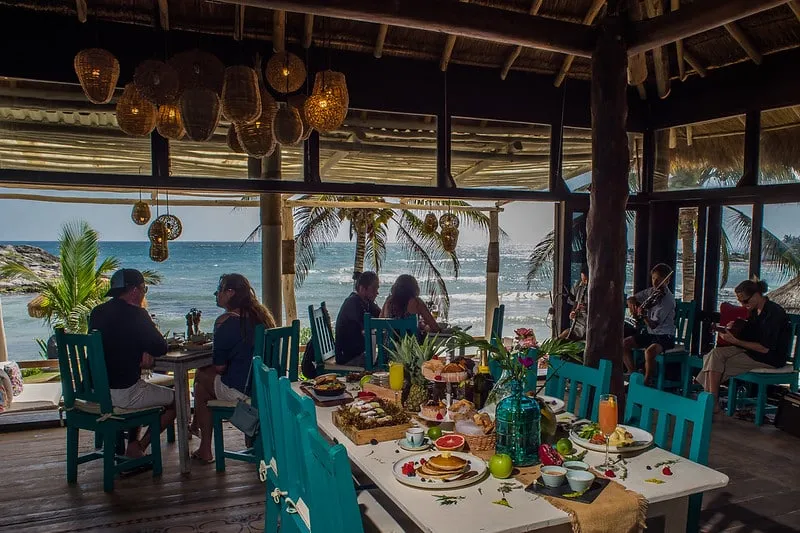
These are the three properties that defined Tulum’s reputation as a design-forward eco-luxury destination. All three are legitimate, genuinely beautiful, and genuinely expensive.
Azulik Tulum
Azulik is the most architecturally distinctive property in Tulum — a series of treehouse-style nests and suspended walkways built entirely from wood, without right angles or glass windows. The concept is primal, vertiginous, and photogenic. No air conditioning (by design), no TVs, no phones in rooms. This is intentional: the resort is built for people who want total disconnection.
The tradeoff: Azulik’s beach is one of the more exposed sections of the beach zone and gets sargassum arrivals during summer months. The beach-to-jungle ratio here is tilted heavily toward jungle — if you’re coming for swimming, recalibrate expectations for peak sargassum months.
Rates: 8,000–15,000 MXN per night (400–800 USD)
Nomade Tulum
Nomade is where the wellness-and-music crowd congregates — a beach club, hotel, and performance space combined. The property hosts live music, yoga retreats, and cacao ceremonies alongside actual hotel rooms and tents. More social and energetic than Azulik, still beautifully designed. The beach section here is well-maintained and the hotel has a serious sargassum removal operation during peak months.
40 accommodations ranging from beach bungalows to jungle tents to a private villa. Rates include breakfast and access to the beach club.
Rates: 5,000–12,000 MXN per night (250–600 USD)
Habitas Tulum
Habitas is the most globally minded of Tulum’s big three eco-luxury properties — a design hotel focused on community, with a rotating roster of creative programming, wellness sessions, and social dining. The rooms are beautiful without being theatrical: clean lines, natural materials, private terraces with jungle views.
Located at the quieter southern end of the beach zone, Habitas has one of the better private beach sections in terms of relative sargassum management. Rates include breakfast.
Rates: 5,500–10,000 MXN per night (270–500 USD)
Mid-Range Beach Zone Hotels
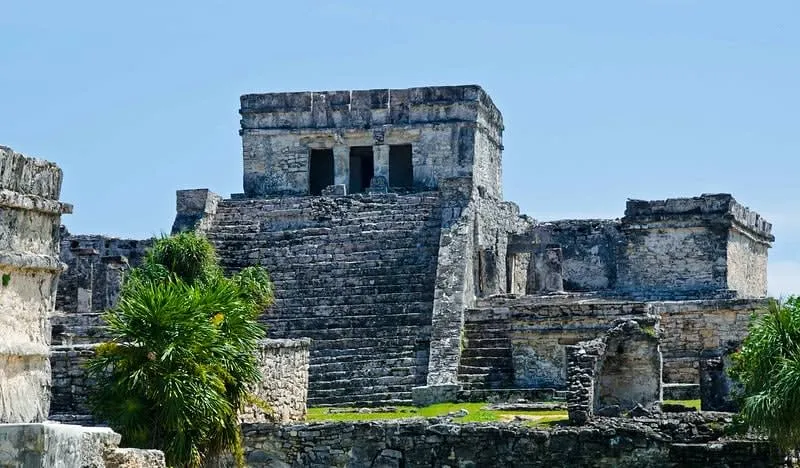
“Mid-range” in the beach zone is a relative term — 4,000–7,000 MXN per night still feels premium for most travelers. These properties deliver genuine beach zone character at prices slightly below the marquee names.
La Valise Tulum
La Valise is a 12-suite boutique property — intimate scale, attentive service, Caribbean-meets-jungle design. Not the most famous name in the beach zone but consistently one of the highest-rated for actual guest experience. The small size means personal attention at a price that undercuts the big eco-resorts.
Rates: 5,000–8,000 MXN per night
Be Tulum
Be Tulum is a solid all-inclusive option in the beach zone — one of very few all-inclusive formats in Tulum’s boutique-dominant market. For travelers who want beach zone location without the a la carte pricing of most Tulum properties (where every cocktail and beach chair is billed separately), Be Tulum’s bundled approach makes financial sense.
Rates: 5,000–9,000 MXN per person per night (all-inclusive)
Encanto Tulum
Encanto occupies a central beach zone location with one of the better-maintained beaches in the mid-range segment. 16 rooms with artisan wood construction and good private terrace space. More relaxed atmosphere than the wellness-focused properties.
Rates: 4,000–7,000 MXN per night
Town Budget Hotels and Hostels
Staying in Tulum Town is the most practical budget move in the Yucatan. You’re 4 km from the beach zone by bike, within walking distance of every supermarket and taquería, and paying a fraction of beach zone prices.
Casa Balam
A well-run guesthouse in Tulum Town with clean rooms, a small pool, and a social common area. The owners are helpful with logistics — bike rentals, cenote trips, colectivo routes. Consistent positive reviews for value.
Rates: 1,200–2,000 MXN per night
Hotel Tulum Playa
One of the better-located town hotels with a small outdoor pool and breakfast included. Walking distance from Tulum’s restaurant row on Avenida Tulum. Good base for day trips to Cobá, Chichen Itza, and the cenote circuit.
Rates: 1,000–1,800 MXN per night
Mayan Monkey Hostel
The best hostel in Tulum for solo travelers and groups on a genuine backpacker budget. Good social atmosphere, dorm beds 350–500 MXN per night, private rooms 1,000–1,500 MXN. Organizes group trips to cenotes and runs a popular rooftop bar. Better maintained than most hostels in this price range.
La Semilla
A small boutique guesthouse in town — 8 rooms, gorgeous garden, excellent breakfast included. La Semilla caters to travelers who want boutique aesthetics without beach zone prices. Bookings go fast; reserve well in advance for peak season.
Rates: 1,800–2,500 MXN per night
Eco Lodges and Cenote Access
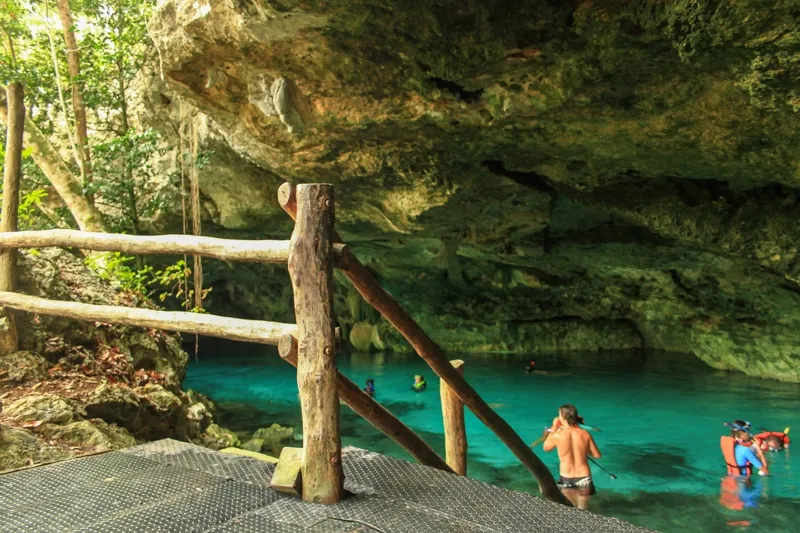
Tulum’s position within the world’s largest underground river system means cenote access is one of the genuine differentiators for some hotels.
Gran Cenote (3 km from town) is the most popular open-air cenote — accessible by bike from town and easily the best cenote within Tulum itself. Hotels in town can reach it by bike in 15 minutes. Hotels in the beach zone require a taxi.
Cenote Dos Ojos (10 km north) and Cenote Calavera (3 km from the beach zone entrance) are better reached by tour or rental car from either zone.
Some beach zone properties sit near or adjacent to small cenotes — Azulik has one on property. However, most cenote access in Tulum requires a trip regardless of where you stay. Town location actually wins here because the colectivos to the northern cenotes leave from town, not from the beach zone.
For day trip options further afield — Cobá, Chichen Itza, Muyil — see Day Trips from Tulum.
Sargassum at Tulum: The Full Picture
Tulum’s beach zone faces southeast — the worst possible orientation for Caribbean sargassum. When blooms arrive from the Atlantic (typically building May through July, peaking August through October), Tulum gets hit first and hardest on the entire Riviera Maya coast.
When sargassum is worst: June through October. Some years start as early as May; some extend to November. The UNAM Sargassum Early Warning System (sargassummonitoring.org) posts weekly forecasts and is worth checking 30–60 days before arrival.
What the beach zone resorts do about it: Very little, compared to Cancun’s large hotels. Most Tulum properties have minimal heavy equipment. Small operations do daily manual removal, but during peak blooms the beach can be covered 1–3 meters deep. This is not hyperbole — it’s a documented seasonal reality.
The practical conclusion: If you’re visiting Tulum specifically to swim in clear blue Caribbean water, visit November through April. The dry season beach zone experience is legitimately beautiful. The June–October experience requires managing expectations about beach conditions.
For a full comparison of Tulum and Cancun’s beach and accommodation trade-offs, see Cancun vs Tulum.
Best Area by Travel Style
| Travel Style | Recommended Zone | Why |
|---|---|---|
| Instagram / design / aesthetics | Beach zone | The jungle-Caribbean look only exists here |
| Wellness retreat / yoga | Beach zone | Nomade, Habitas, retreat centers are here |
| Budget backpacker | Tulum Town | 10x cheaper, great hostel scene |
| Digital nomad | Tulum Town | Co-working cafes, reliable internet |
| Cenote access focus | Tulum Town | Closer to cenote circuit, bike access |
| Romantic couple, high budget | Beach zone | Azulik, Habitas — genuinely special |
| Family with kids | Tulum Town or Cancun | Beach zone not family-optimized |
Booking Lead Times
Tulum is a serious seller’s market. The boutique lodge model means total room counts are low — the entire beach zone has fewer total rooms than a single large Cancun resort.
- Peak (December–March): Book 3–4 months ahead for any beach zone property. Christmas week and New Year’s: 5–6 months ahead minimum.
- Shoulder (April–May, October–November): Book 4–6 weeks ahead. Better rates but weather and sargassum are variable.
- Low/Rainy (June–September): More availability, lowest prices, but also peak sargassum risk. Discounts of 20–40% below peak rates are common.
- Town hotels: All seasons, 2–4 weeks ahead is usually sufficient unless you want the most popular boutique guesthouses (La Semilla books out fast in peak season).
For everything you need to know about timing, see Best Time to Visit Tulum and Things to Do in Tulum.
Travel Insurance for Tulum
Frequently Asked Questions
How much do hotels in Tulum beach zone cost?
Tulum beach zone is genuinely expensive. The cheapest beach zone properties start at around 4,000 MXN per night (200–220 USD) and go up to 15,000 MXN (700–800 USD) for the top-end eco-luxury resorts like Azulik or Nomade. Mid-range beach zone hotels run 5,000–8,000 MXN per night. If you need budget-friendly accommodation, Tulum Town (pueblo) has solid options from 800–2,500 MXN per night.
How do you get between Tulum Town and the beach zone?
There’s no Uber in Tulum — the local taxi union controls transportation. A taxi from town to the beach zone costs around 100–150 MXN each way. Colectivos (shared vans) run along the main highway at 15–20 MXN, stopping at the beach zone turnoff. Bikes are the most popular option — town to beach is about 4 km on a flat dedicated bike path, with bikes renting for 100–200 MXN per day.
Is sargassum bad at Tulum beach?
Tulum has the worst sargassum exposure of any major destination on the Yucatan coast. The beach zone faces southeast — directly into the prevailing sargassum current — and gets hit first and hardest when blooms arrive, typically June through October. If sargassum-free swimming matters to you, visit November through April and track the UNAM early-warning forecast before you go.
Are there budget hotels in Tulum beach zone?
True budget accommodation doesn’t exist in the beach zone — the land value and boutique-lodge model prohibit it. The closest thing to budget on the beach are small guesthouses starting at 3,500–4,500 MXN per night. For actual budget accommodation, Tulum Town has hostels and guesthouses from 600–2,000 MXN per night.
When should I book hotels in Tulum?
Peak season (December–March): book 3–4 months ahead for any beach zone property. New Year’s Eve and Christmas week sell out 6 months ahead. Shoulder season (April–May, October–November) can be booked 6–8 weeks out. Town hotels can generally be booked 3–4 weeks out even in peak season.