Best Restaurants in Los Cabos 2026: Cabo San Lucas & San José
Los Cabos has two food scenes running parallel and they don’t overlap much. In Cabo San Lucas, you pay marina prices for decent seafood surrounded by American tourists, or you know exactly where to find the marlin taco stand that locals have been eating at since the 1980s. In San José del Cabo, you walk the art district streets and eat at restaurants where the chef is actually from Baja, using ingredients from farms 20 minutes inland. Updated for 2026, the easiest rule is simple: eat seafood and tacos in Cabo San Lucas, then save your longer dinner or art-walk meal for San José del Cabo.
This guide is for both. The tourist-facing spots that actually deserve the hype. The local institutions that require knowing where to look. And the Baja Med movement that makes Los Cabos genuinely worth flying to if food is your primary motivation.
Los Cabos Dining in 30 Seconds
| If you want… | Start with | Why |
|---|---|---|
| Best overall food area | San José del Cabo art district | Better chef-led restaurants, calmer streets, and stronger Baja Med cooking. |
| Classic Cabo seafood | La Osteria or Mi Casa | Reliable first-night choices near Cabo San Lucas without gambling on marina tourist traps. |
| Local marlin tacos | Taquería El Estadio | The smoked marlin taco experience Cabo is actually known for. |
| Best budget meal | Mercado del 1 in San José | Comida corrida and market food usually cost far less than Cabo marina meals. |
| Splurge meal | Jazamango, Acre, or Flora Farms | Farm-driven Baja cooking with stronger payoff than most resort restaurants. |
| Area to skip unless staying there | The Corridor | Good hotel restaurants, but poor value if you need a taxi from either town. |
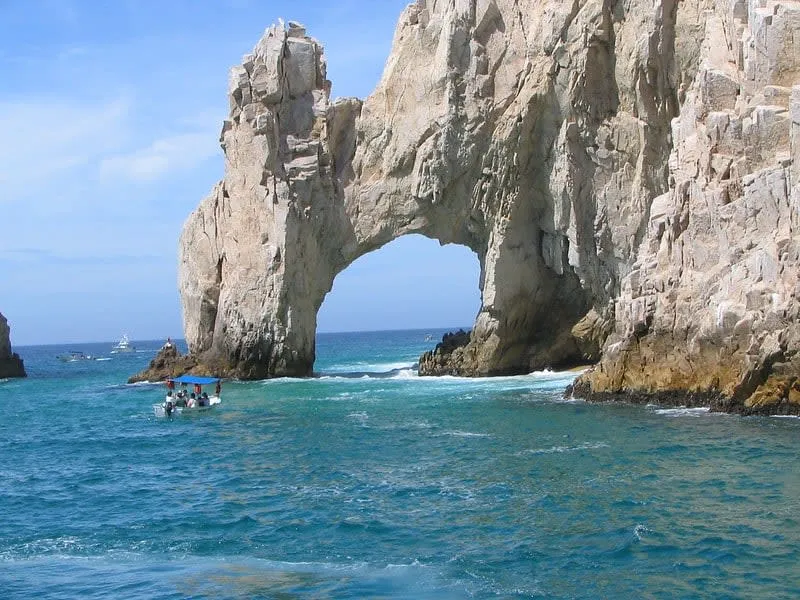
Before the restaurant list: understand the geography. Cabo San Lucas is the party town at the tip of the peninsula — marina restaurants, resort hotel dining, and the tourist economy. San José del Cabo (SJD) is 30 km east — a colonial art town where you can eat remarkably well for remarkably less money. The Corridor between them is resort strip with hotel restaurants. Most good eating happens at the ends, not the middle.
See the full destination breakdown in our Los Cabos travel guide.
Cabo San Lucas vs San José del Cabo: The Food Divide
Cabo San Lucas marina area: Built for tourists. You’ll pay 80-120 USD per person at the marina’s mid-tier restaurants for food that’s perfectly fine but not exceptional. The exceptions are the institutions that predated the tourist boom and kept their standards — Mi Casa and a handful of taco spots. Everything near the marina’s main drag (Paseo de la Marina) is tourist-priced. Walk two blocks inland and prices drop 40%.
San José del Cabo art district and centro: Local-first. The art district on Calle Obregón and the streets around Plaza Mijares have restaurants run by actual chefs for actual residents and travelers who bothered to venture east. You can eat a multi-course lunch at a colonial courtyard restaurant for 200 MXN that would cost 600 MXN in the marina. Las Guacamayas, Mercado del 1, and Mariscos El Cabrito are all here.
The Corridor: Hotel-only. Unless you’re staying at one of the big resorts (Las Ventanas, Esperanza, One&Only), the Corridor restaurants don’t merit the 15-minute taxi ride from either town.
Seafood: The Core of Baja Cooking
The Sea of Cortez and the Pacific produce some of Mexico’s best seafood. Marlin, tuna, mahi-mahi (dorado), snapper, and Sea of Cortez oysters are what you came for. What you eat depends on what was caught that morning — the best spots have handwritten daily specials, not laminated menus.
La Osteria — Oysters and Cabo’s Best Ceviches
La Osteria sits close enough to the marina to catch the tourist traffic but runs on the standards of an actual seafood restaurant. The Sea of Cortez oysters arrive at the table within hours of harvest — sweet, cold, with just a squeeze of lime. The aguachile negro here is one of the better versions in Cabo: shrimp cured in lime juice with a dark chilhuacle chili base that’s smoky rather than just hot.
Order the half-dozen oysters (around 180-240 MXN), the tostadas de marlín, and whatever whole fish they’re running that day. Skip the cocktails — the margaritas are fine but overpriced. Bring cash for the oysters if you want to avoid the card surcharge.
Average spend: 350-550 MXN per person
Best for: First-night seafood when you don’t know the city yet
Mi Casa — Cabo’s Oldest Restaurant (Since 1990)
Mi Casa on Cabo San Lucas’s main plaza has been operating since 1990, which in Cabo’s constantly churning restaurant scene is practically geological time. It’s tourist-facing — it’s on the plaza — but it earns it. The mole negro is made in house and has been for decades. The red snapper zarandeado (slow-grilled over mesquite with achiote paste) is why people return.
This is where you bring someone who has never been to Mexico and wants a reliable introduction to Baja seafood. Not cheap — count on 400-700 MXN per person — but consistent. The courtyard is the spot; ask for the outdoor tables.
Average spend: 400-700 MXN per person
Best for: Reliable institution dining, first visit to Cabo
Taquería El Estadio — Marlin Tacos the Way Locals Eat Them
This is the one that requires a short walk away from the marina. Taquería El Estadio is a locals-first taquería where the specialty is marlín — smoked, seasoned, and served in corn tortillas with the condiment bar you’ll need to assemble yourself. The marlín taco here (35-45 MXN each) is Cabo’s signature dish in its authentic form, not the tourist-menu version.
Go at lunch. The spot fills with construction workers, fishermen, and people who work in the hotels eating on their break. Order at least three tacos. The smoked marlín with green salsa and onion is the standard build. There’s no English menu. Point and order.
Average spend: 100-180 MXN per person
Best for: The real Cabo experience, people who want to eat where locals eat
Mariscos El Cabrito — Casual Seafood in San José
In San José del Cabo, Mariscos El Cabrito is the casual seafood spot that’s everything the Cabo marina restaurants are not: small, unpretentious, with a chalkboard menu and plastic chairs. The ceviche de camarón is fresh and generous. The fish soup (caldo de pescado) on cold mornings is exactly what it should be.
Prices here are roughly half what you’ll pay in Cabo for equivalent quality. A full plate of grilled fish with rice, beans, and tortillas: 180-250 MXN. Come hungry and eat with your hands.
Average spend: 180-300 MXN per person
Best for: Everyday seafood in SJD without the marina markup
Baja Med: The Cuisine That Defines the Region
Baja Med cuisine is a movement, not a marketing term. It emerged in the 1990s in Ensenada and spread south through Baja California — chefs combining the Pacific seafood of the peninsula with Mediterranean techniques (olive oil, wine reductions, wood-fire cooking) and ingredients from the Valle de Guadalupe wine region. The results are distinct from anything else in Mexico and worth seeking out specifically.
Jazamango — Jorge Vallejo’s Baja Outpost
Jorge Vallejo is the chef behind Quintonil in Mexico City — one of Latin America’s most celebrated restaurants. Jazamango is his Baja California project: a farm-to-table restaurant in Todos Santos (90 minutes north, worth the drive) with an organic garden that supplies about 70% of what’s on the plate.
The menu changes. On a recent visit: roasted beet with Oaxacan cheese, wood-fired catch of the day with local herbs, and a corn dessert that proved Vallejo can make anything interesting. Reservations essential — it books 2-3 weeks out in high season (December-March). Budget 800-1,500 MXN per person before drinks.
Average spend: 800-1,500 MXN per person
Best for: The serious food traveler willing to drive to Todos Santos
Note: Also has a Cabo San Lucas location in the Hotel El Ganzo area for those who can’t make the drive
Las Guacamayas — Baja Med in the Art District
Las Guacamayas in San José del Cabo’s art district does Baja Med without the destination restaurant price tag. The kitchen sources from the same Baja farms as the higher-end spots and applies similar technique — cured fish, wood-fire grilled vegetables, house-made tortillas from local corn varieties. The courtyard setting on Thursday art walk nights makes it the best meal you’ll have in the art district.
The whole dorado al pastor (marinated in achiote, slow-cooked, served with handmade tortillas and three salsas) is the dish to order if it’s on the menu. Arrive before 8pm for walk-in tables — reservations fill for the Thursday walk.
Average spend: 300-500 MXN per person
Best for: Baja Med without fine dining prices, Thursday art district nights
Acre — Farm-to-Table in an Actual Orchard
Acre is on a working organic farm about 10 minutes from San José del Cabo’s centro. The restaurant sits inside the orchard — you eat under trees. Weekend brunch is the reason to go: pastries made with local flour, eggs from the property’s chickens, fruit from the orchard, and a wood-fire grill running from 10am.
The weekday dinner menu is smaller and slightly more serious — focused tasting portions of whatever’s in season. The weekend brunch (Saturday and Sunday, 10am-2pm) is relaxed and runs 250-400 MXN per person for a full spread. Wear sunscreen for the outdoor seating.
Average spend: 250-400 MXN (brunch), 450-700 MXN (dinner)
Best for: Weekend brunch, farm-to-table context, families
Budget Eating: Los Cabos Under 200 MXN
Mercado del 1 — San José’s Daily Market
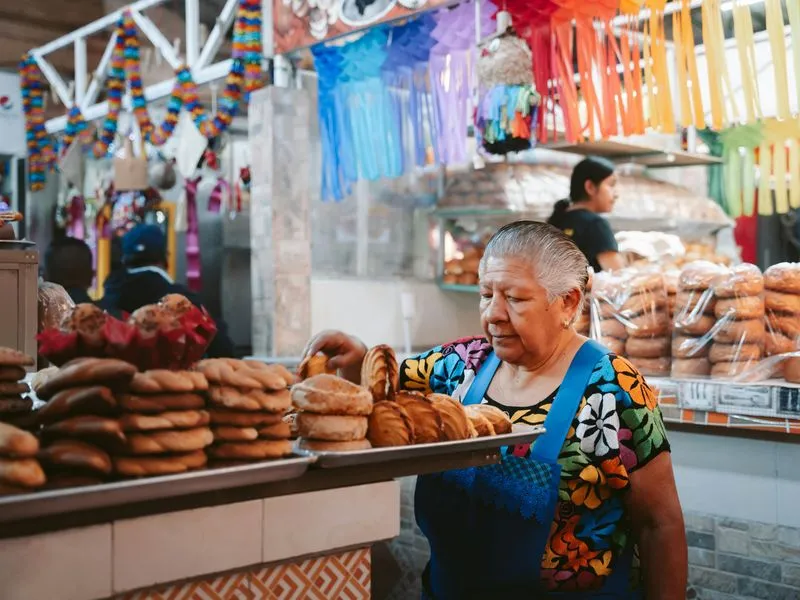
Mercado del 1 on the outskirts of San José del Cabo’s centro is the best budget eating in Los Cabos. The market runs daily and has a food hall section with comida corrida (set lunch: soup, main, drink) for 80-150 MXN. Local vendors sell prepared food: aguas frescas, tamales in the morning, stewed meats by midday.
This is where you go if you’re watching your budget or simply want to eat the way residents do. The quality is real — these vendors cook for a local clientele who would stop coming if the food got bad. Go for lunch (noon-3pm) for the best selection.
Average spend: 80-150 MXN per person
Best for: Budget travel, experiencing local market food culture
Tacos El Paisa — 2am Tacos in Cabo
Tacos El Paisa operates on a Cabo schedule: it gets busy after midnight and peaks around 2-3am when the bars close. The tacos de suadero (slow-cooked beef brisket) and tacos de cabeza (head meat — cheek, tongue) are the order. The tortillas are pressed fresh. Cash only, standing room only.
Don’t go sober expecting a serious food experience. Go after a night out with a group and order six tacos. That’s what this place is for.
Average spend: 80-150 MXN per visit
Best for: Late nights, post-bar eating, the full Cabo experience
Sr. Tacos — Standing Room Only in SJD
Sr. Tacos in San José del Cabo has four metal stools and a griddle. The marlín tacos here (35 MXN each) are the SJD equivalent of El Estadio in Cabo — local-priced, real-ingredient, no-frills. The al pastor here uses a trompo (vertical spit) that starts running at 9am.
Join the line. Order by pointing at the trompo and the marlín. Eat standing.
Average spend: 100-160 MXN per person
Best for: Quick breakfast or lunch tacos in SJD
Fine Dining: When the Budget Isn’t the Point
The Rooftop at Las Ventanas al Paraíso
The Corridor resort Las Ventanas al Paraíso is where you pay for the sunset. The Rooftop restaurant faces due west across the Sea of Cortez — in winter, during whale season, you sometimes see humpbacks surface in the distance during dinner. The kitchen matches the setting: this is Baja’s best fine dining when Jazamango is 90 minutes away.
Tasting menu format, primarily focused on Baja seafood and Baja-California wine pairings. The sommelier knows the Valle de Guadalupe producers personally. Budget 1,500-2,500 MXN per person before wine.
Non-hotel guests can reserve but may need to confirm with the restaurant directly. Dress code is enforced — not black tie but definitely not shorts.
Average spend: 1,500-2,500 MXN per person
Best for: Special occasion, best-sunset-in-Baja moments
Cocina del Mar
Cocina del Mar runs at the more accessible end of fine dining in Cabo — 800-1,200 MXN per person — with a menu focused on whole fish preparations and local shellfish. The setting is quieter than the marina restaurants without the resort price tag of the Corridor hotels. Good for the night you want something elevated without the production.
Average spend: 800-1,200 MXN per person
Best for: Elevated dinner without full destination-restaurant commitment
Breakfast in Los Cabos
In Cabo San Lucas: The marina restaurants open for breakfast but charge tourist prices for eggs. Walk to La Lupita de Cabo or any of the taco stands along Calle Cabo San Lucas that start service at 7am. Tacos de huevo (scrambled egg tacos) run 20-30 MXN each.
In San José del Cabo: The centro has several good breakfast spots around Plaza Mijares. Café Gourmet serves proper espresso drinks and pan dulce. For a serious sit-down breakfast with Baja context, Acre’s weekend brunch (see above) is the recommendation.
Grocery/picnic guide: If you’re staying in a rental with a kitchen or planning beach days, the main Chedraui and Walmart are both in the SJD area and have fresh seafood counters, good fruit, and all the condiment basics (limes, chiles, tortillas). For artisan ingredients — local cheese, Baja wine, craft hot sauces — the weekly farmers market in San José (Saturday mornings near the art district) is the best source.
Marlin and Tuna Fishing Season: What It Means for Restaurants
The seafood you eat in Los Cabos restaurants is partly determined by what’s running offshore. Understanding the seasonal calendar helps you order right:
| Month | What’s Running | Restaurant Impact |
|---|---|---|
| Jan-Mar | Wahoo, grouper, sea bass | Winter menu: heavier preparations, less marlin |
| Apr-May | Yellowfin tuna starts | Tuna tostadas appear on daily specials |
| Jun-Aug | Marlin season peak, dorado | Marlín tacos at peak quality and availability |
| Sep-Oct | Dorado, wahoo | Hurricane season — some spots close or reduce hours |
| Nov-Dec | Late tuna, roosterfish | Whale watching season begins; seafood menus settle |
What this means practically: If you’re visiting in high marlin season (June-August), order the marlín in every form available. If you’re visiting in winter, focus on the year-round shellfish and whatever the boat brought in that morning — ask the waiter what came in today rather than ordering from the regular menu.
Read our things to do in Los Cabos guide for the fishing charter booking process and what to expect on a sportfishing trip.
Todos Santos: The Day Trip Worth Taking for Food
Todos Santos is 90 minutes north of Cabo San Lucas on Highway 19 — a colonial town in the foothills that became an artist enclave and then a food destination. If you’re in Los Cabos for more than 4 days, this is the day trip.
What to eat there:
- Jazamango (as described above — the original location, not the Cabo outpost)
- Taquería La Bodega — the town’s best tacos, run from a converted corner store
- Caffe Todos Santos — best coffee in the southern Baja Peninsula, espresso drinks made with beans from the Sierra de la Laguna
- Saturday farmers market — local honey, Baja cheeses, artisan mezcal, fresh produce
Drive up for lunch (arriving around 1pm), eat at Jazamango or explore the market for a lighter spread, have coffee at Caffe Todos Santos, and drive back before sunset (the road is unlit and the curves are sharp at night).
For more on this region, see our La Paz travel guide — La Paz is 2 hours north and combines well with a Todos Santos stop.
Practical Tips for Eating in Los Cabos
Reservations: Required for Jazamango, The Rooftop at Las Ventanas, and any restaurant during December-March high season. WhatsApp reservations are common — most restaurants in SJD have WhatsApp numbers posted online.
Cash vs card: The marina restaurants all take cards. Budget spots and markets are cash-only. ATMs are available throughout both towns. Many vendors add a 3-5% surcharge for card payments.
Prices in MXN vs USD: Many Cabo San Lucas marina restaurants list prices in USD (a quirk of the tourist economy). In SJD and any local spot, prices are in MXN. If a menu has USD prices, you’re in tourist territory — factor that in.
When to eat: Lunch is the main meal in Baja culture — noon to 3pm. Dinner starts later than you expect: 8pm is normal, 9pm is common, and restaurants in Cabo don’t start filling until 9:30pm. Breakfast is early (7-10am for the taco stands, later for sit-down cafes).
Where to Stay Near the Best Restaurants
For access to the best food at multiple price points, San José del Cabo’s centro is the better base — walking distance to the art district restaurants, markets, and budget tacos. The Cabo San Lucas marina area gives you the resort experience but not the best eating.
See our best hotels in Los Cabos guide for property recommendations across all price points, including which hotels have restaurants worth eating at even if you’re not a guest.
Book Tours & Experiences
Pair your restaurant discoveries with the Cabo experience — sportfishing charters, whale watching cruises, and guided food tours of the SJD art district:
Browse Los Cabos food tours and experiences on Viator →Travel Insurance for Mexico
Related Guides
- Los Cabos Travel Guide: Everything You Need to Know
- Things to Do in Los Cabos
- Best Hotels in Los Cabos
- La Paz Travel Guide
- Mexico Food Guide: Regional Cuisine Across the Country
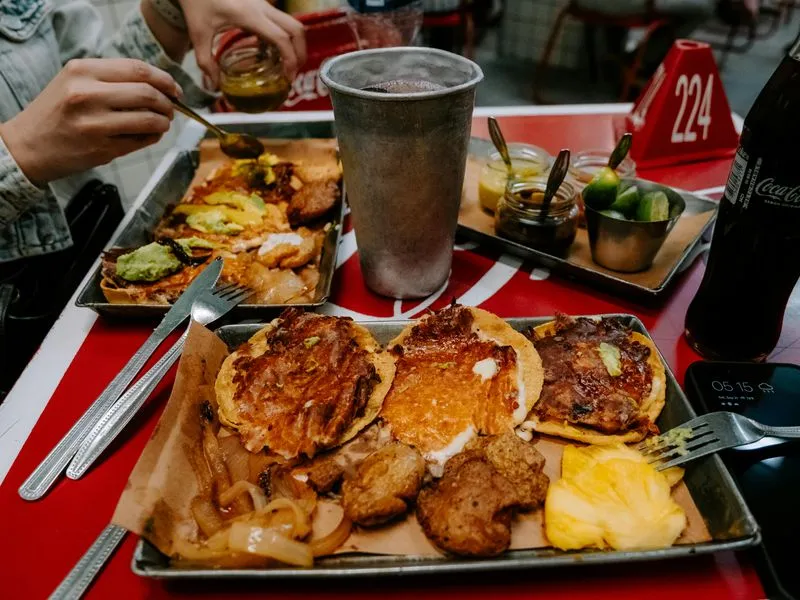
Los Cabos rewards the traveler who looks past the marina. The marlin taco at El Estadio costs 40 MXN and is better than the 400 MXN version at the tourist restaurant two streets over. The art district in SJD has restaurants that would get serious attention in any city. And Jazamango in Todos Santos is one of the few places in Mexico worth renting a car specifically to reach.
Eat local first. The rest is optional.