
Best Restaurants in Oaxaca 2026: Mole, Mezcal Bars & Markets
Oaxaca is one of the places in Mexico where people come for the culture and stay for the food. Or arrive for the food and discover the rest. Either way, the cuisine is the anchor.
This is a state with seven distinct moles, a chocolate tradition that traces back to pre-Columbian markets, a mezcal culture that long predates the spirit’s international fame, and a market system that functions as the living infrastructure of daily life. The restaurants here range from 80-MXN-set-lunch market stools to internationally recognized fine dining — all within a 15-minute walk of the central zócalo.
For context on visiting Oaxaca itself, see our Oaxaca travel guide.
Oaxaca’s Food Scene: What You’re Working With
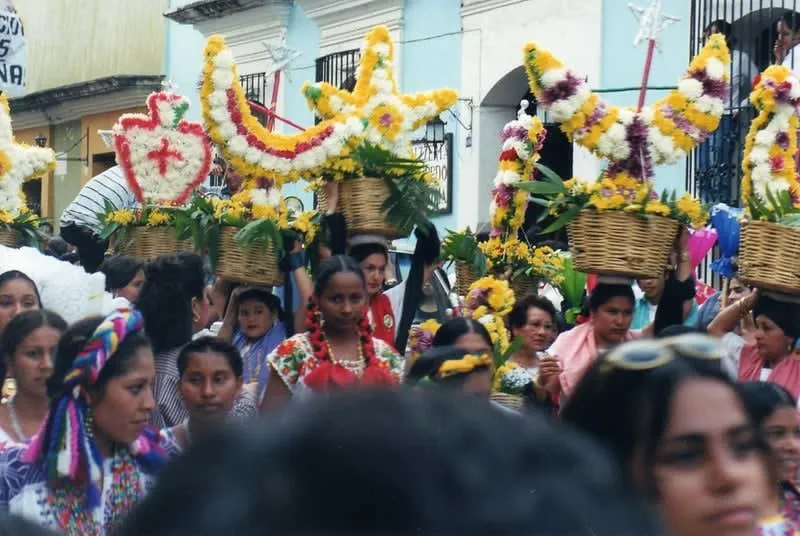
The seven moles of Oaxaca are not a marketing invention — they’re a documented culinary tradition. The most famous are negro (the darkest, most complex, built on dried chilies, chocolate, and dozens of other ingredients), coloradito (reddish, sweeter), and verde (herb-forward, made with hoja santa). Getting a proper mole negro is one of the goals of eating in Oaxaca.
Beyond mole, the essential vocabulary:
Tlayuda — Large crispy corn tortilla, the Oaxacan staple. More on this below. Quesillo — Oaxacan string cheese, pulled and wrapped into balls. Nothing like generic mozzarella. Eaten at every meal. Tasajo — Beef that’s been salted and dried in the sun, then grilled. Chewy, intensely flavored. Regional. Cecina — Thin, dried beef or pork, often spiced with chili. Cecina de Yanhuitlán is the most famous variety. Memela — Oval corn cake with bean filling, grilled. Chocolate — Oaxacan chocolate is ground on stone and typically mixed into hot drinks. The paste (sold in markets) is coarser than European chocolate — more bitter, more complex.
One critical note before we get to restaurants: Oaxaca’s food scene is concentrated in the Centro Histórico. The best restaurants, markets, and mezcal bars are all within walking distance of the zócalo. You don’t need a car or extensive navigation for food exploration.
Market Eating: Where Locals Actually Lunch
Mercado 20 de Noviembre
This is the market to visit. Inside is a dedicated section called the corredor de humo (smoke corridor) — rows of charcoal grills where you buy raw meat by weight from vendors, then have it cooked at the communal grill in the center. The setup is functional and democratic: everyone’s eating the same food at the same prices.
How it works: Walk the vendor stalls, select your tasajo, cecina, or chorizo by weight (around 100-150 MXN per 200g), pay the vendor, take a number, and wait for it to be grilled. Supplement with quesillo and black beans from adjacent stalls. Tlayudas available separately for 35-50 MXN.
Set lunch (comida corrida): Around the perimeter are smaller restaurants serving set meals — soup, main, rice, beans, tortillas, drink — for 80-120 MXN. These are where Oaxaca office workers eat every weekday.
Open from 7am. Busiest at lunchtime. Bring cash.
Mercado Benito Juárez
The famous market one block south. Larger, more tourist-facing, with better souvenir and food product shopping. Worth visiting for:
- Buying chocolate paste, dried chilies, and mole ingredients to take home
- Quesillo and tlayuda snacks while shopping
- The prepared food section (pricier than 20 de Noviembre but still reasonable at 100-150 MXN for a set meal)
For eating specifically, Mercado 20 de Noviembre is better. For browsing food products and souvenirs, Benito Juárez is the move.
Fine Dining in Oaxaca
Casa Oaxaca Restaurant
The flagship of Oaxacan fine dining, run by chef Alejandro Ruiz. Casa Oaxaca takes traditional Oaxacan ingredients and preparations and applies modern technique — not molecular gastronomy, but careful, thoughtful plating and sourcing.
The mole negro here is among the best you’ll find in the city. So is the caldo de grana (soup made with cochineal dye concentrate — it’s a tradition, not a novelty).
Price: 400-700 MXN per person for a full meal with drinks. Make a reservation — the terrace overlooking the zócalo fills up weeks in advance during peak season. Reservation: Book directly through their website or WhatsApp. Tock is not available; they operate their own system.
Pitiona
More experimental than Casa Oaxaca, and in some years considered superior. Chef José Manuel Baños works with foraged ingredients and old Zapotec recipes, many of which don’t appear in any other restaurant.
Price: 500-800 MXN per person. Tasting menu available (around 1,200 MXN) — worth it for a food-focused trip. Reservation: Via Resy. Book at least 1-2 weeks ahead in high season.
Alfonsina
Younger and more experimental. Alfonsina changes its menu constantly based on what’s available from small regional producers. Less about traditional Oaxacan recipes, more about Oaxacan ingredients interpreted freely.
Price: 400-650 MXN per person. Smaller space — reservations essentially required.
Mid-Range Must-Visits
La Biznaga
Consistently reliable for Oaxacan food at accessible prices. The kitchen handles the regional classics — tlayudas, mole negro, enfrijoladas — with care, and the courtyard setting is comfortable without being pretentious.
Price: 200-350 MXN per person. Popular with expats and longer-term visitors who want solid food without the reservation battle.
Los Pacos
A family-run restaurant on a side street off the Centro that locals have relied on for decades. The portions are enormous and the mole negro is the real thing — hours of prep, not a jar. This is not a stylish restaurant. The food is the point.
Price: 150-250 MXN per person.
Mercaderes
Mid-range restaurant with an excellent tlayuda and a mezcal cocktail program that bridges the bar and restaurant world. Good for groups — the menu is broad enough for everyone to find something.
Price: 200-300 MXN per person.
Zandunga
Oaxaca state is large and the Isthmus of Tehuantepec (the southern narrowing of Mexico) has its own distinct cuisine — different from the highland Oaxacan food most visitors know. Zandunga specializes in Istmo cuisine: tamales de rajas, garnachas, totopo (very thin, crispy corn tortilla), and seafood preparations from the Pacific coast.
If you want to understand how diverse Oaxacan food actually is, eat here once.
Price: 200-350 MXN per person.
Mezcal Bars in Oaxaca

Oaxaca is where mezcal is made. The bars here carry producers you won’t find anywhere else, at prices that seem impossible compared to mezcal pricing in Europe or the US.
In Situ
The most serious mezcal bar in Oaxaca. Over 200 labels, organized by agave variety — espadín (the most common), tobalá (wild agave, nutty and complex), tepeztate (takes 25 years to mature, intense minerality), madrecuixe, and others. Staff will walk you through the selection without condescension.
Mezcal here is served in situ — pure, with an orange slice and sal de gusano (worm salt, made from agave worms) on the side. Don’t mix it. Don’t shoot it. Sip it.
Price: Single pours from 80-300 MXN depending on the agave variety. Reserve mezcals can go higher.
Address: Calle Morelos 511, Centro.
Sabina Sabe
Atmospheric, international press coverage, attached to a restaurant that serves excellent food. Sabina Sabe is where the trendy crowd and serious mezcal drinkers overlap. The list is smaller than In Situ but highly curated.
Live music most nights after 9pm. Earlier in the evening it’s calmer — better for a mezcal education session.
Price: 100-250 MXN per pour.
Boulenc
Technically a bakery and café by day, Boulenc becomes a natural wine and mezcal cocktail bar in the evenings. It has the smallest list of the three but the most interesting cocktail program — mezcal negronis, mezcal sours, natural wine pairings.
Good for people who want mezcal but don’t want a serious tasting session. Also: their bread in the morning is exceptional.
Breakfast Spots
Pan con Madre Bakery
The best bakery in the city. Pan con Madre does sourdough, whole grain breads, and pastries that bear no resemblance to standard Mexican panaderías. The breakfast selection (roughly 8am-noon) includes tartines, egg dishes on their bread, and excellent coffee.
Expect a line on weekends. Worth it.
Price: 80-150 MXN for a coffee and breakfast item.
Itanoni
If Pan con Madre is Oaxaca’s international bakery, Itanoni is its corn chapel. Every item on the menu is built around native corn varieties — blue corn tlayudas, memelas, atole (corn-based hot drink), and tetelas (triangular corn masa packages with fillings). The tortillas are made on-site, by hand, from corn ground that morning.
Breakfast here is simple and extraordinary. Come before 10am.
Price: 60-120 MXN for a full breakfast.
Hotel Azul Cielo Terrace
For a slow coffee-and-view morning, the rooftop terrace at Hotel Azul Cielo overlooks the zócalo and the cathedral. The food is secondary — this is about the coffee and the setting. Good for one morning of the trip.
Price: 100-180 MXN for coffee and a light breakfast.
Tlayuda Guide: What to Look For
A proper tlayuda:
- Made from a large (35-45cm), partially dried corn tortilla
- Spread with black bean paste (asiento)
- Topped with quesillo (fresh Oaxacan string cheese)
- Protein options: tasajo, cecina, chorizo, or chapulines (toasted grasshoppers)
- Cooked over charcoal on a comal until crispy at the edges but still soft in the center
At markets: 35-50 MXN. This is the authentic version. Simple, a bit rustic, exactly right. At restaurants: 80-150 MXN. Better presentation, more reliable quality control, tableside experience.
What to avoid: Restaurants offering tlayudas with non-traditional toppings (cheese from a bag, processed meats, “Mexican pizza” style preparation). It’s not a pizza. Don’t treat it like one.
A tlayuda feeds one hungry person or two people sharing with other dishes.
Vegetarian Dining in Oaxaca
Oaxacan cuisine is more vegetarian-accommodating than most Mexican regional food, primarily because the corn masa tradition is so strong. Many dishes are naturally plant-based:
- Tlayuda without meat — just bean, quesillo, and asiento
- Memelas — corn cakes with bean filling
- Enfrijoladas — tortillas bathed in bean sauce with cheese
- Tetelas — triangular corn masa pockets filled with beans and cheese
- Quesillo and market produce
Mid-range restaurants in Oaxaca’s Centro consistently accommodate vegetarian requests. La Biznaga has several vegetarian options. Markets have bean and corn dishes throughout.
The one gap: most mole negro is prepared with turkey or chicken broth. Ask specifically. Some restaurants make vegetarian versions but it’s not the default.
What NOT to Order: Spotting Fake Mole Negro
Mole negro is the great Oaxacan mole — black, deeply complex, built on dozens of ingredients (dried chilies, chocolate, charred tortilla, various spices) that require hours or days of preparation. A real mole negro is bitter-sweet, dark, and has visible depth of flavor.
What you often get at tourist-facing restaurants is mole rojo (red mole) or a simplified sauce labeled as “negro.” How to tell:
- Color: Real mole negro is very dark — nearly black. A reddish-brown sauce is rojo, not negro.
- Complexity: Negro should have a slightly bitter, chocolatey depth. Rojo is sweeter and more straightforwardly chili-forward.
- Price: If the “mole negro” plate costs 120 MXN, it’s probably not real negro. True negro is labor-intensive and priced accordingly (180-300 MXN at mid-range, 400+ at fine dining).
When in doubt, ask the restaurant which mole they’re actually using. A kitchen that knows its food will answer specifically.
What to Buy at Oaxaca’s Markets (Food Edition)
The markets aren’t just for eating — they’re where you stock up on the ingredients and products that are genuinely special to Oaxaca and difficult to find elsewhere.
Chocolate paste: Oaxacan chocolate is sold in cylindrical tablets or discs, ground on stone with cinnamon, sugar, and almonds. It’s meant for hot chocolate (chocolate caliente) — you dissolve it in hot milk. Not for eating as a bar. Multiple vendors in Mercado Benito Juárez sell their own blends; taste before buying.
Mole paste: Pre-made mole negro, coloradito, or verde paste in sealed bags. Takes the 4-hour preparation down to 20 minutes. The vacuum-sealed versions travel well and hold for months. Budget 80-200 MXN for a portion that makes a large pot.
Quesillo: The fresh string cheese should be eaten within a few days — it’s not a bring-home product. Buy it and eat it here.
Mezcal: The best mezcal prices in the world are in Oaxaca, because you’re at the source. Bottles that retail for 800-1,200 MXN in Mexico City cost 450-700 MXN in Oaxaca. Bring back as much as your luggage allows. Check Mexican customs rules for liquid limits.
Chapulines: Toasted grasshoppers, seasoned with lime and chili. Sold everywhere in the markets. Nutritionally excellent (high protein), mild flavor, slightly crunchy. Eat them on a tlayuda. Buy a bag to bring home.
Textiles: Not food, but at the markets you’ll find handwoven goods from Teotitlán del Valle’s weaving community. These are legitimate artisan products, not factory goods.
Oaxaca for the Serious Food Traveler
If you’re visiting primarily for the food, a few additional considerations:
Cooking classes: Multiple operations offer half-day cooking classes that take you to the market, then teach you to make mole negro or tlayudas. Priced 600-1,200 MXN per person. Worth it for understanding the cuisine from the inside. Book via Airbnb Experiences or local guesthouses.
Mezcal distillery tours: Santiago Matatlan, about 40km from Oaxaca City, is the mezcal capital of the world. Multiple palenques (traditional distilleries) offer tours and tastings. Seeing mezcal produced from roasted agave hearts is one of the most memorable food experiences in Mexico. Tours from Oaxaca run 400-800 MXN including transport.
Day market trip — Tlacolula: Every Sunday, the town of Tlacolula (45 minutes from Oaxaca by combi) hosts one of the Oaxaca Valley’s great weekly markets. Food, produce, crafts, mezcal from small producers, and a glimpse of valley life that the tourist track misses. 25-30 MXN by colectivo from Oaxaca’s second-class bus terminal.
For ideas on structuring day trips from the city, see our guide to things to do in Oaxaca.
Price Comparison
| Category | Market | Mid-Range | Fine Dining |
|---|---|---|---|
| Breakfast | 60-90 MXN | 100-180 MXN | N/A |
| Set lunch | 80-120 MXN | 150-250 MXN | N/A |
| Tlayuda | 35-50 MXN | 80-150 MXN | 150-250 MXN |
| Mole negro | N/A | 200-350 MXN | 400-600 MXN |
| Mezcal (per pour) | N/A | 80-150 MXN | 80-300 MXN |
| Full dinner | 100-150 MXN | 250-500 MXN | 500-800 MXN |
Book Oaxaca Food Tours
Oaxaca’s food scene rewards guided exploration — a food tour can compress two days of market discovery into three hours.
Browse Oaxaca food tours on Viator →
The best tours combine Mercado 20 de Noviembre, a mole cooking demonstration, and a mezcal tasting. Check tour length (half-day vs. full day) and what’s included before booking.
For more on the city, see our guides to things to do in Oaxaca and best hotels in Oaxaca. For mezcal specifically, our mezcal guide covers production, regions, and how to taste.
Also see our Mexico food guide for how Oaxacan cuisine fits into Mexico’s broader culinary map.
Travel Insurance
Food in Oaxaca is generally very safe — the markets are clean, the ingredients are fresh, and the cooking traditions are old. But mezcal tastings, hiking to nearby ruins, and the general adventure of being in southern Mexico makes travel insurance worthwhile.