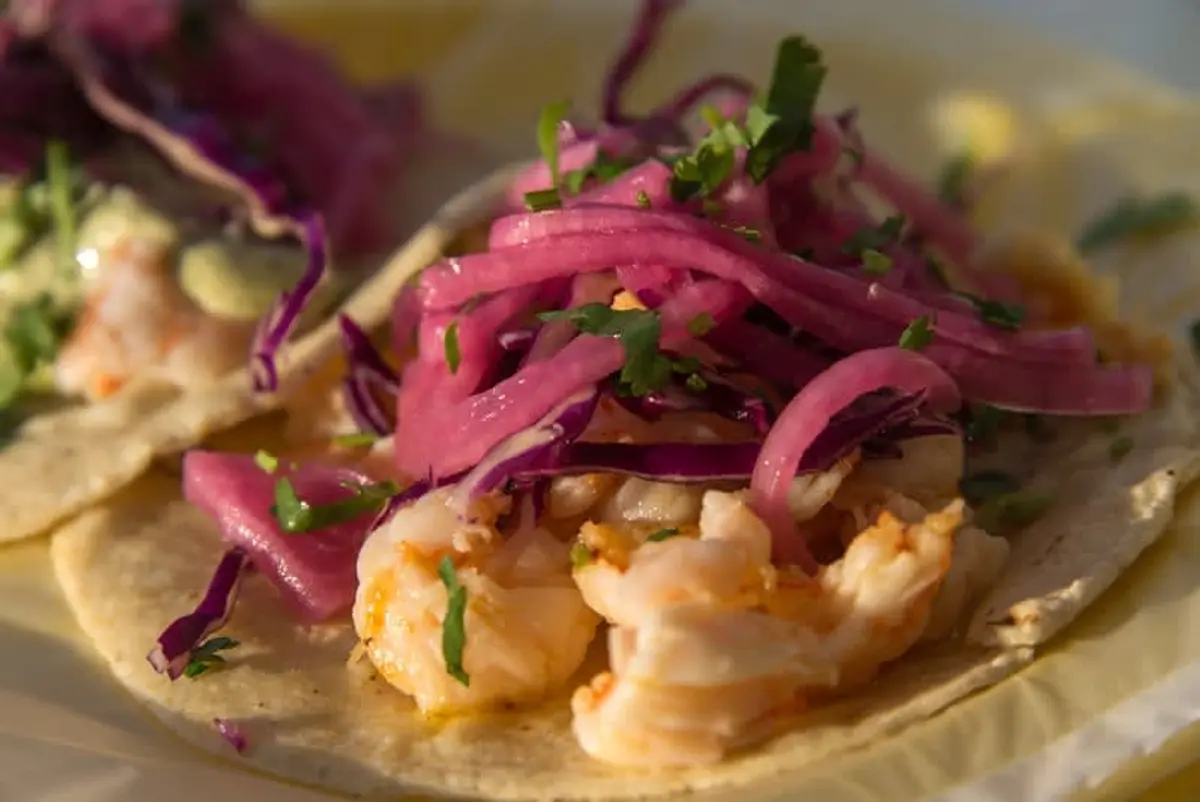
Best Restaurants in Tulum 2026: Town vs Beach Zone Prices
In 2026, Tulum’s best restaurants split into two different trips: town for value and local food, beach zone for a few expensive meals where the setting and cooking actually justify the bill. The mistake is treating every beach restaurant as a splurge-worthy dinner.
Tulum has a food pricing problem that nobody warns you about until you’ve already paid 1,200 MXN for a pasta dish and a cocktail at a beach zone restaurant with candles in the trees. The food was fine. It was not 1,200 MXN fine.
The town, 15 minutes inland by colectivo, serves the same quality of Mexican food for a third of the price. This guide covers both worlds — where the beach zone spending is actually justified, and where the local town restaurants make the beach zone look absurd.
Tulum Restaurants in 30 Seconds
| Traveler need | Best choice | Why it works |
|---|---|---|
| Best value | Tulum town | Full meals usually cost 150-350 MXN instead of beach-zone resort prices. |
| Best taco stop | El Asadero | Local grill spot with better tacos than most beach restaurants. |
| Best beach-zone splurge | Hartwood or Arca | These justify the premium through cooking, not just atmosphere. |
| Best seafood lunch | La Barrita | Town seafood without the beach-zone markup. |
| Best plant-based day | Raw Love, Burrito Amor, Matcha Mama | Tulum’s wellness scene makes vegan and vegetarian food unusually strong. |
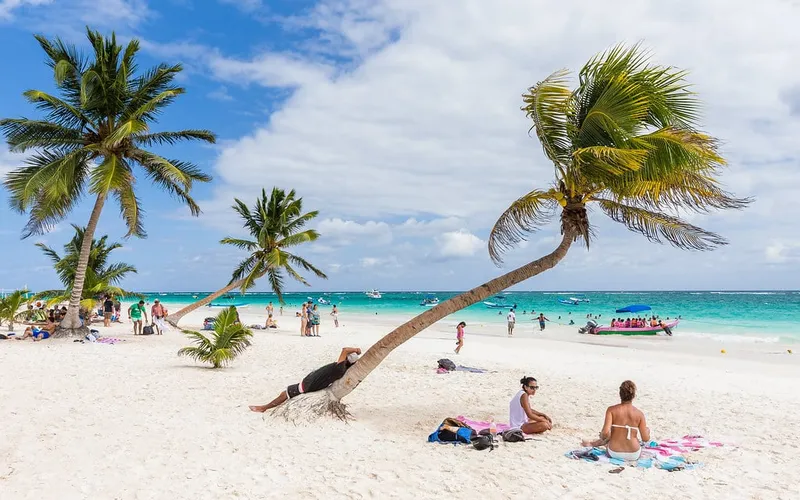
Price Reality: Town vs Beach Zone
The numbers, without softening them:
| Category | Beach Zone | Tulum Town |
|---|---|---|
| Tacos (3) | 180-280 MXN | 60-90 MXN |
| Main course | 350-800 MXN | 120-220 MXN |
| Full meal + drinks | 600-1,500 MXN | 150-350 MXN |
| Breakfast | 280-450 MXN | 80-150 MXN |
The food quality gap is smaller than the price gap. A taco at El Asadero in town is better than the tacos at most beach zone restaurants. A ceviche at La Barrita costs 160 MXN; the comparable plate in the beach zone costs 480 MXN.
The beach zone restaurants that justify their prices — Hartwood, Arca, Gitano — do so through exceptional cooking, not just setting. Most don’t.
For Tulum travel logistics including how to get between the town and beach zone, the full guide covers the colectivo system.
Tulum Town Must-Eats
El Asadero — Best Tacos in Tulum
No argument from locals on this one: El Asadero is where Tulum residents eat tacos. The asador (grill) setup means meat cut fresh and served on handmade tortillas with salsas that cycle through the day.
The suadero (slow-rendered beef belly) and the al pastor are both excellent. The consommé, if they have it on the day, is worth getting as a side.
This is a lunch spot. Arrive by 1pm for the full protein selection — popular cuts sell out.
Budget: 80-130 MXN per person
Antojitos La Chiapaneca — Chiapas-Style, Very Cheap
Most Tulum food is Yucatecan or international. La Chiapaneca serves food from Chiapas state — tamales, enfrijoladas, sopa de pan, and antojitos (small savory snacks) that you won’t find at beach zone restaurants.
The prices are some of the lowest in Tulum town: 50-90 MXN for a plate that fills you up. The tamales are wrapped in banana leaves (the Chiapas style, not corn husks) and have a masa texture that’s noticeably different from Yucatecan versions.
Budget: 60-120 MXN per person
La Barrita — Seafood, Lunch Only
La Barrita operates a short lunch window — roughly 12pm to 4pm — and focuses on simple, fresh seafood. Ceviche, fish tacos, aguachile, tostadas de marlín. The ceviche here is a consistent recommendation from people who’ve eaten across both town and beach zone Tulum.
Cash only. No reservations.
Budget: 120-200 MXN per person
Clandestino — Craft Mezcal and Food
Clandestino blurs the line between mezcal bar and serious restaurant. The food — Oaxacan-influenced small plates, rotating based on what’s available — is designed to pair with mezcal, not just accompany it.
It’s not cheap by town standards (200-400 MXN per person including drinks), but it’s the best evening option in Tulum town when you want something more than tacos. The mezcal selection is deep and the staff actually know what’s in each bottle.
Budget: 200-400 MXN per person (mezcal-forward, so depends on what you drink)
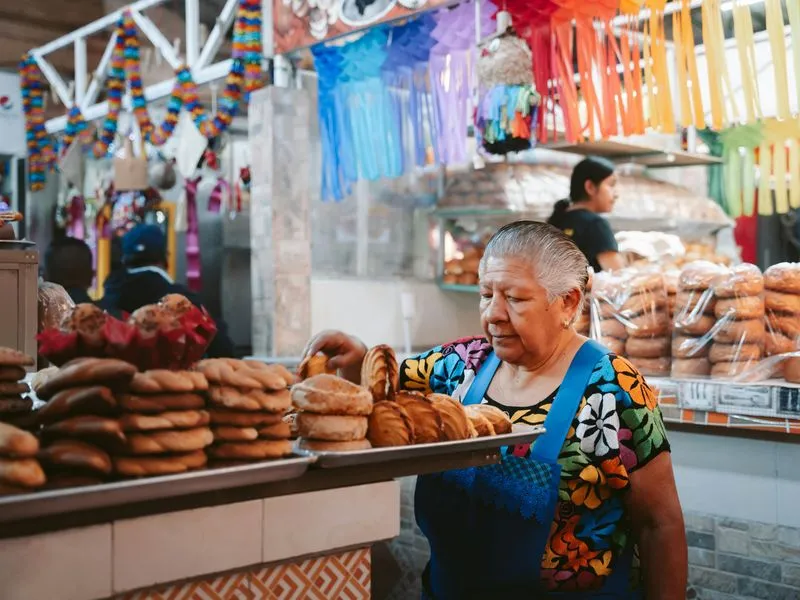
Beach Zone Restaurants Worth the Price
These three clear the bar that most beach zone restaurants don’t.
Hartwood — Wood-Fire, No Electricity, Reservation Essential
Hartwood has no electricity. Everything is cooked over wood fire: the grill, the hearth, the whole kitchen. Dishes change based on what arrived that morning. The menu is written on a chalkboard.
Founded by a New York chef who moved to Tulum in 2010 and built something genuinely of-the-place rather than imported onto it, Hartwood has maintained its reputation because the cooking is actually excellent — not because of the atmosphere, though the atmosphere (open-air, candlelit, jungle edge) is exceptional.
Reservations are required and fill weeks ahead. If you’re planning a Tulum trip around a single meal, this is the one to book first.
Budget: 800-1,400 MXN per person
Reservation: Essential — book 2-3 weeks in advance for peak season
Arca — Plant-Forward, Ex-Noma Chef
Arca is led by chefs with Noma (Copenhagen) backgrounds who’ve brought Nordic precision to Yucatán ingredients. The menu is plant-forward but not vegetarian — seafood and some proteins appear — with a focus on fermentation, char, and local produce.
The tasting menu format (around 1,200-1,500 MXN per person without drinks) is the way to experience it properly. À la carte is available but the tasting menu tells the full story of what the kitchen is doing.
Budget: 900-1,600 MXN per person
Gitano — DJ Nights and Food
Gitano is part restaurant, part scene: DJ sets from 9pm, mezcal cocktails, and a kitchen that produces Yucatecan-Mexican dishes at a quality that holds up against the party atmosphere. It’s louder and more social than Hartwood or Arca.
The best approach: arrive at 7pm for dinner before it becomes a club, eat properly, then stay for the DJ if the energy suits you. The cochinita pibil tacos here are one of the better renditions in the beach zone, and the mezcal negroni is the cocktail to order.
Budget: 800-1,200 MXN per person (drinks included in typical evening)
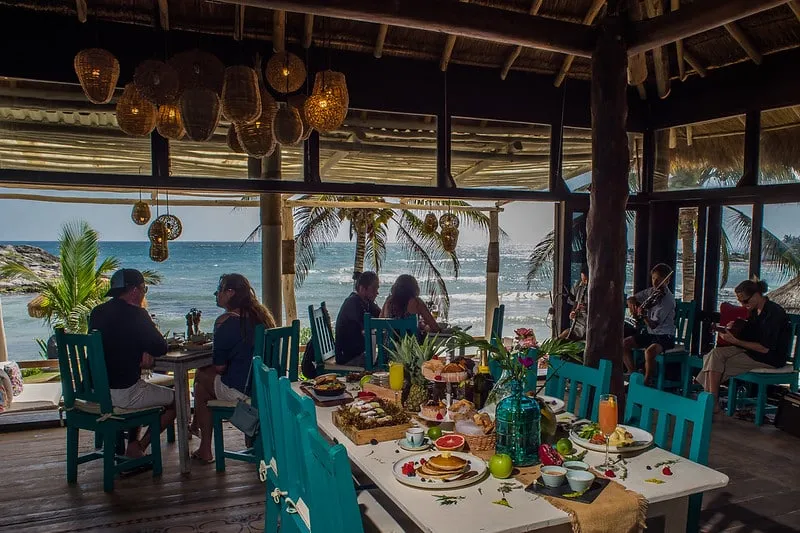
Breakfast and Health Food in Tulum
Tulum’s wellness tourism concentration has produced a legitimate breakfast and health food scene. The following are recommended over the generic smoothie bowls that populate every café with macramé and a ring light.
Raw Love
Raw Love has been doing plant-based breakfast longer than the current wellness wave and has refined it. Açaí bowls, raw cacao smoothies, living granola, and a rotating menu of cold-pressed juices. It’s in the beach zone but priced more reasonably than most beach zone breakfast spots.
Budget: 180-320 MXN per person
Burrito Amor
The name is accurate. Burritos with scrambled eggs, black beans, plantain, avocado, and handmade tortillas. Cheap by Tulum standards (120-180 MXN for a filling breakfast), genuinely good, and with a queue most mornings from 8-10am.
Budget: 100-180 MXN per person
Matcha Mama
Matcha Mama serves matcha (obviously), açaí, and a menu of health-forward breakfast plates — grain bowls, smoothie bowls, egg-based plates for the non-vegan crowd. The location in Tulum town keeps prices accessible.
Budget: 120-220 MXN per person
Cenote-Adjacent Eating
Several cenotes near Tulum have food options nearby, ranging from useful to unfortunate.
Gran Cenote (closest to town): Street taco vendors and a small café at the entrance. The tacos are adequate and cheap (60-80 MXN). Don’t expect a restaurant — eat in town first if you’re particular.
Dos Ojos: Bring your own snacks. The food stalls here are minimal. The cenote is exceptional; the food situation is not.
Cenote Calavera: Similarly limited. Pack water and snacks — you’ll be wet and hungry and there’s not much within walking distance.
Best strategy for cenote days: Eat a full breakfast in town (La Barrita for a late-morning seafood breakfast, Burrito Amor for something fast), bring fruit and snacks for the cenote itself, and plan a proper lunch when you return.
Vegan and Vegetarian Guide
Tulum has more dedicated plant-based restaurants per capita than almost any city in Mexico. This is not an accident — the wellness tourism market has made it economically viable, and enough chefs have moved to Tulum specifically to cook plant-forward that the quality is there.
Dedicated plant-based spots:
- Raw Love (beach zone, breakfast and lunch)
- Burrito Amor (town, breakfast and lunch)
- Matcha Mama (town, breakfast and lunch)
- Arca (beach zone, plant-forward fine dining — not fully vegan but vegetable-first)
Mixed restaurants with strong vegan menus:
- Most beach zone restaurants now have at least 4-6 vegan options per menu
- Clandestino’s small plates are largely vegetable-driven
- Antojitos La Chiapaneca has several corn-masa based dishes that happen to be vegan
The honest note: Some “vegan” dishes at wellness cafés use ingredients that have heavy carbon footprints (imported superfoods, avocado year-round) while locally-sourced non-vegan food might be more contextually appropriate. The environmental calculus gets complicated in Tulum. Eat what you want, but the “eco” labeling deserves some skepticism.
Lunch at the Ruins: Read Before You Go
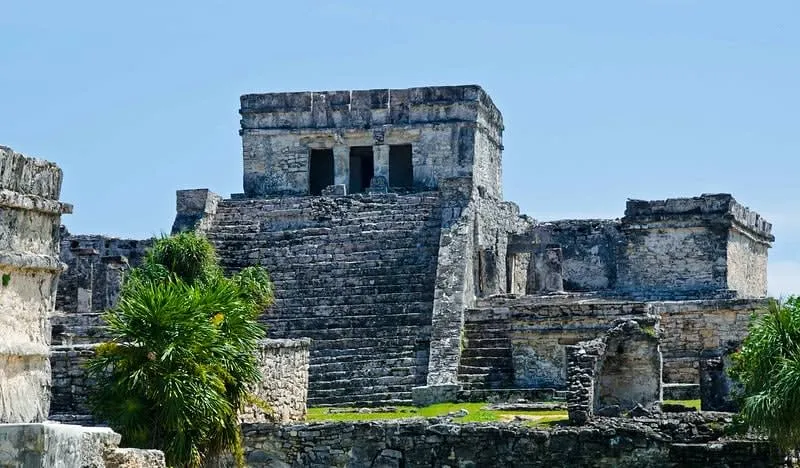
The Tulum archaeological site has one restaurant. It charges beach-zone prices for food that does not meet beach-zone quality standards.
The realistic options:
- Eat in town before you visit — a full breakfast holds you through the ruins visit (typically 2-2.5 hours)
- Bring snacks and water into the site — permitted as of 2026
- Eat from the stalls outside the site exit after the visit
The ruins are stunning. The ruins restaurant is not the reason to go. Plan your food around the visit, not at it.
Getting to the ruins from town: Colectivo north on Highway 307 to the Tulum Ruinas stop, 15-20 MXN, 10 minutes.
How to Get Between Town and Beach Zone for Dinner
The beach zone is 15-20 minutes from Tulum town by colectivo or taxi. This is relevant for dinner planning: if you’re staying in town and want to eat at Hartwood, you’ll need to arrange transport back afterward.
Colectivo: Runs on Avenida Tulum south toward the beach zone turnoff — look for shared vans heading toward the beach zone hotels. Around 25-40 MXN per person. Service thins out after 9pm.
Taxi: Fixed-price taxis run approximately 80-150 MXN for the town-to-beach-zone trip. Negotiate before getting in. After dinner at a beach zone restaurant, you’ll need to arrange a return taxi — the restaurant or your hotel can call one.
Electric bikes: Tulum’s beach zone road is flat and well-lit. Several rental shops in town provide electric bikes that handle the 5-7km to the beach zone comfortably in 20-25 minutes. This works well for dinner at Gitano or Arca; less well after mezcal cocktails at midnight.
If you’re staying in the beach zone, reaching town restaurants is the reverse problem — and the same solution applies. For extended Tulum transport context, the Tulum travel guide covers this in detail.
What to Drink in Tulum
Tulum’s drink culture mirrors its food culture: split between the local and the wellness-influenced.
In town: Cold beer (Modelo, Victoria, Tecate), micheladas (beer with lime and chili rim), and fresh jugos (fresh-squeezed orange, lime, watermelon). At Clandestino, mezcal from small Oaxacan producers.
In the beach zone: Mezcal cocktails are the standard — every beach zone bar has a mezcal-forward menu. Coconut water is sold directly from the coconut at beach club entrances (30-50 MXN, significantly cheaper than the coconut cocktail version at 280 MXN inside).
Health drinks: Matcha Mama and Raw Love serve the Tulum wellness version — ceremonial-grade matcha, cacao elixirs, adaptogen drinks. These are not cheap (120-180 MXN per drink), but they’re made well and represent what Tulum has built a specific reputation for.
Tap water: Do not drink it. Every restaurant provides purified water, and agua de garrafón (large purified water containers) are available at any tienda in town for 20-30 MXN.
Weekend vs Weekday Eating
Tulum’s food scene shifts significantly between weekdays and weekends.
Weekdays (Monday-Thursday): Easier access to beach zone restaurants, shorter waits at Hartwood, better table availability at Arca. Town restaurants are at normal pace. This is the right time to do the beach zone dining at any budget.
Weekends (Friday-Sunday): Beach zone becomes significantly more expensive and crowded as visitors from Cancun and Mexico City arrive. Hartwood reservations become near-impossible without advance booking. Town restaurants get busier but remain accessible.
December-January and Easter week: Peak of peak season. Beach zone pricing increases, Hartwood is essentially impossible to walk in to, and even town restaurants benefit from booking ahead.
May-October (low season): Lower prices, better availability, higher chance of rain (though rarely all-day rain). Some beach zone restaurants reduce hours or close entirely in September-October. This is when you get the best value on the beach zone dining experience.
Food Tour Option
Viator offers Tulum food tours that cover town taquerias, market stands, and traditional Yucatecan food — the side of Tulum that beach zone restaurant spending doesn’t access. Prices run 60-90 USD per person.
More Tulum Planning
- Tulum Travel Guide — full overview, transport, beaches, cenotes
- Things to Do in Tulum — cenotes, ruins, activities
- Best Hotels in Tulum — where to stay in town vs beach zone
- Cancun vs Tulum — which to base yourself in
- Mexico Food Guide — regional Mexican cuisine
Quick Reference: Best Restaurants in Tulum
| Restaurant | Location | Budget (MXN/person) | Best For |
|---|---|---|---|
| El Asadero | Town | 80-130 | Best tacos locals |
| Antojitos La Chiapaneca | Town | 60-120 | Budget, Chiapas-style |
| La Barrita | Town | 120-200 | Seafood, lunch |
| Clandestino | Town | 200-400 | Mezcal + food evening |
| Hartwood | Beach zone | 800-1,400 | Wood-fire, fine dining |
| Arca | Beach zone | 900-1,600 | Tasting menu, plant-forward |
| Gitano | Beach zone | 800-1,200 | DJ night + food |
| Raw Love | Beach zone | 180-320 | Plant-based breakfast |
| Burrito Amor | Town | 100-180 | Fast healthy breakfast |
| Matcha Mama | Town | 120-220 | Matcha, health food |