
Los Cabos Hurricane Season 2026: Risk, Heat & Value
Los Cabos is one of the better-value beach destinations in Mexico during hurricane season, but travelers often misunderstand why.
It is not because Cabo is storm-proof. It is because the tradeoff is usually easier to manage.
On the Caribbean side, hurricane season can bring storm anxiety plus sargassum plus ferry and reef issues. In Los Cabos, the more common problems are different: oppressive heat, rougher seas, occasional tropical systems, marina disruptions, and the fact that desert sun feels much harsher in summer than many first-timers expect.
That makes Los Cabos a more forgiving storm-season destination than Cancun or Tulum for a lot of travelers, especially if your priorities are a nice resort, a pool, good food, and some flexibility around boat days.
For broader timing help, pair this guide with best time to visit Los Cabos, Los Cabos travel guide, things to do in Los Cabos, and our wider Mexico hurricane season guide.
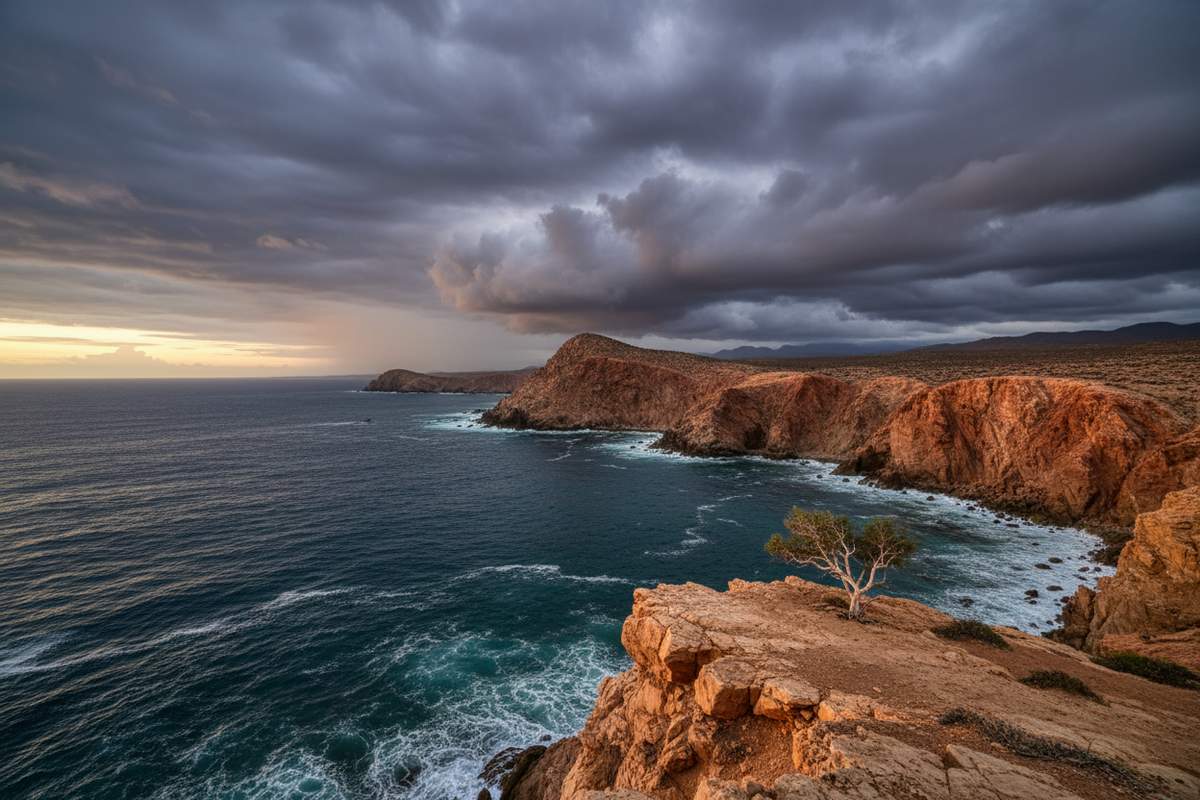
The Short Answer
| Question | Quick answer |
|---|---|
| Best hurricane-season month for Los Cabos | June |
| Best value stretch | June to early July |
| Cheapest month | September |
| Biggest issue for most travelers | Heat, then rough seas, then named-storm risk |
| Major advantage over the Caribbean | No sargassum |
| Best traveler fit | Resort travelers, couples, adults who care about value and can pivot boat plans |
| Best booking rule | Choose a flexible resort rate and check the NHC eastern Pacific outlook before travel |
If you want a simple planning truth, it is this: Los Cabos in hurricane season is usually more comfortable on paper than it is in midday reality. The deals are good. The sky is often sunny. But the heat can flatten badly planned itineraries.
How Pacific Storm Season in Cabo Works
Los Cabos belongs to the eastern Pacific hurricane basin, not the Atlantic one. NOAA’s climatology puts the official eastern Pacific season from May 15 through November 30, with activity spread across late June into early October.
That matters because Cabo’s storm season does not line up exactly with what travelers learn from Cancun content. The Pacific can become active earlier, and nearby systems can affect Cabo even when the destination avoids a direct hit.
In practical travel terms, Pacific storm season in Los Cabos usually means:
- hotter, stickier air than winter visitors expect,
- swells and rough water affecting boat trips,
- humid nights compared with the usual dry Cabo feel,
- occasional short but disruptive weather events,
- and very strong pricing if you can live with all of that.
The Three Los Cabos Windows
1. June to early July: best balance of value and comfort
This is the sweet spot for most people who want Cabo at a discount.
You are already in the official Pacific season, but usually before the most active late-summer stretch. The weather is hot, yes, but often still manageable if you lean into pool time, slow lunches, and early starts.
Typical 2026 pricing here:
- good 4-star resort: $260 to $420 USD (4,800 to 7,800 MXN) per night
- luxury resort: $380 to $650 USD (7,100 to 12,100 MXN) per night
- solid mid-range hotel or condo stay: $130 to $240 USD (2,400 to 4,500 MXN) per night
Compared with winter whale season, those savings are meaningful.
2. Late July to August: still doable, but the heat gets real
This is when travelers start misjudging Cabo. They see sunshine and assume “great beach weather.” What they get can be 33 to 36°C (91 to 97°F) with hard desert sun, warmer nights, and less appetite for midday activities.
If you book this window, plan like locals do in hot climates:
- beach or walk early,
- lunch indoors,
- pool and siesta time in the afternoon,
- dinner after dark.
3. September to early October: deepest discounts, biggest caveat
September is usually the cheapest month in Los Cabos, and the drop can be dramatic. A resort that runs $550 to $900 USD (10,200 to 16,700 MXN) in February may sit around $240 to $420 USD (4,500 to 7,800 MXN) in September.
That looks fantastic. The question is whether you are okay trading ideal weather for those rates.
For a flexible couple who want a stylish resort and do not mind losing one boat day, it can be a great value. For a first big Baja trip where you want whale watching, flawless swims, and active sightseeing, it is not the best version of Cabo.

Month-by-Month Reality in Los Cabos
| Month | Risk | Comfort level | Value |
|---|---|---|---|
| June | Low to moderate | Hot but manageable | Excellent |
| July | Moderate | Very hot | Strong |
| August | Moderate to high | Oppressive midday heat | Strong |
| September | High | Hottest and most watchful | Best |
| October | Moderate early, easing later | Improving | Good |
| November | Lower | Much more comfortable | Fair |
This is why Cabo is such a specific storm-season recommendation. The pricing improvement begins before the destination feels ideal, which means the best-value travelers are the ones willing to organize the day around climate instead of fighting it.
For month-specific planning, compare the broader Los Cabos timing guides for August, September, October, and November. If you are staying closer to the marina and want a more Cabo San Lucas-specific view, use the guides to Cabo San Lucas in August, September, October, and November.
The Biggest Issue Is Often the Heat
This is the part I want travelers to take seriously.
The biggest downside of Los Cabos in hurricane season is not always the storm. Often it is just summer Cabo itself.
Even when there is no named system nearby, you are often dealing with:
- punishing midday sun,
- air that feels heavier than the classic winter Cabo climate,
- water that can be rougher for swimming and boating,
- and less energy for hikes, ATV tours, long marina walks, and desert excursions.
That means your activity mix matters more than the forecast headline.
A good hurricane-season Cabo itinerary is heavy on:
- resort time,
- shaded lunches,
- spa afternoons,
- sunset dinners,
- short beach sessions,
- and flexible booking for boat trips.
A bad one is crammed with long daytime outings and no room to adapt.
What Gets Disrupted First in Los Cabos
These are usually the first pieces to wobble when weather or sea conditions deteriorate:
- fishing charters,
- snorkel trips,
- arch cruises,
- water taxis to Lovers Beach,
- and some marina activity.
What usually keeps working unless the system is more serious:
- resort stays,
- restaurants,
- airport access,
- shopping,
- and most non-marine activities.
That is a major reason Cabo is easier than some Caribbean destinations in storm season. Even a mixed-weather trip can still feel like a resort vacation.
The tradeoff is clearer when you compare it with other storm-season beach decisions, especially Cancun hurricane season and Tulum hurricane season, where Caribbean storm risk can overlap with sargassum, ferry changes, and reef conditions.
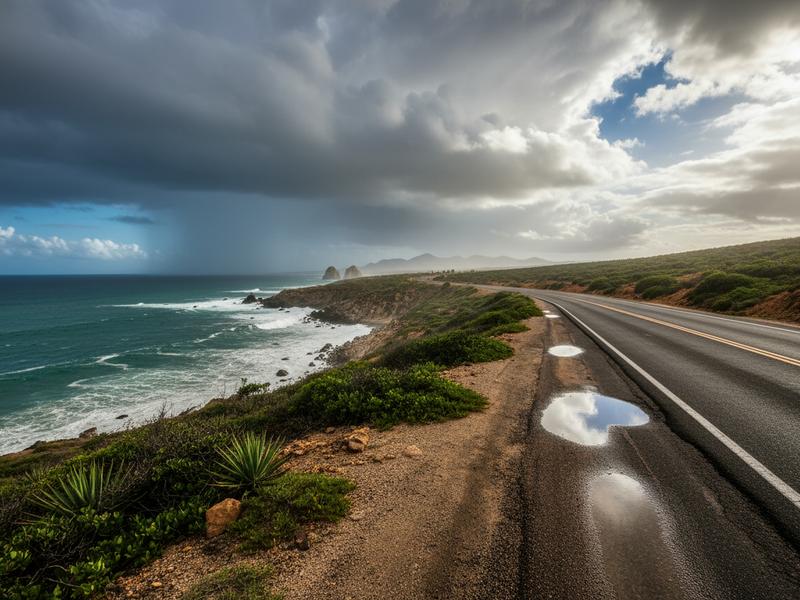
What Still Works Beautifully in Cabo in Storm Season
Even in the hotter months, several Cabo experiences still land well.
- Resort pools and swimmable-pocket beaches where conditions allow
- Sunset dinners when the heat finally drops and the sky gets dramatic
- Short marina or gallery walks early or late in the day
- Spa-heavy stays where the room and property are part of the point
What works less well is pretending September Cabo is the same as February Cabo. The destination is still attractive. It is just a different product.
Cabo San Lucas, San José del Cabo, or the Corridor?
Cabo San Lucas
Best if you want nightlife, marina access, lots of dining, and quick decisions once you see the weather. It is the easiest base if you like options.
San José del Cabo
Best if you want calmer evenings, nicer town atmosphere, and less party energy. Often a better fit for couples in summer.
The Corridor
Best if your whole plan is a resort-driven trip. In hurricane season, this can actually be the smartest move. If you are staying at a strong property with pools, restaurants, and indoor comforts, the destination becomes easier to enjoy even if the sea is rough.
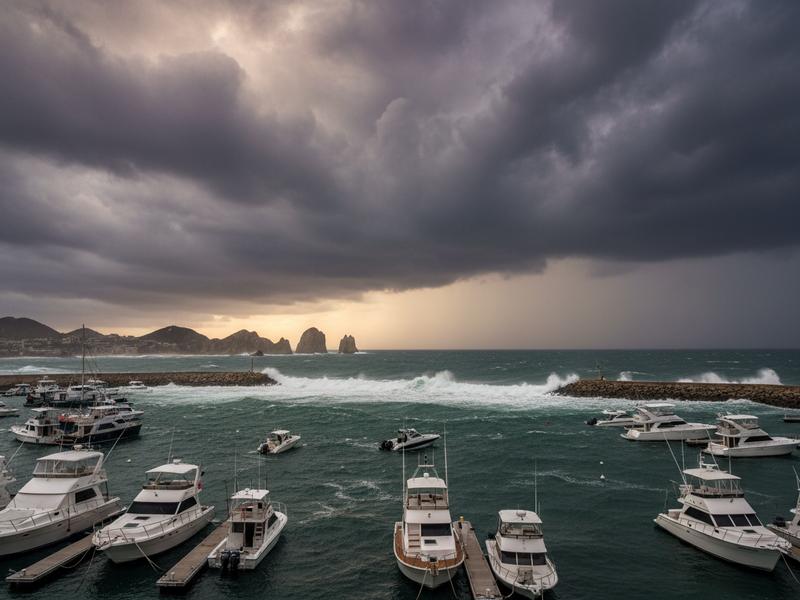
Where Cabo Still Delivers in Storm Season
If you book Cabo in summer or early fall, aim for experiences that still feel premium in heat.
A few examples:
- a resort with a strong pool scene and shaded service areas,
- a dinner-heavy itinerary with one or two sunrise activities instead of five midday ones,
- swimmable beach pockets when conditions allow, especially around Medano,
- and a willingness to treat your room, terrace, or villa as part of the vacation instead of only a place to sleep.
The East Cape and more remote corners of Baja can be beautiful in season, but they are less forgiving if roads, weather, or sea conditions change. First-timers in hurricane season are usually better off staying where services are dense and adaptation is easy. That keeps the trip feeling smooth even when the sea is not.
The Right Way to Book Los Cabos in Hurricane Season
1. Prioritize a resort you would enjoy even in imperfect weather
This is the single smartest Cabo move. If you would still like the property with two cloudier days and rougher seas, you booked well.
2. Keep marine activities flexible
Do not stack your whole trip around one exact fishing or snorkeling departure unless you are ready for it to move or cancel.
3. Add insurance when the trip cost is high
A one-week policy often falls around $40 to $85 USD (750 to 1,600 MXN). On a Cabo trip where flights plus hotel can easily exceed $2,000 USD (37,000 MXN), that is usually sensible.
4. Watch official forecasts
Use the NHC eastern Pacific outlook and CONAGUA as departure approaches. Cabo rumors travel faster than facts during storm season.
My Honest Recommendation
If you want a beach destination in Mexico during hurricane season, Los Cabos is often the one I recommend first, with a few conditions.
- Best overall answer: June
- Best value without maximum late-season risk: June and early July
- Best use of September: luxury resort deal-hunting for flexible travelers
- Worst fit: travelers who want active daytime sightseeing in intense heat or who are coming mainly for boat-dependent plans
Cabo is not the cheapest destination in Mexico, even in summer. But it can become much better value than winter, and the lack of sargassum alone gives it an edge over the Caribbean for many travelers.
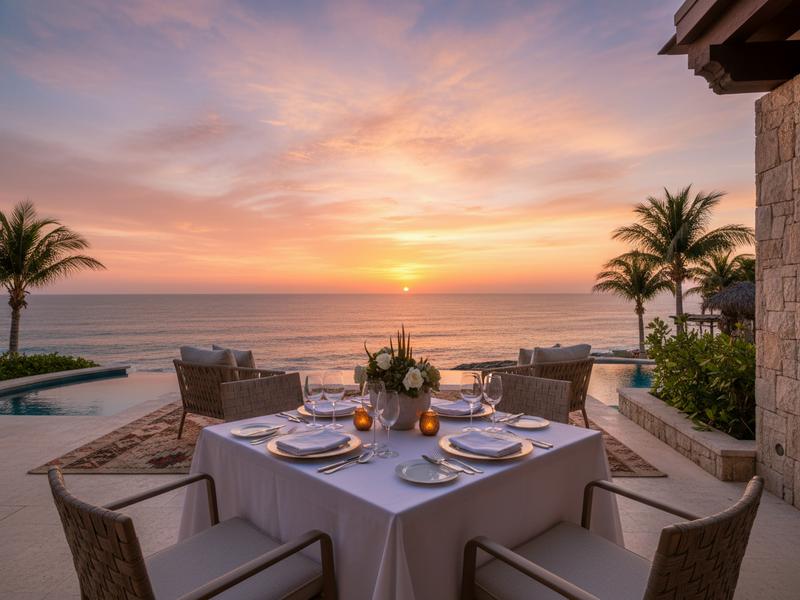
Final Take
Los Cabos during hurricane season is usually a better bet than travelers expect, but only if you respect the climate.
The discounts are real. The storm risk is real. The heat is also very real.
If you book June or early July, choose a resort you genuinely like, and keep your boat plans flexible, Cabo can be one of Mexico’s best-value beach destinations in storm season.