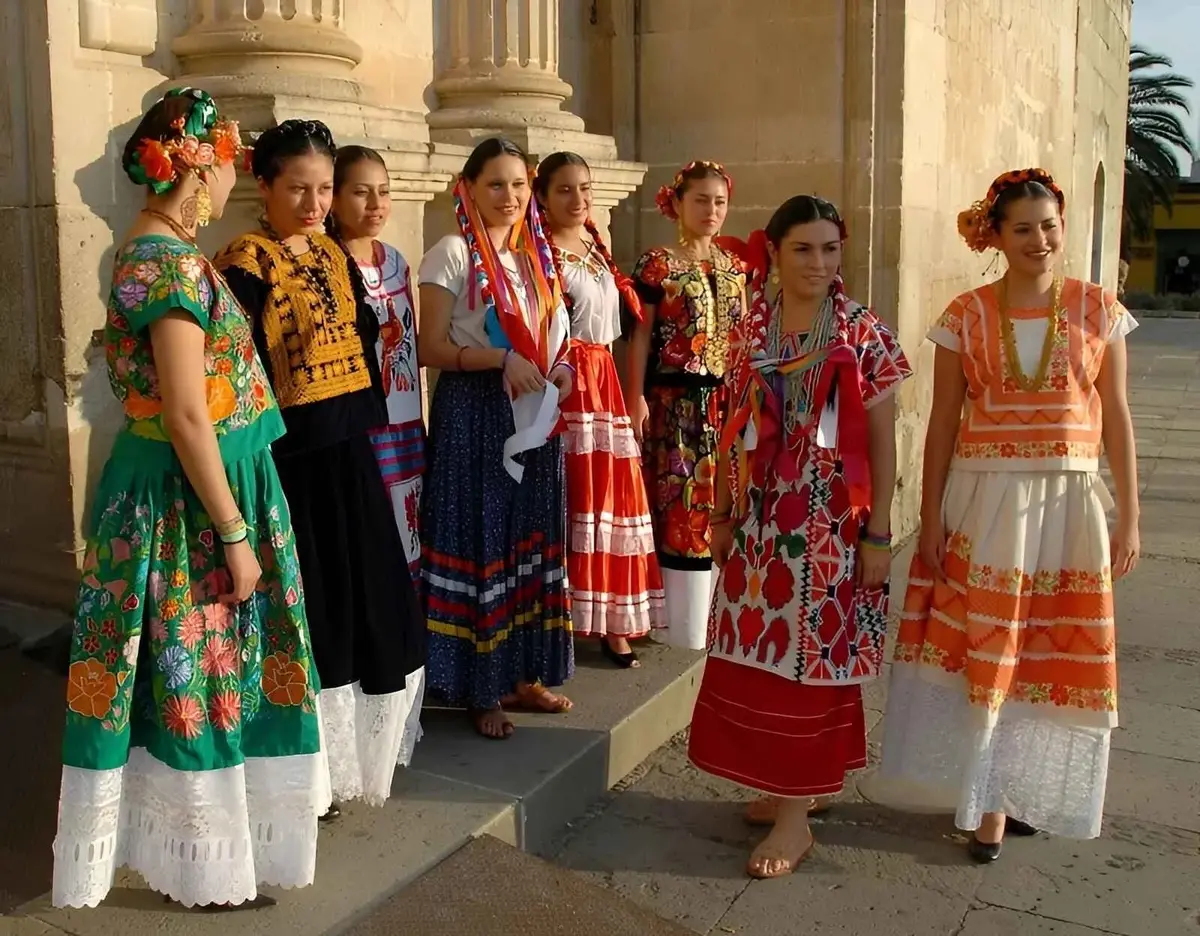
Mexican Culture 2026: Customs, Etiquette & Traditions
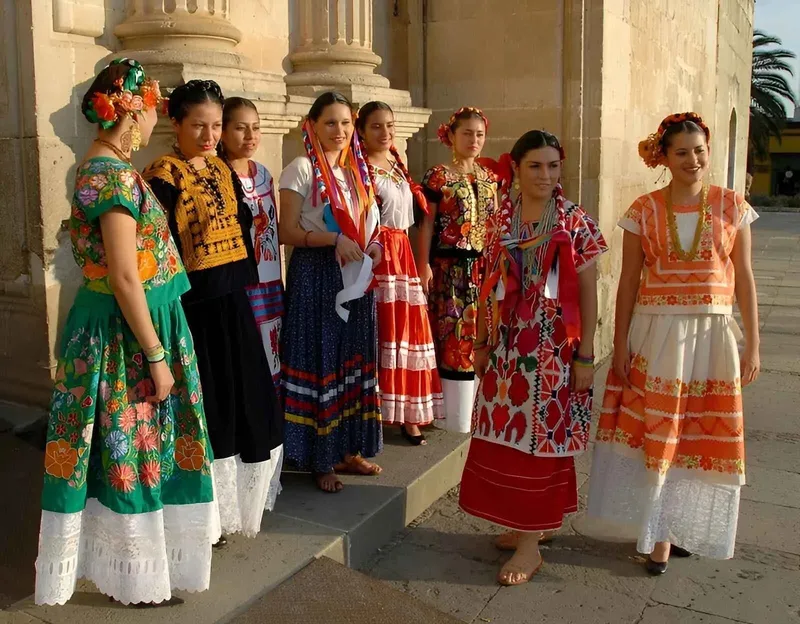
Mexican culture in 2026 is best understood through family, greetings, food, Catholic and Indigenous traditions, regional identity, and everyday courtesy. For travelers, the practical payoff is simple: knowing how greetings, meals, tipping, church visits, photos, Spanish, and local schedules work helps you avoid awkward mistakes and read Mexico with more respect. Mexico is home to 30+ Indigenous civilizations, shaped by Spanish colonial rule, famous for one of the world’s great cuisines, and still navigating enormous social and economic inequality.
This guide is about cultural reality — not stereotypes. It covers the Mexican customs and traditions that matter for travelers, the etiquette mistakes that create awkward situations, the social structures that explain why things work the way they do, and the regional differences that make Mexico far more varied than most tourists realize.
Updated for 2026, the most useful shift for travelers is practical: Mexico’s tourism corridors are more international, but everyday courtesy, church etiquette, family schedules, tipping habits, and local Spanish still shape how warmly a trip unfolds.
Mexican Culture in 30 Seconds
- Greetings matter: say hello to each person individually, use usted with strangers or older people, and do not skip goodbyes.
- Meals are social: the main meal is often mid-afternoon, lunches can run long, and the check usually comes only when you ask.
- Family comes first: Sunday comida, long gatherings, and child-friendly spaces shape daily schedules.
- Religion and tradition are visible: churches, saints, Día de Muertos, and local fiestas are part of everyday cultural life.
- Mexico is regional: CDMX, Oaxaca, Yucatan, Jalisco, northern Mexico, and coastal resort areas feel culturally different.
- Respect beats perfection: basic Spanish, modest behavior in churches, and asking before photos go further than trying to know every rule.
| Culture area | What travelers should expect | Best traveler move |
|---|---|---|
| Greetings | Individual hellos and goodbyes matter more than quick group waves. | Greet each person, use usted with strangers, and say goodbye before leaving. |
| Meals | Lunch is the main social meal, and restaurant checks usually arrive only when requested. | Leave time for long meals and ask for la cuenta when ready. |
| Family | Sundays, birthdays, and local gatherings often revolve around extended family. | Expect child-friendly spaces, late nights, and warm but unhurried hosting. |
| Religion and festivals | Catholic, Indigenous, and regional traditions shape calendars, dress, and public behavior. | Dress modestly in churches, observe ceremonies respectfully, and ask before photos. |
| Regional identity | Oaxaca, Yucatan, Jalisco, CDMX, northern Mexico, and resort areas follow different norms. | Read the local context instead of assuming one national rule fits every place. |
Time Culture: Mañana, Ahorita, and How Time Works
The phrase “mañana culture” is often used dismissively to suggest that Mexicans are lazy or unreliable. That’s a misread. The relationship with time in Mexico is different from Northern European or North American norms — but it has its own internal logic.
Mañana does not mean tomorrow. It means “not now.” If someone tells you “mañana lo hacemos” (we’ll do it tomorrow), they may mean tomorrow, or they may mean “I’m acknowledging this but it’s not urgent right now.” The word functions more like “later” than like a specific day.
Ahorita is more complex. Literally “right now” (a diminutive of ahora), ahorita functions as a spectrum:
| Someone says “ahorita…” | Likely means |
|---|---|
| Waiter to you mid-meal | A few minutes |
| Friend about calling you back | Could be any time today |
| Plumber about arriving | Don’t cancel your plans |
| Family about showing up to an event | They’ll be 30-60 minutes late |
Appointments work differently. Showing up on time to a Mexican dinner party is actually slightly awkward — you’re expected to arrive 30–60 minutes late to give the host time to finish preparing. For business meetings, punctuality is more important in Mexico City and northern cities (Monterrey culture values directness and efficiency). The more informal the context, the more flexible the schedule.
None of this applies to buses, planes, or ticketed events — those run on normal time. It applies to social and informal arrangements.
Family Structure: The Center of Everything
Mexican society is deeply family-oriented in ways that affect daily life in practical ways for travelers.
Sunday lunch (la comida del domingo) is sacred. Extended families gather for a multi-hour meal — comida, conversation, kids running around, no rushing. In many parts of Mexico, businesses close or operate with skeleton staff on Sunday afternoons because employees are with their families.
Comida hours (roughly 2pm–5pm) are when many local businesses, markets, and smaller restaurants either close or slow down significantly. This is the main meal of the day in traditional Mexican culture — not dinner. If you’re trying to visit a government office or small shop between 2pm and 5pm, don’t be surprised to find it closed or unmanned.
Family gatherings run long. A birthday party invitation for 4pm might see the hosts cleaning up at 1am. This isn’t rudeness to guests — it’s an expression of how much people value spending time together. If you’re a guest, leaving early is acceptable but saying a proper goodbye to everyone is expected.
Children are everywhere, always welcome. Mexico is an extremely child-friendly culture — children go to adult restaurants, stay up late at family events, and are included rather than sidelined. Traveling with kids? You’ll get extra warmth from locals.
Greetings: Never Skip Them
Getting greetings right is one of the highest-leverage social skills in Mexico. Skipping them is genuinely rude — more rude than in most cultures.
Standard greetings:
- Woman greeting a woman: Single cheek kiss (left cheek to left cheek), even on first meeting
- Woman greeting a man (who she knows): Single cheek kiss
- Man greeting a man (first time): Handshake
- Friends / people who know each other well: Men often do an abrazo (hug with a back pat); women continue with the cheek kiss
The rule: Always greet everyone individually when you enter a room or join a group. Don’t wave at a table and sit down. Go around and say hello to each person. This takes 30 seconds and signals that you see and respect each person there.
Common openers:
- “¿Cómo estás?” — How are you? (informal)
- “¿Cómo está usted?” — How are you? (formal, for older people or strangers)
- “Mucho gusto” — Nice to meet you (first meetings)
- “Buenos días / tardes / noches” — Good morning / afternoon / evening
When to use usted vs tú: Mexican Spanish uses usted (formal) with strangers, older people, and in formal situations. Young people and peers use tú. As a visitor, defaulting to usted when in doubt is always safe and polite.
Food Culture: Meals Are Social, Not Functional
Mexican food culture is extraordinary — one of only four cuisines in the world designated as UNESCO Intangible Cultural Heritage. But beyond what’s on the plate, how meals work matters.
Meals are social events. A two-hour lunch is normal. A meal that finishes in 45 minutes is a rushed exception. The purpose of gathering for food is as much about conversation and relationship as about the food itself.
Sharing is normal. Ordering different dishes and sharing is standard. “Want to try this?” is a cultural reflex. Don’t be surprised if someone at your table helps themselves to your food or offers you theirs.
The comida (main meal) is midday. Traditional Mexican eating patterns put the main meal between 2–4pm, not at dinner. Breakfast is light (pan dulce, coffee, tamales); comida is the big meal; dinner (cena) is lighter. Tourist restaurants in big cities adapt to international dinner norms, but traditional family restaurants do their best service at comida time.
Tortillas are not a side dish. They’re the utensil, the base, and the point. The same food served with fresh handmade tortillas vs. store-bought ones is a completely different experience.
Don’t ask for the check immediately when you finish eating. The check (la cuenta) is not brought until you ask for it in most Mexican restaurants — lingering after eating is the norm, not an inconvenience. Requesting the check right as you finish eating can feel abrupt. Have another drink, talk, then ask when you’re genuinely ready to leave.
Religion and Cultural Life
Mexico is the second-largest Catholic country in the world by population, and Catholicism is woven through daily life in ways that are sometimes invisible to secular visitors from other countries.
Religious icons are everywhere — in taxis, at market stalls, in shops, outside homes, in hospital lobbies. This is not unusual. It’s not meant to make a statement. It’s just normal.
Día de Muertos is not Halloween. This is perhaps the most important cultural clarification for foreign visitors. Día de Muertos (November 1–2) is a genuine spiritual tradition rooted in pre-Columbian indigenous beliefs merged with Catholic All Saints’ Day. Families build ofrendas (altars) with photos of deceased relatives, their favorite foods, marigolds (whose scent guides spirits home), and personal objects. They visit cemeteries to be with their deceased family members.
As a visitor: observing is welcome. Photographing public ofrendas with respect is generally fine. Donning a sugar skull costume and going to a cemetery party is not the Mexican tradition — it’s a recent export that has grown up partly for tourists.
Church etiquette: Dress appropriately (no shorts, no sleeveless tops) when entering any church. Many churches in Mexico are still active places of worship, not just tourist attractions. Be quiet. Don’t walk through during a mass.
San Juan Chamula, Chiapas is a special case: this indigenous church has its own syncretic religious practice — Tzotzil Maya rituals performed inside a Catholic church, with no priests, no pews, candles on the floor, and Coca-Cola as a ritual substance. Photography inside is strictly prohibited and can result in cameras being confiscated and visitors forcibly removed. This is serious. Respect it completely.
Indigenous Cultures: Mexico Is Not One Culture
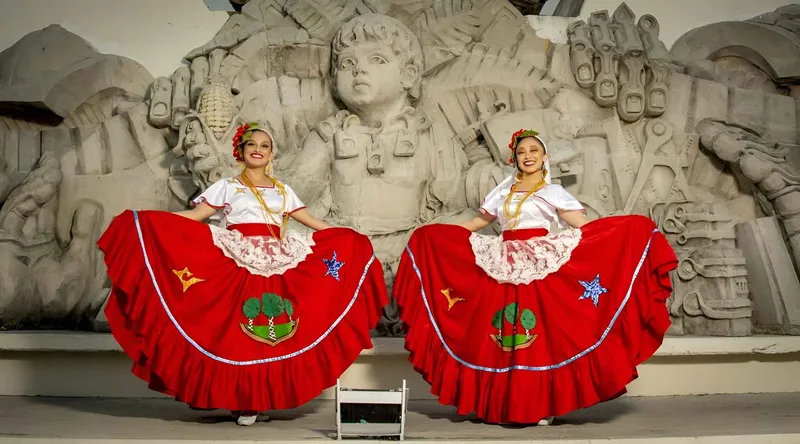
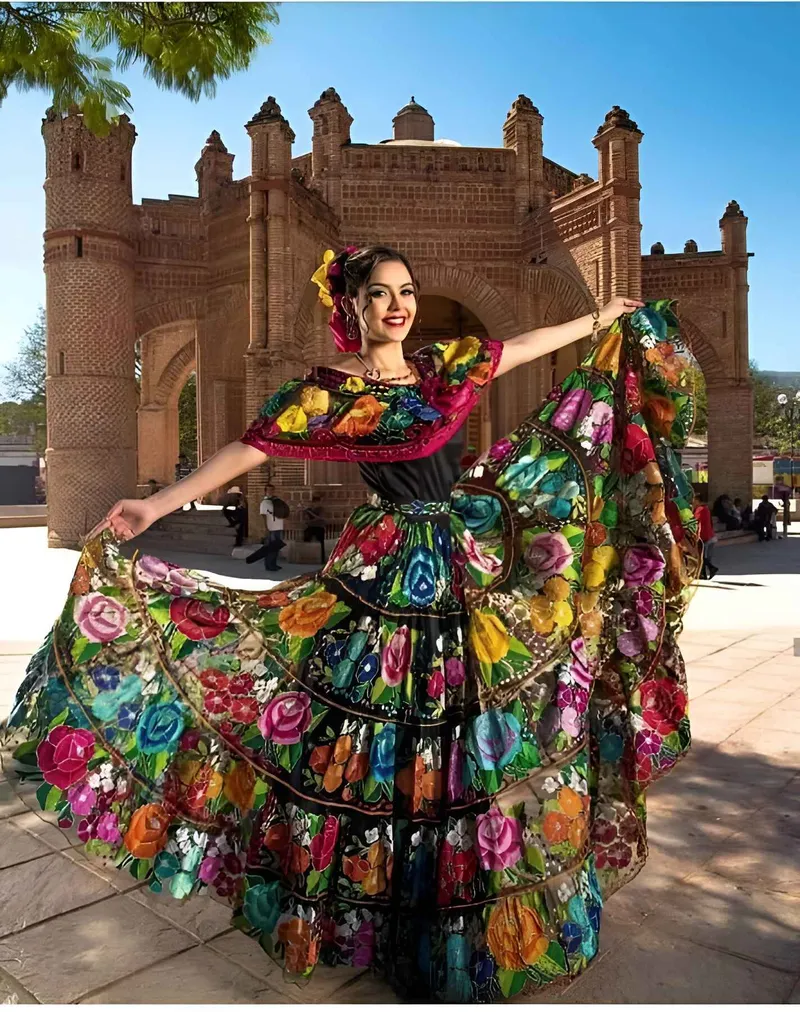
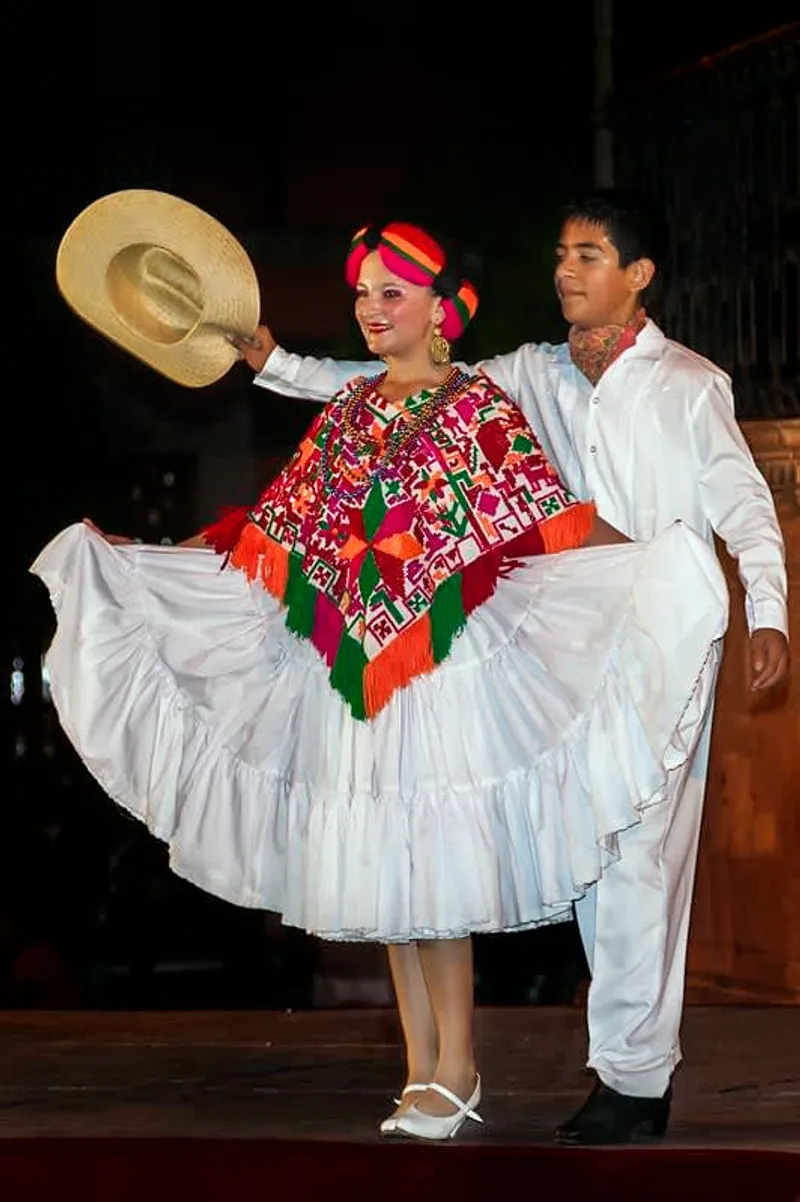
Mexico has over 30 distinct indigenous cultures with their own languages, customs, dress, and traditions. Most travelers experience some form of this — Oaxaca’s Zapotec and Mixtec cultures, the Yucatan’s Maya, Chiapas’ Tzotzil and Tzeltal communities, or the Huichol (Wixáritari) of Jalisco and Nayarit.
Key points:
- Indigenous languages are still actively spoken by millions of Mexicans. Nahuatl (Aztec), Maya, Zapotec, Mixtec, and others have millions of speakers.
- Many communities maintain traditional dress — not as a tourist performance, but as daily life.
- In traditional indigenous communities, photography of people (especially women, ceremonies, or markets) is often unwelcome or prohibited. Always ask.
- The artisanship from indigenous communities — textiles, pottery, alebrijes, chocolate, mezcal — is made by skilled craftspeople, not factories. Buying directly from artisans at the source is appropriate; buying mass-produced imitations does not support communities.
- “Authentic” indigenous products have a story and a maker. The best markets in Oaxaca, San Cristóbal de las Casas, and Mérida let you meet the people who made what you’re buying.
Tipping Culture
Tipping is essential in Mexico. Most service workers earn low base wages and depend on tips.
| Service | Appropriate Tip |
|---|---|
| Restaurant (sit-down) | 10–15% minimum; 20% for good service |
| Street tacos / casual | Round up or leave 10–20 MXN |
| Hotel housekeeping | 50–100 MXN per day |
| Tour guide (half day) | 100–200 MXN per person |
| Tour guide (full day) | 200–400 MXN per person |
| Taxi (official) | Round up to nearest 10 MXN |
| Taxi (app, like Uber) | 10–20 MXN cash to driver directly |
| Airport porter | 20–30 MXN per bag |
| Petrol station attendant | 10–20 MXN |
| Parking attendant (franelero) | 10–20 MXN |
| Grocery bag packer (often elderly) | 10–20 MXN |
The bag packers at Mexican grocery store checkouts are often elderly and work for tips only — they are not paid a wage. Tip them every time.
Machismo: Reality, Region, and Change
Machismo exists in Mexico. Denying it doesn’t help anyone. The degree varies enormously by region, class, age, and urban vs. rural setting.
In major cities (Mexico City, Guadalajara, Monterrey), young urban Mexicans are largely indistinguishable from young people anywhere — the culture is cosmopolitan, feminist movements are strong, and attitudes toward gender and sexuality are changing rapidly.
In rural areas and smaller towns, traditional gender dynamics are more pronounced. For female travelers, this manifests as piropo (unsolicited comments on the street) and occasional unwanted attention. This is unpleasant but generally not a safety issue in tourist areas.
Practical for female travelers: Travel in groups after dark in unfamiliar areas. Trust your instincts. Oaxaca, Mexico City, and San Miguel de Allende are considered particularly safe and welcoming. The northern border region and some rural areas require more caution.
LGBTQ+ travel: Mexico City, Puerto Vallarta, and Guadalajara have significant, open LGBTQ+ communities and infrastructure. Tolerance varies in smaller towns and rural areas. Puerto Vallarta’s Zona Romántica is one of the most welcoming LGBTQ+ destinations in the Americas.
Class Reality
Mexico has significant economic inequality — one of the highest Gini coefficients (inequality measures) in Latin America. This is worth understanding because tourist Mexico and real Mexico are two parallel worlds.
The resorts, boutique hotels, and tourist restaurants occupy a different economic layer from the neighborhoods most Mexicans live in. A 50 USD meal in a trendy Mexico City restaurant is more than most Mexico City workers make in a day.
This isn’t a reason to feel guilty about spending money — tourism employment matters. But being aware of the context changes how you travel. Eating at a local comedor, taking colectivos instead of private taxis, staying in locally-owned guesthouses, and buying from artisans rather than chain souvenir shops all put money into communities rather than international hotel chains.
Language Tips
Attempting Spanish is always appreciated. Even bad Spanish, spoken with effort, gets a warmer response than confident English. The effort signals respect.
“Gringo” — this word is neutral in Mexico, not offensive. It simply means “foreigner,” usually but not exclusively from the US. Don’t be alarmed if you hear it.
English availability: In Cancún, Los Cabos, Mexico City tourist areas, and Playa del Carmen, English works in tourist establishments. One block off the tourist drag, it doesn’t. In Oaxaca City, Mérida, and most colonial cities, many people in the tourism industry speak English. In rural areas, markets, and non-tourist contexts, Spanish is essential.
Useful phrases beyond the basics:
- “¿Tiene mesa para dos?” — Do you have a table for two?
- “La cuenta, por favor” — The check, please
- “¿Puede repetir?” — Can you repeat that?
- “Más despacio, por favor” — More slowly, please
- “¿Dónde está el baño?” — Where is the bathroom?
- “¿Está incluido el servicio?” — Is service included? (when confused about tipping)
Regional Differences
Mexico is not a monolith. The regional differences in culture, food, accent, and attitude are as significant as differences between, say, different countries in Europe.
Mexico City (CDMX): Cosmopolitan, sophisticated, fast-paced, international. Chilangos (CDMX residents) are often characterized as slightly aloof by the rest of Mexico. World-class arts, food, nightlife, and architecture. The center of Mexican intellectual and cultural life.
Oaxaca: Deep indigenous pride. Zapotec and Mixtec cultures are genuinely alive here — not performances. Some of the best food in Mexico. Mezcal culture. Artisanship at its highest level. A slower pace than CDMX.
Monterrey (Nuevo León): Northern Mexican culture values directness, efficiency, and hard work. Monterrey is Mexico’s industrial and business capital. The food is different (cabrito — baby goat, carne asada at a different level). The culture feels closer to Texas than to Oaxaca.
Yucatán Peninsula: Distinct Maya culture throughout. Yucatecans have a strong regional identity and don’t necessarily consider themselves part of “Mexico” in the same way. Food is distinctive (cochinita pibil, panuchos, salbutes). The heat and pace are their own.
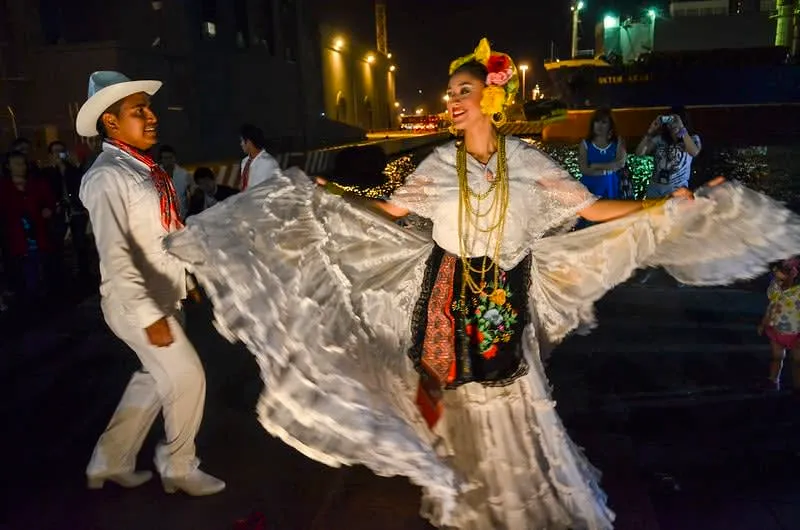
Veracruz and the Gulf Coast: African and Caribbean influences mixed with indigenous and Spanish. Different musical traditions (son jarocho, the origin of “La Bamba”), different food, different energy.
What Not to Do
In churches and religious spaces:
- Don’t wear shorts or sleeveless tops
- Don’t speak loudly or use your phone
- In Chamula (Chiapas): absolutely no photography inside the church — this is enforced
At markets and with vendors:
- Don’t wave money at someone without greeting them first. In Mexican commercial culture, the greeting precedes the transaction, not the other way around.
- Don’t make a low offer and then walk away as a negotiation tactic — it’s considered disrespectful in many contexts (though some markets do expect bargaining)
At Día de Muertos:
- Don’t treat it as a Halloween event
- Don’t photograph families at graveside without permission
- Don’t show up to cemetery celebrations as a tourist spectacle
Photography of people:
- Always ask in indigenous communities, markets, and for portraits of individuals
- “¿Puedo tomar una foto?” — May I take a photo?
- If someone says no, accept it without argument
In restaurants:
- Don’t expect fast service — that’s not how it works
- Don’t be loud or demanding with staff — patience and courtesy go much further
Tipping failure: Not tipping at a sit-down restaurant is genuinely rude in Mexico. The 10–15% standard is real. Zero tip on a restaurant meal is considered an insult to the service.
Travel Safety
Mexico’s safety situation varies enormously by destination. The Yucatan, Oaxaca, Mexico City tourist areas, and the major Pacific coast destinations are generally safe for tourists. Other regions require more research and caution.
Read the full Mexico safety guide →
Travel Insurance
Travel insurance is not a cultural requirement in Mexico, but it matters because everyday travel here can involve long bus rides, ferry connections, mountain roads, festivals, late meals, and weather delays. If your itinerary includes rural communities, archaeological sites, surf beaches, cenotes, or long intercity transfers, choose coverage that includes medical care, trip interruption, and activity coverage instead of only basic baggage protection.
Culture also affects how help works. In smaller towns, people will usually try to assist you, but English may be limited and payment may be expected upfront at private clinics. Keep your policy number, emergency phone line, passport copy, and hotel address available offline. If you need help explaining a medical issue, ask your hotel desk or tour operator for Spanish support before heading to a clinic.
For broader planning, pair this cultural guide with the practical basics in the Mexico travel tips guide and the regional context in Is Mexico safe?.
Mexican Culture FAQs
What should travelers know first about Mexican culture?
Mexican culture is built around family, greetings, food, religion, regional identity, and respect for local context. Travelers do best when they greet people properly, learn basic Spanish, dress modestly in churches, tip service workers, and avoid treating local traditions as performances.
Is Mexican culture the same across the country?
No. Oaxaca, Yucatan, Mexico City, Jalisco, northern Mexico, the Gulf Coast, and resort corridors all feel different in food, language, pace, dress, and social norms. Use this guide as a national foundation, then read destination-specific advice before you go.
How can tourists show respect in Mexico?
Start every interaction with a greeting, ask before photographing people, use usted with strangers and older people, tip fairly, and avoid jokes about poverty, violence, or stereotypes. If you are invited into a home or community event, follow the host’s pace instead of trying to rush the experience.
What Mexican traditions are most important for visitors to understand?
Día de Muertos, Catholic feast days, local patron-saint festivals, Sunday family meals, Indigenous markets, and regional food traditions are among the most visible. The key is to observe with humility: some events welcome visitors, while others are intimate family or community moments.
Do tourists need to speak Spanish in Mexico?
You can manage in English in major resort areas and many hotels, but Spanish becomes important in markets, small towns, taxis, bus stations, local restaurants, and rural destinations. A few phrases such as buenos días, por favor, gracias, disculpe, and la cuenta, por favor make interactions warmer and easier.
Related Guides
- Mexico Travel Tips — practical logistics for first-time visitors
- Is Mexico Safe? — honest breakdown by region and type of travel
- Day of the Dead Guide — how to experience Día de Muertos respectfully
- San Juan Chamula, Chiapas — the syncretic Maya church in detail
- Mexico Food Guide — the full guide to Mexican cuisine by region